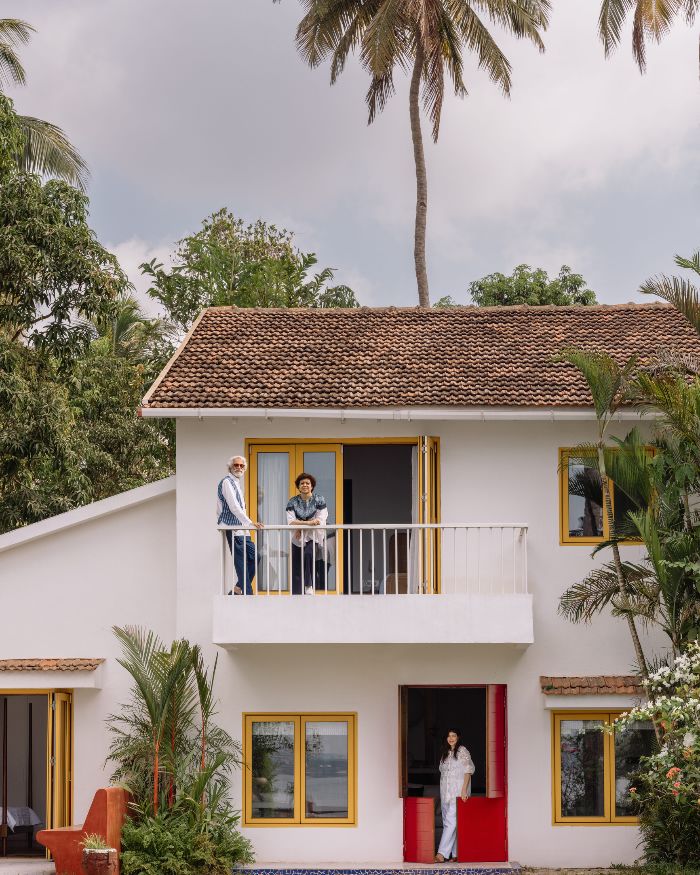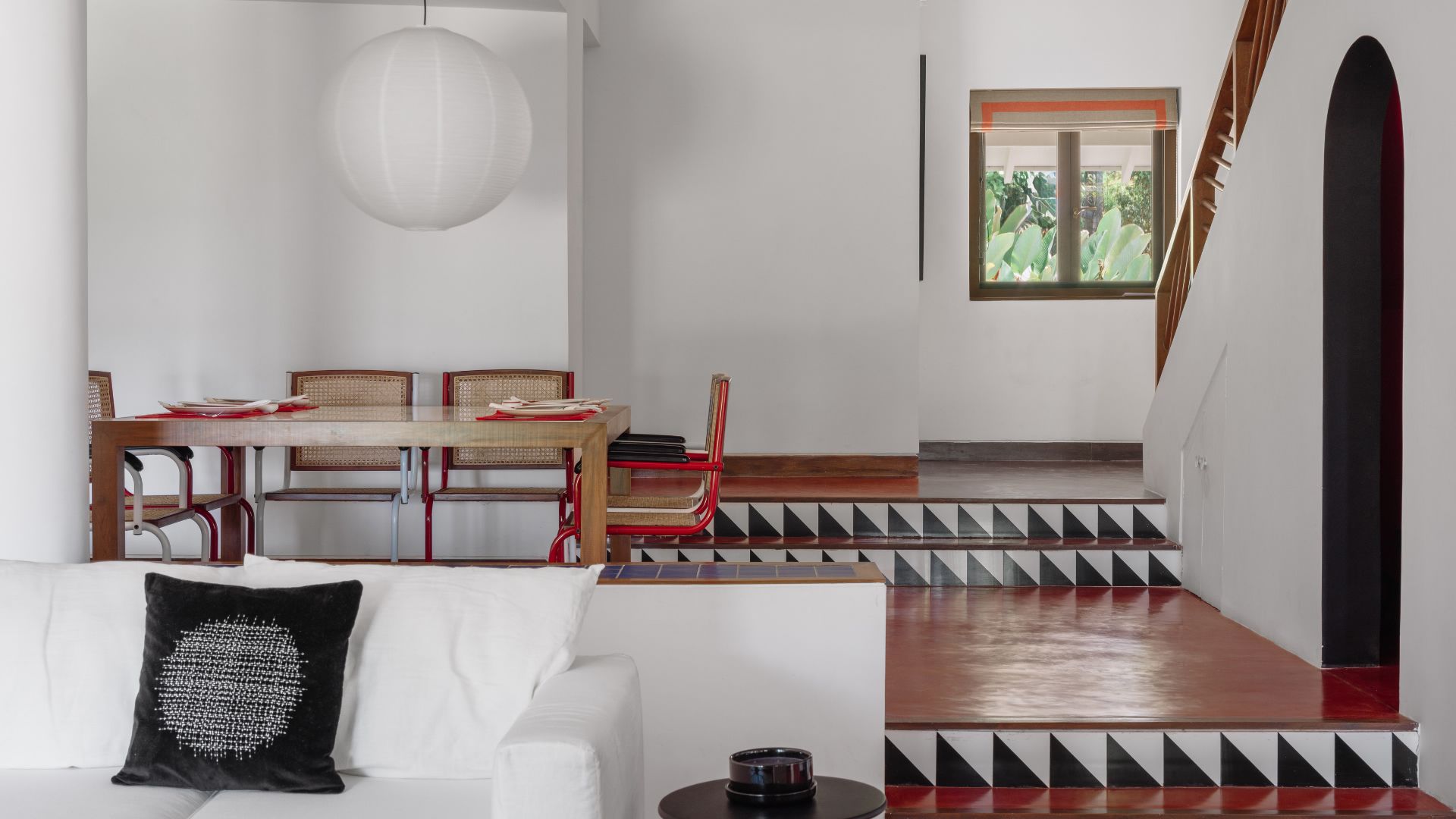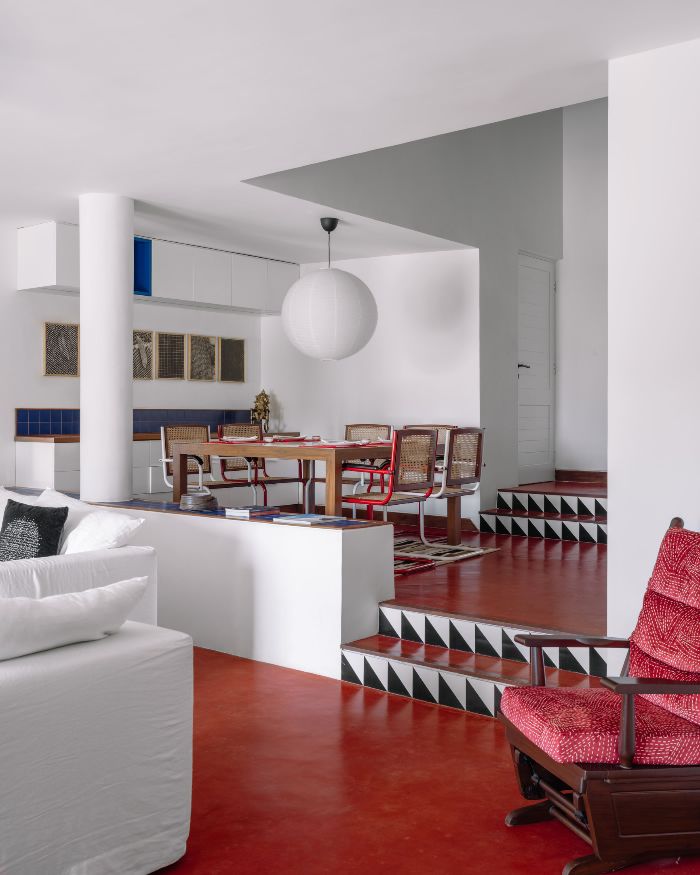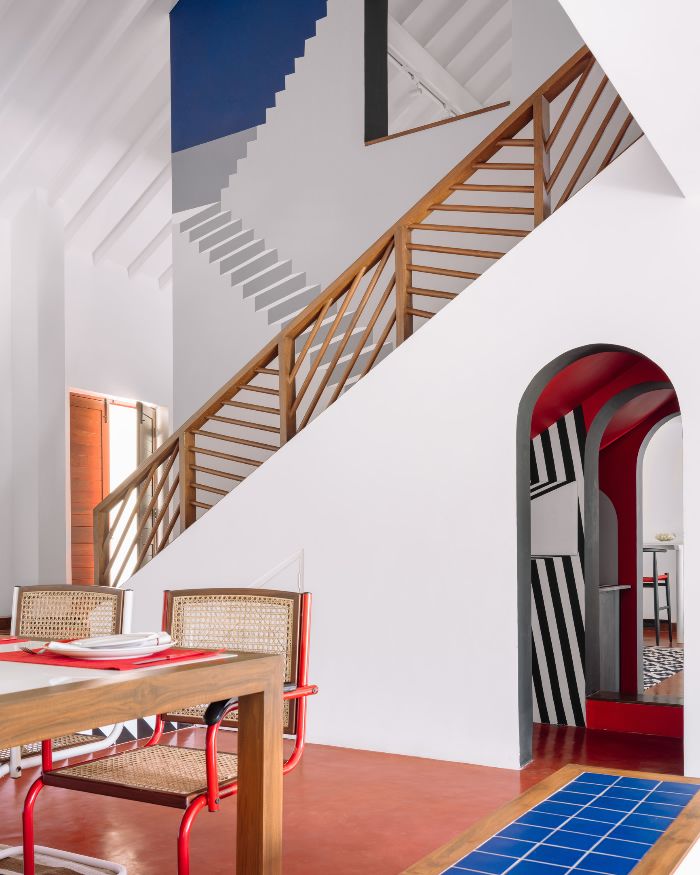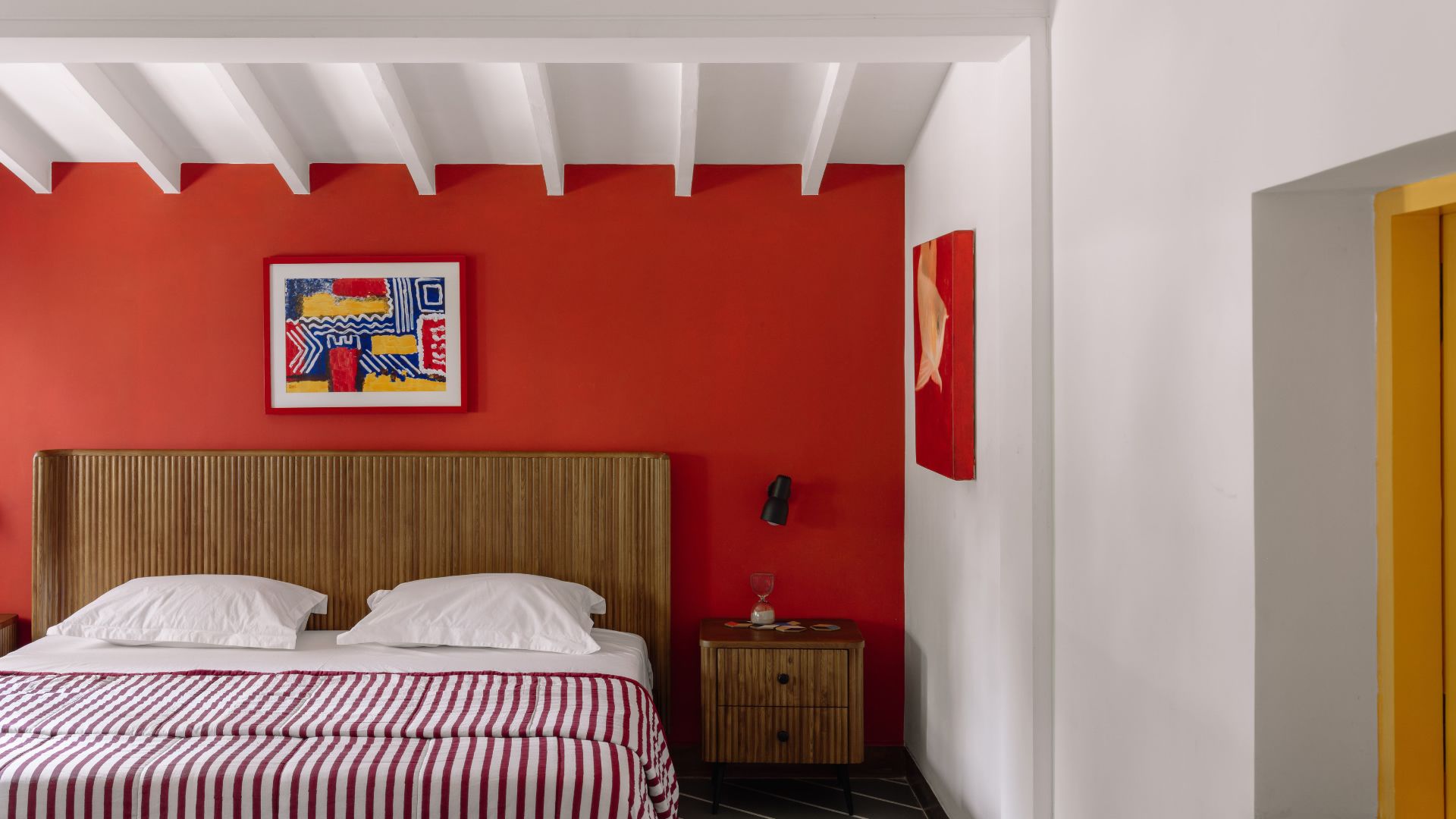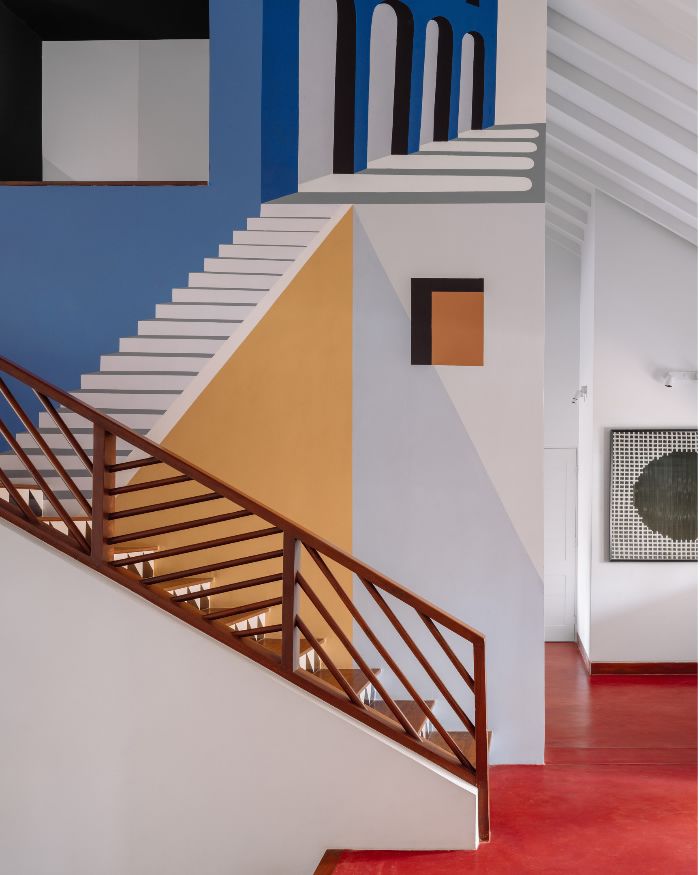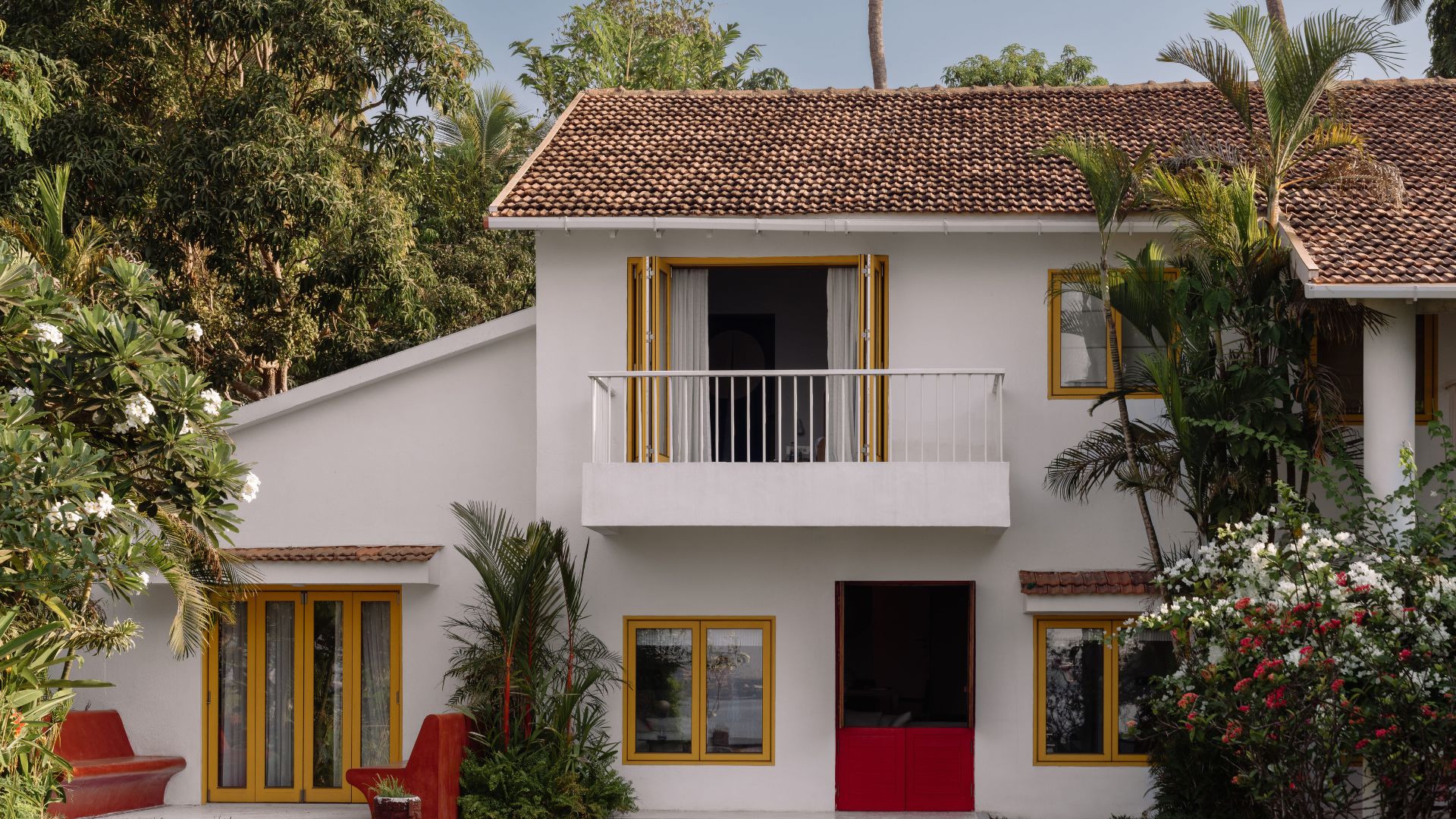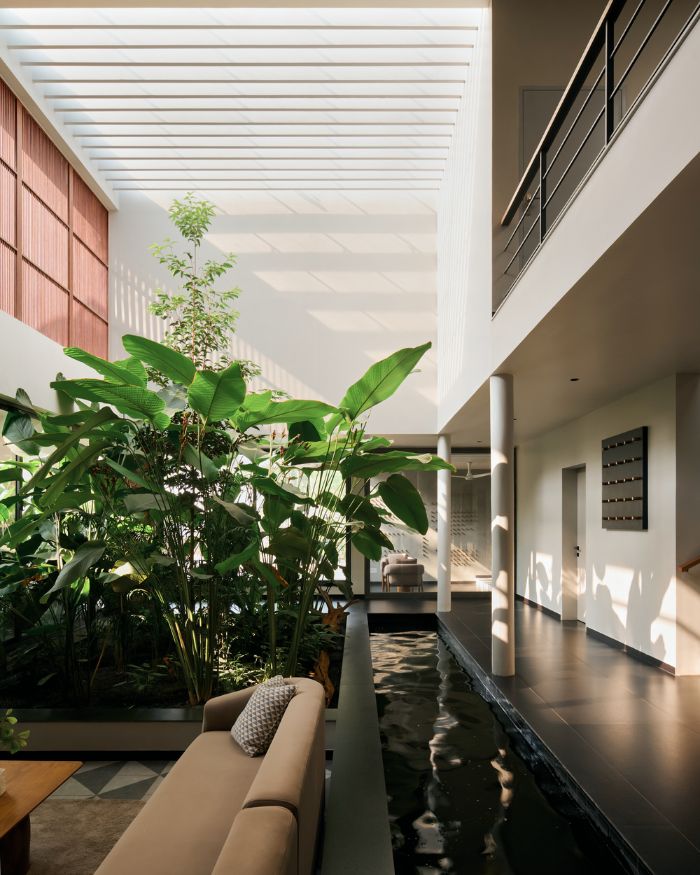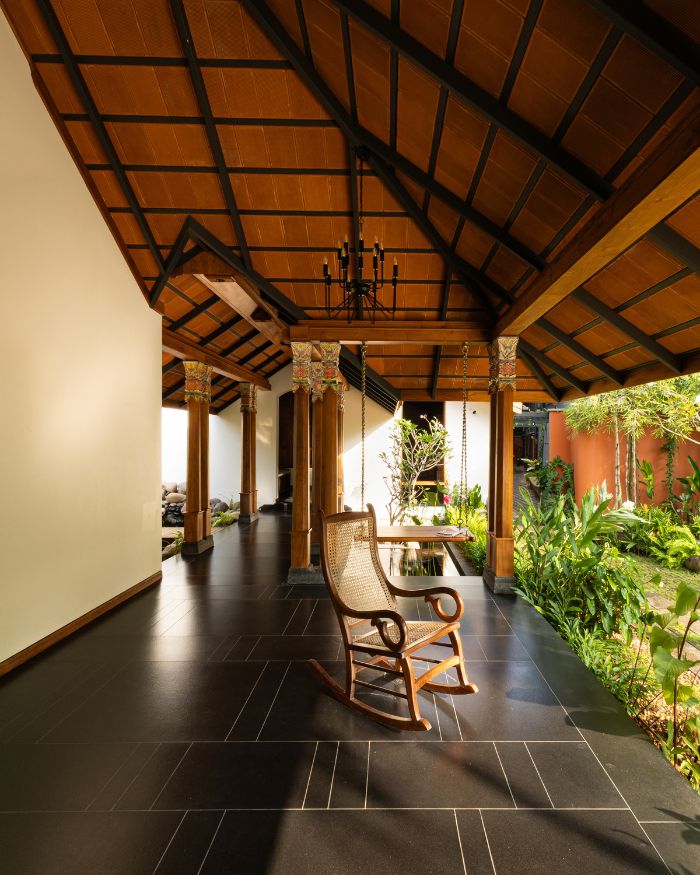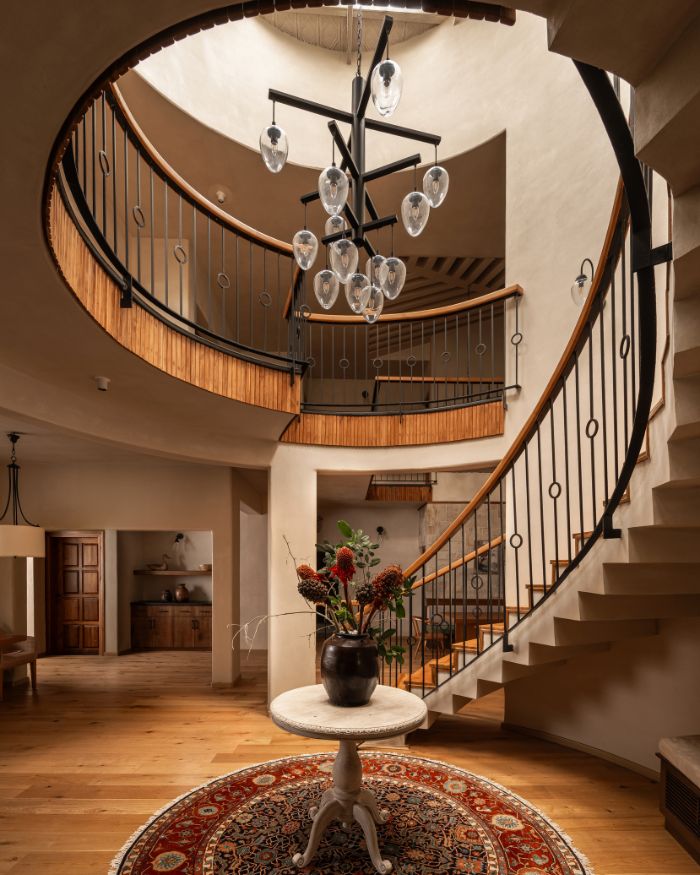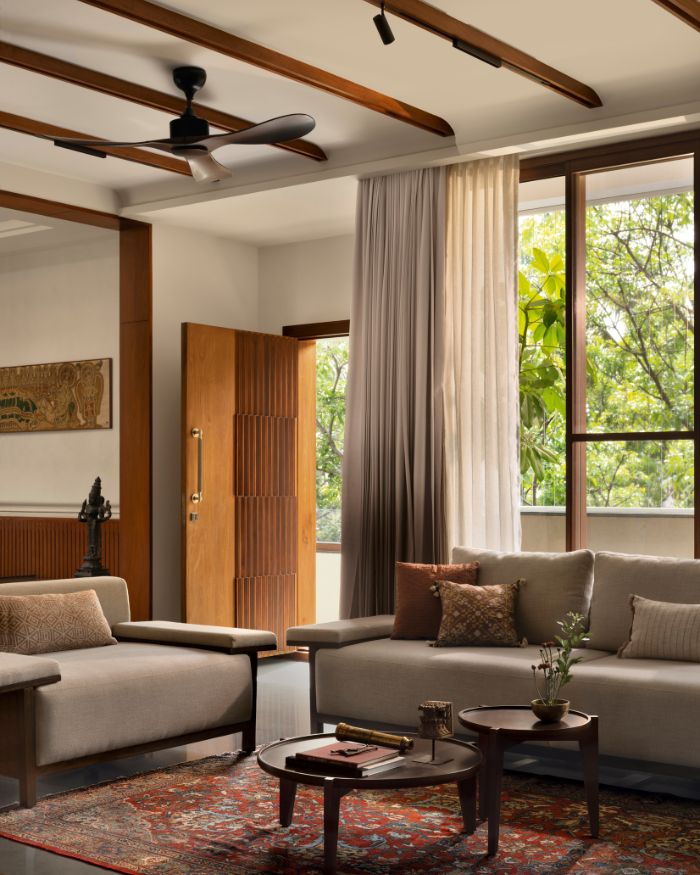
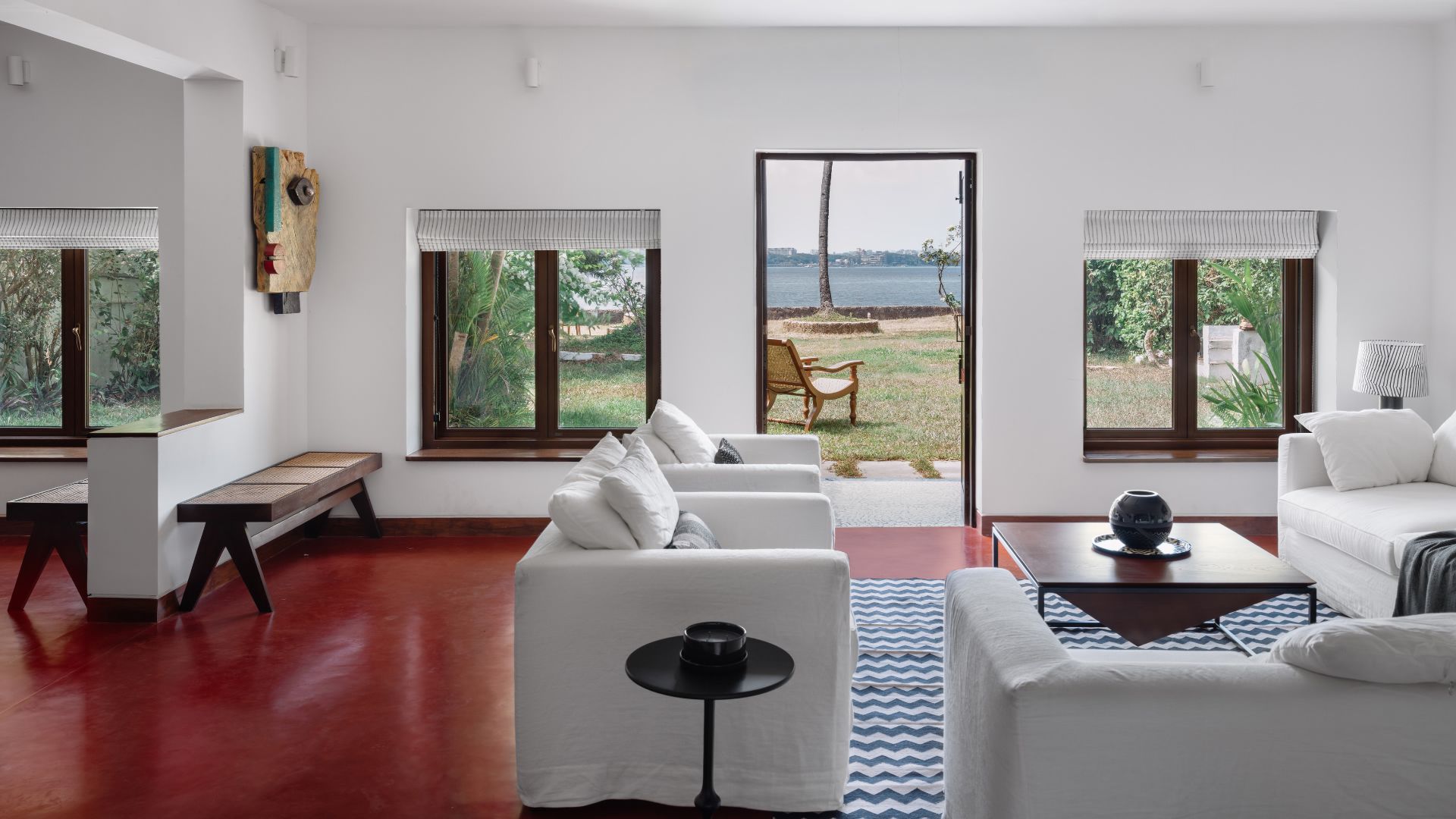
Back in architecture school, a professor once told my class that if we were to copy an architect, it should be Charles Correa. Because if we achieved even 50% of what he does, then there is some merit to our work. The year was 2010. We were discussing modern history when we arrived at Correa. What my student self did not know in 2010 was that while we were dissecting his work in a classroom, Correa was completing one of his final masterpieces half a world away: the Champalimaud Centre for the Unknown in Lisbon. And what I certainly did not anticipate was that 16 years later, I would find myself contemplating the afterlife of his ideas in Goa. I am at Verem Villas, the riverside development on the banks of the Mandovi River that Correa designed in the 1980s. He eventually occupied one of the homes, where his partner Monika Correa continues to reside. Correa chose his home at one end of the multi-unit residential development. But the home I’m about to enter is at the other end, owned by Sunil Sethi. My story begins here, at the end of an idea whose author (architect, actually) lived at the other.
“Vittorio Radice became a guru of sorts for me to understand architecture. On one of his trips to India, he told me, ‘Let’s go and see Charles Correa’s buildings’"
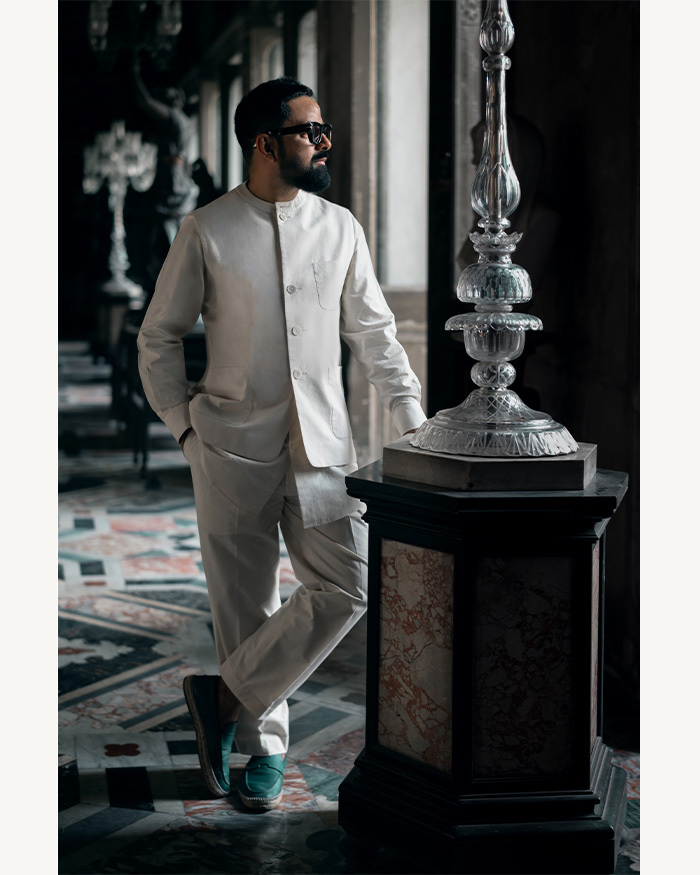
Sunil Sethi