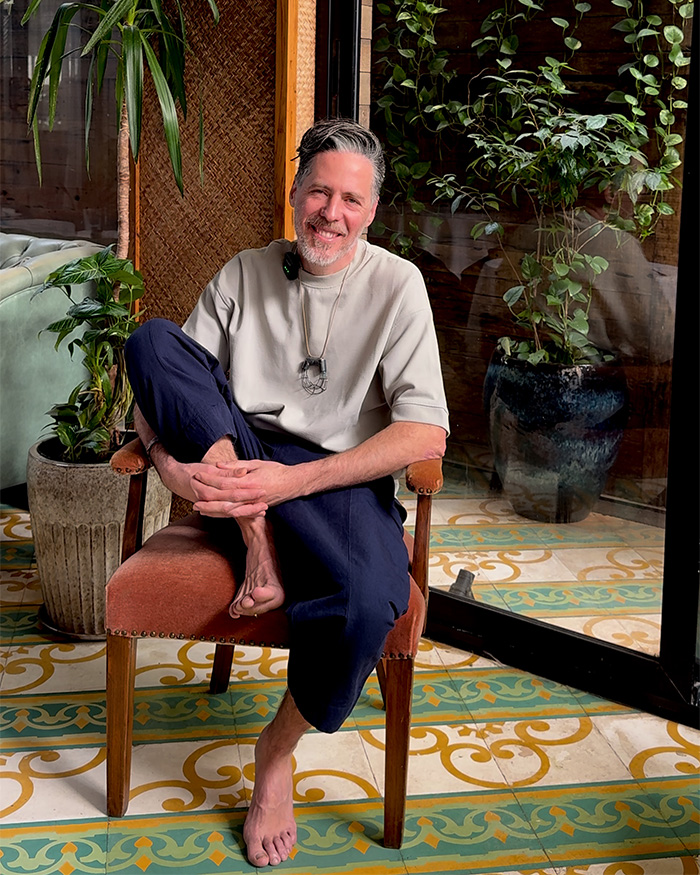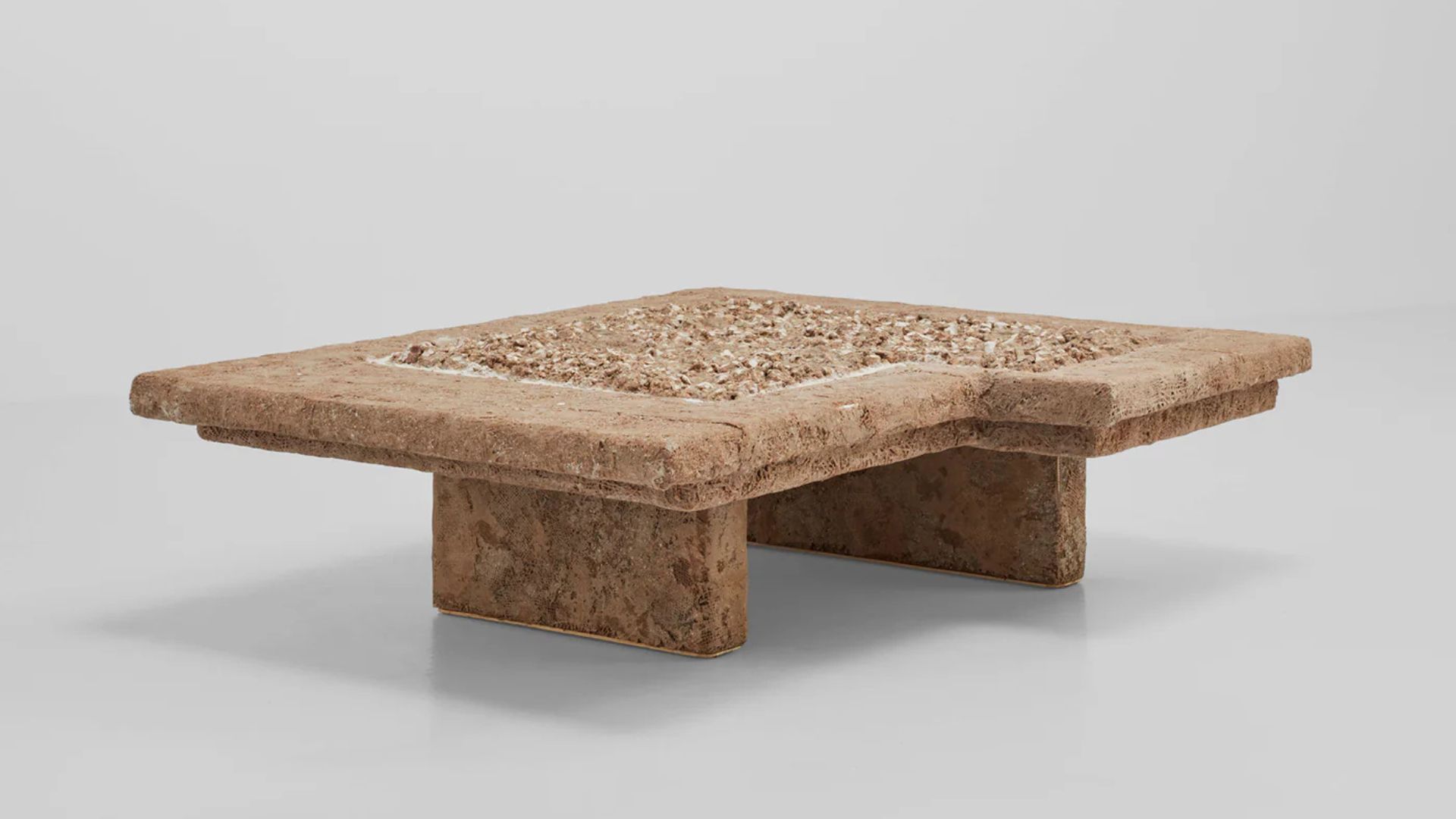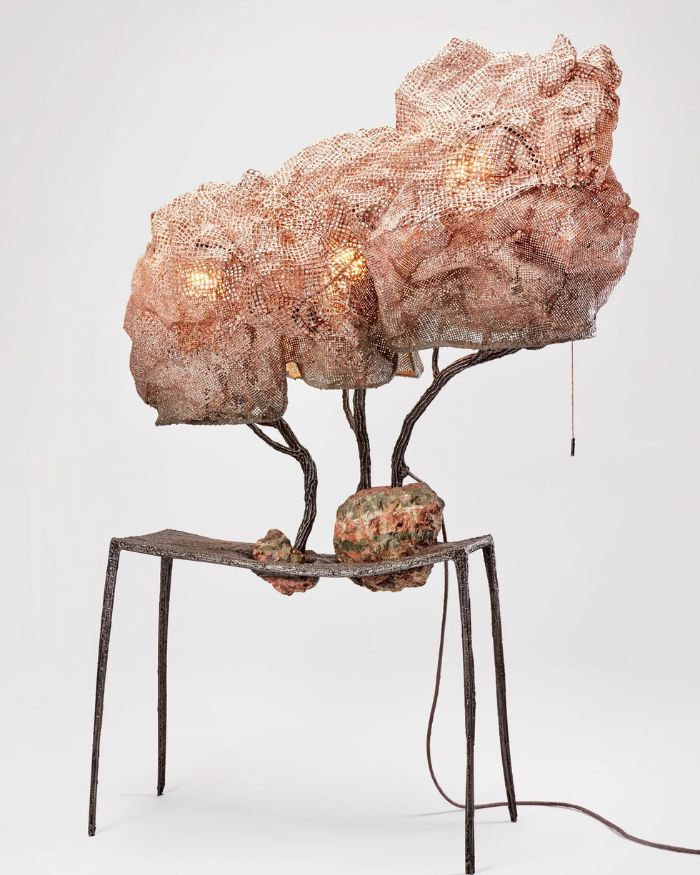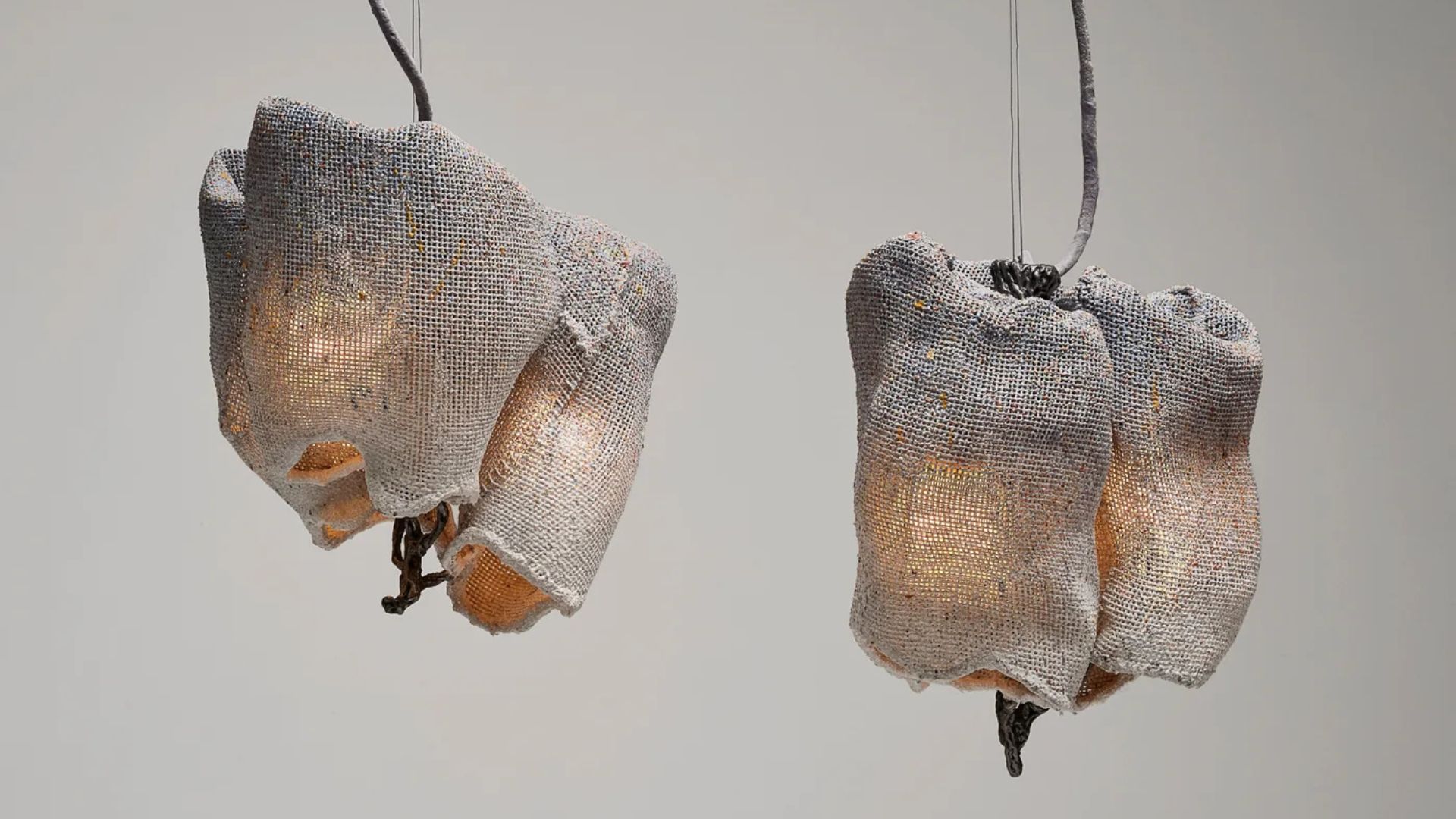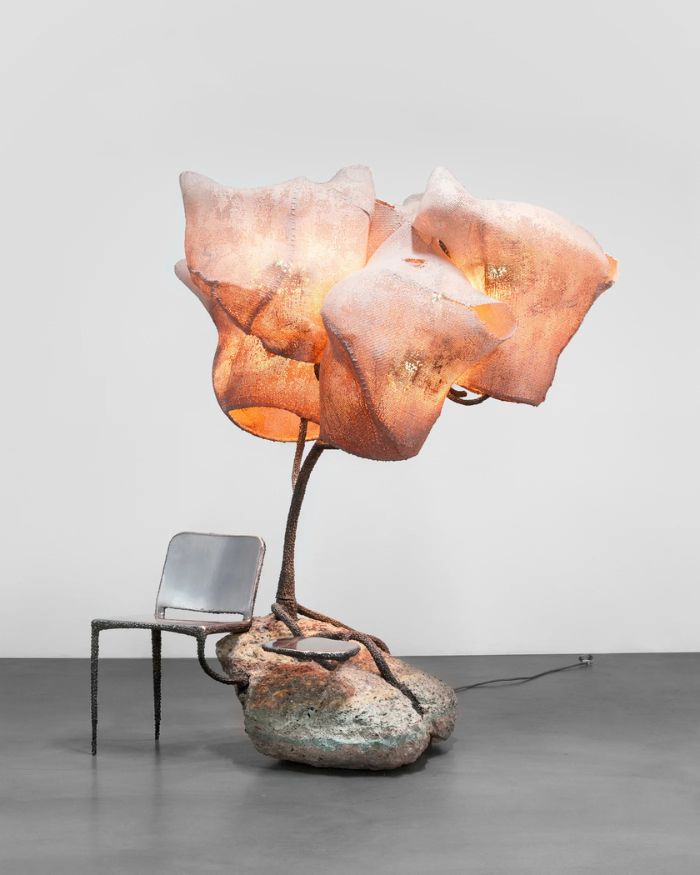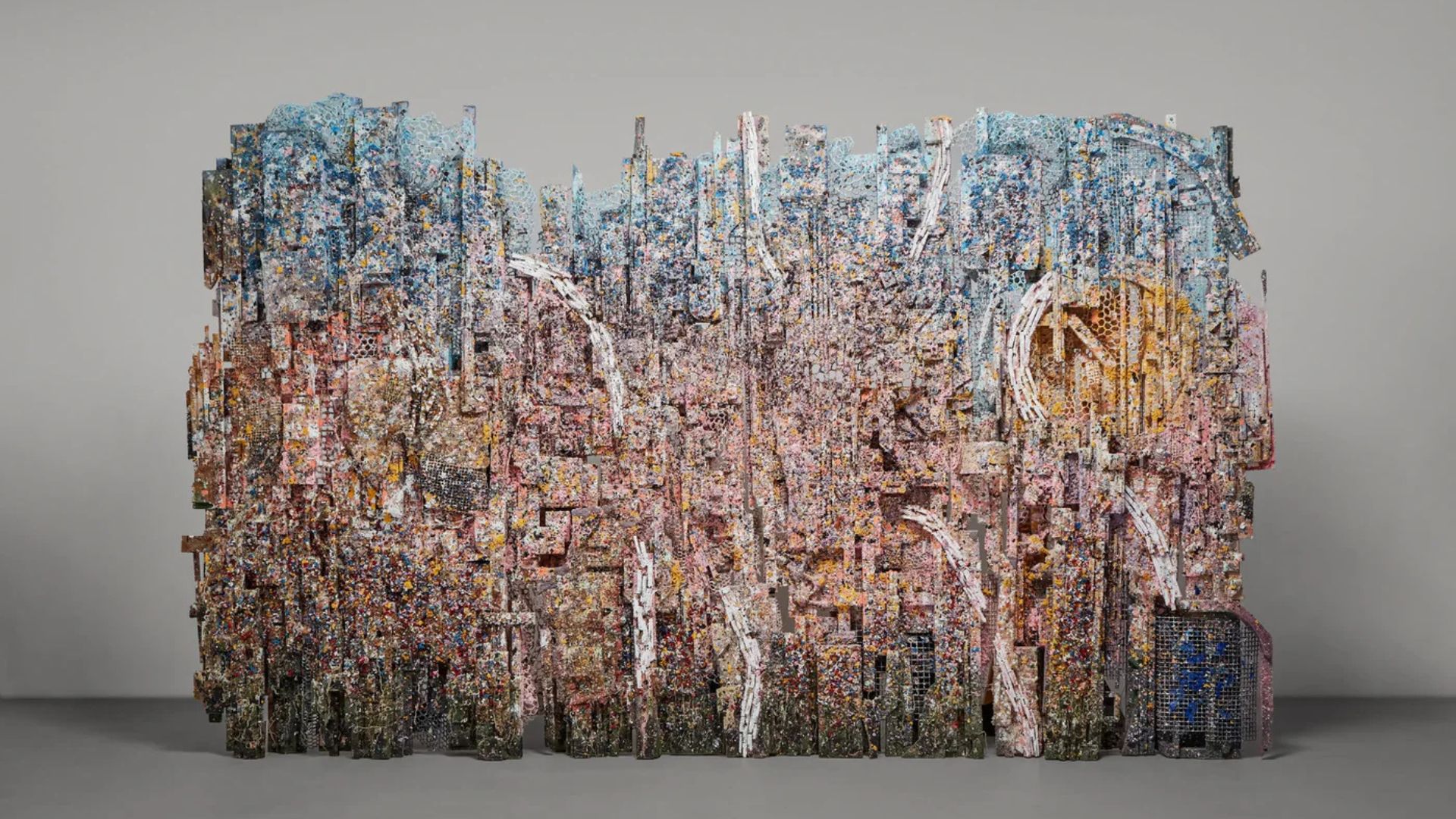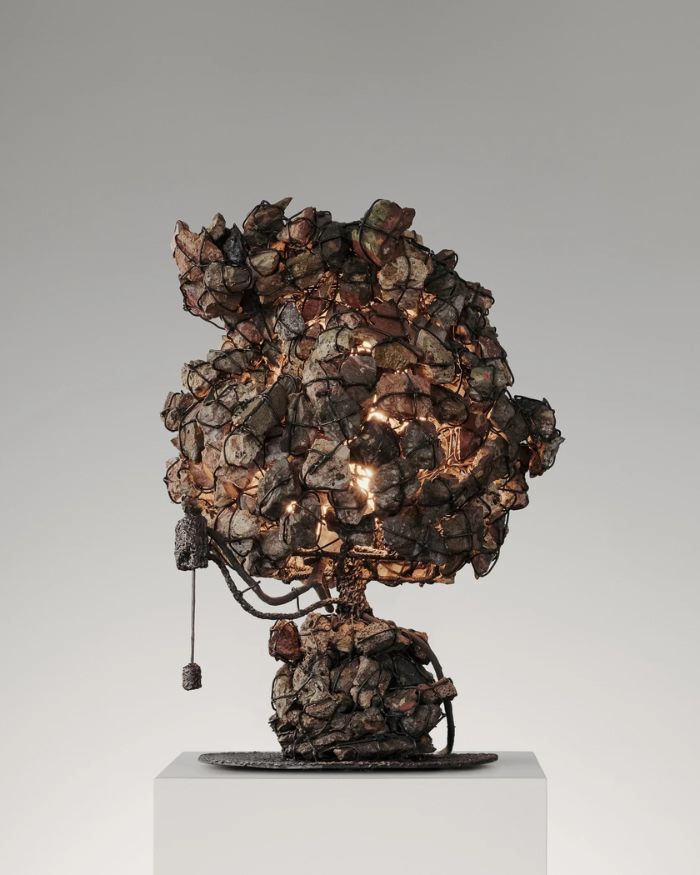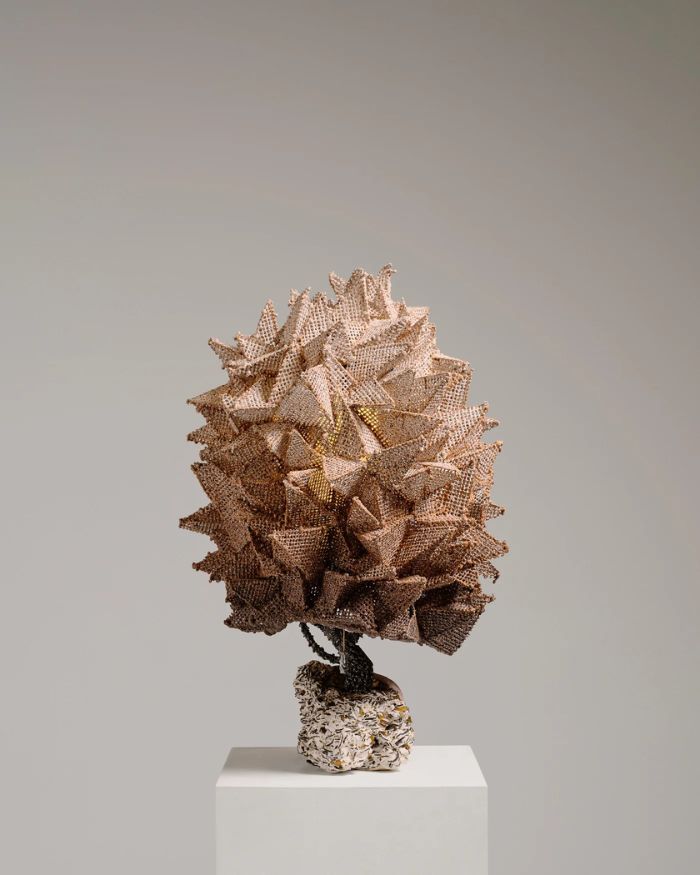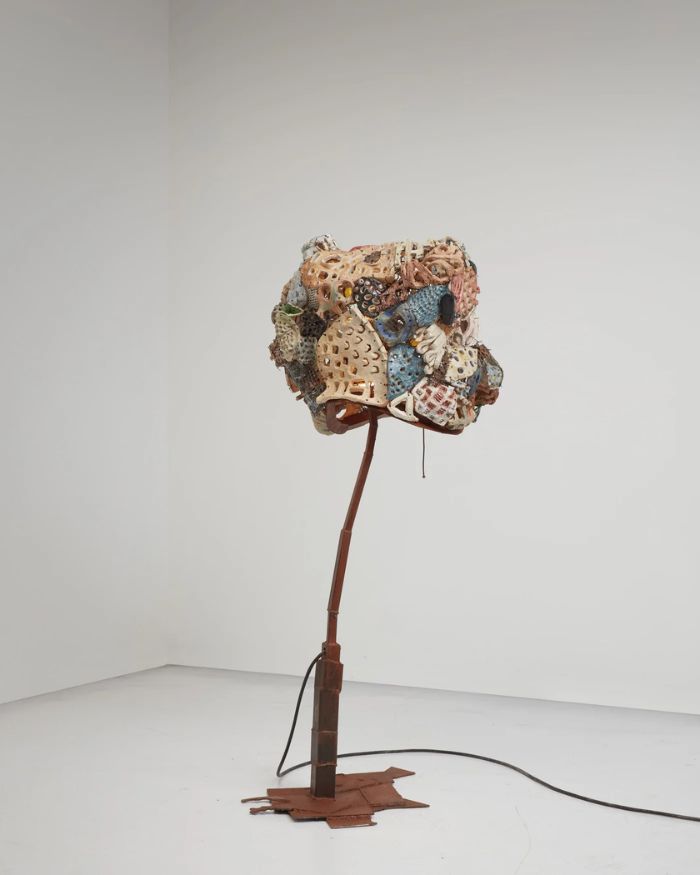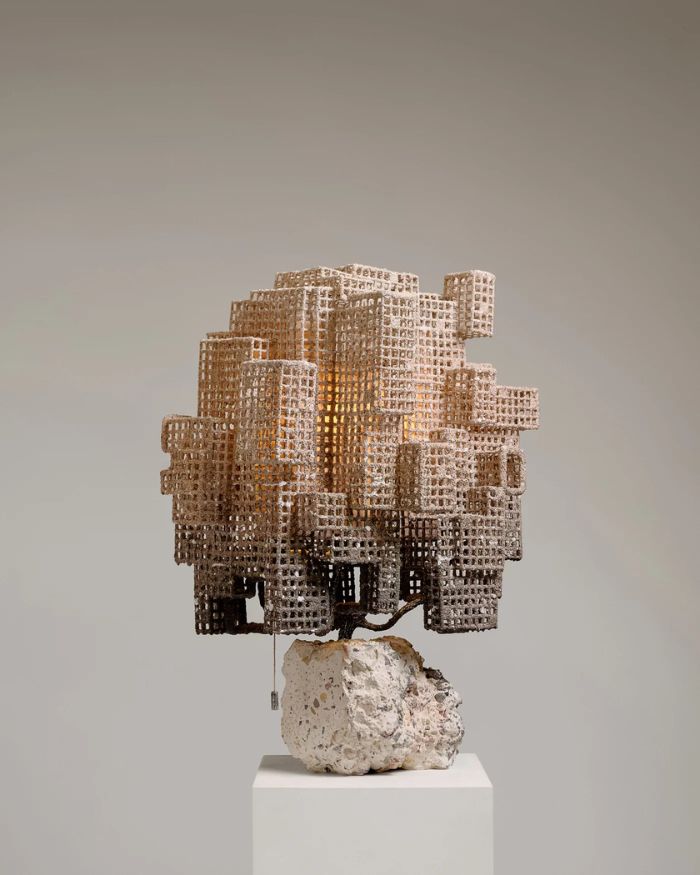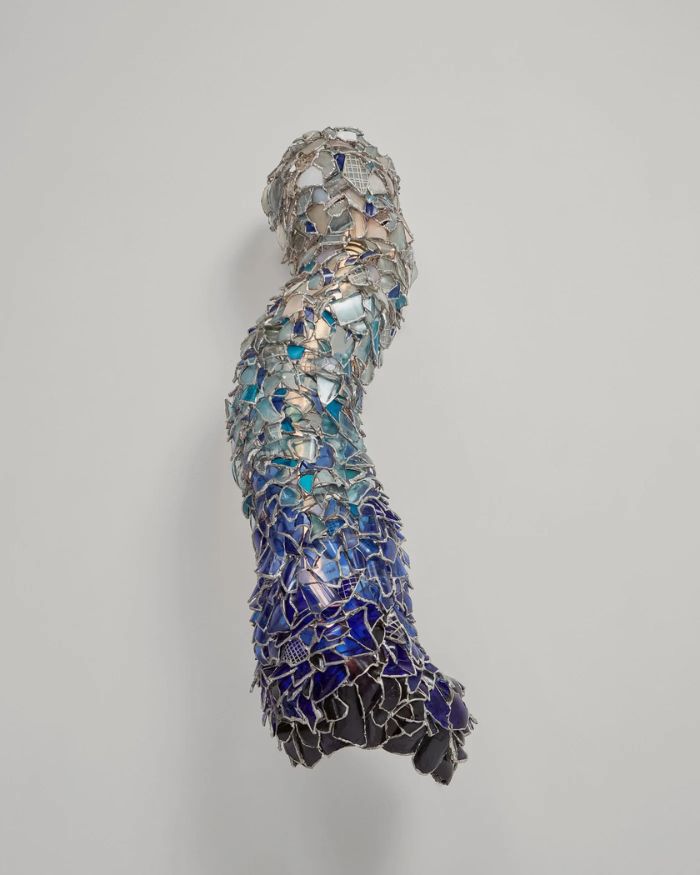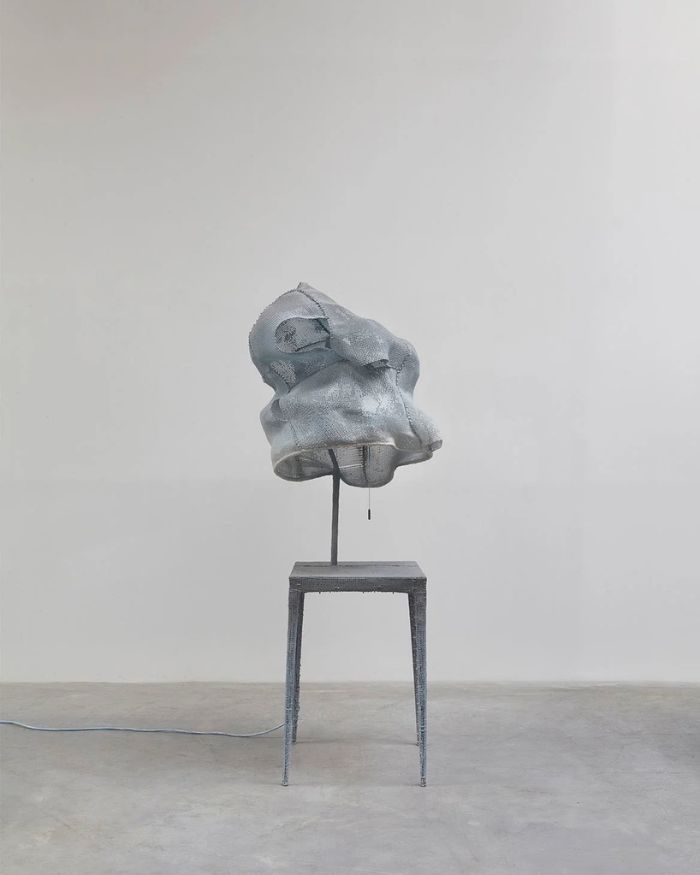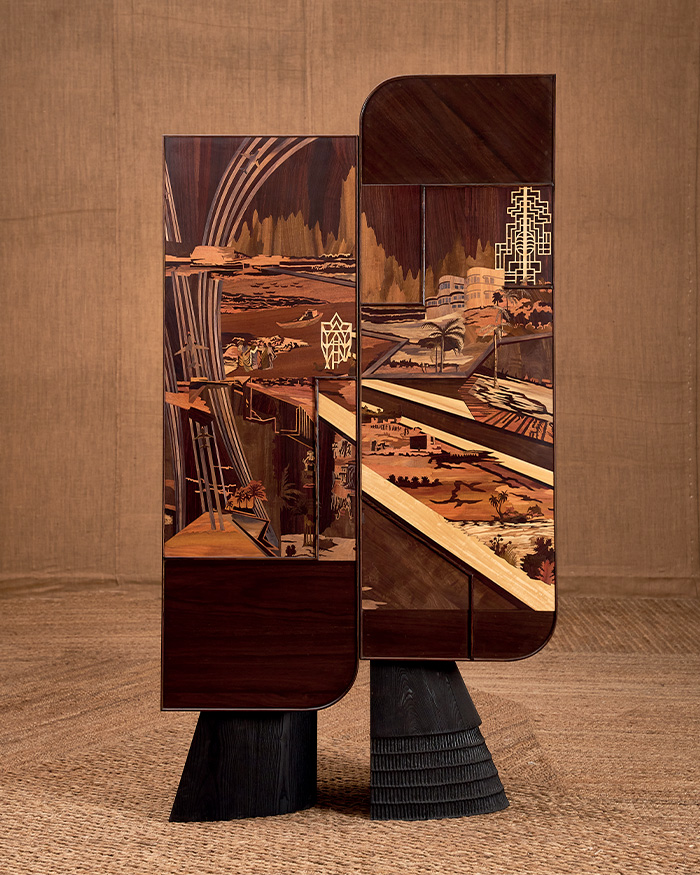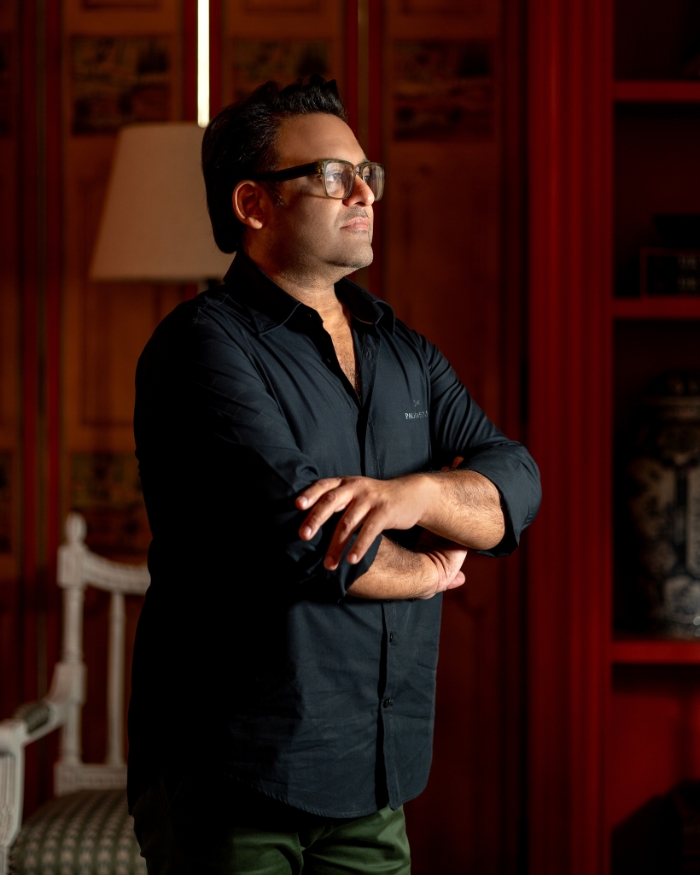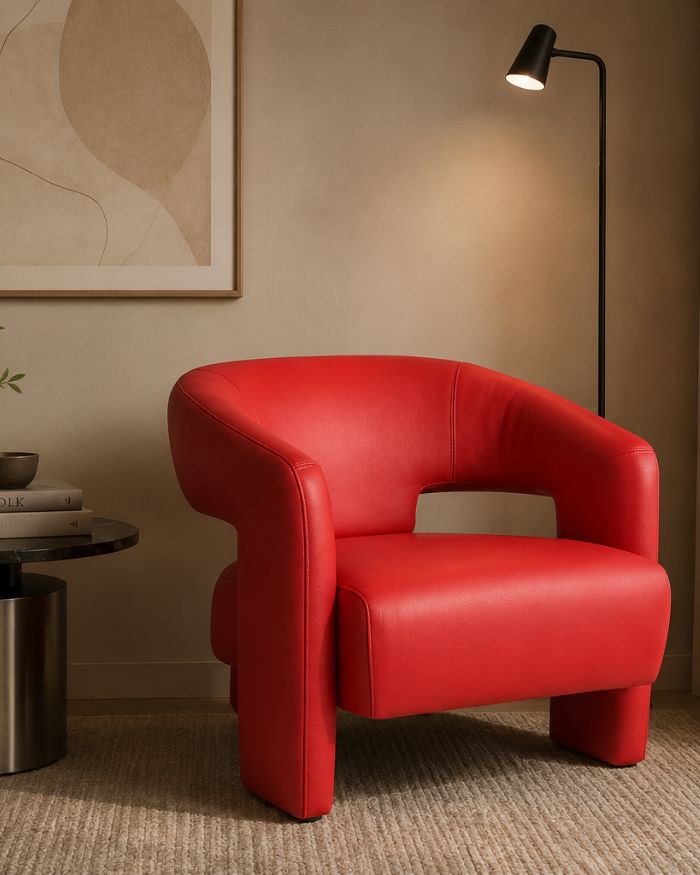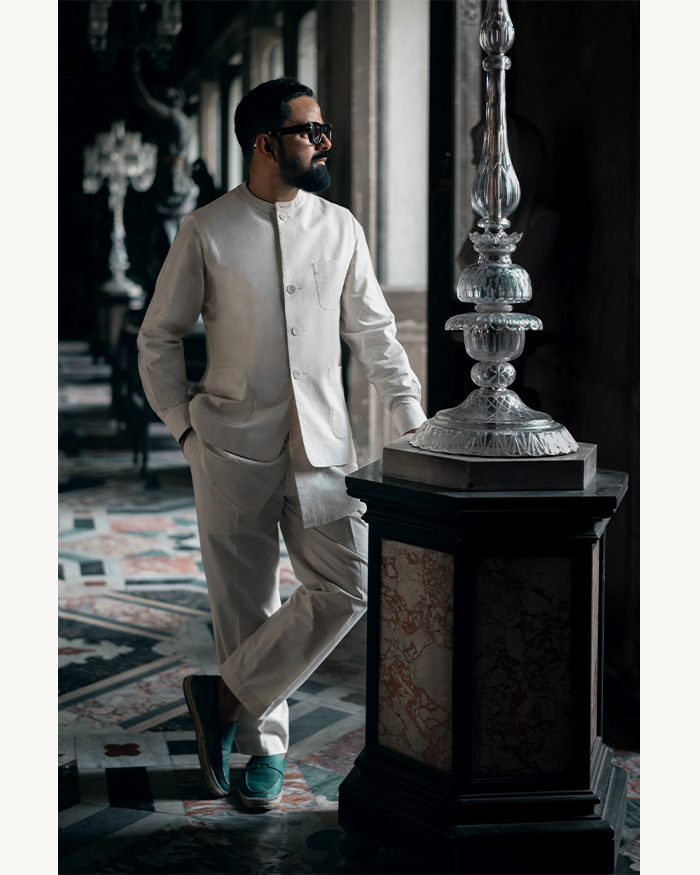
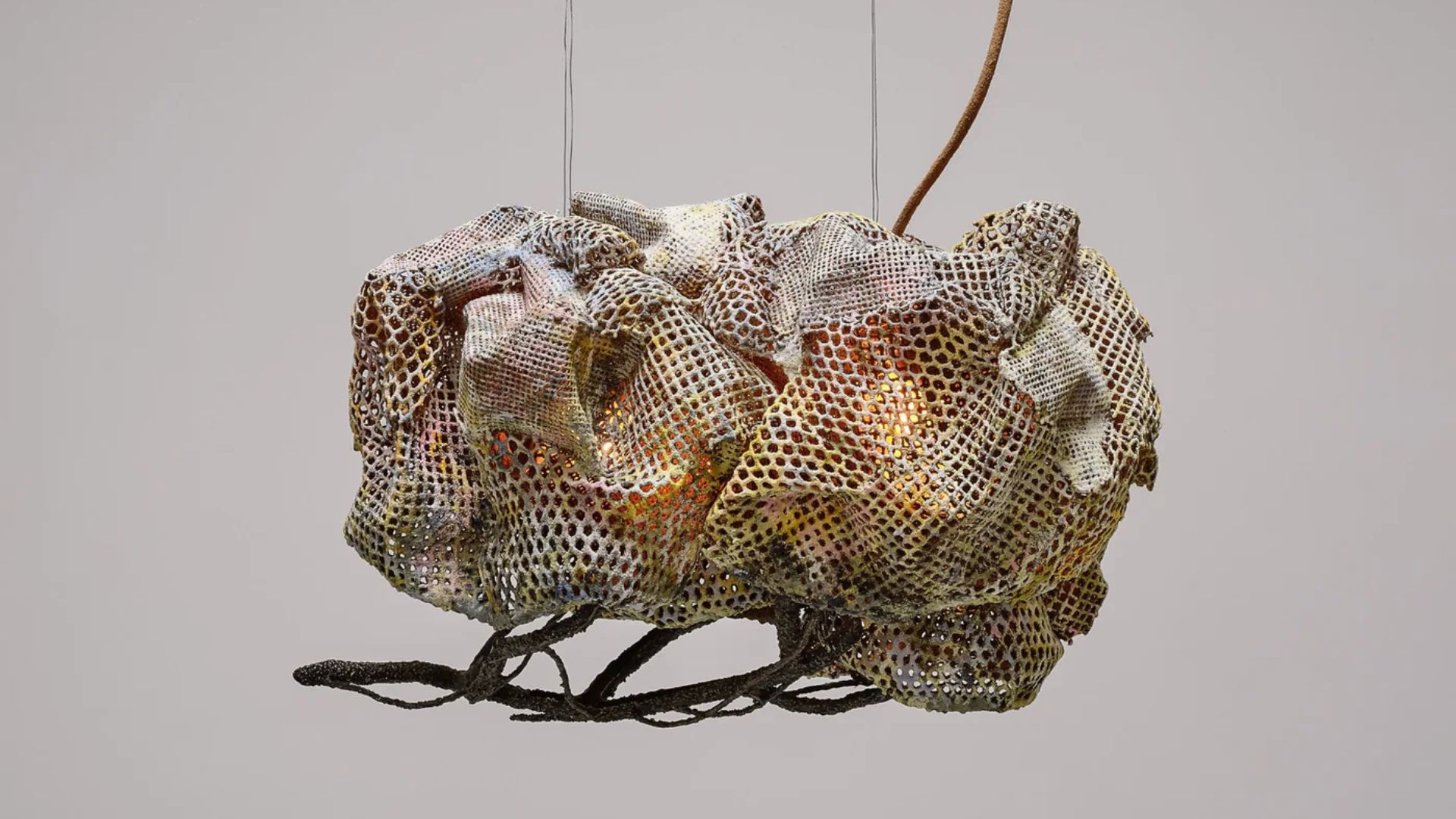
Nacho Carbonell is often described as one of the most distinctive voices in contemporary design. Rejecting boundaries between sculpture, furniture, and architecture, the Spanish designer approaches objects as living presences that mutate and communicate with the people around them. His work integrates rough, tactile materials with hand-built experimentation, resulting in pieces that feel distinctly human. When we met him at Soho House Mumbai, Nacho’s candour and ease were immediately apparent. He spoke about a practice driven by curiosity, intuition and narrative. From the greatest asset of a designer to why collectible design may be a myth, here is what he had to say.
What does the act of creating feel like?
Nacho Carbonell: Creating is almost like therapy for me. It’s like meditation. You enter a state of mind that is difficult to explain. People talk about inspiration like a muse, like something that comes to you. It almost feels like you are possessed by something. It’s you, but at the same time, it’s not you. It’s a very interesting state of mind.
Can you tell me about your early years and how you came to design?
Nacho Carbonell: I studied industrial design in Spain. Before that, I didn’t really know what I wanted to do. My father was a lawyer, and my mother was a doctor. They wanted me to study something, but I didn’t know what to choose. I was a terrible student. Then I spent six months in the United States in high school. There I started doing ceramics, photography and woodworking. When I came back to Spain, someone told me that there was a university where you could study design. I went there, and I thought, if this is “university”, this is my kind of university. That’s when everything changed. I went from being a very bad student to being highly motivated. After three years in Spain, I felt like I needed something else. That’s when I found Design Academy Eindhoven.
At first, I didn’t even understand why they called it design, because what I had learned before was completely different. But curiosity moves us forward. When I arrived there, I realised design could be anything. You could define what design is yourself. So I started blending my ideas, my beliefs, my energy into objects and furniture.