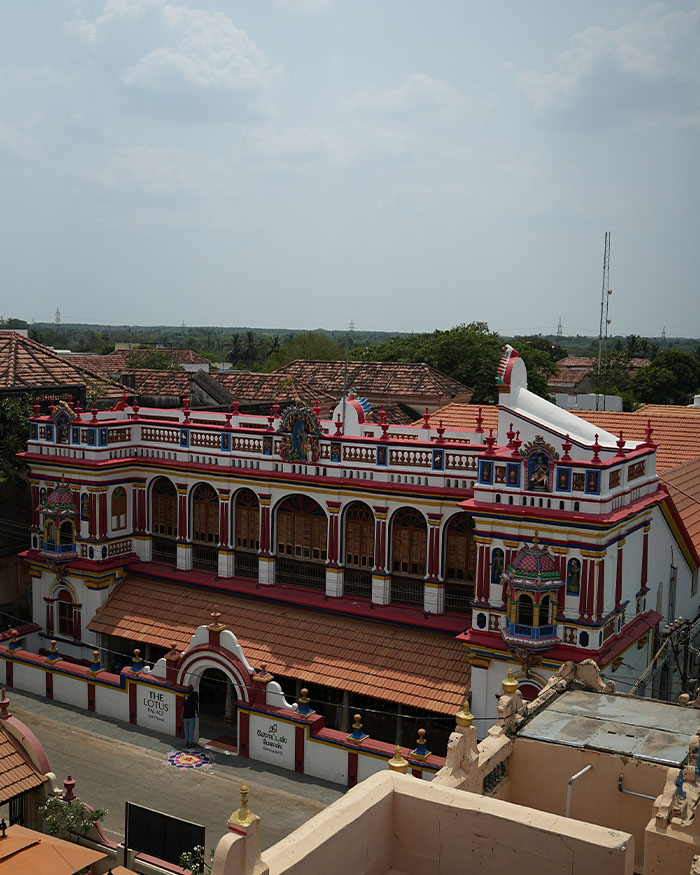

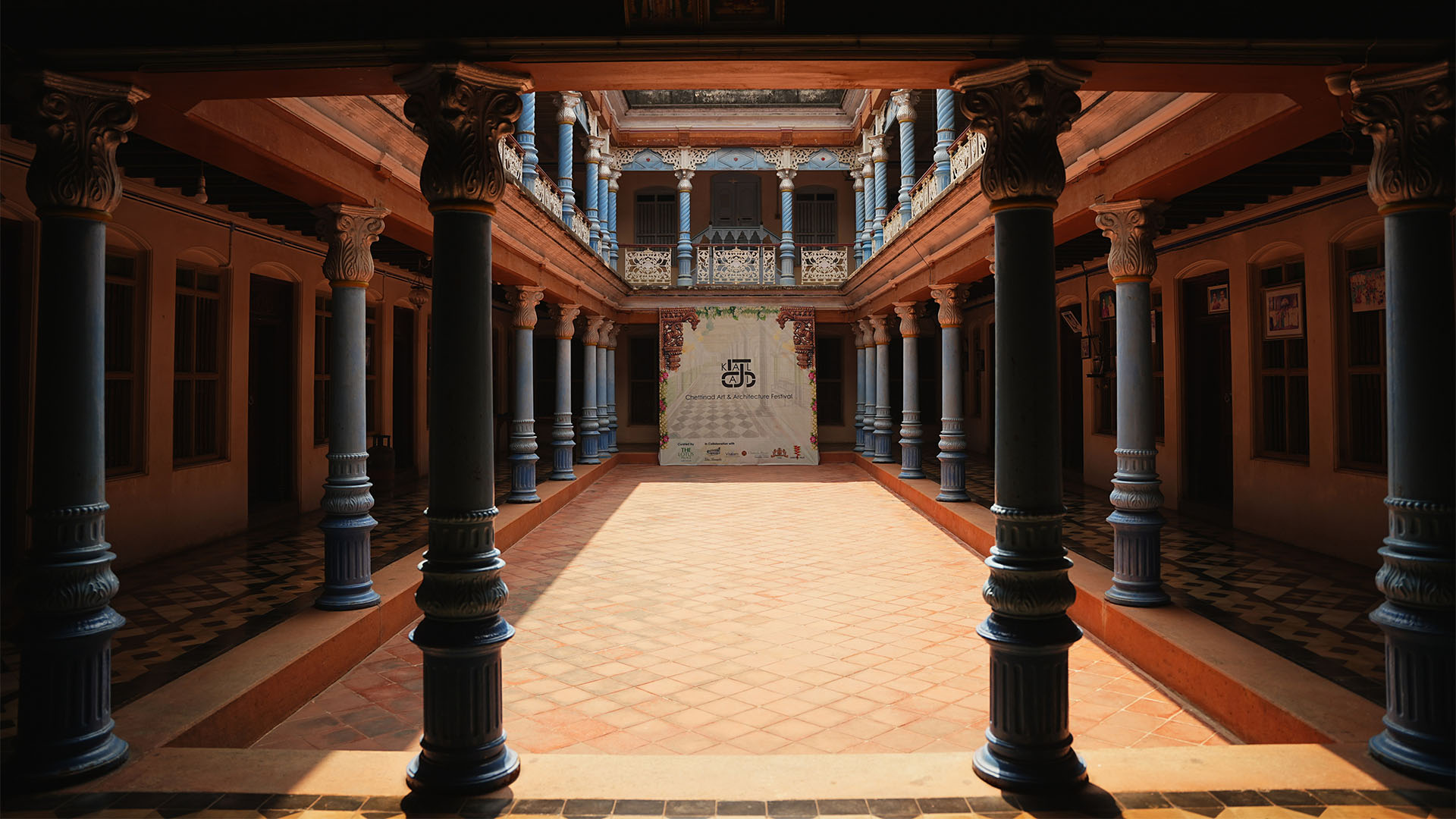
For architects and design enthusiasts, there are few experiences as intellectually rewarding as encountering a town that seems to exist outside conventional chronology. In Chettinad, histories of trade, domesticity and urbanism do not appear as isolated layers of the past, but as parallel realities continuing to inhabit the present. Courtyards that once hosted financial negotiations remain intact, while streets planned centuries ago continue to respond intelligently to the heat and rain.
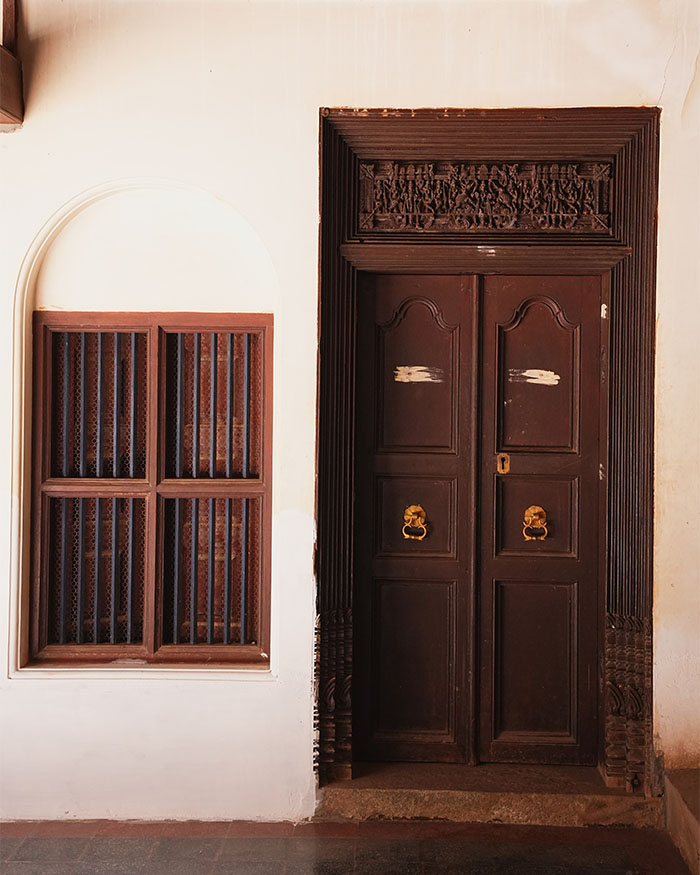
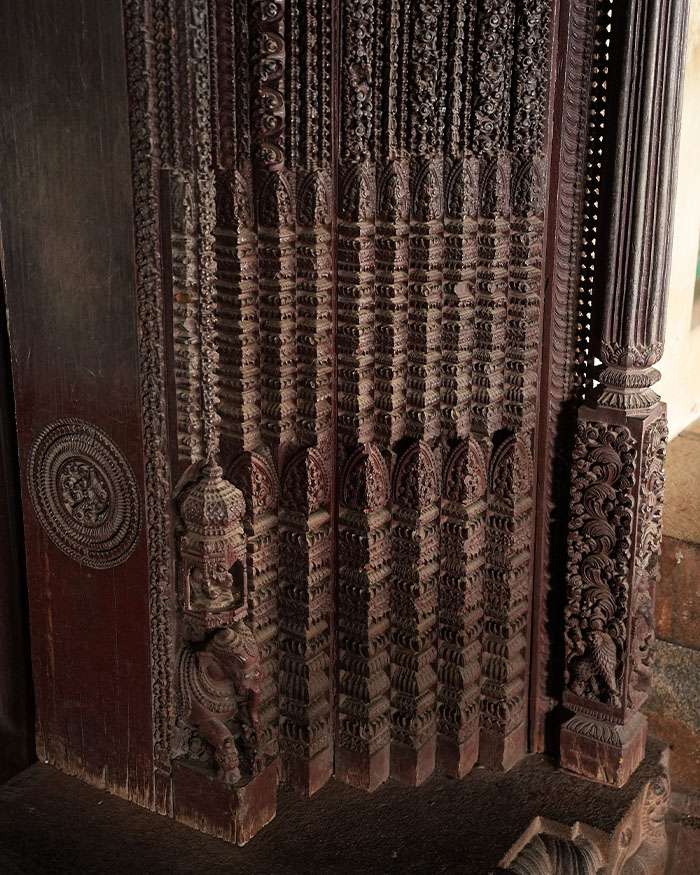
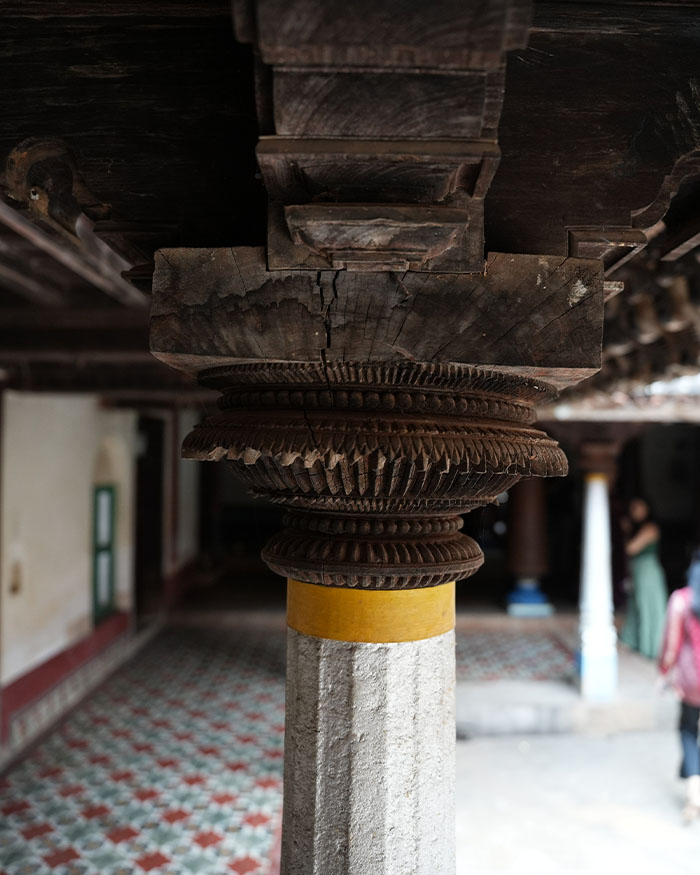
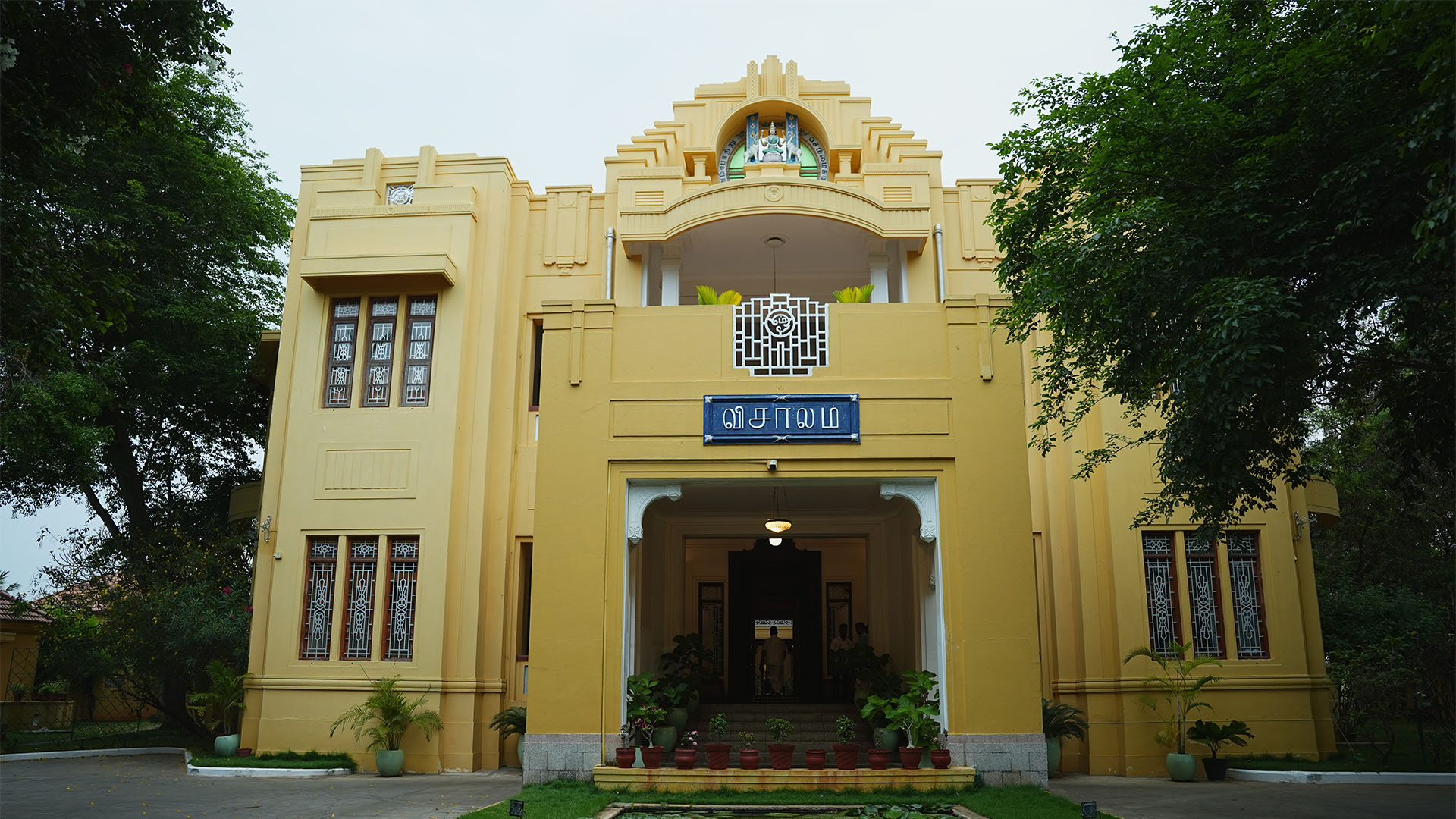
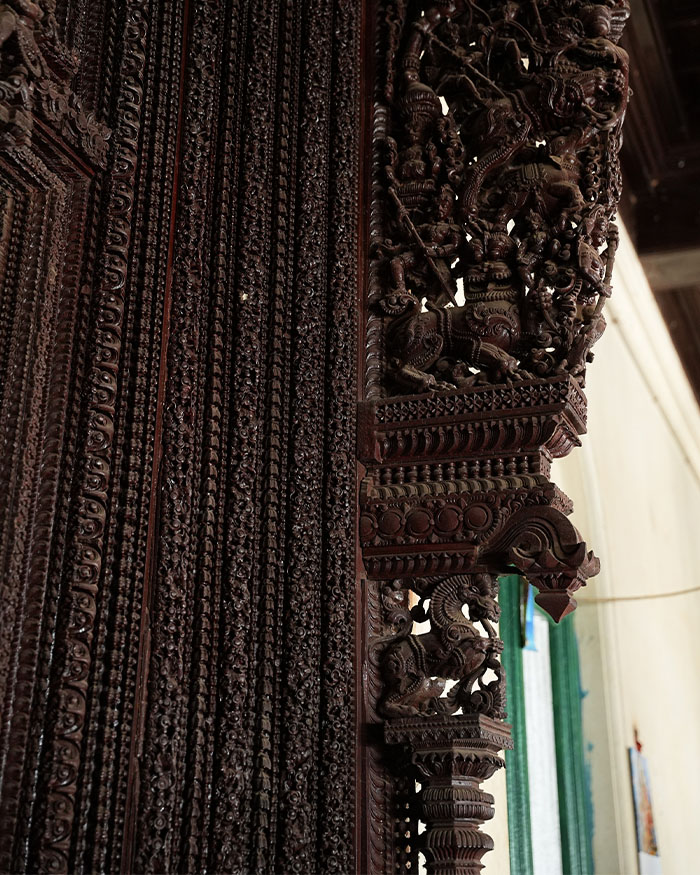
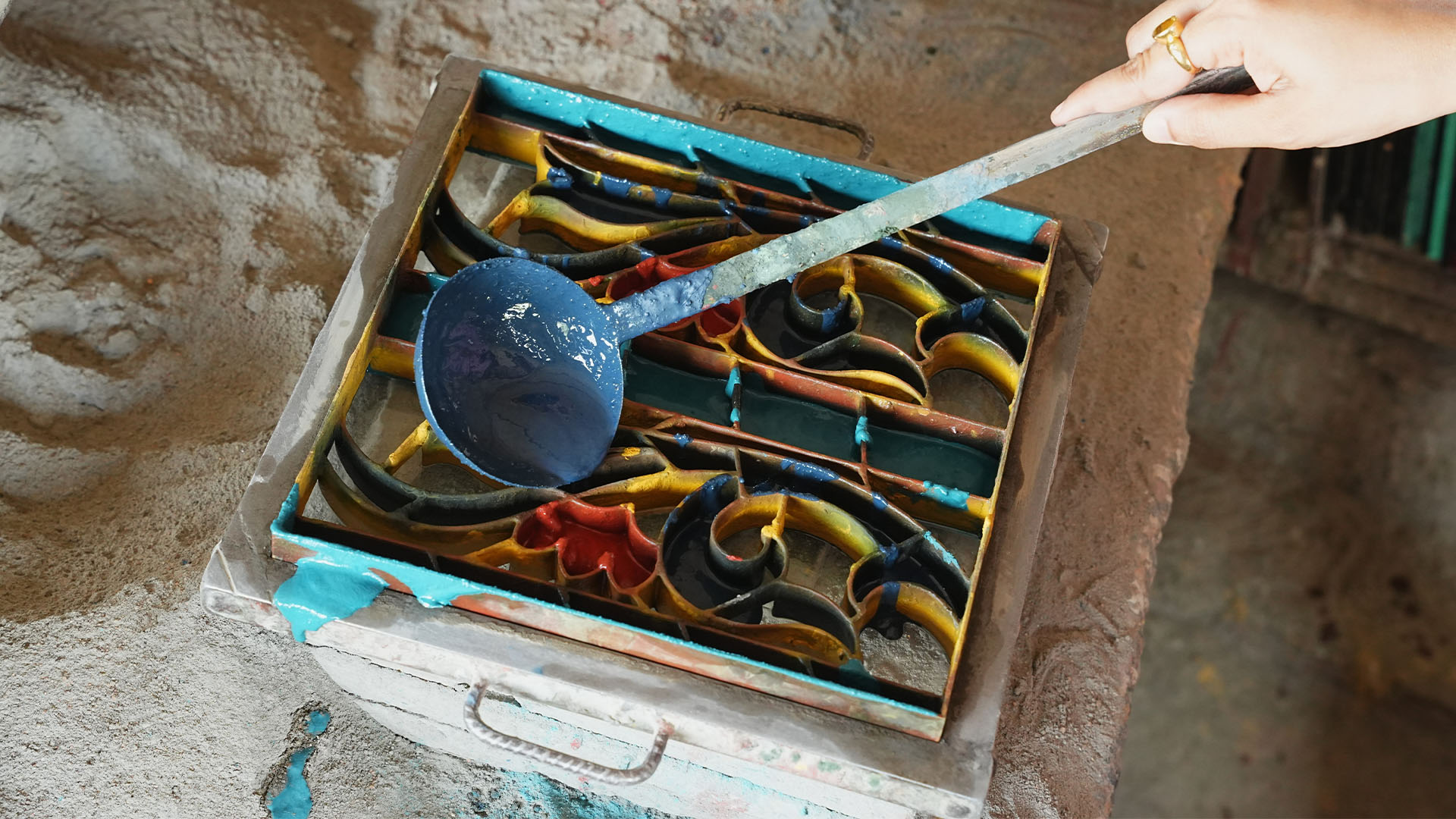
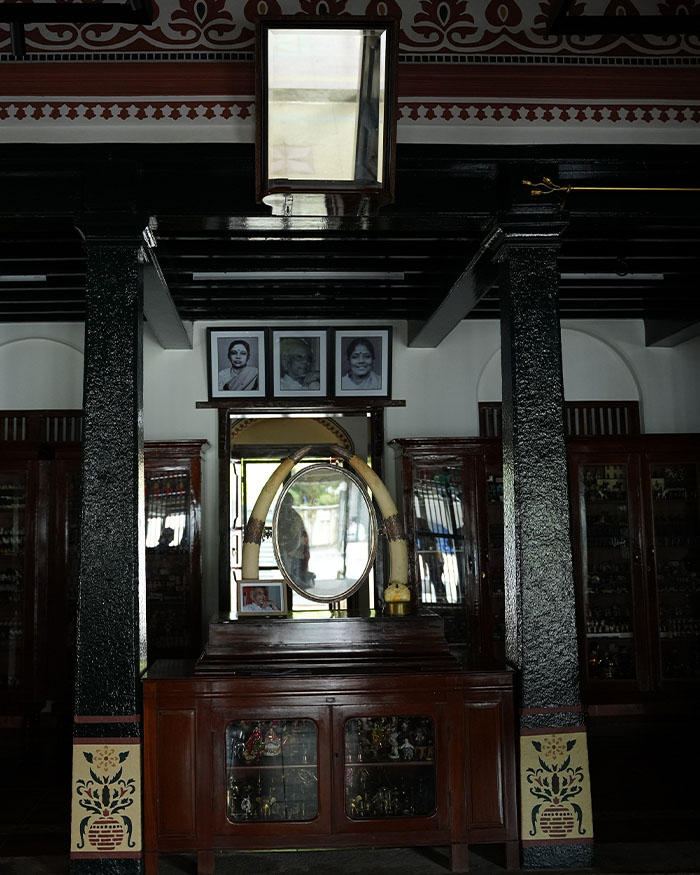
Kalai, an art and architecture festival curated by THE Lotus Palace by THE Park in collaboration with heritage properties across the region, offered a peek into this culture. Rather than approaching Chettinad through the familiar language of nostalgia and preservation, the festival examined the region as a complex cultural system shaped by mercantile exchange, climatic adaptation, spatial hierarchy and collective memory. This is especially interesting when you consider how Chettinad is often remembered through fragments. The carvings of Burma teak wood, the geometry of Athangudi tiles, Belgian glass, lime-plastered walls and fading sepia portraits of villages that have now become shorthand for heritage. Kalai zooms out of the slivers and revisits the environments of trade, climate, labour and finance that shaped the recognisable features of the culture.
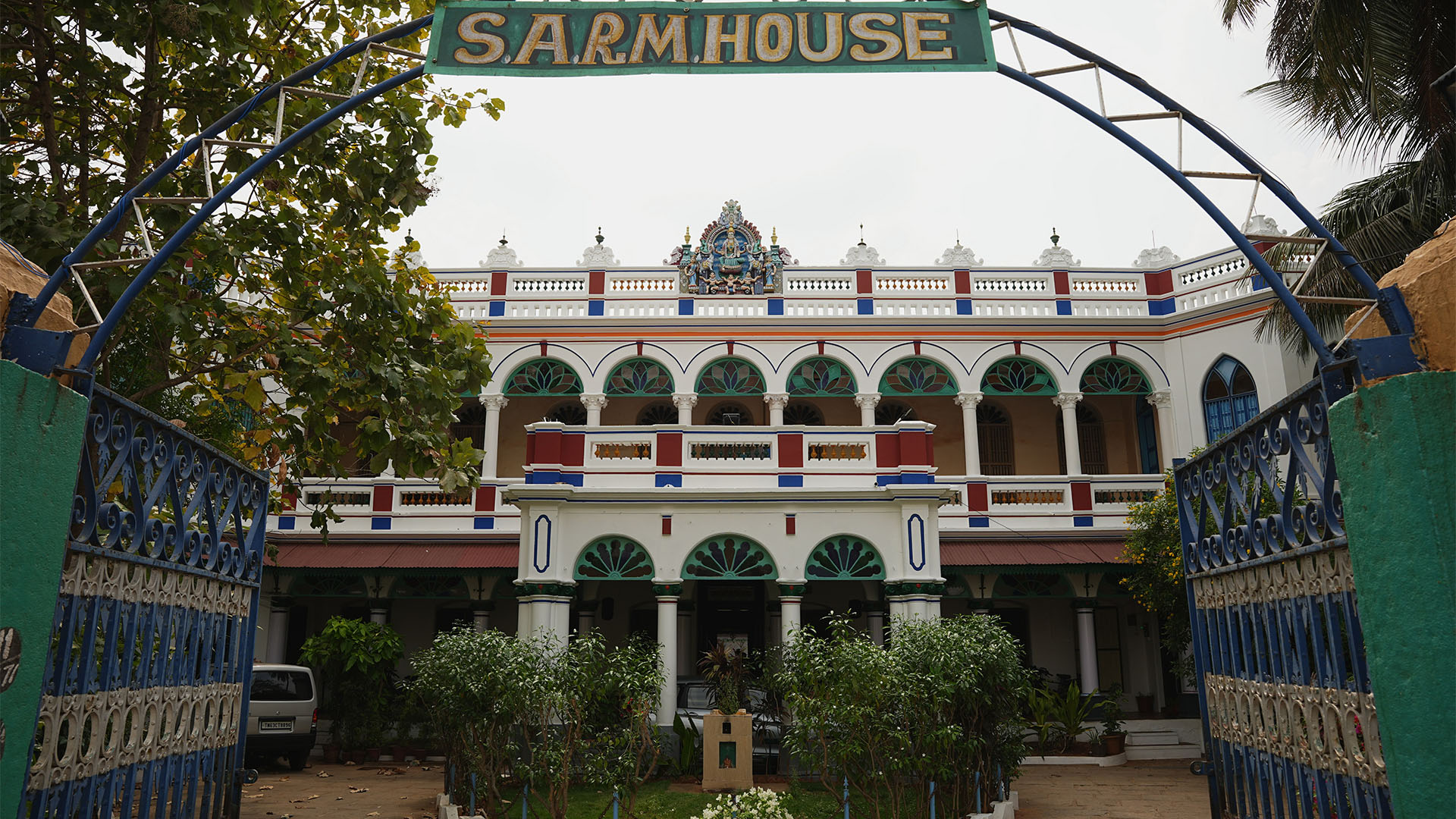
Held at the 200-year-old mansion that is now THE Lotus Palace, architect Sujata Shankar’s opening lecture examined the planning logic of the traditional Chettinad house. Inside the high compound walls, these residences once contained enormous wealth accumulated by families engaged in money-lending and trade across Southeast Asia. The centre of this operation was the thinnai, the raised verandah at the front of the house that functioned as an interface between street and domestic interior. Anchored within this semi-public threshold were the community’s banking networks extending across Burma, Ceylon and other parts of Southeast Asia. Even today, one can imagine the bifurcation of principal and interest across adjoining rooms connected to the thinnai.
Although I had frequented the region earlier, my first real encounter with a Chettinad home came at Chettinadu Mansion. Walking through the residence while munching on a scrumptious murukku, I moved along its linear arrangement punctuated by courtyards. Each of these open-air spaces was associated with a distinct social and functional role. The first courtyard was linked to commerce and public interaction, while the inner courts became progressively more private, tied to domestic life and service functions.
As I climbed the symmetrical staircases leading to the upper floor, the height of the doorways caught my attention. They were unusually low. I asked Lakshmi Olagammai of Madras Design Story and her mother, Sivagami, both originally from Chettiar families whose understanding of the region’s architecture and social fabric dispels many prevailing myths. They explained how individual rooms within these residences were allocated to each son, while the vestibules often contained a deity that was worshipped daily. The reduced height of the doorways required inhabitants to bow as they entered, embedding gestures of reverence within everyday movement through the house.
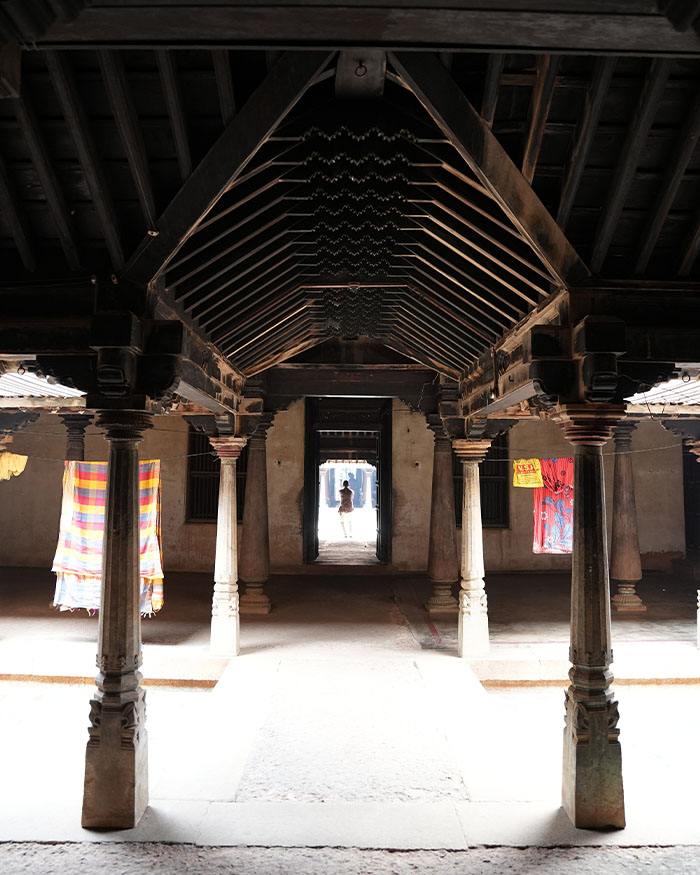
Contrary to assumptions that pre-modern Indian settlements evolved without systematic planning, Chettinad reveals a highly developed understanding of urban organisation shaped by environmental necessity and mercantile culture. The Chettiar community carried a collective memory of the devastating submergence of Kaveripattinam, an experience that informed later settlement patterns across nearly 74 villages around Karaikudi. Water management became central to the planning of the region.
Drainage systems, temple tanks and interconnected catchment networks were designed to regulate both scarcity and flooding within an arid landscape marked by erratic rainfall. Streets were broad enough to facilitate ventilation and processional movement, while continuous rows of houses created shaded urban corridors that moderated heat. Over the course of the weekend, each time I ascended into a house, it occurred to me that the courtyards themselves were positioned at a slightly higher level. This allowed rainwater to drain outward efficiently. The sloping roofs further reinforced this climatic response.
But if the Chettiar men were away conducting business across Southeast Asia, who remained in these villages? The women. Despite the patriarchal structure of these communities, women often managed the household accounts and oversaw the functioning of these expansive domestic environments. Architecture, economy and urbanism operated in continuity with one another.
The final dimension of Kalai unfolded through the sacred architecture of the region. At Thirumayam Fort and Temple, historian Dr Pradeep Chakravarthy guided visitors through a temple complex where architecture and geology appear inseparable. Rather than imposing built form upon the landscape, the temple emerges from living rock, preserving the natural formation as part of the sacred environment. Dating largely to the 17th century under the Sethupathi rulers, the site carries traces of older Pandya rock-cut traditions and contains both Shaivite and Vaishnavite shrines. During an earlier conversation, Sujata Shankar reflected on the nature of pilgrimage itself. One spends hours travelling, climbing temple steps and enduring physical exertion, only to arrive before the deity and close one’s eyes. Reverence, she suggested, often resides not in visuality, but in the suspension of it.
Festivals like Kalai perform an important cultural function. They expose the limited and flattened ways in which history is commonly interpreted. Regions such as Chettinad are frequently reduced to isolated categories when in reality they emerge through interconnected networks of food, material culture, urbanism, trade and community life.
At one of the final stops, Chidambara Vilas, Resort Manager Senthil Kumar Bheeman, recounted how, throughout the 19th and early 20th centuries, Chettiars across Southeast Asia acted as bankers, providing liquidity and capital that helped drive trade wherever they settled. This history becomes especially significant when read alongside the discriminatory lending practices of the British colonial system. It is due in part to the Chettiars that we see the expansion of coconut, rubber, coffee and tea cultivation in Ceylon; rice, gems and teak in Burma; tin, rubber and rice in Malaya; rice in Vietnam; and sugar in South Africa and Mauritius. The Chettiars also pioneered swadeshi banking institutions, founding banks such as Indian Bank, Indian Overseas Bank and Bank of Madura, which later merged with ICICI Bank, alongside ventures like United India Insurance.
Today, as many of the families who once inhabited Chettinad have migrated elsewhere, their homes remain as elegies to a remarkable mercantile age. In the hot and humid night, as I walked out of the magnificent property at Chidambara Vilas, a curious local greeted me. A pale white hound with a lean, sweeping frame stood guard near the entrance. Around estates like these, the dog could well have descended from a hunting Rajapalayam dog or Chippiparai dog. In their heyday, when the homes were full and the business was booming, these dogs offered protection and companionship. Now, in the wake of an empty village, they become innocent reminders of the stories we leave behind.
Read more: Interested in Chettinad Food? Know more about the Suvai food festival!

No results found.