Photograph courtesy of Netflx/TUDUM

6 films from last year where the sets were the script

Films from 2025-26 that made production design the real headline

BY

Audiences have long aspired to inhabit the worlds they watch onscreen. Long before fictional interiors became fodder for social media discourse and Pinterest boards, certain cinematic spaces had already achieved cult status. Audiences still remember the chocolate rivers of Willy Wonka & the Chocolate Factory, the dreamy Los Angeles backdrop of La La Land, the splendour of the Titanic and the cosmic vistas of Interstellar, proof that a film’s setting can leave as lasting an impression as its script. 

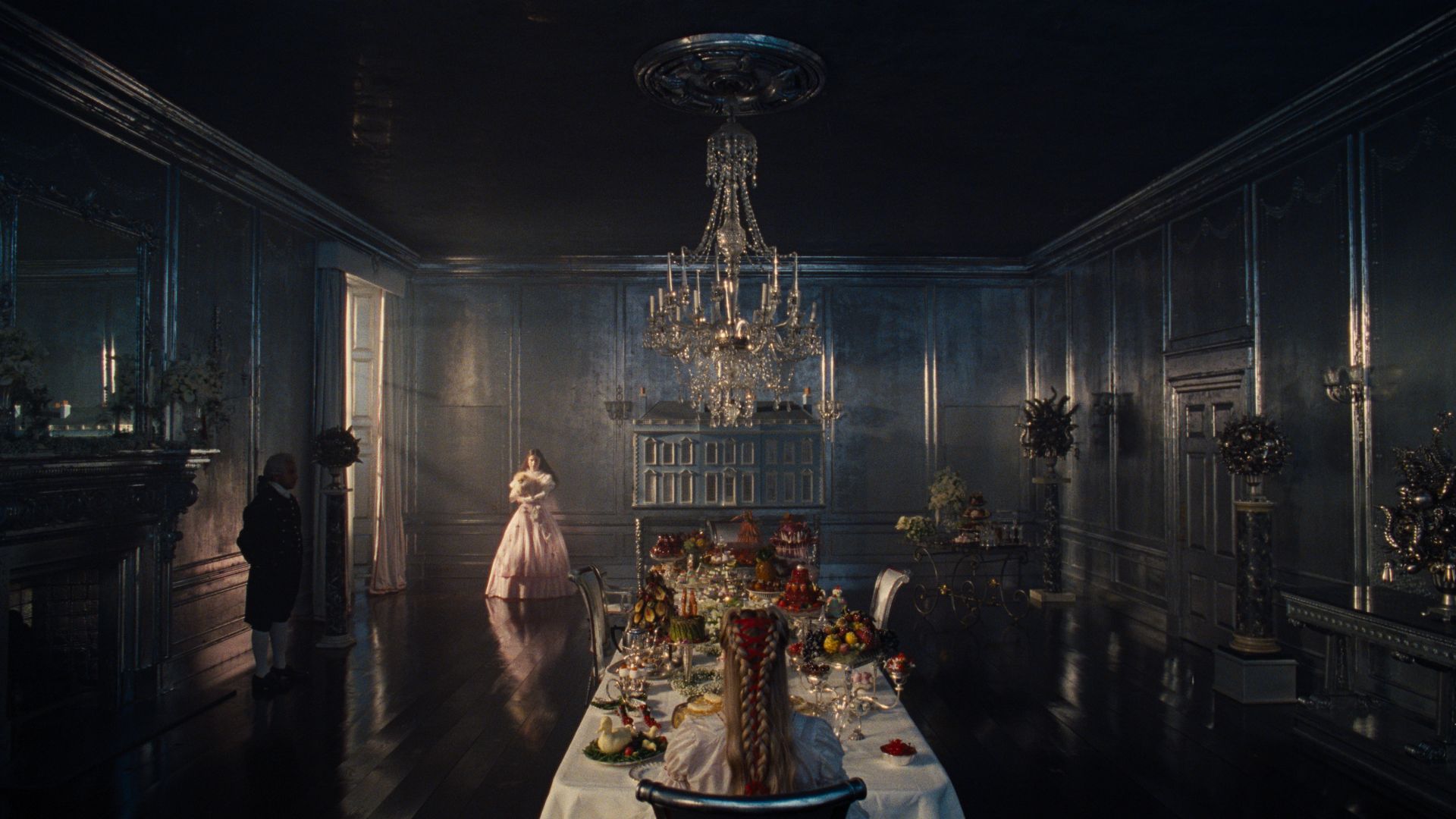
Over the past few decades, however, production design has further evolved into the nucleus of cinematic storytelling. Directors increasingly use interiors to communicate psychology, status, desire and conflict before a single line is spoken. This shift has only intensified in an era of visual consumption shaped by social media, where online fandoms dissect fictional spaces as obsessively as plot points. Be it Emerald Fennell’s grotesquely sensual gothic interiors or Yorgos Lanthimos’s clinically unsettling minimalism, these are the films in 2025-26 where the sets admittedly became the script itself.

6 films in 2025-26 where the sets were the script
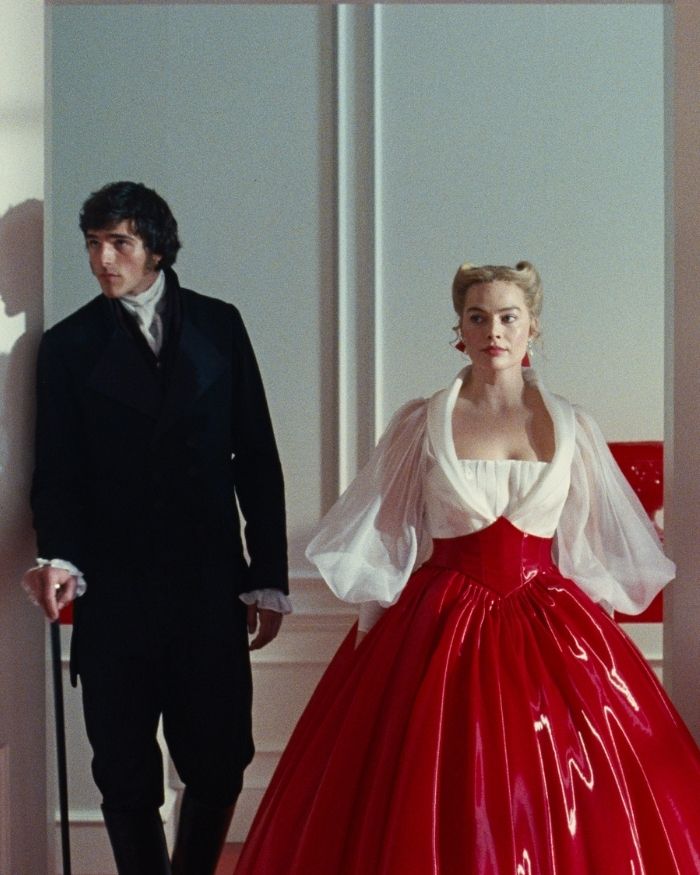
Wuthering Heights; Photograph courtesy of Warner Bros. Pictures

Wuthering Heights

When Suzie Davies joined Emerald Fennell for this fever-dream adaptation of Wuthering Heights, the brief was bodily. Suzie has described Emerald’s version as her own first true encounter with the novel, and the production design reflects that intensely personal reading. Catherine Earnshaw’s bedroom at Thrushcross Grange, ominously nicknamed The Skin Room on set, is upholstered in padded latex printed with scans of Margot Robbie’s actual skin. The walls are veined, mole-speckled and disturbingly alive. One mole even sprouts a single hair. Elsewhere, scale becomes psychological warfare with the kitchen ceilings deliberately lowered so Jacob Elordi, at 6’5”, cannot fully stand upright, visually reinforcing Heathcliff’s alienation. By the film’s later acts, the interiors become increasingly consumed by sculptor Nicola Turner’s tumorous horsehair installations, tendrils creeping through rooms like emotional rot. Even the carpets and curtains contain woven traces of Catherine herself, including braided hair matched precisely to Margot’s colouring. It’s gothic body horror filtered through the lens of high design, exactly the kind of unsettling maximalism the internet will inevitably turn into mood boards.

The Drama

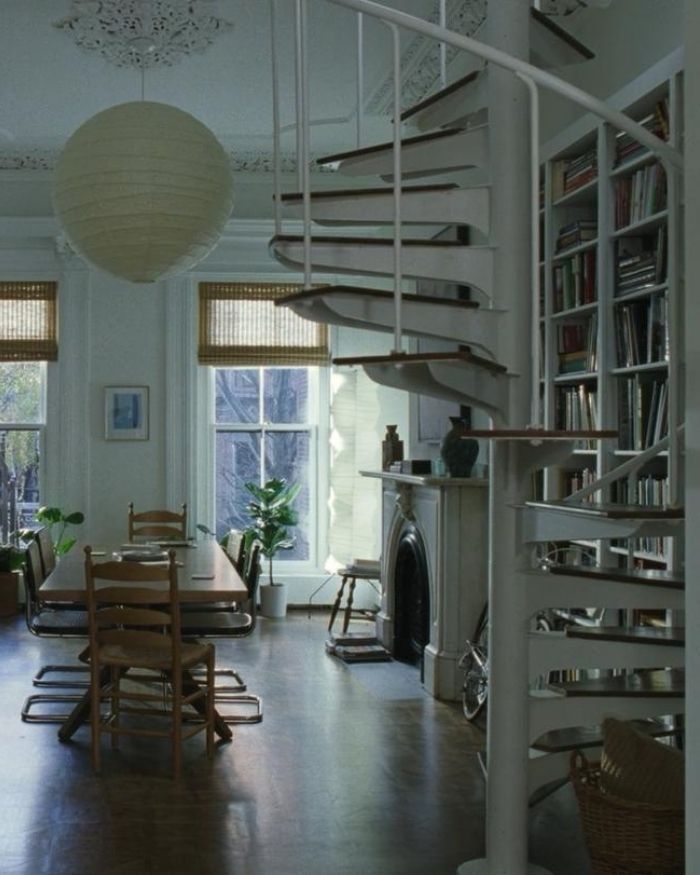
Kristoffer Borgli’s The Drama takes the millennial relationship movie and gives it the spatial anxiety of an A24 fever spiral. Production designer Zosia Mackenzie avoids glossy movie apartments entirely, instead building the film around real Boston and New Orleans interiors filled with marketplace finds, flea-market furniture and art that looks accidentally cool in the way only real people’s homes can. Zendaya and Robert Pattinson play a couple unravelling before their wedding, and the spaces featured narrate the collapse before either of them says a word. Shelves are too curated, lighting is aggressively warm, and every room has the tension of a perfectly filtered carousel hiding emotional chaos behind the scenes. It’s giving a clean girl aesthetic on the verge of a breakdown. 

The Drama; Photo courtesy of Zosia Mackenzie
The Devil Wears Prada 2; Photograph courtesy of annhathwaynews via Instagram

The Devil Wears Prada 2

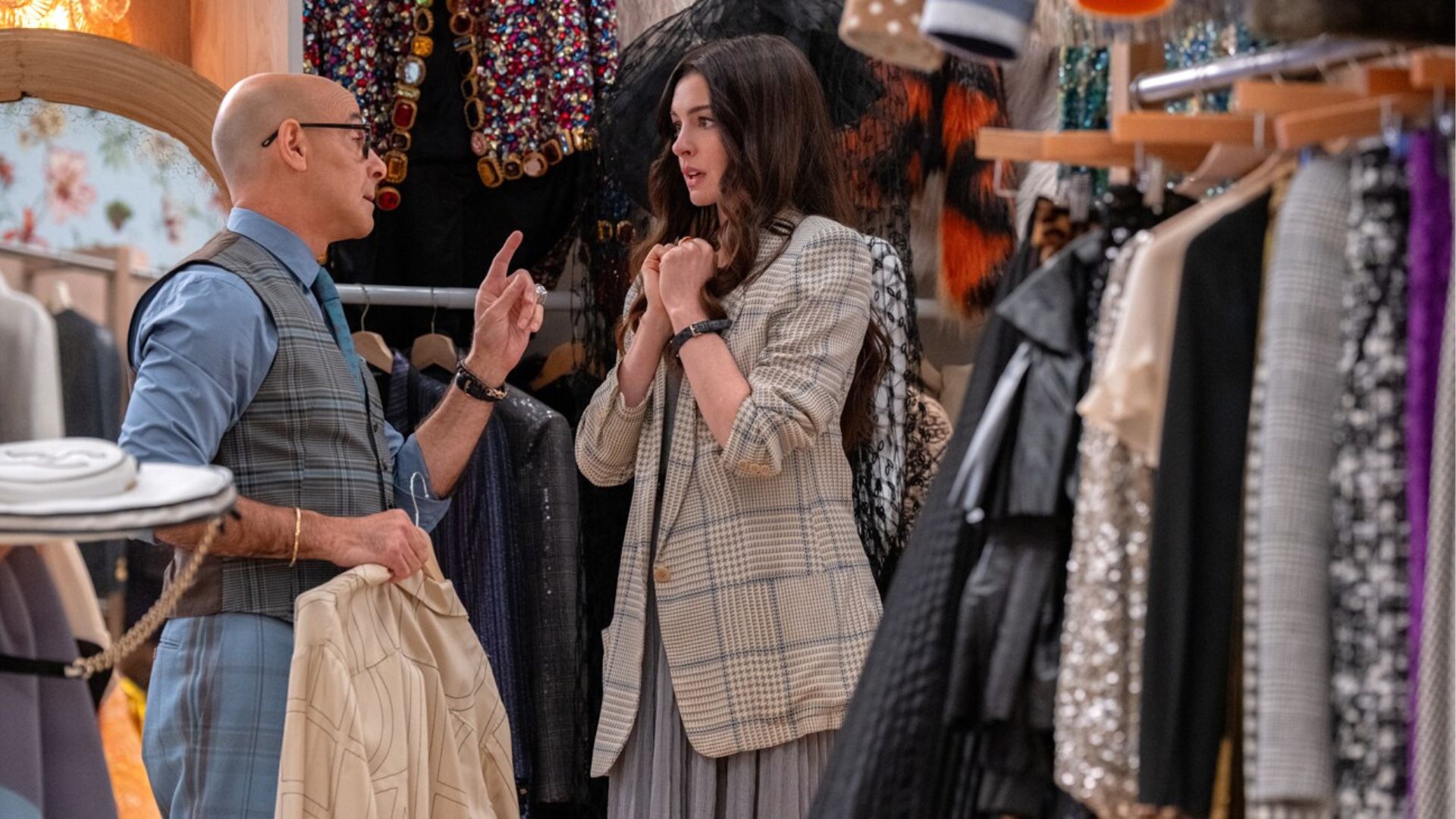
Nearly two decades after Miranda Priestly first made cerulean culturally devastating, The Devil Wears Prada 2 returns with interiors that understand luxury has changed. Production designer Jess Gonchor reimagines the world of Runway magazine for an era shaped by digital fashion culture and the inevitable succumbing to advertising brands. The original film gave us an aspirational office, but the sequel delivers a full-blown fantasy. Miranda’s office is larger, colder and more sterile than it used to be. At the same time, the Milan hotel suites in the film explode with sculptural furniture and collectible design pieces that feel pulled from the pages of design fairs. Even Andy Sachs’s apartment has evolved from the chaotic journalist energy into a moodboard under a label like old money. Jess’ sets understand fashion now functions as lifestyle branding as much as clothing. 

Frankenstein

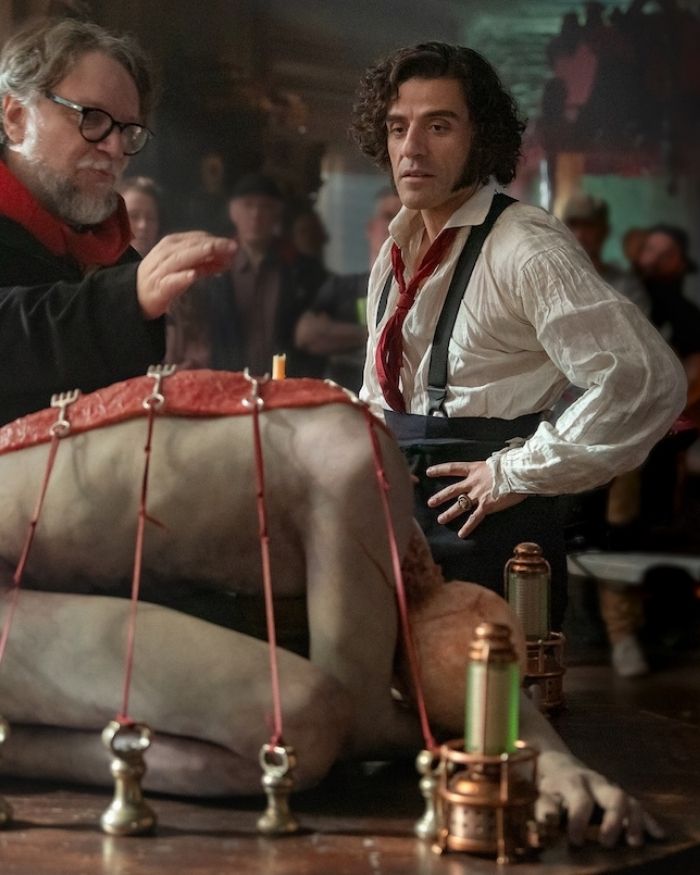
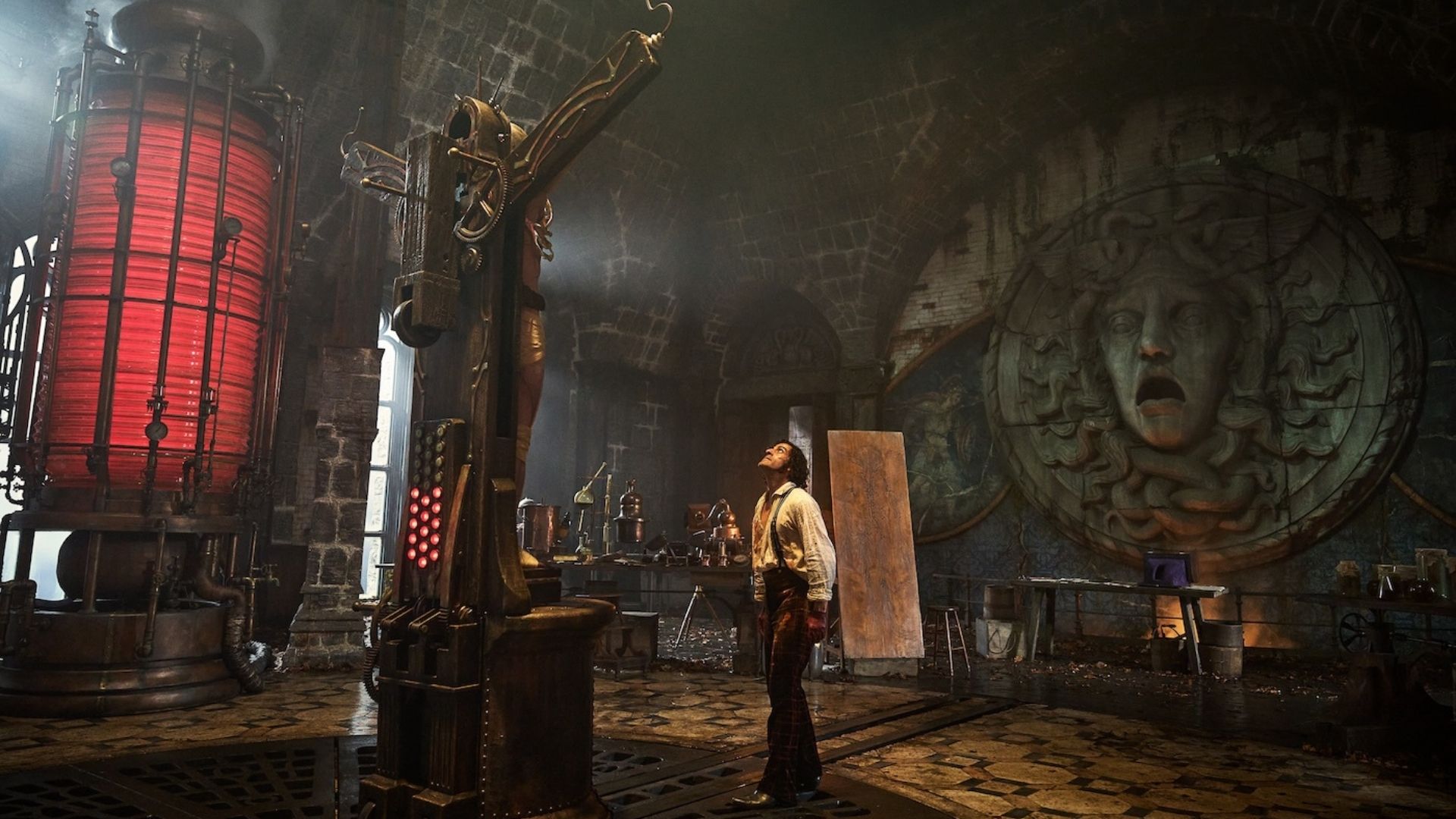
Guillermo del Toro’s Frankenstein adaptation looks exactly like the kind of gothic nightmare you’d expect from the filmmaker who turned monsters into high art. But what takes the film up by a notch beyond prestige horror is production designer Tamara Deverell’s ability to make every set feel emotionally diseased. Candlelit laboratories pulse with grandeur, corridors seem to sweat shadows, and towering interiors evoke the melancholic excess of a crumbling European cathedral. Guillermo has always understood that monsters are architecture as much as character, and Tamara leans into that idea fully. The spaces are stitched together, wounded and strangely tender, mirroring the creature itself. There’s also an unmistakable post-dark mode internet aesthetic at play here, with inky blacks, metallic textures, and exaggerated silhouettes that make the film feel primed for obsessive mood boards and edits scored to Ethel Cain. 

Frankenstein; Photograph courtesy of Netflix/ Tudum
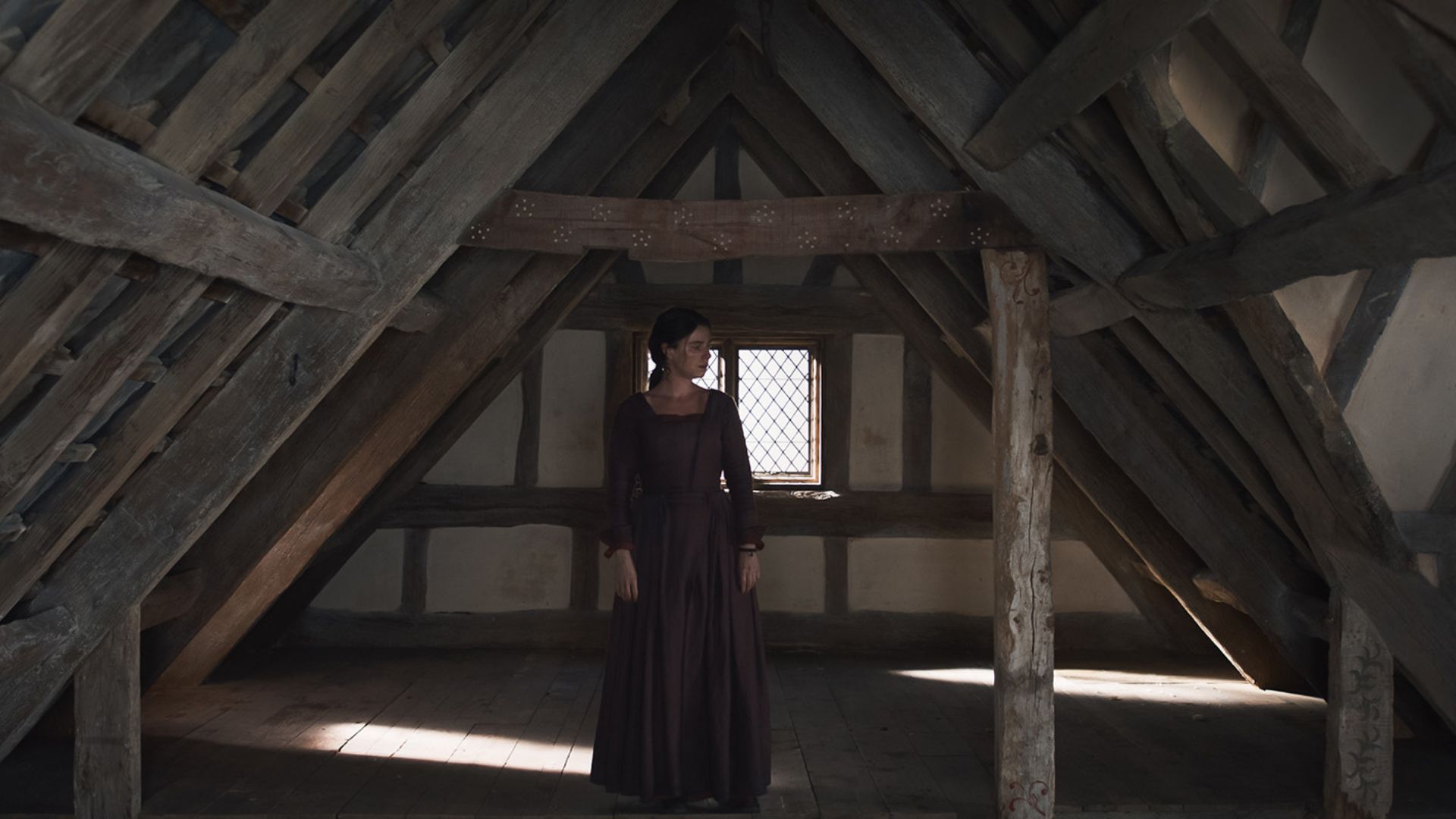
Hamnet; Photograph courtesy of Universal Pictures UK

Hamnet

Chloé Zhao’s Hamnet approaches period design with startling intimacy. It rejects polished historical grandeur in favour of spaces that feel handmade and heartbreakingly human. Production designer Fiona Crombie fills the Shakespearean world with worn wood, rough fabrics, herbs drying in corners and rooms lit so softly they resemble Renaissance paintings left out in the rain. Rather than treating the 16th century like a museum display, the film makes it feel tactile and alive with muddy boots, smoky kitchens, crowded beds and tables cluttered with the residue of everyday life. It’s cottagecore after an emotional reckoning. Chloé’s camera lingers on domestic details with almost obsessive tenderness, allowing the home itself to become a container for grief. 

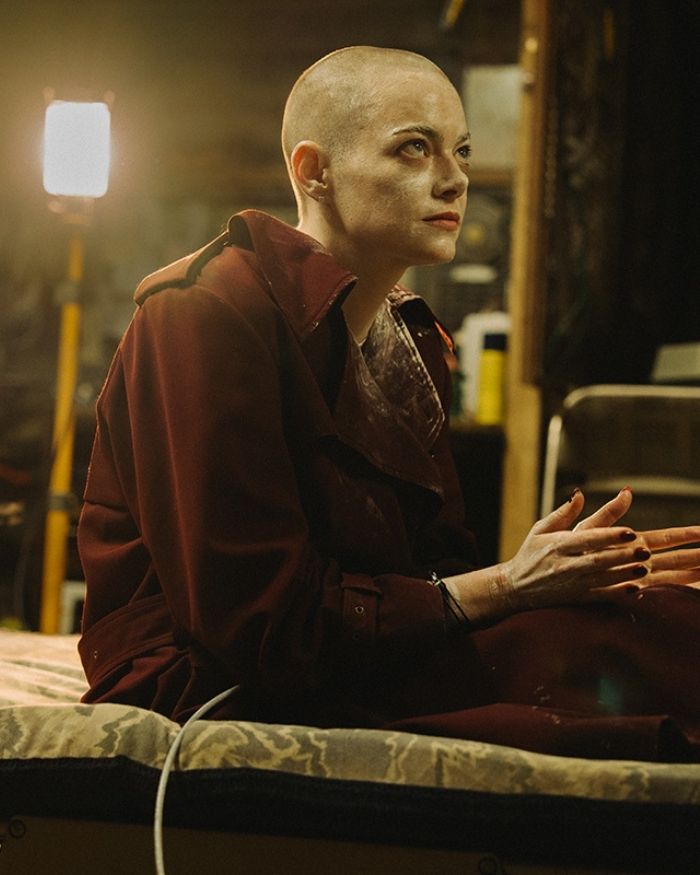
Bugonia

Yorgos Lanthimos has long mastered the art of making sterile spaces feel deeply unwell, and Bugonia may be his most unsettling design experiment yet. Production designer James Price constructs a world where conspiracy theory paranoia collides with ultra-controlled minimalism. Much of the film unfolds inside a custom-built house that feels like a luxury bunker for the apocalypse. Severe lines, overexposed surfaces and rooms so pristine they become psychologically threatening. Emma Stone’s pharmaceutical CEO is set in interiors that resemble high-end wellness retreats designed by someone who secretly despises humanity. The aesthetic feels like a campaign directed by a tense alien. Yorgos and James use space to weaponise discomfort, turning empty corners and clinical symmetry of the spaces into punchlines and threats simultaneously. It’s ironically refreshing to see minimalism look terrifying again in the age of dopamine-maxxed interiors. 

Read more: India-proud Extraweave and Neytt Homes bring the country to the global stage with the Met Gala 2026 carpet

Bugonia; Photograph courtesy of Universal Pictures UK
SHARE THIS ARTICLE

You May Also Like

Watch

No results found.

Search
Close this search box.