Photograph courtesy of Atelier Ashiesh Shah

Crossing continents: Ashiesh Shah on his London debut

On view till September 2026, the EDIDA winner’s solo exhibition TAAMR puts the spotlight on copper

BY

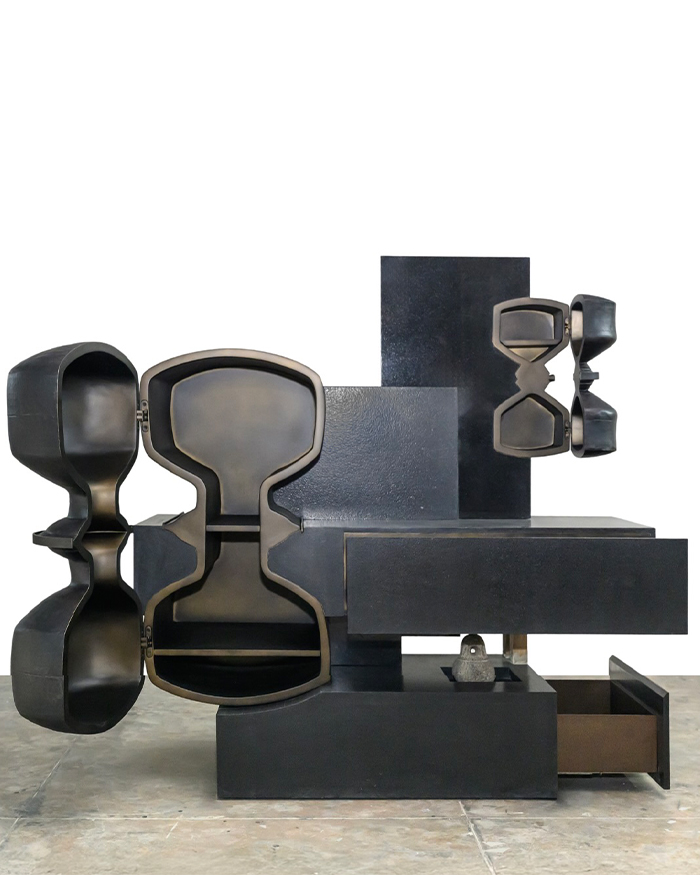
In the world of materiality, copper is one such material that visibly records time. It carries time in its phases of oxidisation, in its deep brown hues and the weathered skin of blue-green patina. While preparing for his first solo showcase in London, at the Carpenters Workshop Gallery, Ashiesh Shah unearthed some intriguing encounters with copper. “I discovered how much copper remembers. Every hammer mark, every joint, every place where heat was applied stays visible in some way, even under a patina,” explains the Mumbai-based EDIDA winner and founder of his eponymous studio Atelier Ashiesh Shah. But where does one really begin to trace a material’s origin and its complexities? And thus emerged TAAMR. The exhibition and the name borrows literally and abstractly from the Sanskrit word for copper and its many subtleties. The collection that birthed anew, sheathed by the always-changing layers of copper, features a total of nine objects that straddle between crafts and craftsmanship.   

As Ashiesh recounts, “Copper in these works is never fixed at its most pristine state. It is allowed to transfigure: to respond to air, time and touch, carrying traces of movement, use and change.” To be on view at Ladbroke Hall till 20 September 2026, we pose a few questions to Ashiesh on the making of TAAMR and reaffirming copper as a material mainstay, whose beauty lies not in permanence but transformation.
Excerpts below…
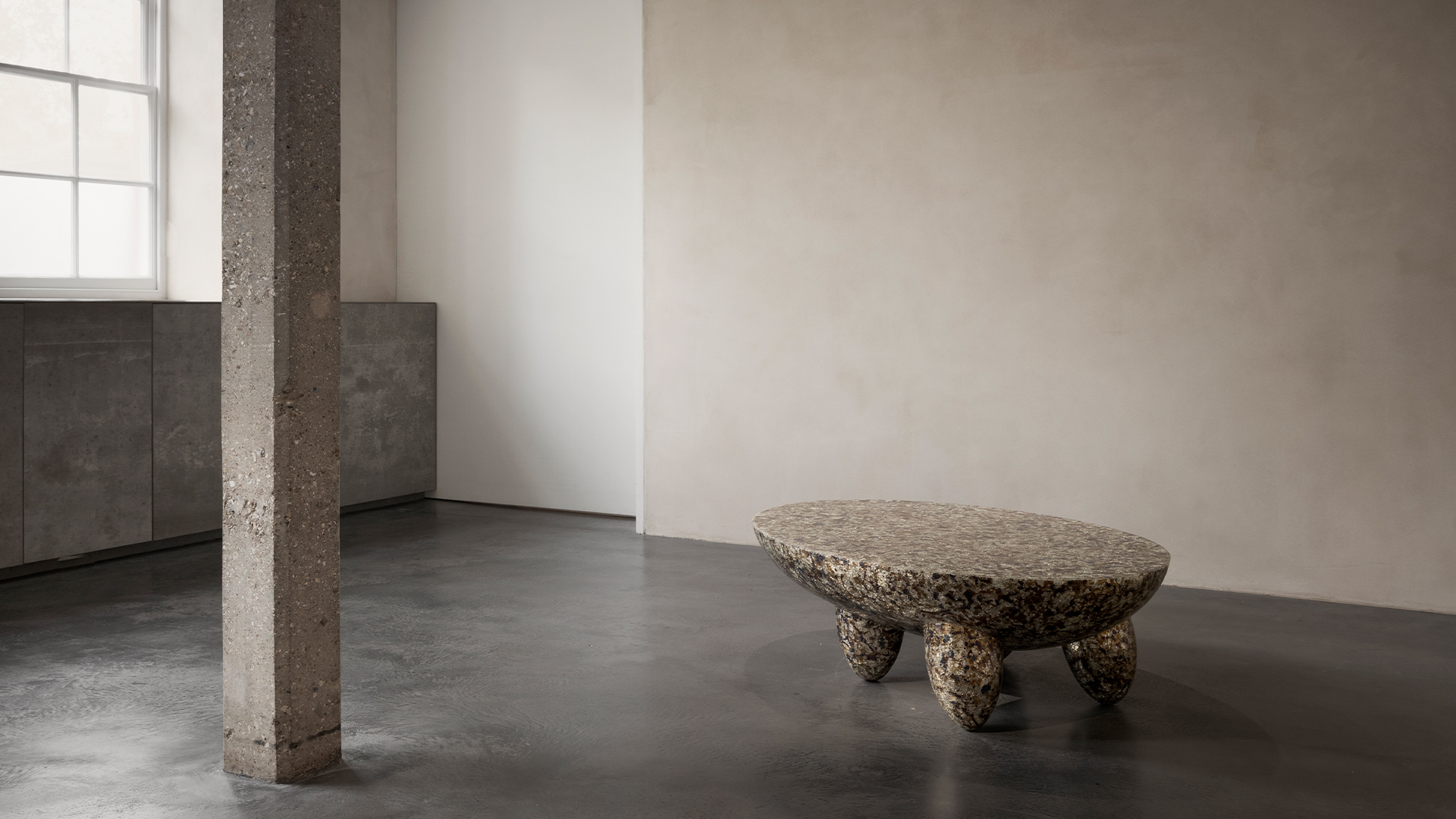
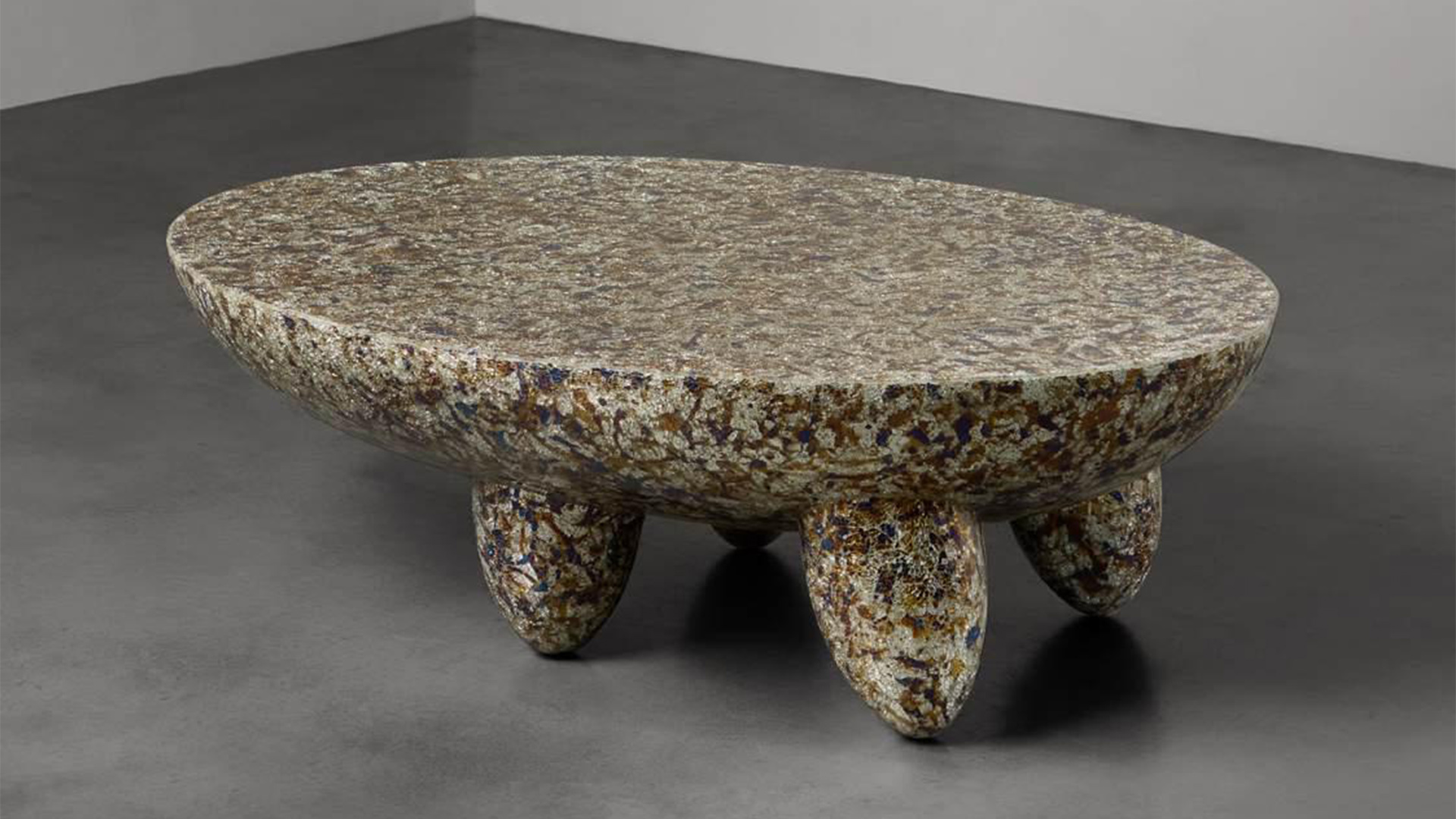
Something Walking Mirror Mosaic Table; Photograph courtesy of Atelier Ashiesh Shah

What are some qualities of copper you discovered while crafting this collection?

Copper never stays still, even after the work is finished. With most materials, you make a decision and it holds. With copper, you make a decision and the material keeps still forming opinions. It darkens, it develops bloom, it responds to the air in a room, to the hands that touch it. I started to think of finishing a copper piece less like completing a sculpture and more like starting a relationship.

I also discovered how much copper remembers. Every hammer mark, every joint, every place where heat was applied stays visible in some way, even under a patina. There is no hiding the making. That honesty pushed us to be more deliberate with every gesture, because nothing gets erased later.

Dveep Coffee Table; Photograph courtesy of Atelier Ashiesh Shah
Taamr; Photograph courtesy of Atelier Ashiesh Shah


Which object or piece made you push your creative boundaries the most?

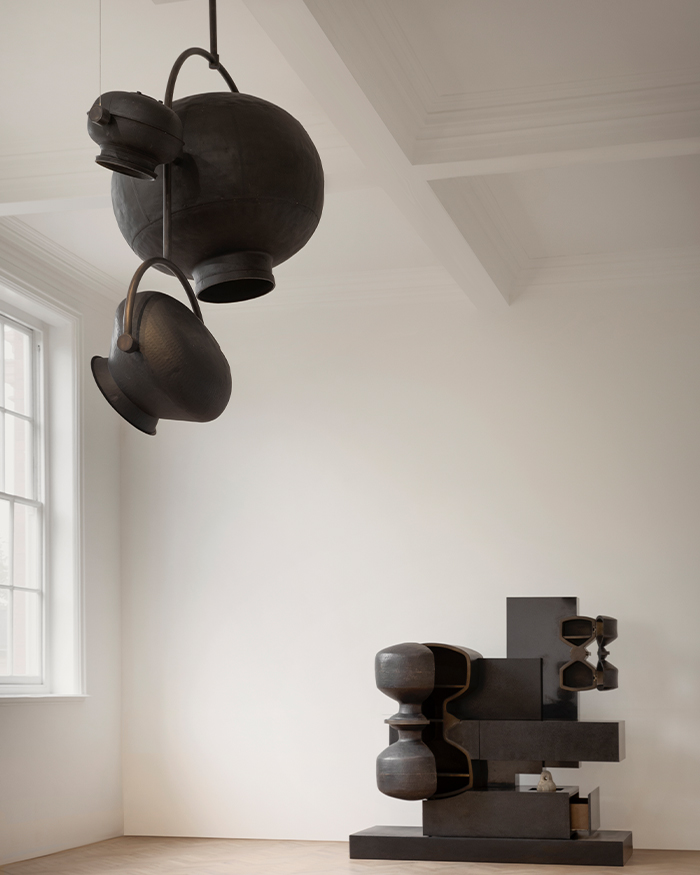
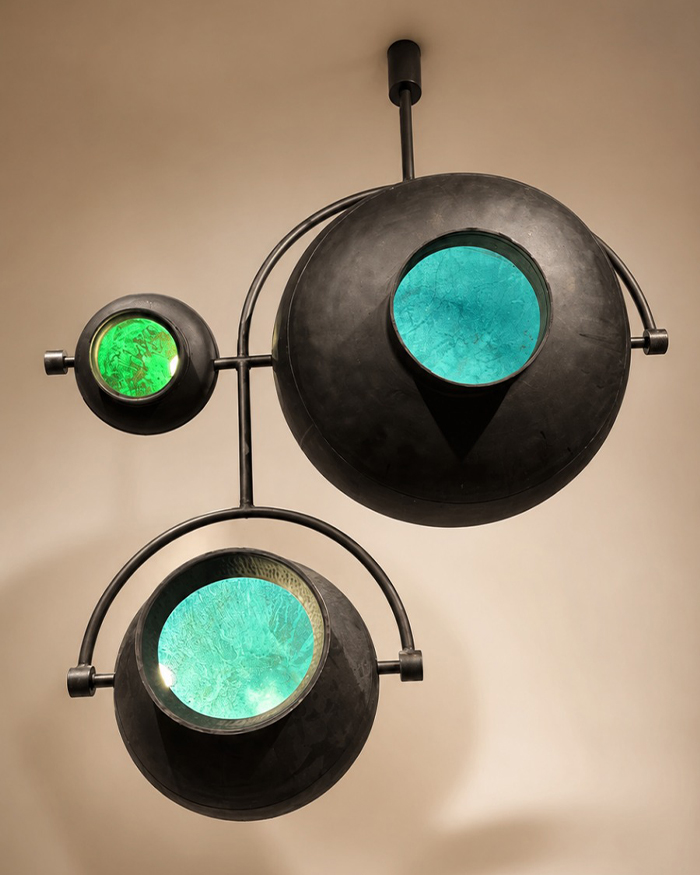
The matka, the humble earthen pot, is one of the oldest forms in Indian households, used for centuries to store and cool water. It is functional, almost invisible in daily life. Taking that vessel and asking it to carry cosmic weight, to become the sun, moon and earth suspended in orbit, meant working against every association the object already carries. We had to find a way for something so grounded to feel like it was floating. It was the piece that resisted me the most, which is usually a sign that it mattered.

Brahmand cabinet N°1; Photograph courtesy of Atelier Ashiesh Shah
Brahmand Cabinet N°2; Photograph courtesy of Atelier Ashiesh Shah

What’s a timely conversation you wish to highlight through your debut collection at the Carpenters Workshop Gallery?

The difference between craft and craftsmanship, because TAAMR is built on that distinction. 

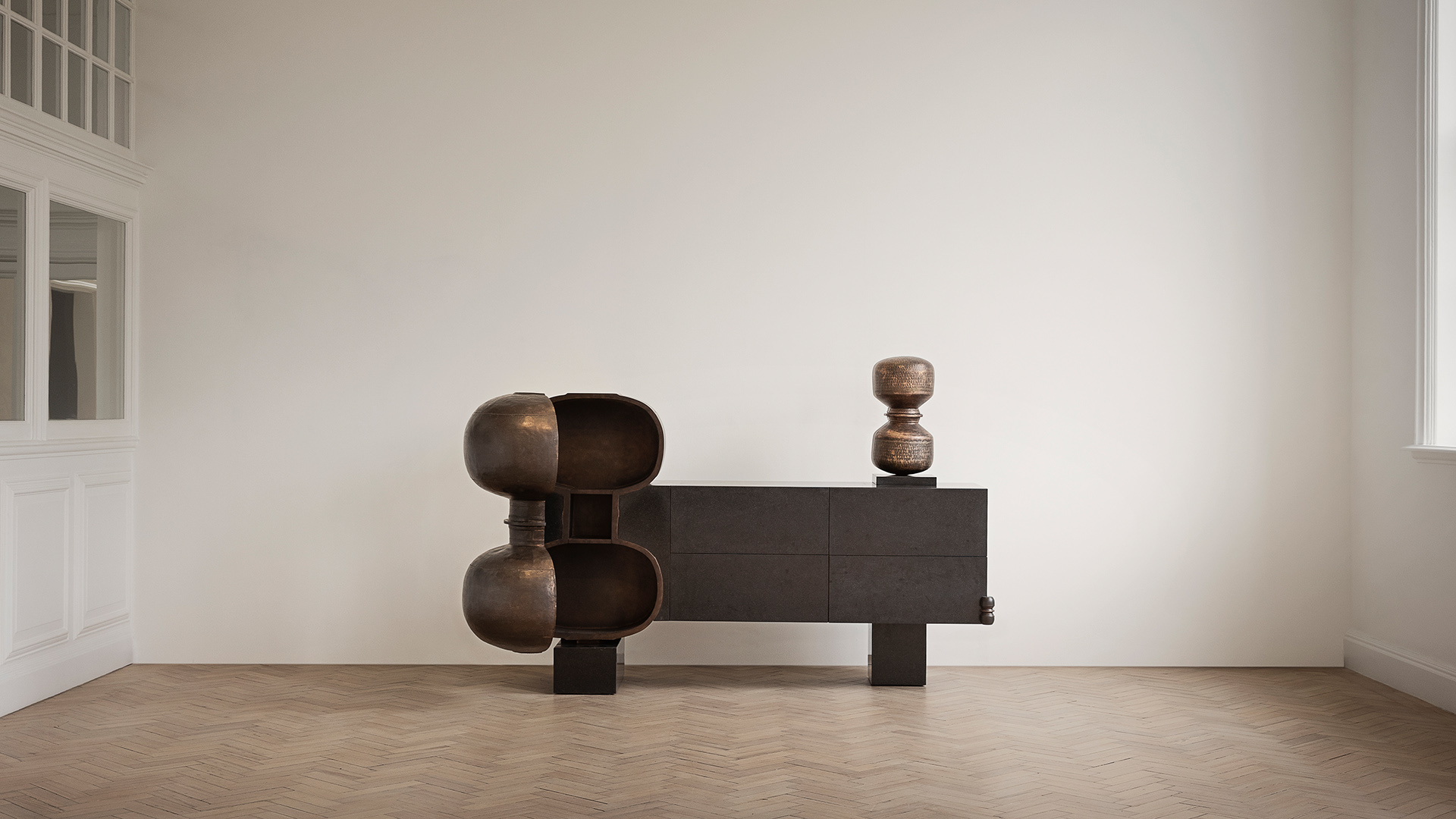
Craft is inheritance. The Channapatna bead, the copper vessel, the matka, each one carries knowledge that predates the design industry itself. Craftsmanship is the skill brought to that inheritance, what a person does with what they have received. But when we dilute the two, when we use the words interchangeably, we put craft itself in danger. These are not aesthetic choices. They are legacies, institutions, passed down through generations of hands. They need to be protected with the same seriousness we would protect any institution. That is the conversation I want to have at the gallery, not just admiration for the object, but an honest reckoning with what it takes to keep this knowledge alive.

Brahmand Cabinet N°2; Photograph courtesy of Atelier Ashiesh Shah
Something Walking Mirror Mosaic Table; Photograph courtesy of Atelier Ashiesh Shah

Objects you must know about…

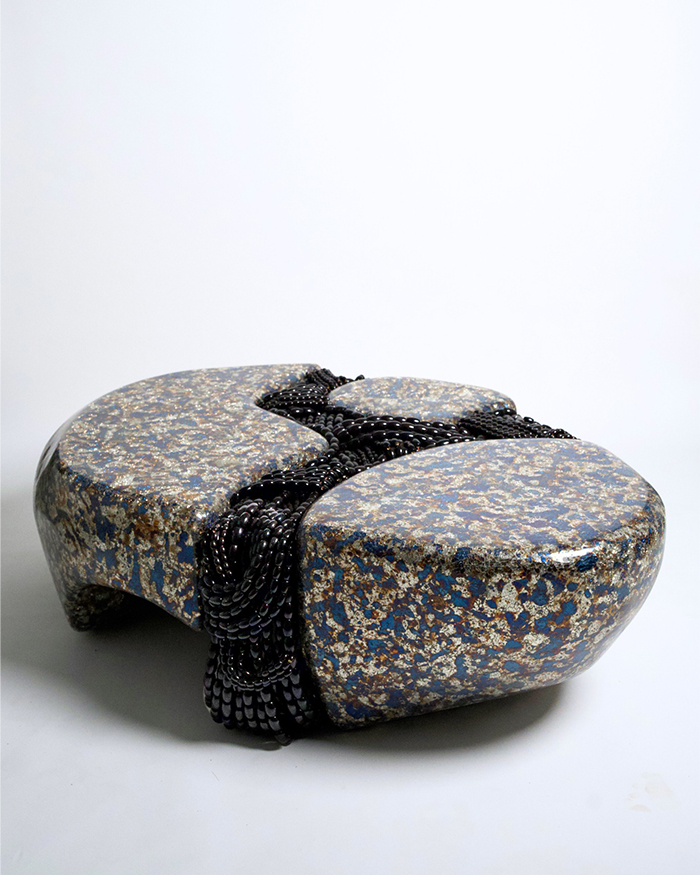
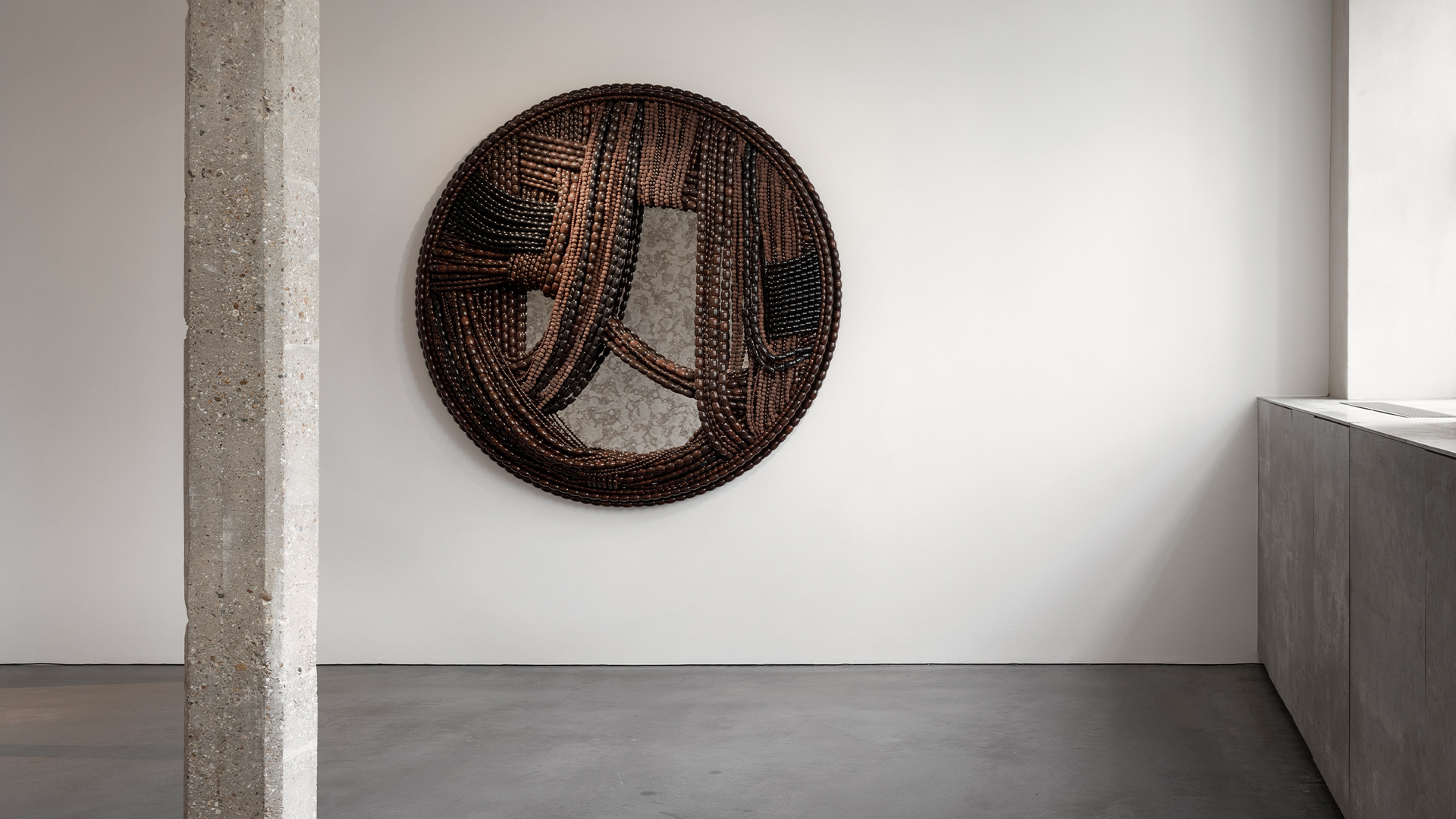
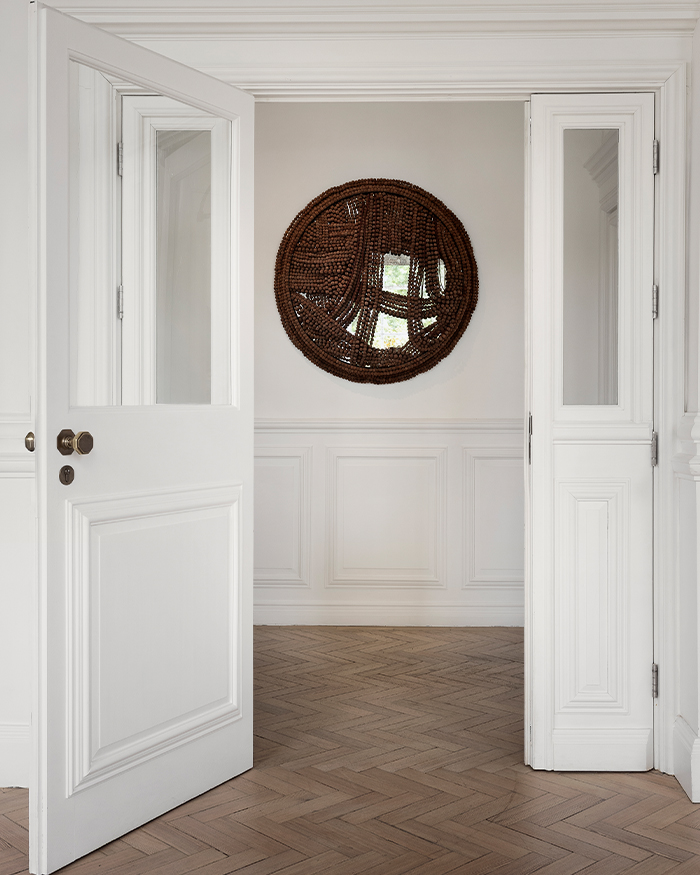
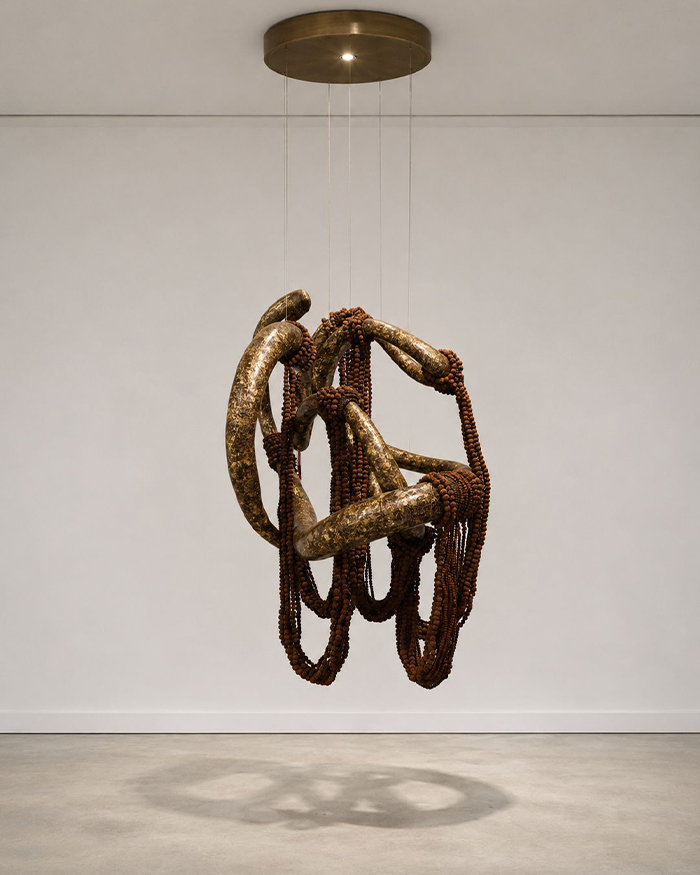
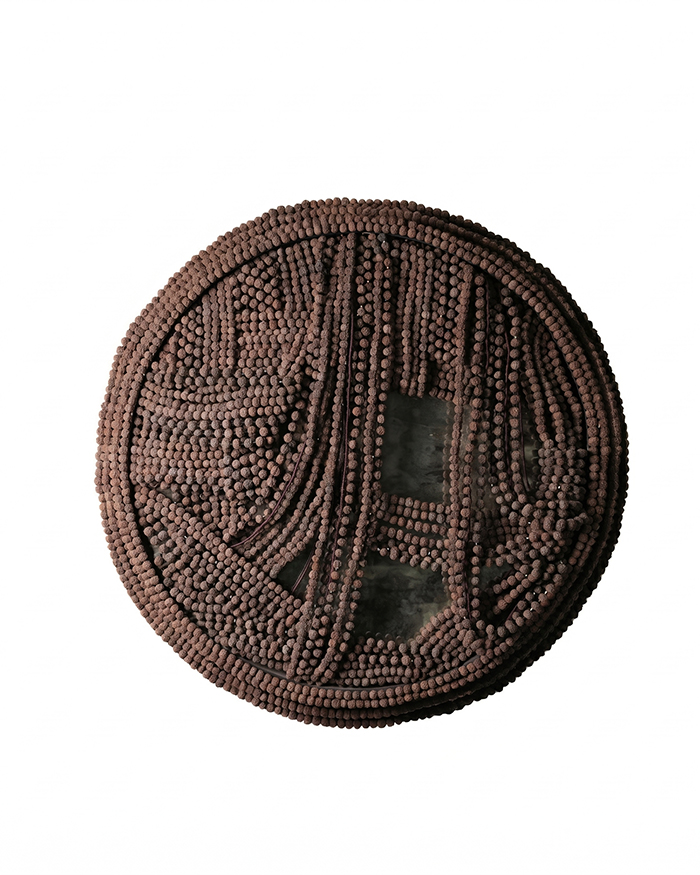
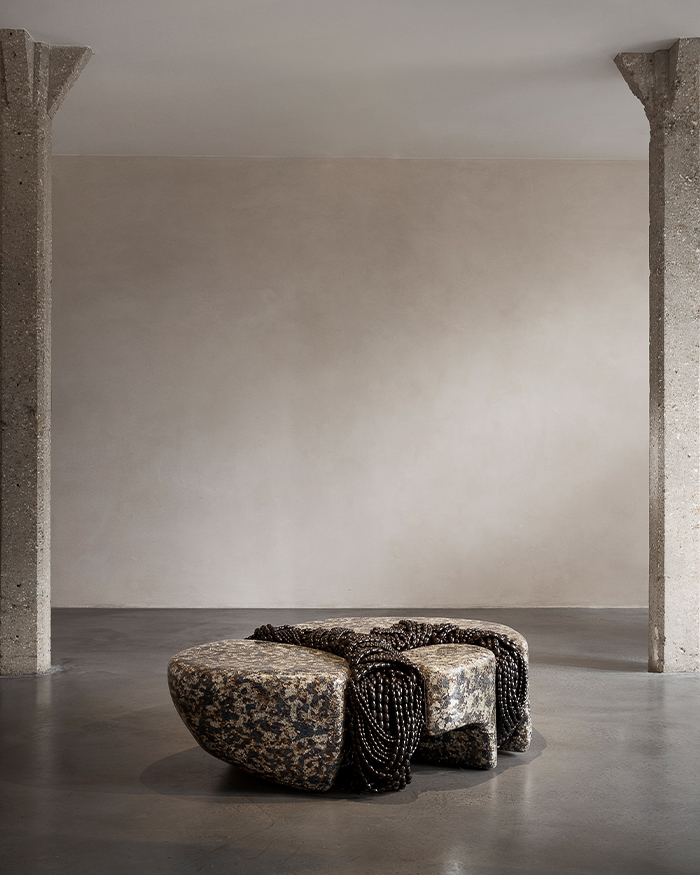
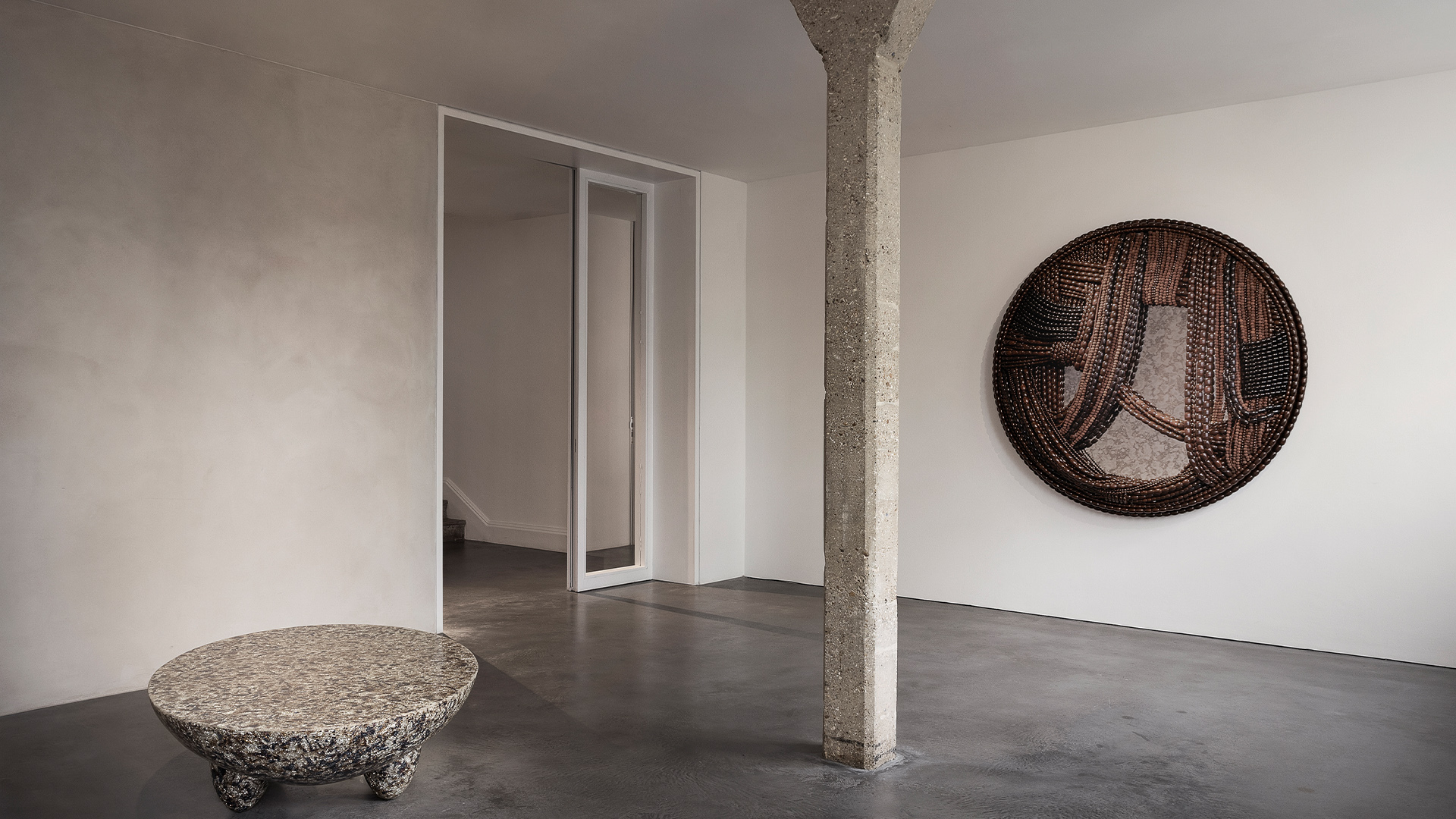
Ashiesh Shah sculpts Dveep, a coffee table in hand-cast resin, mirror and Channapatna beads that depict Mumbai as an archipelago, its planes linked by strands of hand-turned beads spanning the gaps like causeways. On showcase also is The Kumbh, a circular frame strung and arranged with thousands of holy beads.

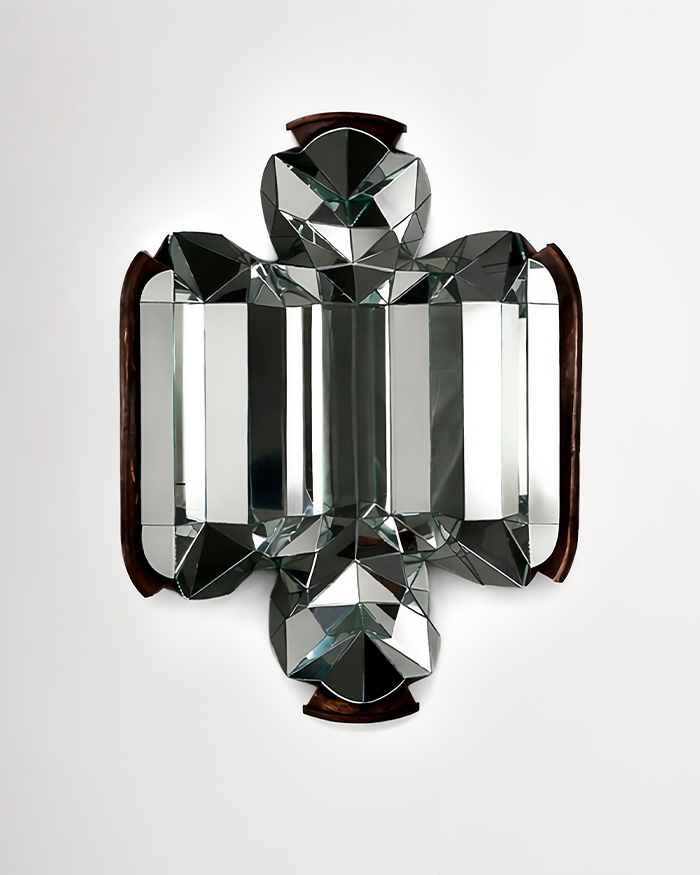
Ever saw a mirror dressed in silhouettes of matka? The Matka Mirror N°2 challenges visual cues with its elongated form that shapeshifts into curving lines, catching light and reflections like a surface caught in a constant motion.  

Then comes the Matka Mobile, an orchestra of vessels floating mid-air, which convey what the traditional matka has always been used for — to store water, grain and memory — held by hands against gravity. Neither moving nor still, the matka exists in the space between weightlessness and proportions.

Matka Mirror N°2; Photograph courtesy of Atelier Ashiesh Shah
SHARE THIS ARTICLE

You May Also Like

Watch

No results found.

Search
Close this search box.