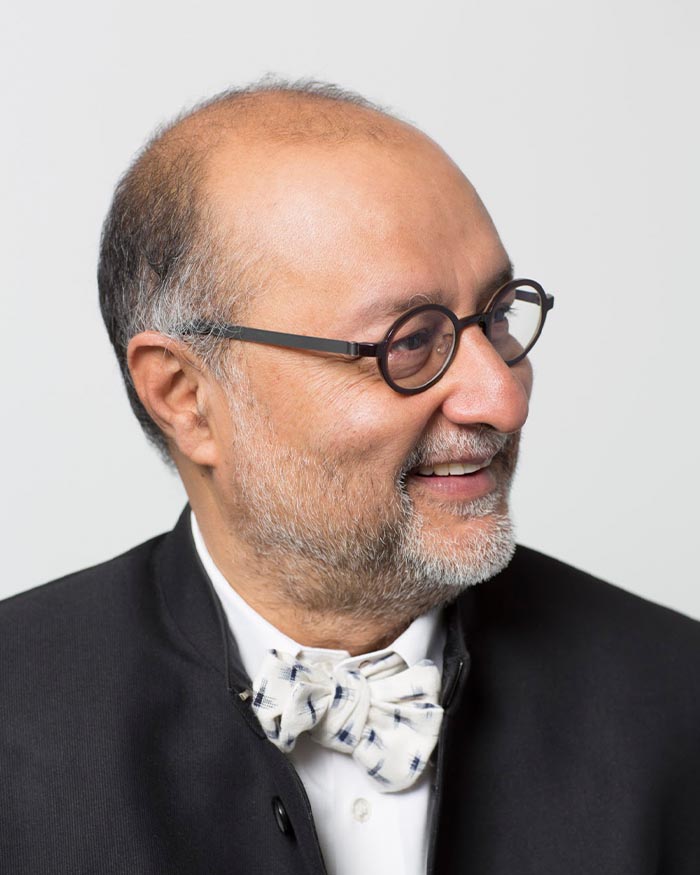
Photograph courtesy Office of the Dean, CBE, University of Washington

“We certainly haven’t originated any radical ideas out of India recently, unfortunately. All we are left with is technocratic sustainability and craftsmanship.”

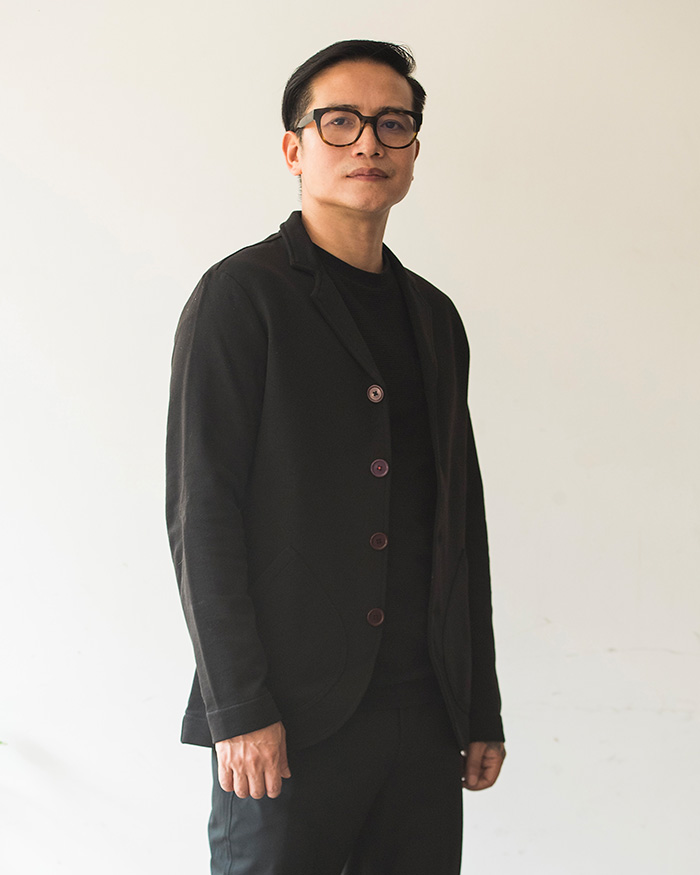
Vikramaditya Prakash

Vikramaditya Prakash: Why have architects lost confidence today?

Raised in Chandigarh, the historian, theorist and educator has spent decades interrogating the way we build and why

BY

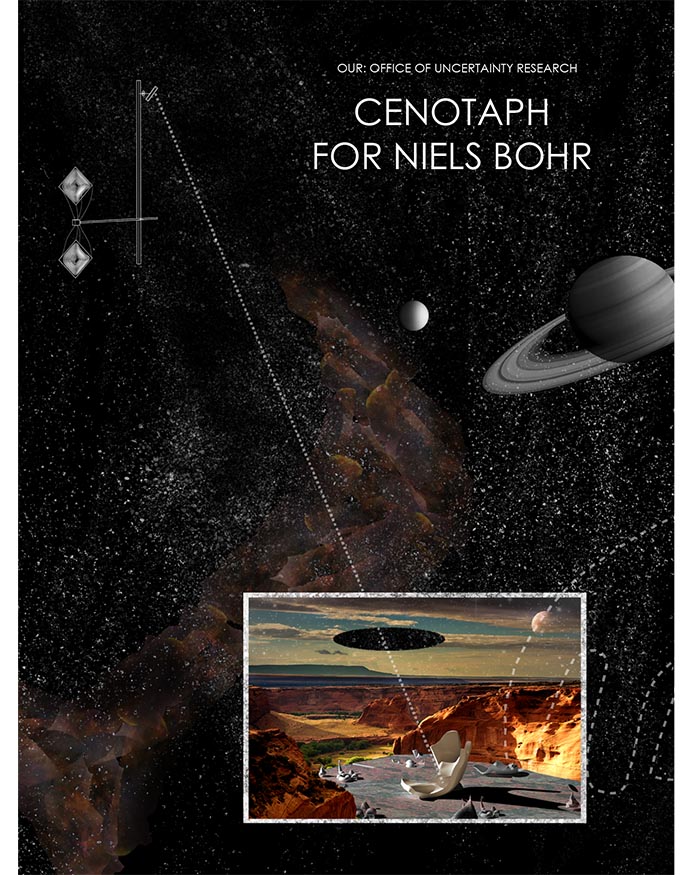
As far as icebreakers go, quantum physicist Niels Bohr is an unlikely place to begin a conversation about architecture. Yet with Vikramaditya Prakash, dialling in from his home in Seattle, it is inevitable. The reference is to an unbuilt cenotaph developed by O(U)R, the Office of (Un)certainty Research, a design-research practice he co-founded with Mark Jarzombek. The speculative typology carries a lineage that extends from Etienne-Louis Boullée’s 18th-century Cenotaph for Newton to the more recent 2009 Cenotaph for Einstein by Lebbeus Woods. “Cenotaphs are critically important in the history of architecture,” Prakash explains, “as they mark important points where the very philosophy that sustains architecture shifted.” This unorthodox intellectual proposition is key to understanding his praxis.

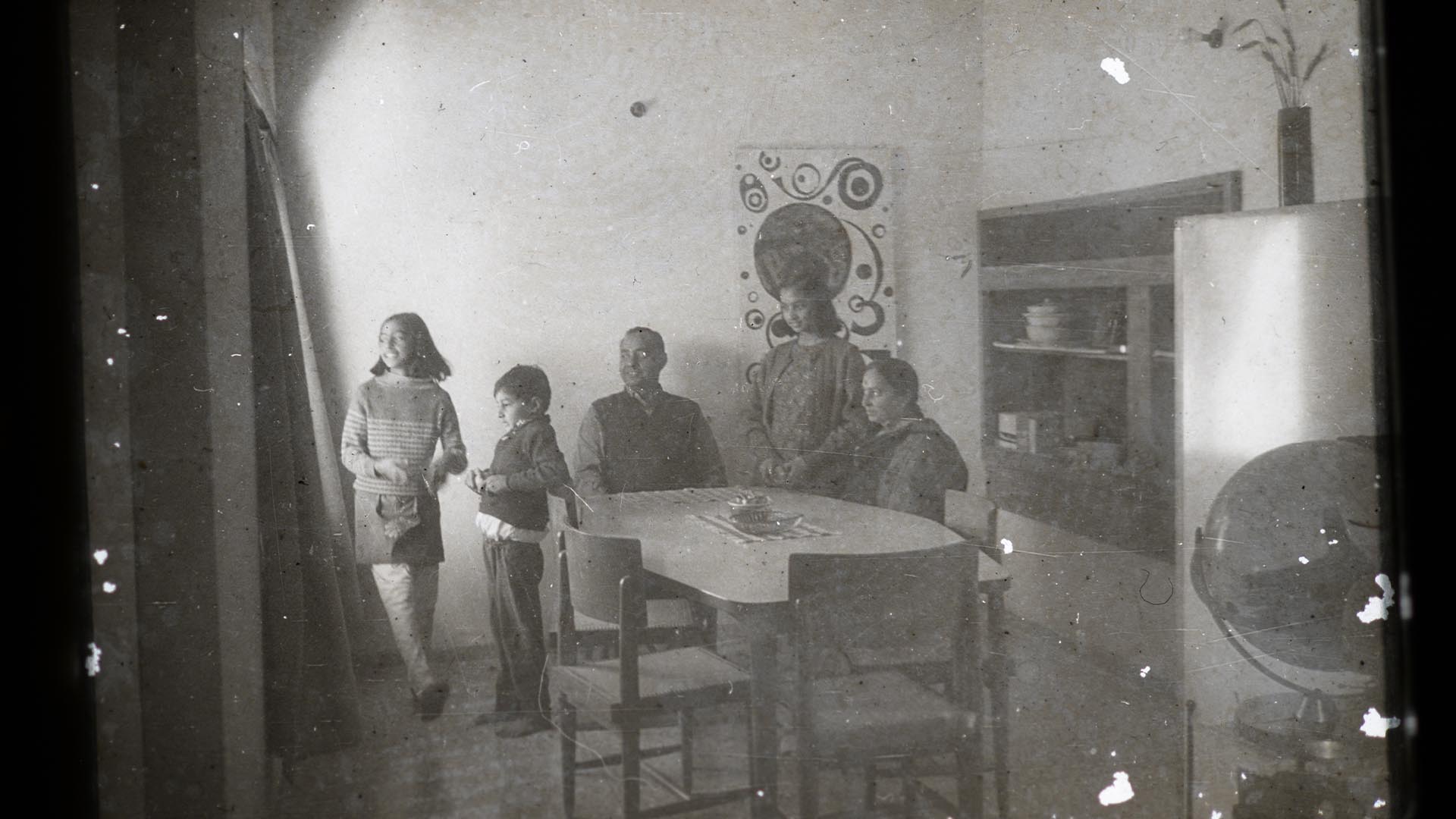
For over three decades, Prakash has occupied a singular position within architectural discourse as a historian, theorist and educator. What he is perhaps best known for is locating architecture outside of the confines of form or style and situating it within epistemological frameworks: histories of scientific thought, political imaginaries, philosophical systems and competing conceptions of civilisation itself. The cenotaph is significant because it is not, in his formulation, a monument to an individual. Rather, it is a monument to an idea embodied by the individuals who altered the course of human thinking. His worldview was profoundly influenced by growing up in one of the 20th century’s most renowned experiments in modernity: Chandigarh. And his father, Aditya Prakash. “If I have modelled my life after anyone, it is after him,” he notes. To call Aditya Prakash merely an architect who worked with Le Corbusier would be a great disservice. His oeuvre encompassed everything from founding a theatre group called Abhinet to advancing modernism through the experiences and lessons of India. His home, frequented by architects, artists, philosophers and public intellectuals, inevitably became a nexus of people who animated the Modernist movement. Prakash fondly recalls when Mulk Raj Anand handed him an autographed copy of the book Untouchable when he was about ten years old. He says, “Once I was seeing him off at the door when he turned to me and said, ‘Listen, if you ever want to run away from home, just come and stay with me in Bombay.’”
Also read: Sean Anderson, a conversation with the architect and curator on why it falls on practitioners of art and design to dismantle existing boundaries and create a new world

Vikramaditya Prakash
Aditya Prakash with his family in Chandigarh; Photograph courtesy Vikramaditya Prakash

For a long while in the 70s, Prakash did ponder the possibility of leaving Chandigarh. For his professional training as an architect, he even moved to Mumbai to work under Uttam Jain. “I decided thereafter that I cannot do this,” he confesses, “I thought practising architecture was behaving like Le Corbusier or my father, thinking of big ideas and imagining the possibilities of life.” As was the reality of the profession in cities outside of utopian Chandigarh at the time, architecture was predominantly about “meeting your client’s demands and collecting a cheque.” Prakash eventually left for New York to pursue his master’s and PhD in the history and theory of architecture at Cornell University. What followed was a distinguished career as a scholar and educator. Today, he serves as Professor of Architecture at the University of Washington, while continuing to examine the intersections of architecture, culture and society.

Much of Prakash’s work can be read as a sustained critique of the narratives through which modernity is explained — themes that fascinated him even as a child. Nowhere is this more evident than in A Global History of Architecture, the textbook he co-authored with Francis Ching and Mark Jarzombek, which is used in architectural schools across the world. Conceived against the backdrop of increasingly polarised discourse post 9/11, it sought to dismantle the West-oriented nationalist histories that lurked behind canonical architectural understanding. Prakash argues that the self-contained idea of a nation is only as old as the 19th century, often removing the importance of overlapping historical networks of exchange and migration. “These political entities called nations have fabricated histories as national histories,” he says, “They are basically made-up stories.”

This scepticism extends equally to questions of architectural identity. A theme that arises in our conversation is the conundrum of “Indian-ness”. In the 70s, Prakash outlines how architecture in the country was looking for a national identity. “If you weren’t studying the jharokhas of Jodhpur, you weren’t doing Indian modernism,” he says. The desire to authenticate architecture through inherited symbols under the guise of cultural recovery is an aftertouch of colonialism. This obsession is what undermined the Chandigarh ethos, according to Prakash.

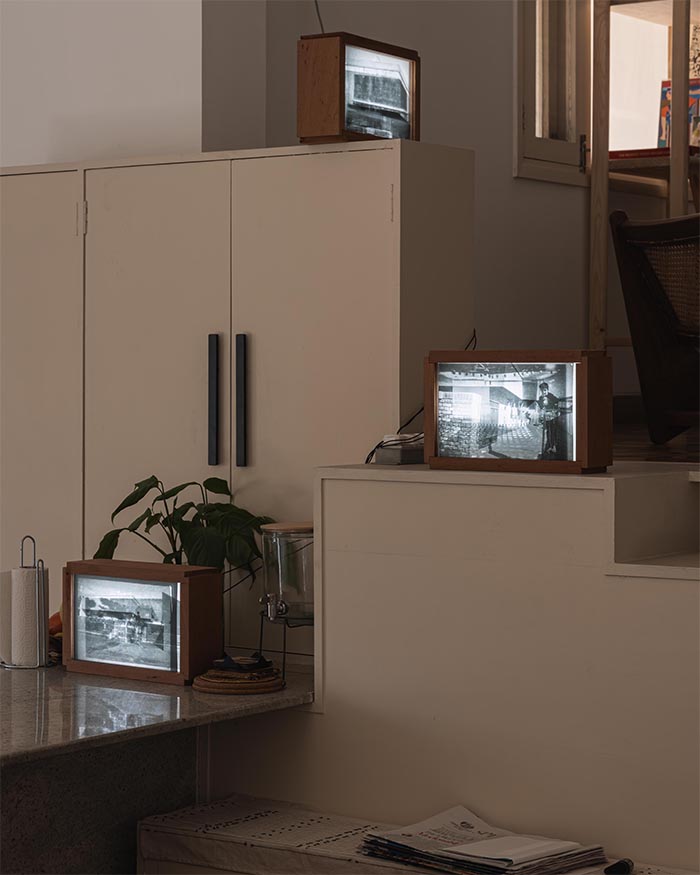
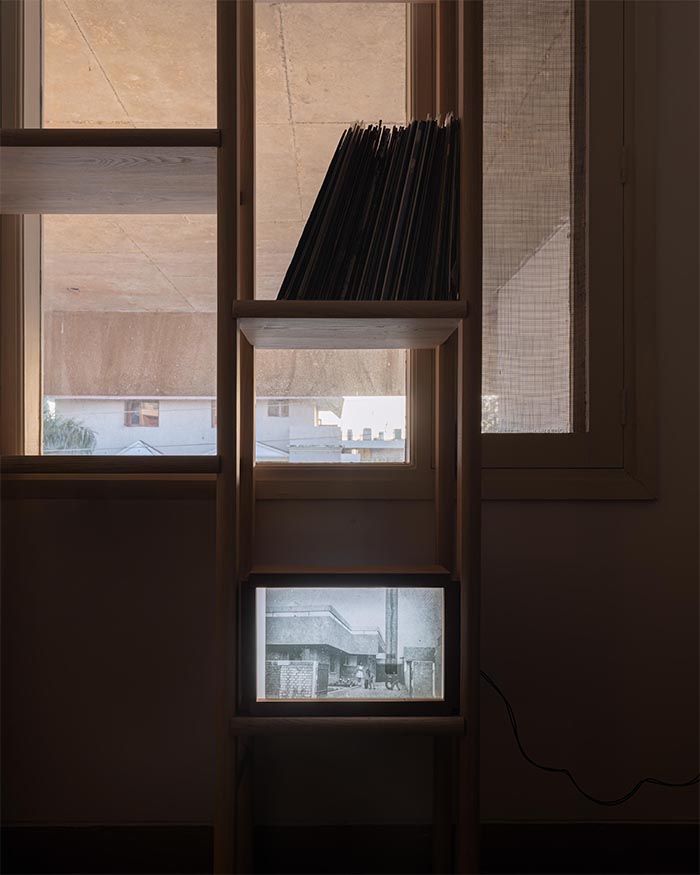
Double Framed was an exhibition in Chandigarh's AP House exploring of memory and inhabitation; Photograph by Vaibhav Passi
Vikramaditya Prakash
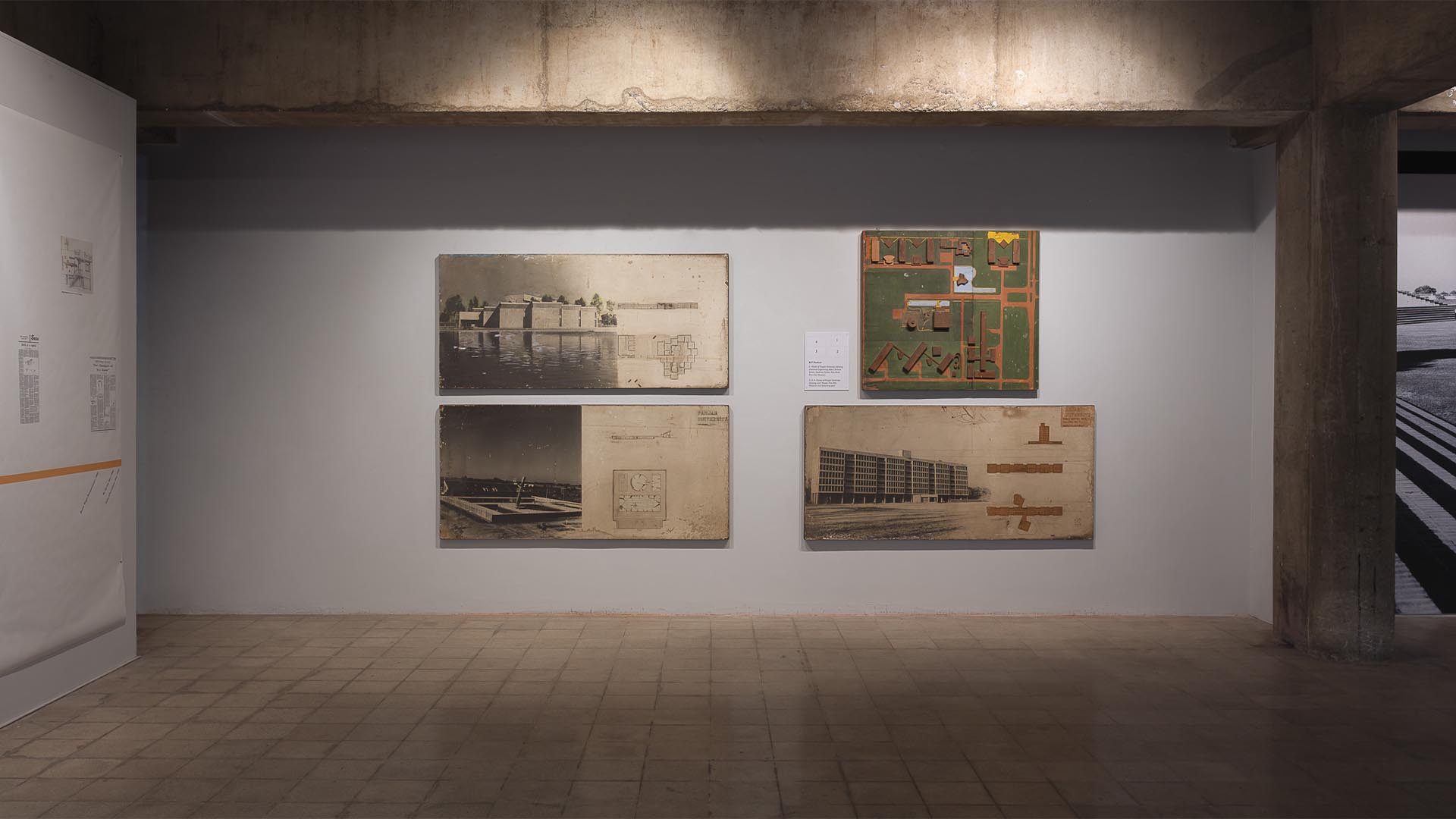
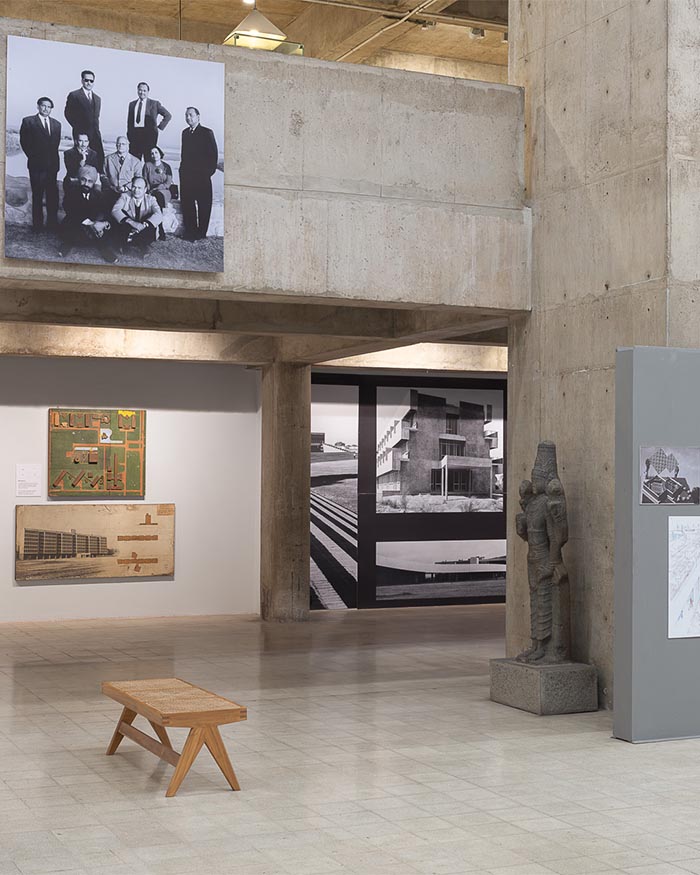
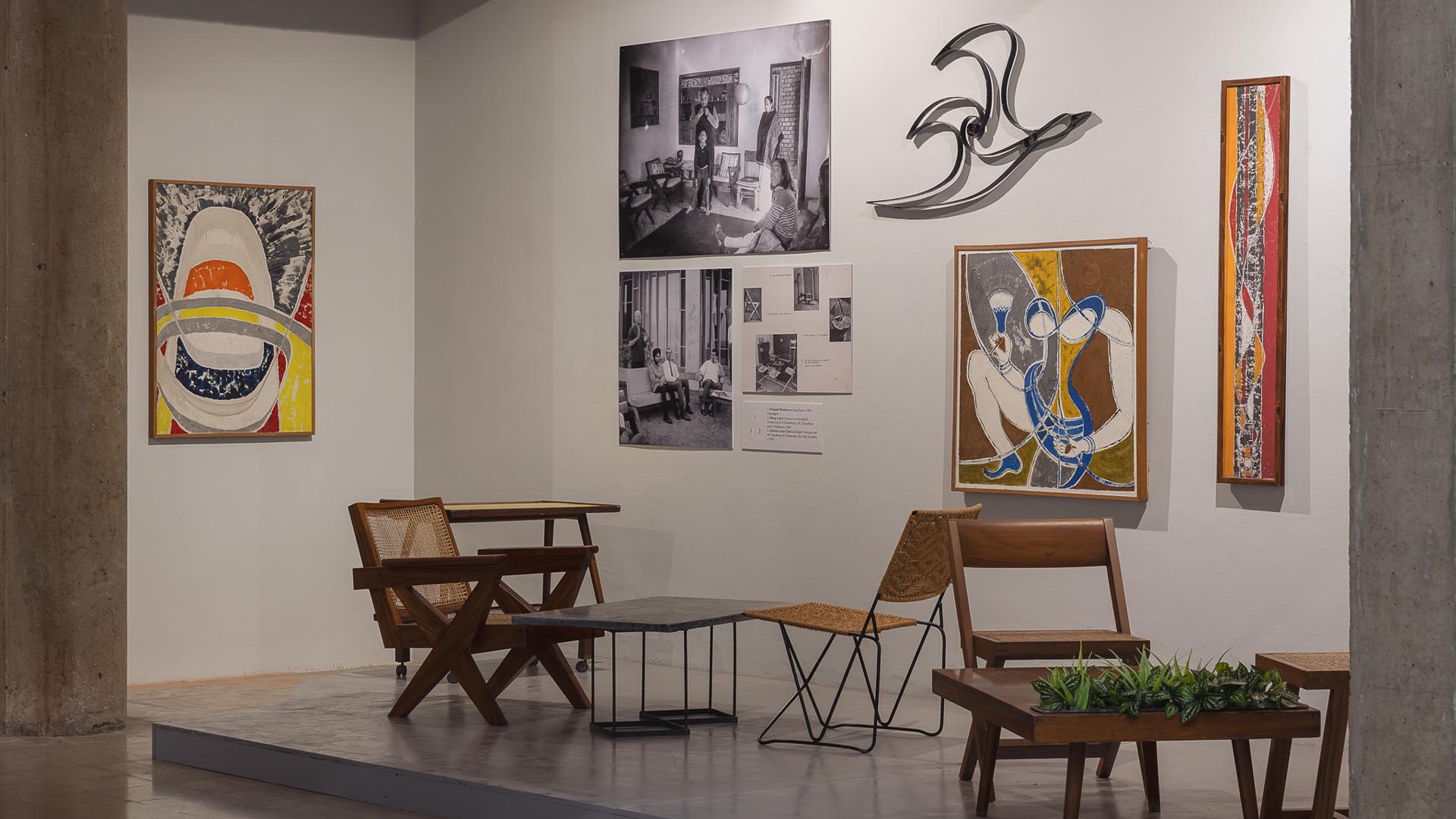
Chandigarh’s Indian Modernists exhibition brought together drawings, photographs and archival material to foreground the Indian names who shaped Chandigarh; Photograph by Vaibhav Passi

“Over time, the responsibility of the Modernist legacy was abandoned,” he says, “It was replaced by training students to be employable by postmodern firms.” Prakash expresses how today, architects and designers are moving away from shared visions. To him, it is an indication of a loss of confidence in collective ideologies. “We certainly haven’t originated any radical ideas out of India recently, unfortunately,” he says, “All we are left with is technocratic sustainability and craftsmanship.” He laments the erosion of architecture’s intellectual ambitions. However, he remains unconvinced that the current wave of artificial intelligence poses a threat to creativity. The real danger, he suggests, lies in the disappearance of “synthetic thinking”. A capacity to move between domains, to perceive hidden relationships, to produce conceptual wholes from seemingly unrelated fragments: “AI will never be able to do this.” It is perhaps unsurprising that he finds himself drawn to figures such as Niels Bohr or Abhinavagupta.

“I thought practising architecture was behaving like Le Corbusier or my father, thinking of big ideas and imagining the possibilities of life.” As was the reality of the profession in most Indian cities at the time, architecture was predominantly about “meeting your client’s demands and collecting a cheque”

Vikramaditya Prakash


Near the end of our conversation, we return to Chandigarh. Prakash speaks of the many histories contained within the city: Nehru’s Non-Aligned Movement, Le Corbusier’s vision of a Second Machine Age and the ambitions of a newly independent nation. He is equally interested in the stories that remain absent from its official narrative. His mother would tell him about displaced families who once lived on the very site where their house was built. Sometimes they would return years later and knock on the door. Traces of the Partition like these stories hide in plain sight. “There were significant repercussions of eminent domain,” he says, “Those deserve to be better documented.” There are lighter memories, too. During his years at the Chandigarh College of Architecture, he was a part of a rock band called Heavy Cats and had his own theatre group. “I still feel a tsunami in my head every time I look at Chandigarh,” he says, “I’m always astonished by its khazana.” He remembers jovially, “At night, as kids, we used to get on our Bajaj Chetak scooters and drive to the Martyrs’ Monument in the Capitol Complex, up and down the plaza, and drink beer. That was our life.” This multiplicity is what captures the lived experience of the Modernist experiment: city as manifesto, city as home. When he looks at Chandigarh, he sees all versions at once — the infinite unfinished questions that for him were never quite abandoned.

Chandigarh's Indian Modernists exhibition; Photograph by Vaibhav Passi
Vikramaditya Prakash
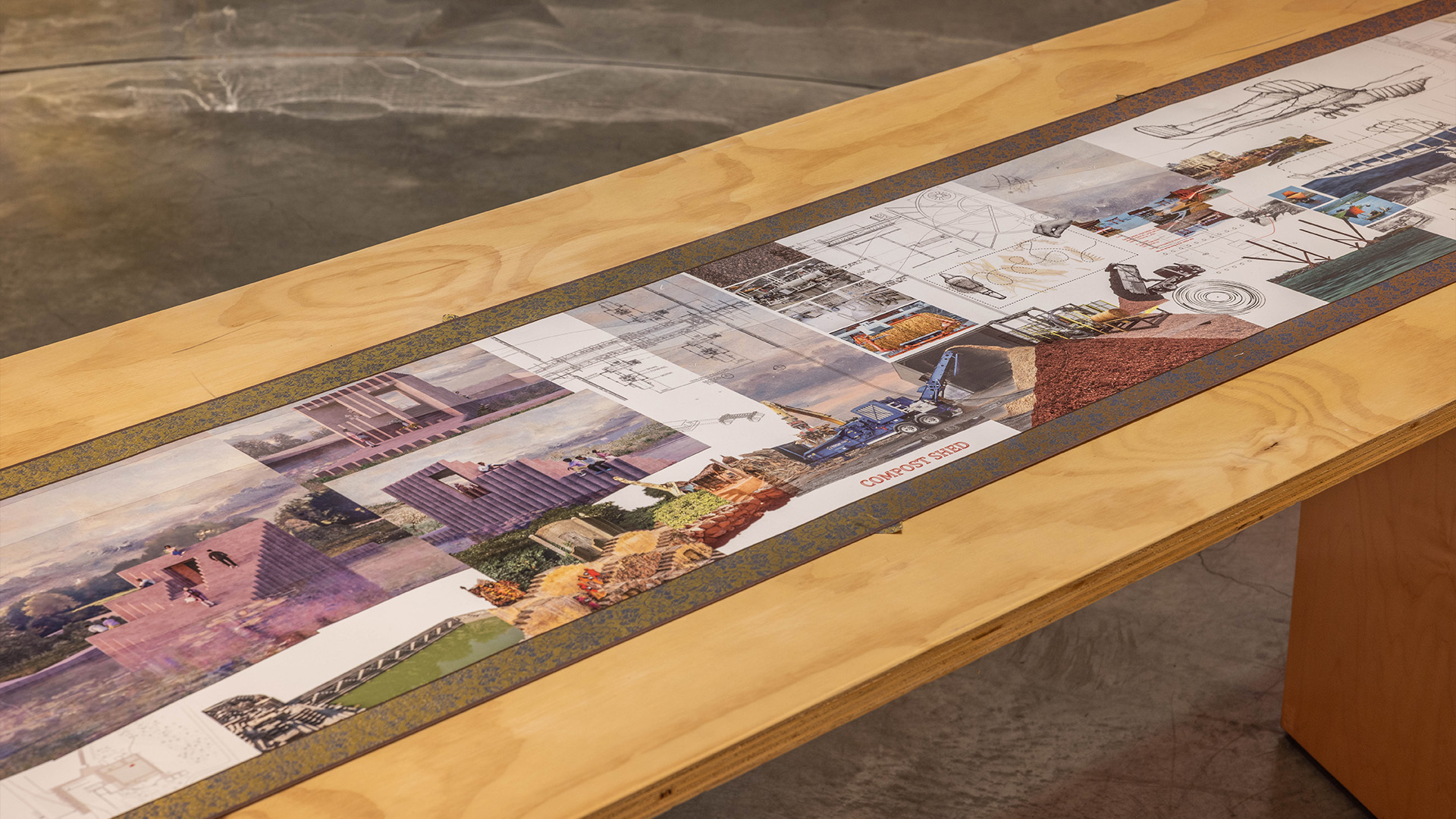
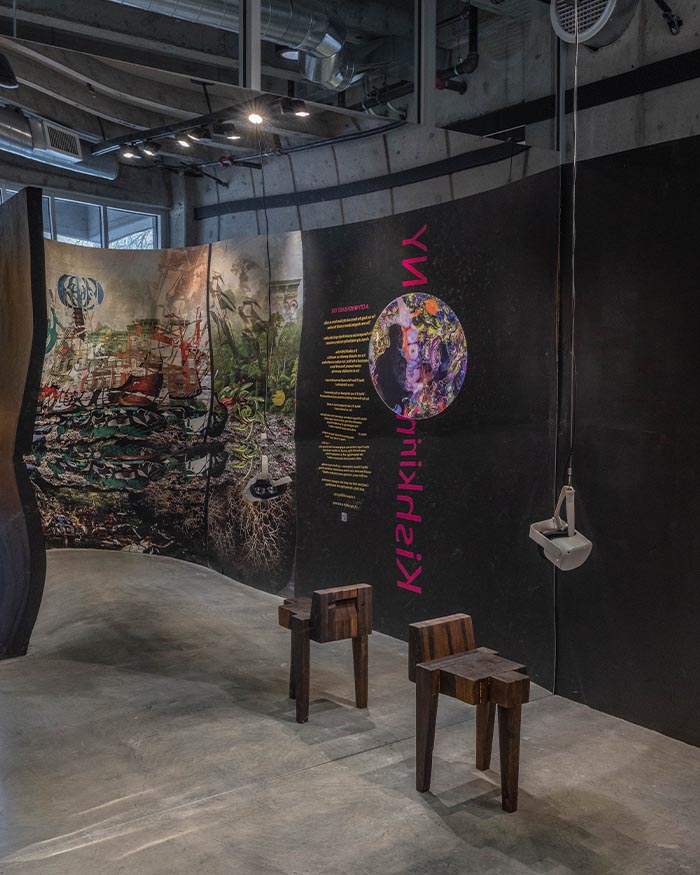
A glimpse of exhibition at the Gould Hall, University of Washington, showcasing the work of O(U)R: Office of (Un)certainty Research; Photograph courtesy Vikramaditya Prakash

Exhibitions, investigations and ideas developed by Vikramaditya Prakash and his contemporaries

O(U)R: OFFICE OF (UN)CERTAINTY RESEARCH

The design-research practice was founded in 2020 by Vikramaditya Prakash and Mark Jarzombek. At the intersection of architecture, philosophy, science and politics, the practice investigates how contemporary knowledge systems from quantum physics to ecology can reshape architectural thought. Its projects include Cenotaph for Niels Bohr, a speculative monument to the quantum age, and Tirtha: Recomposting Temple Complex, which reimagines death rituals for the 21st century. Challenging architecture’s certainties, O(U)R uses design as a tool for critical inquiry and has exhibited its work at platforms such as La Biennale di Venezia and at the Gould Hall, University of Washington.

CHANDIGARH’S INDIAN MODERNISTS EXHIBITION

The exhibition at the Government Museum and Art Gallery brought together drawings, photographs and archival material to foreground the Indian names who shaped Chandigarh alongside Le Corbusier. Curated by Deepika Gandhi, Eashan Chaufla, Vikramaditya Prakash and Maristella Casciato, it repositions the city as a collaborative project of nation-building, highlighting key figures such as Aditya Prakash, Urmila Eulie Chowdhury and MN Sharma.

The O(U)R exhibition at the Gould Hall, University of Washington; Photograph courtesy Vikramaditya Prakash
Chandigarh's Indian Modernist exhibition also displayed furniture designed during the making of Chandigarh, including the Jeanerret chair and Aditya Prakash's Continuous Line chair; Photograph by Vaibhav Passi

DOUBLE FRAMED EXHIBITION, CHANDIGARH

Prakash and Eashan Chaufla transform AP House in Sector 8C, Chandigarh, into an exploration of memory and inhabitation. Designed in 1969 by Aditya Prakash, the house is both subject and stage, revealing layers of domestic life, architectural inheritance and personal history. Through spatial interventions and theatrical framing, the exhibition examines how memory accumulates within architecture and how the past coalesces into the present.

In the 70s, architecture in the country was looking for a national identity: “If you weren’t studying the jharokhas of Jodhpur, you weren’t doing Indian modernism.” This obsession is what undermined the Chandigarh ethos

Vikramaditya Prakash


WRITTEN WORD

Modernism, postcoloniality, global history and architecture are recurring themes in Prakash’s writing. Through books that range from challenging nation-oriented readings of architectural history to a guide on exploring the city he grew up in, called CHD Chandigarh, he has expanded conversations around modernism and the global circulation of architectural ideas. His renowned publications include Chandigarh’s Le Corbusier: The Struggle for Modernity in Postcolonial India and A Global History of Architecture (with Francis D.K. Ching and Mark Jarzombek). He has also brought his father Aditya Prakash’s contribution to Indian modernity into broader public consciousness through One Continuous Line and, more recently, Death of a Modernist, an intimate portrait of the architect as father, artist and man of letters.

Read next: Soumitro and Nisha Mathew Ghosh on how democracy, like design, is informed by praxis

SHARE THIS ARTICLE

You May Also Like

Watch

No results found.

Search
Close this search box.