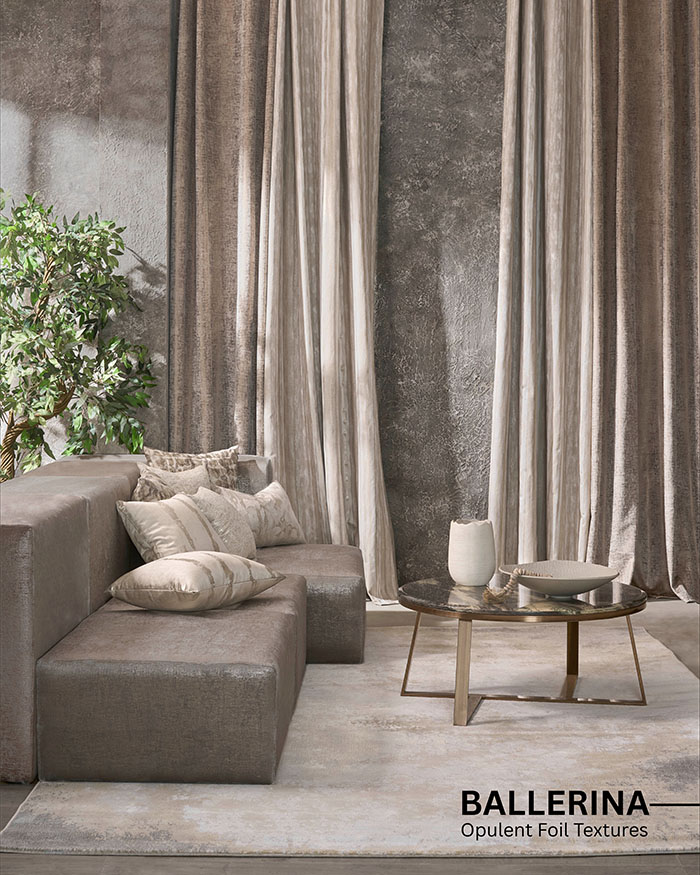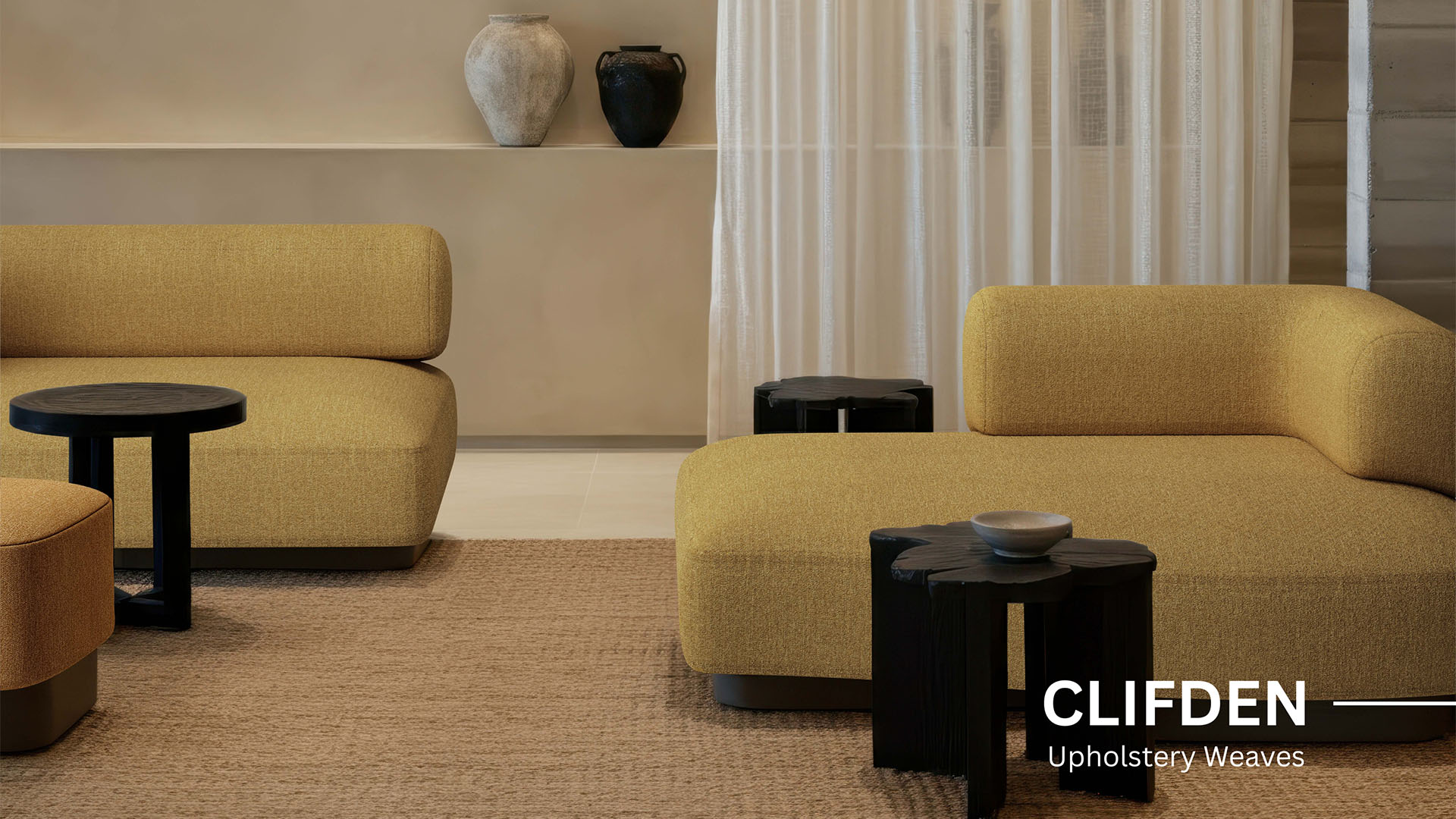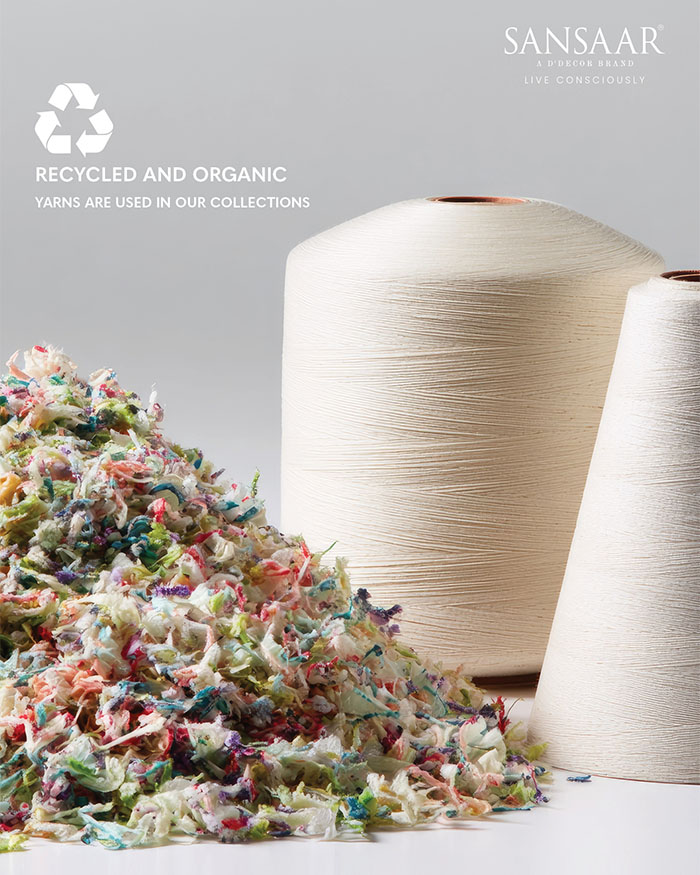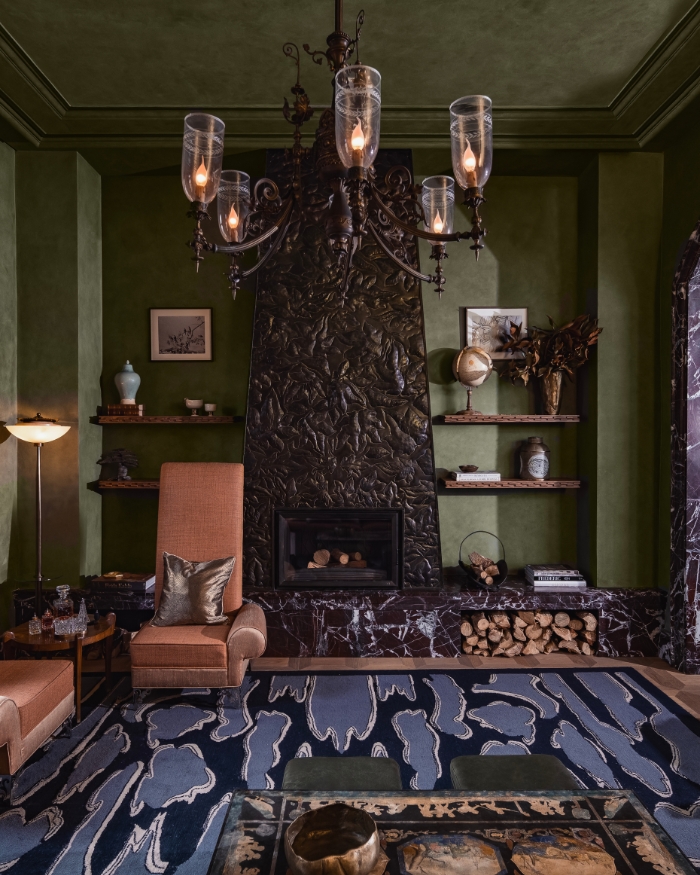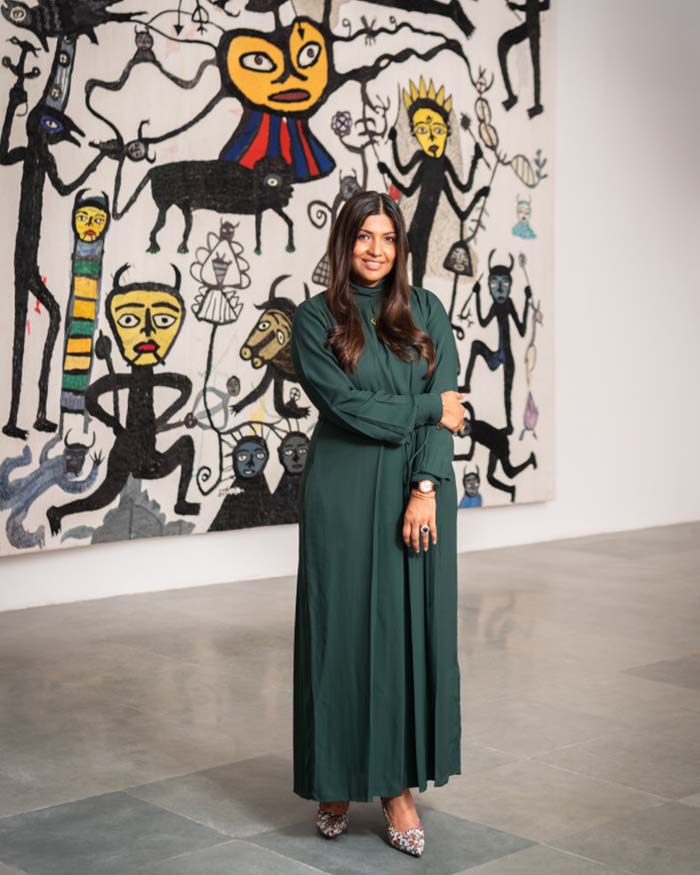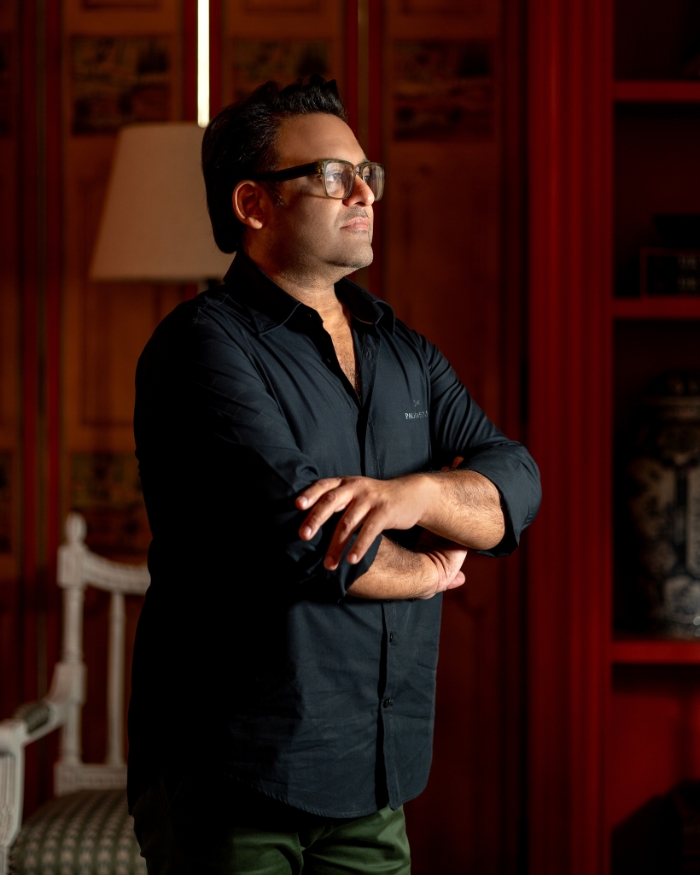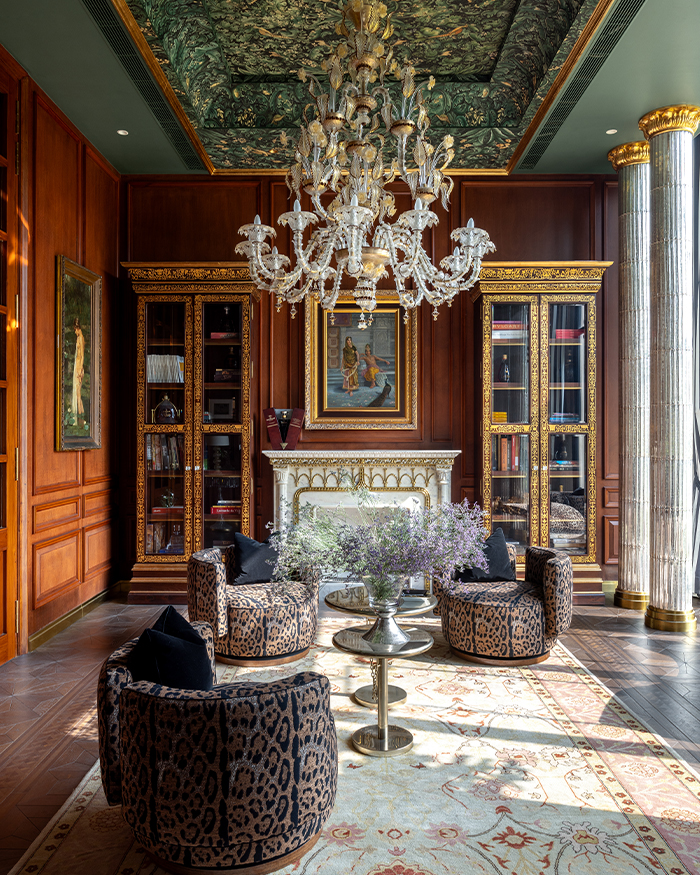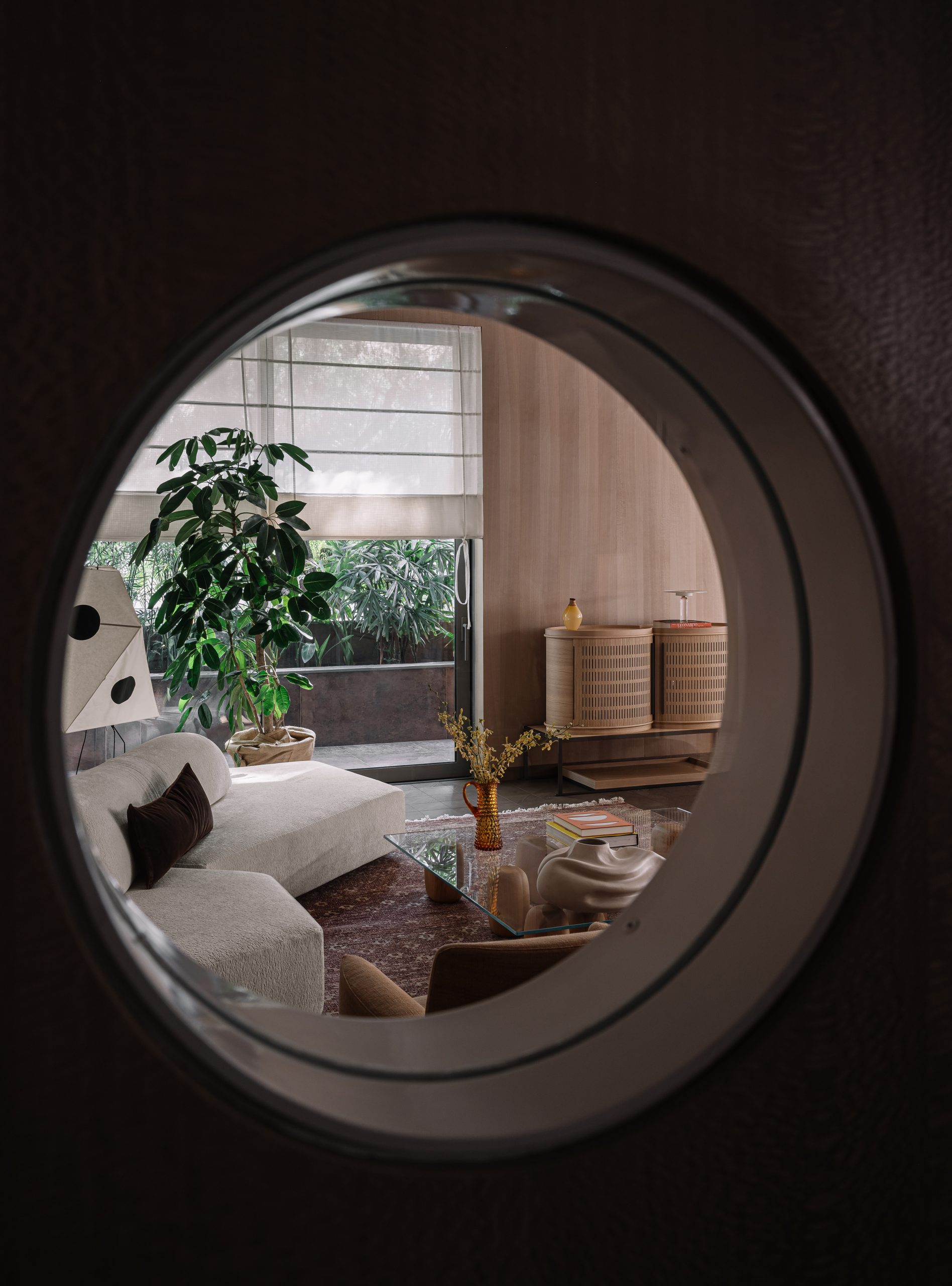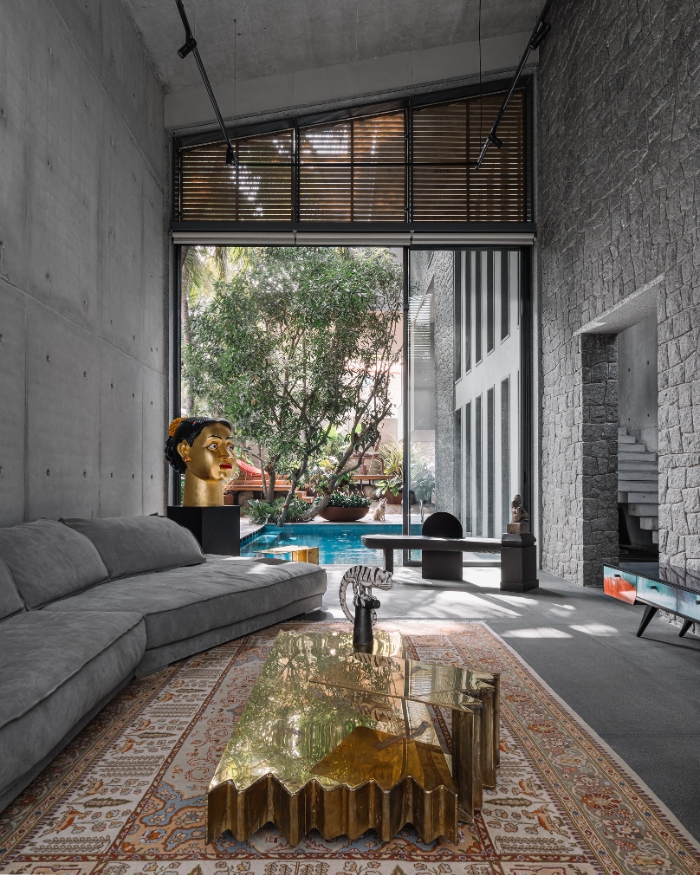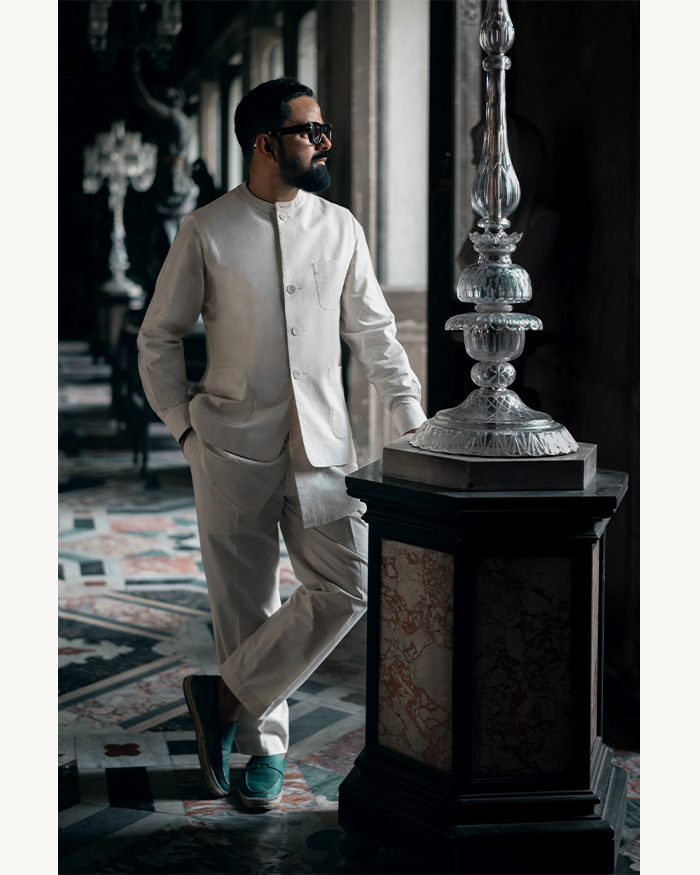
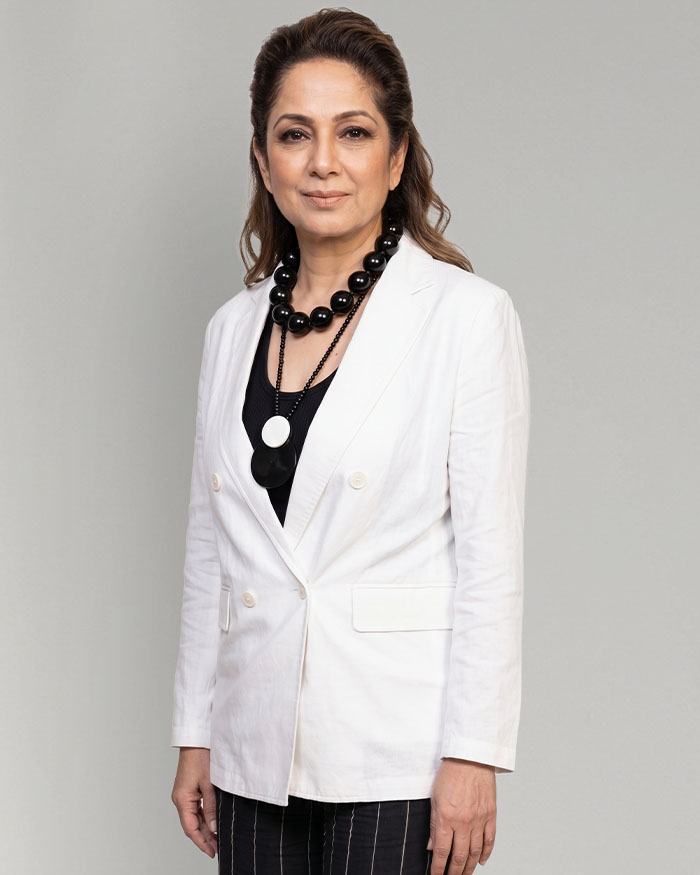
D’Decor Exports and its sustainability-led label Sansaar are shaping a more globally relevant and design-forward future for India’s home furnishings industry. As their Product Development Head, Ina Arora has spent over two decades proving that a fabric can carry a strong point of view and a lower carbon footprint at the same time. Her process runs on research, drawing from global trend forecasting, material innovation and a colour philosophy she describes as the soul of a fabric.

Ina talks about what makes a fabric genuinely responsible, how she protects design nuance while working at a commercial scale, and where colour in Indian interiors is headed next. Scroll down to read the full conversation.

The word ‘sustainable’ has been used loosely over the last decade. What, for you, makes a fabric truly responsible beyond recycled content or conscious sourcing?

The word “sustainable” gets used a lot today, so for me, it has to go beyond just labels. I look at the full journey of a fabric and the impact it creates. It is not only about recycled materials, but also about how long the fabric lasts, how many chemicals are used, and how responsibly we use water and energy while making it. I also think about how a fabric ages over time, because longevity is a big part of being truly responsible. A good fabric should last, be made with care, and have a lower impact on both the environment and the people involved. At Sansaar, we are also working on biodegradable options, because what happens at the end of a product’s life is just as important as how it begins.
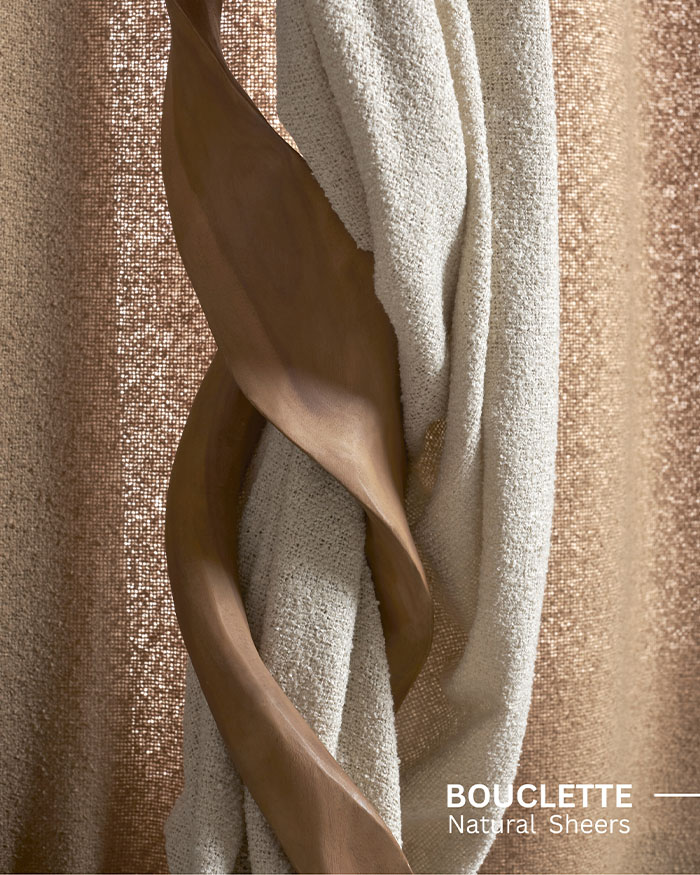
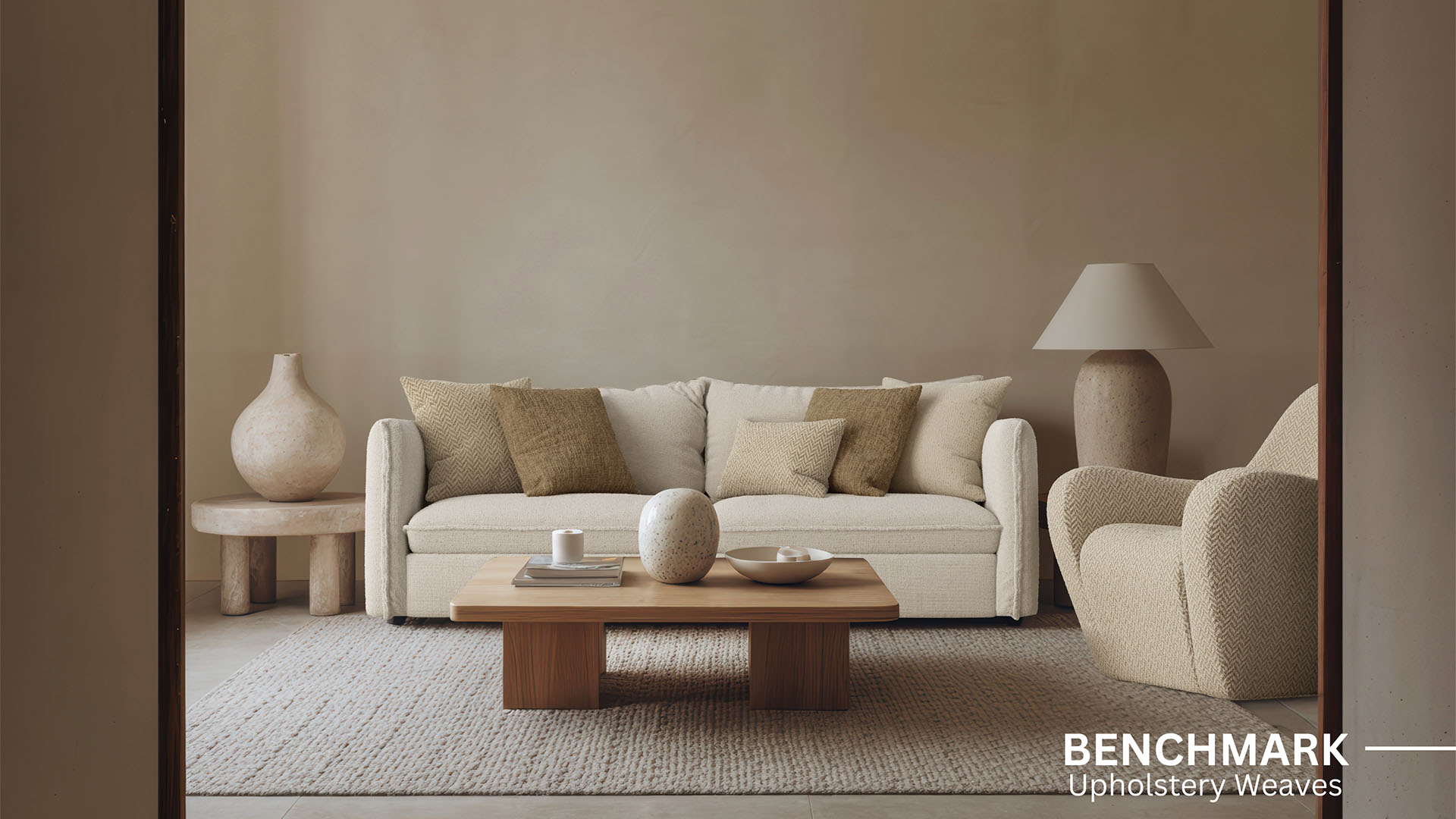
You work at a rare intersection of design, scale and commercial viability. How do you protect nuance and experimentation when a collection has to perform across markets, categories and price points?

Working at scale does not mean we have to compromise on design, it just means we need to be clearer and more thoughtful in how we approach it. For me, everything starts with a strong story and a clear point of view, which guides all our decisions. Within that, we create a mix of designs, some that stand out, some that add texture, and some that are more versatile and easy to use across spaces and price points. This balance allows us to experiment while still staying practical and relevant. Our in-house capabilities also help a lot, because we can test, refine, and develop ideas closely without losing sight of the final outcome.

As someone deeply involved in colour development, how do you see colour trends evolving in interiors right now? What does your design and research process for a home furnishing collection look like?

Colour today is becoming more subtle and more connected to how a space makes you feel. We are seeing a move toward softer tones like muted earth colours, layered neutrals, and gentle pastels that add depth without feeling too strong. There is also less focus on sharp contrasts and more on tones that blend well together. My process is very research-driven. It starts with understanding global trends, then exploring materials, and finally developing colours in detail. We also test how colours look on different textures and weaves, because that can really change how they appear. For me, colour is the soul of a fabric. It quietly shapes the mood of a space, which is why we handle it with a lot of care in every collection.


Are there any craft techniques that you’d want to bring to D’Decor?

India has a very rich craft legacy, and I feel there is still a lot we can do with it in a more modern way. Techniques like Kantha, Kalamkari, Suzani, and Batik prints already inspire us, but I would like to explore more ways to bring traditional handicrafts into today’s production processes. The idea is not to copy the craft exactly as it is, but to adapt it so it fits into modern homes and also works for a global audience. It is about keeping the essence and story of the craft, while making it more practical in terms of scale, finish, and everyday use.

With Sansaar, what is the larger shift you are trying to create in Indian home furnishings: a better product vocabulary, a more responsible supply chain or a new way for consumers to think about fabric at home?

With Sansaar, the idea is quite simple but also wide in its approach. It is not only about making better products or building a more responsible supply chain, even though both matter a lot. It is also about changing how people think about the fabrics they bring into their homes. We want people to be more aware that every fabric has a story and an impact. At the same time, we are working on creating a clearer product language and making sustainability feel easier and more accessible, not something niche. In the end, the aim is to bring design, responsibility, and everyday living together in a natural and meaningful way.

Read more: Sanjana and Sarah Arora delve into Sansaar by D’Decor’s minimalist soft furnishing creations


SHARE THIS ARTICLE

You May Also Like

Watch

No results found.

Search
Close this search box.