La Mamounia
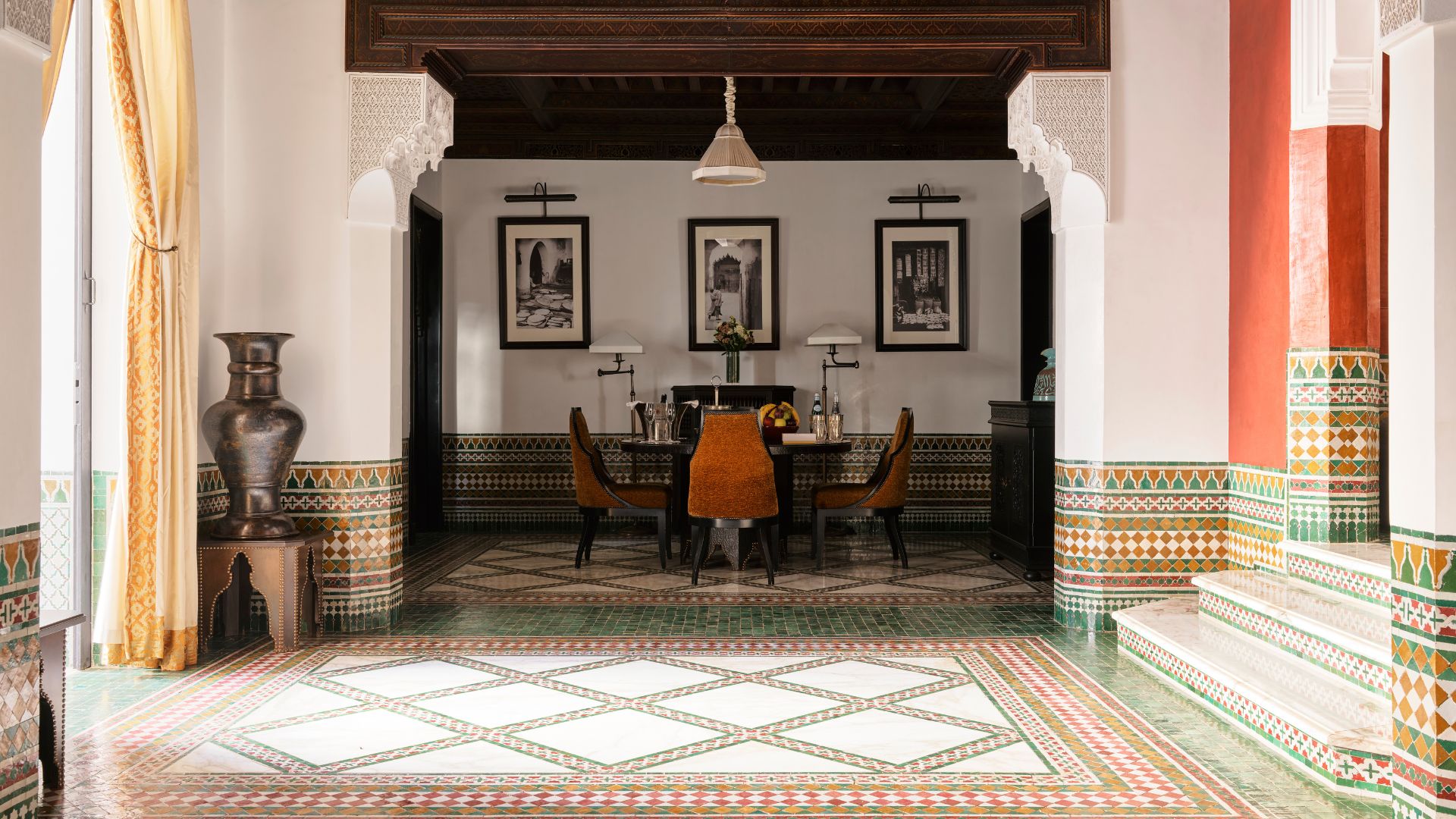
The hotel’s spaces borrow from the medina, where one room unfolds into another through arches, thresholds and vistas; Photograph Courtesy La Mamounia

Inside La Mamounia in Morocco

Colours and crafts abound, the legendary hotel captures Marrakech without ever trying to tame it

BY

There are two types of civilisations in the world. There are those that understand colour, flavour and spice. And then there are those who are afraid of all three. Marrakech belongs firmly to the former. It seduces with saffron and mint but also overwhelms with the call of traders. It balances cacophony, charm and chaos in a way that allows the city to smell like orange blossom, turmeric, cumin and charcoal at the same time. If Marrakech is joy with sharp elbows, then La Mamounia is joy with good service.

"But La Mamounia’s greatest flex is not its restaurants nor the architecture, but its gardens. The building emerges from nearly 32 acres of olive groves, palms, citrus trees, roses and rare cacti"

La Mamounia
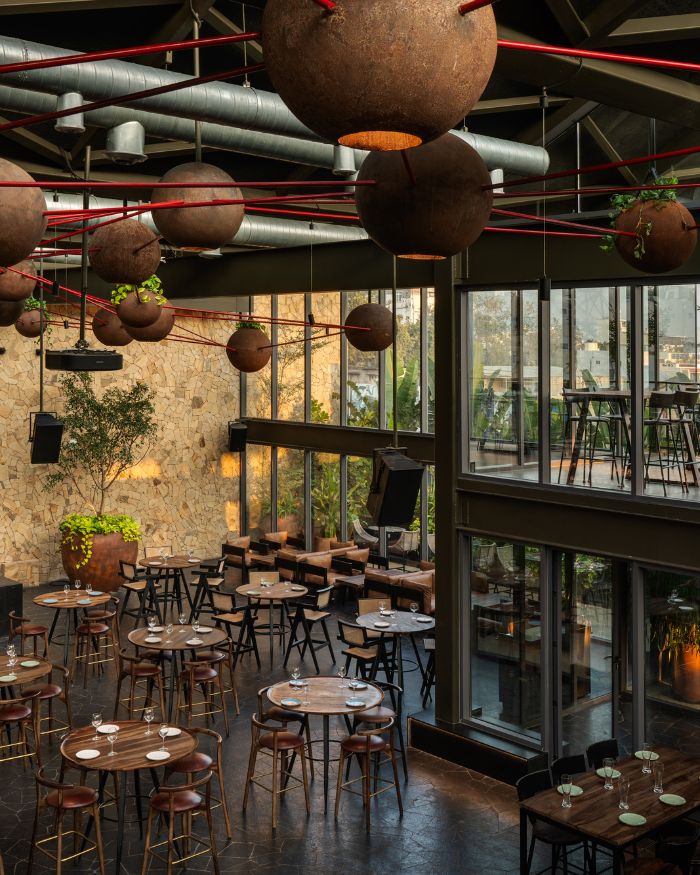
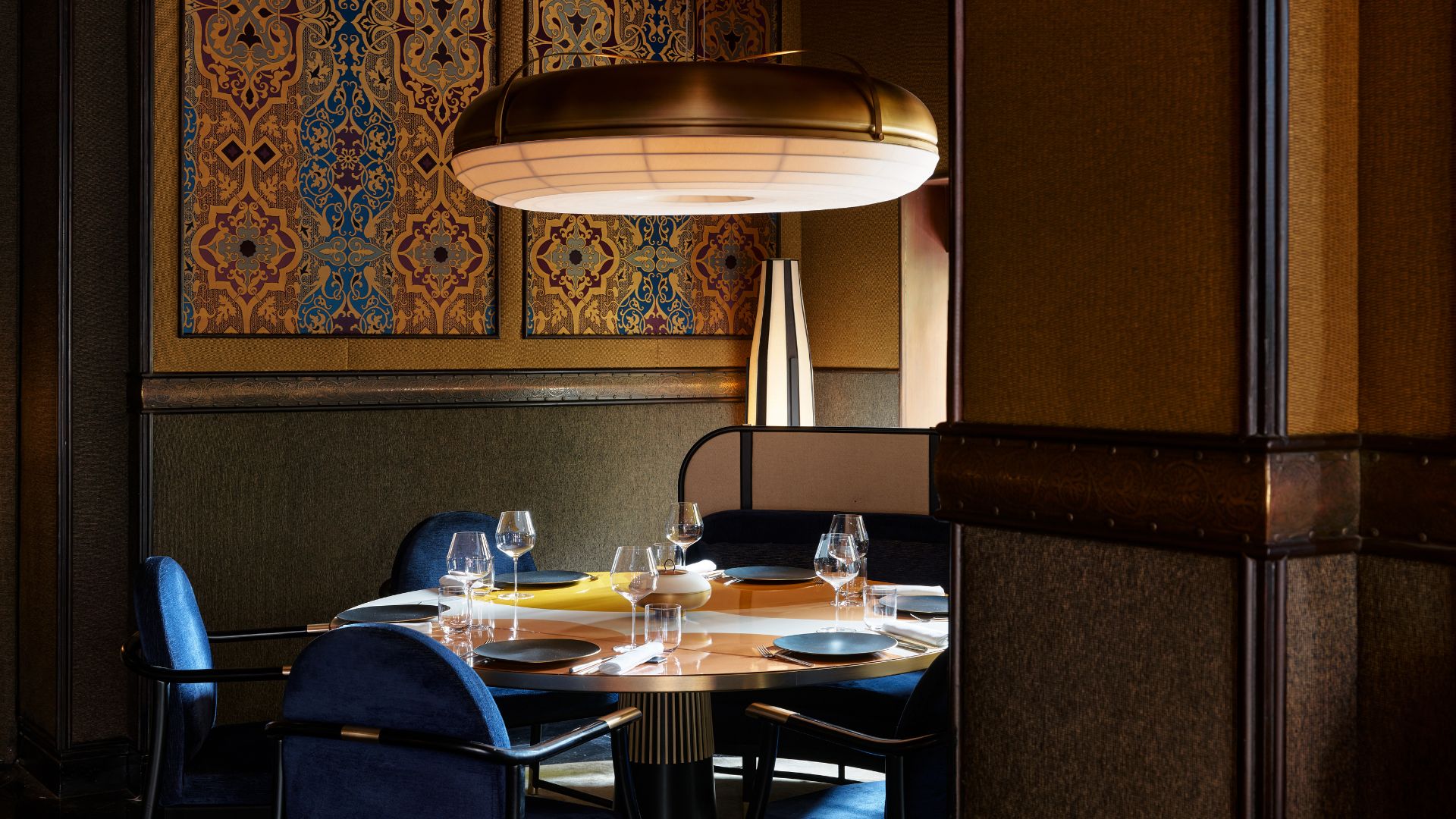
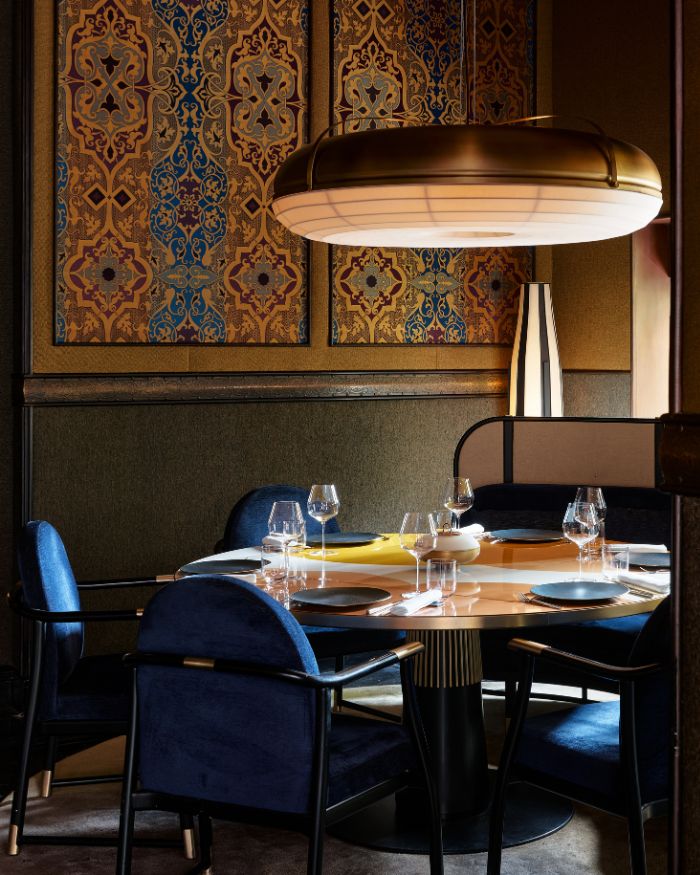
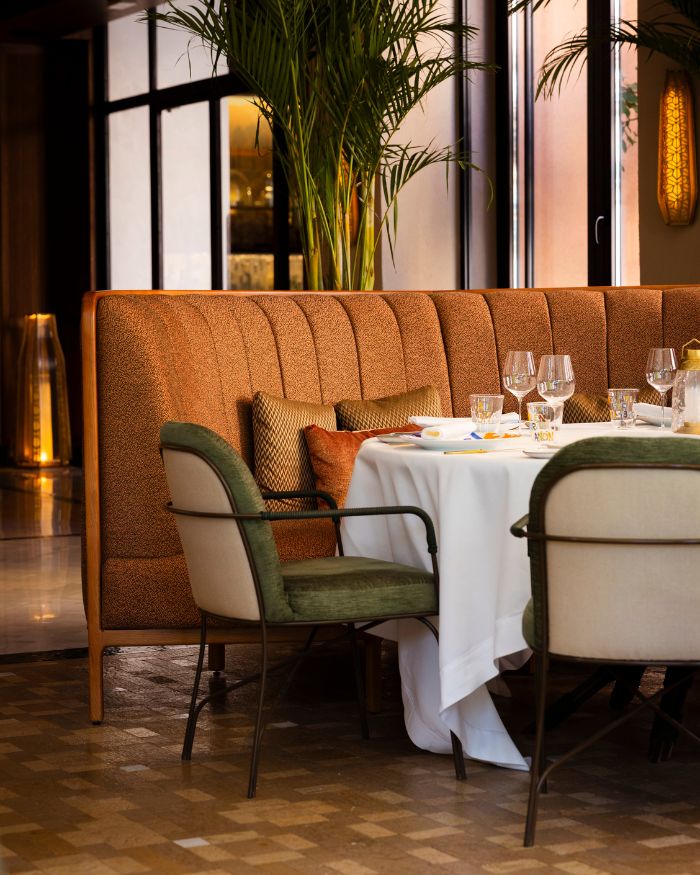
L’Asiatique, the Asian restaurant with lacquered surfaces and jewel- toned accents; Photograph Courtesy La Mamounia

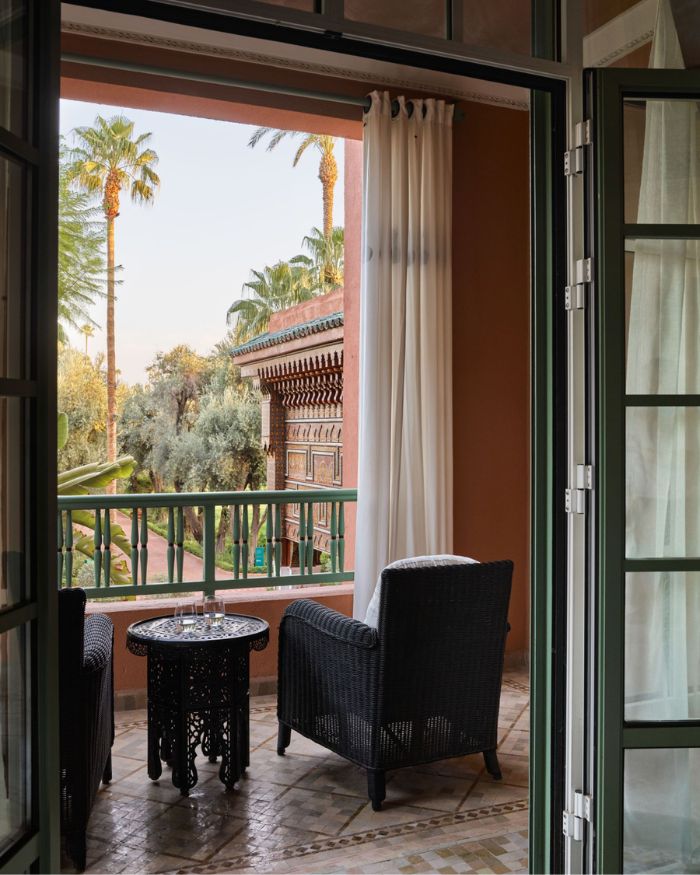
Hidden behind ancient walls and acres of historic gardens, the legendary hotel with 209 keys (135 rooms, 71 suites and 3 private riads) distils everything that makes the city irresistible. The medina is a city of hidden worlds and La Mamounia borrows this principle with its layered archways, oversized doors and framed views, creating the sense that each space conceals another beyond it.


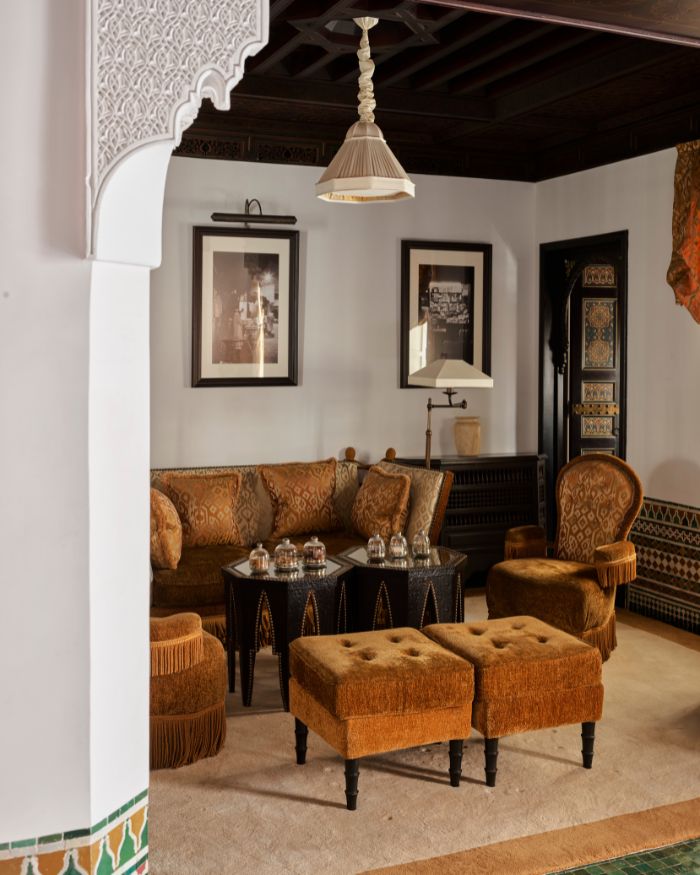
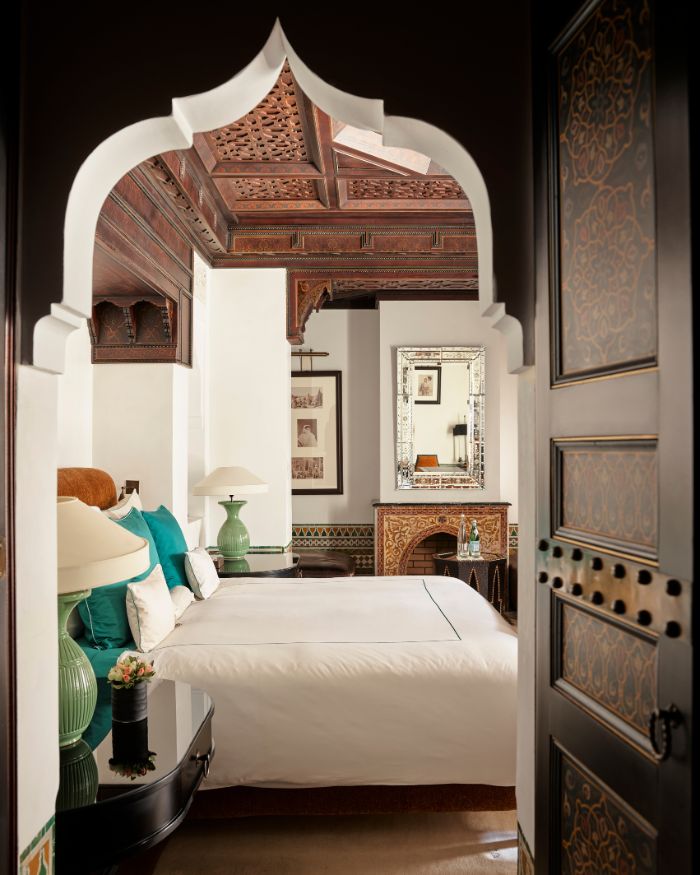
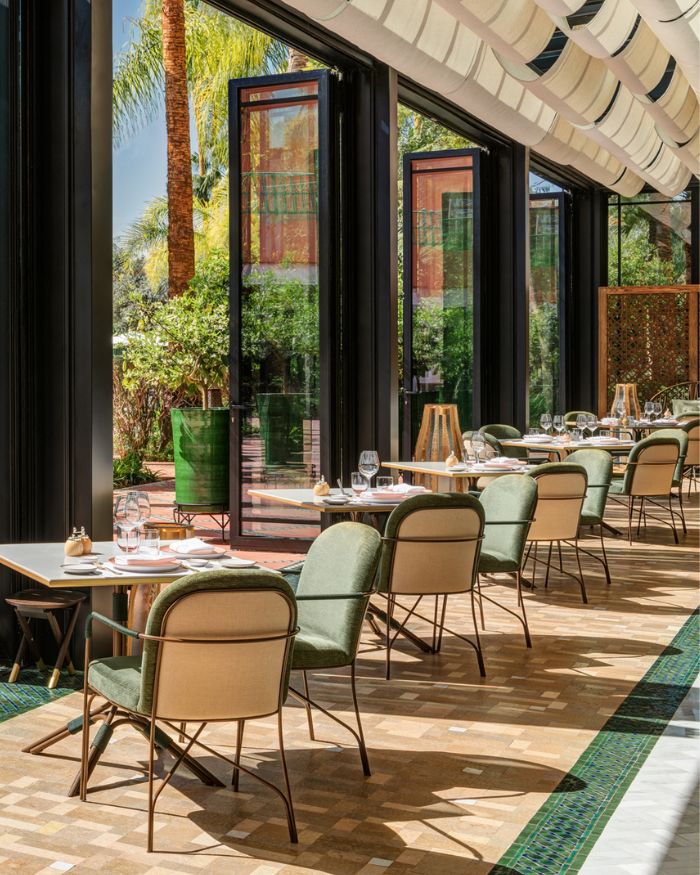
Zellige, carved plaster, painted cedar ceilings and patterned doors create a visual richness that echoes the sensory overload of the medina, albeit in a more controlled environment. Le Marocain, their traditional Moroccan restaurant, leans into the romance of Marrakech with its arches, geometric zellige and lanterns. Beyond Morocco, the culinary journey continues across different influences with Simone Zanoni’s L’Italien, L’Asiatique by Jean-Georges Vongerichten and Le Pavillon de la Piscine by the pool.

 

La Mamounia
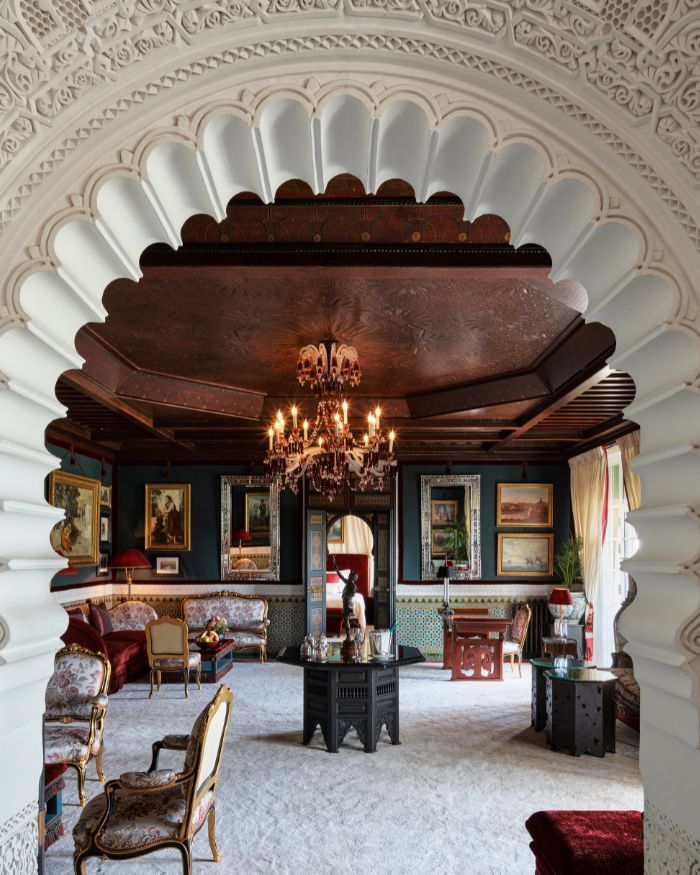
Inside the riads (private villas), carved plasterwork, painted cedar ceilings and zellige create a visual language that feels distinctly Moroccan yet remarkably restrained ; Photograph Courtesy La Mamounia
La Mamounia
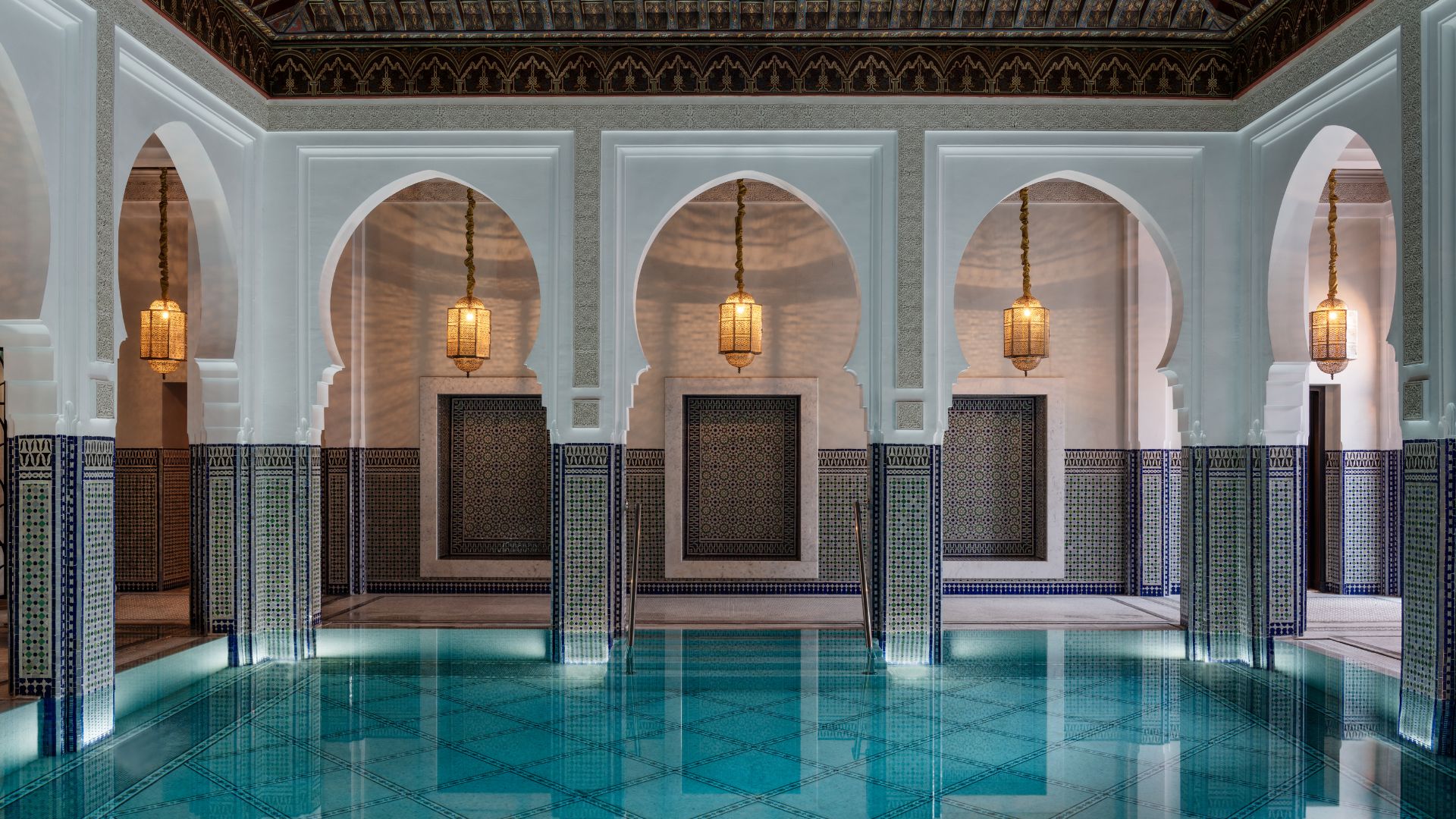
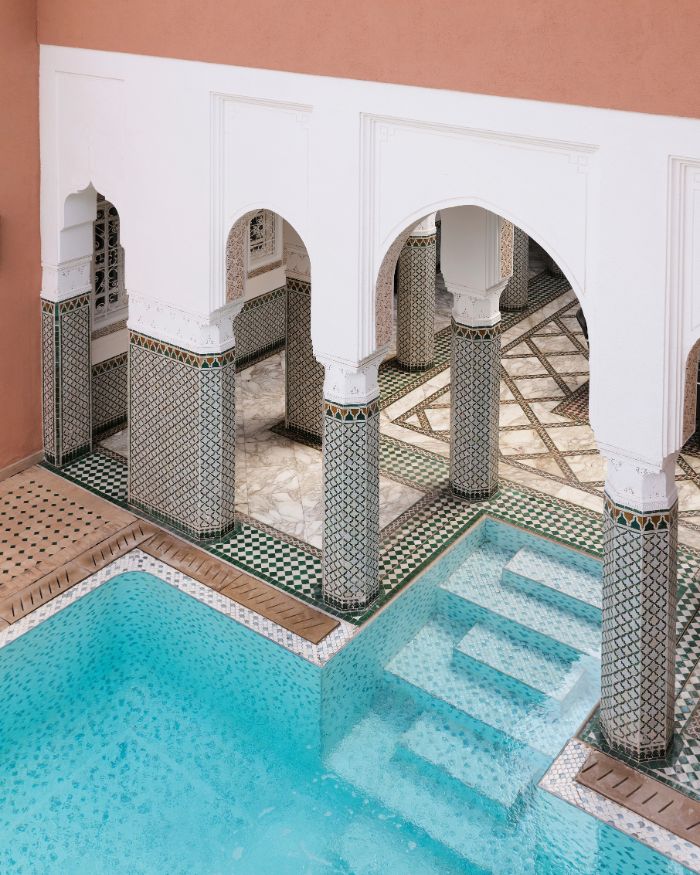
The indoor pool with its Moorish architecture comprising horseshoe arches, zellige and filtered light create a cocooned space that feels worlds away from the chaos of everyday; Photograph Courtesy La Mamounia

But La Mamounia’s greatest flex is not its restaurants nor the architecture, but its gardens. In fact, the hotel exists because of the gardens. Long before Henri Prost and Antoine Marchisio began shaping the property that would become La Mamounia in the 1920s (including the significant transformations by Patrick Jouin and Sanjit Manku in 2023), the gardens were gifted by Sultan Mohammed Ben Abdallah to his son, Prince Moulay Mamoun, in the 18th century. The building emerges from nearly 32 acres of olive groves, palms, citrus trees, roses and rare cacti. From many vantage points, the gardens feel larger than the architecture itself, making them the largest and most luxurious courtyard in Marrakech.

What makes La Mamounia remarkable is that despite sitting at the edge of Marrakech’s medina, it hardly feels like a hotel. It feels like a pause in time with its pace set by olive trees planted generations ago, by gardens that existed long before the hotel and will likely outlast it. Everything else will simply exist within their orbit.

Read more: A 16th-century Roman palazzo finds a new rhythm as Hotel Trame

La Mamounia
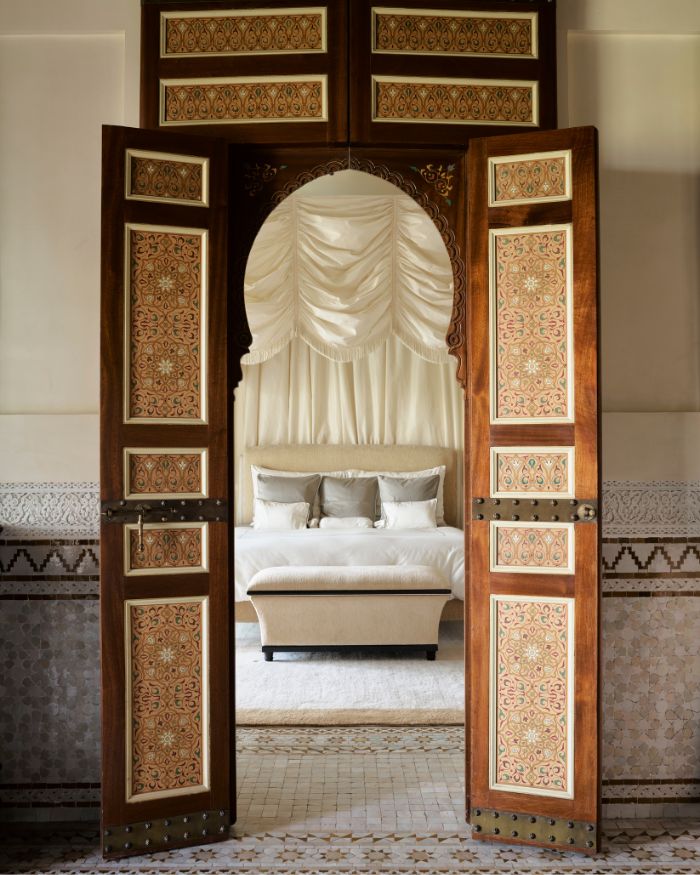
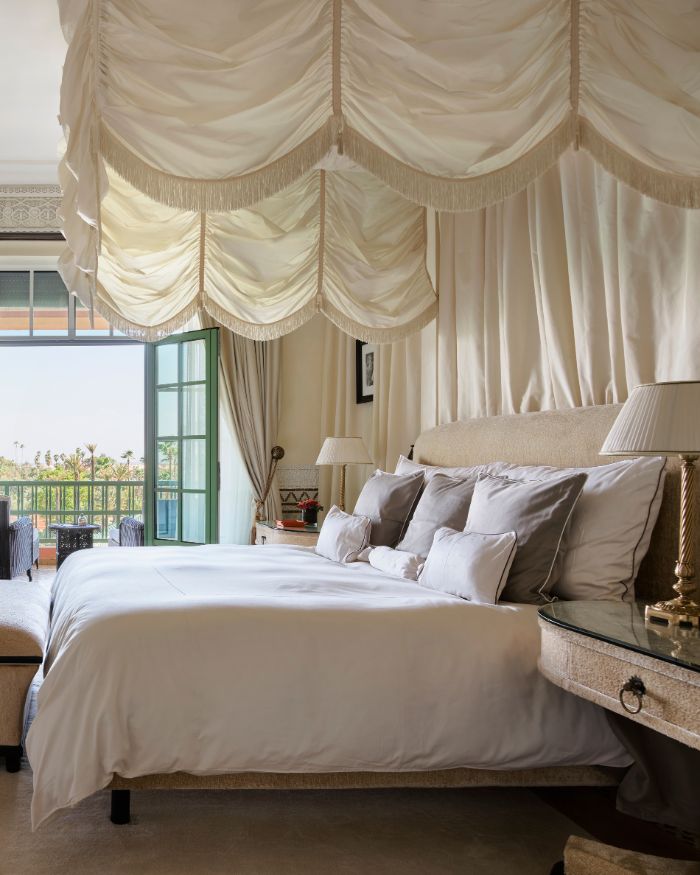
Monumental painted doors frame one of La Mamounia’s suites. Illustrating Moroccan craftsmanship, the suite layers woodwork, intricate plaster and sumptuous textiles into an atmosphere of old-world glamour; Photograph Courtesy La Mamounia
SHARE THIS ARTICLE

You May Also Like

Watch

No results found.

Search
Close this search box.