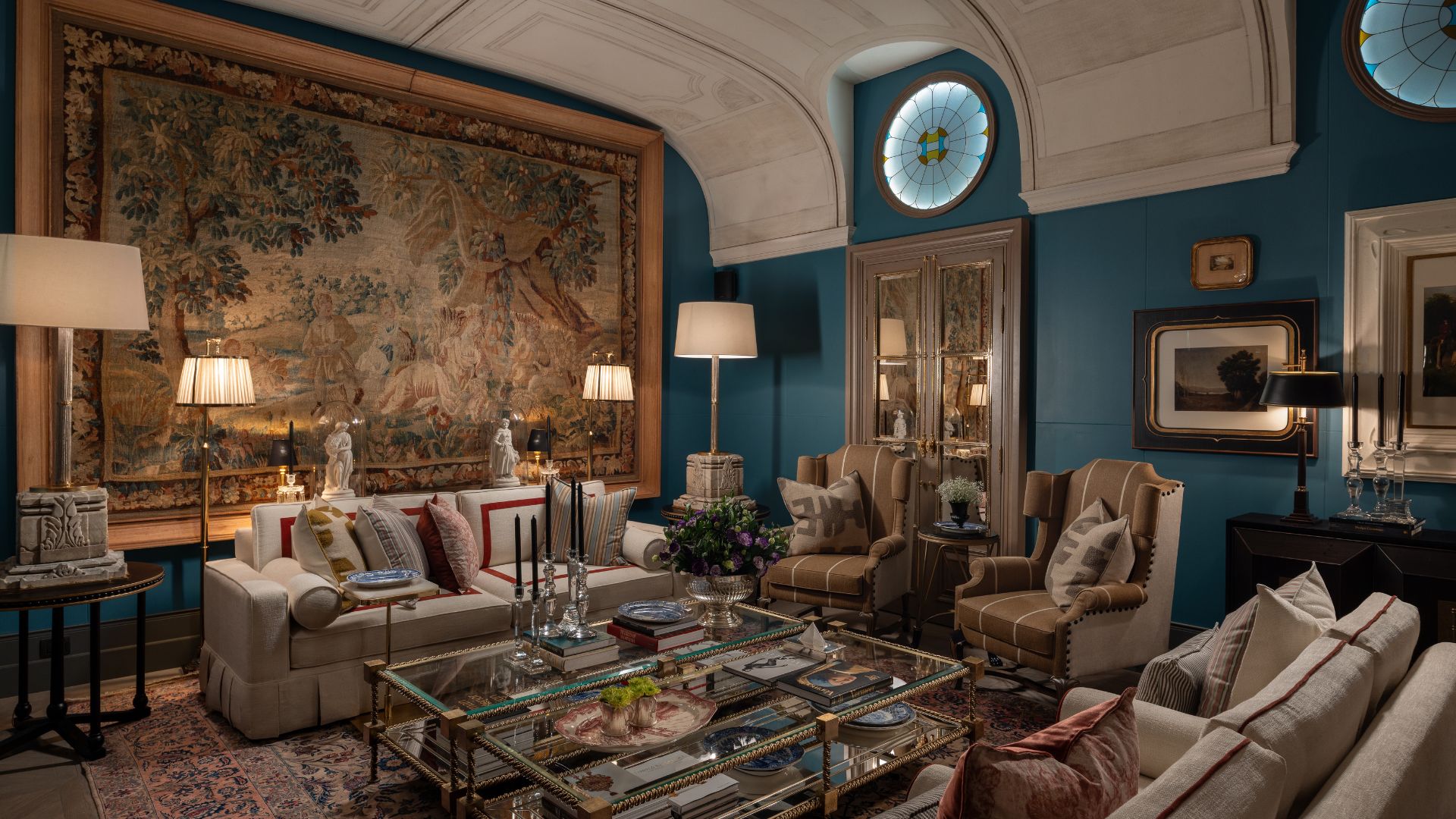
Sachin Gupta
Photography courtesy of Beyond Designs

5 questions with Sachin Gupta of Beyond Designs

On maximalist narratives and fleeting trends by Sachin Gupta

BY

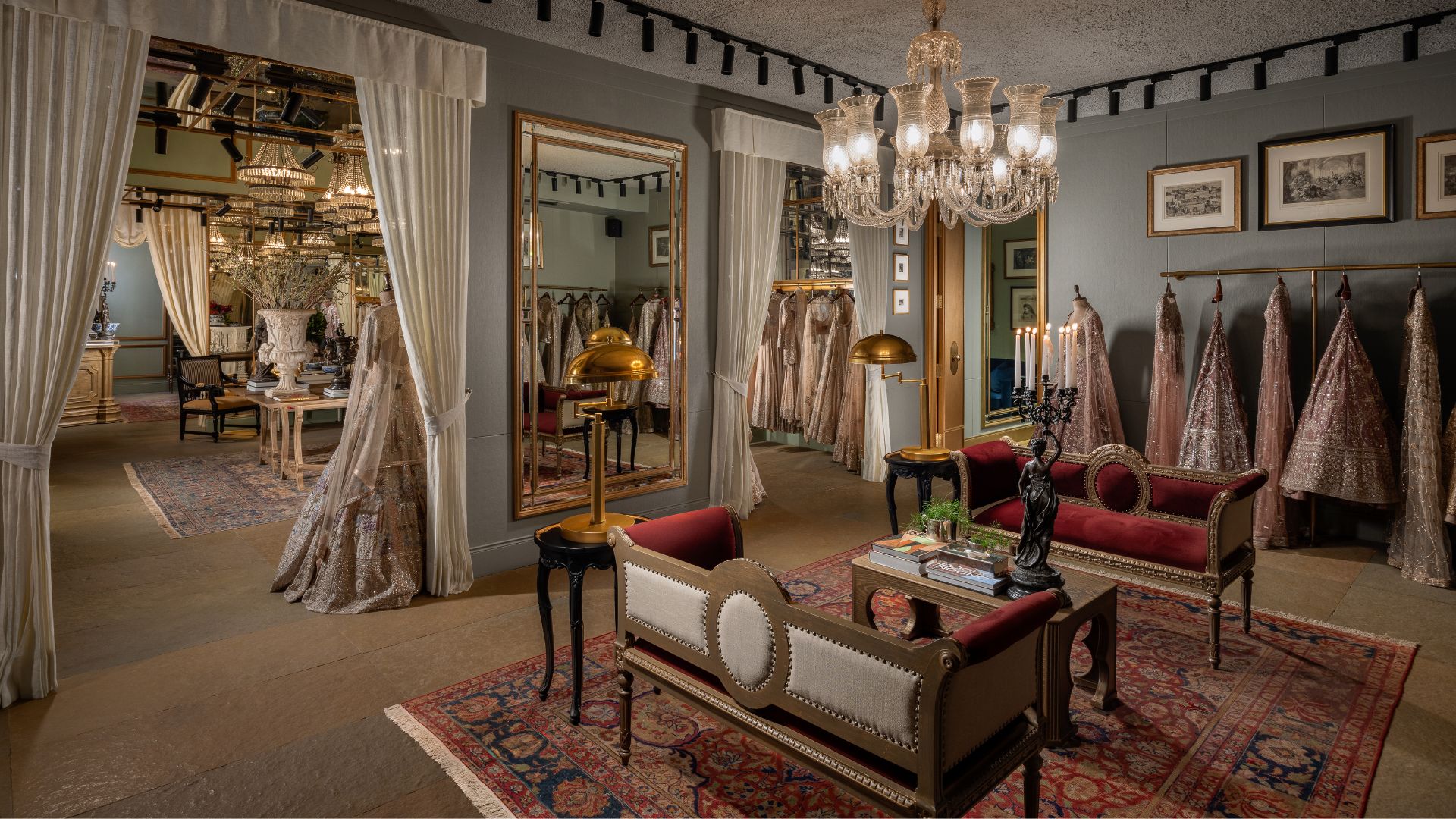
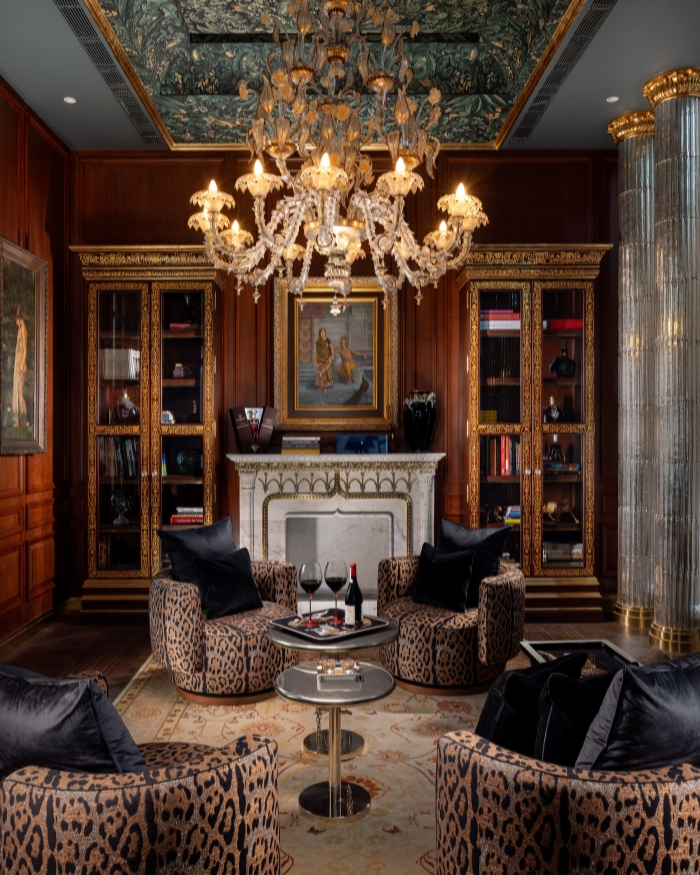
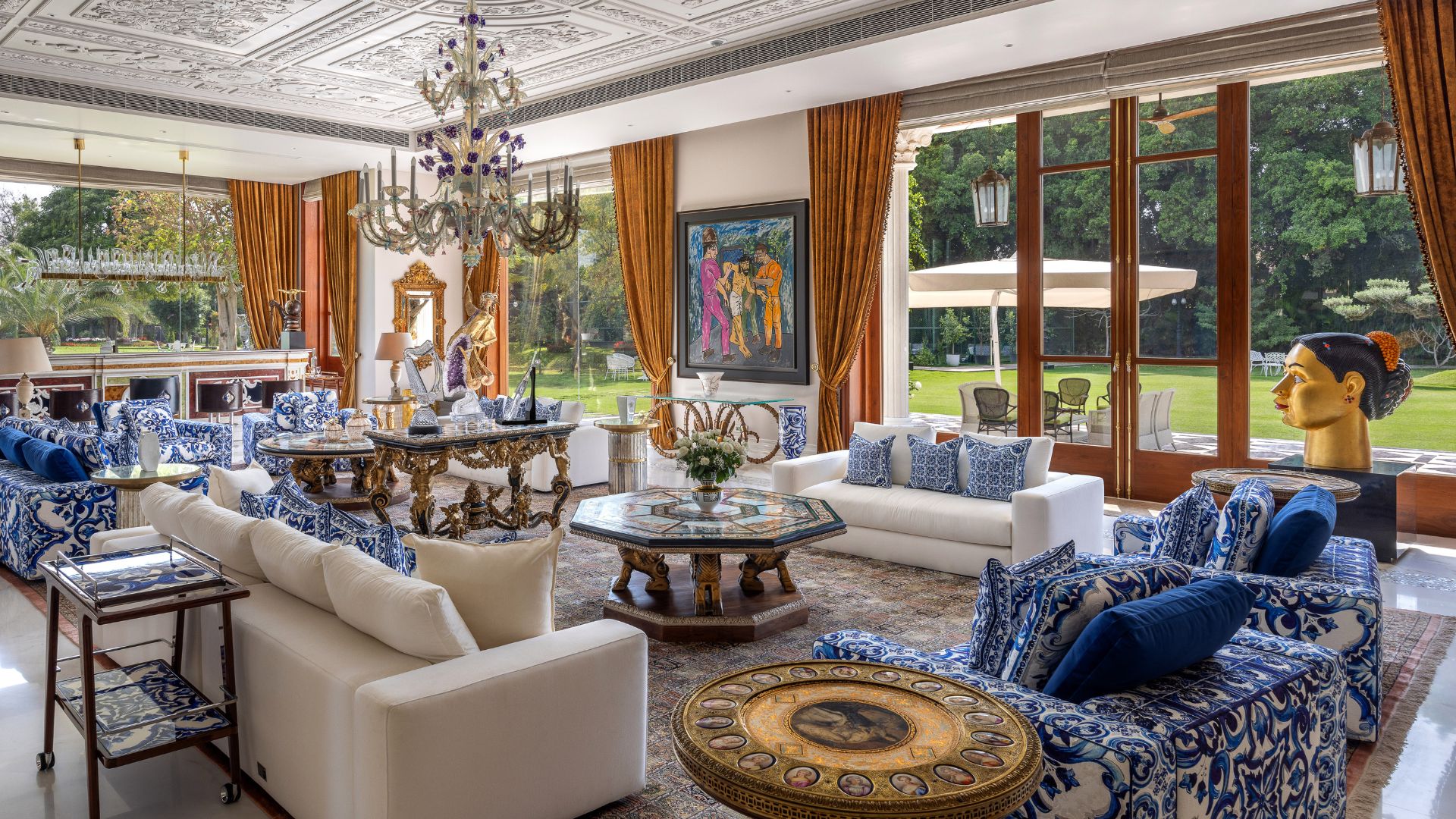
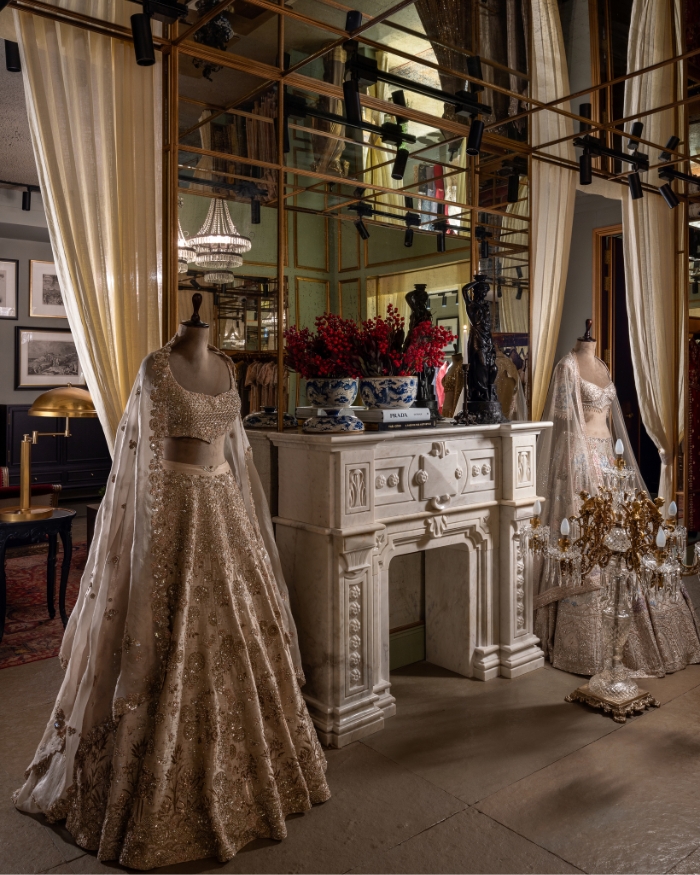
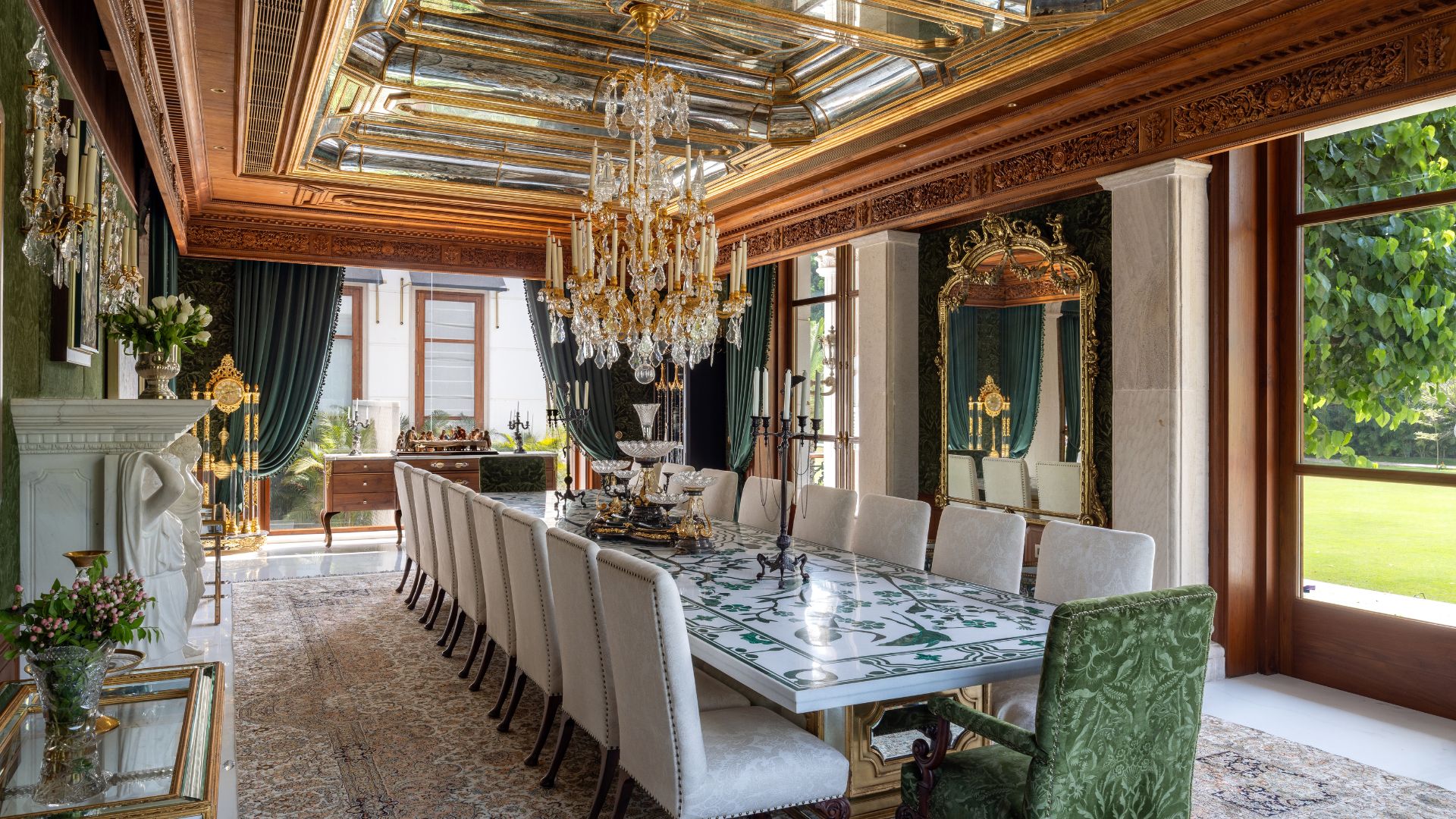
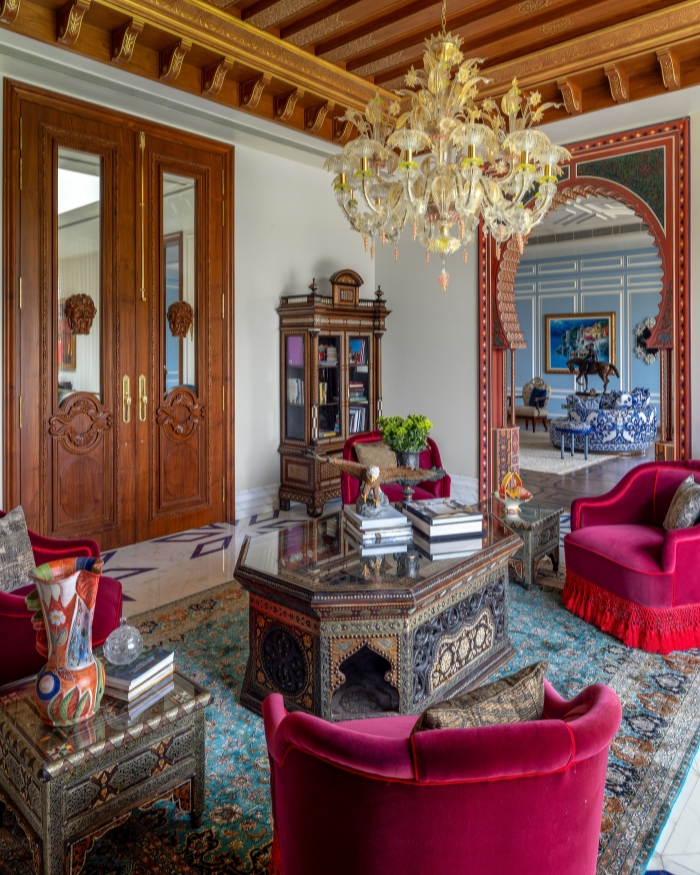
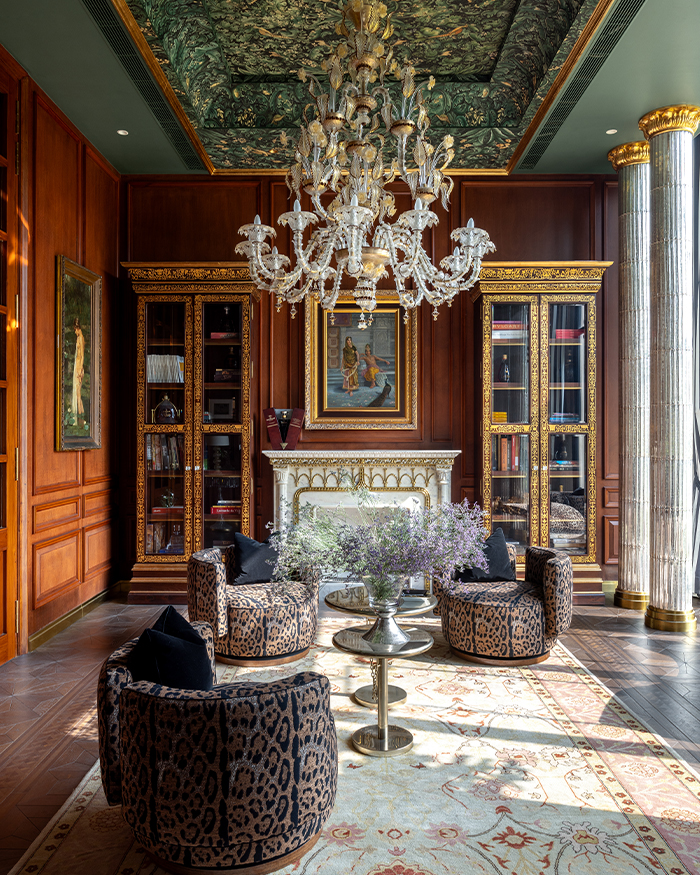
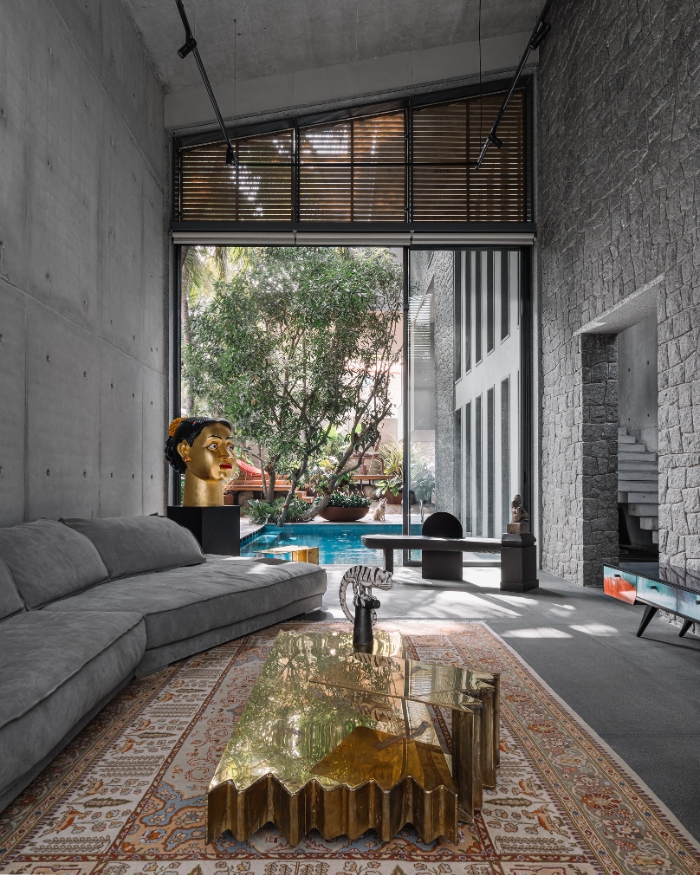
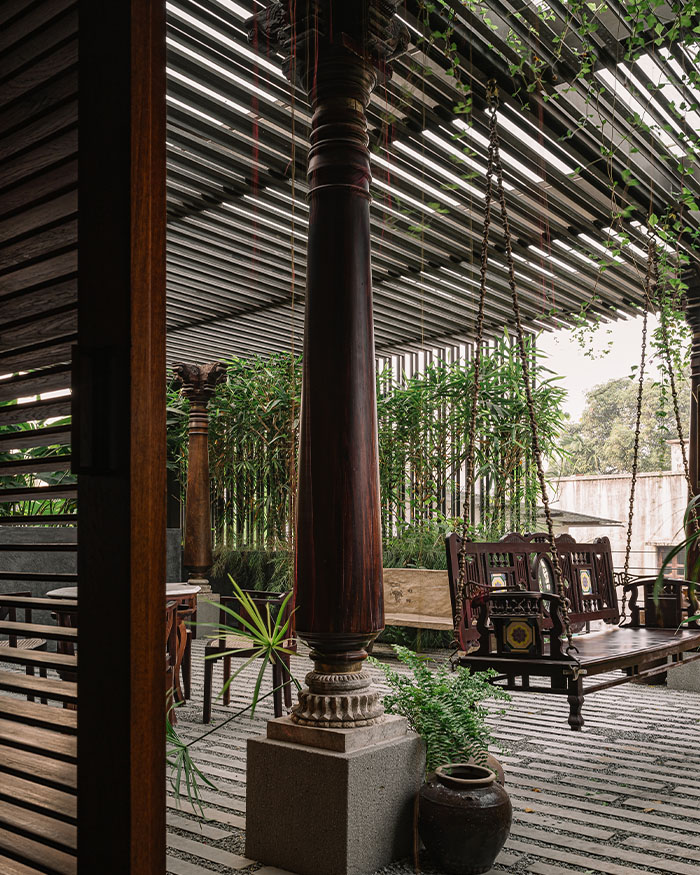
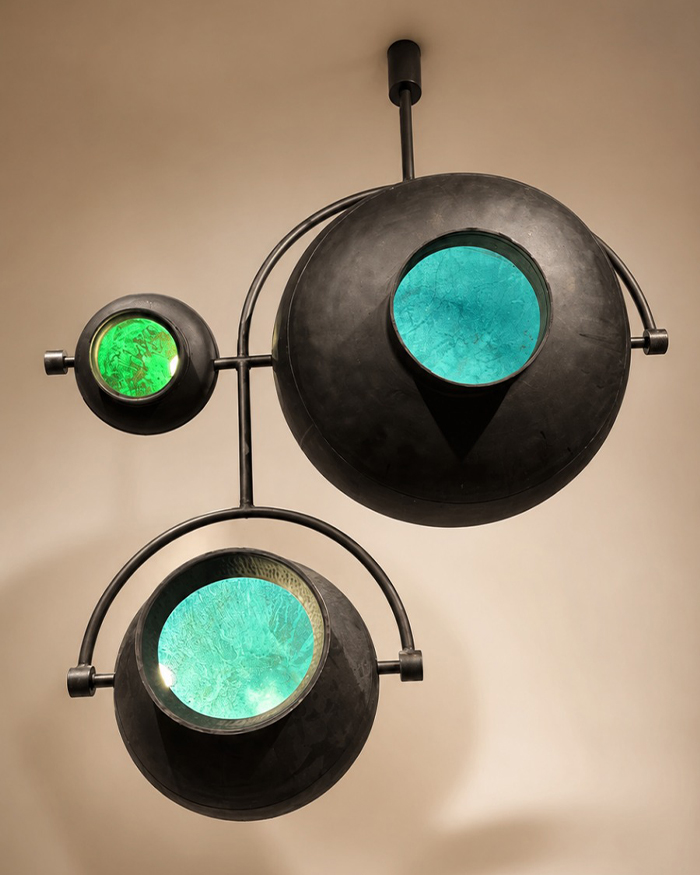
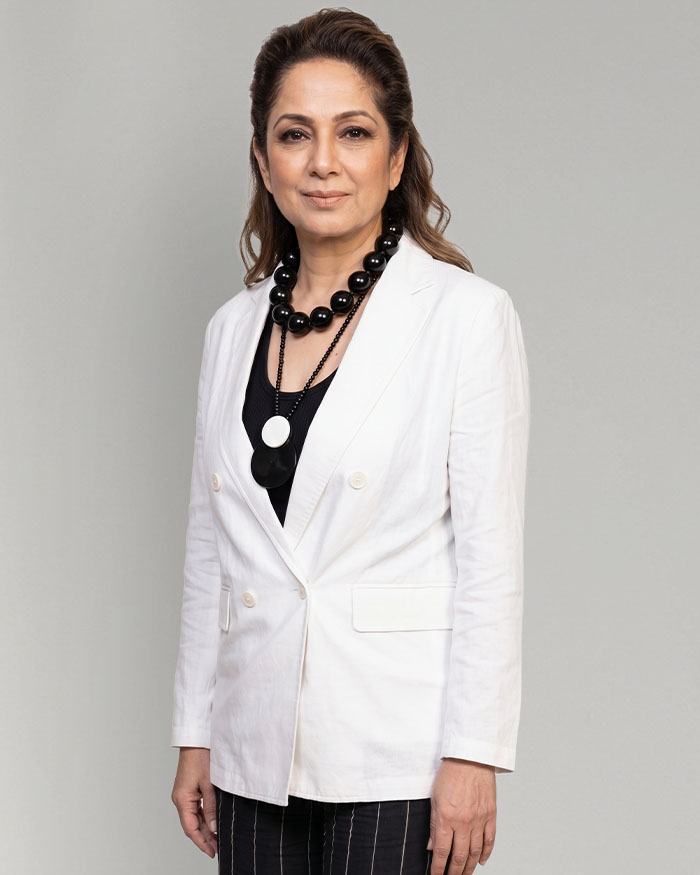
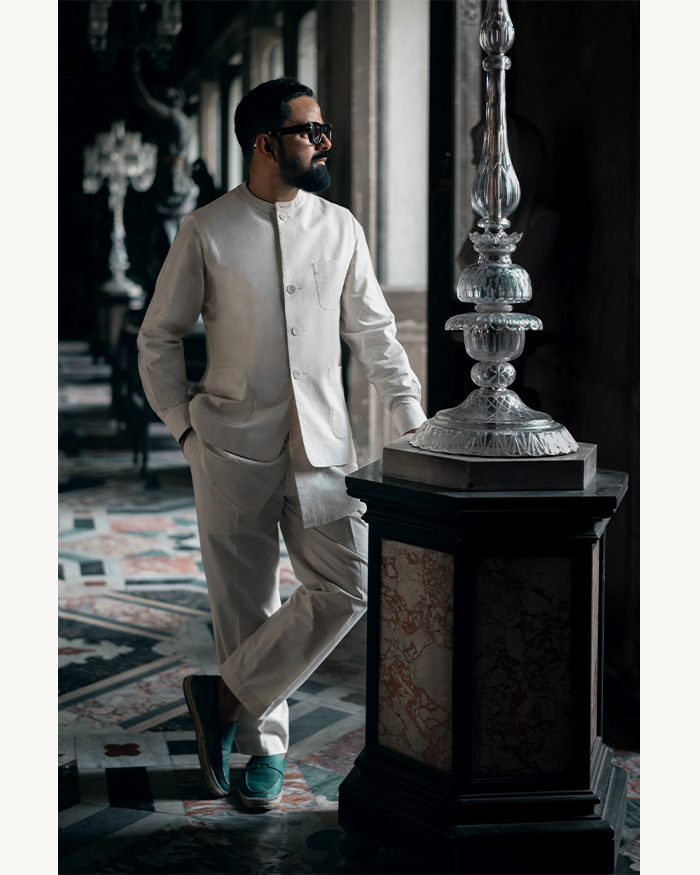
When you walk into a home and the first things to catch your eye are coffee-table books, sculptures, a vibrant colour palette, intricately engraved furniture, chandeliers that make a room feel larger than life, and antiques found only in the rarest of places, you’ll know the vernacular belongs to Beyond Designs. For over two decades, founders Sachin and Neha Gupta have built a design language rooted in maximalism, art and artistry. Their interiors are recognisable from the get-go: an antique chest set against a richly finished wall, a sculptural artwork holding court in a room, or an ornate detail finding its place alongside other architectural elements. Yet beneath the visual richness lies a disciplined approach, with every artwork, antique and decorative detail carefully considered for the character it brings to a space. 

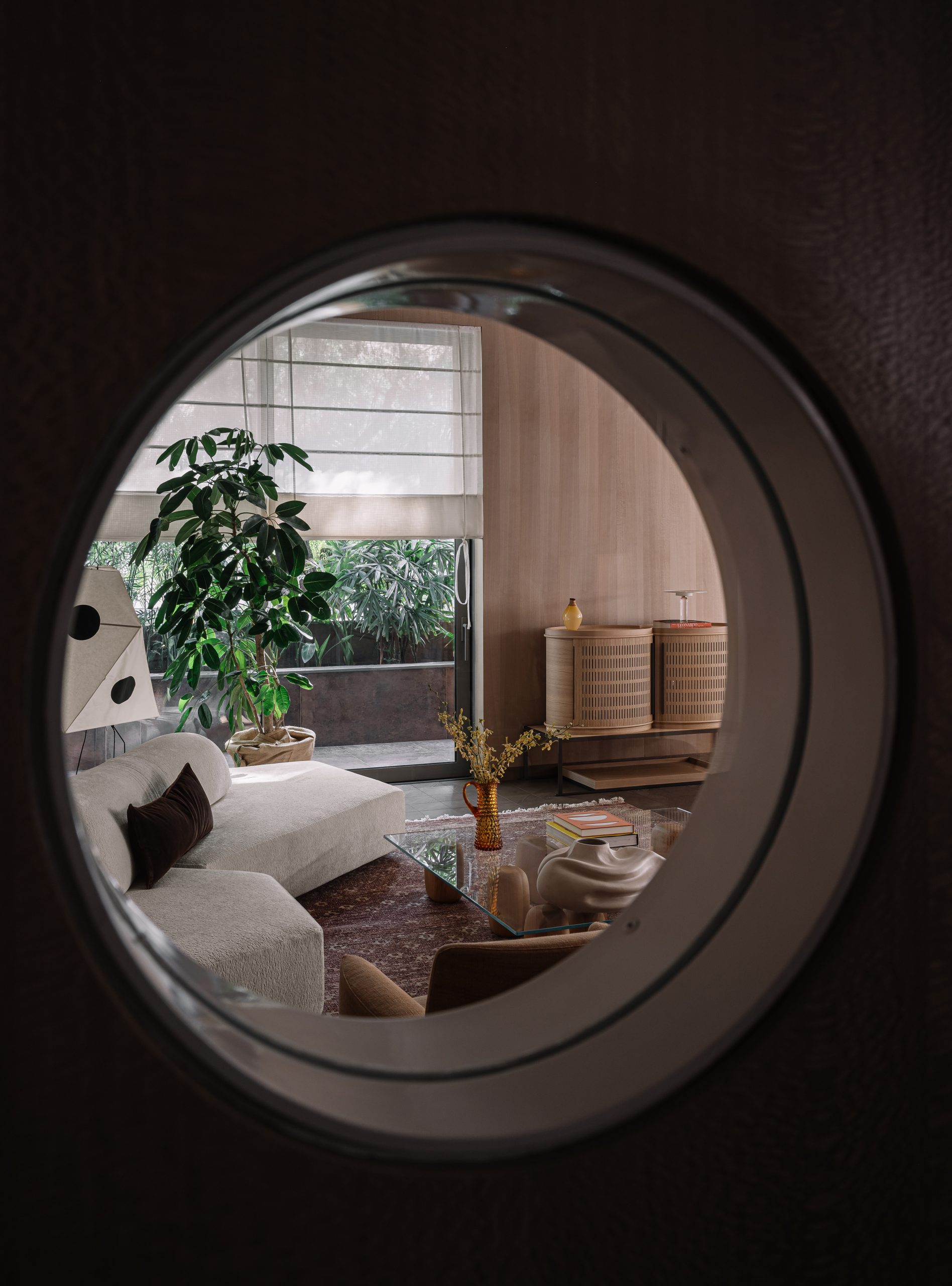
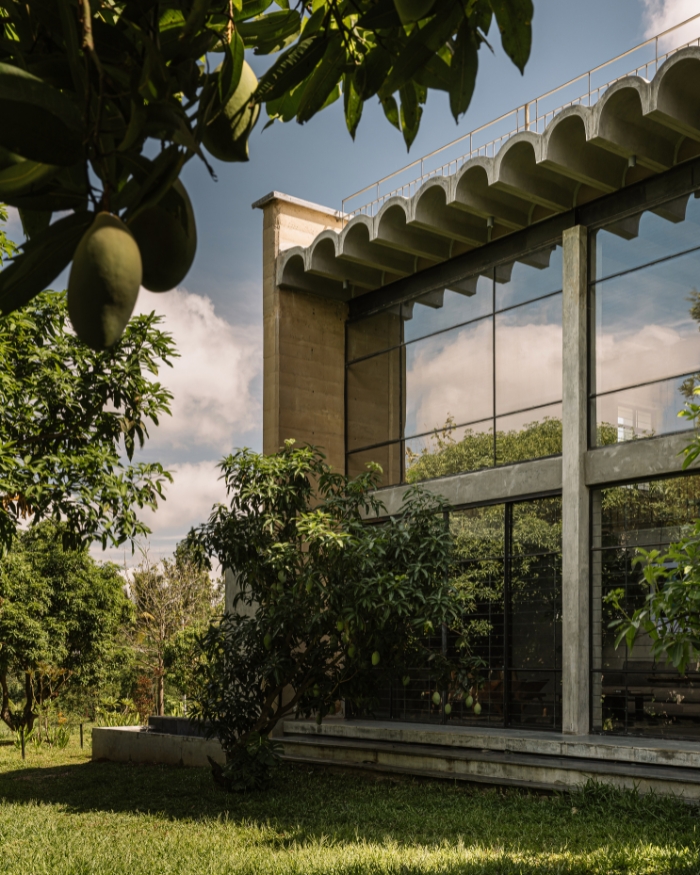
For Sachin and Neha, luxury lies not simply in filling a room, but in giving it a distinct sense of character, bringing together objects, materials and references with the ease of a home curated over time. Their approach to luxury is layered, allowing old and new, Indian and international, ornate and understated to sit comfortably alongside one another. This mix of references, paired with an instinct for highly personal spaces, from farmhouses and beach villas to pool houses, penthouses and apartments, has made Beyond Designs one of the defining names in India’s luxury interiors landscape.

In conversation with ELLE DECOR India, Sachin Gupta reflects on how his understanding of maximalism has evolved over the years and what Delhi continues to teach him about design. He also shares the questions that still drive his practice and the principles that have shaped Beyond Designs. 
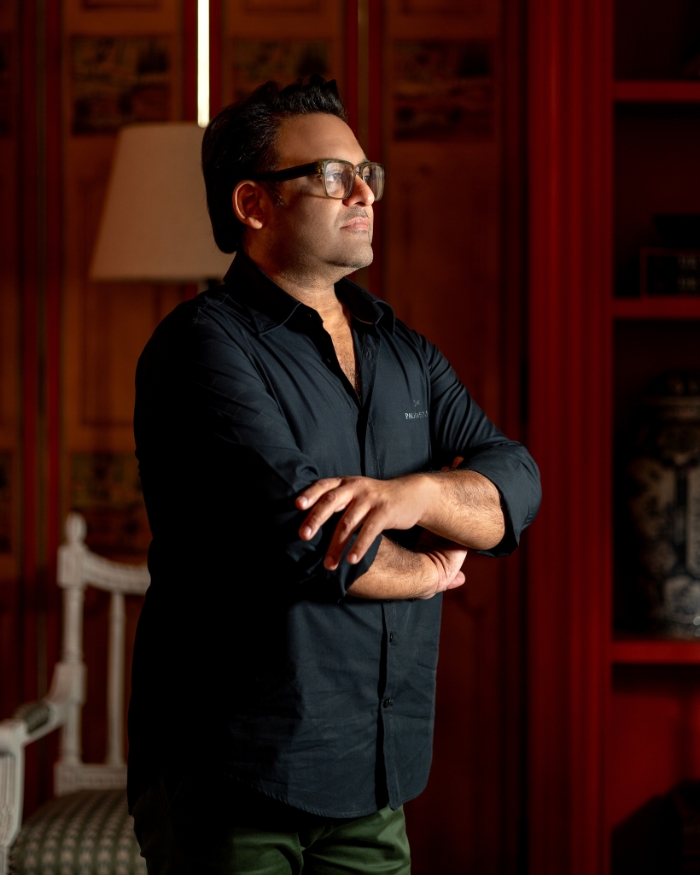
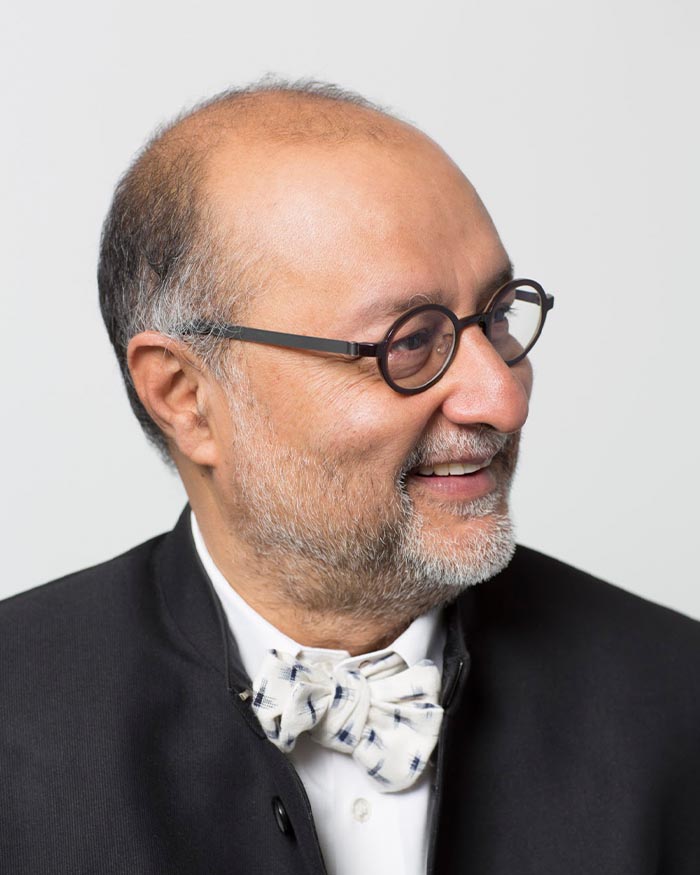
Sachin Gupta
Photography courtesy of Beyond Designs

Looking back over two decades of practice, how has your definition of maximalism evolved?

In the early years, maximalism was often understood through abundance, like layers, detail, ornamentation and visual richness. Over time, my understanding has become far more nuanced. Today, I see maximalism as a personal and emotional form of storytelling. It is not about adding more, but about creating spaces that hold meaning, memory and individuality. The richness comes from intention rather than excess. Every object, material, artwork, or detail should contribute to a larger narrative. What has evolved is the understanding that maximalism is not measured by how much a space contains, but by how meaningfully every element contributes to the whole.


‘Maximalist’ is a label often associated with Beyond Designs. Is that an accurate reflection of your practice, or do you think it simplifies what the studio is really about?

Maximalism is certainly a part of our vocabulary, but it doesn’t fully define our work. What we practice is what I often call ‘Meaningful Maximalism’, a design philosophy rooted in storytelling, craftsmanship and emotional depth. The visual richness people associate with our projects is only the surface expression of something much deeper. We are interested in creating spaces that reflect the personalities, histories and passions of the people who inhabit them. If maximalism means celebrating individuality and layered narratives, then yes, the label fits. But if it implies excess for its own sake, then it misses the essence of what we do.

Sachin Gupta
Photography courtesy of Beyond Designs
Sachin Gupta
Photography courtesy of Beyond Designs

When every project starts with the same four walls, how do you ensure the finished space feels like a true reflection of your clients rather than your own signature?

The most important part of our process happens before we begin designing. We spend a great deal of time understanding our clients: their lifestyles, memories, collections, routines, aspirations and even the things they may not consciously articulate. Design, for us, begins with listening. Rather than arriving with our own point of view, we approach every project as a bespoke journey, where every detail is crafted to reflect the individuality of the people who will inhabit the space. Our role is not to impose a signature style but to interpret and elevate a client’s story. When a completed project feels unmistakably personal to its owner, then we have succeeded. The common thread across our work is not a visual style, but a commitment to authenticity and individuality.


Design trends have come and gone, yet Beyond Designs has remained remarkably consistent in its point of view. Has relevance ever been something you’ve consciously pursued, or has conviction always mattered more?

I’ve always believed that relevance is a by-product of authenticity rather than a goal in itself. Trends are valuable indicators of cultural shifts, but they are inherently temporary. Conviction, on the other hand, has longevity. Our work has consistently been guided by a belief in craftsmanship, storytelling, artisanal excellence, and the creation of spaces with emotional resonance. While we remain aware of evolving tastes and technologies, we don’t chase trends. The objective is to create environments that feel timeless and meaningful years after completion. In that sense, conviction has always mattered more than relevance.

Sachin Gupta
Photography courtesy of Beyond Designs
Sachin Gupta
Photography courtesy of Beyond Designs

After more than two decades in practice, what part of designing still feels unresolved, and what question are you still trying to answer through your work?

What continues to fascinate me is the relationship between space and emotion. Design can influence how people feel, interact, remember, and connect, yet there is still so much we don’t fully understand about that relationship. The question I find myself returning to is: How can a space become more than a physical environment and evolve into a vessel for memory, identity, and human connection? Every project offers a different answer, and perhaps that’s why the question remains endlessly compelling.


What has Delhi taught you that continues to surface in your work, even on projects far beyond the capital?

Delhi is a city of extraordinary contrasts. It effortlessly brings together history and modernity, grandeur and intimacy, heritage and reinvention. Growing up and practising here has taught me to embrace complexity rather than simplify it. The city celebrates layers—through its architecture, culture, food and people and that sensibility naturally finds its way into our work. Whether we are designing in Delhi or around the world, there is always an appreciation for craftsmanship, narrative, and the coexistence of diverse influences.

Read More: A home in Delhi that possesses the luxury of time and taste by Beyond Designs

Sachin Gupta
Photography courtesy of Beyond Designs
SHARE THIS ARTICLE

You May Also Like

Watch

No results found.