Photography by Mallika Chandra

Can you sit still?

In an age of distraction, The Still Room by NO-MAD is a textile collection that serves as a tongue-in-cheek nudge towards mindfulness

BY

There is a certain element of adventure in surrendering to what surrounds you. When the body stops racing ahead of the moment, perception becomes sharper: it could be a ray of light, a texture or a detail that reveals something unexpected in plain sight. What do you see?

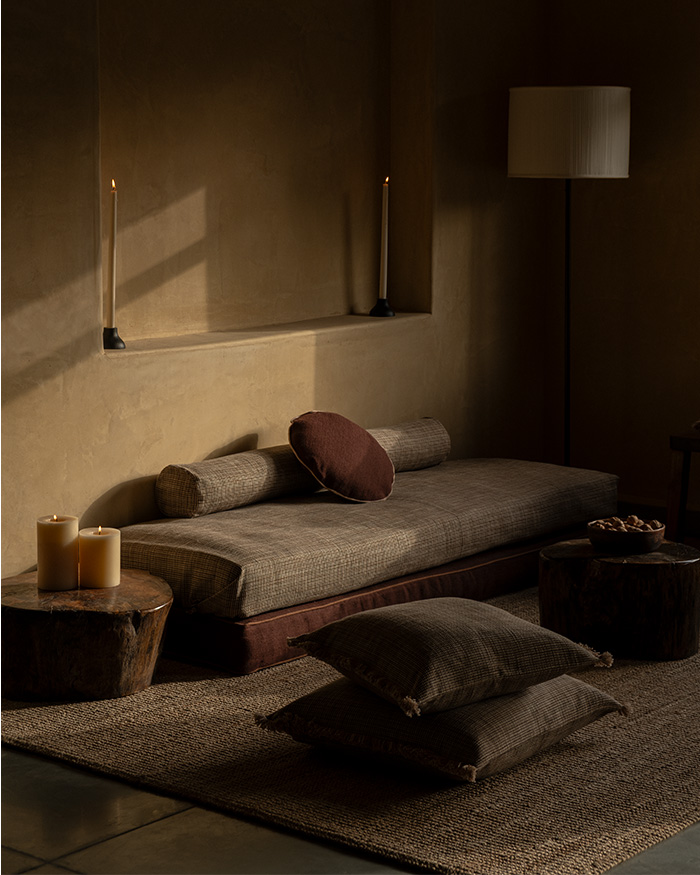
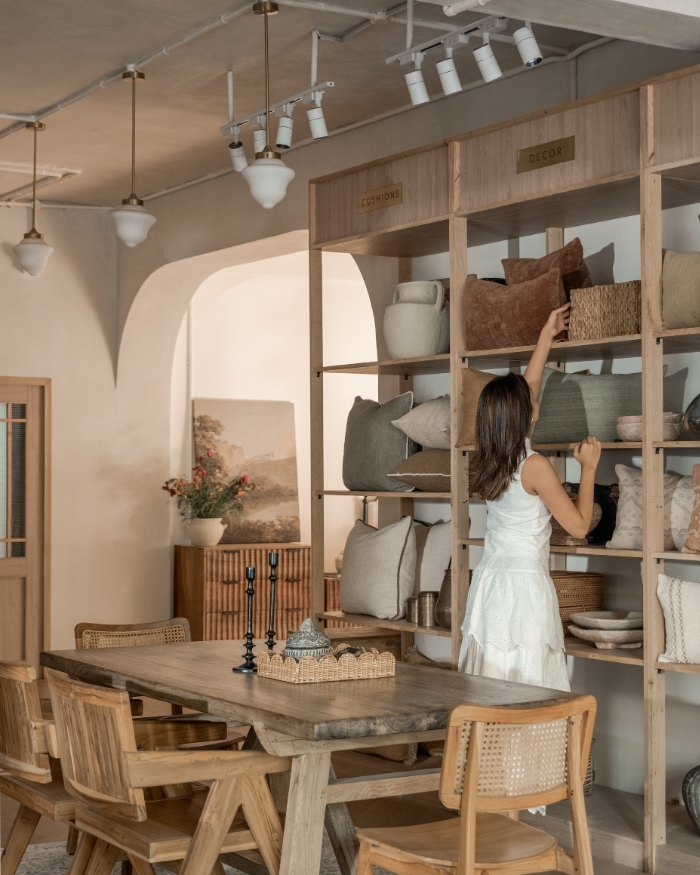
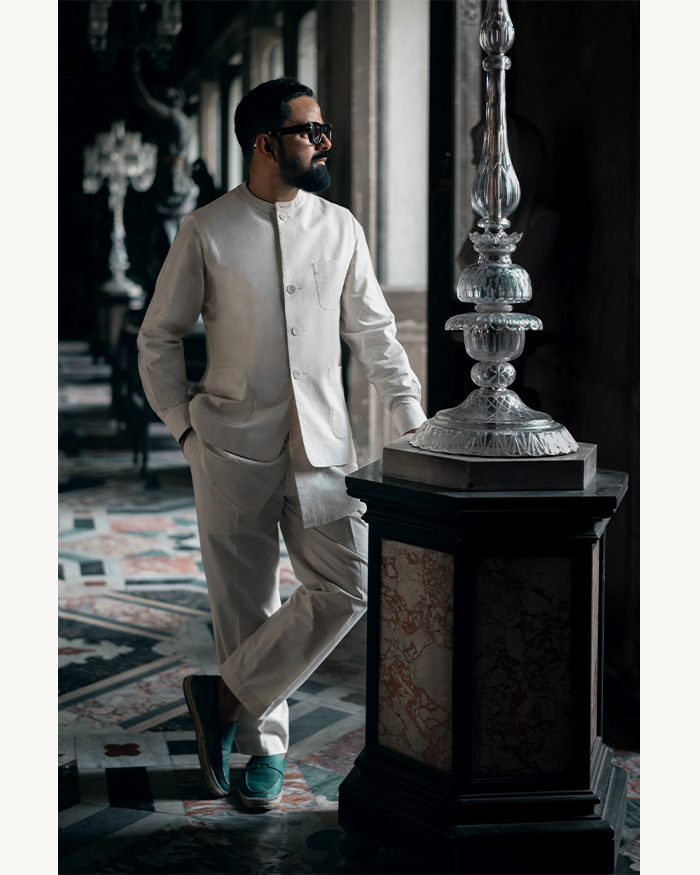
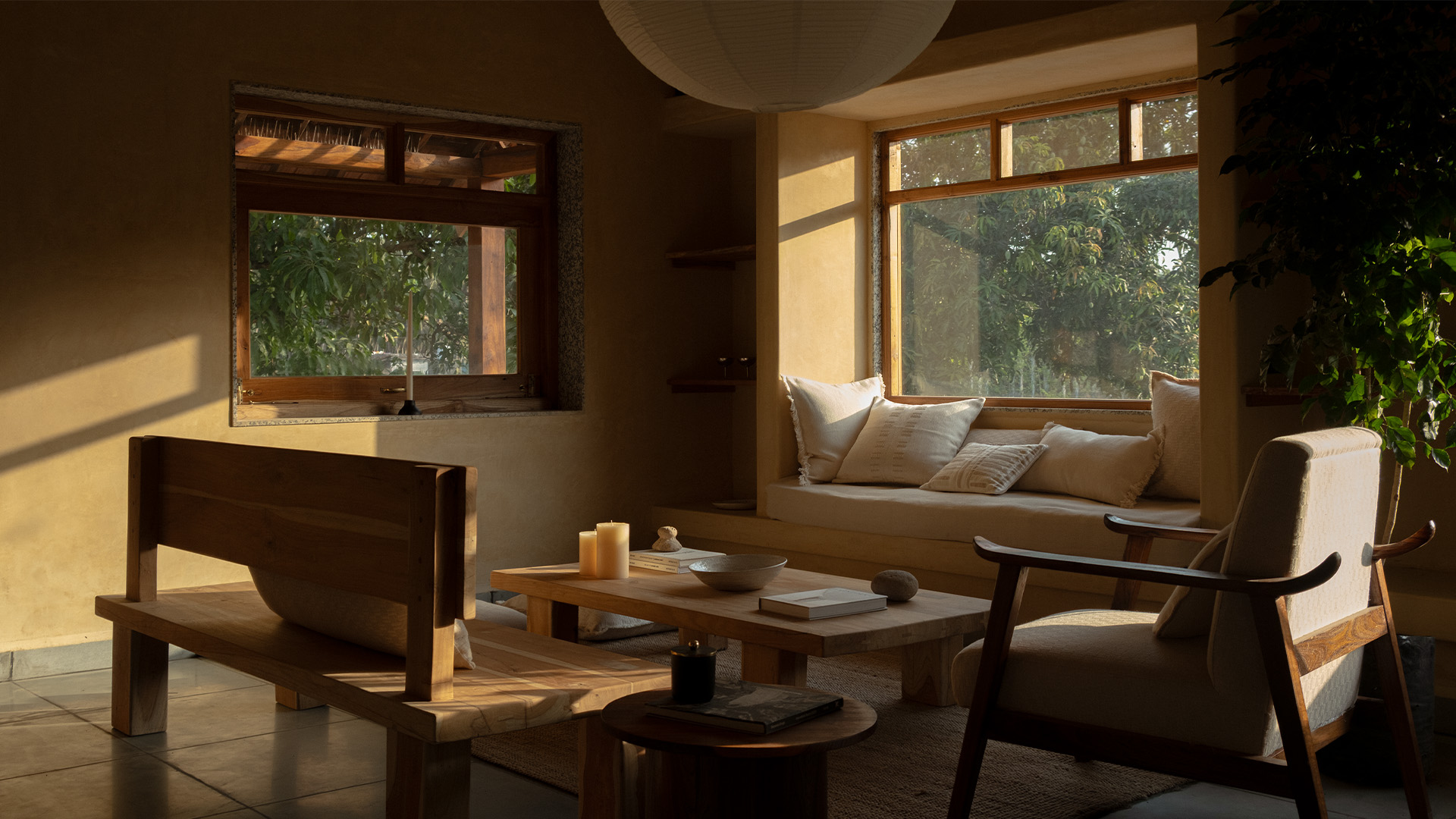
At NO-MAD’s flagship in Horniman Circle, we attempt to find out. Pushing past the iconic red door and bull-headed doorknob, we leave Mumbai’s rain-soaked din behind and step into a different tempo. Low piano spills out of the speakers indoors. The blues of the overcast monsoon sky surrender to warmer light. Founder Anuj Kothari asks us to take our time with The Still Room — a minimalist collection of home textiles he succinctly sums up as “all neutrals, 100% linen, everything hand done. Nothing complicated, and very textural.” We heed his words and dole out the next few hours with readiness, eager to look closer. And eventually, we feel the Maximum City’s iron-clad grip loosen on us.
“When you think of embroidery in our country, everything is more and more and more. But here, it’s less and less and less”

Photography by Mallika Chandra

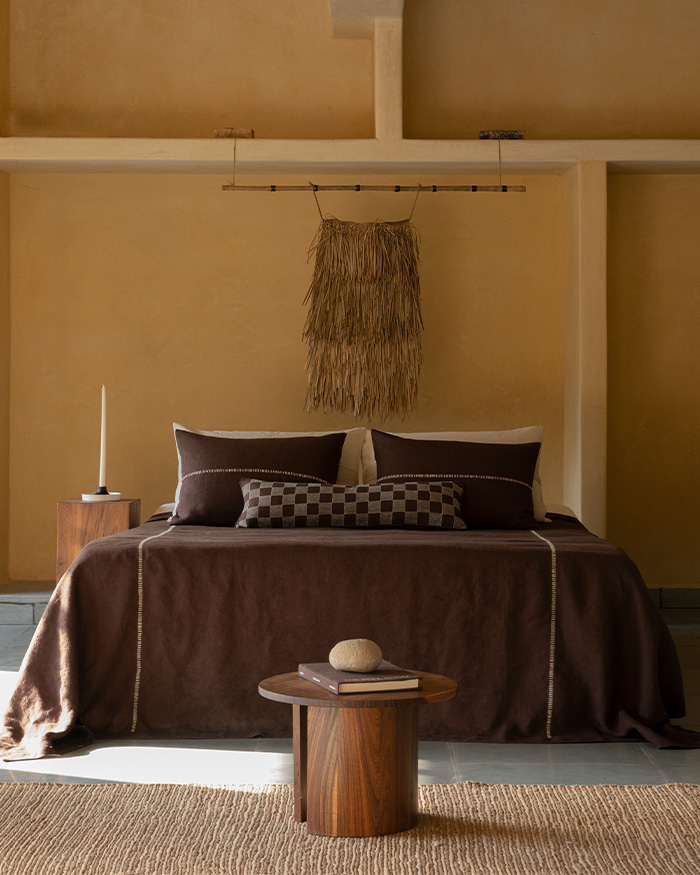
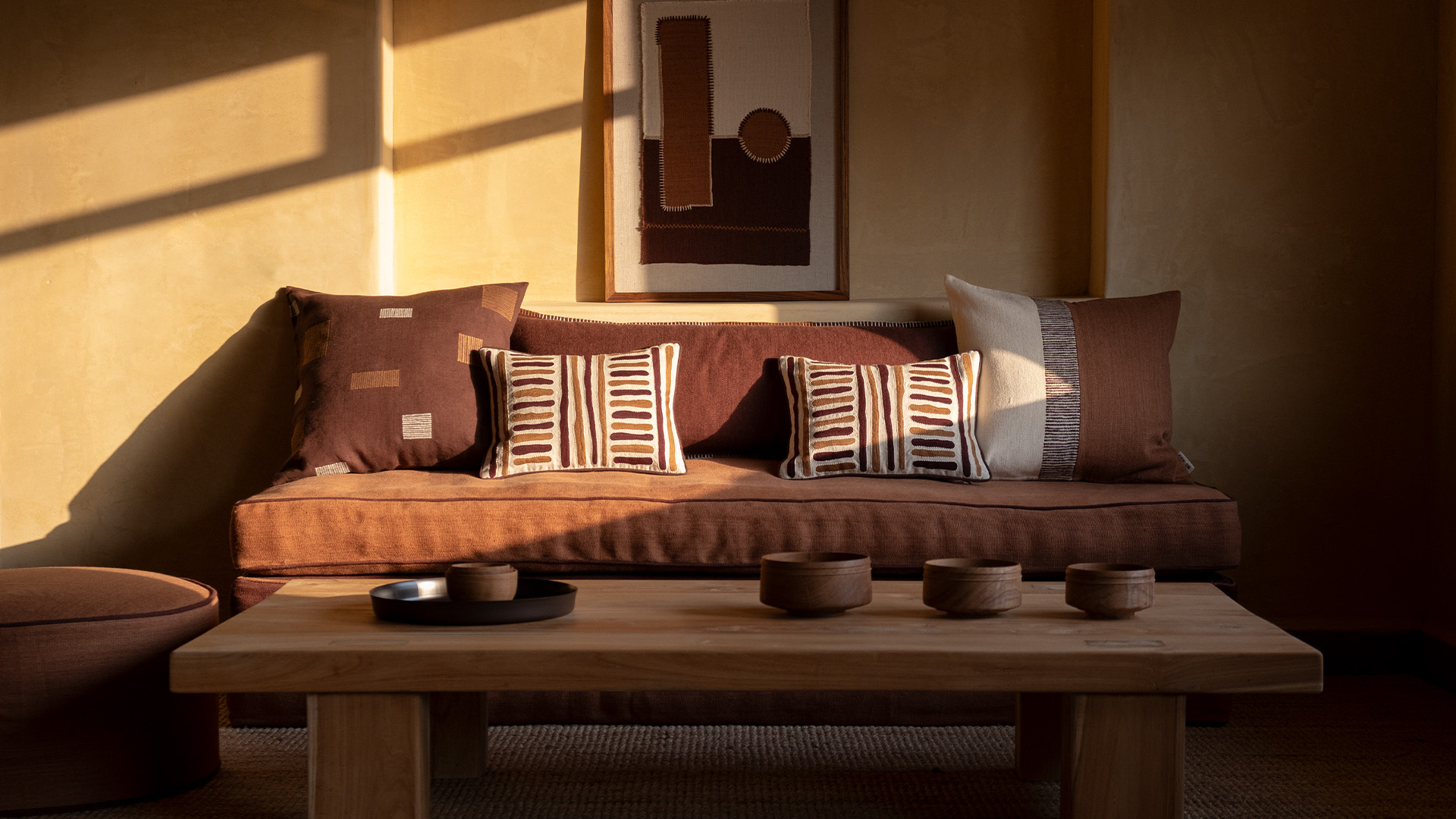
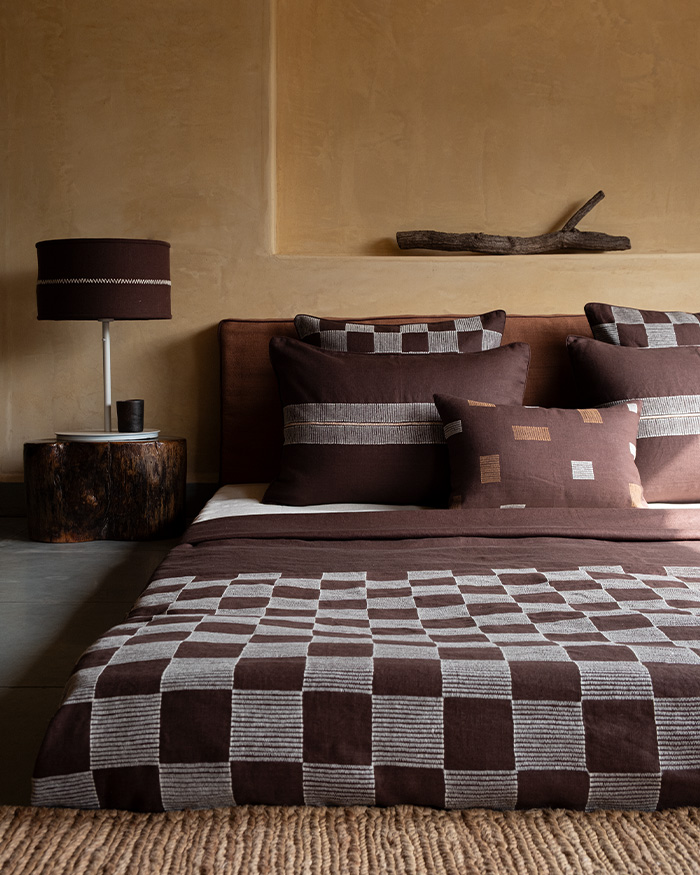
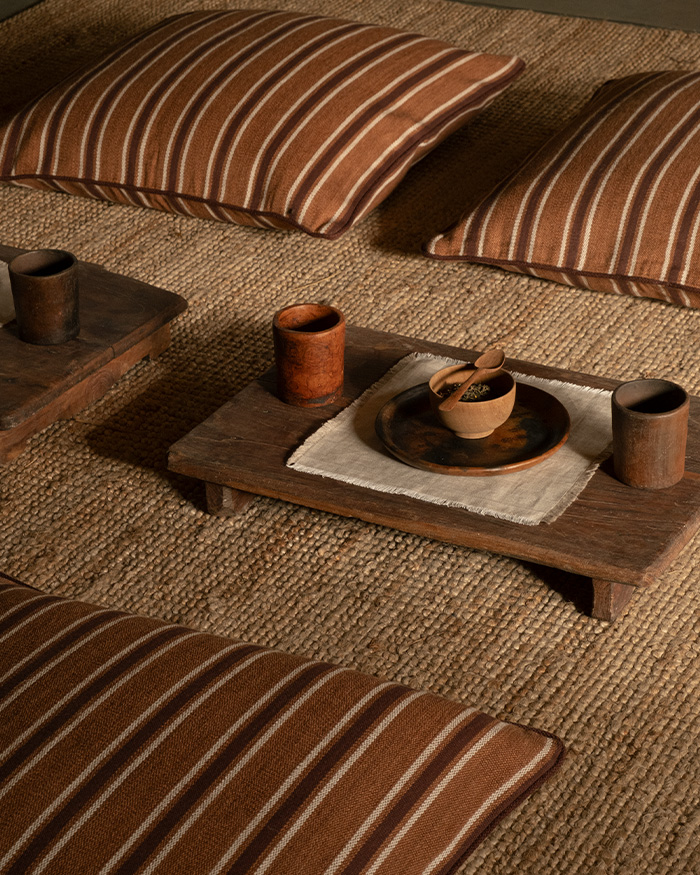
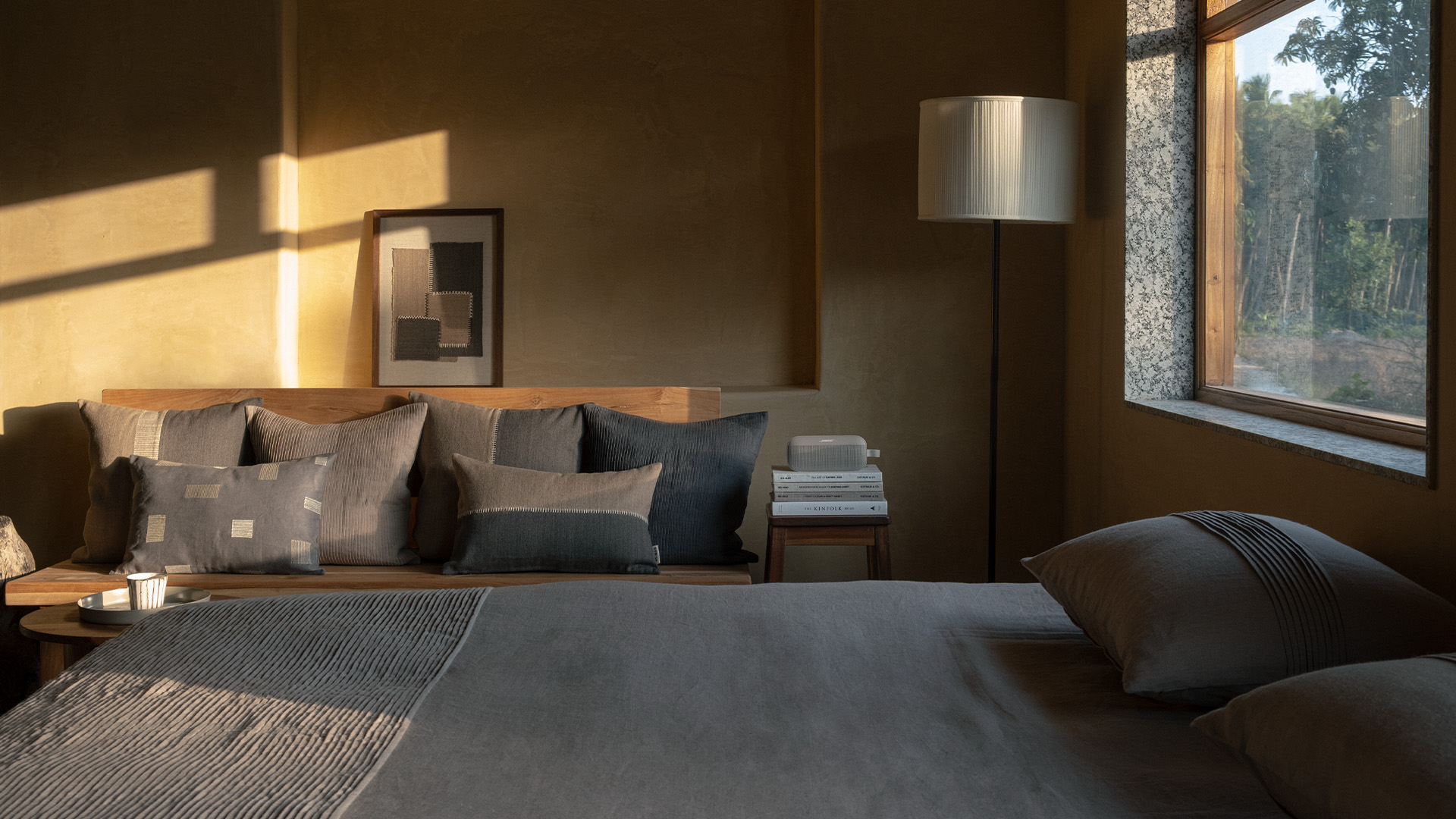
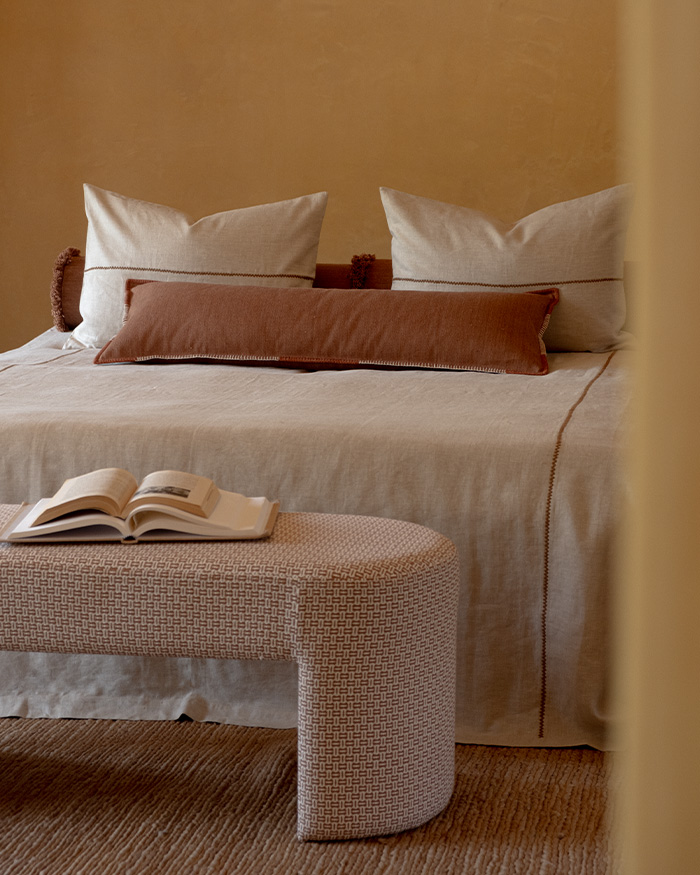
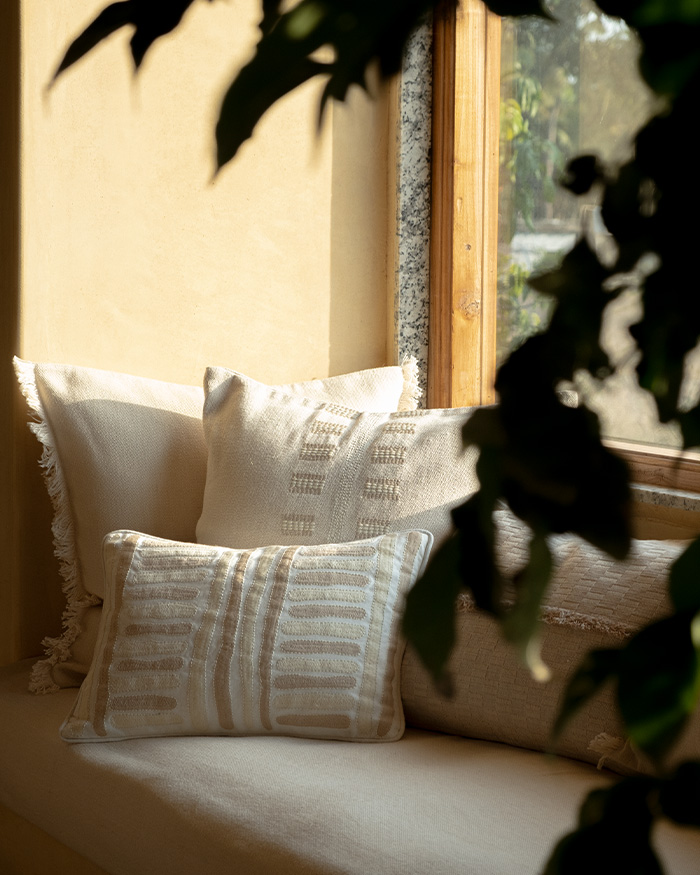
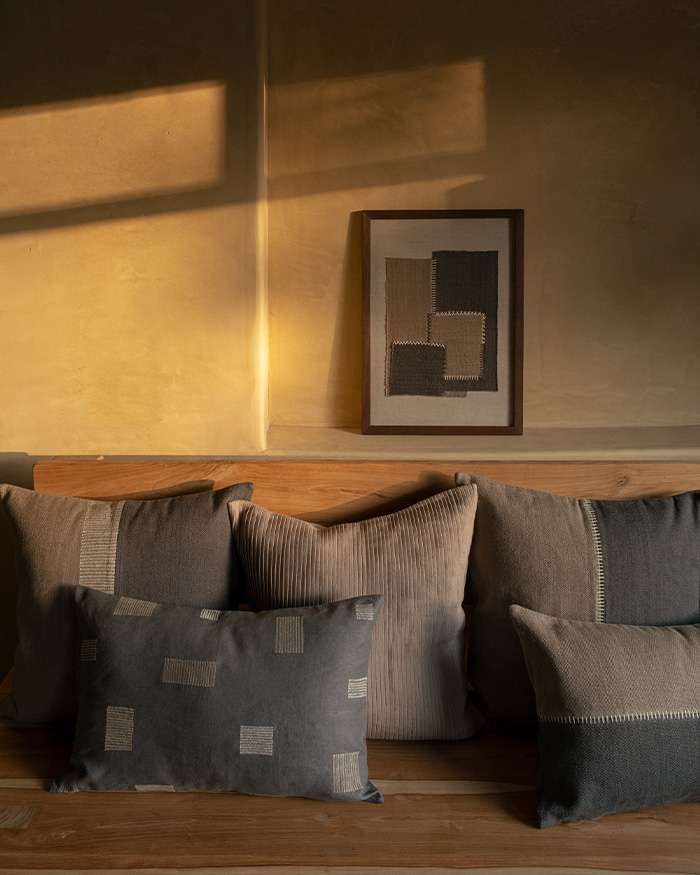
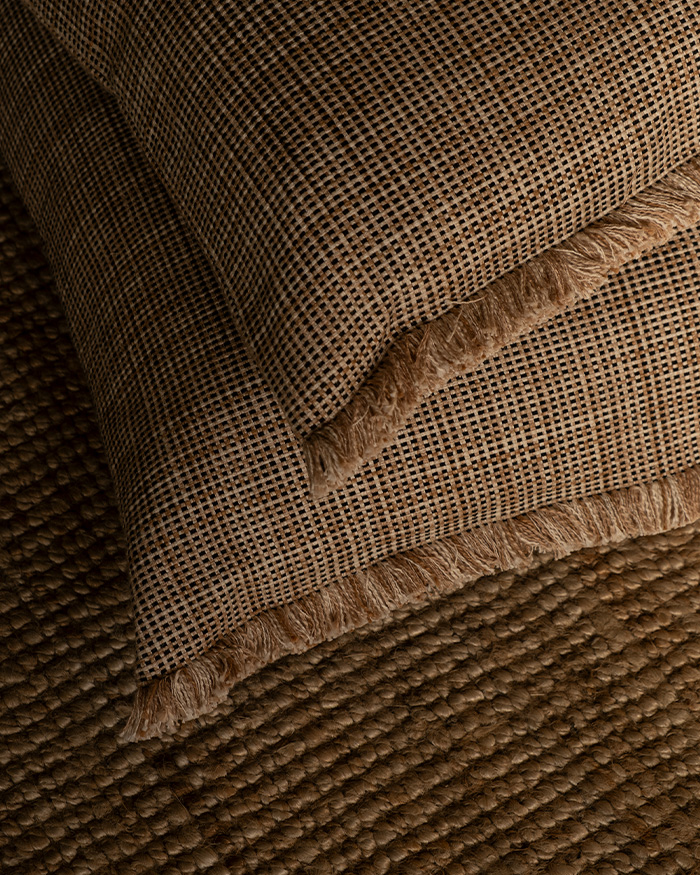
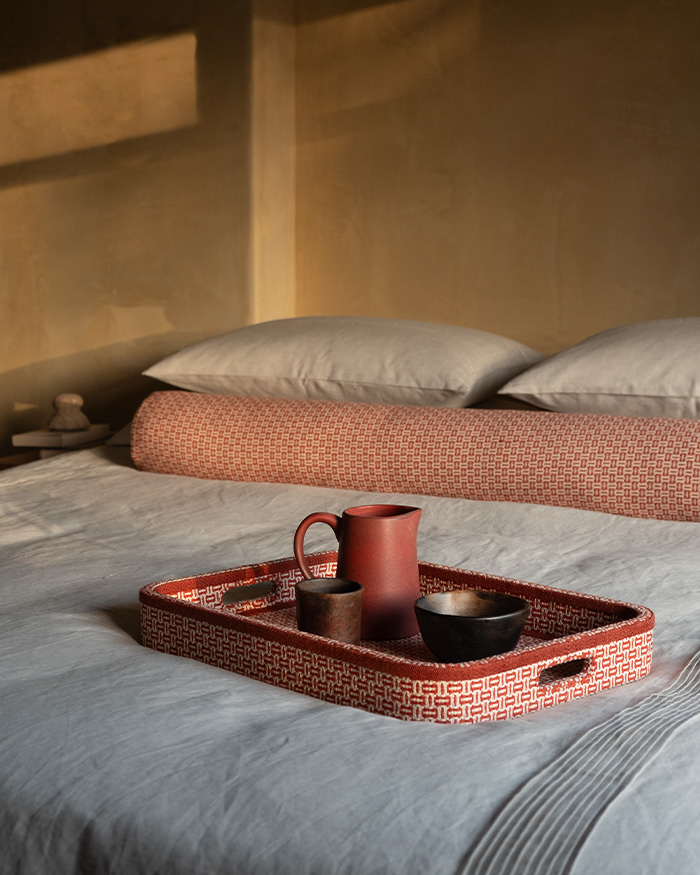
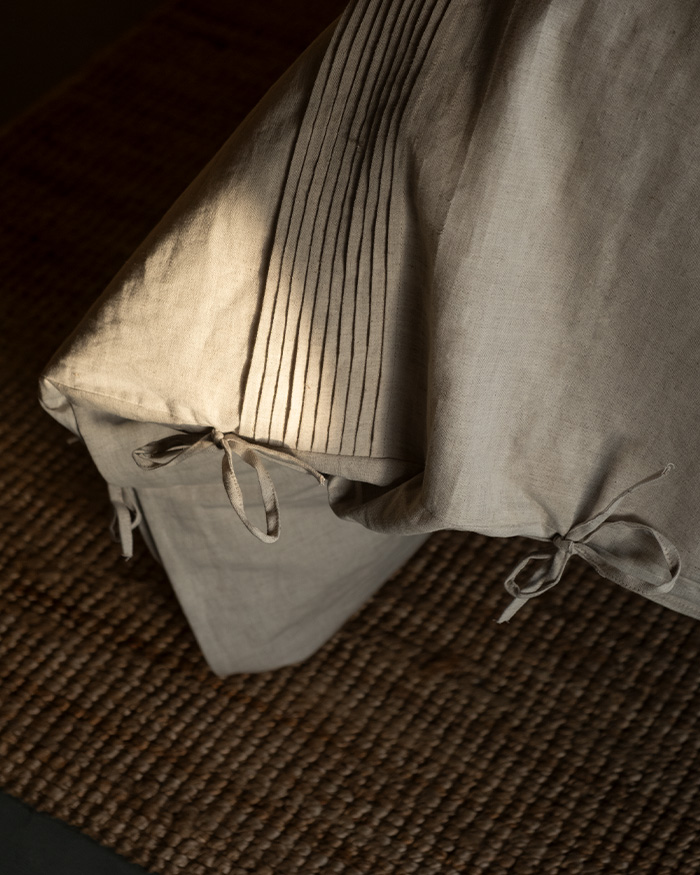
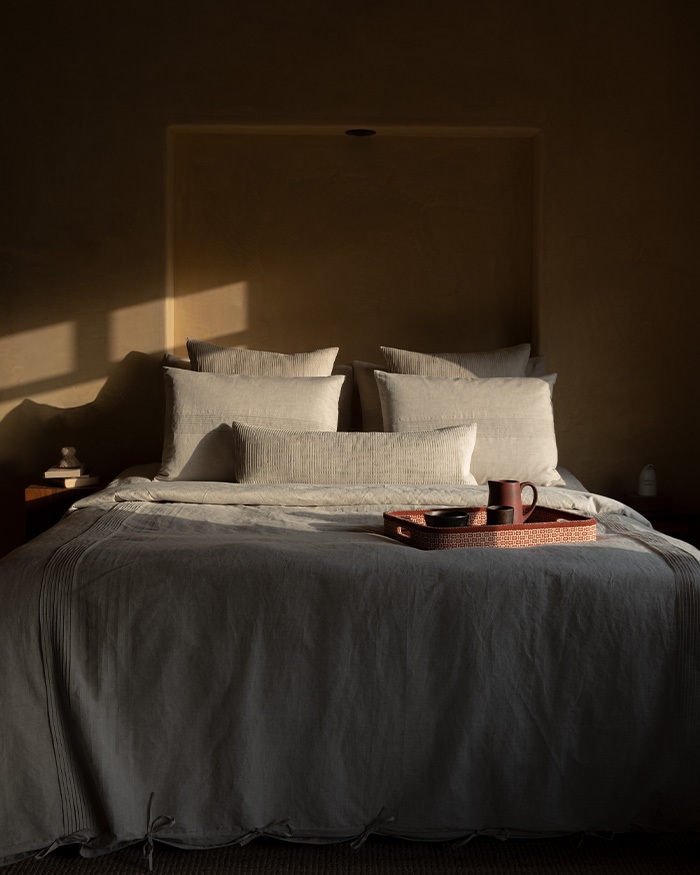
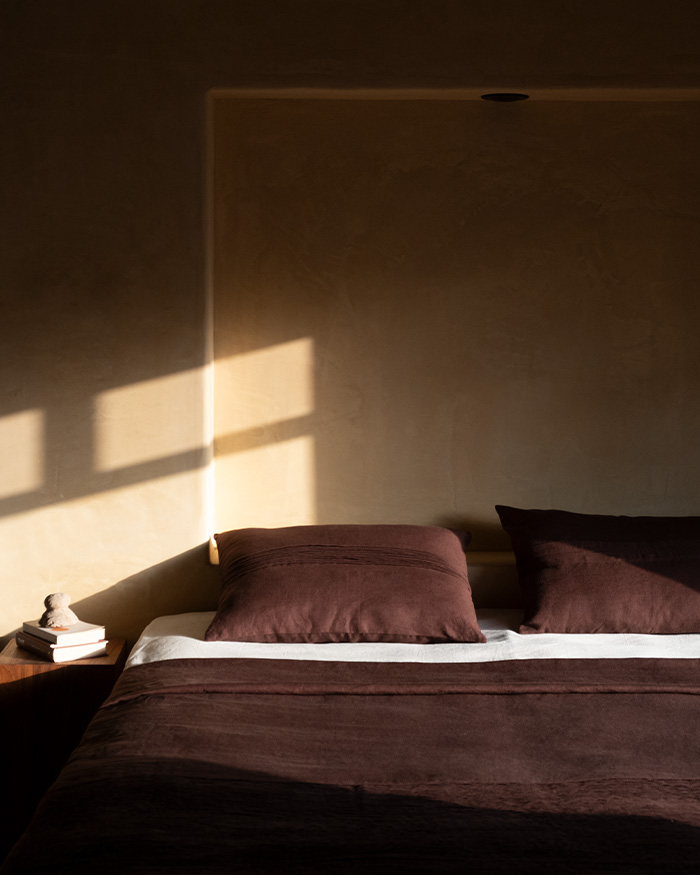
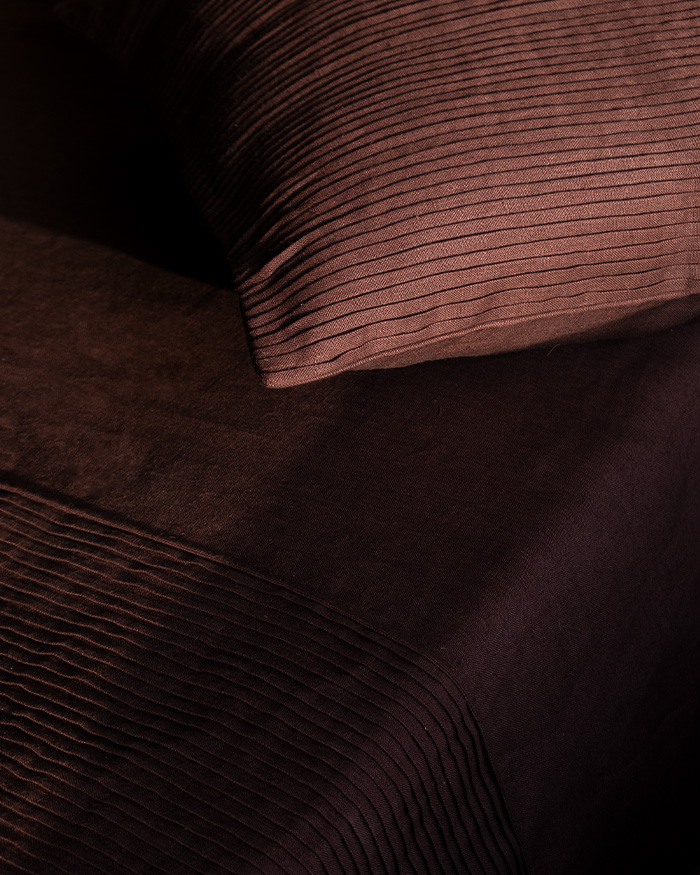
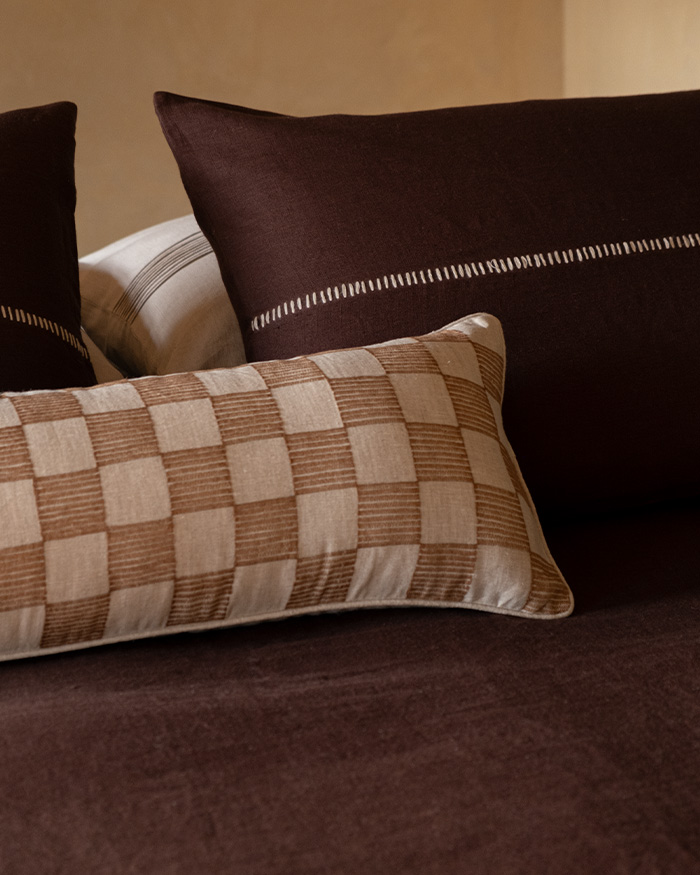
In return, the sombre colour palette, reminiscent of earth, sand, soil and wheat husks, rewards our patience: from bolster cushions, pillows and cushions covered in a mesmerising, cane-like woven texture, to unadorned bedding and tablecloths bearing a singular, contrasting stitch that zigs, zags, and holds attention with ease. Why pick this route of restraint? “I think this collection was just evolving in my head for five to six years now,” confesses Anuj. As an India-proud textile and product designer, he stresses how he wanted The Still Room to present a new, contemporary side of Indian craftsmanship to a global audience. “When you think of embroidery in our country, everything is more and more and more. But here, it’s less and less and less,” he affirms.

But the collection wasn’t just born out of defiance for the West’s narrow, ornamental understanding of India. It began as an urge to understand what makes a space feel truly lived-in, hand in hand with Anuj’s own personal journey towards mindfulness. Each creation attempts to answer two pertinent questions: before we step outside and surrender to the world’s rhythm, how should our home, our innermost haven and cocoon, make us feel? And could the way we furnish our spaces change the way we experience our immediate surroundings?

Photography by Mallika Chandra

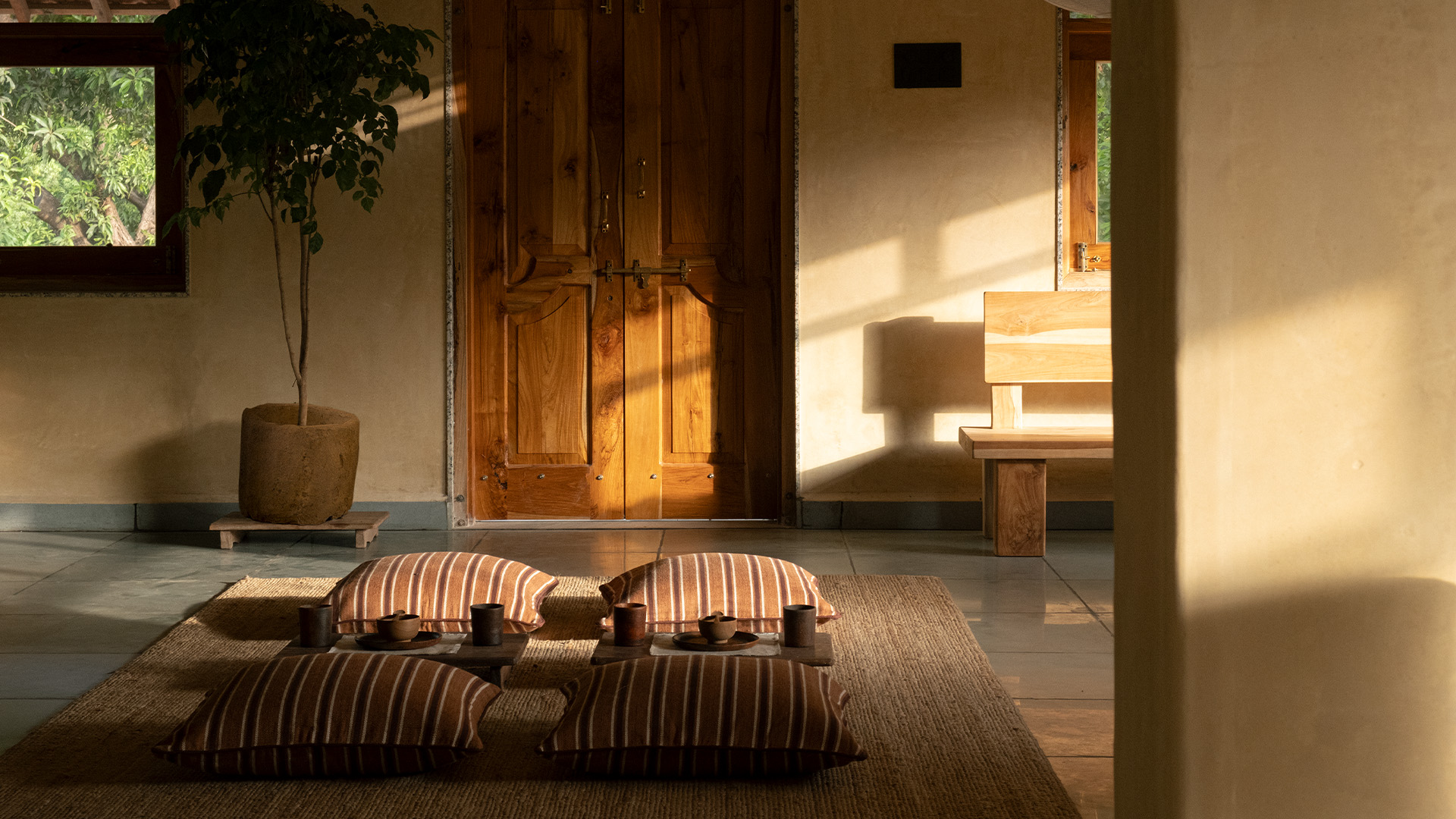
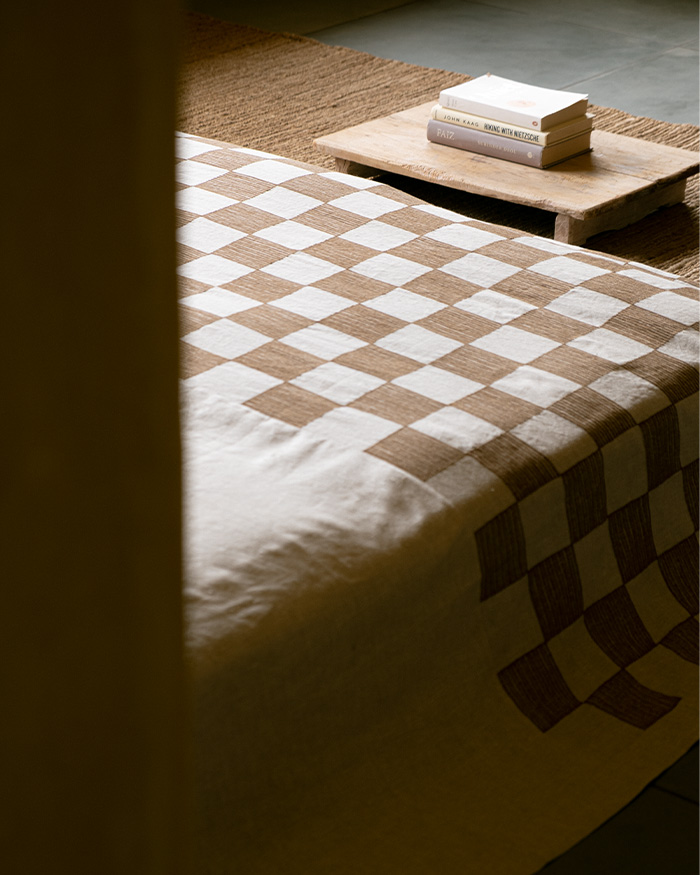
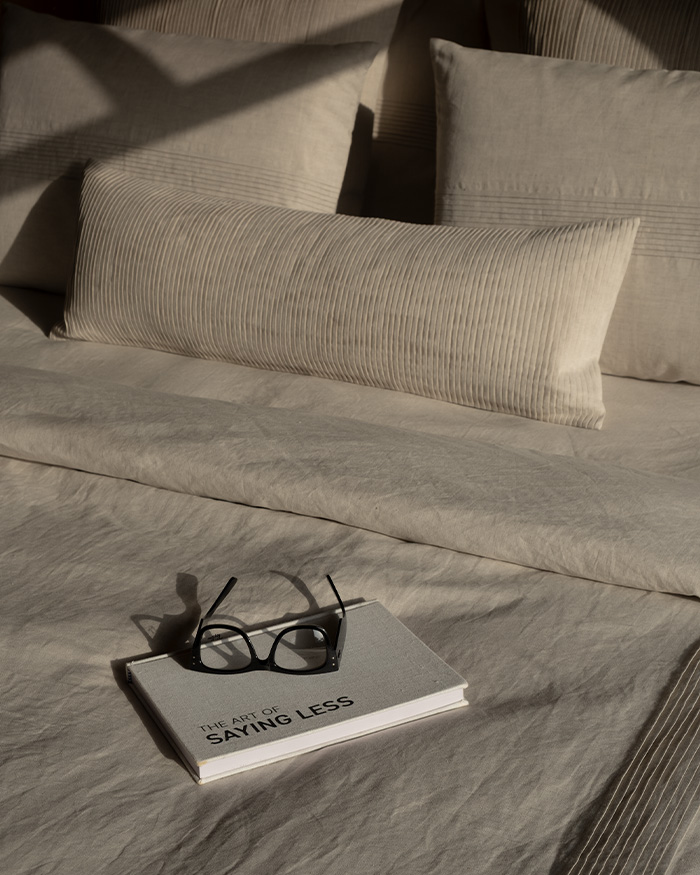
And thus, The Still Room was born. Replete with micro-pleats, tone-on-tone embroidery and the simplest of motifs and stripes in earthy hues, it rests heavy on intention. And in embracing intention through texture and design, the collection asks us to channel the same energy as we move through our homes. It asks you to feel the grain of the paper as you flip the pages of a book. To linger behind like the dappled sun, watching the light fall across your bed.

However, this callback to stillness is not expressed through poetics or preachy sermons. Anuj chooses to deliver them with witty one-or-two-liner quips instead! Case in point, you’ll find books with tongue-in-cheek titles like “An Extrovert’s Guide to Keeping Quiet,” and “How to Leave a Party Early,” scattered across tables and shelves at the NO-MAD store (with blank pages inside. Could we scribble a few tips in?). A copy of Arundhati Roy’s Mother Mary Comes to Me sits open atop a plush bed in the corner, exposing a bookmark that reads “Captions on the ‘Gram don’t count as literature” (a particular favourite of Anuj’s, who confesses that deleting his personal Instagram was the best decision he’d ever made).

Photography by Mallika Chandra

Our attention may be a tech billionaire’s greatest currency today, but The Still Room’s refreshing take on minimalism comes hand-in-hand with a valuable reminder: sometimes, true contentment emerges when you slow down and find pleasure in smaller, everyday rituals. As novelist Pico Iyer puts it best, “In an age of distraction, nothing can feel more luxurious than paying attention. And in an age of constant movement, nothing is more urgent than sitting still.”

Read more: No-Mad’s South Mumbai store breaks conventional boundaries and embraces the authenticity of street culture

Photography by Mallika Chandra
SHARE THIS ARTICLE

You May Also Like

Watch

No results found.

Search
Close this search box.