

As Kohler marks 20 years in India, the conversation around bathrooms is changing. The relationship between industrial design and craft demands greater cultural intelligence. For a company founded in 1873, longevity also creates a particular responsibility: how does a global organisation remain relevant to individual markets without turning local culture into decoration?
Chris Ball, President, Kitchen & Bath at Kohler, speaks to ELLE DECOR India about India’s design landscape, why trends rarely move in neat cycles, the difference between amplifying art and appropriating it, and why sustainability must hold up to the same standards of performance as everything else.
Kohler has been in India for 20 years. From a global perspective, what shifts have you seen in the way people think about design?
One thing we have learnt is that design trends do not necessarily follow one another in neat one or two-year cycles. They often run in parallel. You might see contemporary design gaining momentum at the same time as a traditional renaissance, while industrial design also becomes prominent.
Kohler has always tried to provide enough range for those different expressions. If you look back at the products we were bringing to market even in the 1970s and 1980s, design was intended to inspire and sometimes challenge. That continues through artist collaborations, designer partnerships, new finishes and different material and colour options.
India makes that especially interesting because each city has its own character. Spending time in Delhi, Pune, Chennai, Bengaluru or around our manufacturing operations gives you very different insights. You have to be in the market, speaking to designers, architects and consumers, to understand those distinctions.
With a company of Kohler’s scale, where does cultural responsibility enter the design process, particularly when working with indigenous art and craft?
It starts with being market-focused. We are deeply invested in local-for-local markets, and that requires market-relevant insight, curiosity and a commitment to being on the ground and engaging with the design ecosystem.
With art, our objective is amplification rather than appropriation. There is a big difference between supporting an artistic practice and finding an artwork or craft that can simply be attached to a product for a campaign. That does not feel authentic.
Kohler’s Arts/Industry programme has supported artists working alongside our manufacturing facilities for over 50 years. That long relationship with art shapes the way we think about collaborations today, including indigenous collaborations in India and our Artist Editions. The question is always: how do we help an artist or designer bring their thinking into another medium while respecting what they are trying to say? The work also has to endure. These are permanent fixtures in people’s homes, so the collaboration needs relevance beyond a moment or a season.
Kitchens and bathrooms account for a significant amount of domestic water use. How do you reconcile conservation with the experience people expect from a premium product?
Water is by far one of our most precious resources, and sustainability is embedded in our mission of helping people live gracious, healthy and sustainable lives.
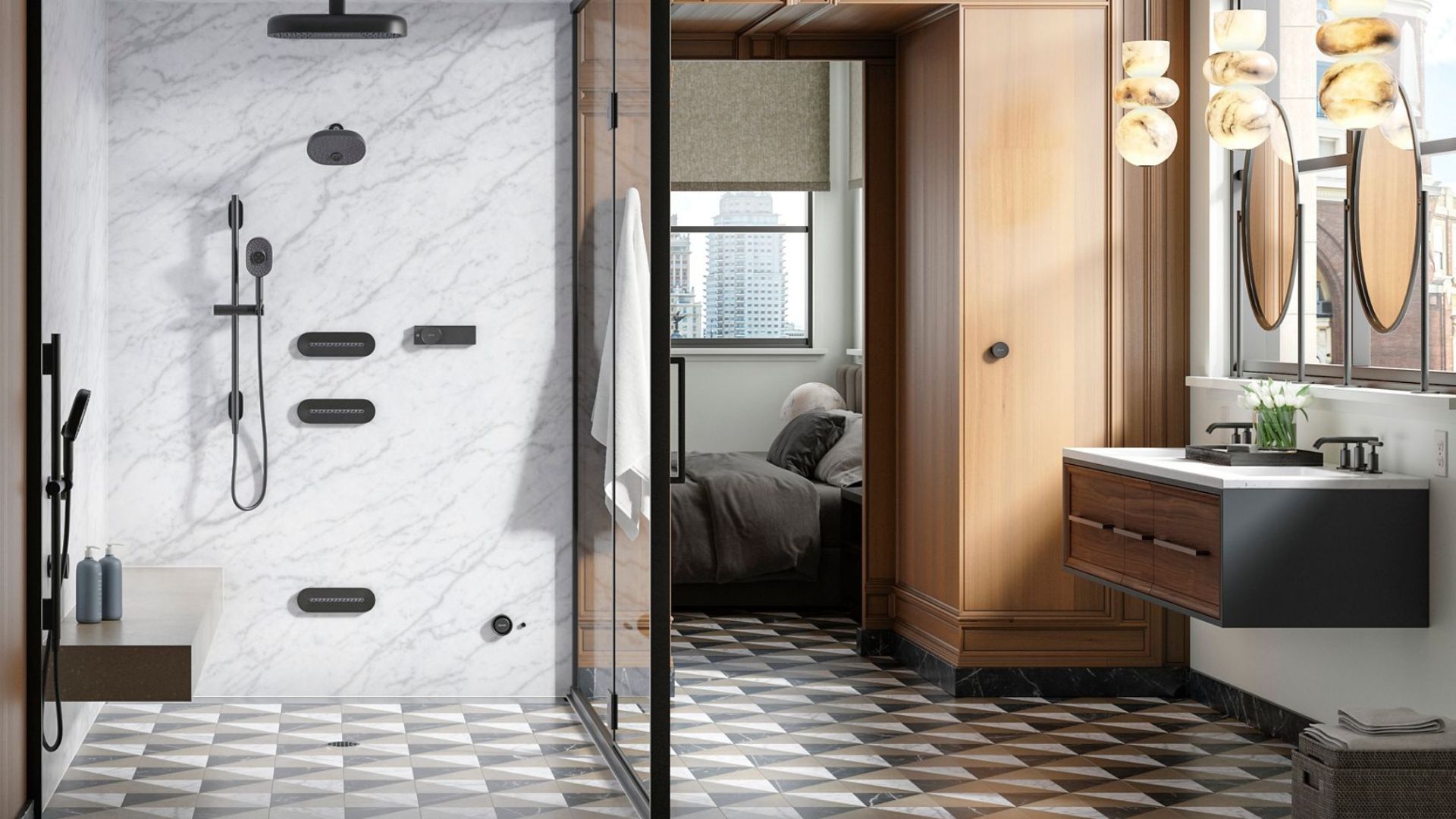
For us, it has to translate into measurable product performance. We have a flush system that uses 3.6 litres of water compared with the conventional six litres. Over a year, that can save approximately 12,000 litres, while delivering the same performance, quality and design.
We do not believe sustainability should come at the expense of performance. A product still has to perform exceptionally every day.
The same thinking extends to manufacturing and materials. We work to reduce our water footprint and restore water to ecosystems around our manufacturing locations. We also have a waste lab looking at manufacturing by-products and other waste streams as raw material for new products. We have created tiles from waste generated elsewhere and collaborated with designers to make products that people would choose on their own design merit. The fact that they divert material from landfill then becomes another measure of their value.
Wellness has become one of design’s favourite words, yet at home it can remain fairly cosmetic. What does meaningful wellness in the bathroom look like to Kohler?
Wellness is probably the trend gaining the greatest momentum across markets. Interest in health, food, recovery and how people live has been building for at least a decade. What is changing now is the ability to translate those conversations into products people can actually use at home.
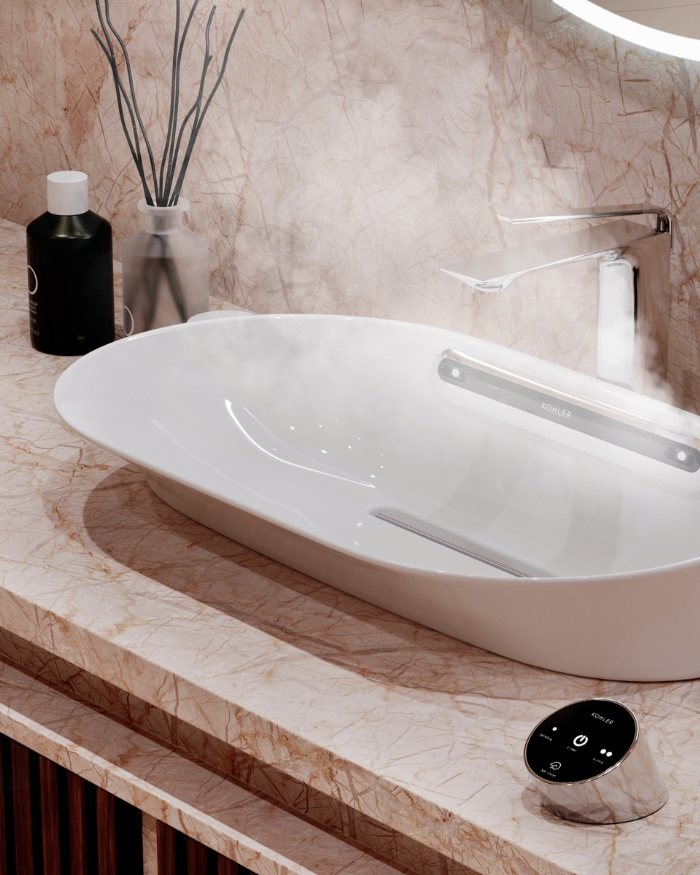
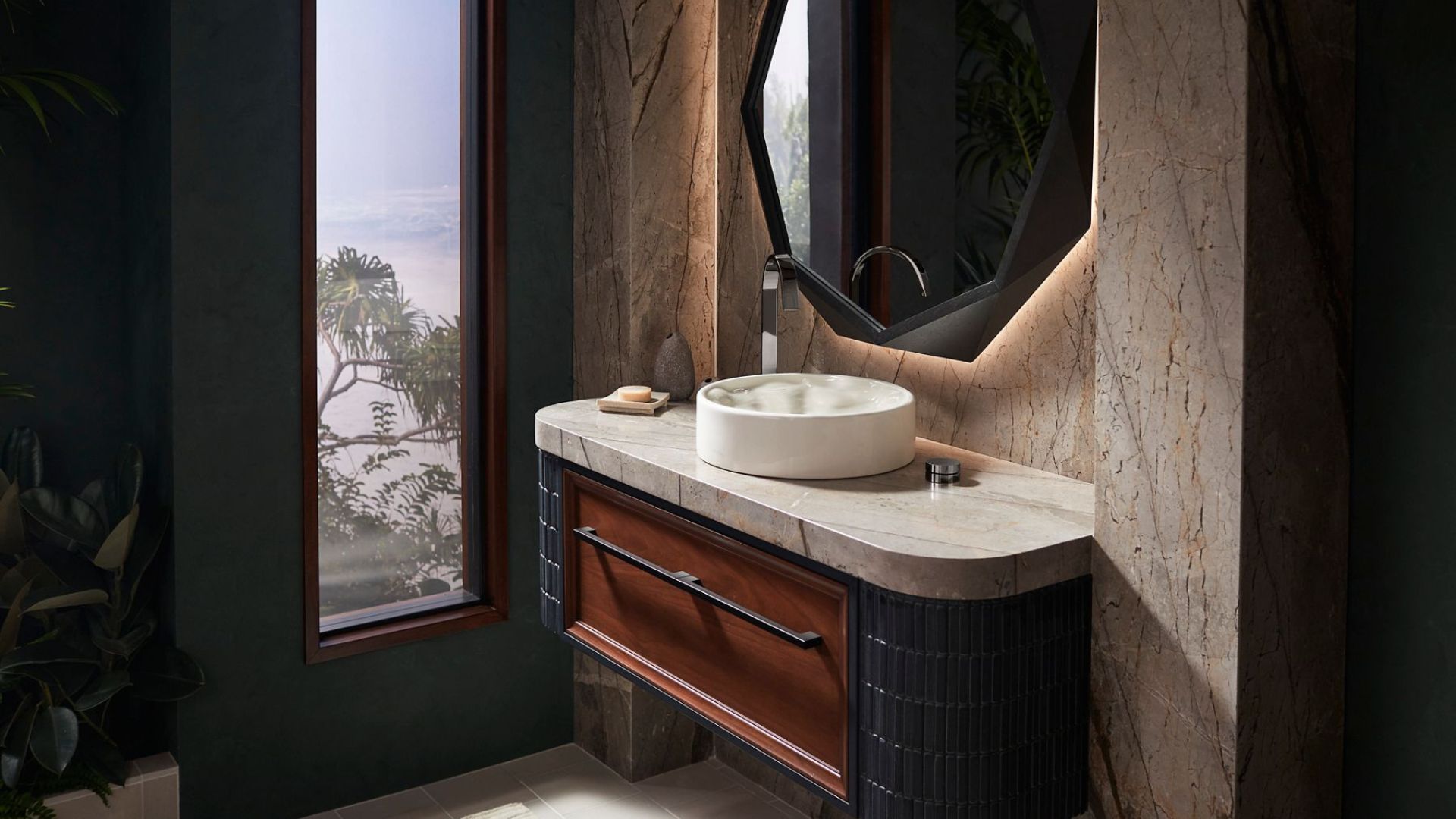
One example is our Theta sink, which incorporates a facial steam experience. You press a button and within seconds you have steam available as part of your bathroom routine. That is one way of bringing an experience previously associated with spas into everyday life.
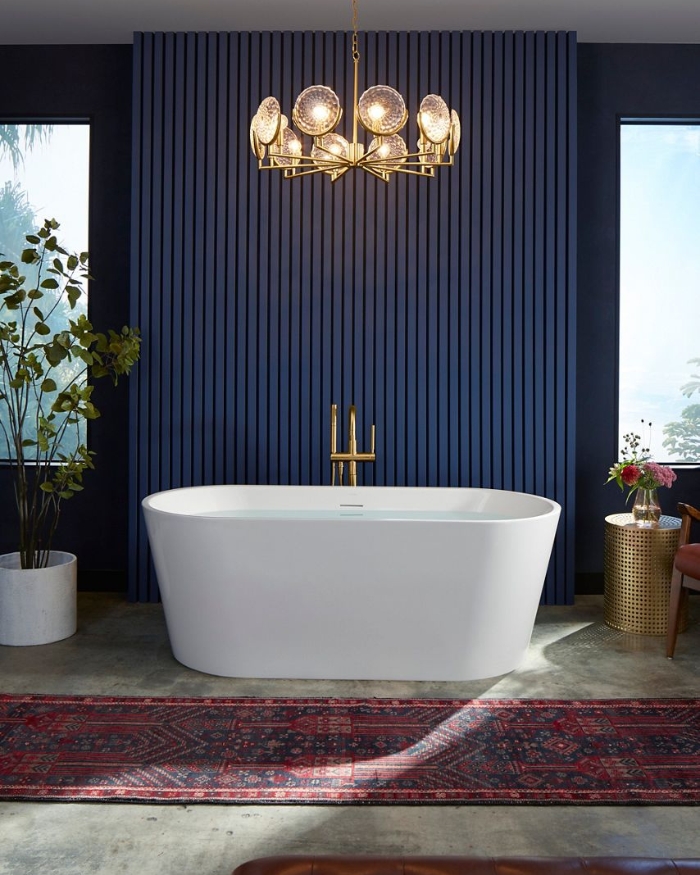
Beauty is one part of wellness, but relaxation and recovery are equally important. In some ways, Kohler has been connected to that idea since its earliest days. Our first bathtub brought a cleansing and restorative bathing experience into the home. Today that thinking extends across bathing and showering solutions.
There is also enormous confusion around wellness, with experts frequently offering conflicting advice. We see an opportunity to curate solutions that make relaxation and rejuvenation easier to incorporate into daily routines, while still treating design as fundamental to the experience.
So what will define the next phase of bathroom design: technology, wellness, sustainability or aesthetics?
It is all of the above. The interesting part is how those areas begin to work together.
Technology becomes valuable when it makes an experience easier or improves performance. Wellness needs products that people can genuinely integrate into their lives. Sustainability has to conserve resources while maintaining quality. Design holds all of that together.
We are also continually developing new collaborations and products. At any given time there can be four or five projects at different stages, from early development through to launch. With collaborations, longevity matters because the object may remain in somebody’s home for years.
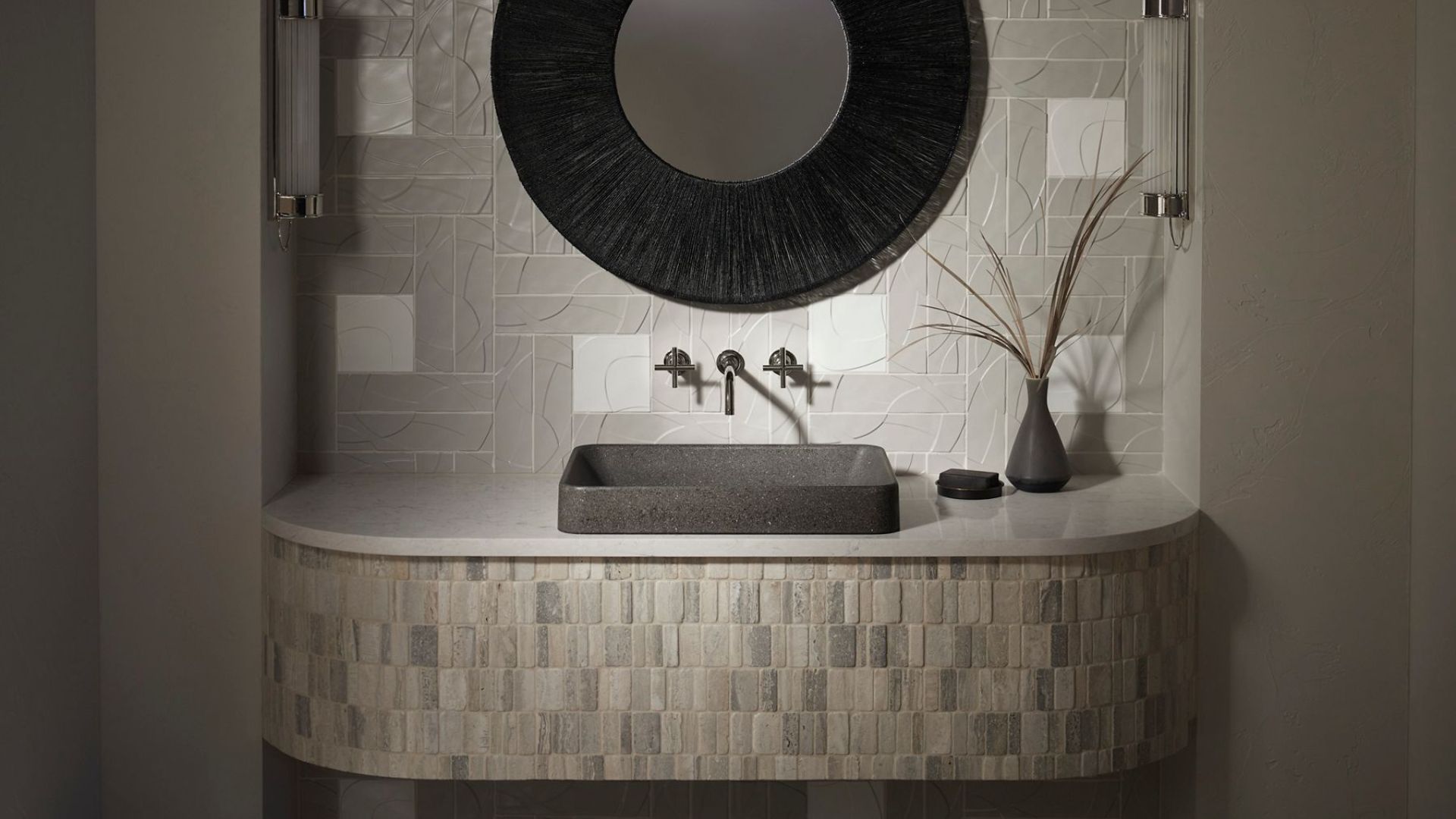
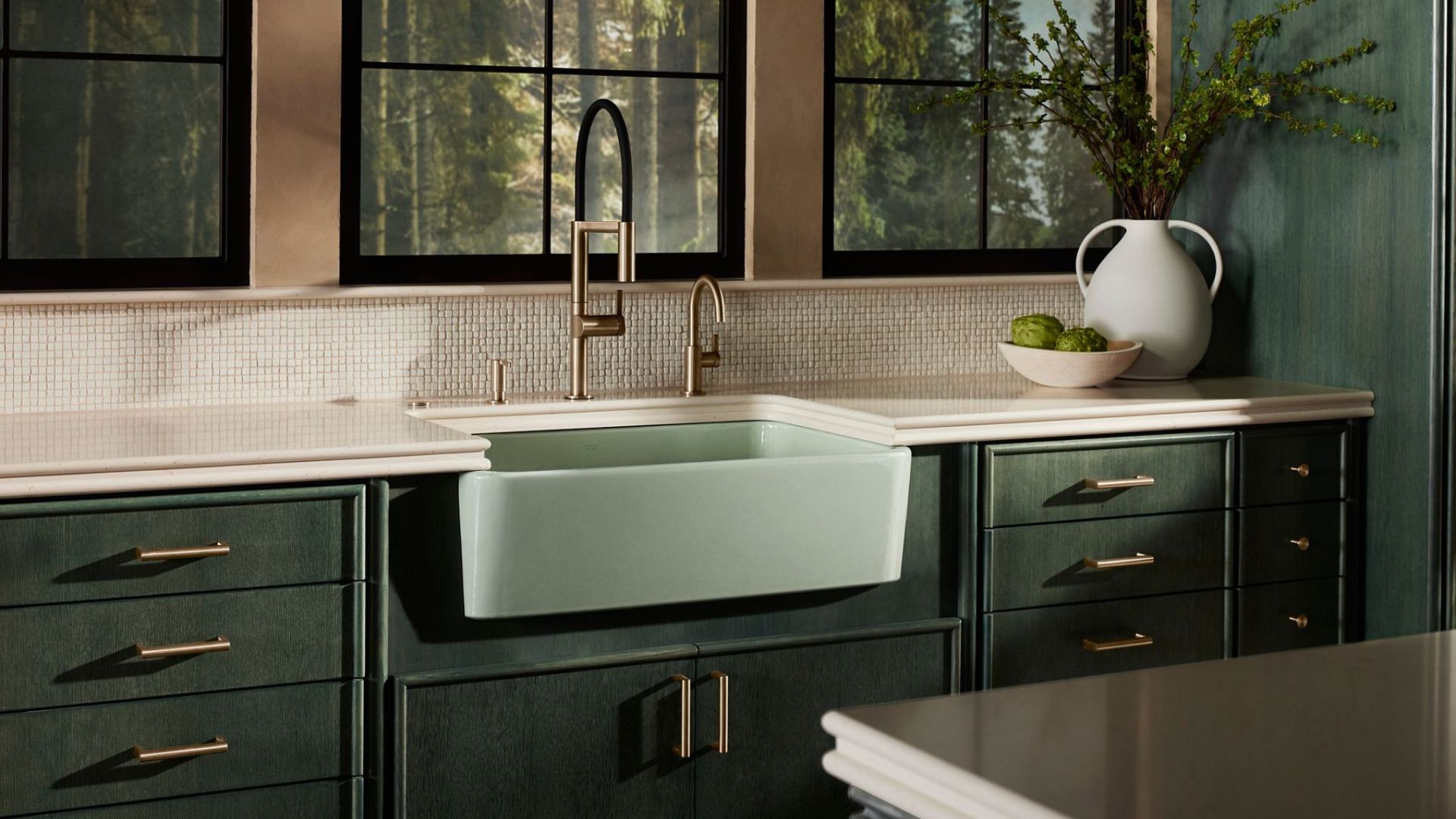
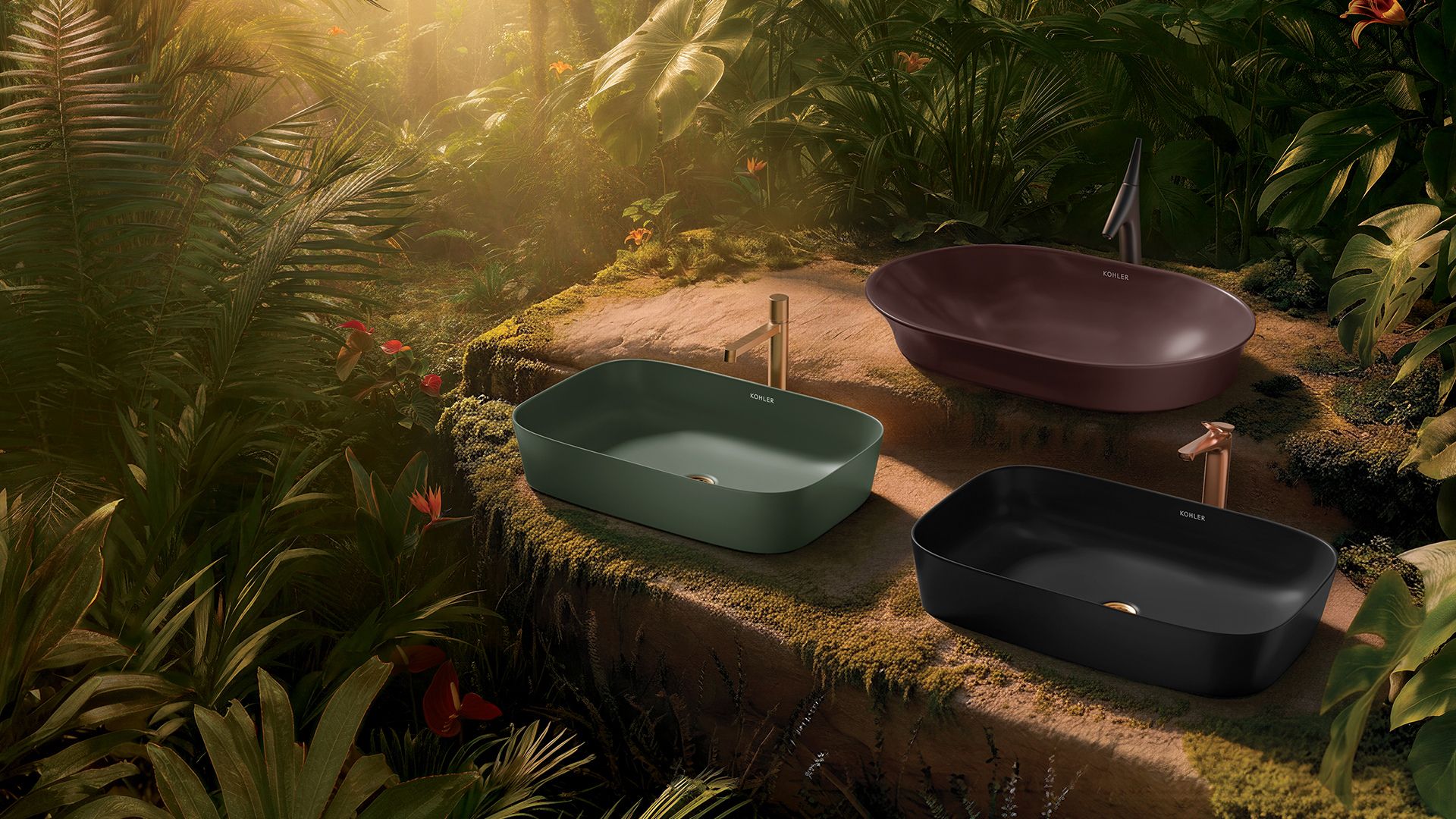
Alongside Artist Editions, colour is another tool. We have been developing palettes, including deep greens and shades such as Teakberry, that give architects and designers greater freedom to create their own environments. Some of those products have been developed specifically with our India team for Indian consumers.
Ultimately, our role is to give architects and designers a broad set of tools and then allow them to create. Being part of the design conversation is something we consider a responsibility.
No results found.