WOW Porto
Photography courtesy of WOW Porto

The collector who poured civilisation into a museum

The man with 9,000 years of drinking history in his collection

BY

In a city synonymous with Port wine, Adrian Bridge’s extraordinary collection of 2,000 drinking vessels offers a rather different way to look at civilisation. And at WOW, Porto’s cultural district, the story extends far beyond what’s inside the glass. It takes a particular kind of ambition to open a wine museum in a city already famous for its wine, especially when that city has twenty visitor centres dedicated to the very same subject.

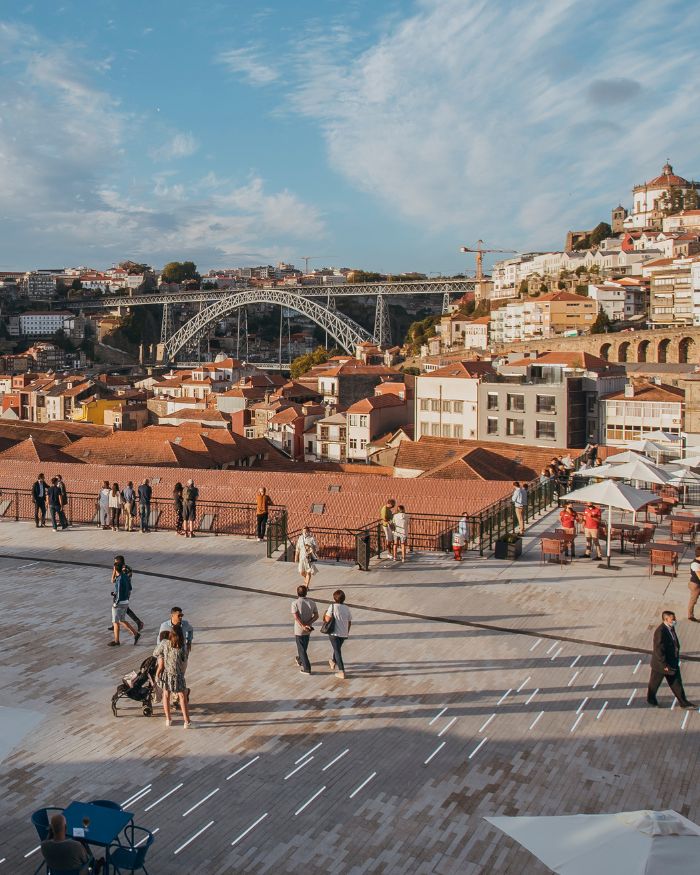
That was the situation in Vila Nova de Gaia in 2020. For generations, the southern bank of the Douro River had been synonymous with Port, its historic cellars housing the fortified wine that made the region internationally famous. By the time WOW opened on 31 July that year, Vila Nova de Gaia already had twenty visitor centres dedicated exclusively to Port. Twenty. A number that suggests an exceptionally well-established industry, and rather limited room for another interpretation of it.
WOW Porto
Photography courtesy of WOW Porto

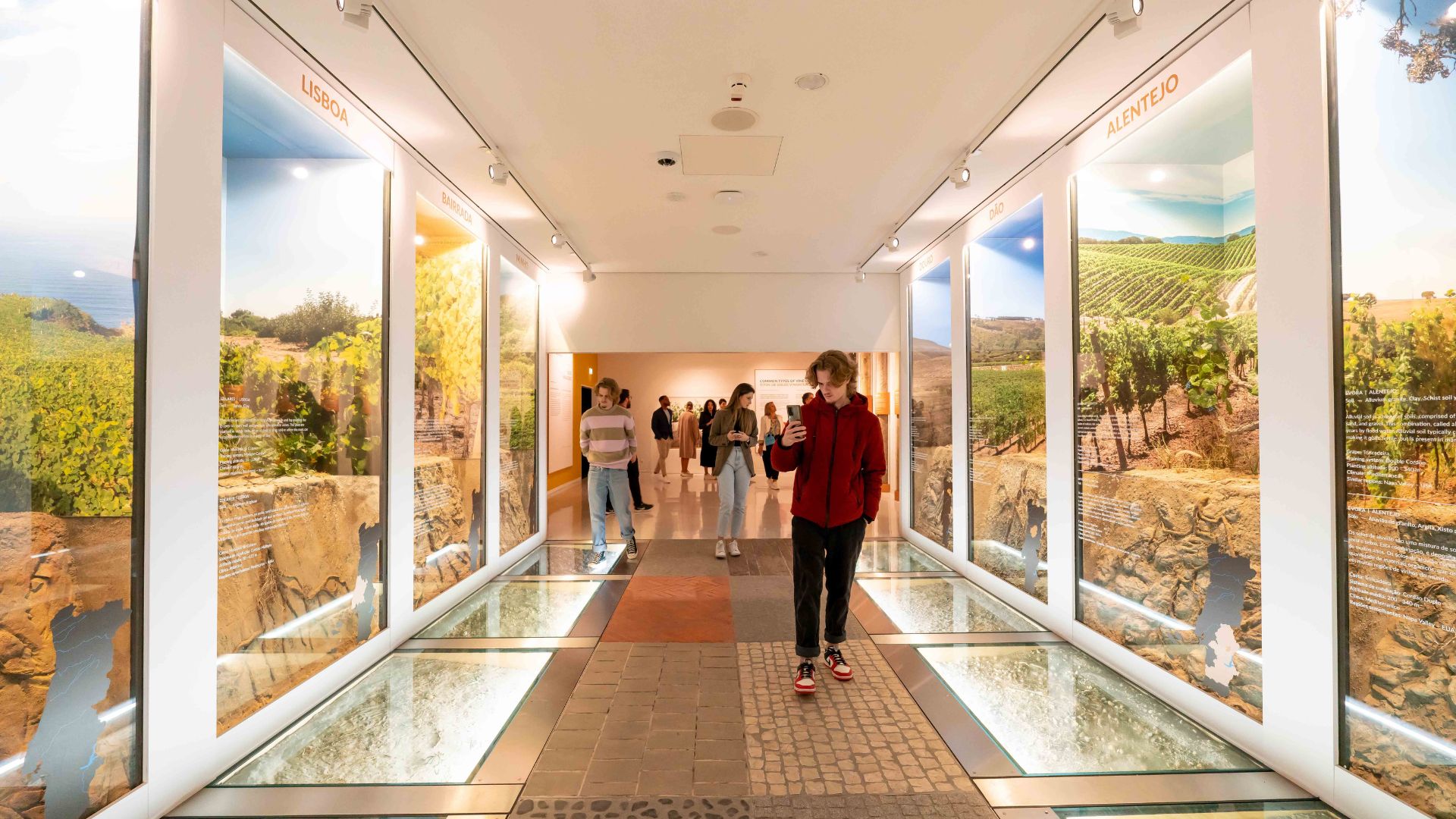
Yet The Wine Experience, one of the museums at WOW, took a different approach. Its subject was Portuguese wine in all its geographical and cultural variety. Visitors could travel, figuratively, from the country’s northern wine regions to its southern vineyards, with Madeira and the Azores included in the itinerary. Port remained part of the story, alongside the climates, soils, grape varieties and winemaking traditions that distinguish Portugal’s remarkably diverse wine culture.

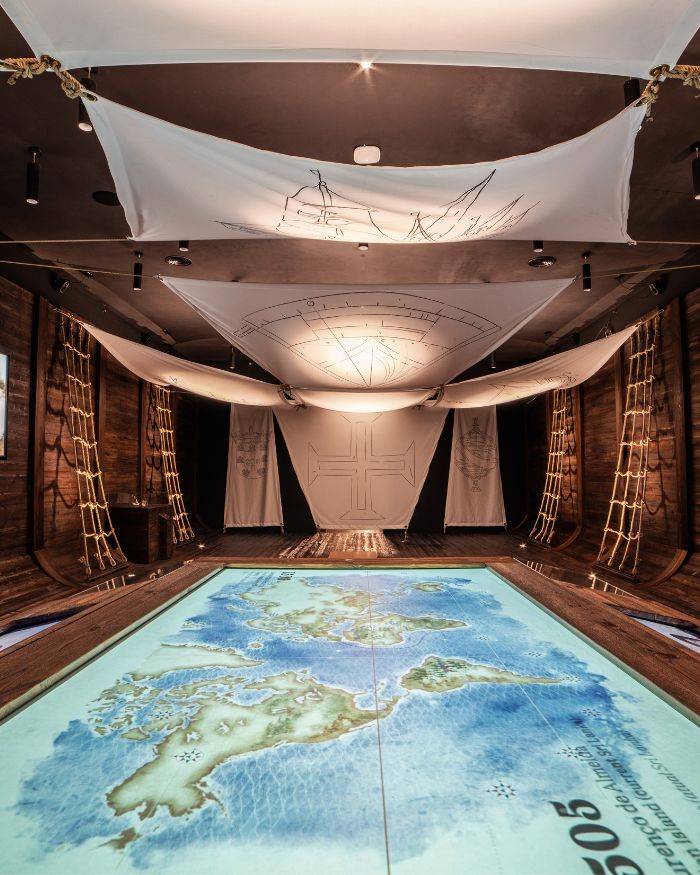
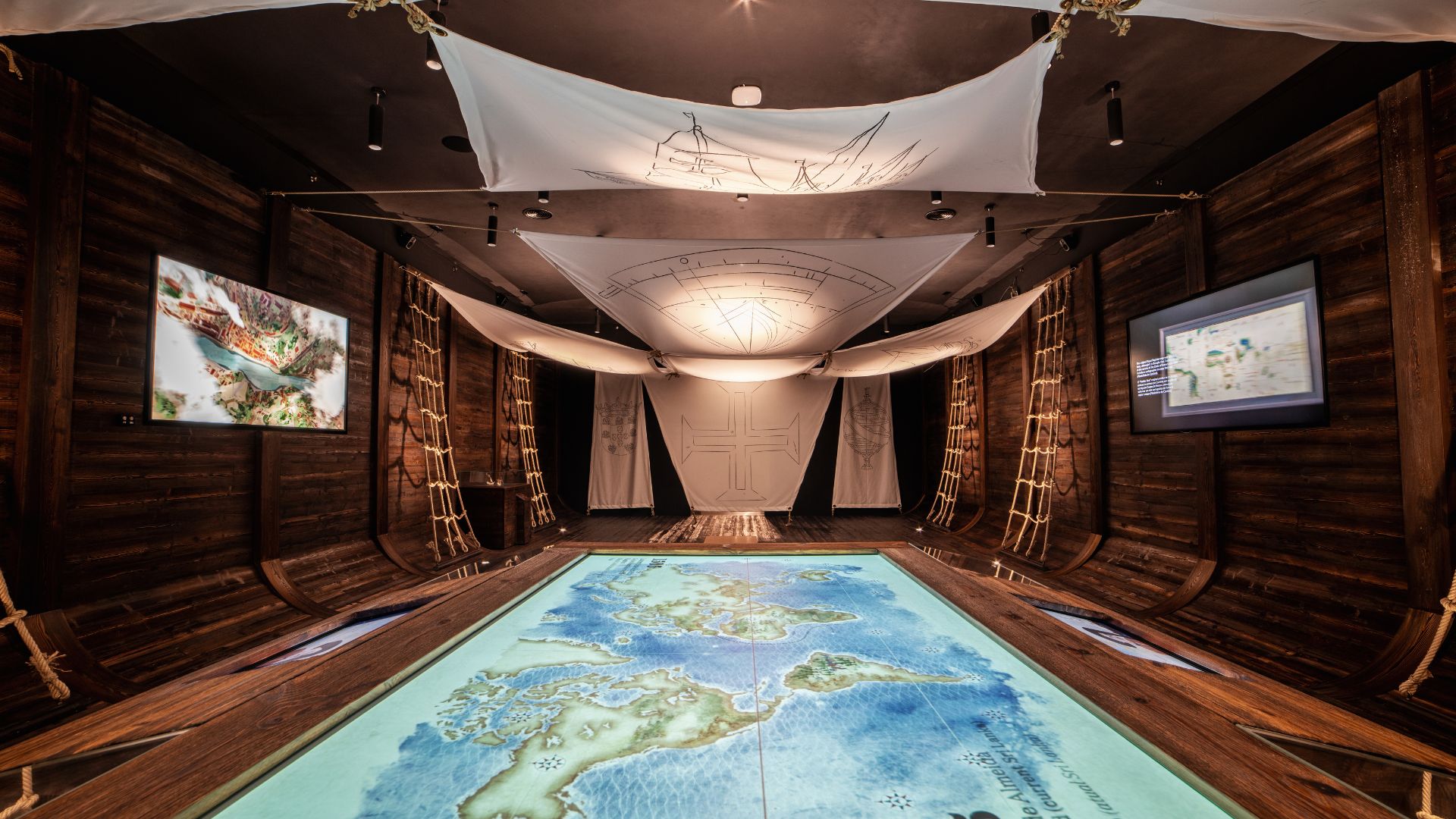
It was a compelling departure from the familiar visitor experience of the Port cellars. And elsewhere within WOW, another museum was attempting something considerably more ambitious: telling the history of human civilisation through the objects from which people drank.

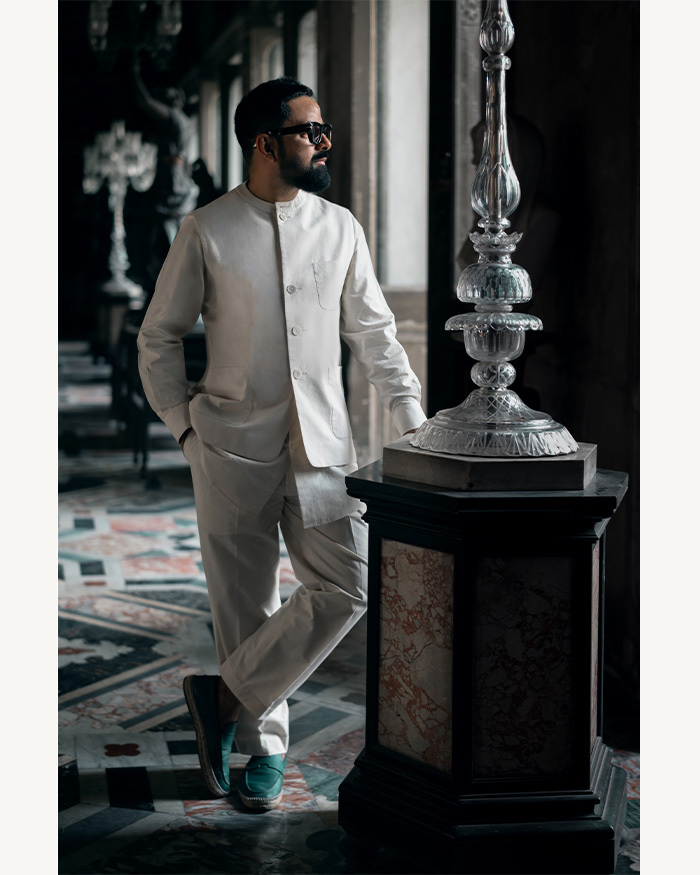
The man behind that collection is Adrian Bridge, CEO of WOW.

WOW Porto
Photography courtesy of WOW Porto
WOW Porto
Photography courtesy of WOW Porto

The Collector

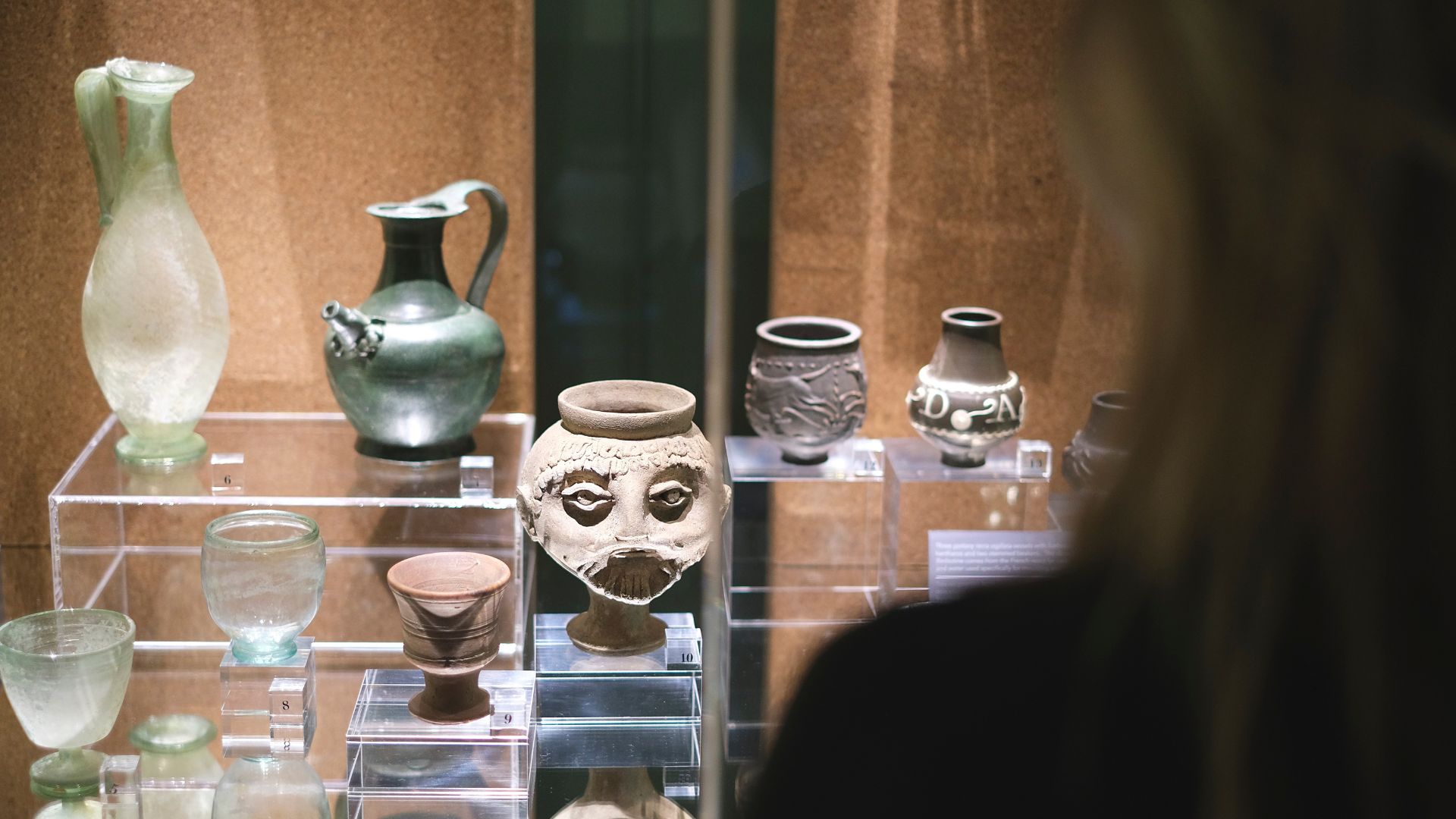
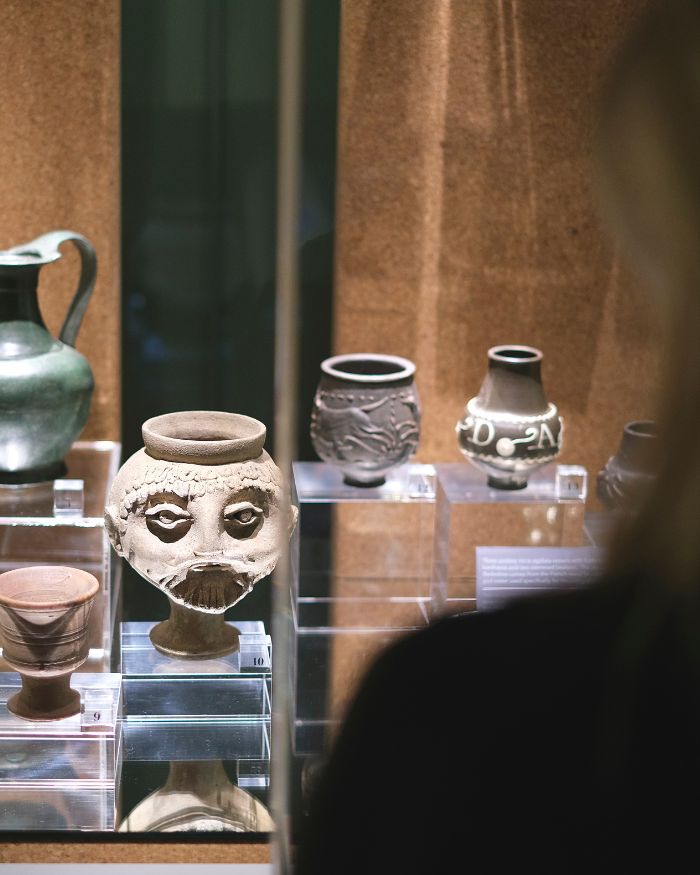
Bridge owns approximately 2,000 drinking vessels and containers, now displayed at The Art of Drinking museum. The oldest dates to 7000 BC. Some belonged to emperors, others to popes and princes. Together, they form what WOW describes as one of the most comprehensive private collections of drinking vessels in the world, covering roughly nine thousand years of human history.

That is an extraordinary length of time to examine through something as ordinary as a cup.

Consider what such an object can reveal. Beyond its immediate function, a drinking vessel can disclose the wealth of its owner, the technical abilities of its maker, the materials available to a civilisation and the social conventions governing its use. A ceremonial vessel might have served as an expression of power, a religious offering or an instrument of celebration. Its value could lie as much in what it represented as in what it contained.

At The Art of Drinking, the collection unfolds chronologically, beginning with the earliest civilisations and moving through Ancient Greece and Rome, the Islamic and Venetian Golden Ages, Medieval and Renaissance Europe, the age of maritime expansion, Napoleonic Europe and Georgian and Victorian Britain, before arriving at the present.

WOW Porto
Photography courtesy of WOW Porto
WOW Porto
Photography courtesy of WOW Porto

The exhibition follows the changing customs surrounding drinking, including religious observances and pagan celebrations. The extravagant Greco-Roman festivals honouring Dionysus and Bacchus appear alongside the practice of making votive offerings at funerals. Pleasure and grief, religious devotion and worldly extravagance, all become legible through the rituals associated with drinking.

The underlying proposition is fascinating. If you wanted to understand a civilisation, you might begin with its rulers, its wars or its great monuments. But an object designed to be held in the hand can be just as revealing. A cup carries evidence of how people lived, worshipped, celebrated, mourned and distinguished themselves from one another.

What makes Bridge’s collection particularly interesting is its extraordinary chronological and geographical scope. Across societies separated by thousands of years, drinking remained a familiar human activity, even as the objects, ceremonies and meanings associated with it changed almost beyond recognition.

WOW Porto
Photography courtesy of WOW Porto
WOW Porto
Photography courtesy of WOW Porto

The Same Idea, Twice

There is an intriguing parallel between The Art of Drinking and The Wine Experience.

Where Bridge’s collection uses vessels to explore the larger history of human behaviour, The Wine Experience widens the story of Portugal beyond its most internationally recognisable wine. Both museums take familiar subjects and reveal how much complexity sits behind them.

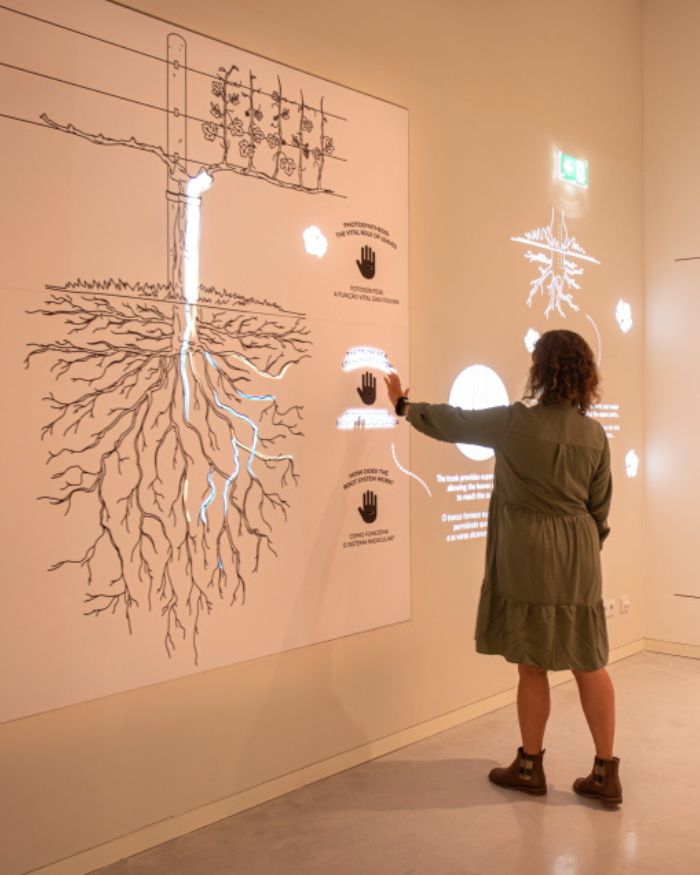
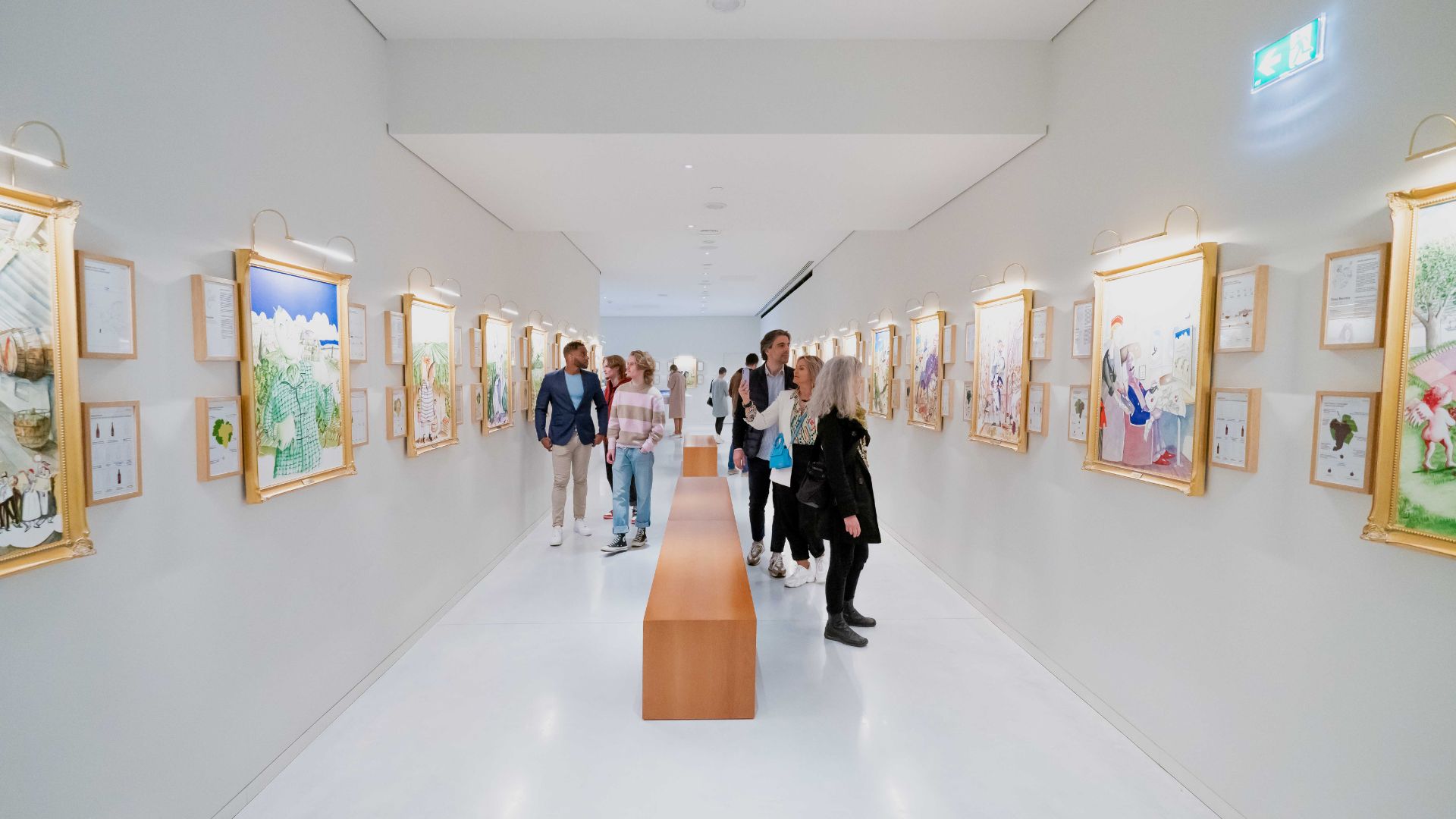
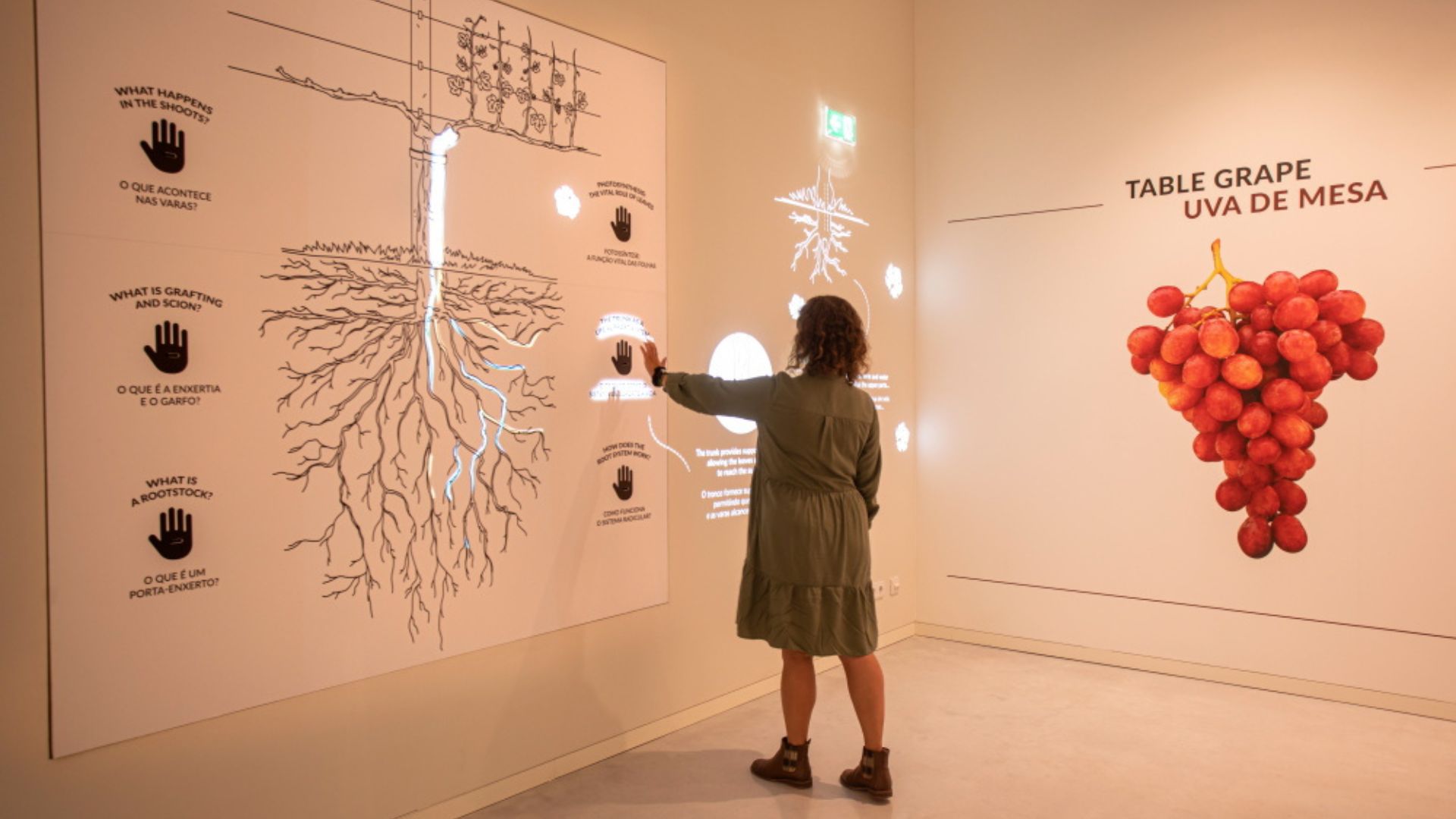
In the case of Portuguese wine, that complexity is geographical. Despite its relatively small size, Portugal possesses an extraordinary diversity of climates, soils, altitudes and landscapes, producing numerous indigenous grape varieties and distinctive styles of wine. The Wine Experience examines these differences and follows wine from vineyard to glass, introducing visitors to viticulture, winemaking and tasting.

The Art of Drinking pursues a similar breadth across history. Its objects reveal how societies developed different ideas about hospitality, ceremony, religion and social status. The subject may be drinking, but its implications reach into almost every aspect of cultural life.

The similarities are striking, although they do not necessarily imply that one museum’s philosophy informed the other. What they demonstrate is the value of considering a familiar subject from a much wider perspective.

WOW Porto
Photography courtesy of WOW Porto
WOW Porto
Photography courtesy of WOW Porto

And this appetite for multiple narratives is evident throughout WOW.

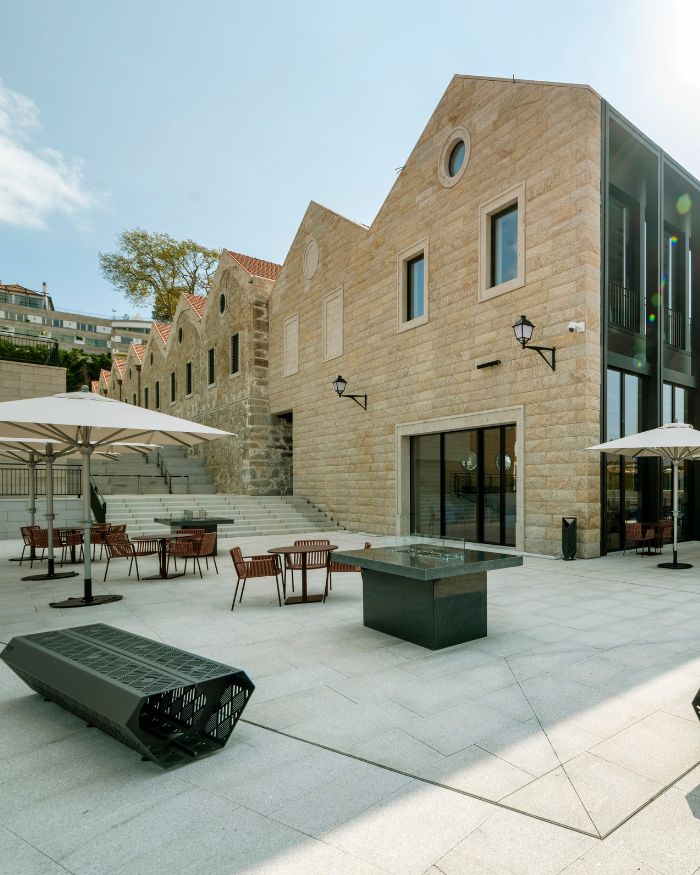
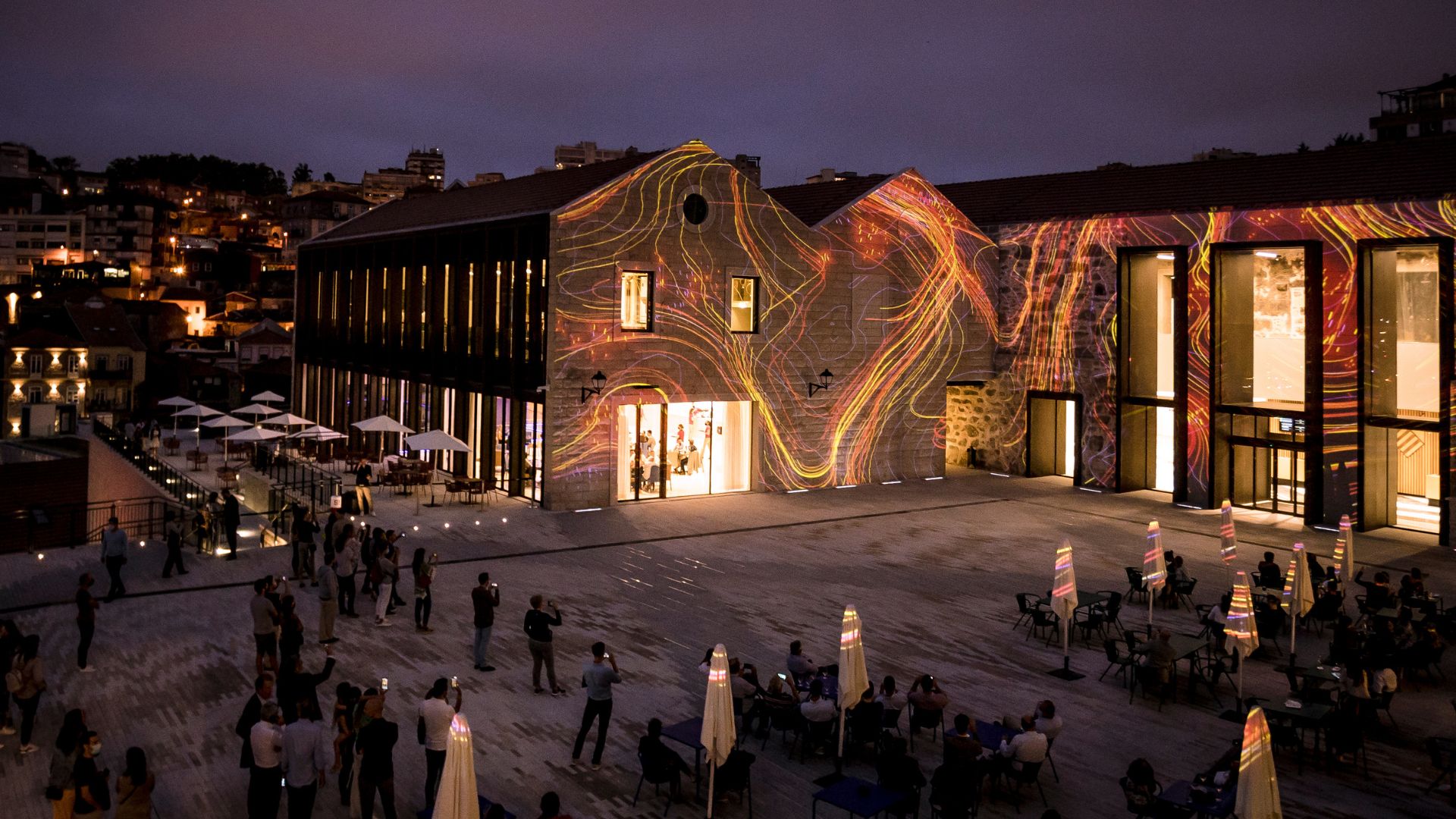
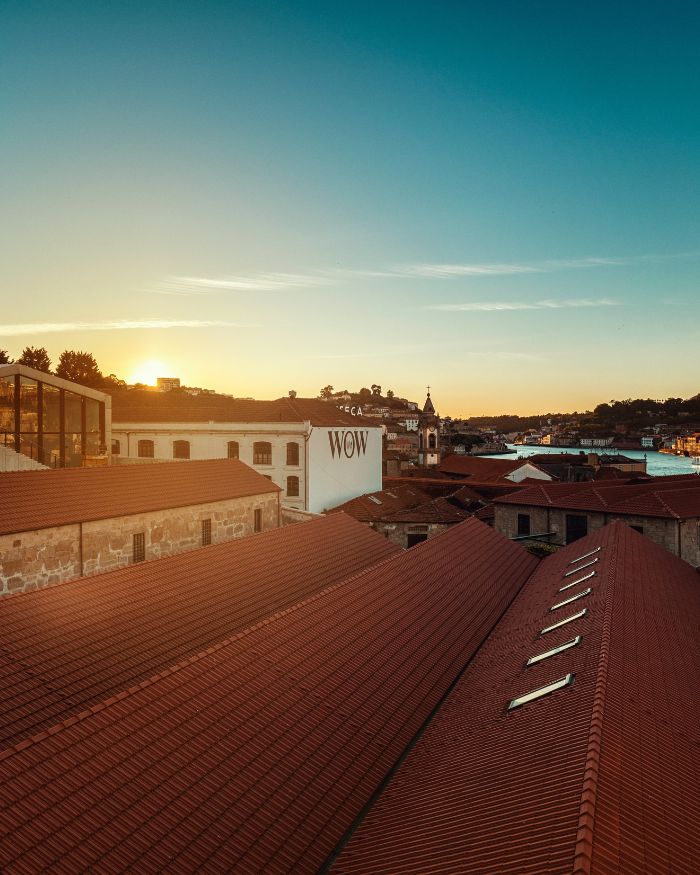
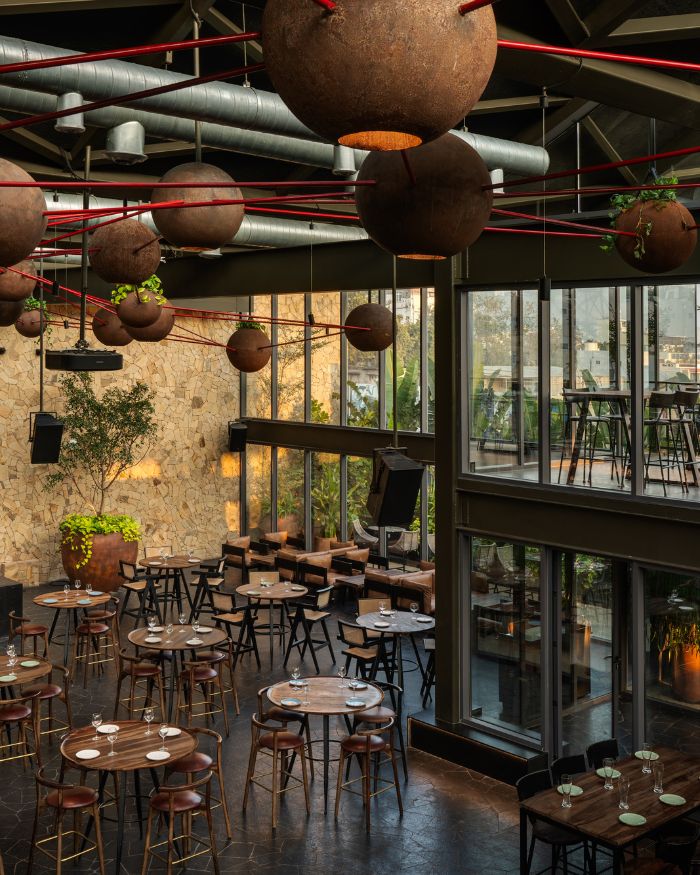
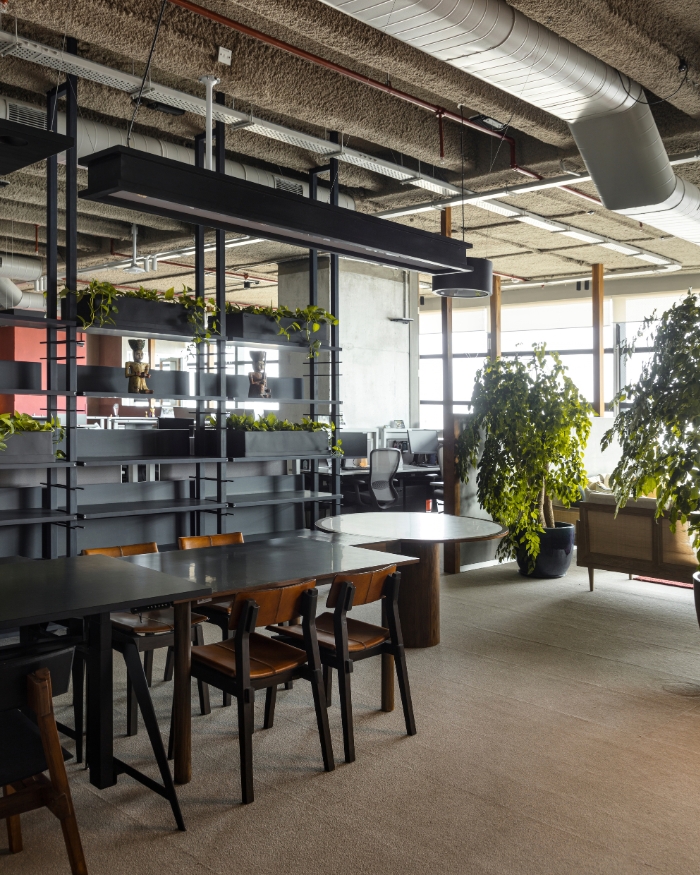
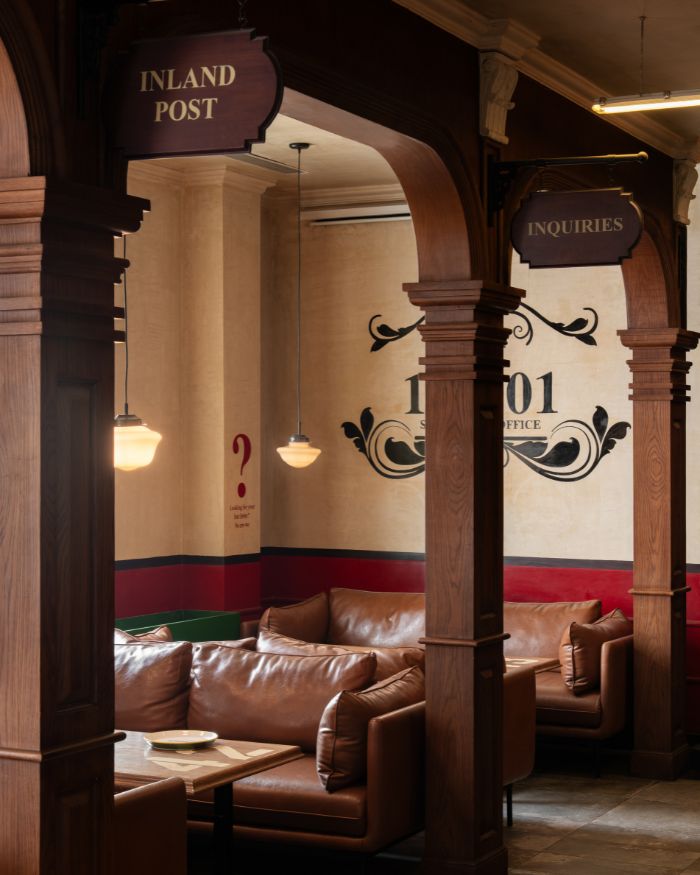
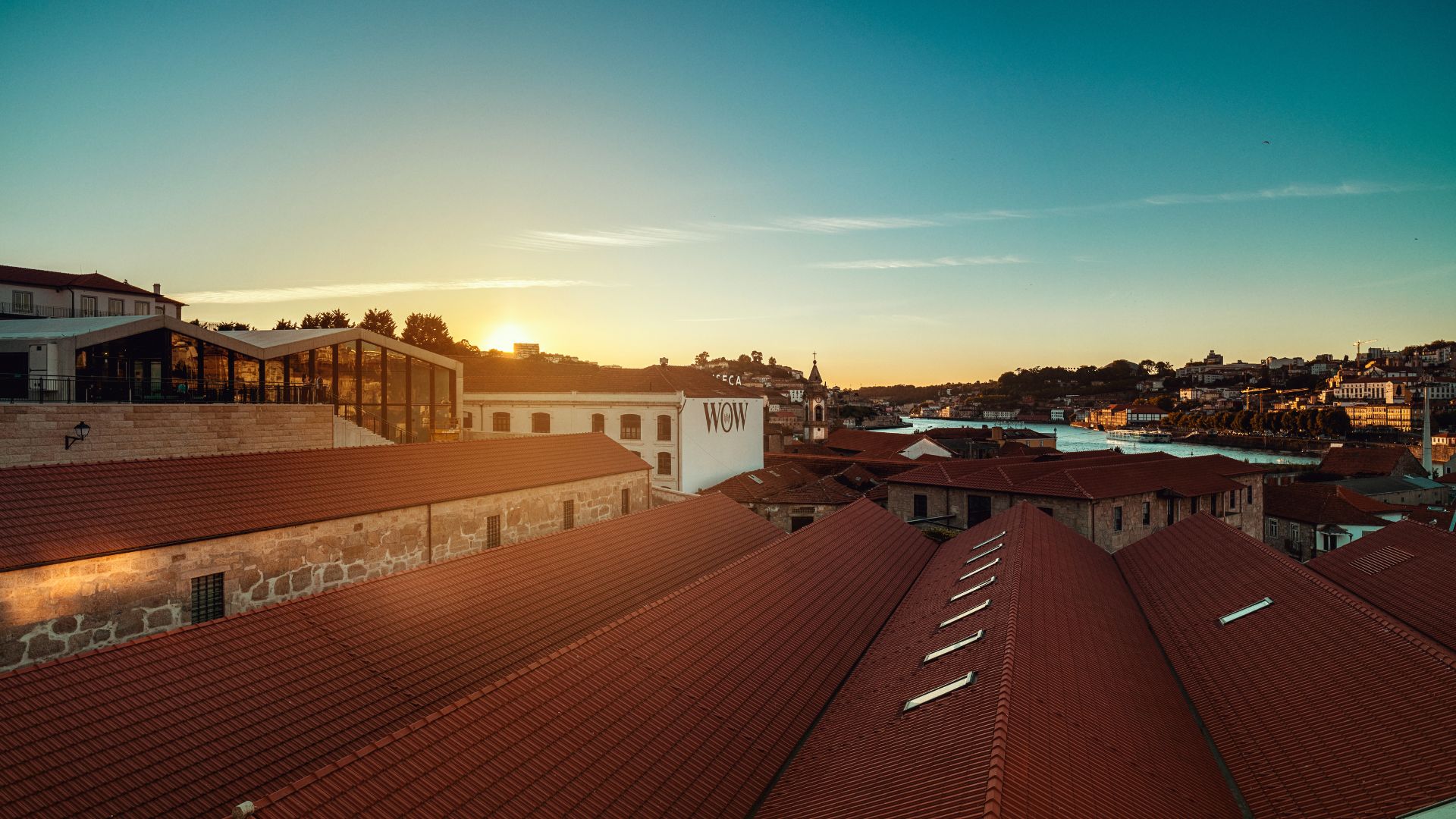
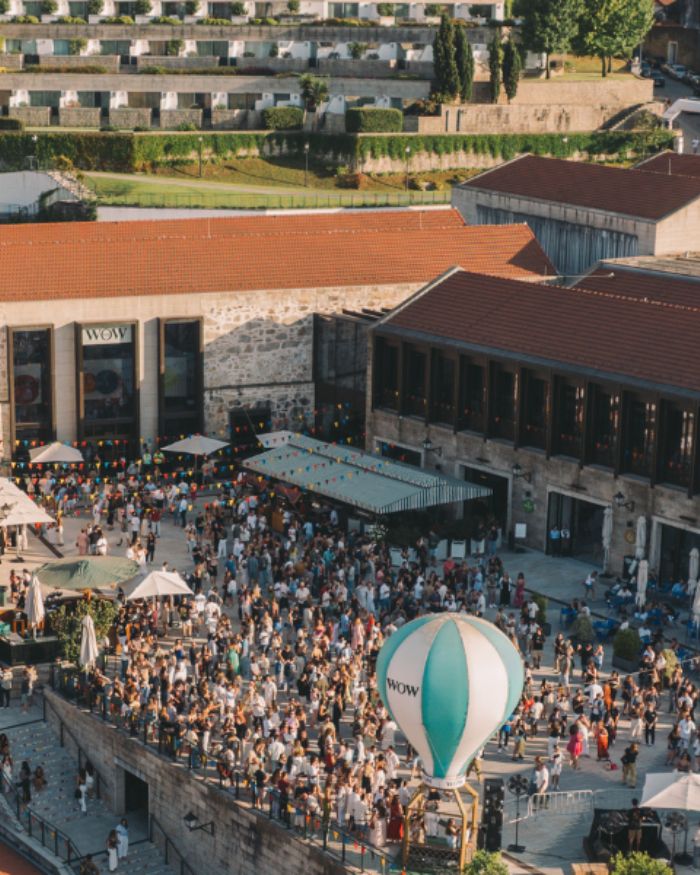
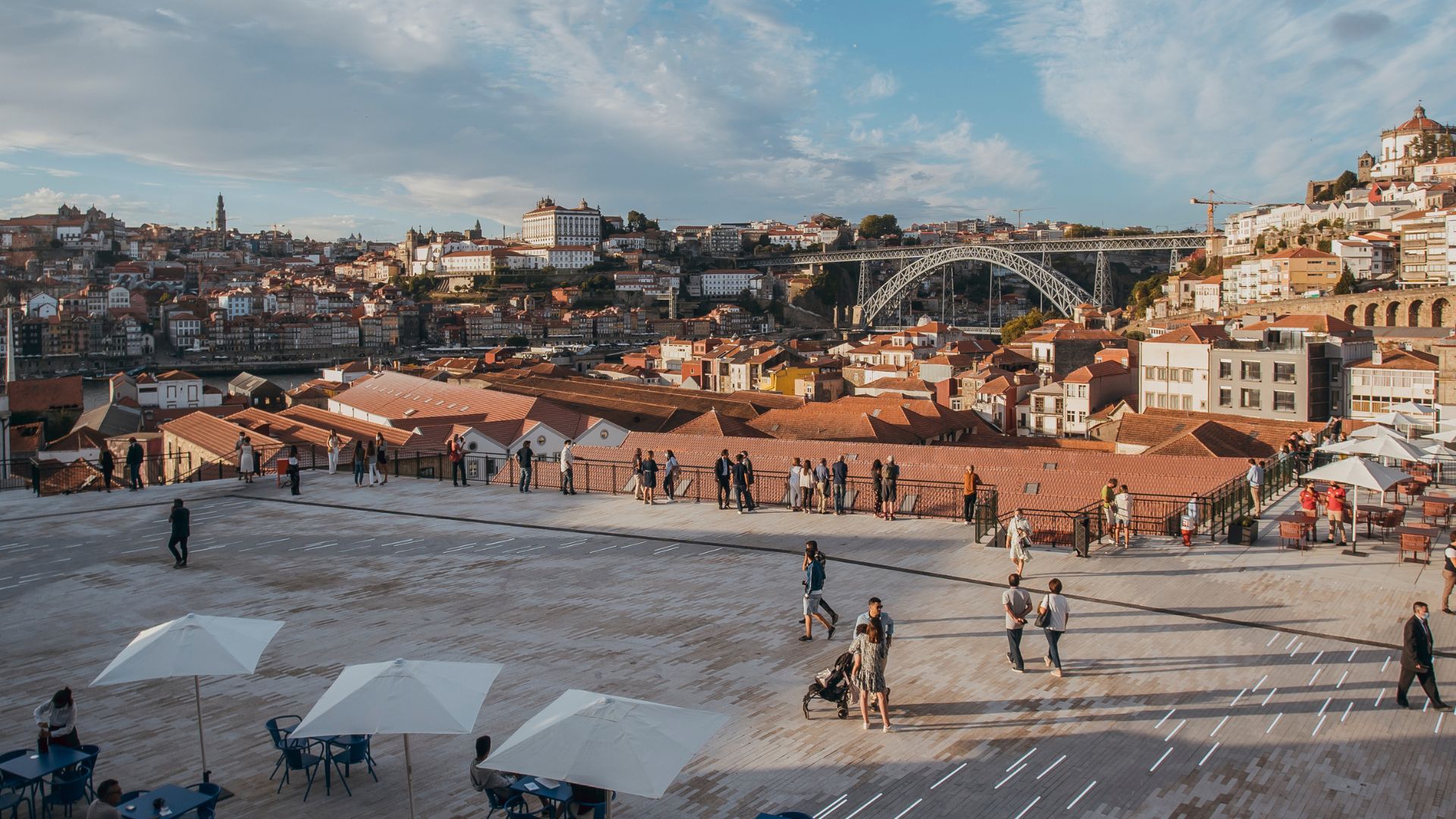
Developed by The Fladgate Partnership, the cultural district occupies 55,000 square metres of construction area, created through the restoration and redevelopment of historic Port wine cellars and warehouses. Its architectural transformation, designed principally by Broadway Malyan, retained elements of the original wooden structures and restored granite masonry while introducing contemporary infrastructure into the steeply sloping site.

The architecture is significant because these buildings are themselves part of the history the district seeks to interpret. Their original industrial purpose remains an important part of their identity, even as their interiors have been adapted for museums, restaurants, shops and exhibition spaces.

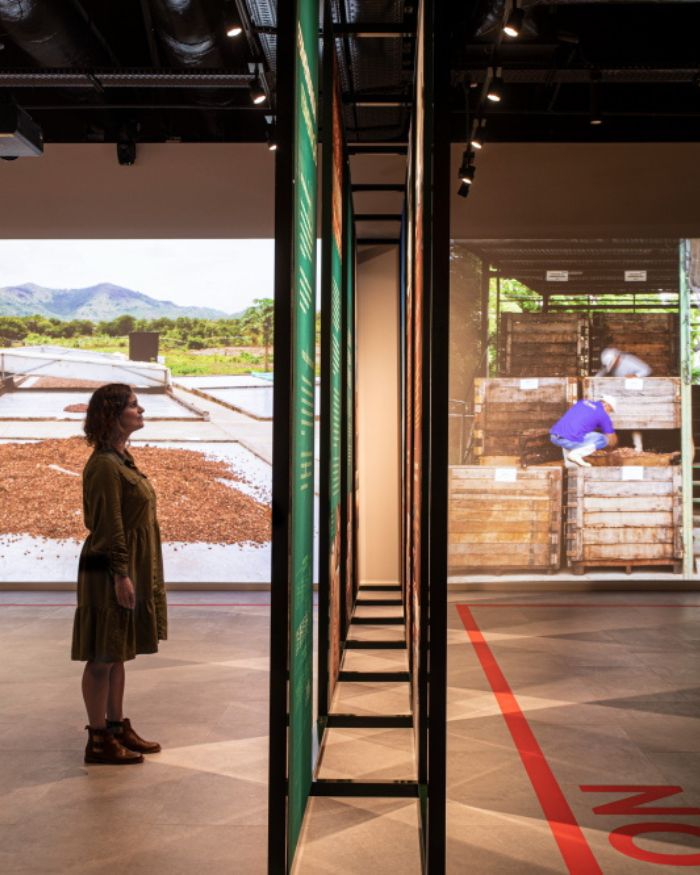
The programming reaches beyond wine into the history of Porto and northern Portugal, the cork industry and the evolution of cocoa and chocolate. At The Chocolate Experience, visitors can even observe an operational factory transforming cocoa beans into chocolate.

Consider the range of subjects gathered within a former complex of wine warehouses: ancient drinking customs, Portuguese viticulture, urban history, industrial materials, cocoa cultivation and chocolate production. Each offers a different entry point into the industries and cultural practices that have shaped the region and its connections with the wider world.

WOW Porto
Photography courtesy of WOW Porto
WOW Porto
Photography courtesy of WOW Porto

What This Says About the Bet

WOW’s significance lies partly in what it has made possible within a historic wine district.

The development has brought museums and contemporary cultural programming into buildings once dedicated to the Port trade. It also offers public squares, restaurants, bars and exhibition spaces, allowing the former warehouses to serve purposes beyond their original industrial function.

Since opening in 2020, WOW has received several forms of recognition, including two National Wine Tourism Awards in 2023 for Art and Culture and Innovation and Technology, followed by the Best Urban Wine Tourism award in 2024. According to its press materials, the project has employed more than 400 people to date.

These achievements establish the scale and cultural recognition of the development, although they do not, by themselves, tell us whether its broader museum strategy has proved commercially successful.

WOW Porto
Photography courtesy of WOW Porto
WOW Porto
Photography courtesy of WOW Porto

What is clear is that WOW has expanded the kinds of stories that can be told in a place so closely identified with one product. The familiar Port cellars remain an essential part of Vila Nova de Gaia’s identity, but the district now also offers visitors an opportunity to examine the history of the city, the science of winemaking and the cultural practices surrounding drinking across civilisations.

Within this larger development, Bridge’s private collection is especially compelling. Its 2,000 objects allow something as commonplace as raising a cup to the lips to become a way of looking at nine millennia of history. And perhaps that is the most interesting connection between the collection and its setting. On a riverbank where the contents of a glass have commanded attention for centuries, WOW has found an equally fascinating story in the vessel itself.

Explore more: WOW Porto

WOW Porto
Photography courtesy of WOW Porto
SHARE THIS ARTICLE

You May Also Like

Watch

No results found.