
Since the late 2000s, the global design calendar has grown considerably, with at least 22 major events now taking place across every populated continent. Several entries outside the traditional Western design circuit have emerged in the past five years alone. Despite this boom, Indian design audiences ask the same question like clockwork: Who are the Indian designers on display?
Take, for instance, the latest design fair that has got people talking. Homo Faber 2026, in its fourth edition, is now open to the public at Fondazione Giorgio Cini in Venice. Given the roster of international master artisans, the artistic direction of Es Devlin and the support of the Michelangelo Foundation, this would be a milestone achievement for global craftsmanship in fair weather. But out of 70 countries represented, when you keep searching for just one, it is a problem.
You could argue there is a hint of poetry — we keep looking for home in a foreign land. Well, the days of one global fair concentrated in Milan are a thing of the past. Indians no longer have to leave the country to discover avant-garde design. Then why do we keep measuring the success of craftspeople, makers or artists when they reach global audiences? Eurocentrism is hard to shake off. It manifests in your gaze and your language, from our obsession with the term “Global South” to what we have come to expect from creatives categorised by geography. Before you attend any world fair, perhaps ask yourself these three questions.
"When Indian makers exhibit their work abroad, it should not automatically be a marker of success but a question of how they stand their ground and adapt to external forces"
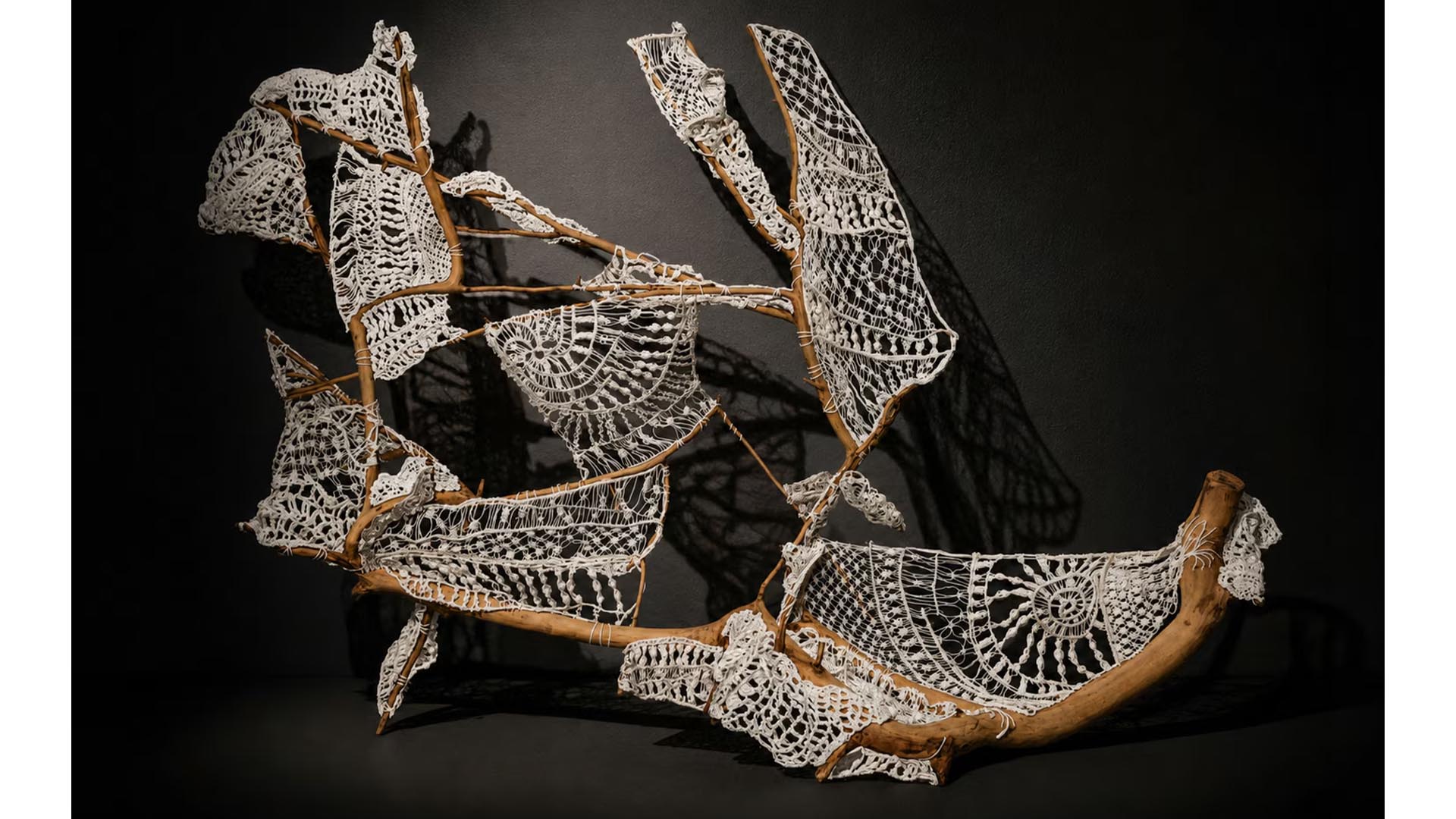
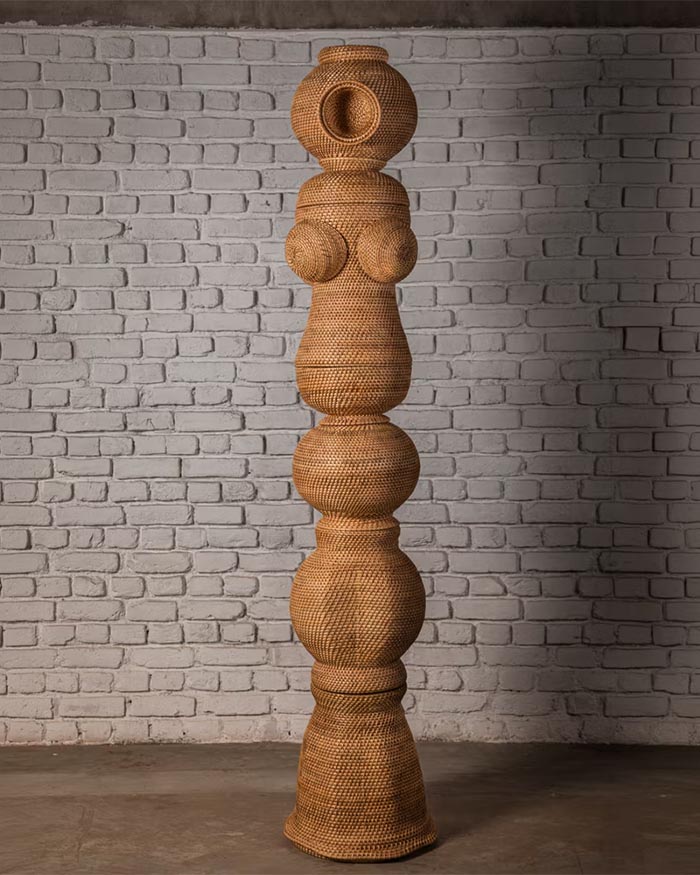
Putting “a country on a map” is a strange but overused compliment. How often do you ask who drew the map? What is its centre? What lies outside its coordinates? In 2008, art historian Partha Mitter coined the term Picasso manqué syndrome, or the tendency to measure non-Western artists according to how successfully they approximate a Western reference (and sometimes, how successfully they match the Western stereotype.) For decades, Indian artistry has been disproportionately understood through craftsmanship alone. On the surface, it seems benign. It tells you that Indian makers possess extraordinary material knowledge and traditions while reserving qualities such as innovation, technology and conceptuality for someone else. If you look at Homo Faber’s 2026 directory of 43 Indian artisans, from furniture makers to paper artists, you cannot deny the intellectual capacity that accompanies the craft. In the installation Mother, We Cut You Down to Sculpt You and Weave You, Ankon Mitra and Shalini Mithal adorn a storm-felled acacia driftwood with paper-twine and raffia macramé. The work questions whether craft can honour nature without consuming it recklessly. Gunjan Gupta displays The Pot is ‘Her’, a sculptural totem crafted by Cane Concept from cane and bamboo. Individually, the elements function as stools and, together, they form a monumental sculpture. She views it as a celebration of the feminine form, exploring ideas of gathering, strength and transformation. This is not to say that the aforementioned examples are the only two to watch out for. However, by highlighting the thinking behind creative work, the gap between artist and artisan could one day be bridged.
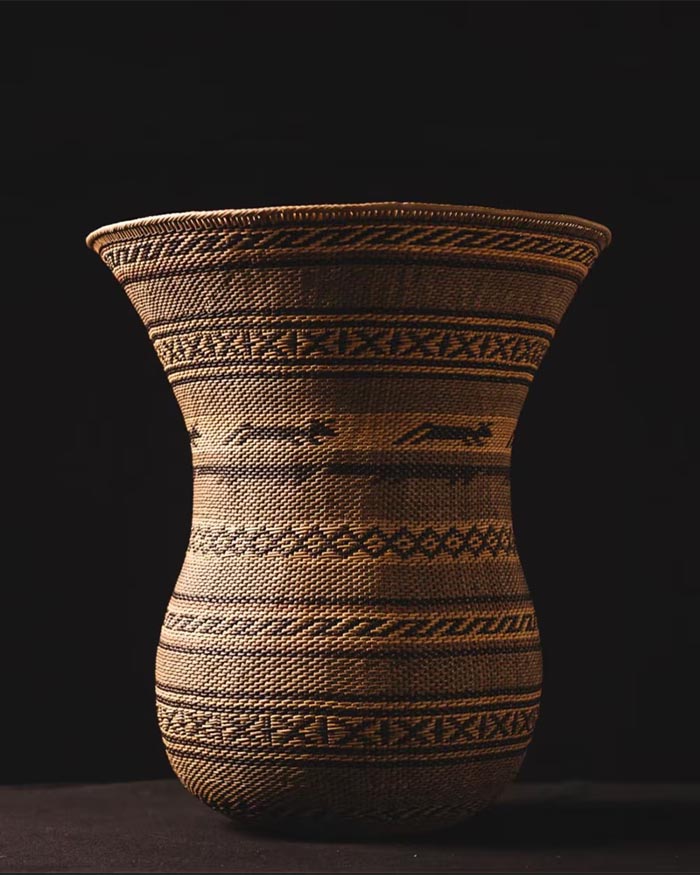
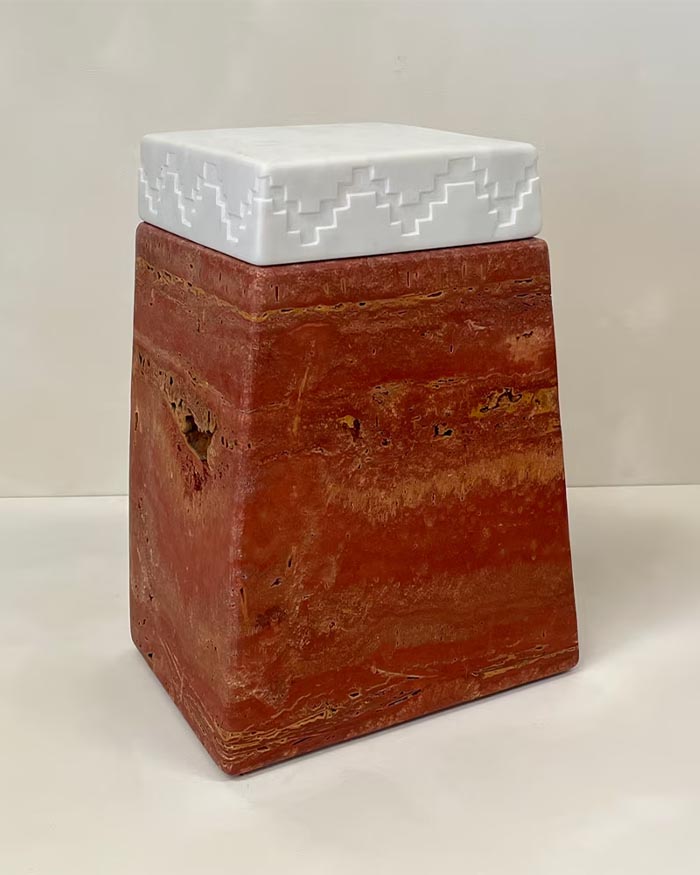
The temptation, when confronted with a Eurocentric system, is to build another terminology for discourse. Enter the dreaded term — Global South. Geography can become a category of confinement just as easily as exclusion. Have you noticed when talking about the “Global South”, the overuse of terms like “ancient”, “traditional” and “timeless”? It is almost as if the other is cast into an earlier temporal world. Consider Dawa Luz Maria Garcia Martinez, founder and active member of the Ye’kwana Women Weavers Association in Venezuela. Her practice of basket weaving does carry generations of knowledge. It would be easy to describe this as ancient knowledge surviving into the present. But Dawa is not a historical artefact. To call something “ancient” can sound reverential while removing it from our own present. It is perhaps why Suimhneas, a stool by Irish stone sculptor Helen O’Connell and Finn Conlon, is an interesting parallel. It is composed of a block of Iranian travertine topped with a Carrara marble cap, carved with a decorative motif. The piece raises the theme of the influence of exoticised cultures on the European Art Deco aesthetic. Homo Faber offers a productive opportunity to look at global cultures on an even plane.
There is a danger in writing this critique: becoming so suspicious of the global stage that we forget why makers enter these spaces in the first place. Visibility can mean commissions. The marketplace is not an unfortunate corruption of craft. It is often the condition under which craft survives. This is also why critiquing authenticity is a tricky subject. The irony is that the marketplace can both sustain making and narrow its possibilities. Say a buyer from England wants the “traditional” Indonesian basket — who decides what traditional means? Would a Chinese or an Indian buyer ever look for “authentic” British craftsmanship — is authenticity only restricted to the previously colonised? When Indian makers exhibit their work abroad, it should not automatically be a marker of success but a question of how they stand their ground and adapt to external forces. These are difficult conversations that can be raised only through commerce, be it at Homo Faber or any other platform. At the next international biennale you attend, be mindful of not just what you see or purchase but how you talk about design. Craft, like language, will inevitably be influenced by culture, but it should do so on its own terms.
The fourth edition of the Homo Faber Biennial takes place from September 1 to 30, 2026 at the Fondazione Giorgio Cini on the island of San Giorgio Maggiore in Venice, Italy.
Explore more in Venice: Indian pichwais now in Marco Polo’s lagoon city?

No results found.