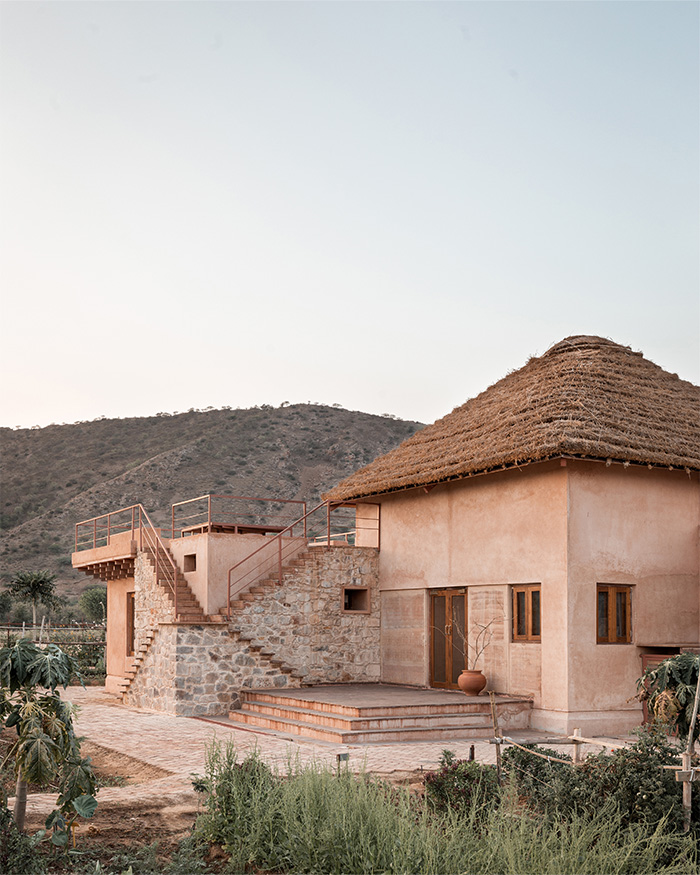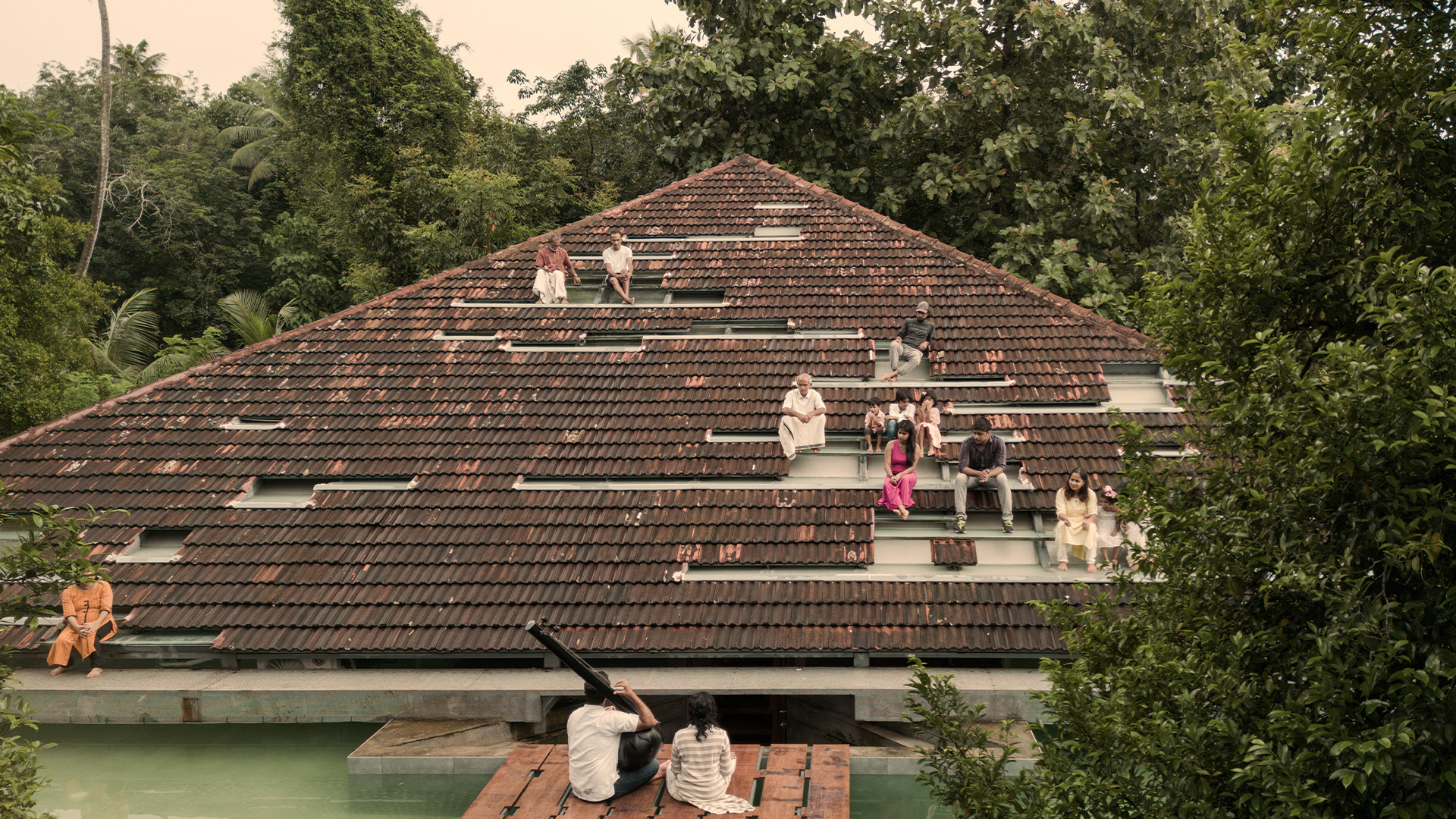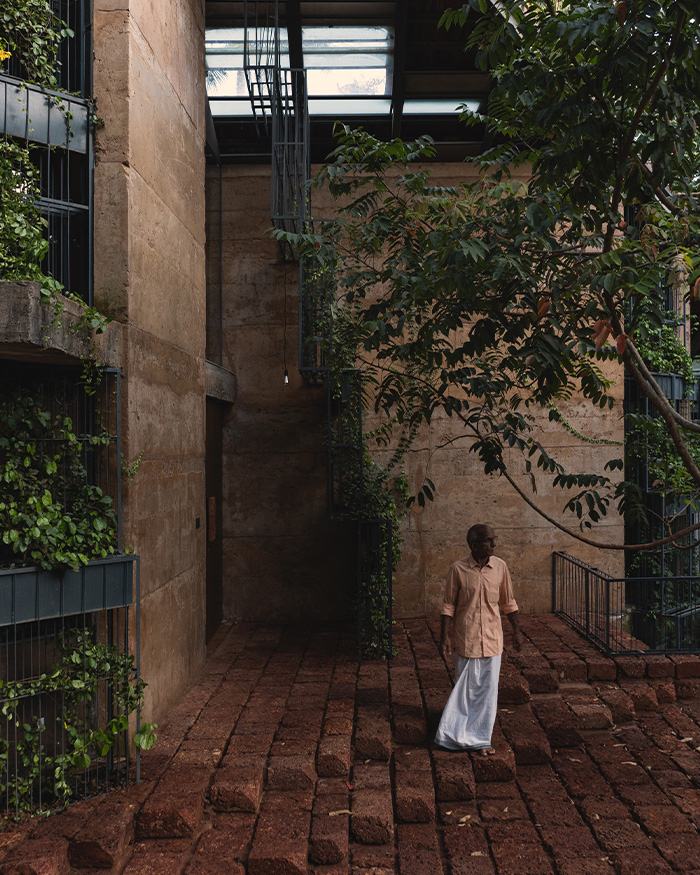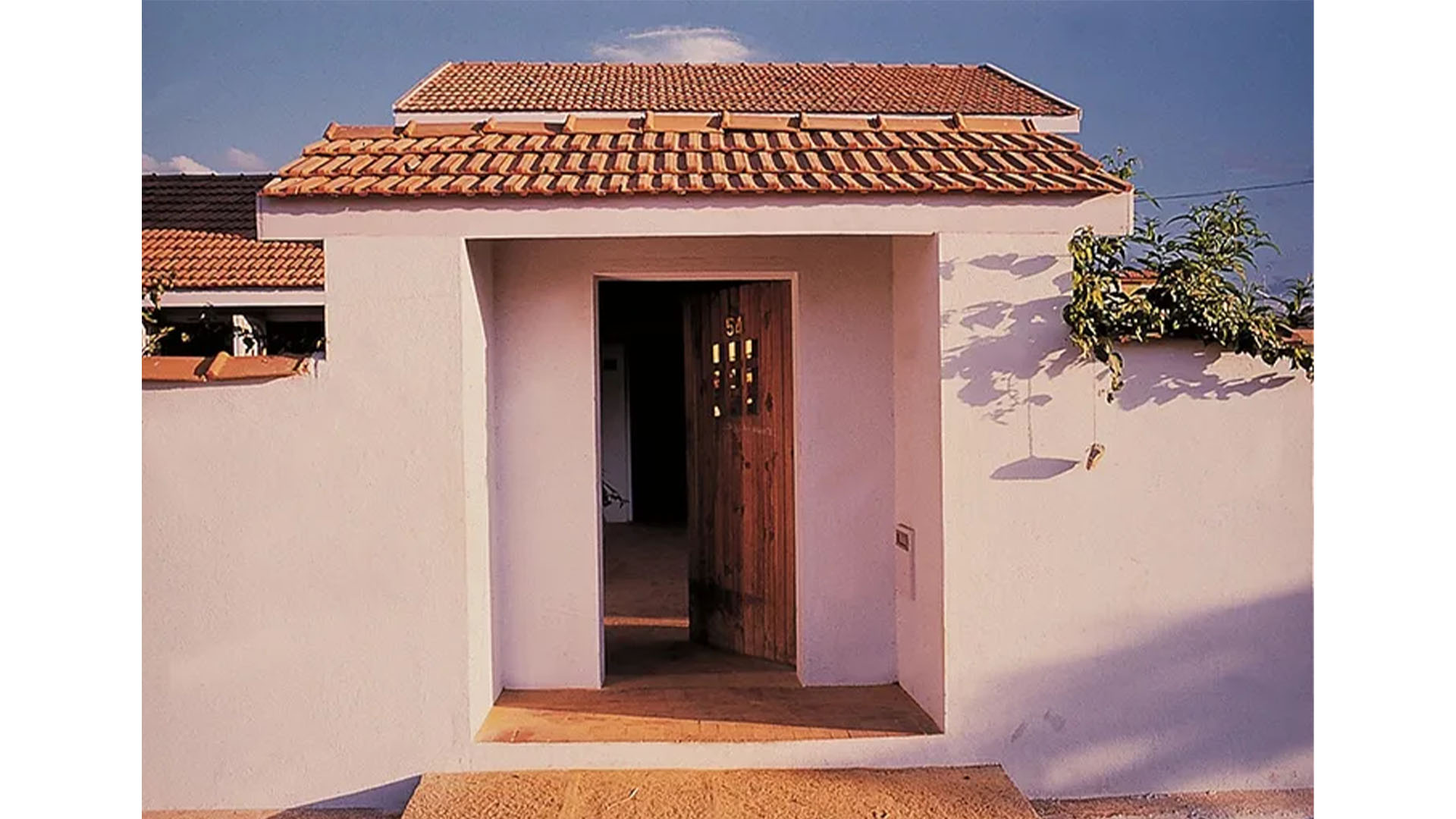
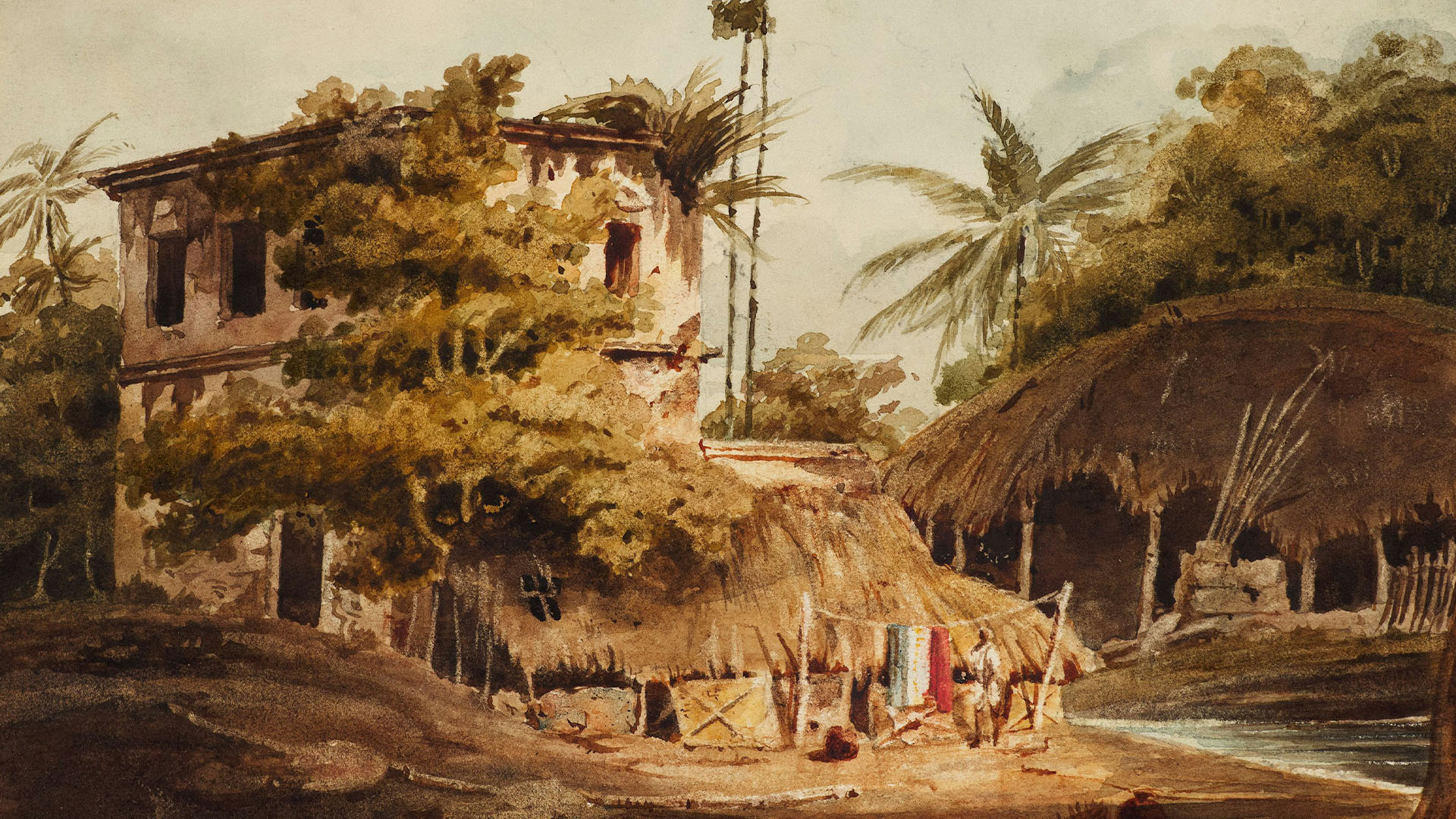
“No speaking in vernacular tongues!” To those of us educated in missionary institutions, this admonition is a deep-rooted memory. A disdain for the word “vernacular” was cultivated by teachers who discouraged the use of local languages in the school hallways. Interestingly, these languages were rarely named individually; they existed instead as a single category defined by their difference from the sanctioned centre of the English language. As the usual colonial schemes go, this flattened centuries of oral histories and identities into a bucket that was the forbidden “other”. Later in life, in architecture school, the term vernacular floated into studios, albeit on a more positive note, as vernacular architecture.
In the eyes of the postmodernist education system, vernacular architecture was the undisputed antithesis of the sterile International style. Yet why was there a residue of the familiar aggregation hidden in this benign concept? Perhaps because radically different building traditions, climatic conditions, materials and social histories were packaged into one neat box. The glaring cause of concern, of course, was not just the collapsing of distinctions but the people behind this action — well-meaning architects, professors and scholars with no malignant intention. While there has been significant progress in the ways we perceive architectural lineage, like the schoolteachers who dismissed their mother tongues in favour of English, popular discourse across the world still fails to see the colonial irony in the language we use. For if vernacular architecture has to exist, so must its antonym: a formal standard of architecture against which all else is measured. The profane and the sacred. The savage and the civilised.
The identification of Rudofsky’s “nonpedigreed” architecture revealed the persistence of a class hierarchy. The language through which these buildings were categorised separated “architecture” from ordinary buildings