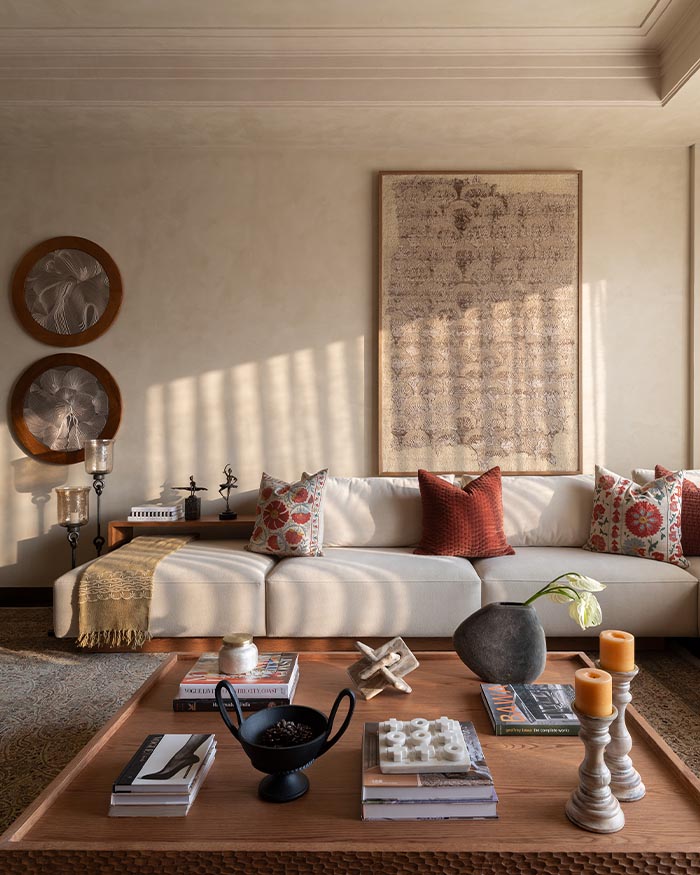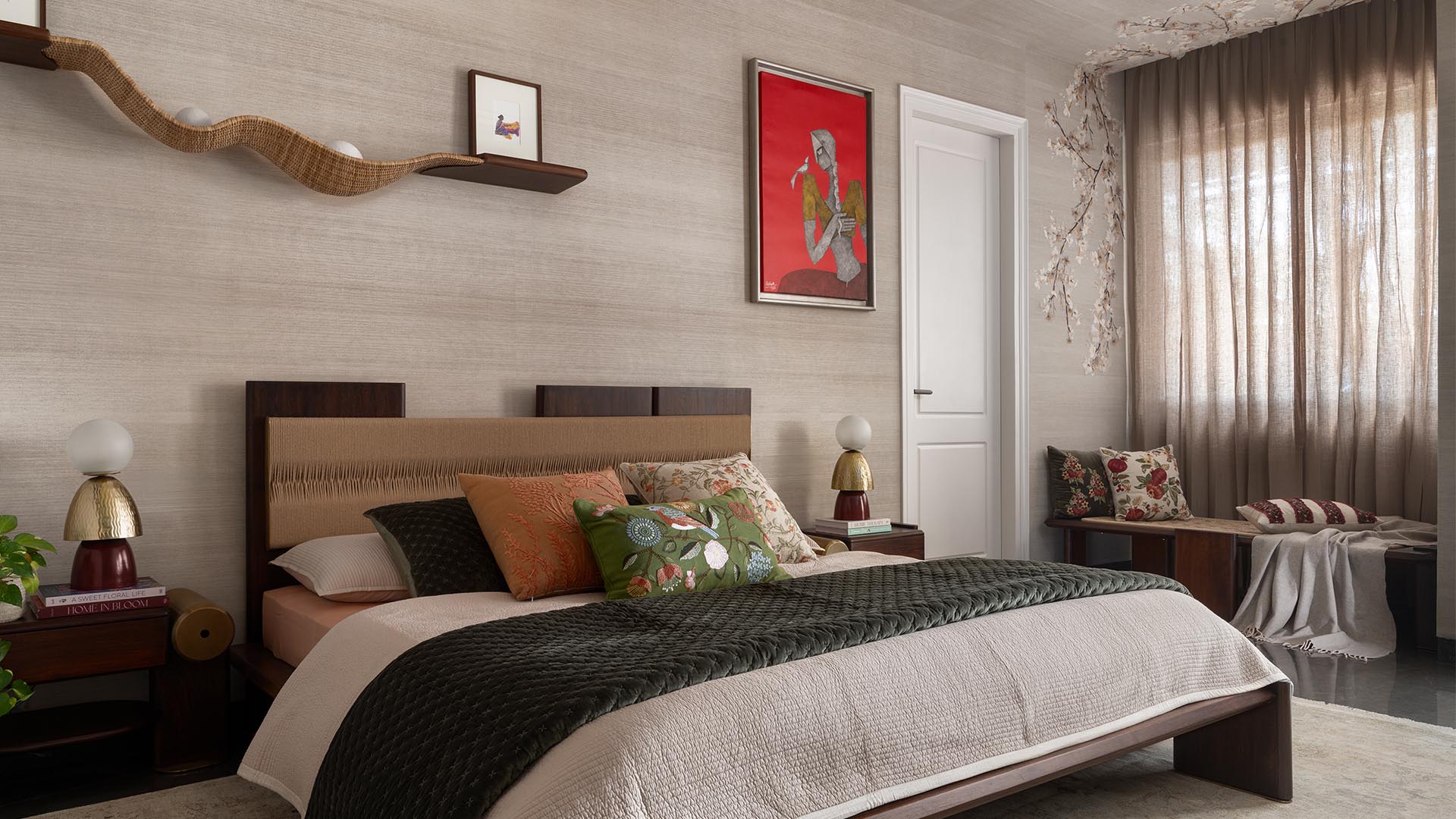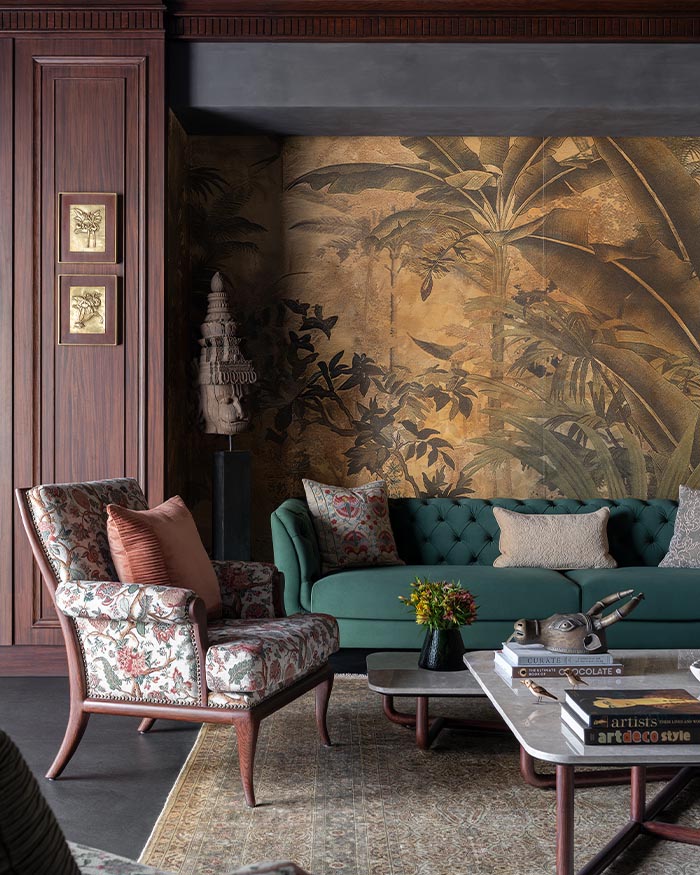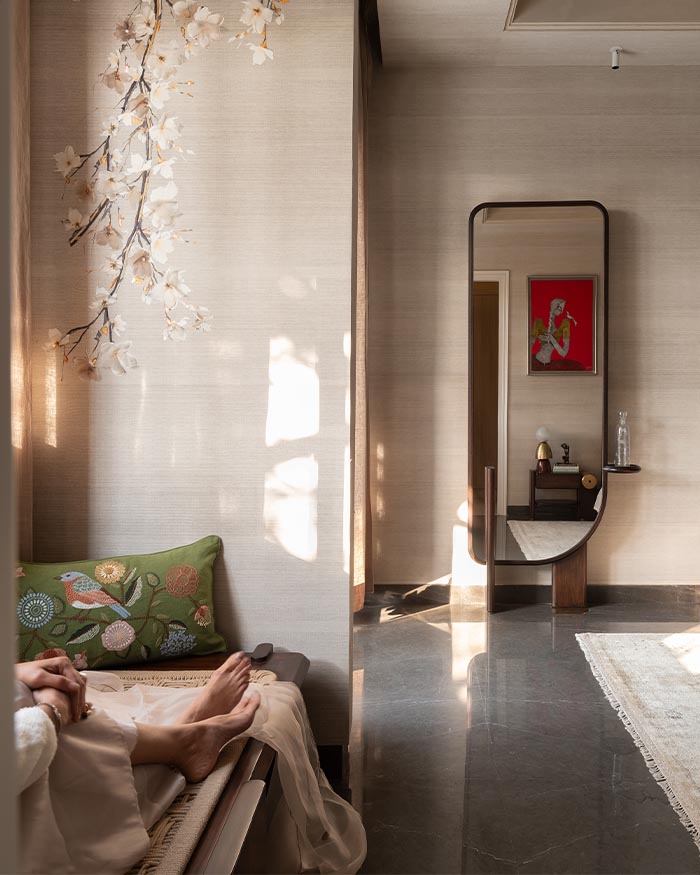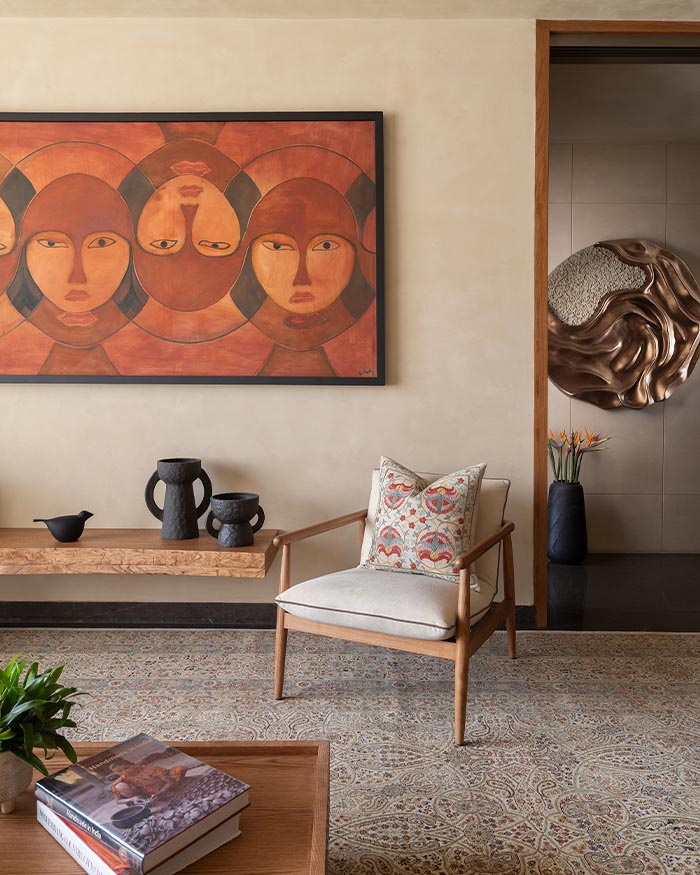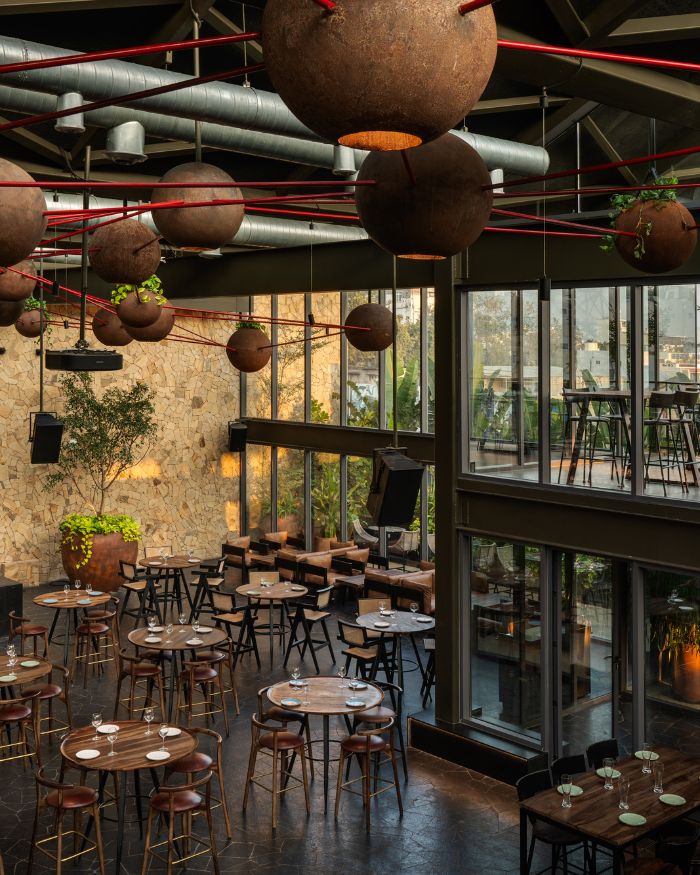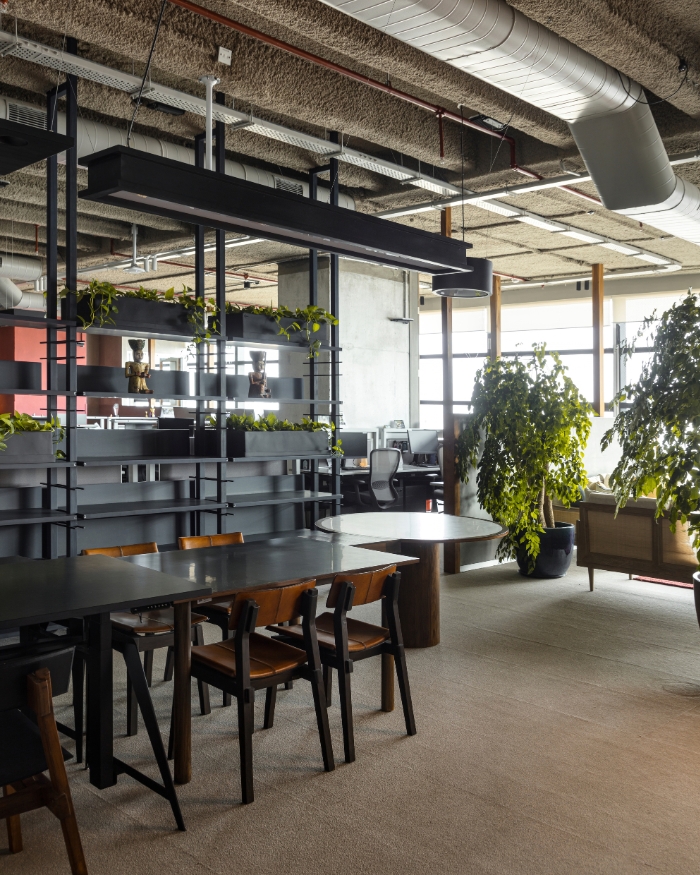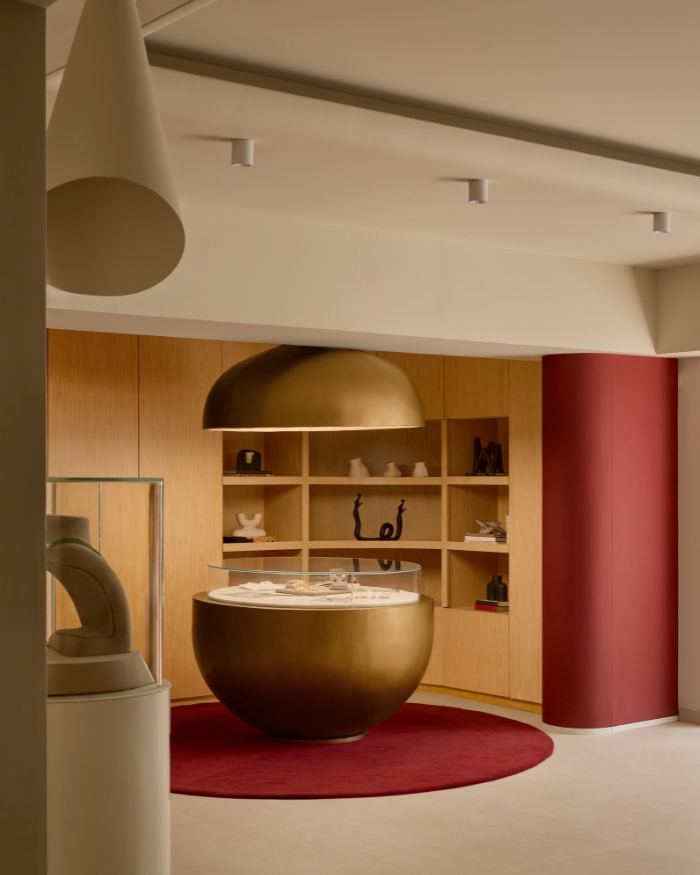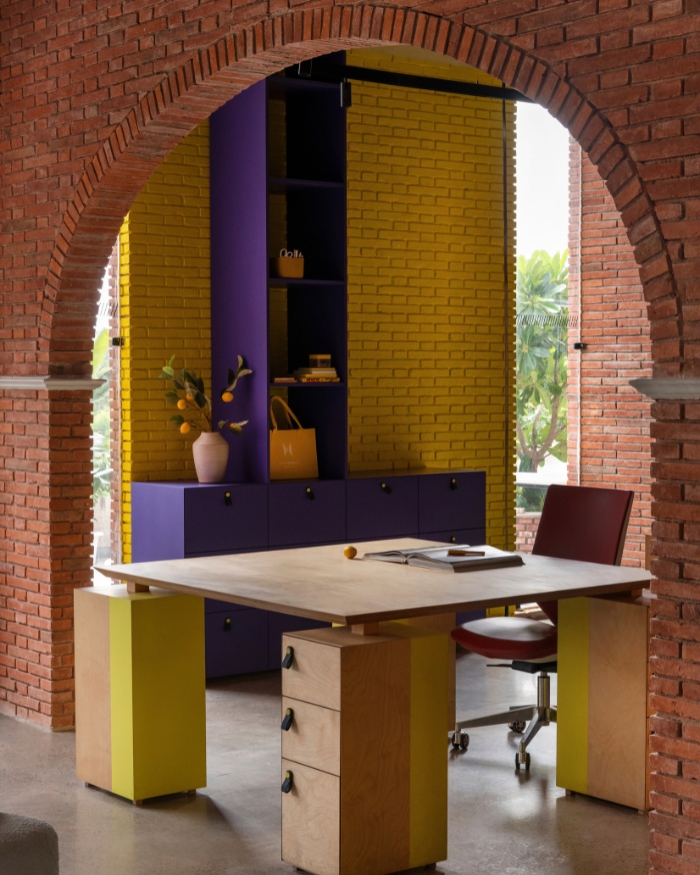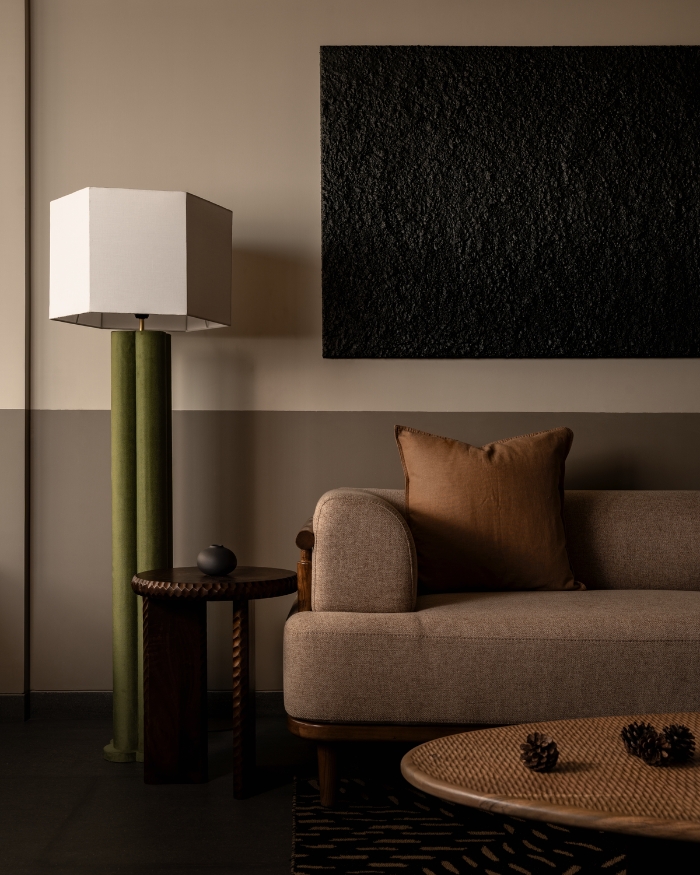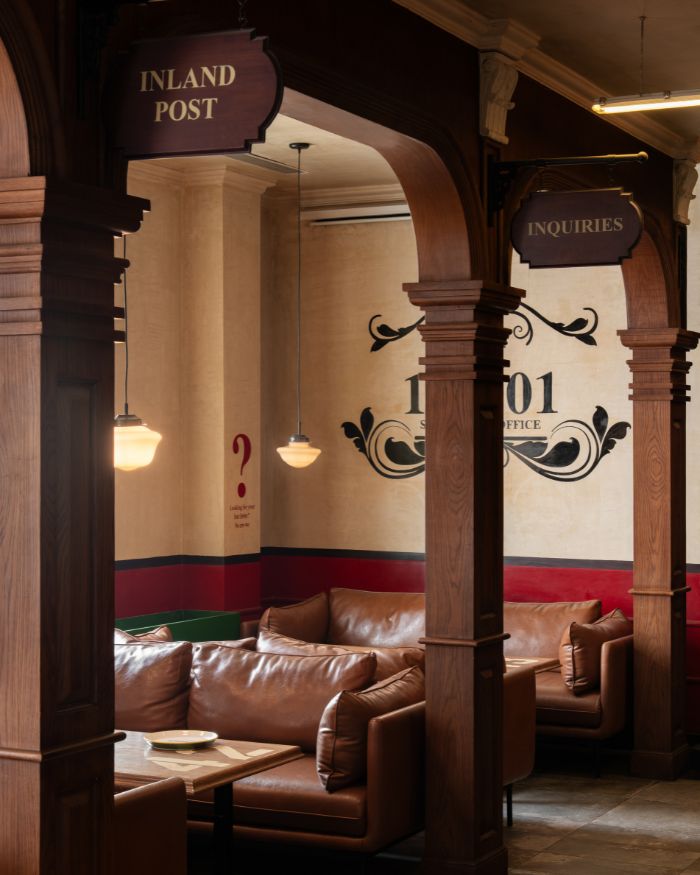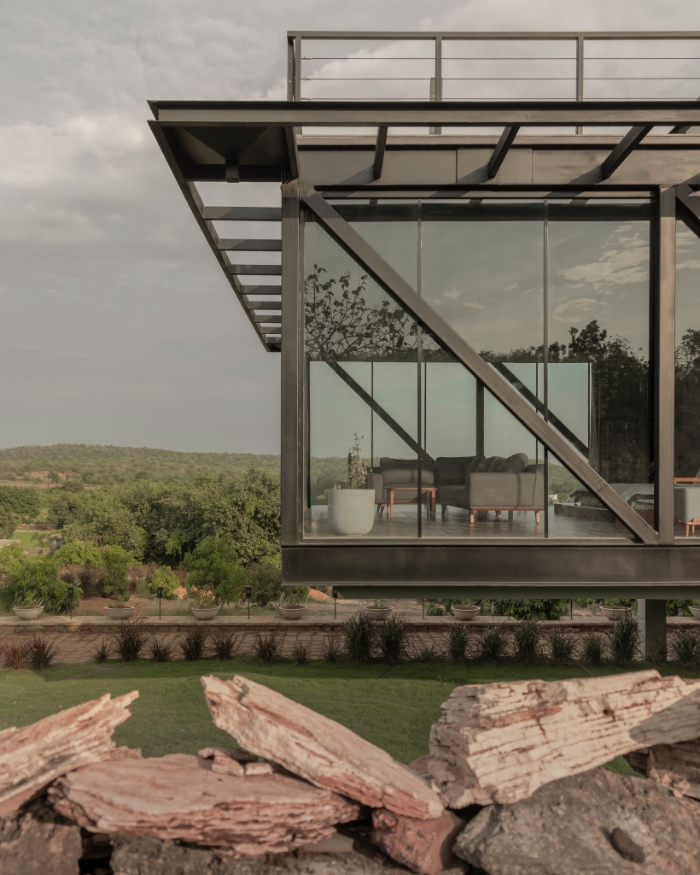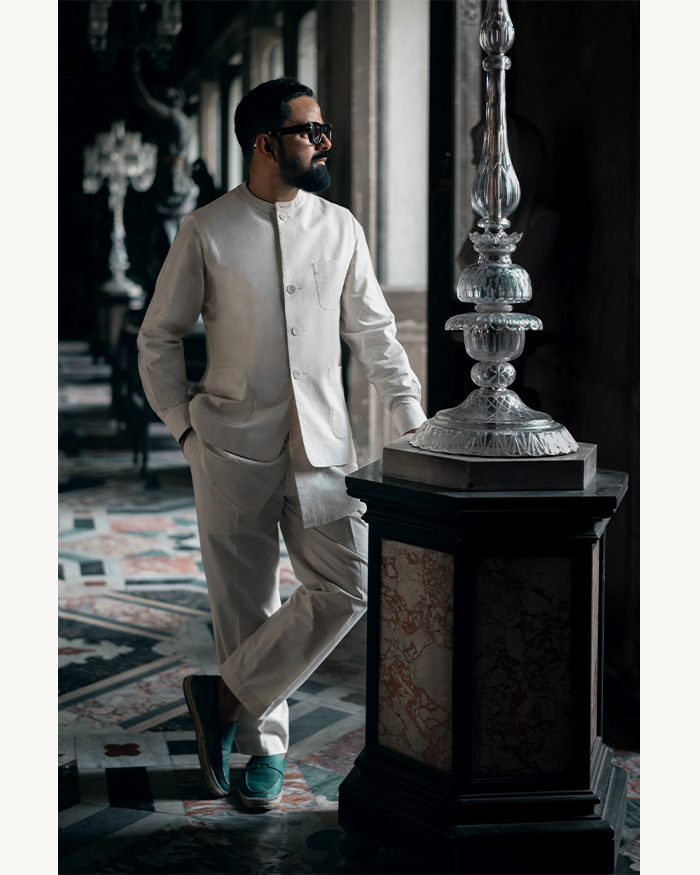
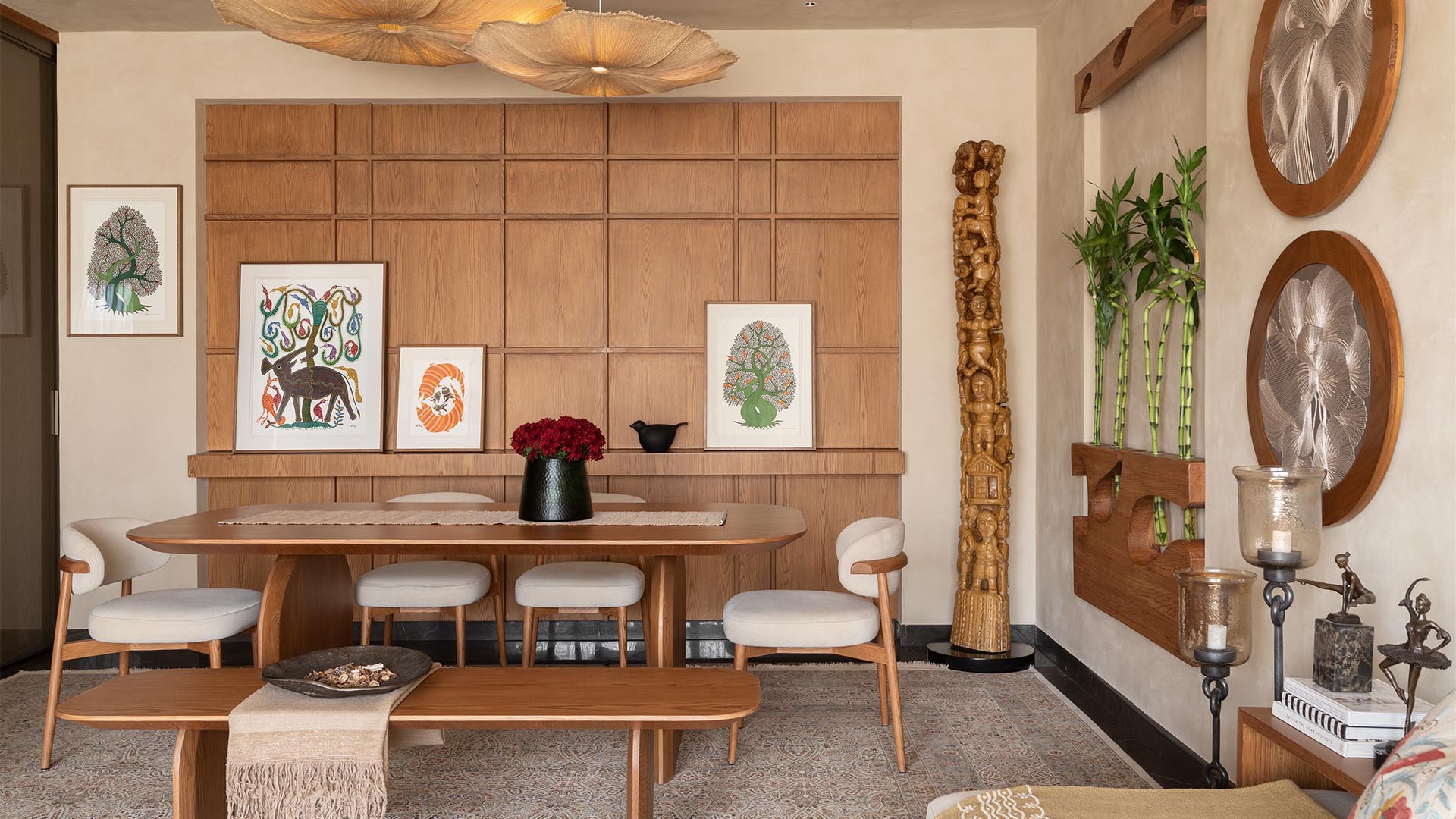
In a city like New Delhi, where design frequently asserts itself as spectacle, the act of furnishing a home has become increasingly mediated by display. Retail, in this context, tends to privilege immediacy through visual shorthand, quick resolution or the illusion of completion. HōmAnAn offers an alternative, but it asks something of you in return: time, attention and a willingness to settle in. You enter, perhaps without intention, and remain longer than anticipated, akin to stopping for a cup of chai or a neighbourly chat before stumbling upon a piece that you cannot imagine parting with.
I was in Delhi briefly, carrying the usual fatigue of transit. And yet, inside HōmAnAn, there was a noticeable softening. Anubha Aneja has shaped the space with the care one reserves for their own home. “Well, it is my home, and you should feel at home here too,” she says, almost in passing. She pays attention to how a room receives you, what your hand instinctively reaches for, and how long you stay without checking the time. It felt, unexpectedly, like being hosted at someone’s well-curated ghar.
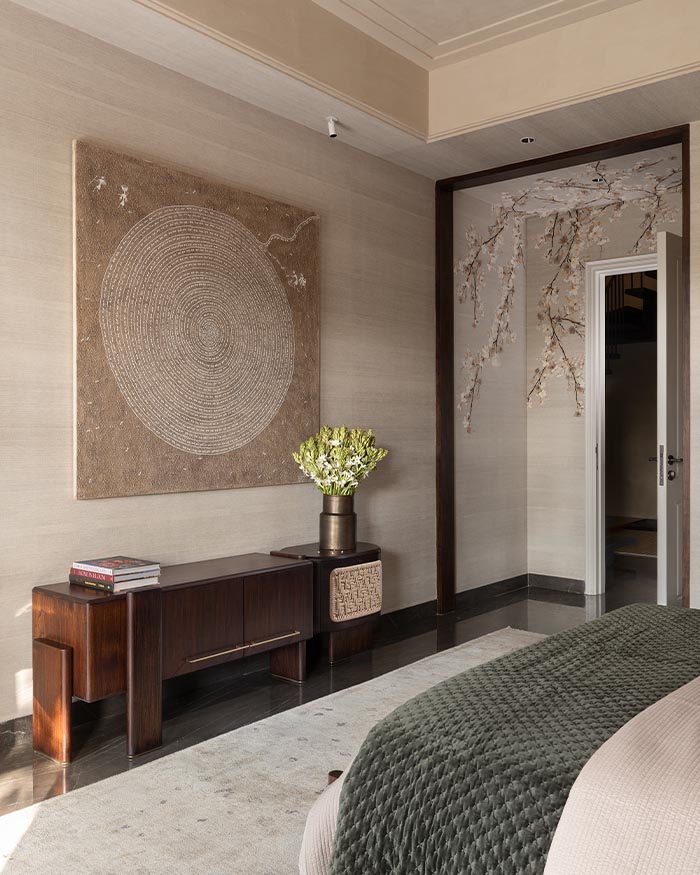
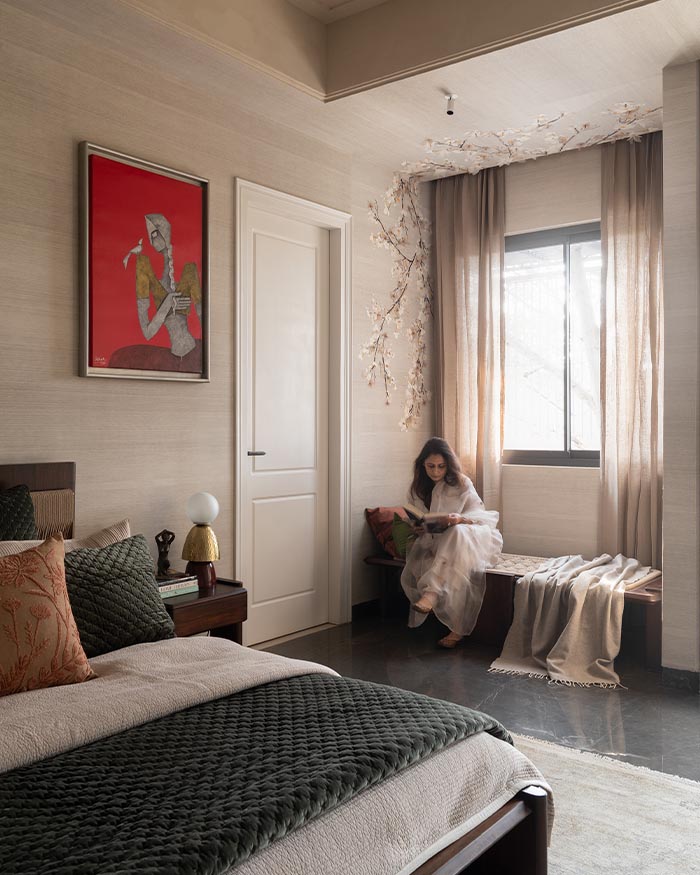
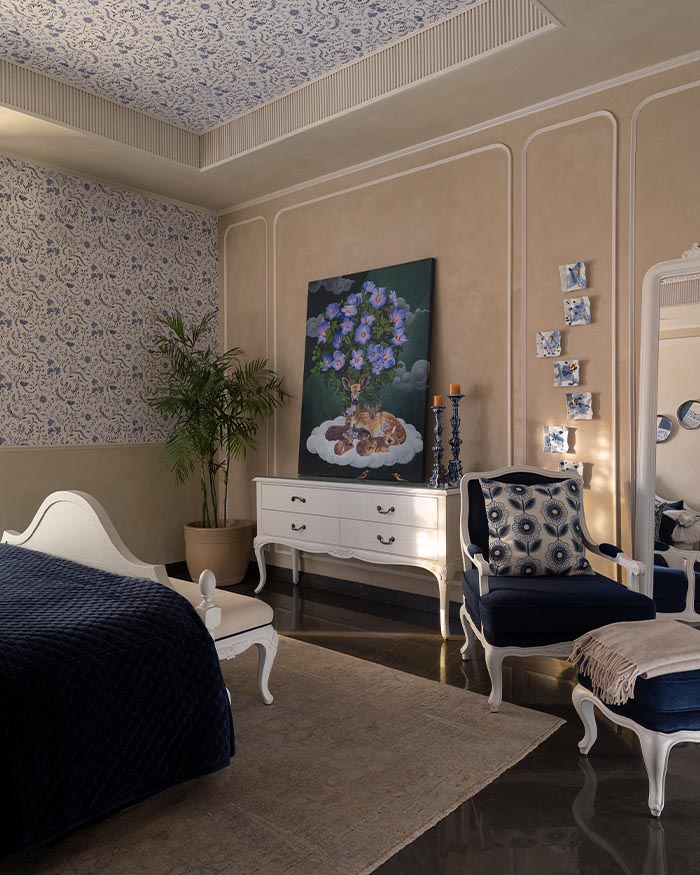
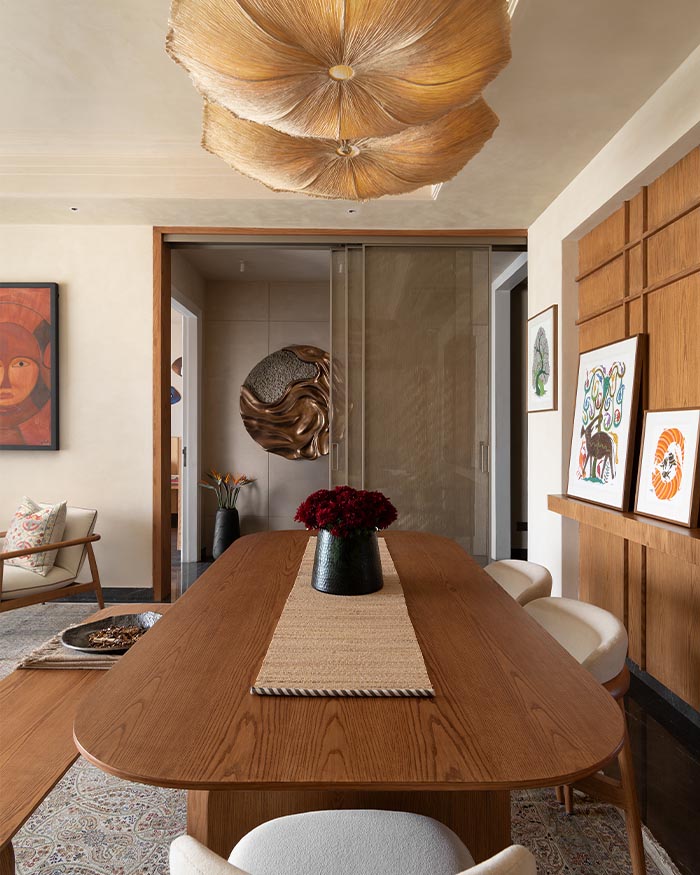
Hospitality becomes the framework behind HōmAnAn. The rooms are composed, certainly, but they are also permissive. Nothing is fixed for effect. You move through living areas, bedrooms, dining spaces, and in-between corners with a growing awareness of how a home gathers itself, through rhythm, through adjacency, through negotiations between objects that coexist. There are over 35 homegrown brands embedded into this environment. Names surface gradually: Sarita Handa, Oorjaa, Jagdish Sutar, Beruru, Anantaya, Keus, UDC, Inherited Arts, Kara Sabi. Each holds its own vocabulary of material and making. Many do not have a standalone retail presence in the city. Here, they fold into a larger composition of furniture, lighting, textiles and objects. You read them individually but you also absorb them as atmosphere.
"It is my home, and you should feel at home here too"
Anubha Aneja