
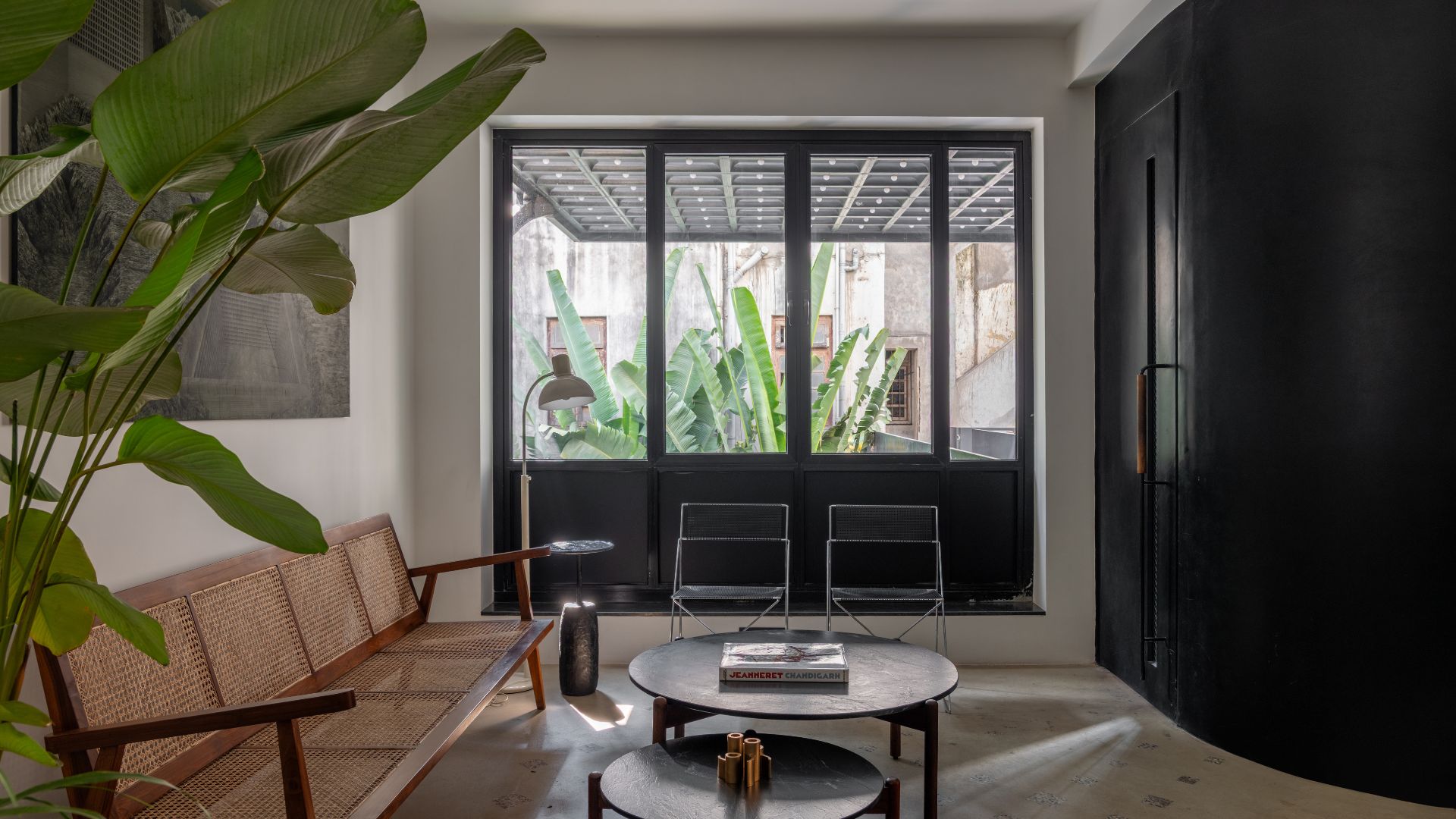
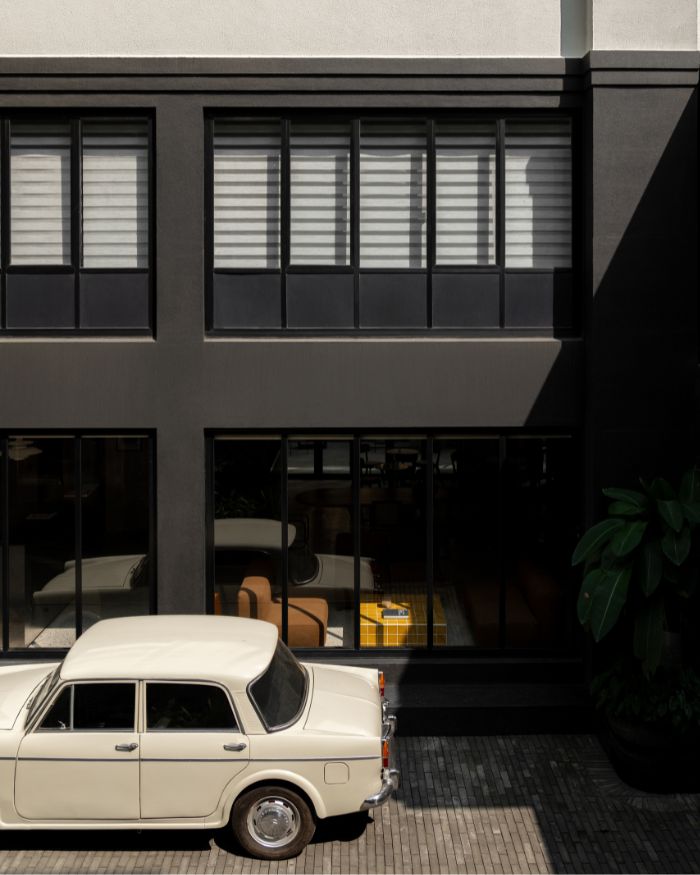
Long before they became a nexus for social circles, private members clubs emerged in 17th-century Europe, as exclusive enclaves, functioning as closed social ecosystems, shaped by routine and shared interests. Fast forward to now, while the gates have widened, the appeal of spaces built around community and connection still holds strong. At Wellesley Hotel, Pune, this idea is revisited. Located along Connaught Road in Camp, a military cantonment established in 1817, this hotel reinterprets mid-century buildings as a contemporary, club-style retreat.
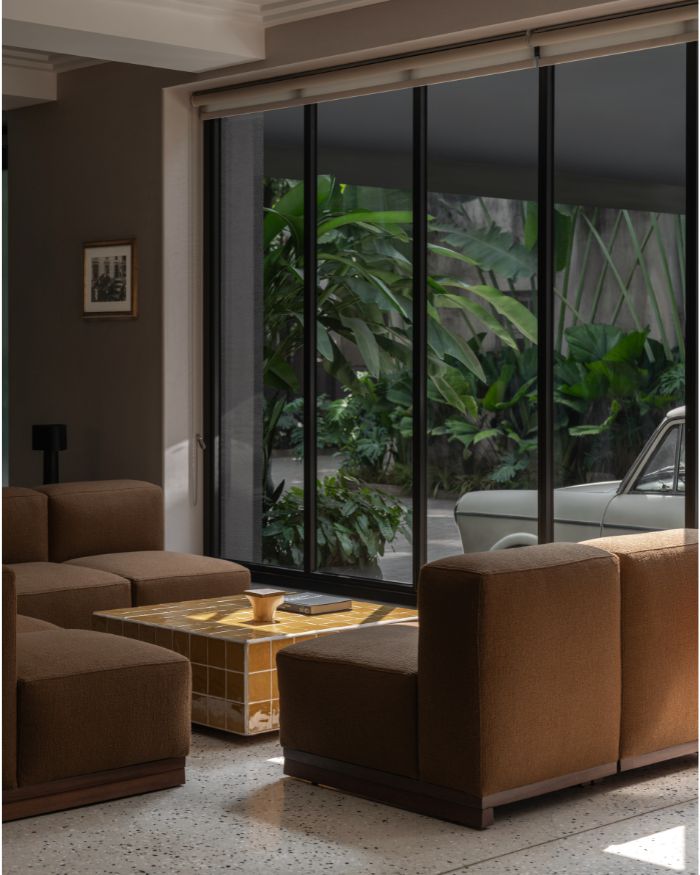
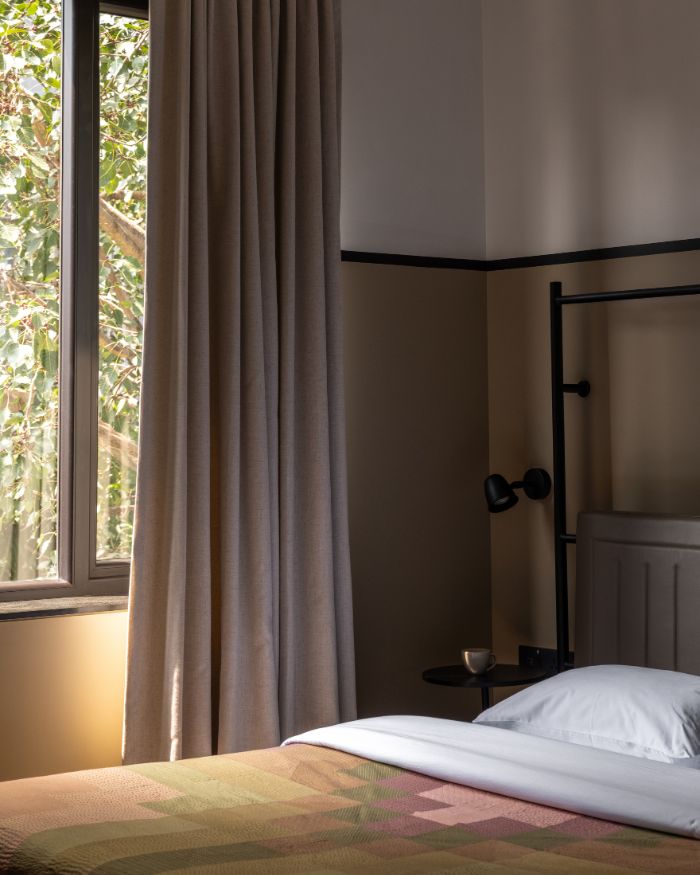
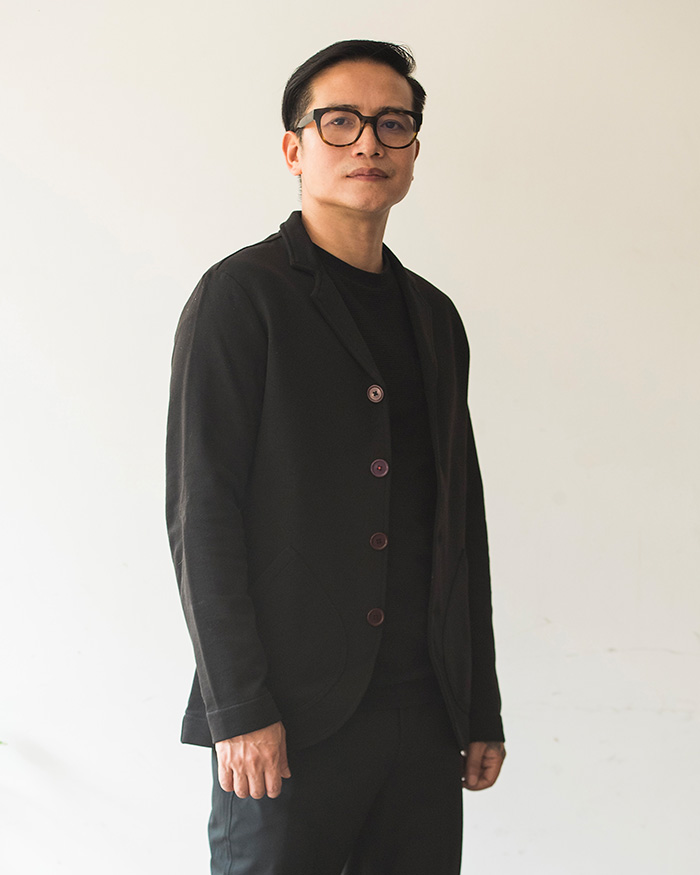
The hotel’s design is orchestrated through architectural detailing by architect Atul Kulkarni, interiors and restoration by Studio Cavansight, and landscape architecture by Pehr Jeswani. Much like the old colonial-era clubs, conviviality here settles in through the atmosphere; light spills in through tall windows, greenery presses against glass and corridors open into one another—drawing people inward.
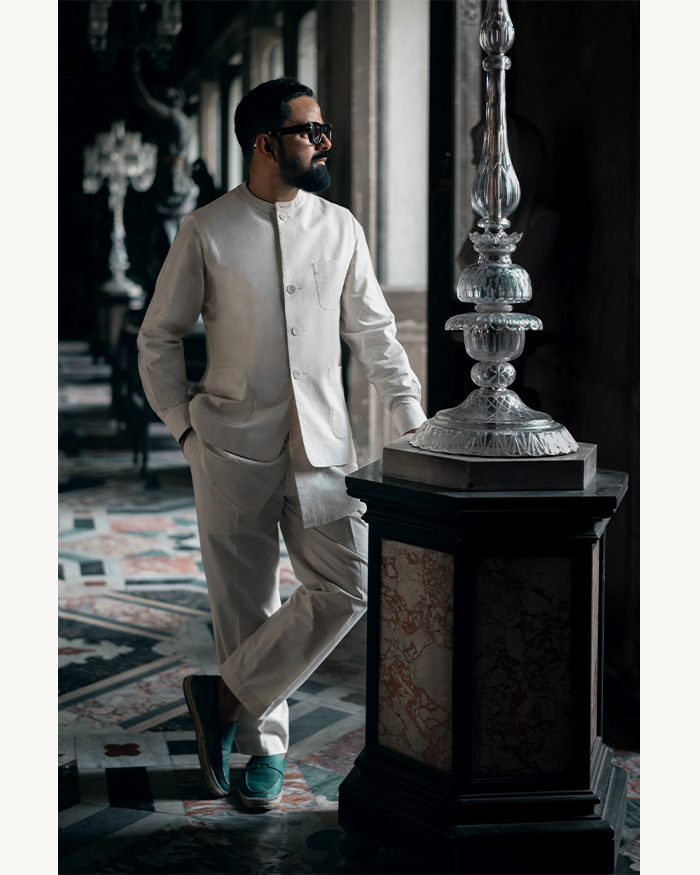
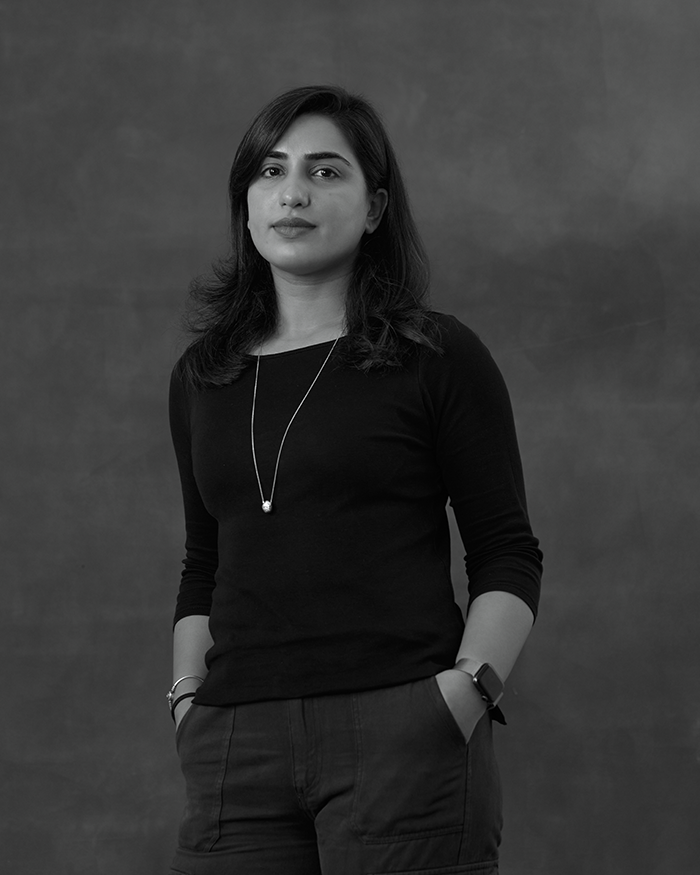
"Wellesley also hosts ongoing art residencies for young artists. This allows the building to function as a platform for creative practice and makes the art within the hotel more interactive rather than static"
Roshan Talera
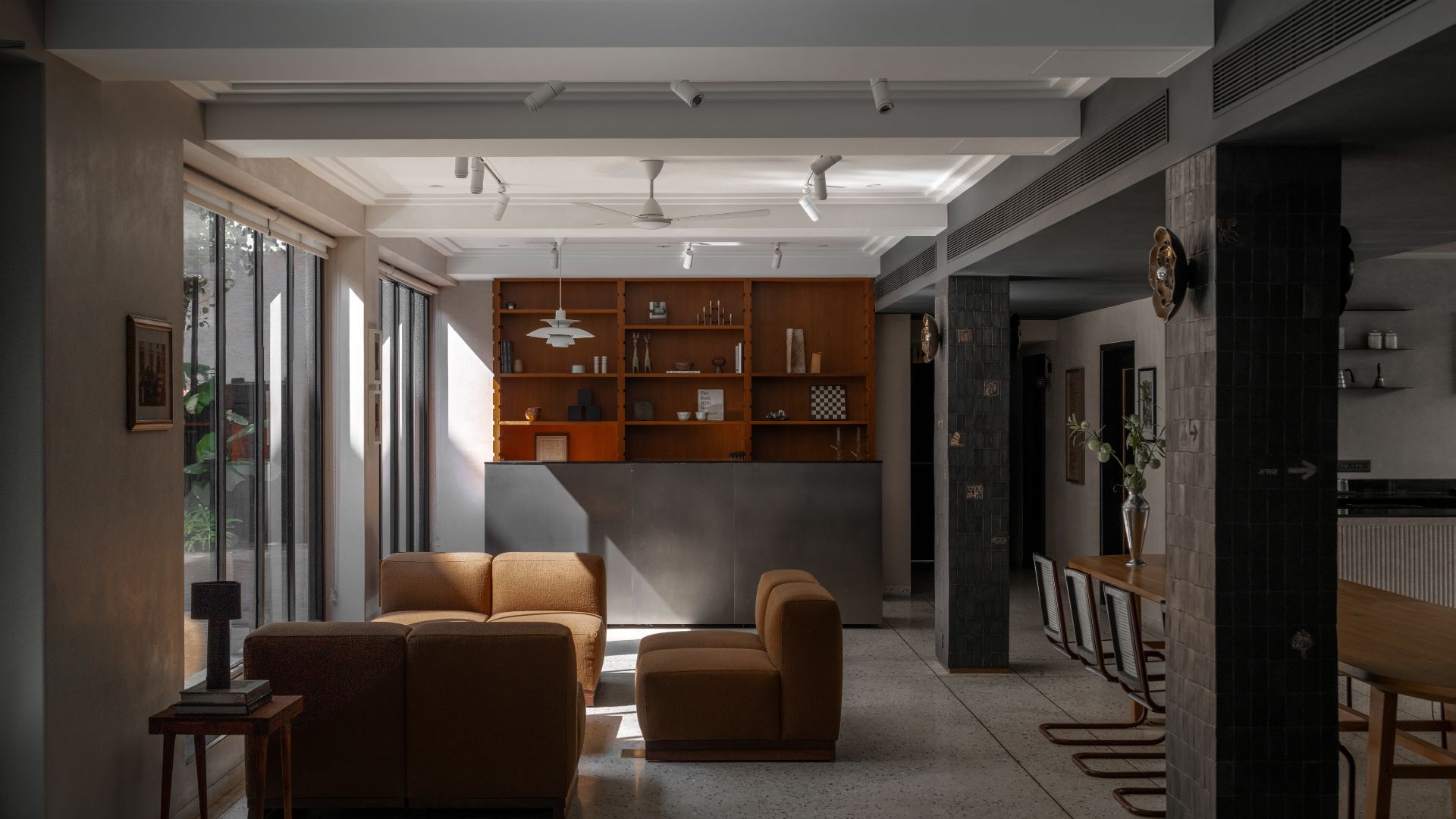
It seems that perhaps the older generation had a different formula for socialisation. This hotel draws on the palimpsestic history of Camp’s social architecture—spaces like Poona Club, Residency Club and RSI Club. Here, time was measured in recurring rituals, tea in familiar corners, long lunches, community reading halls and sports. These clubs functioned as social extensions of home. Spanning 10,740 sq ft, this hotel is a four-storey refurbishment by Headlight Design that reinterprets this underlying ethos. The common areas are designed to pull people and spark conversation, even among strangers.
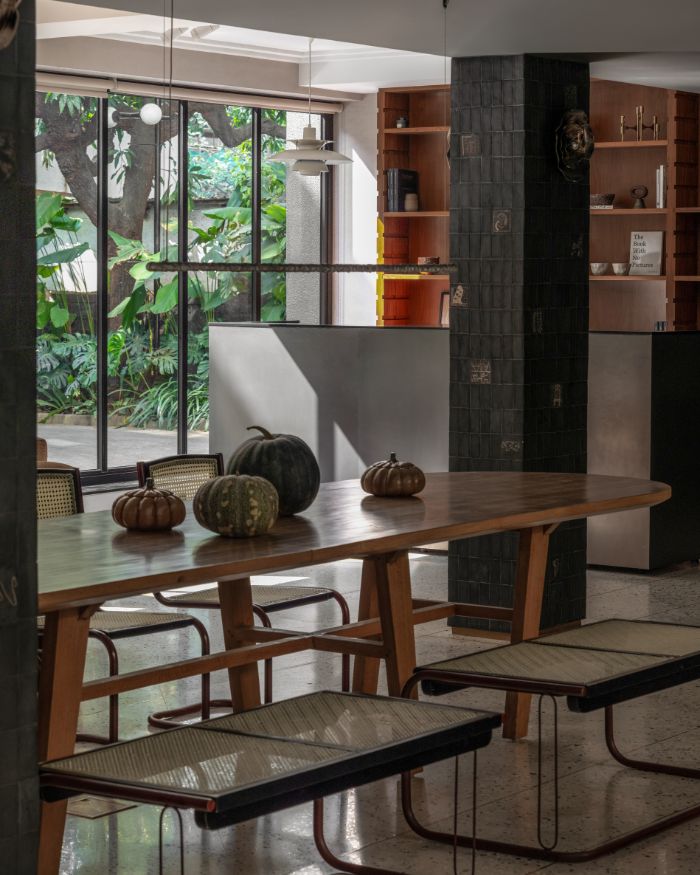
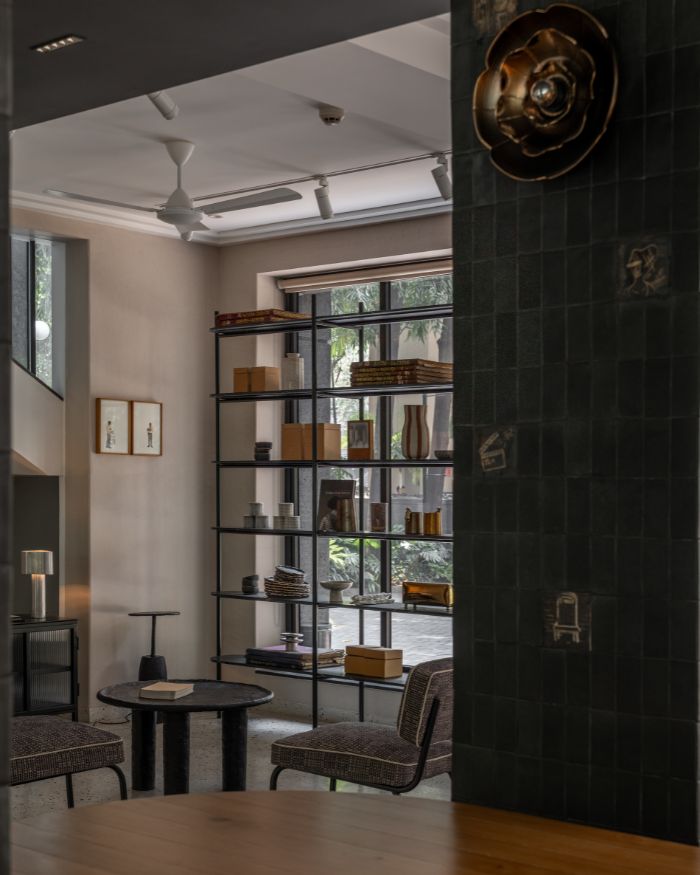
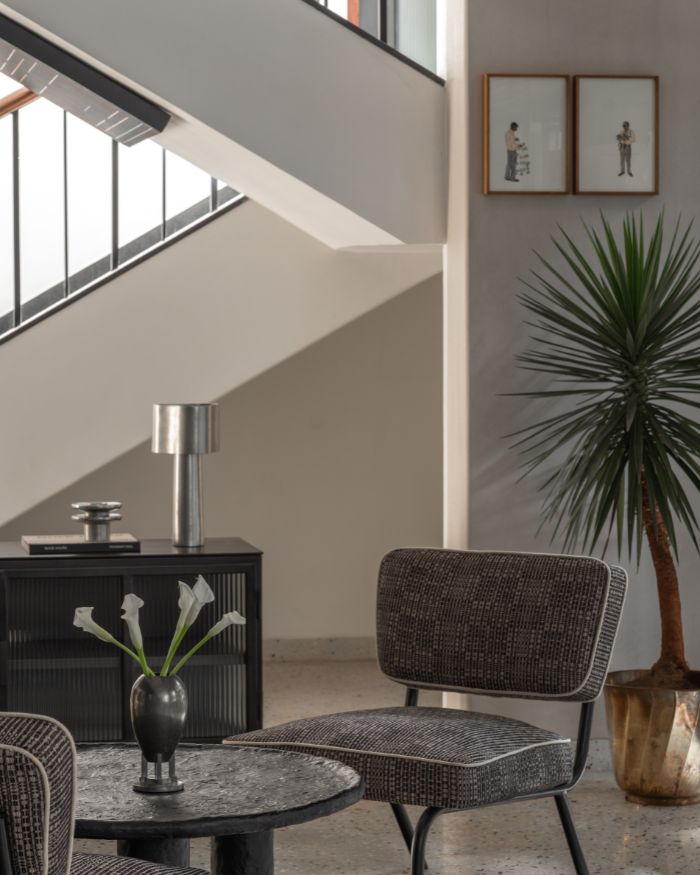
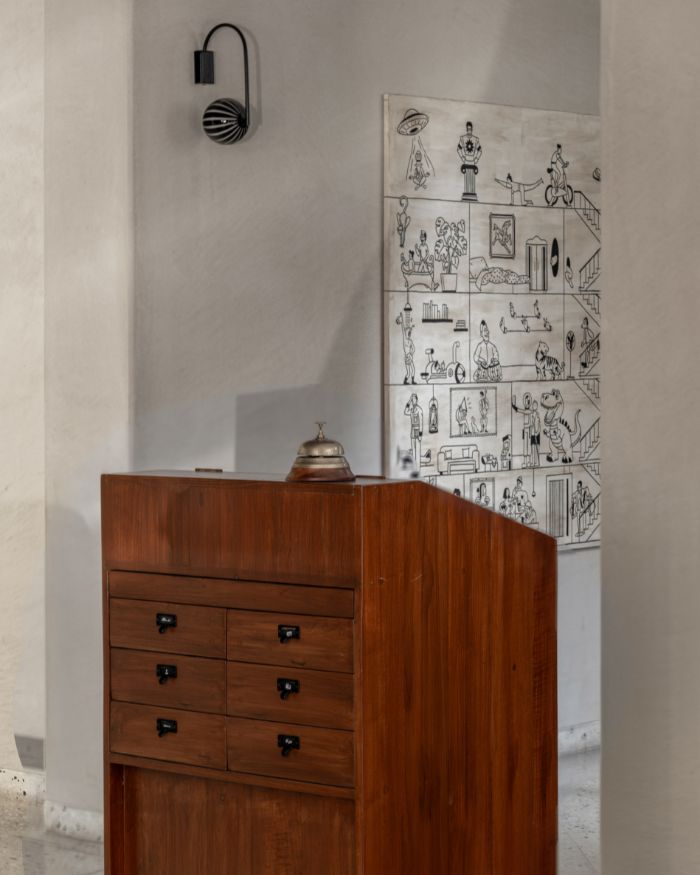
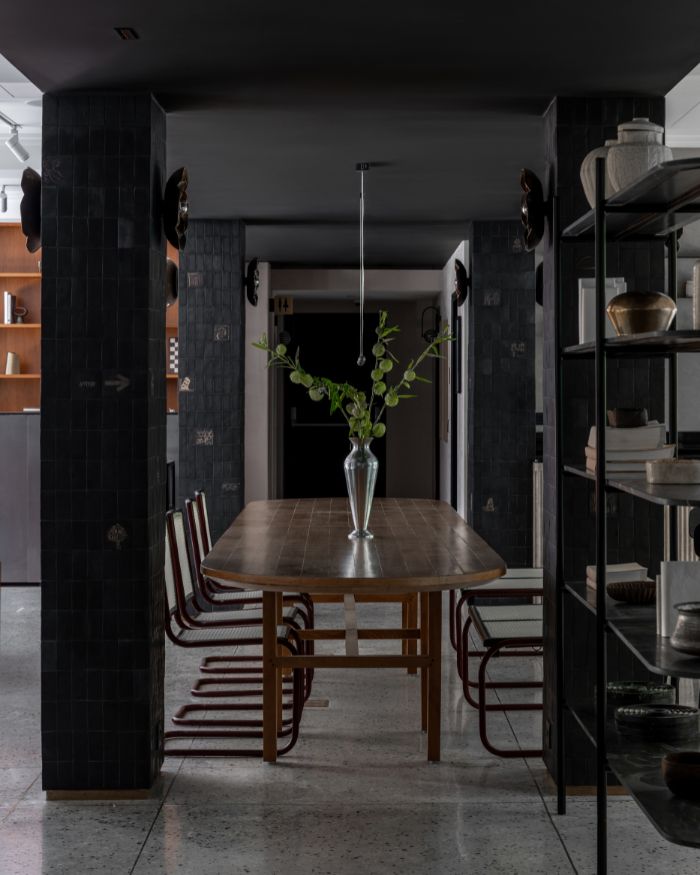
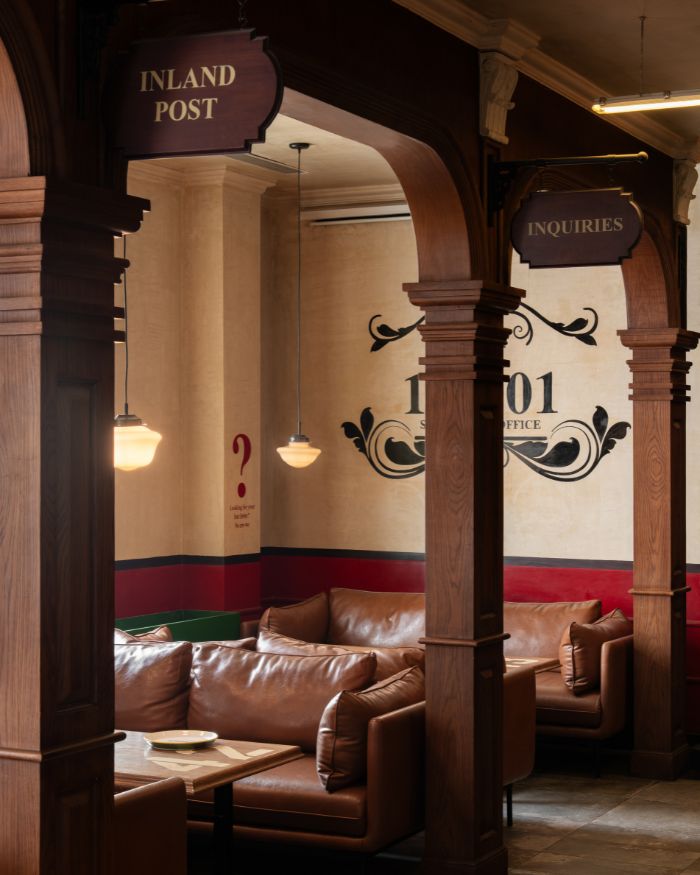
At the heart of it sits the lobby, not like the formal reception area, but a space that feels like a living room. Its distinguishing trait is the long shared table, creating a setting where even a solo traveller could find companionship. Four structural columns wrapped in Zellij tiles carry incised traces left behind by artists, makers and the people who built the space, turning architecture into an archive of community.
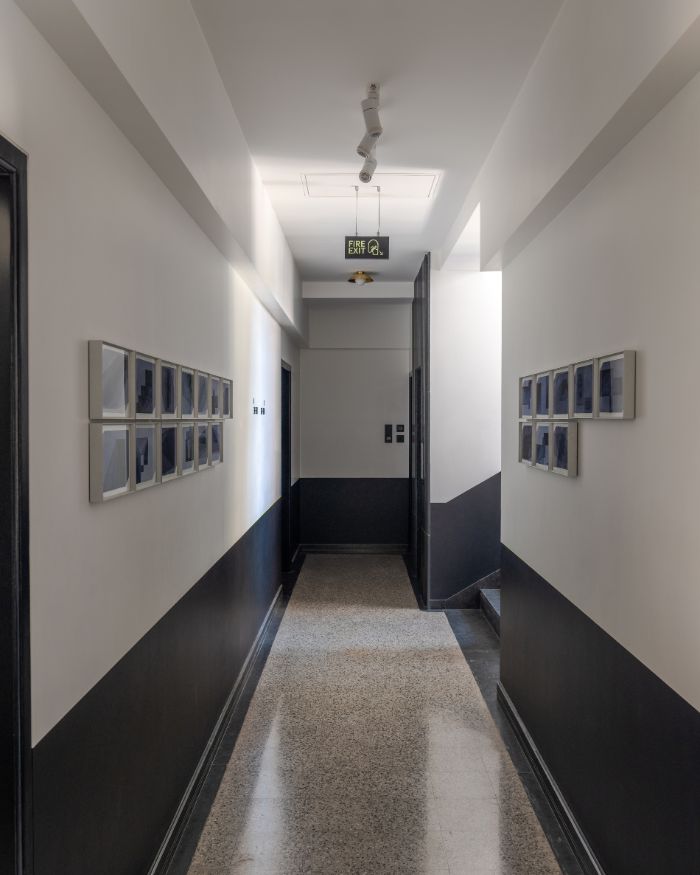
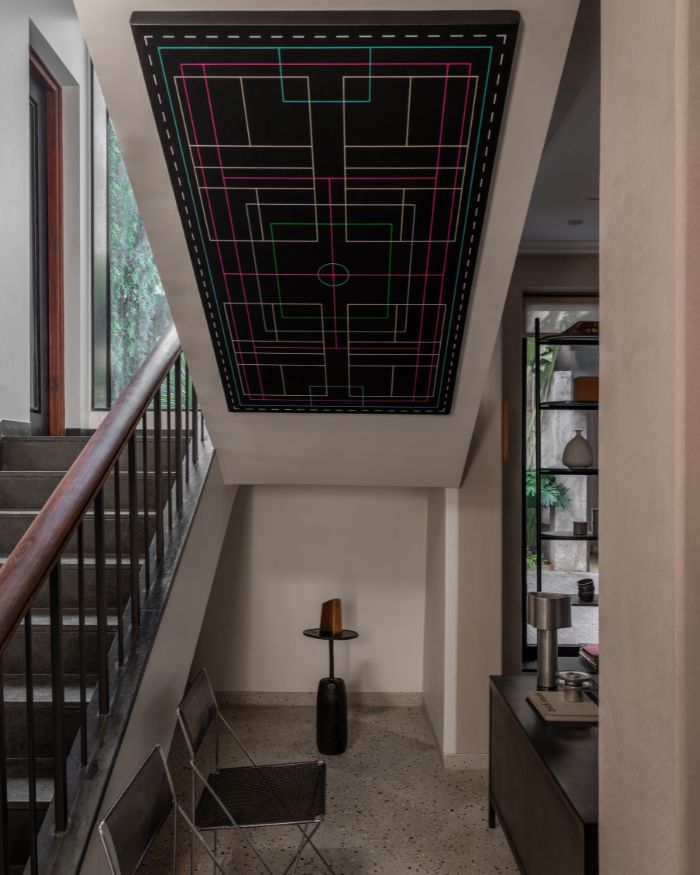
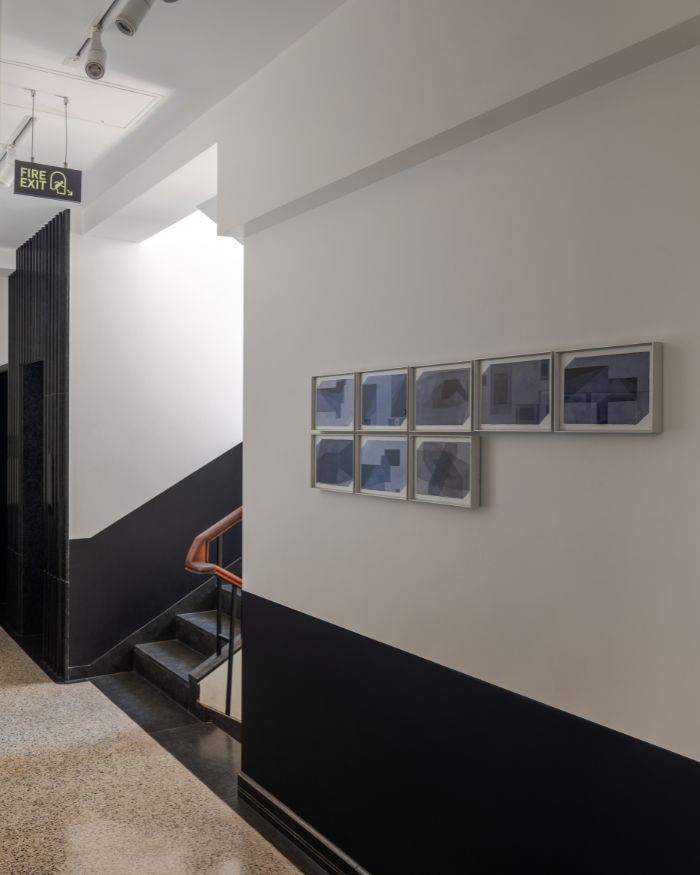
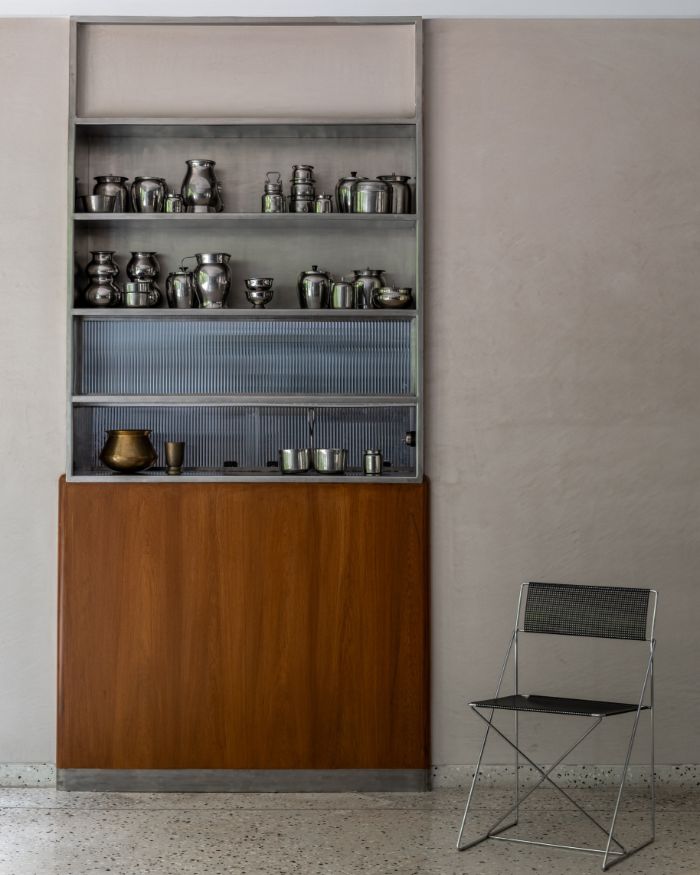
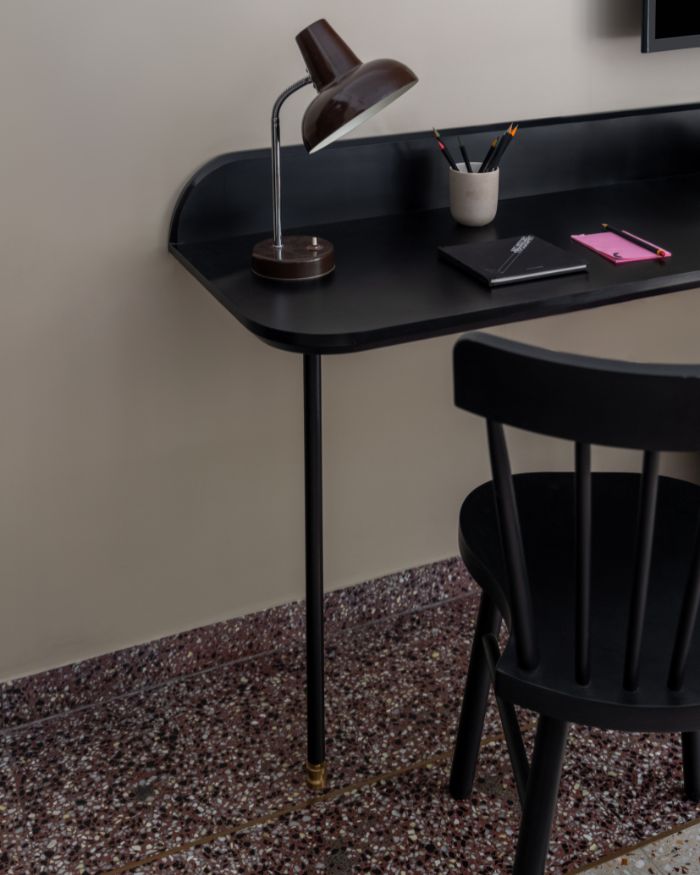
Instead of bleaching out age, this space allows its rusted tones to mingle with coeval colours. The original 1964 terrazzo was refurbished, its speckled surface carrying the essence of earlier life. Teak railings on the staircase have been retained too, their patina acting as a record of years passed.
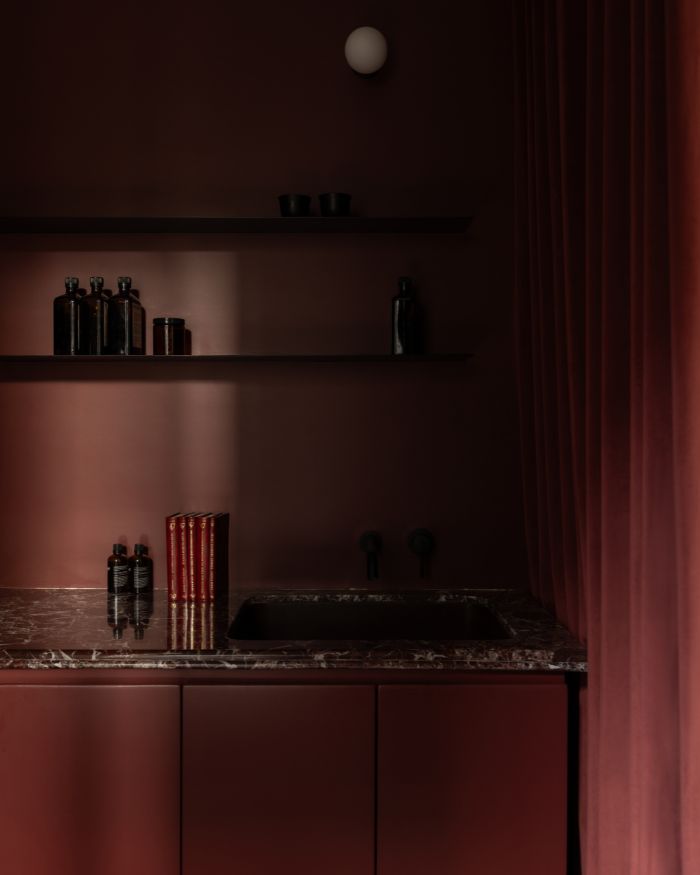
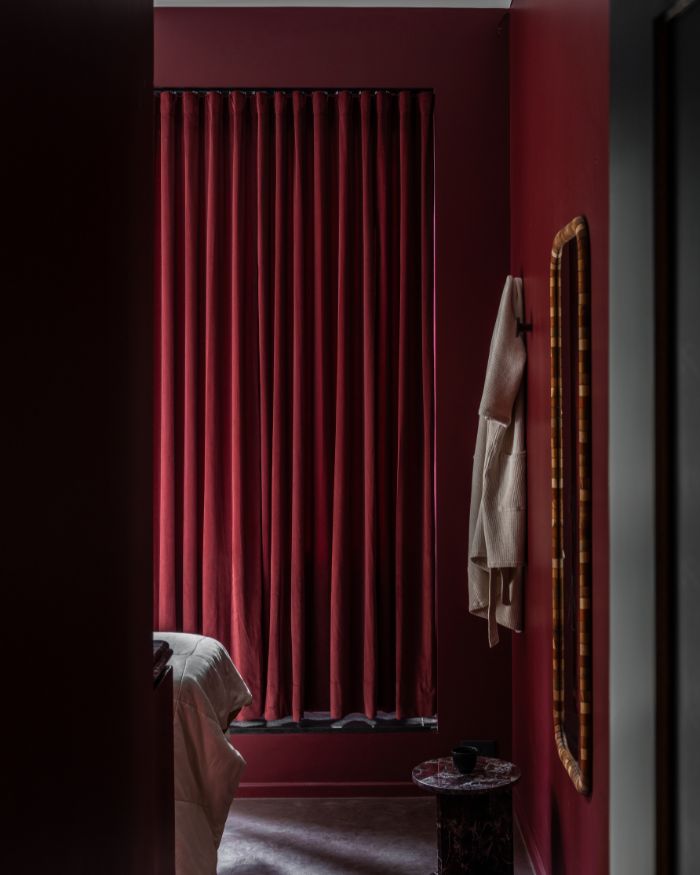
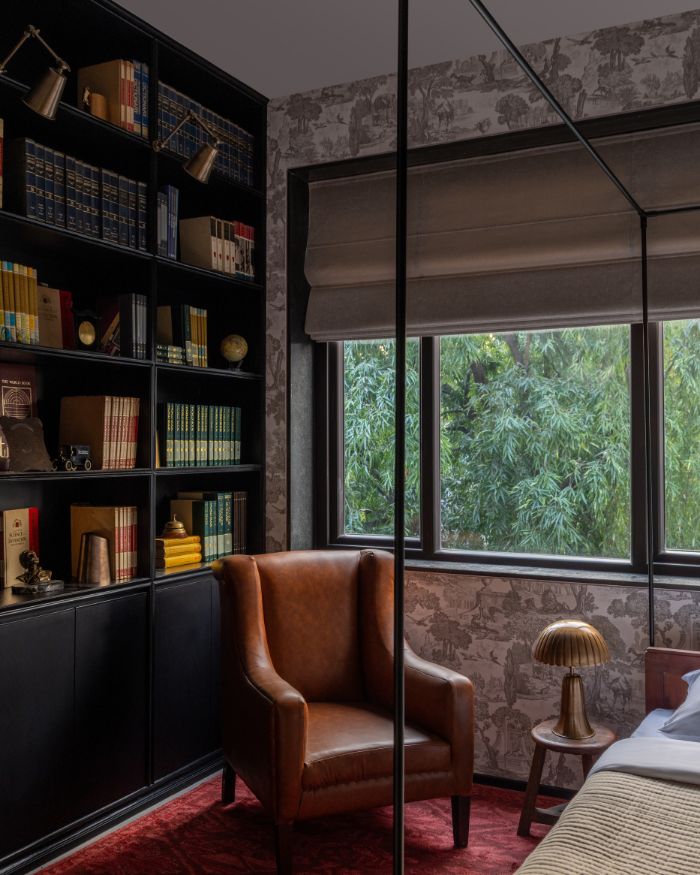
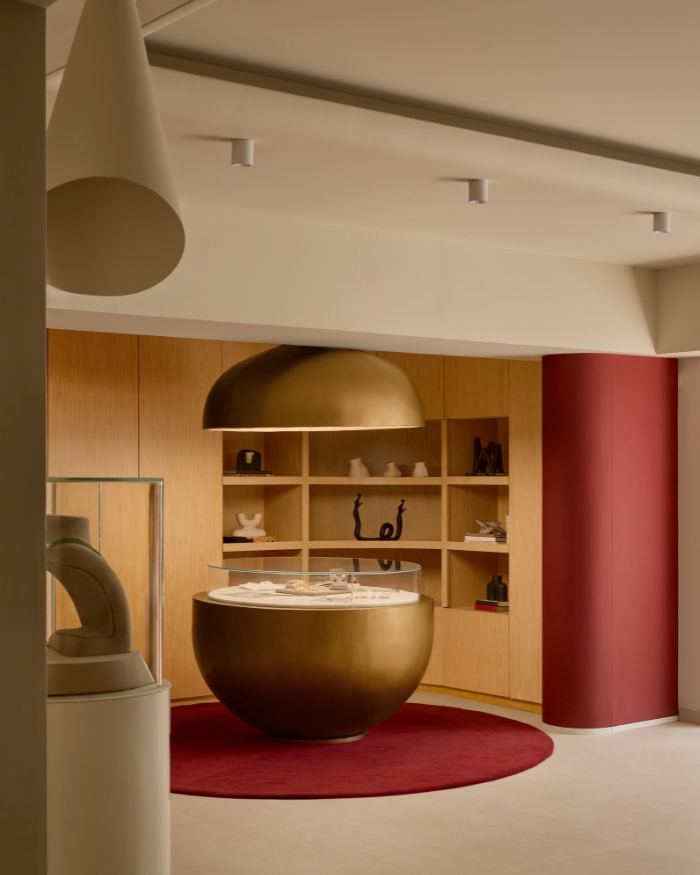
Across the structure, black leather-finish granite from Telangana grounds the palette — framing plinths, staircases and lift lobbies with a heaviness. Lime plaster walls soften everything in return. Pune has always carried a certain darkness in its palette — one that comes straight from the basalt-rich Deccan plateau it sits on; therefore, it became the anchor tone, while brass, teak and terrazzo add warmth.
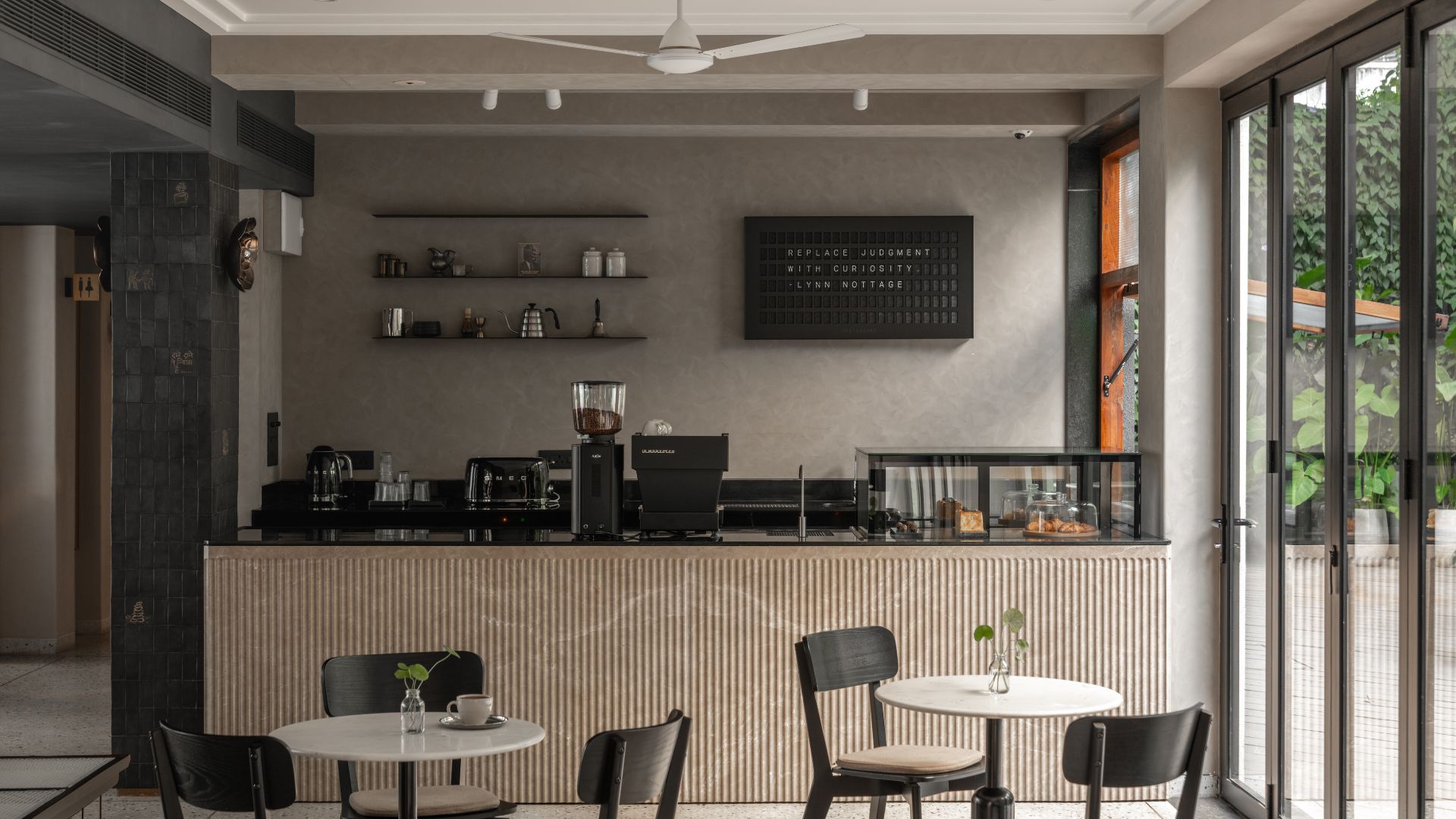
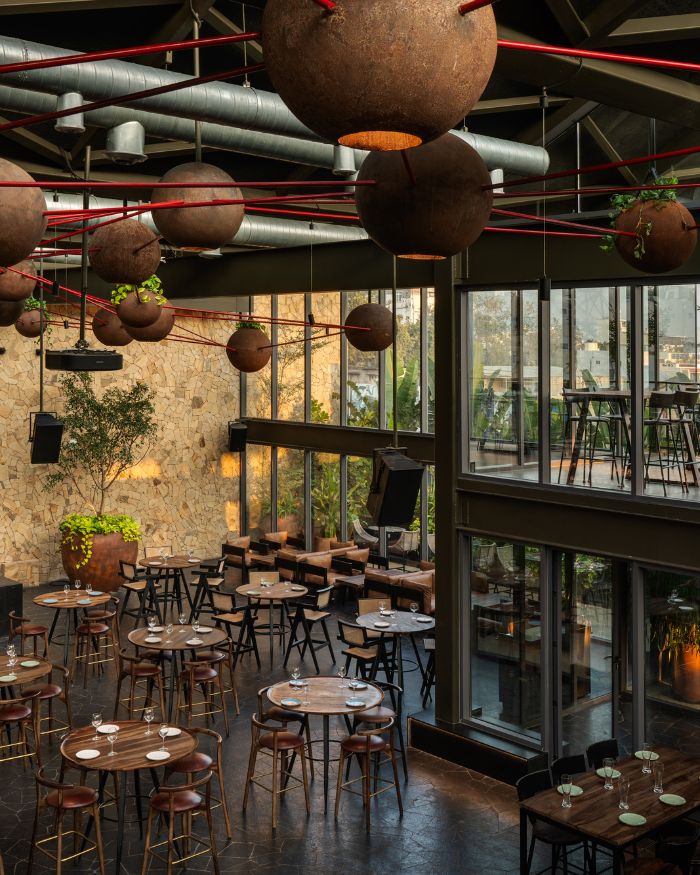
Pune’s climate rarely leans into extremes, where soft suns, cool evenings and just enough to invite you outdoors again. The backyard of this hotel opens through the French doors and is reimagined as a planted alfresco courtyard, where black Cuddapa stone grounds the space while greenery softens the edges.
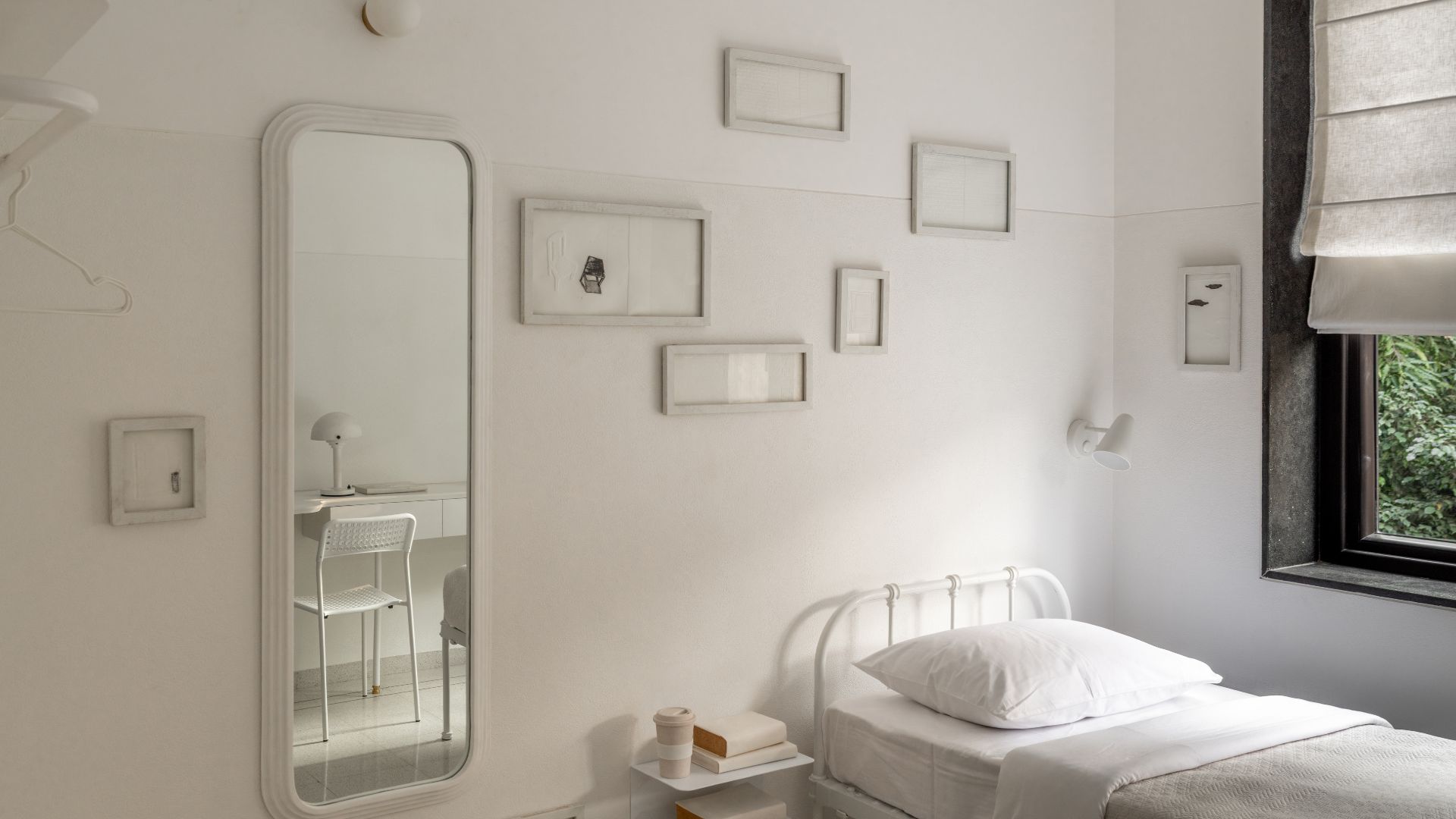
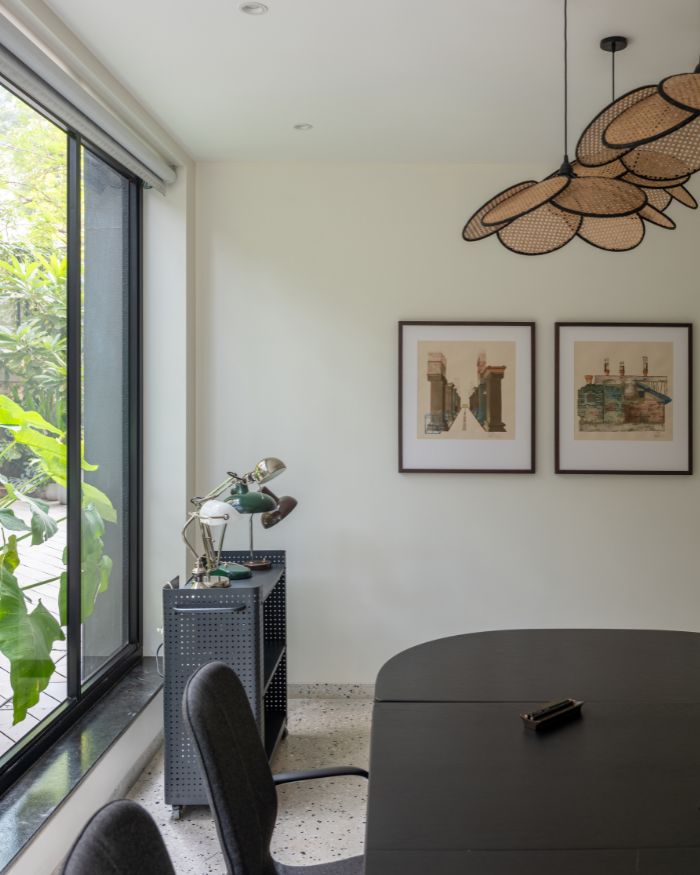
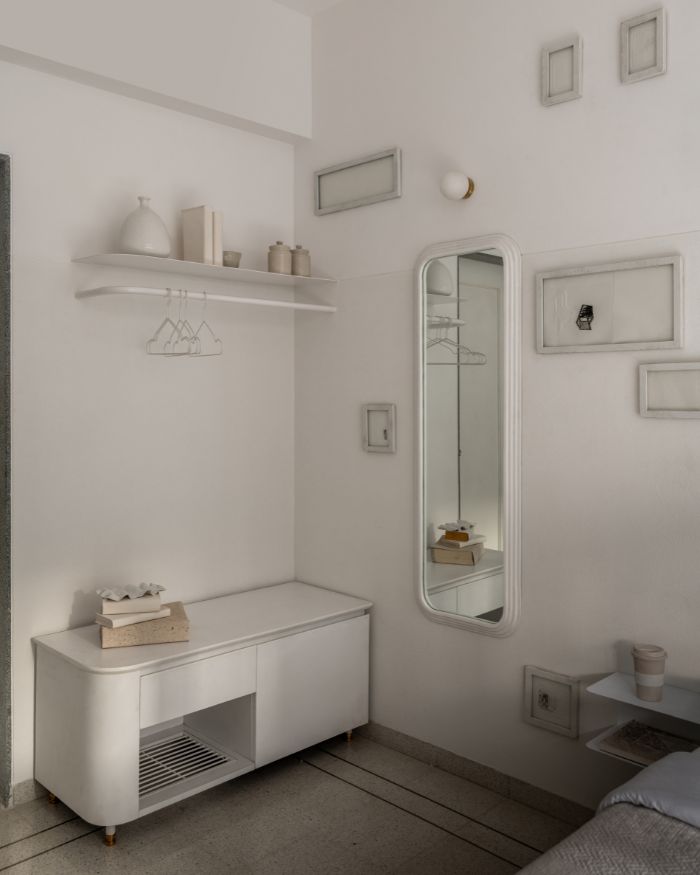
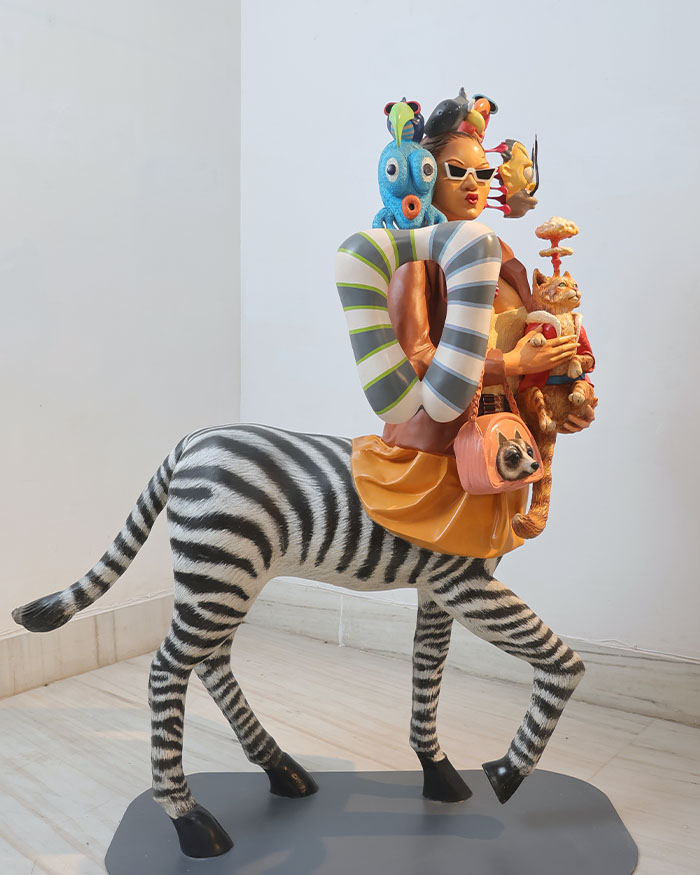
Art here is not static; it blooms, unfurls and reshapes itself like a flower opening to light. Works by Arvind Sundar, Yasho, Pranay Dutta, Visakh Menon and Mansha Chhatwal appear across interiors, serving as ongoing conversations. The hotel also hosts artist residencies, meaning the visual language keeps changing, shifting with every new creative voice that enters.
As Roshan Talera notes, “Wellesley also hosts ongoing art residencies for young artists. This allows the building to function as a platform for creative practice and makes the art within the hotel more interactive rather than static.”Instead of static walls, Wellesley becomes a rotating cultural field — where guests don’t just check in, they move through an atmosphere that is constantly being rewritten.
Read more: A Pune home recalls desert memory
No results found.