Photograph by Yosigo, Rocafort, courtesy of Kettal, 2025

Love the Eames House? You can live in one now!

Charles and Ray Eames always imagined their prefabricated structures to be prototypes which could be reproduced. Kettal partners with the Eames Office to make their original intent come true

BY

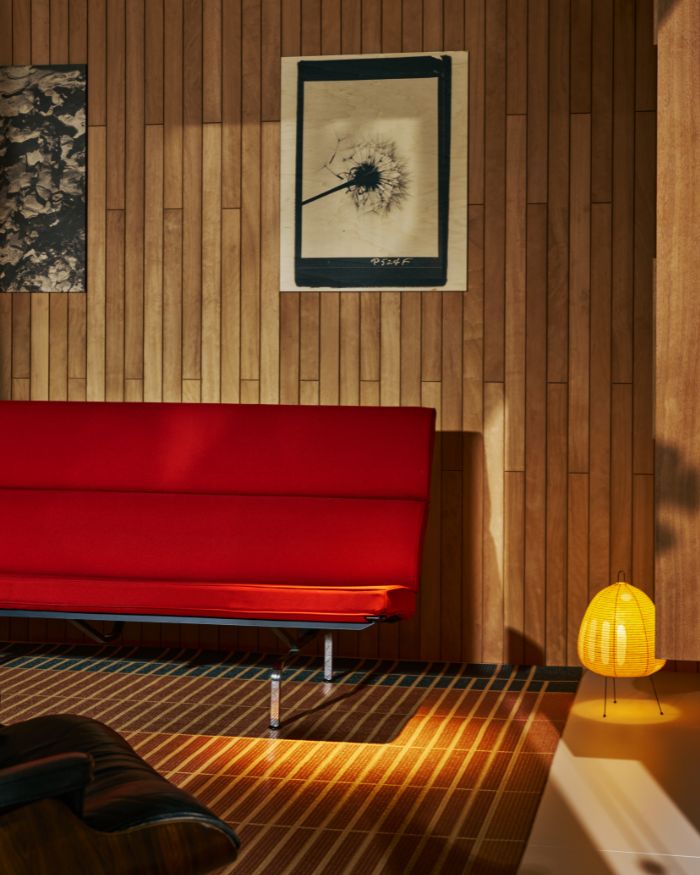
The Eames House is a household name among architects and designers. Case Study House No. 8, what Charles and Ray Eames officially named it, is known for its experimental steel frame structure and as a condensation of its inhabitants’ principles. What is not common knowledge is Charles and Ray’s love for India, which was reflected in their home. Despite being a part of a series of prefabricated living structures, the Eames House remained a canvas that expressed worldly tastes and exploratory nature within the approximately 1,500 sq ft footprint in the Pacific Palisades neighbourhood of Los Angeles. Filled with Hopi kachina dolls, seashells, craft objects, silk textiles from Nepal and Thailand and patterned rugs from Mexico and India, their interpretation of Modernism was far from austere, invariably setting the stage for the warmth of the mid-century modern style.

“Eames houses – many of them unbuilt – were always milestones and prototypes for evolution. Our grandparents’ writings clearly show that even when designed for a specific site, the intent was series production of human habitation”

Photograph by Yosigo, Rocafort, courtesy of Kettal, 2025

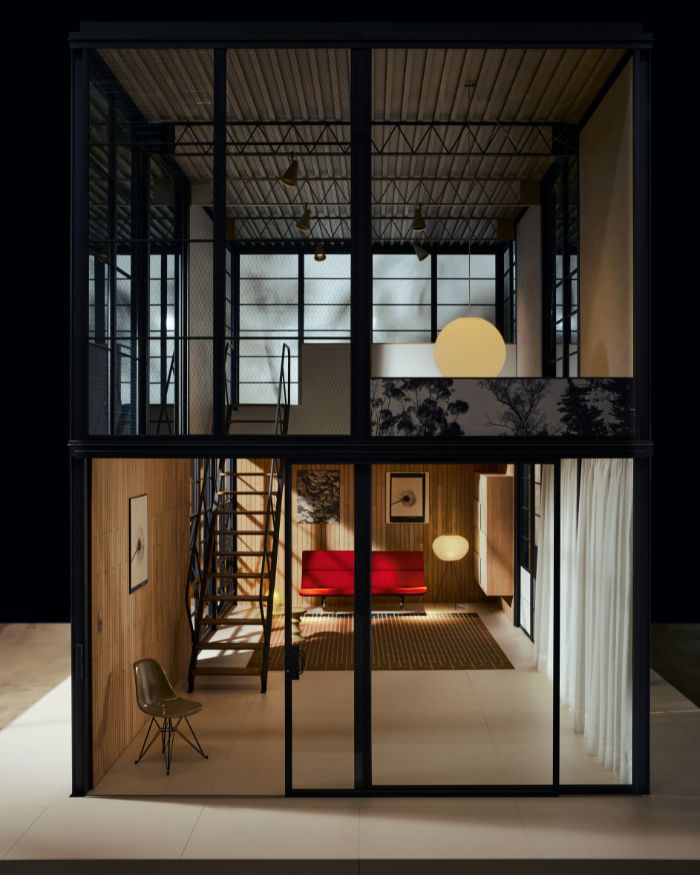
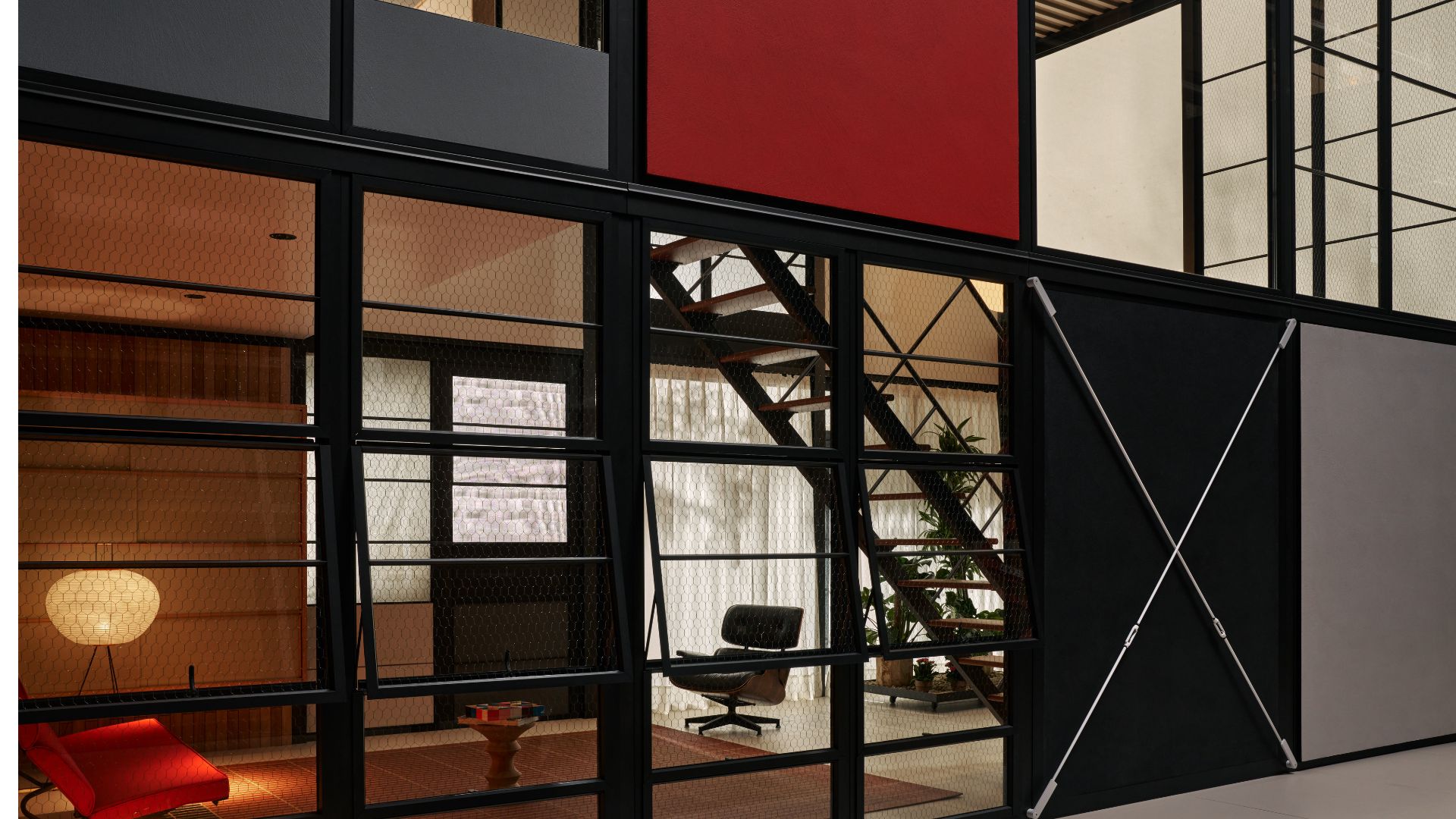
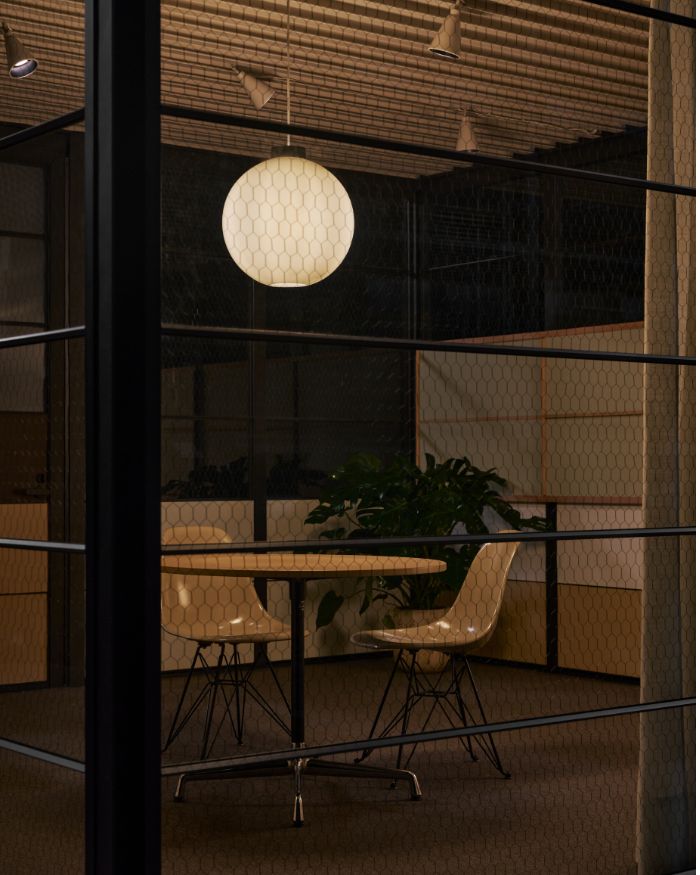
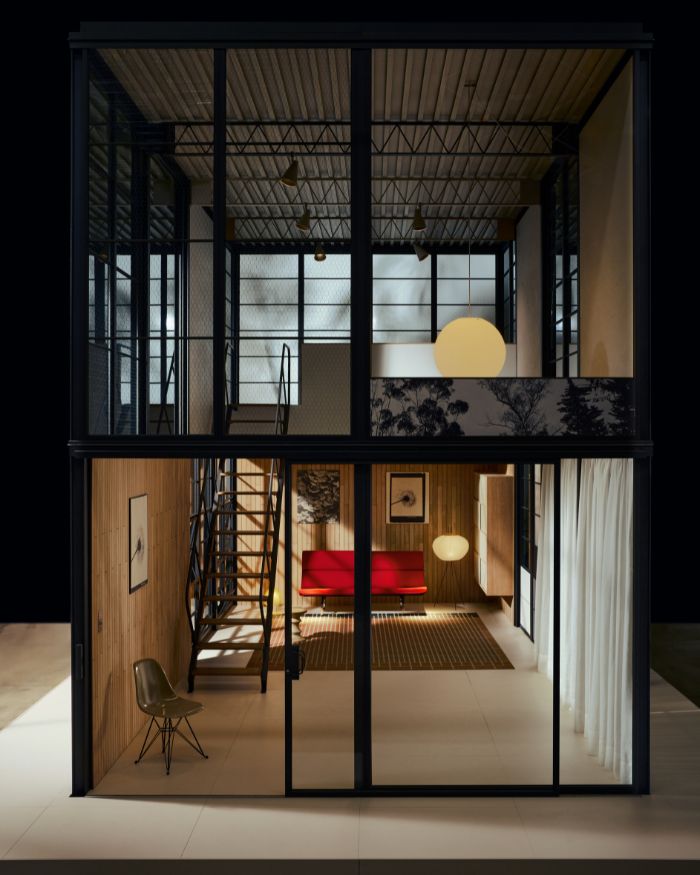
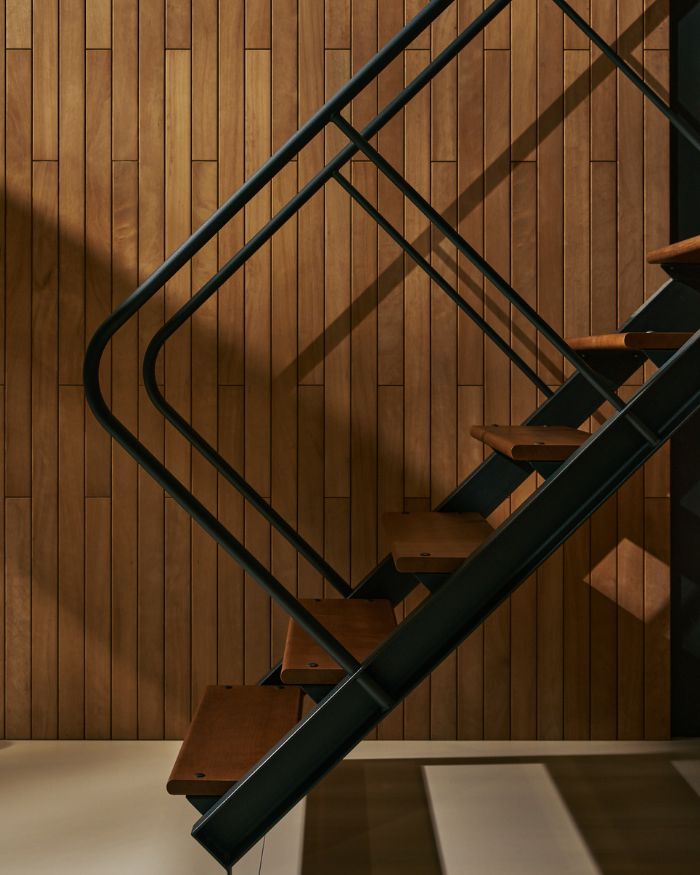
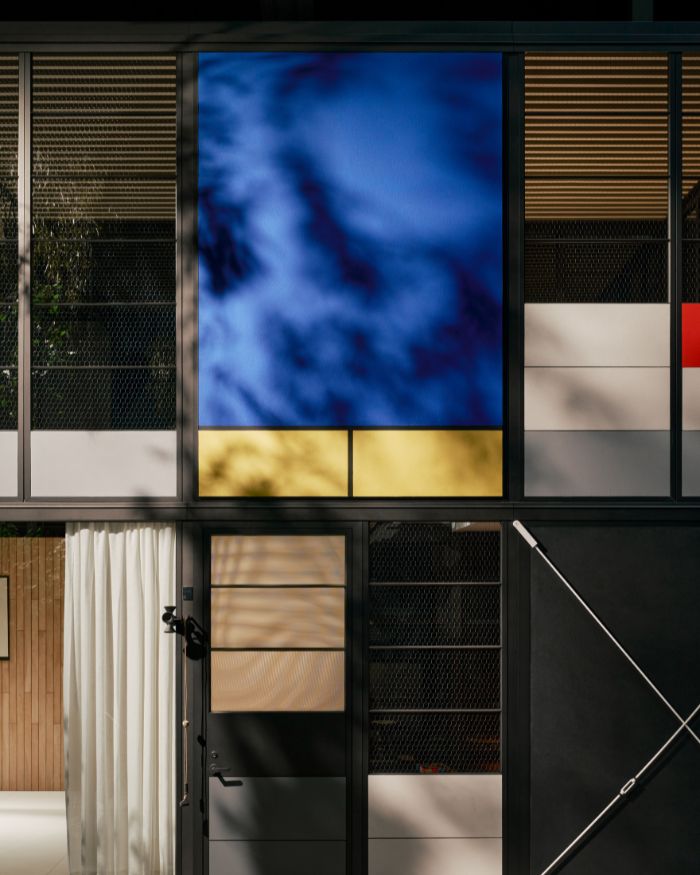
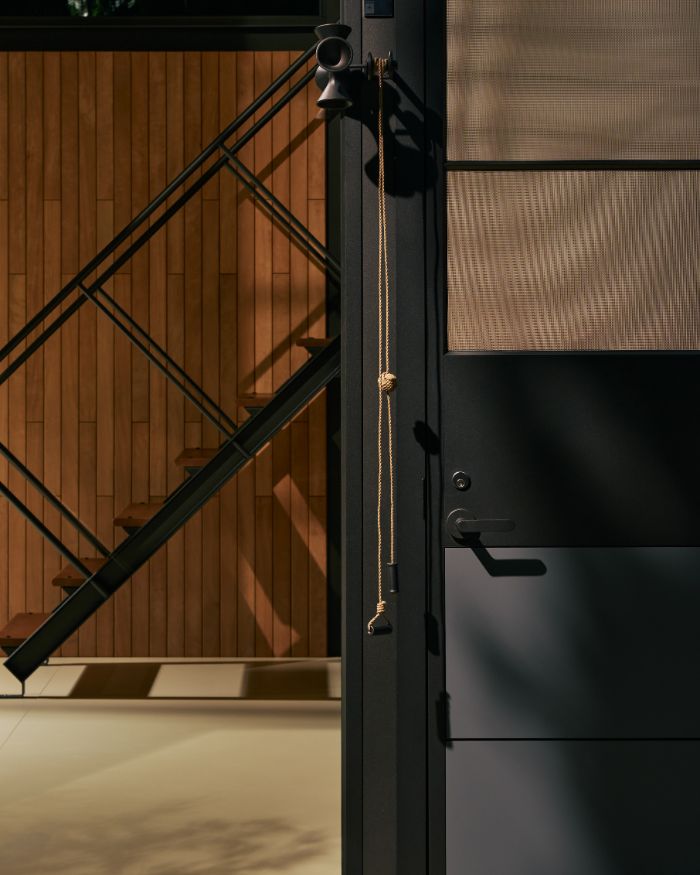
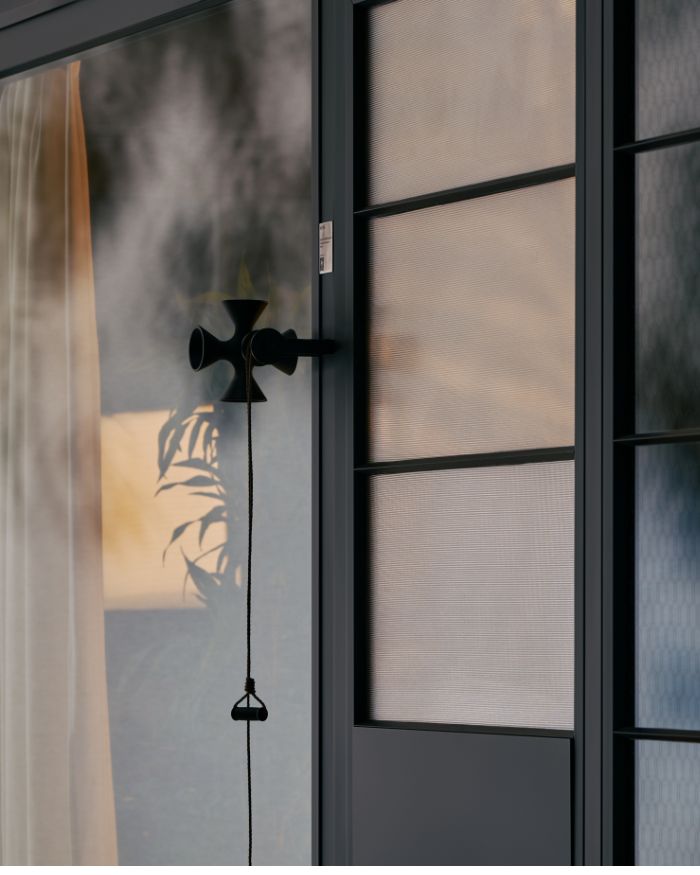
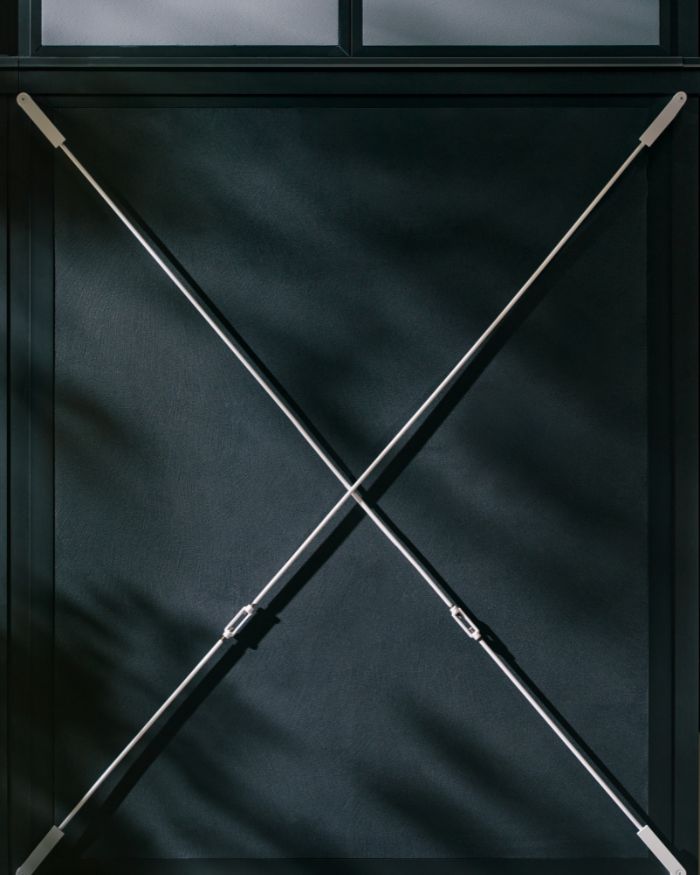
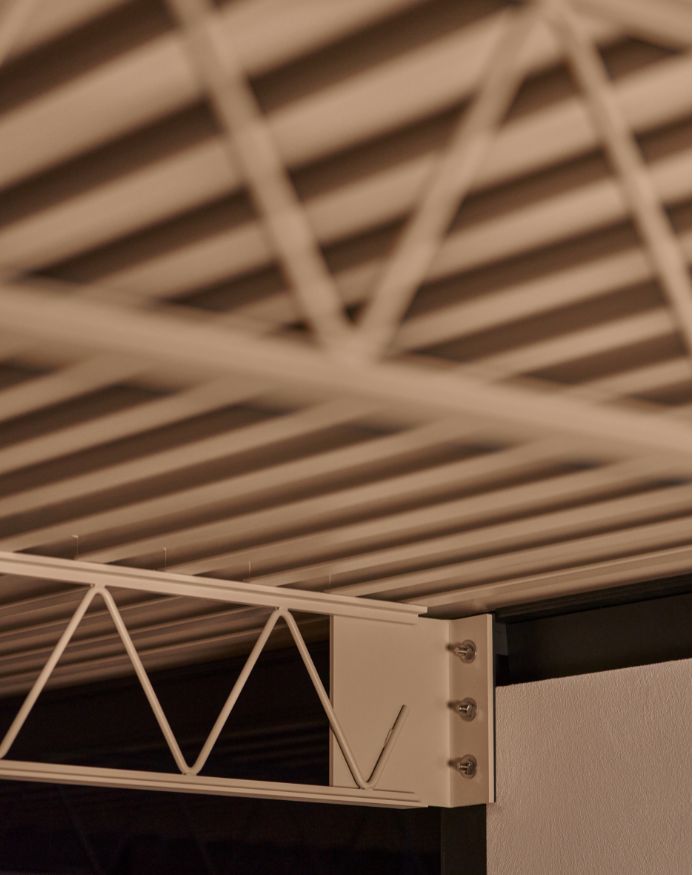
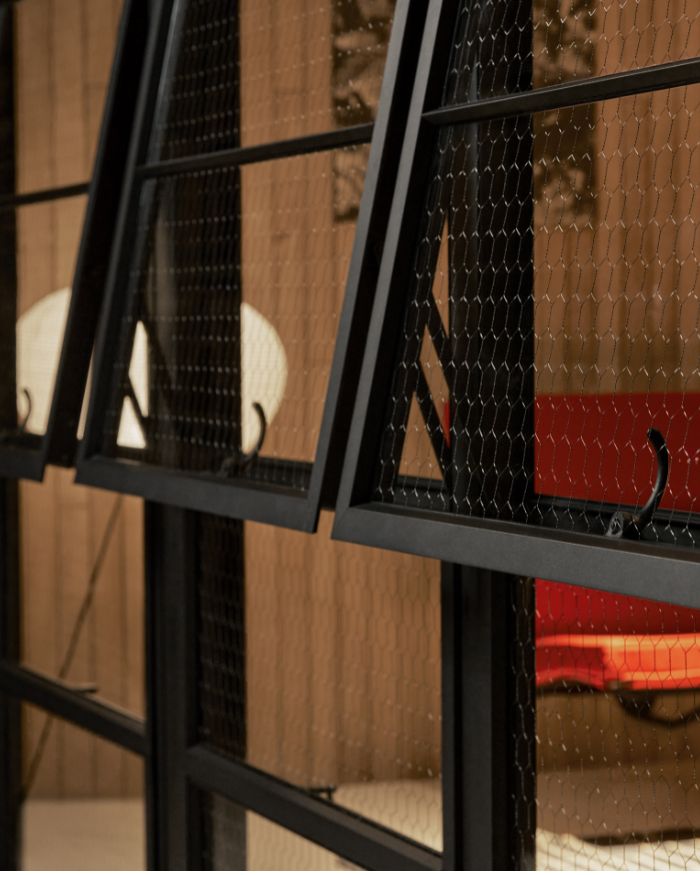
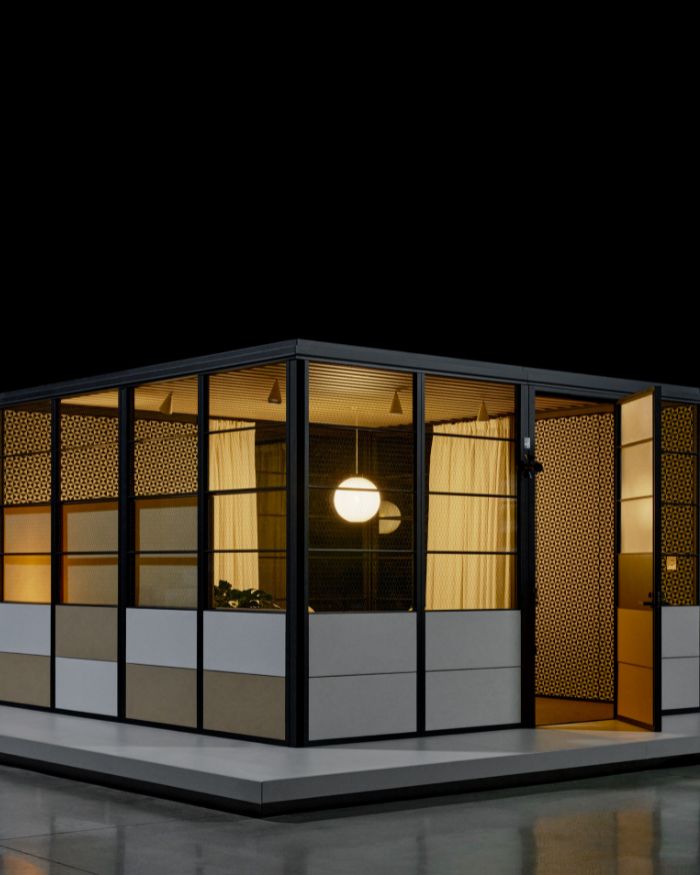
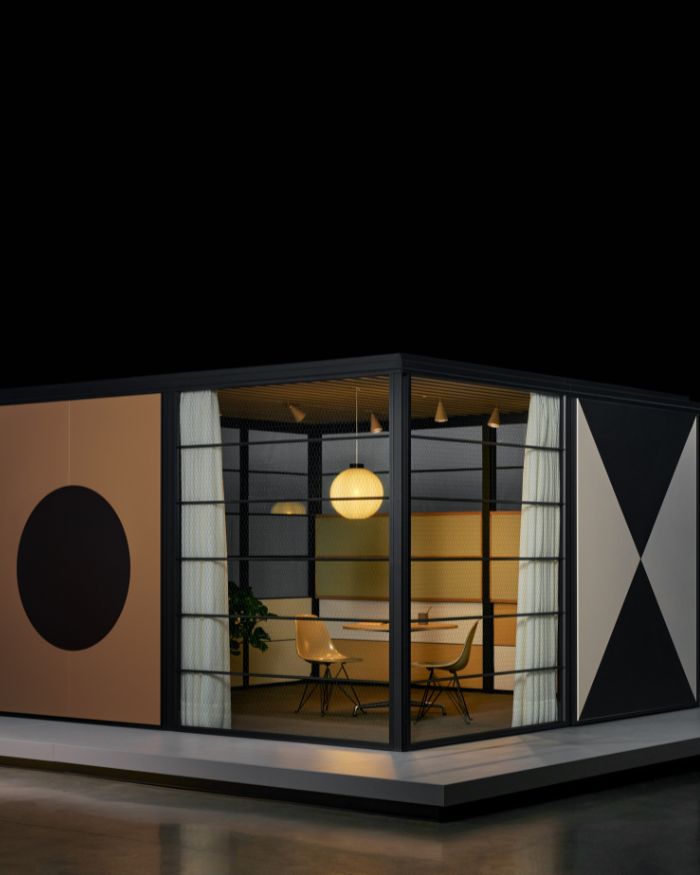
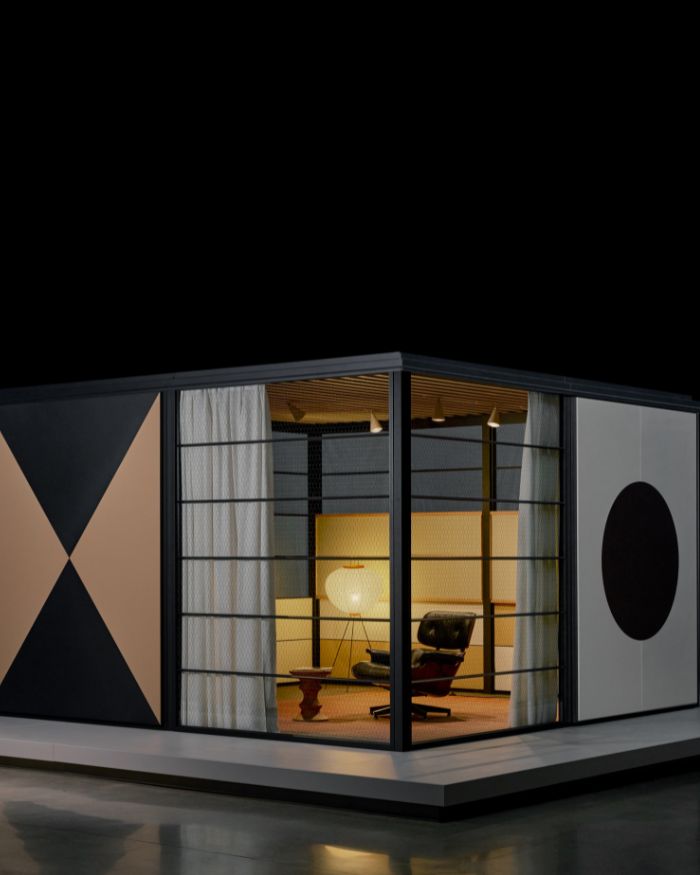
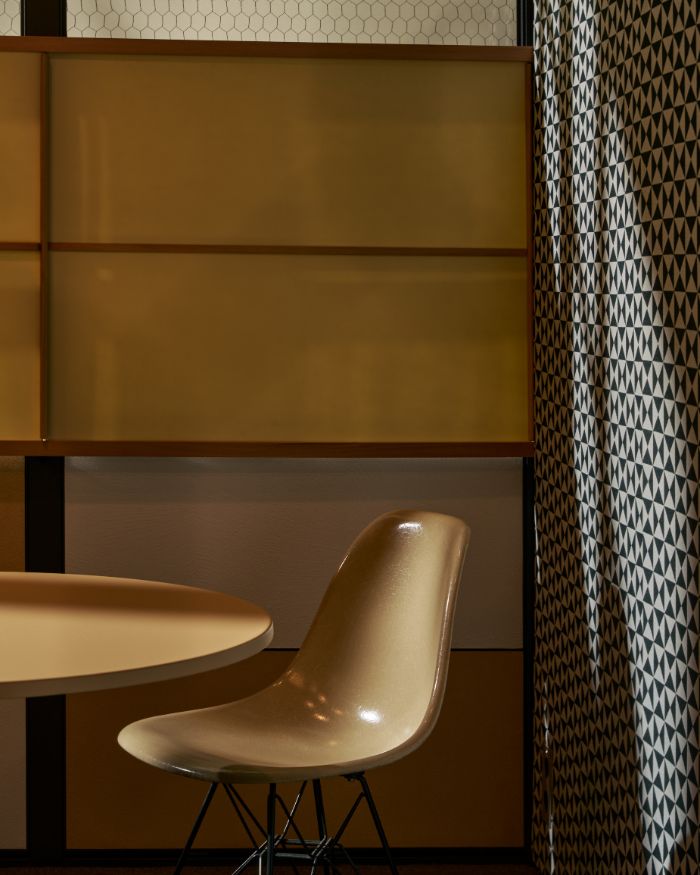
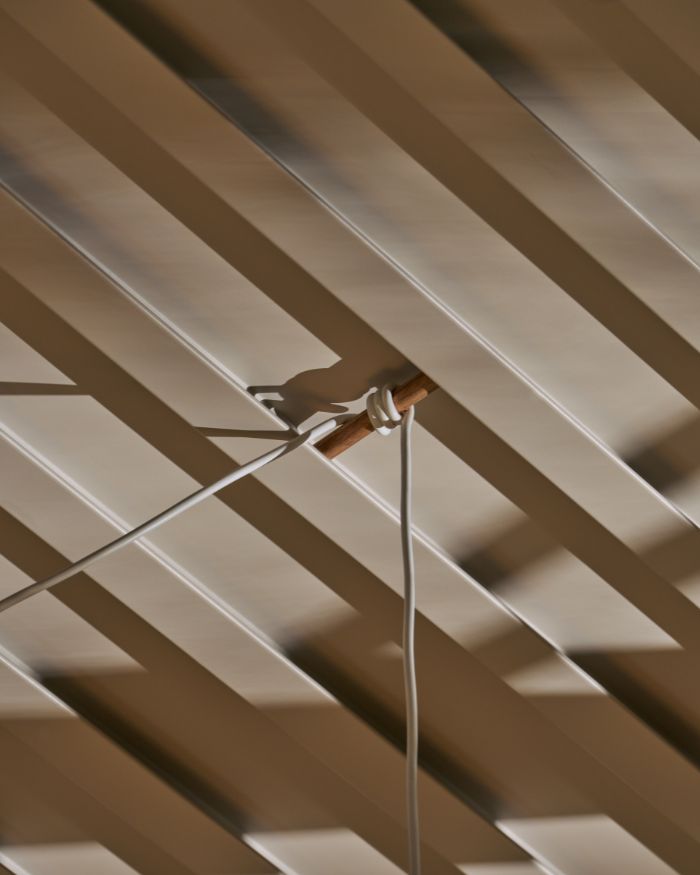
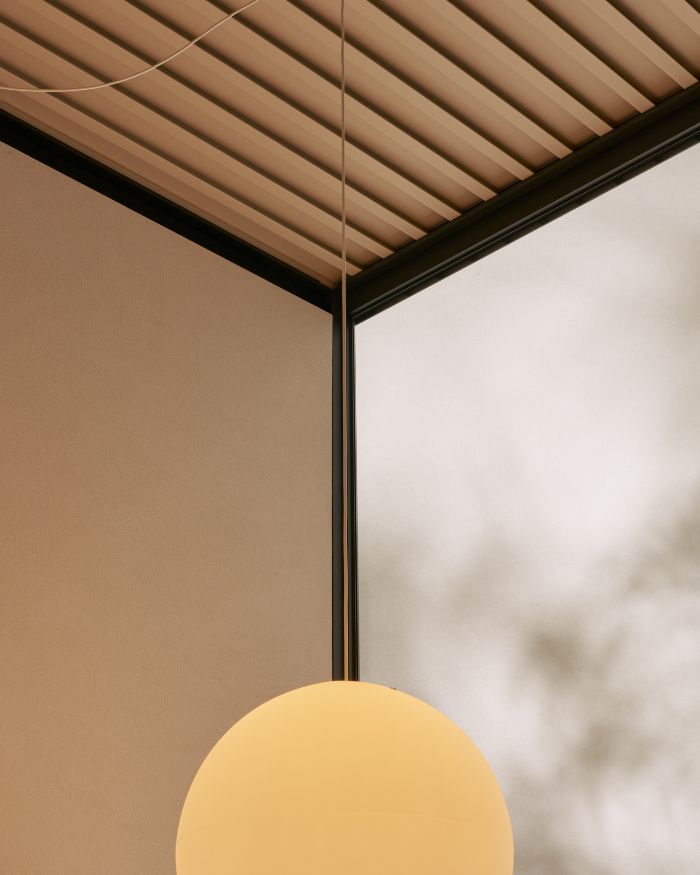
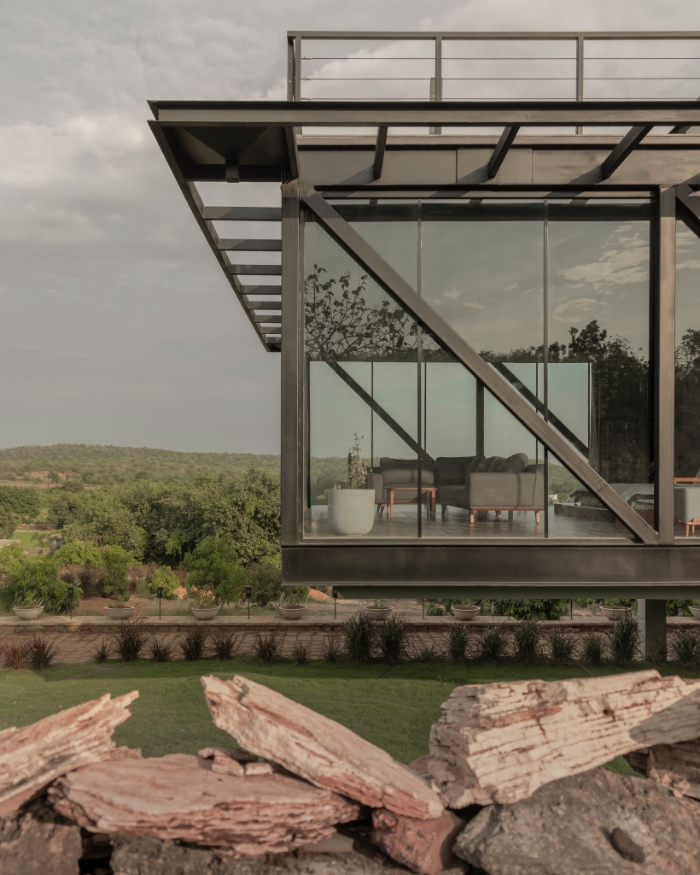
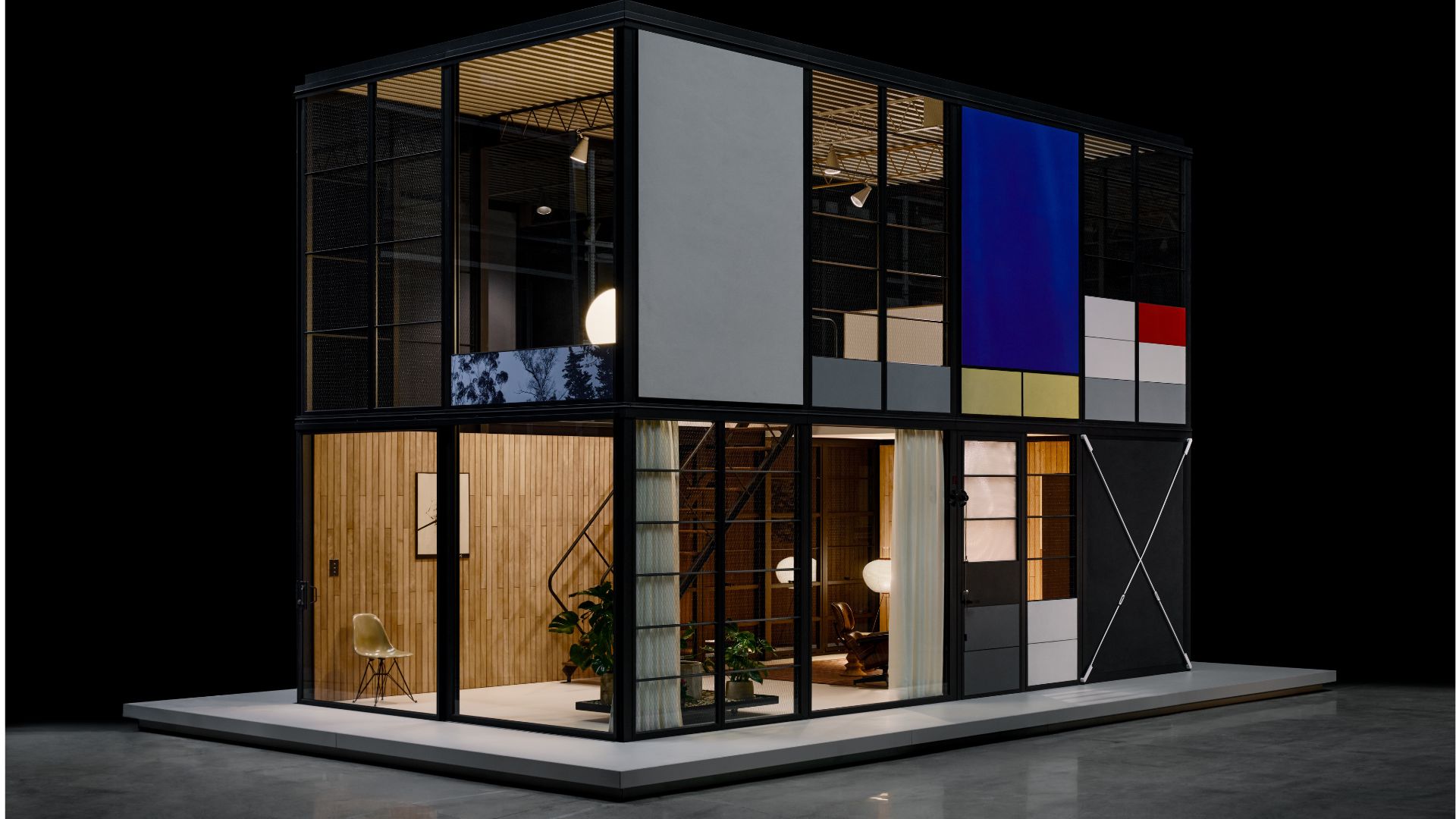
To Charles and Ray, architecture was an adaptable system. By shifting the long-held notion from viewing architecture as an unchanging and unmoving entity, they freed up constraints that were otherwise impossible. But in doing so, they also opened the floor to questions; chief among them was the conundrum of originality. Prefabricated structures, in theory, should be endlessly reproducible. “In the almost 40 years I have been Director of the Eames Office, I have been asked time and again whether it is possible to purchase a reproduction of the Eames House,” says Eames Demetrios, Director of the Eames Office, and grandson of Charles and Ray. He adds, “One-to-one replicas can be interesting, yet we were always holding out for something else – a true systems approach that was also international in its solution.” That is where Kettal’s expertise comes in. The Pavilion System takes the idea of the prefabricated Eames structures from merely prototypes to finished products. As an integrated kit of parts, it offers numerous permutations from one-story, 16 square-meter pavilions to fully equipped, two-story houses. The components for the system are produced through factory-controlled processes and finished on site at Kettal’s facilities in Barcelona. Coinciding with the launch of the Eames Pavilion System, the Eames Office will present the exhibition The Eames Houses at the Triennale Milano featuring walk-in installations of Eames Pavilions alongside archival drawings, films, photographs, and newly commissioned scale models of eight Eames houses. This research will also lead to a sourcebook titled The Eames Houses published by Phaidon.

Photograph by Yosigo, Rocafort, courtesy of Kettal, 2025

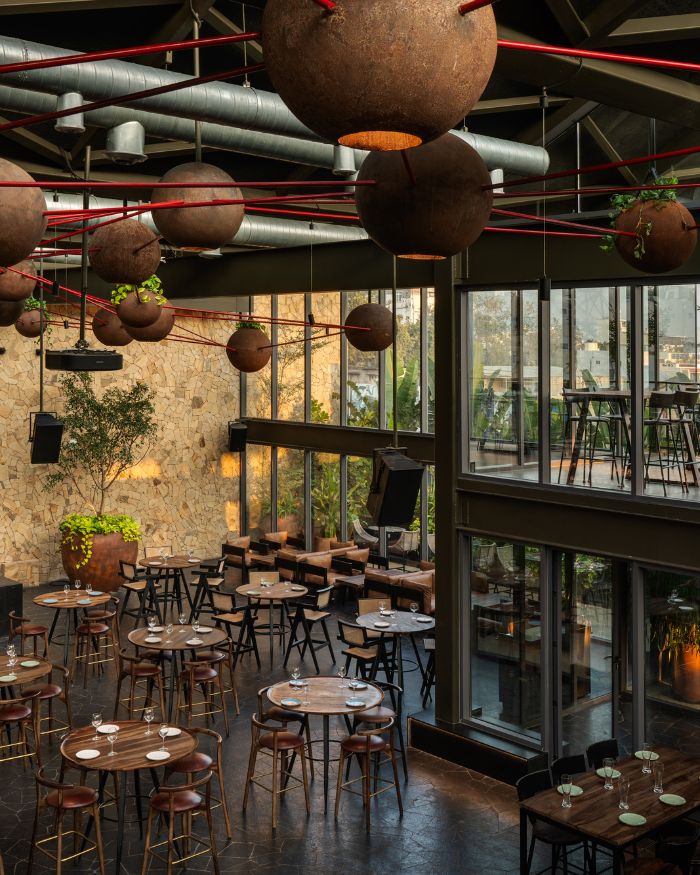
In replicating the much-celebrated Eames House, does it diminish the value of the original? “Eames houses – many of them unbuilt – were always milestones and prototypes for evolution. Our grandparents’ writings clearly show that even when designed for a specific site, the intent was series production of human habitation,” says Demetrios. In a likely scenario, your next-door neighbour could purchase this kit or the café down the street.

Instead of viewing this as a dampening of the mythos of Eames House, it could be a proposal to start revisiting the concept of democratising good design. When Charles and Ray Eames came to India in the tail end of the 1950s, India was undergoing enormous cultural changes which invariably impacted its design landscape, and vice versa. Instead of alluding to Chandigarh, Corbusier or colonial design, they write, “Of all the objects we have seen and admired during our visit to India, the Lota, that simple vessel of everyday use, stands out as perhaps the greatest, the most beautiful.” They outline ways in which this seemingly mundane object would have had to undergo generations of iterations and holds a sea of complexities hiding in plain sight. This is precisely what is most exciting in this collaboration, how within a designed framework, one can bring out their own selves. The Eames structures that will follow may not have the colourful rugs or the excess of objects, but they will all carry the soul and the uninhibited passion of the Eames.

Read more: Set at the Mahalaxmi Racecourse, Sunhil Sippy’s photobook RACEDAY is a meditation on photography, impermanence and the shifting value of land in a city that is always remaking itself

Photograph by Yosigo, Rocafort, courtesy of Kettal, 2025
SHARE THIS ARTICLE

You May Also Like

Watch

No results found.

Search
Close this search box.