Compartment S4

Where memories rest amidst trees

Set within the pine and deodars of Nainital, Compartment S4 transforms a colonial cemetery into a landscape encountered through senses.

BY

Haven’t cemeteries always functioned as public spaces, even if they have not been perceived as such? Across many cultures, cemeteries have hosted rituals and acts of collective remembrance, making them spaces of the living as much as of the dead. Does regeneration always require transformation? If cemeteries can serve as an ecological and public asset, could the act of restoring and reactivating these landscapes be considered as a sustainable approach towards adaptive reuse? Today, we often overlook cemeteries as accessible parts of our neighbourhoods, viewing them as restricted areas instead of a tranquil community space. 

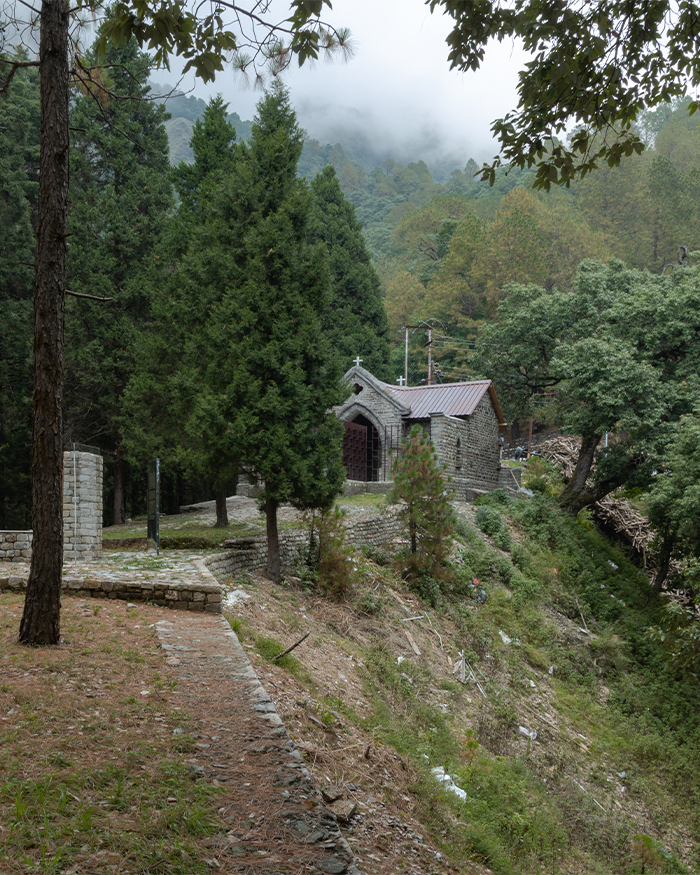
One such space lies in Nainital, where a pathway meanders through the pines and deodars into the past and what lies ahead is a British-era cemetery. Initiated by the Uttarakhand Government, the Sensorium Park reactivates this forgotten cultural landscape layered in history by questioning the traditional notions of a burial ground. Compartment S4 takes a public approach while designing the space through a series of thoughtful and minimal interventions that engage the senses.

"Movement through the forest is not linear; it unfolds through small pauses, unexpected momentum and subtle sensory experiences"

Compartment S4
Photography by The Space Tracing company

WITHIN A GROVE

During the excavation process, unmarked graves were uncovered on the site, revealing Nainital’s forgotten connection to the First World War. Though the names of the fallen are lost to time, their absence records the cemetery’s solemn significance, making its restoration all the more vital. While the graves had deteriorated, the ecological system remained active and resilient. 

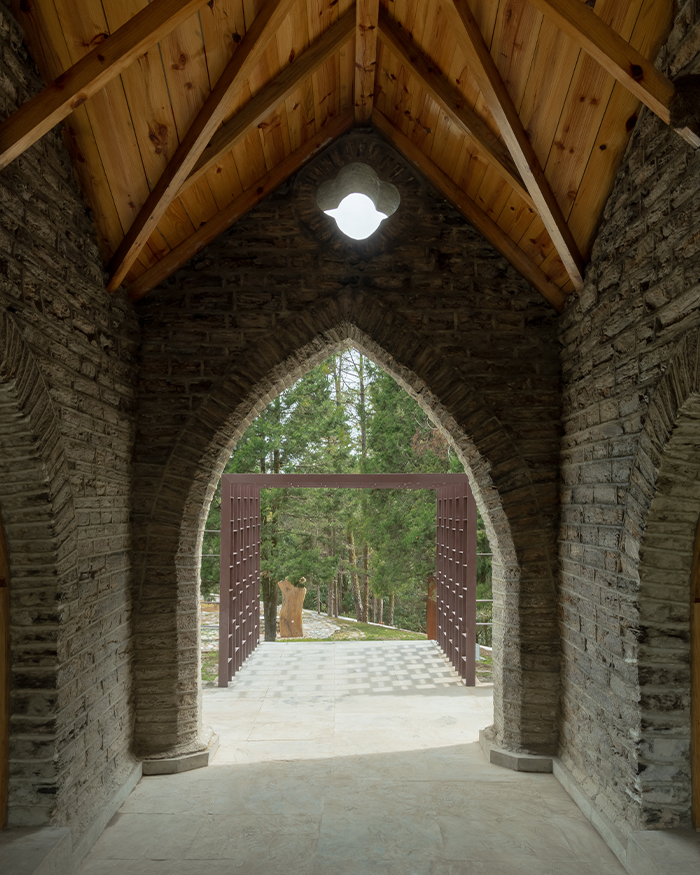
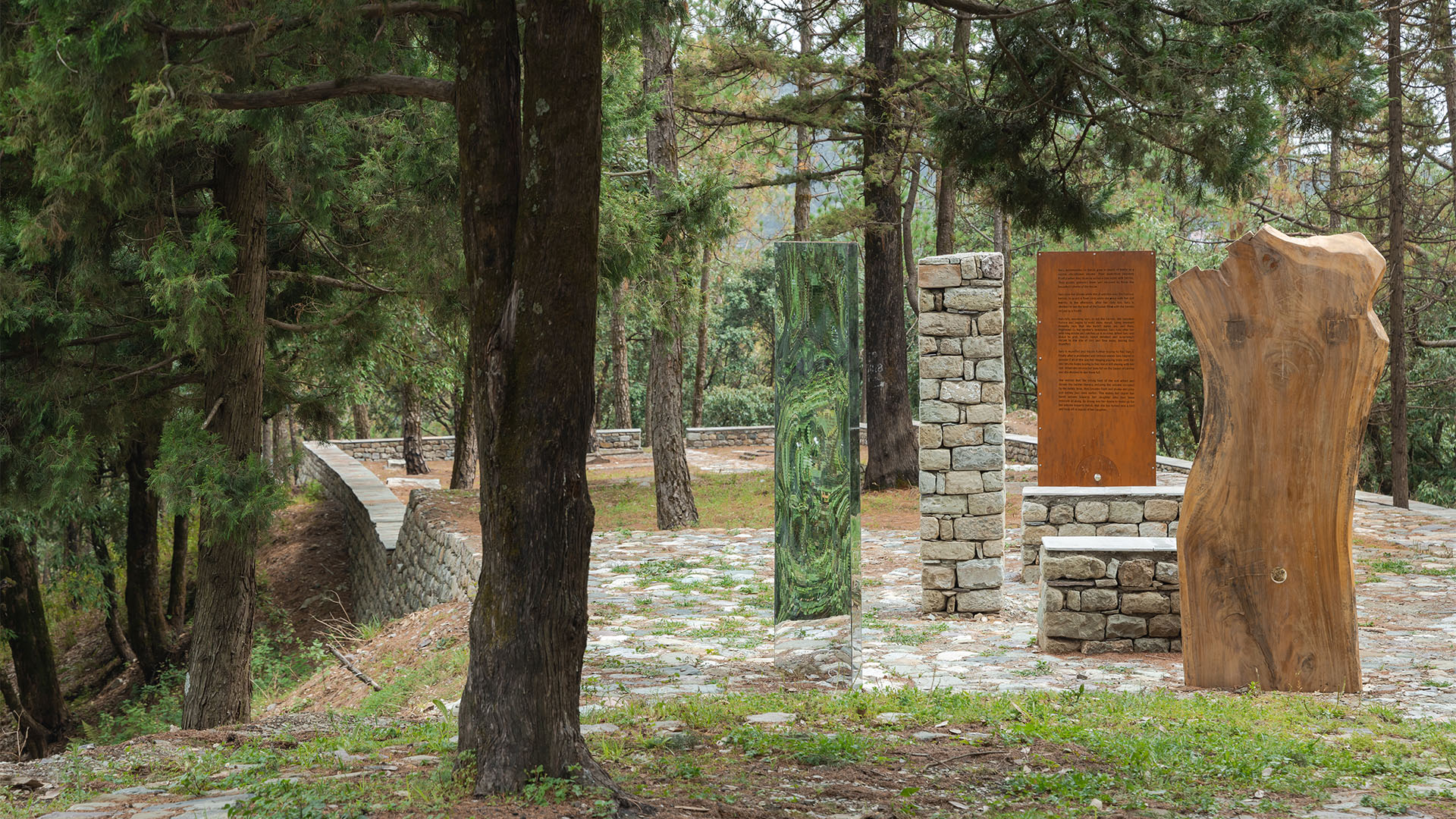
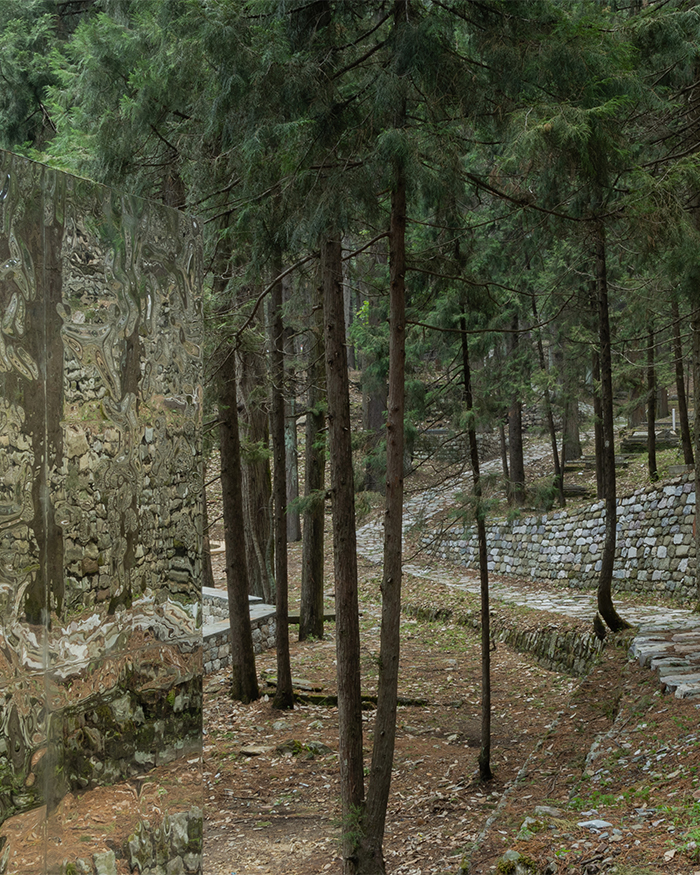
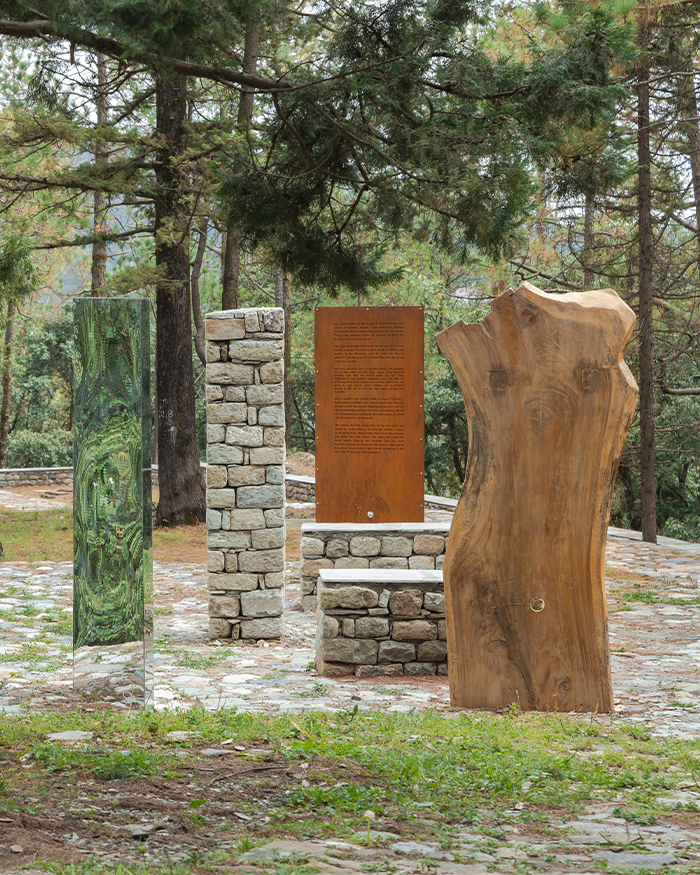
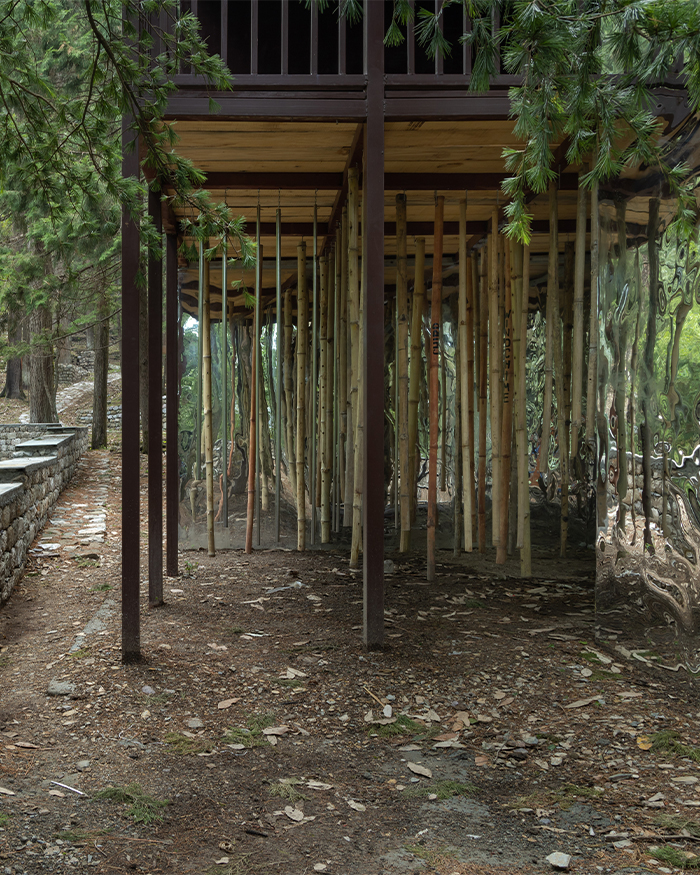
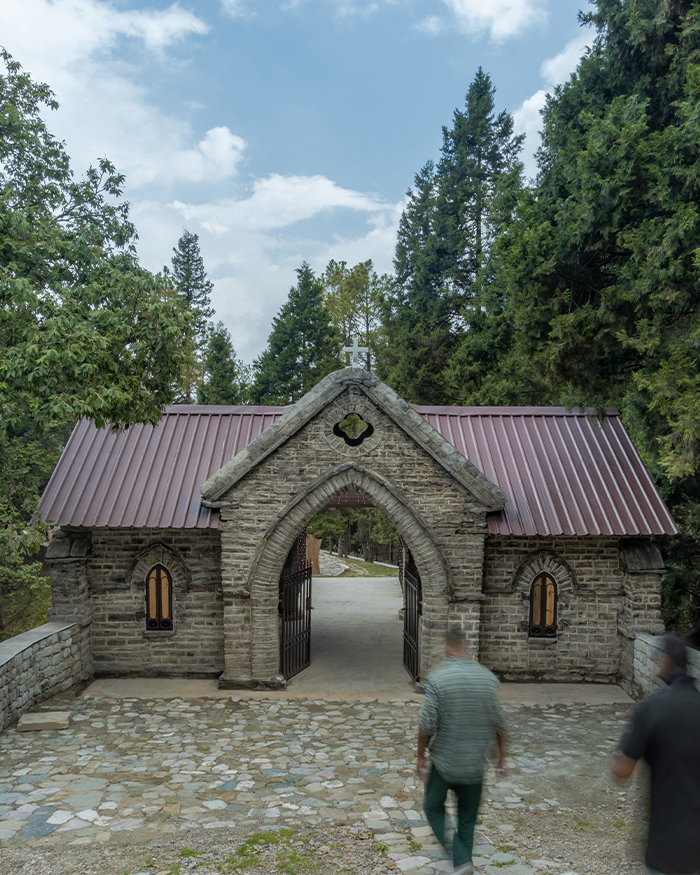
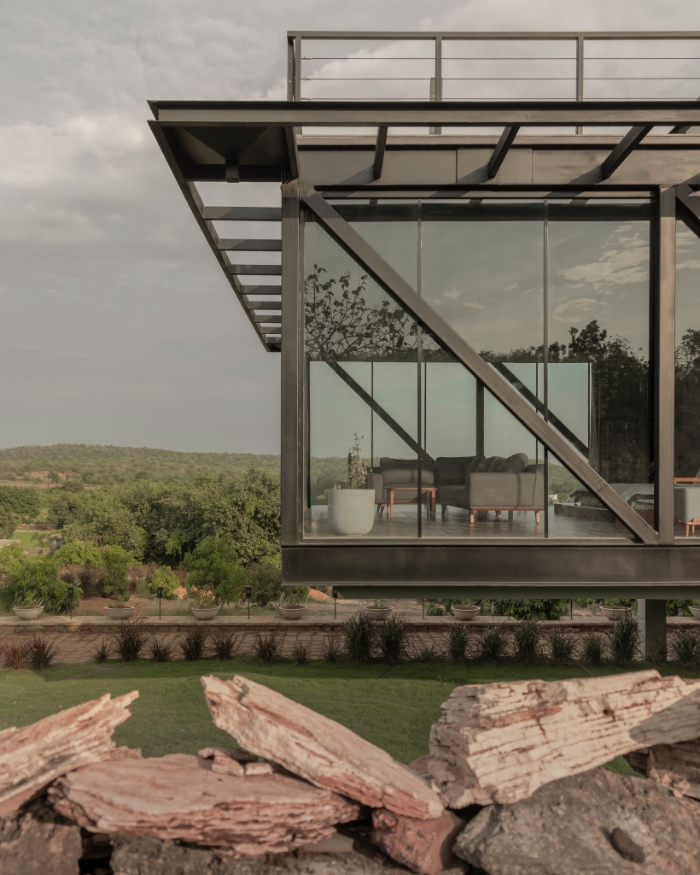
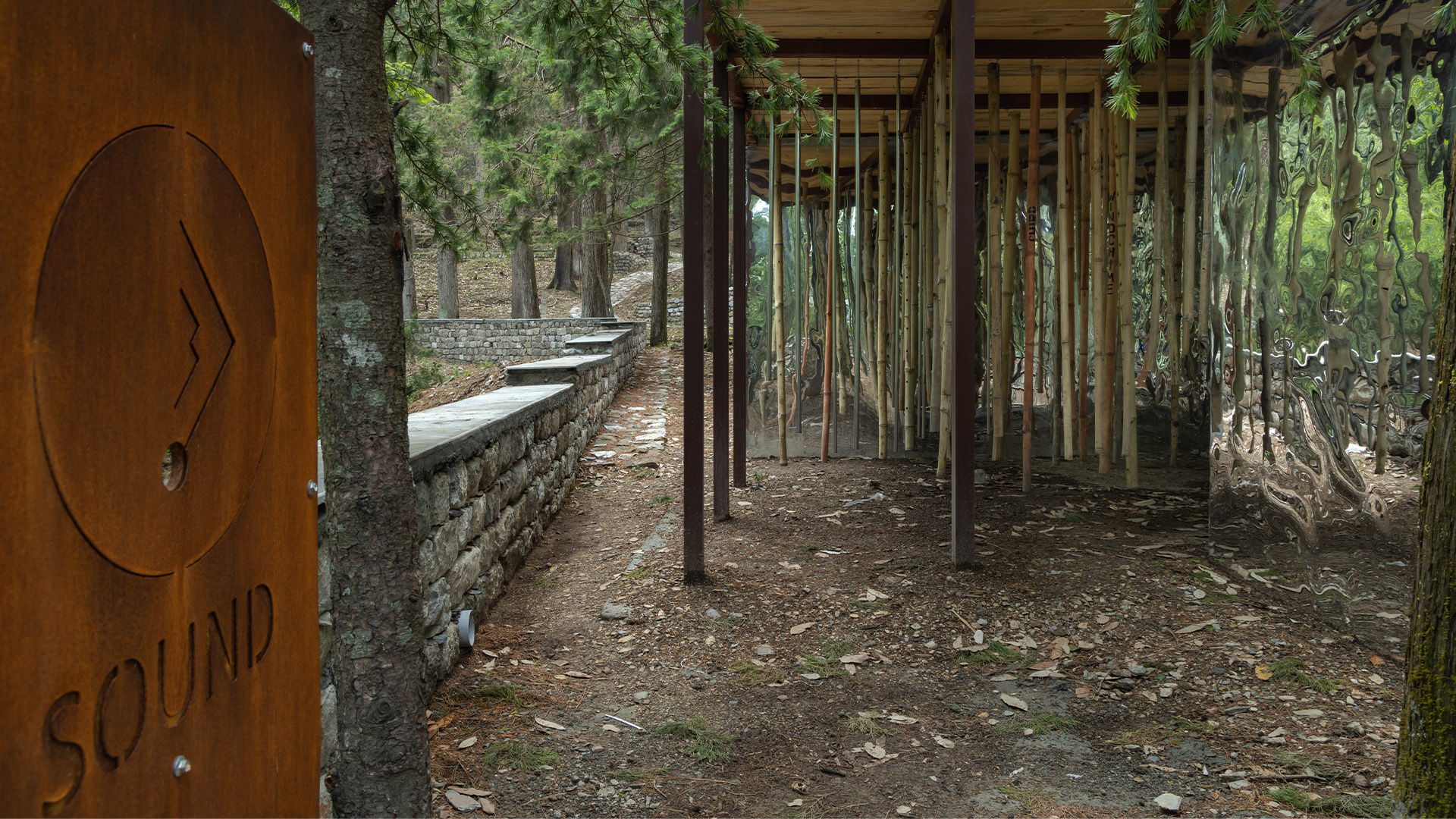
A sequence of interventions shapes over 1.74 acres within the forest, ingrained in the idea of a journey that creates a tangible threshold where the past and present coalesce. A stone entryway restored with a wooden ceiling sits against a contemporary metal gate and pergola, with an addition of a metal roof. Set within a grove, the walls of the mirror-clad cabin reflect an abstraction of the coniferous surroundings. The human-scale bamboo wind chimes, scent of the deodar wooden planks, complemented by a garden of edible fruits and berries and the textured stone and tree bark along the trail are employed to engage the five senses within the Sensorium.

Compartment S4
Photography by The Space Tracing company
Compartment S4
Photography by The Space Tracing company

SHADES OF THE FOREST

“Movement through the forest is not linear; it unfolds through small pauses, unexpected momentum and subtle sensory experiences,” says Monik Shah, cofounder and principal architect, Compartment S4. Monik, alongside Aman Amin, Kishan Shah, Krishna Parikh, Manuni Patel, Nishita Parmar, Parshik Chaudhari and Vedanti Agarwal designed through interventions of senses and materiality. Stone, wood and bark rise from the earth and return to it. Moss and pine needles soften into muted dew‑lit greens above the weathered stone grey floor. Signages crafted from corten steel, etched wood and acrylic allow weathering and turn wayfinding into storytelling. 

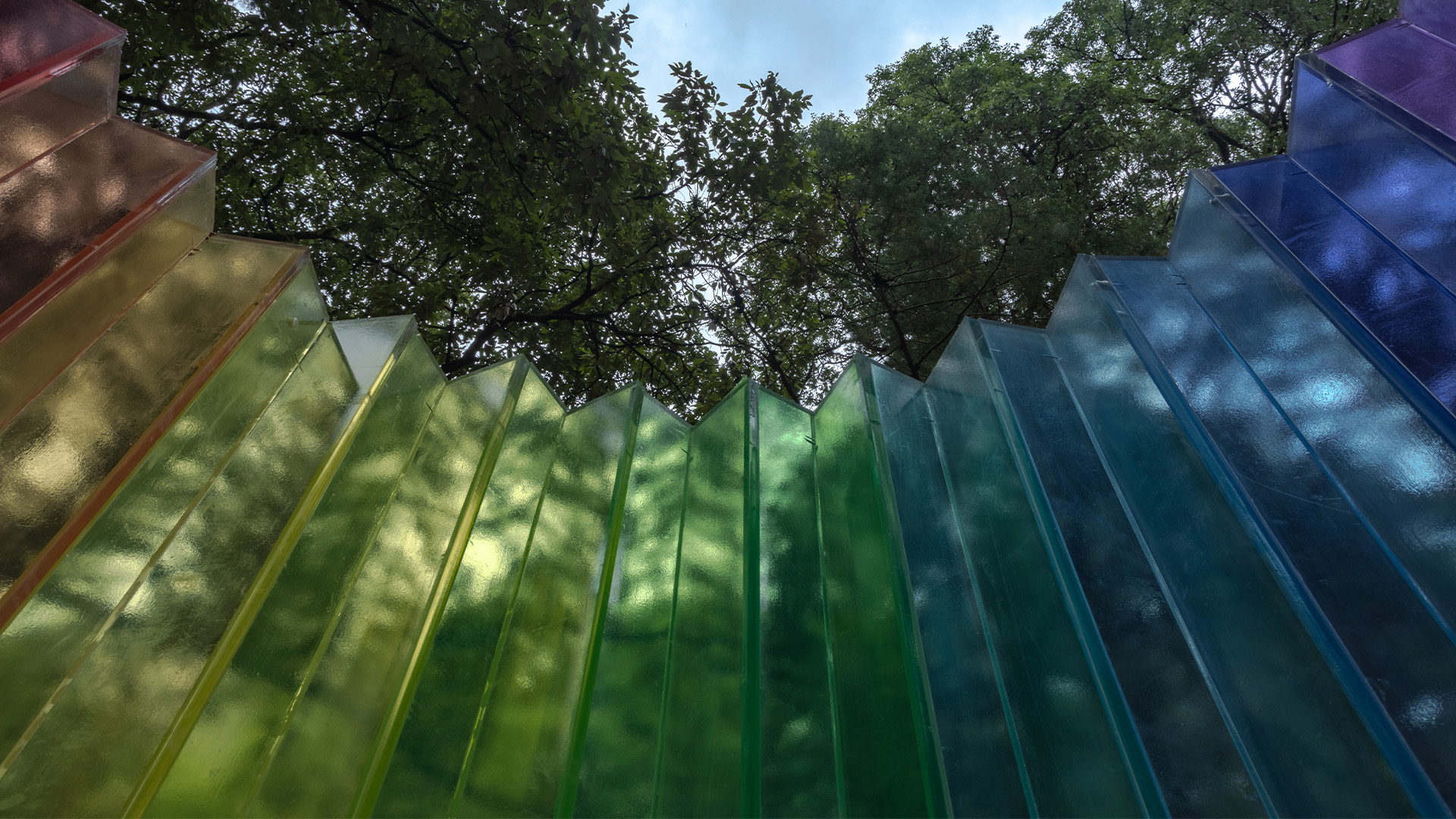
Introducing colour to the space is an installation sporting subtle hues. According to Monik, it “introduces a final moment of visual intensity, functioning as a metaphor for continuity rather than as a dominant object.” This approach is not just concerned with the architecture, but also the landscapes, histories and stories that blend the practice of cultural sensitivity, minimalism and environmental sustainability cohesively. Could we perhaps think of the entire journey through the forest itself as a form of continuity — of life, death and the afterlife that precedes existence? We speak of the afterlife as though we know it, yet it remains a mystery. So is this forest, a landscape familiar in our telling, yet has its own quiet language.

Read More: In post-colonial Delhi’s Sunder Nursery, Tara Lal alongside T__M.Space makes the case for why experimentation and a collective focus on architecture is the way forward

Compartment S4
Photography by The Space Tracing company
SHARE THIS ARTICLE

You May Also Like

Watch

No results found.

Search
Close this search box.