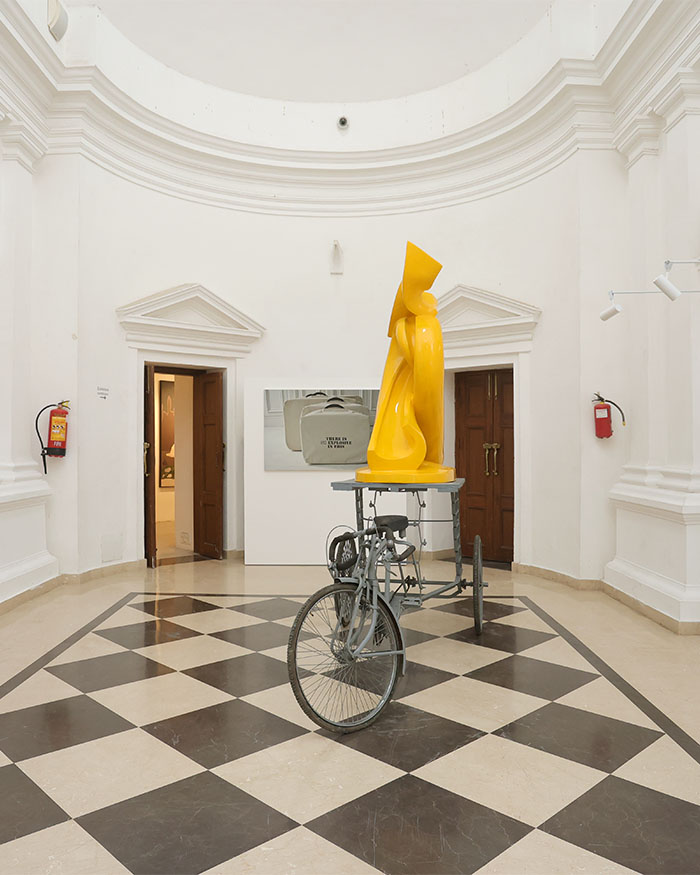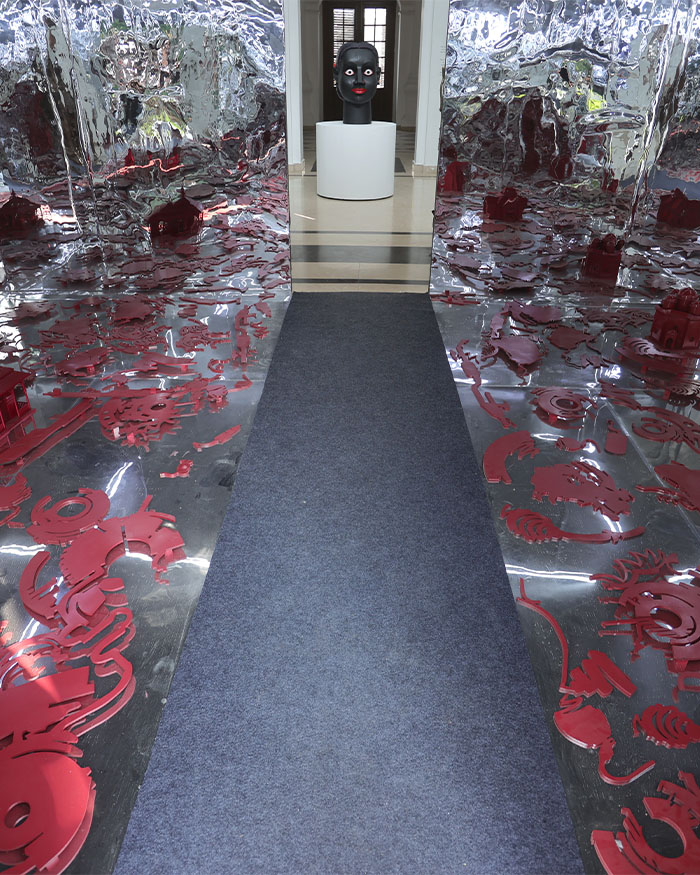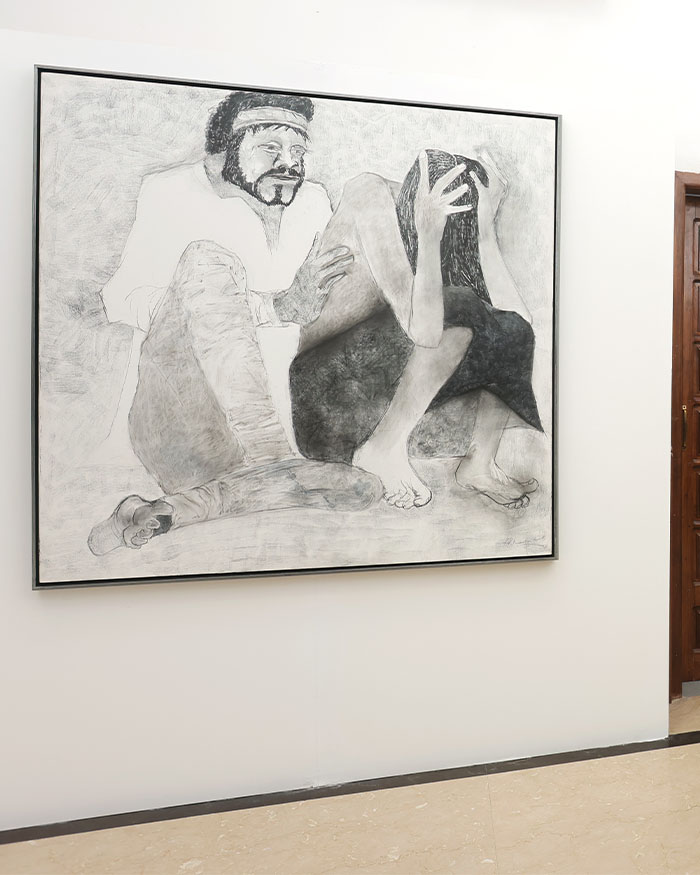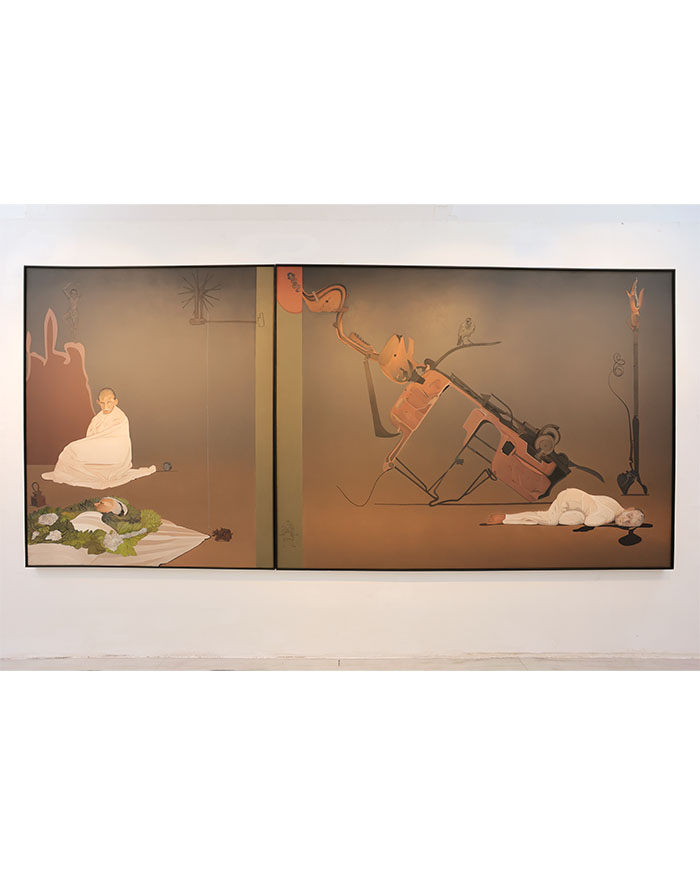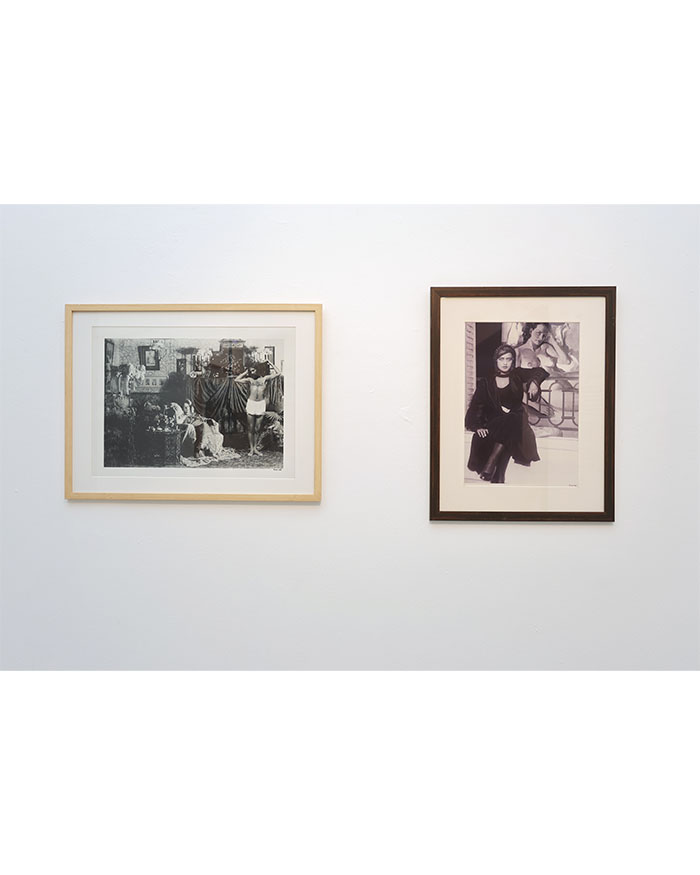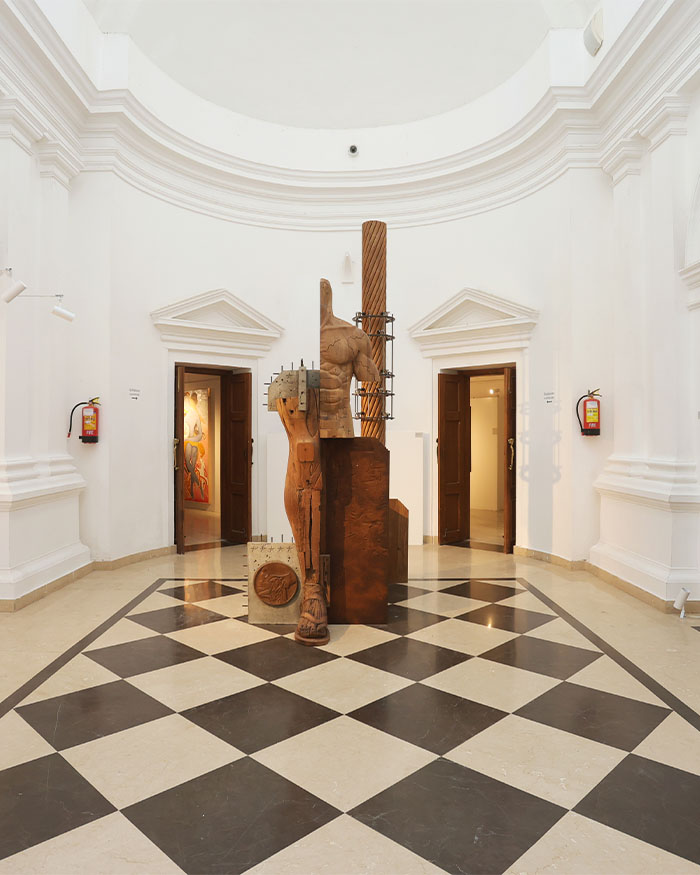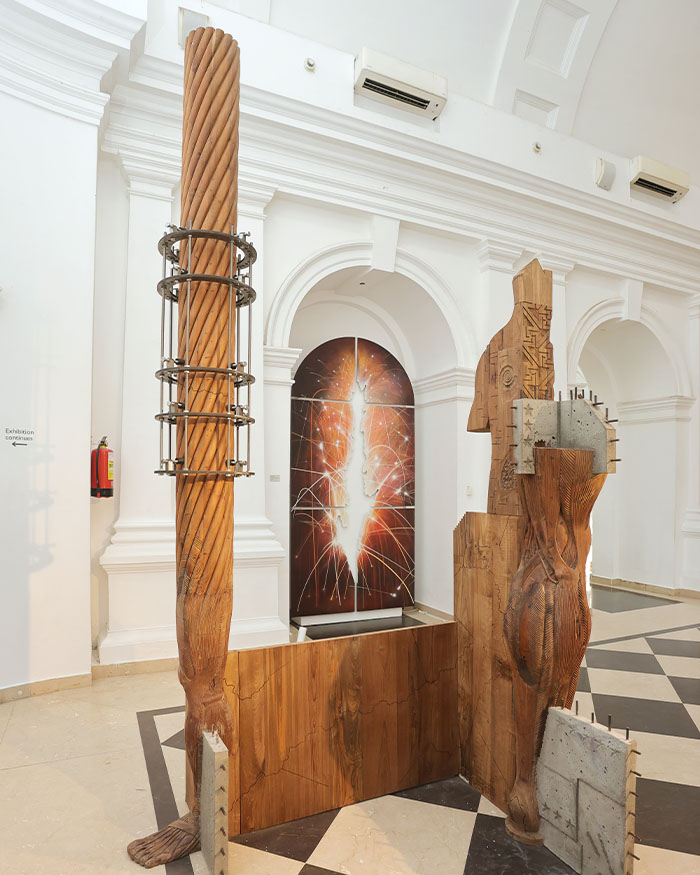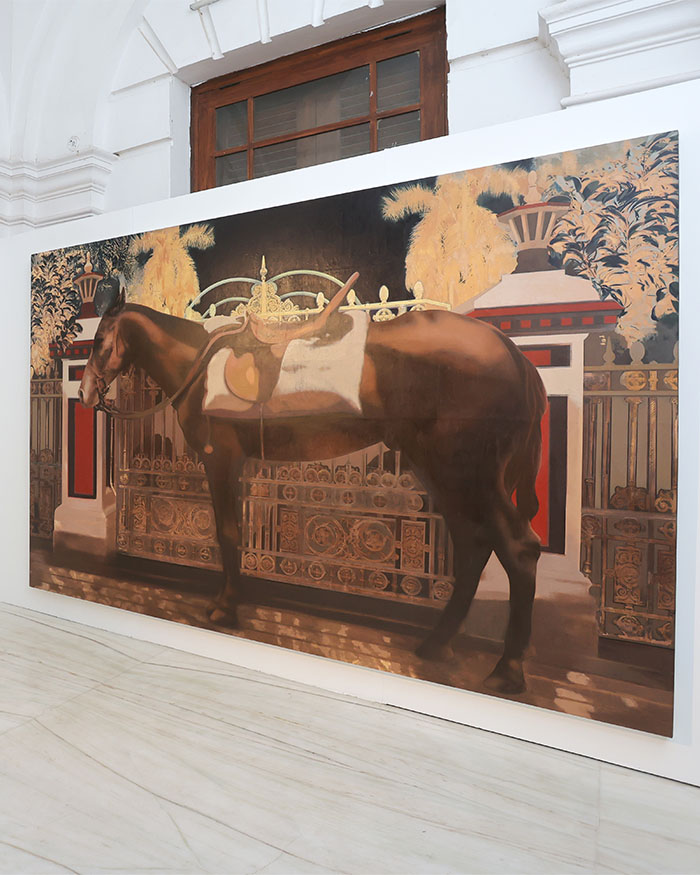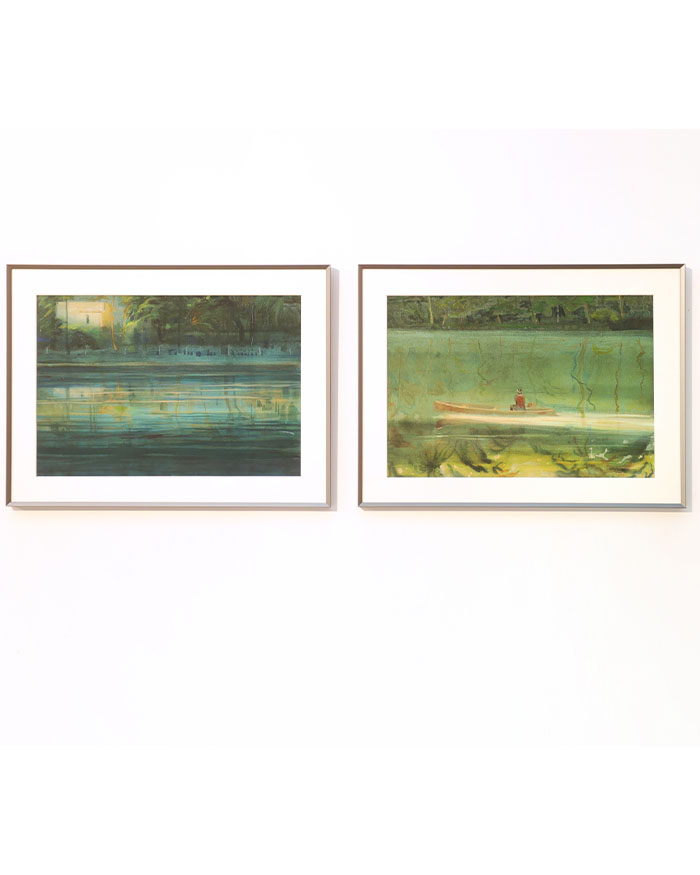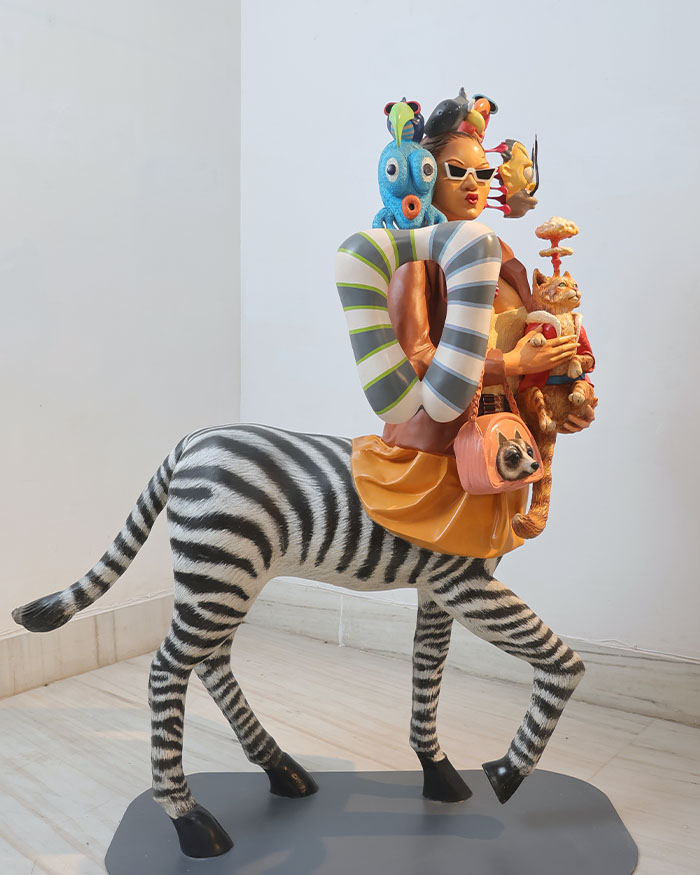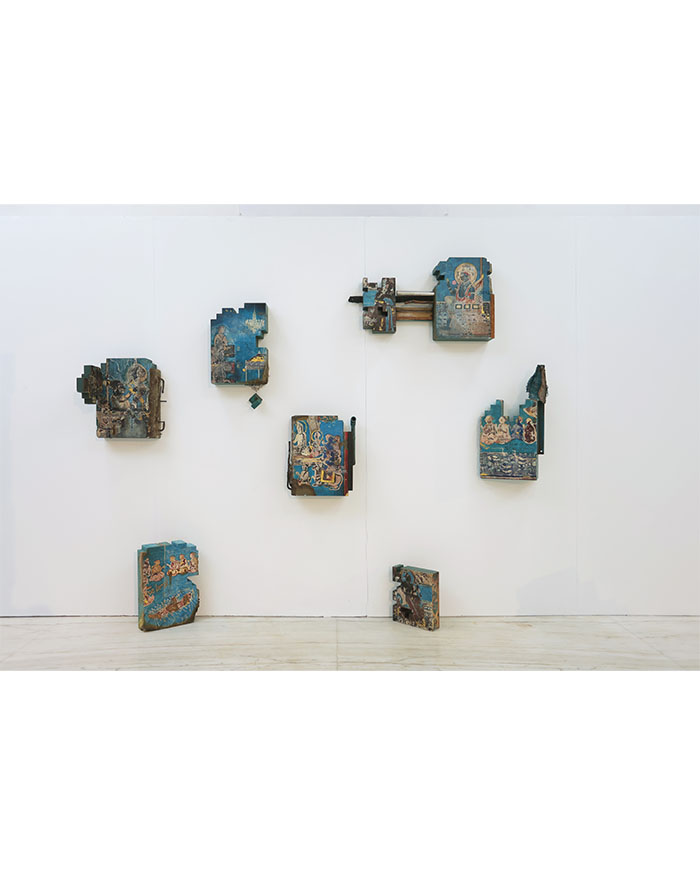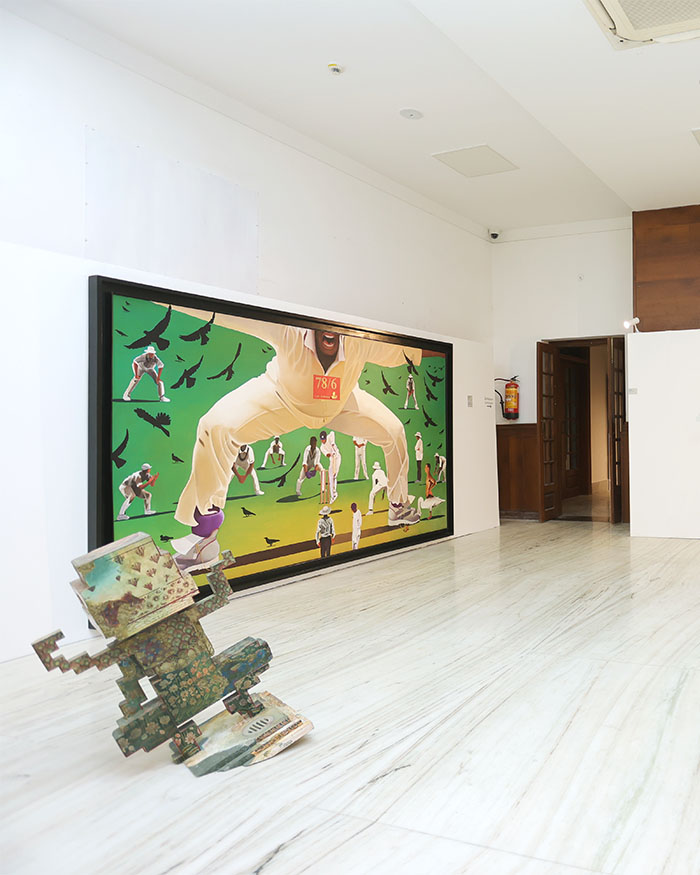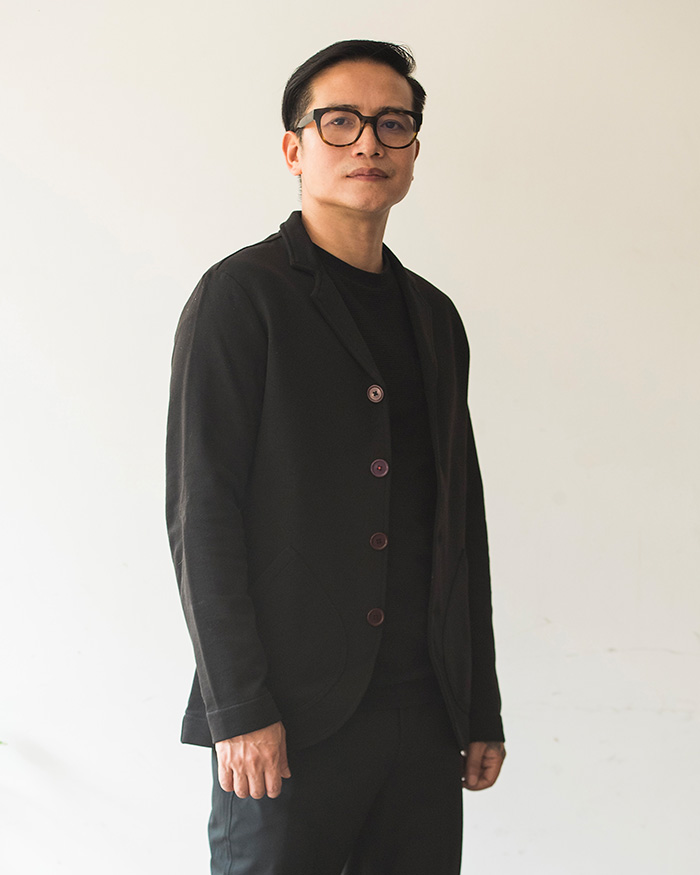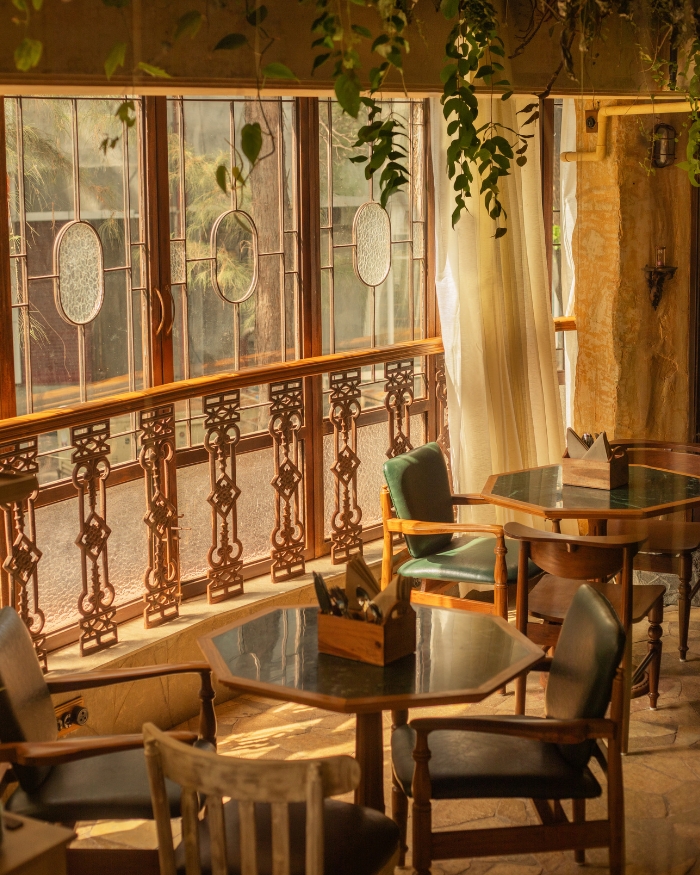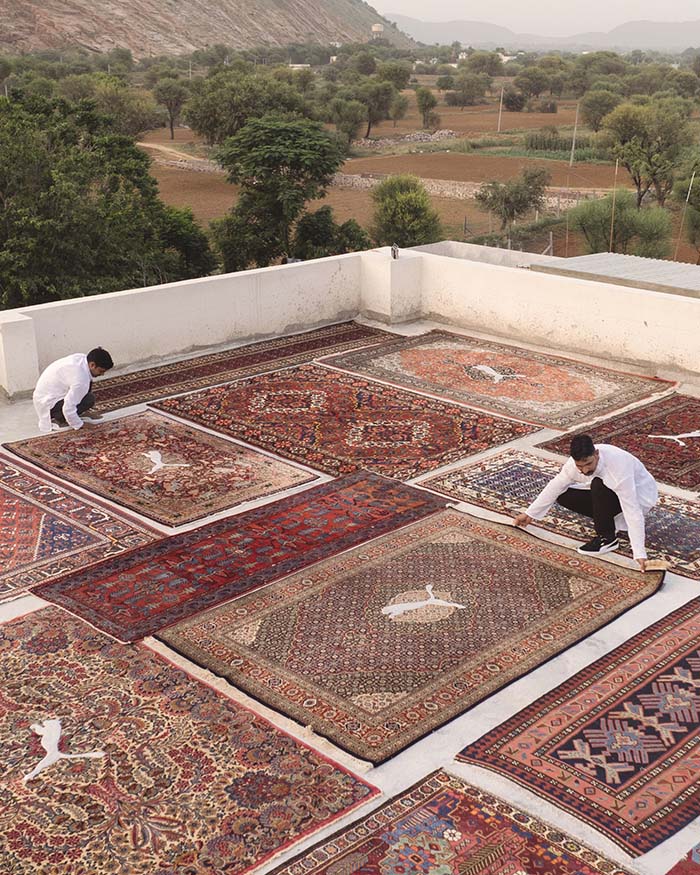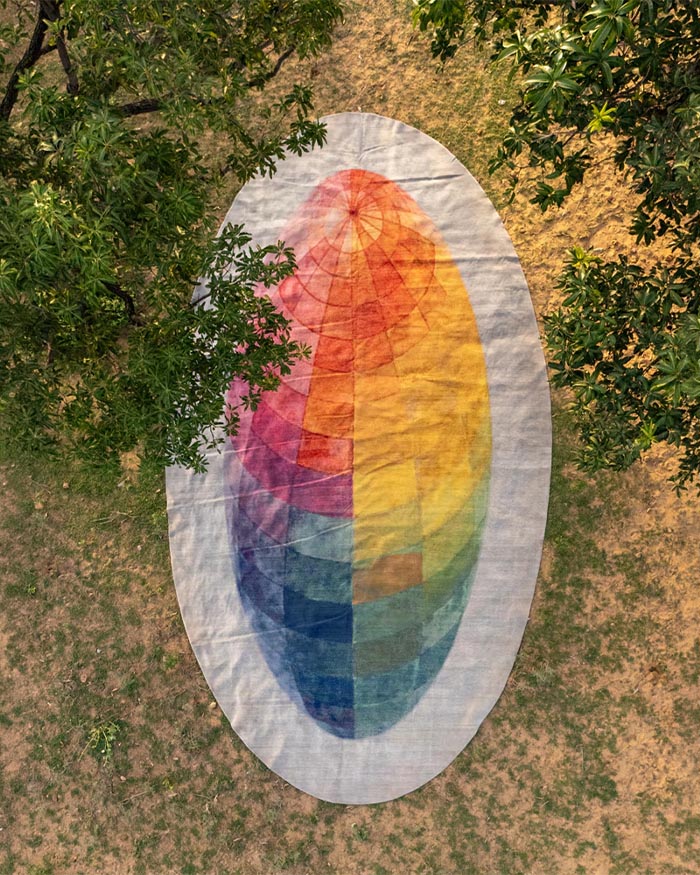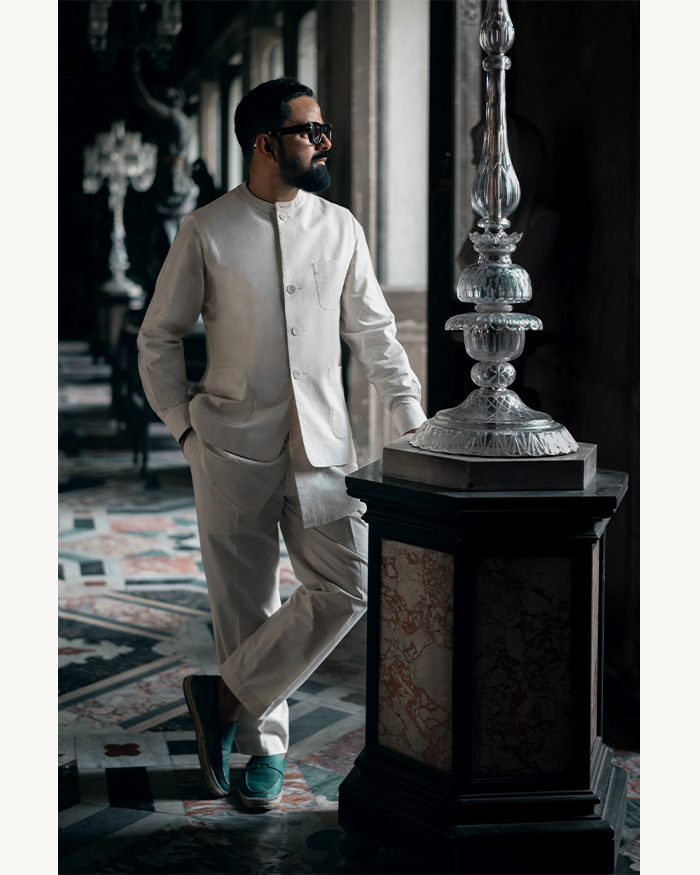
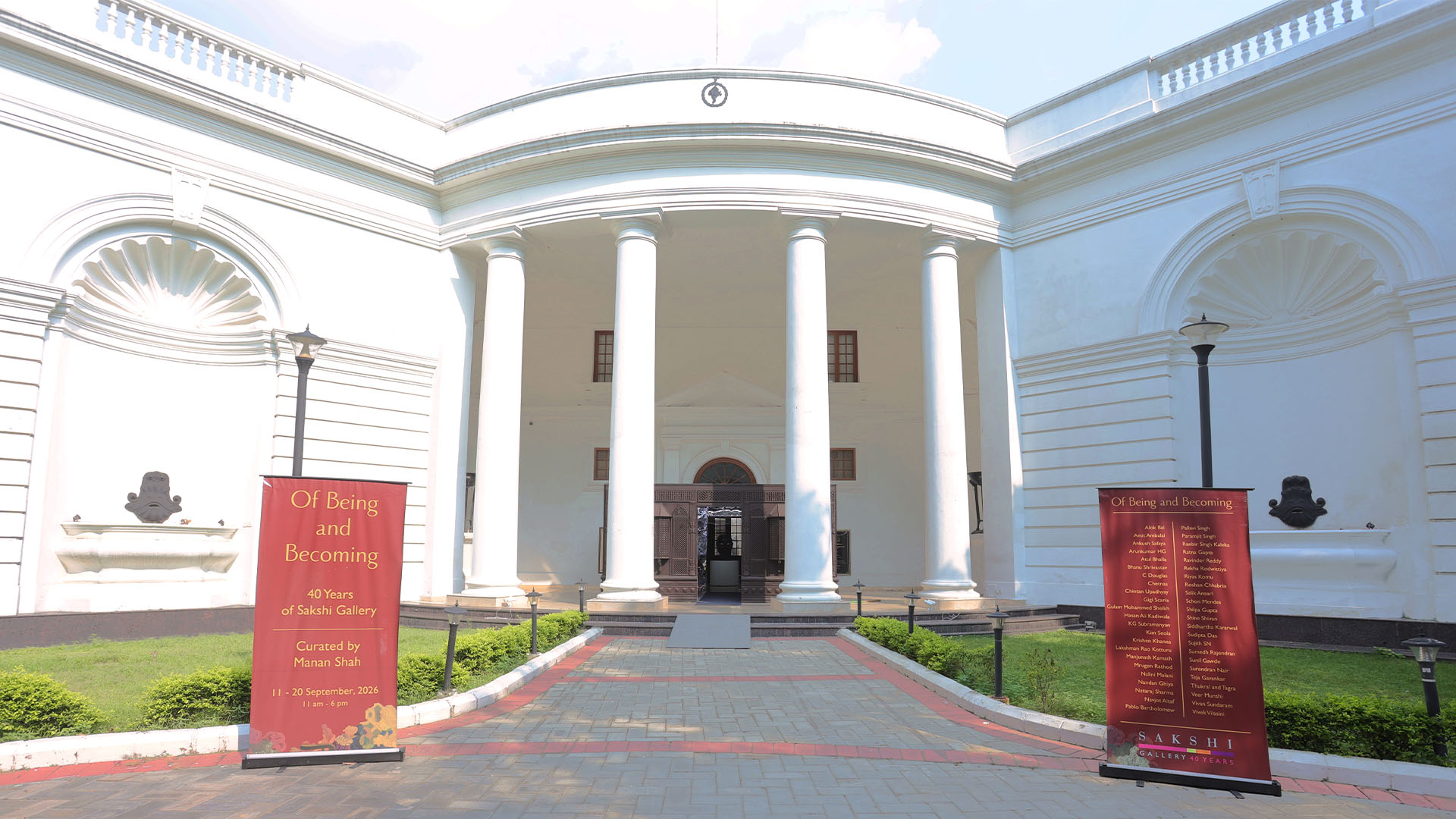
What is a gallery? An encounter between artists and audiences. As Sakshi Gallery marks four decades in India’s art landscape, its history offers a lens through which to consider the evolving role of the gallery as both cultural institution and interlocutor. At Travancore Palace, Manan Shah curates their anniversary exhibition, bringing this history into dialogue with the architecture and memory of its setting, inviting viewers to reflect on how Indian art responded to changing times and forces. While Manan reflects on the curatorial act as a form of witnessing, founder Geetha Mehra looks back on the gamble of establishing a gallery in an unfamiliar city and the convictions that have sustained its journey.
Why did you choose Travancore Palace as the setting for this show?
MS (Manan Shah): Travancore Palace has a history of its own, and we wanted to create something in dialogue with it. In reflecting on how art has evolved over the last forty years, I did not intend to limit the exhibition to the visual arts alone, but also wished to look at other forms of expression, and a place like Travancore Palace offered that possibility. It is also a large-scale exhibition, and the spaces available to showcase such a body of work are limited. Lastly, we invited artists to respond to the site and create works specially for the venue, which added a fresh way of looking at Travancore.
What do you think is the responsibility of a gallery and a curator beyond exhibiting and selling art?
MS: We should not limit our approach to sales or aesthetic value alone, but should also respond to and acknowledge social realities and shortcomings. For me as a curator, an exhibition is like narrating a story, one that I arrive at through observation, inquiry and concern.
How does it feel to be associated with a gallery with such a storied history?
MS: I was first surprised when I was invited to curate the anniversary exhibition at Sakshi Gallery, as I had never collaborated with them before. Sakshi is one of the earliest galleries in India, and I had long followed its exhibitions. Working with a gallery that has evolved over four decades, not only as a distinctive brand but also as a contributor whose journey runs parallel to the growth of visual arts in India, has been both a rewarding and fulfilling experience.
How old were you when you started the gallery? Looking back, what was the first show that felt like a real turning point?
GM (Geetha Mehra): I was 30 when I started the gallery in its physical space, but had been doing roving exhibitions in different venues in Madras and Bangalore.
What were your biggest fears when you started a gallery in Mumbai? What would you tell your younger self today?
GM: Bombay, for me, was an unknown and uncharted territory, which I entered fearlessly! Now, when I look back, I feel it was such a huge gamble, and perhaps I would not do it if I were to go back in time!
Read next: Why look for Indian artists at a global biennale?