Nexion
Photography courtesy of Nexion
Featured

Inside Nexion’s journey through Italy’s artisan botteghe

Nexion's Italian Vibes campaign traces four generations-old crafts

BY

Objects bearing the mark of ‘Designed in Italy’continue to carry a quality that other production cultures aspire to have. This quality usually manifests in words like ‘proportion’ or ‘restraint.’ But real material in Italian craftsmanship isn’t fabric or clay or brass. It’s time, gesture and heritage as creative materials in their own right.  

Nexion
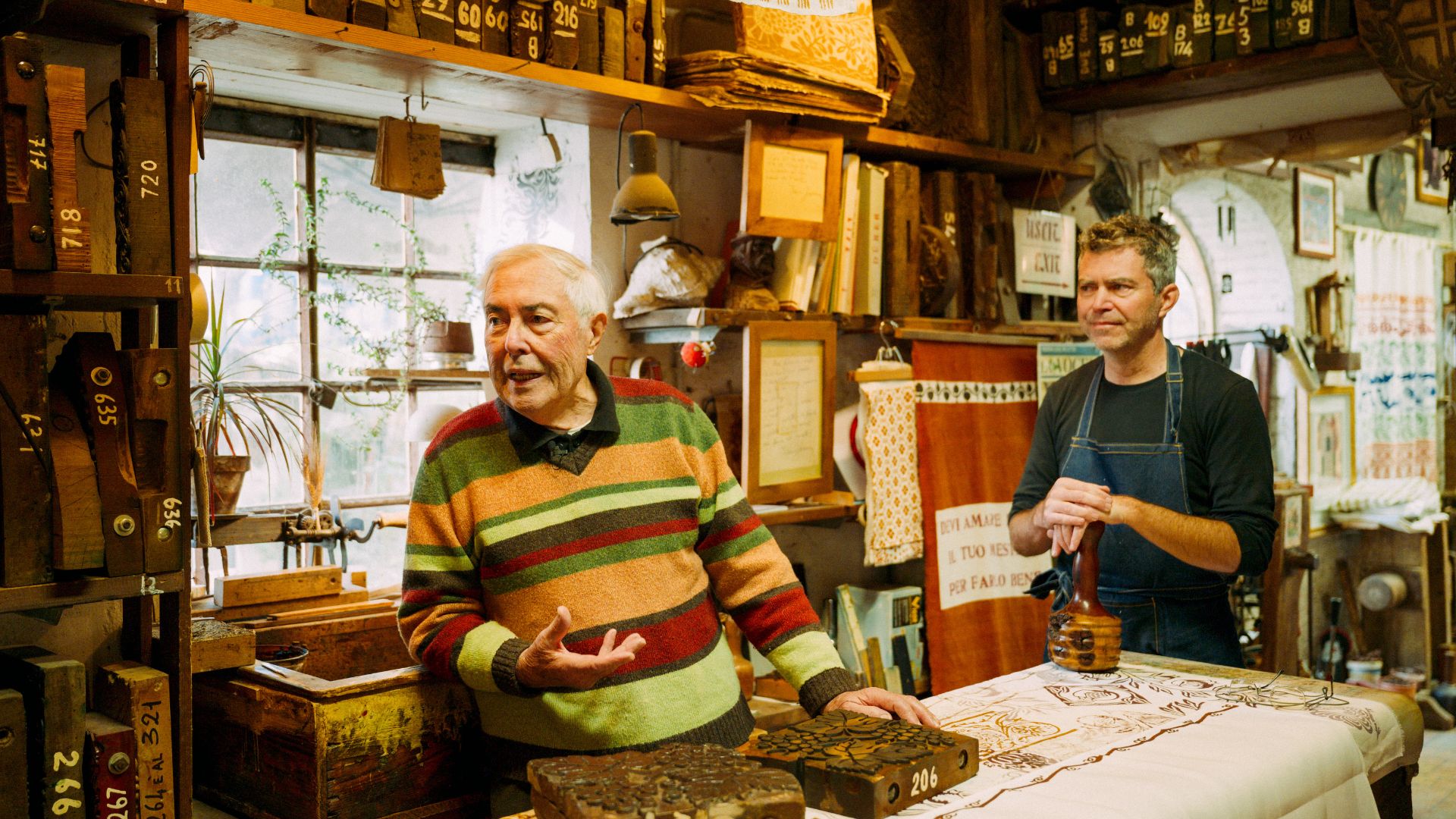
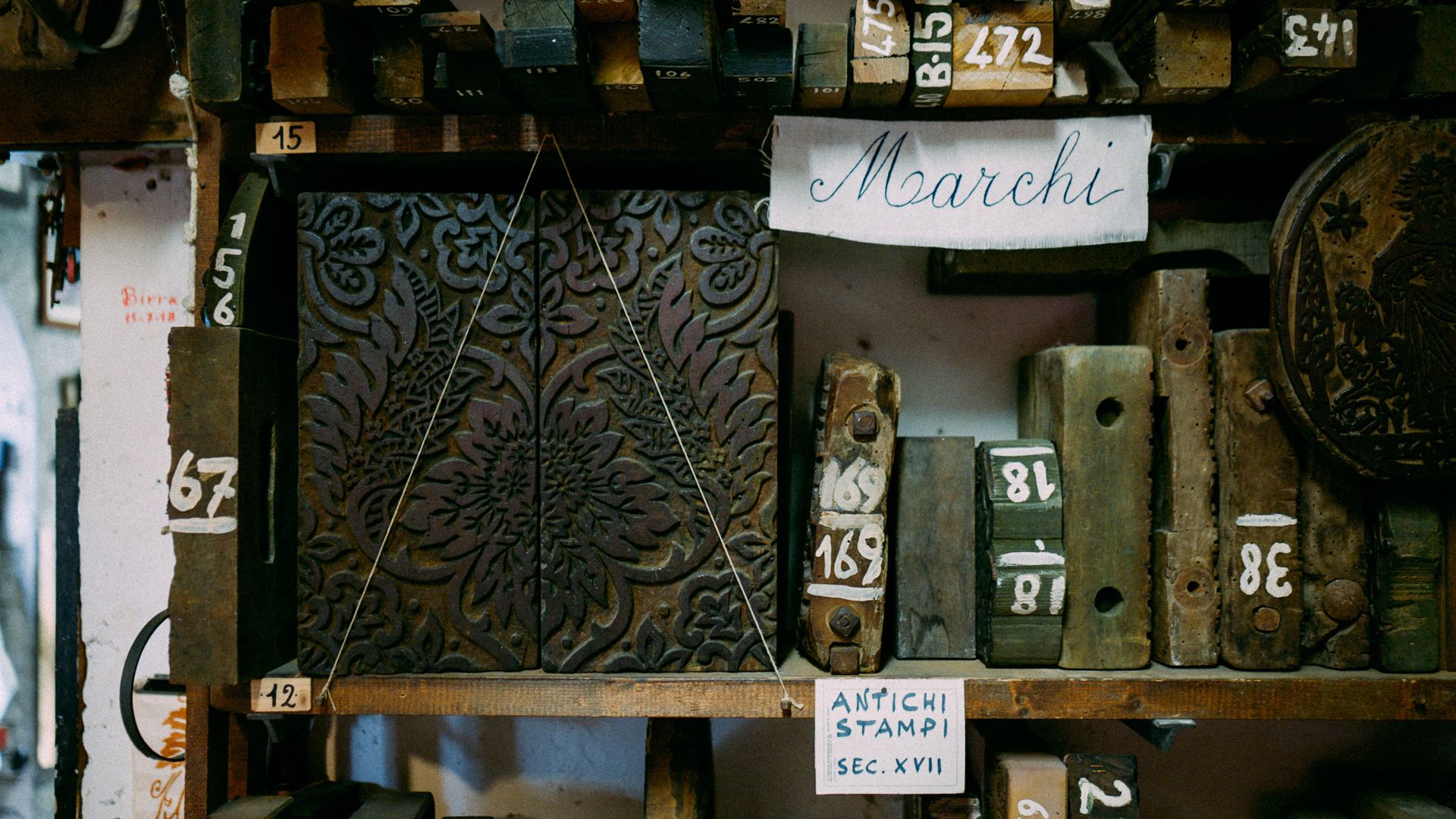
Italian Vibes by Nexion Episode 1 - Stamperia Marchi; Photography courtesy of Nexion

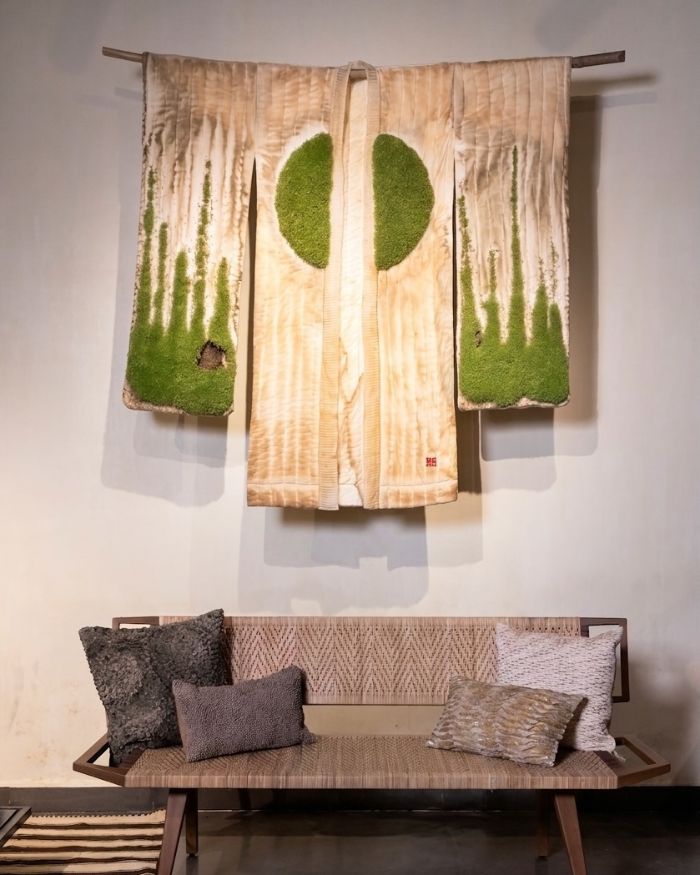
At Stamperia Marchi, an artisan workshop in Sant’Arcangelo di Romagna, stampa ruggine (rust printing) has been practised since 1663. The Marchi family presses wooden blocks onto fabric using a pigment whose recipe has been guarded for more than three centuries. The colour takes time to oxidise and settle into the weave, developing a depth that industrial dyes cannot reproduce. 

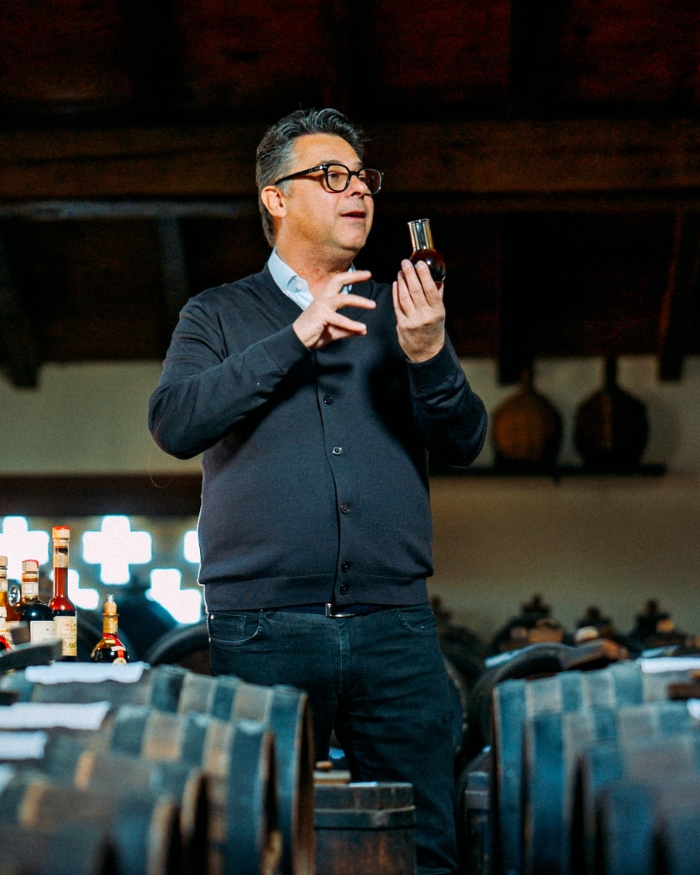
Ninety kilometres north, at Acetaia Leonardi, the same patience is measured in years. At Acetaia Leonardi, the family has produced traditional balsamic vinegar of Modena (Italy’s black gold) for four generations. Their barrels rest in attics, where the vinegar matures for at least twelve years, with some batches reaching the extraordinary age of one hundred. Here, time becomes part of the making, shaping the flavour over years of patient transformation.

Nexion
Italian Vibes by Nexion Episode 2 - Acetaia Leonardi; Photography courtesy of Nexion
Nexion
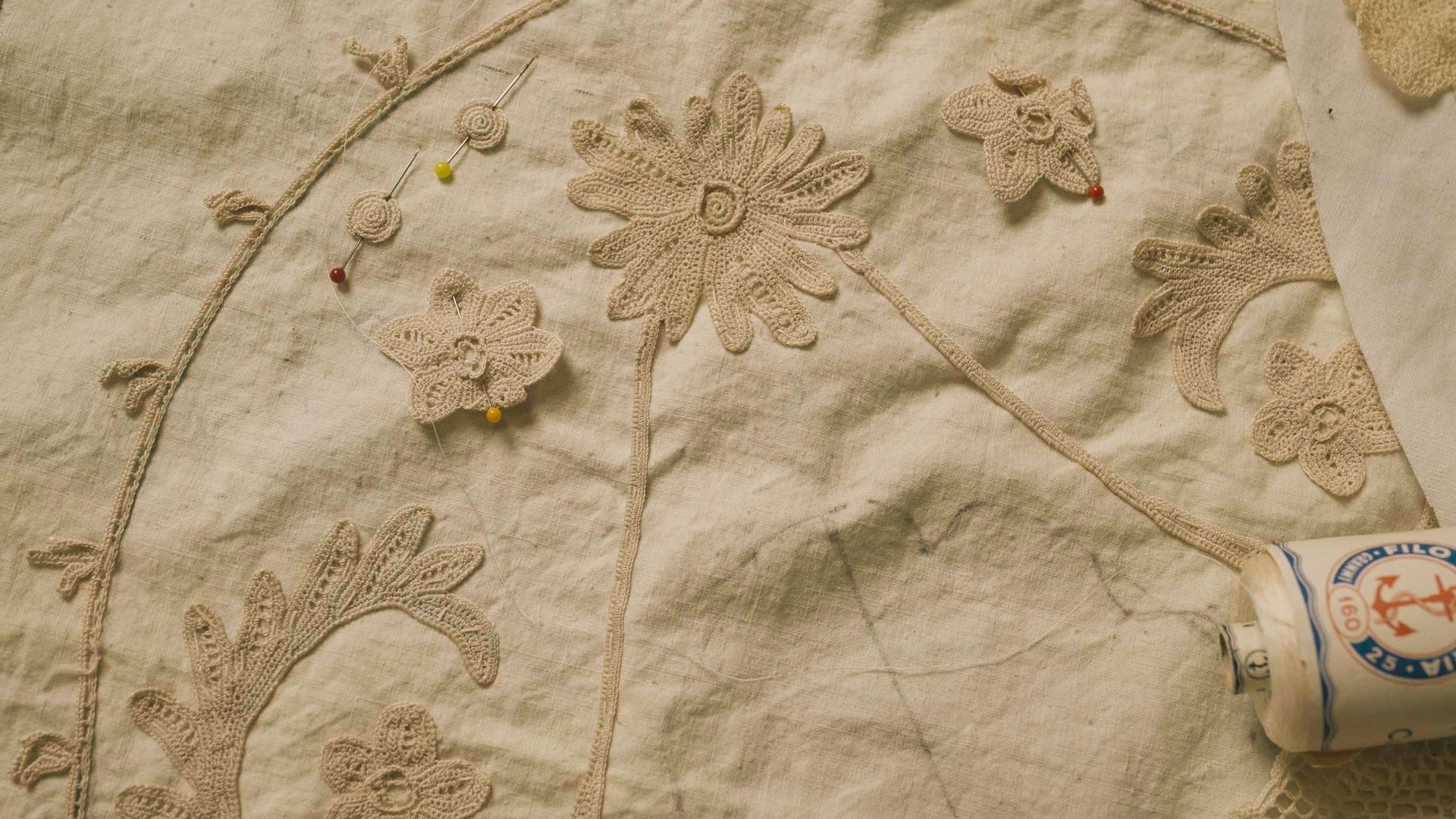
Italian Vibes by Nexion Episode 3 - Merletto di Orvieto; Photography courtesy of Nexion

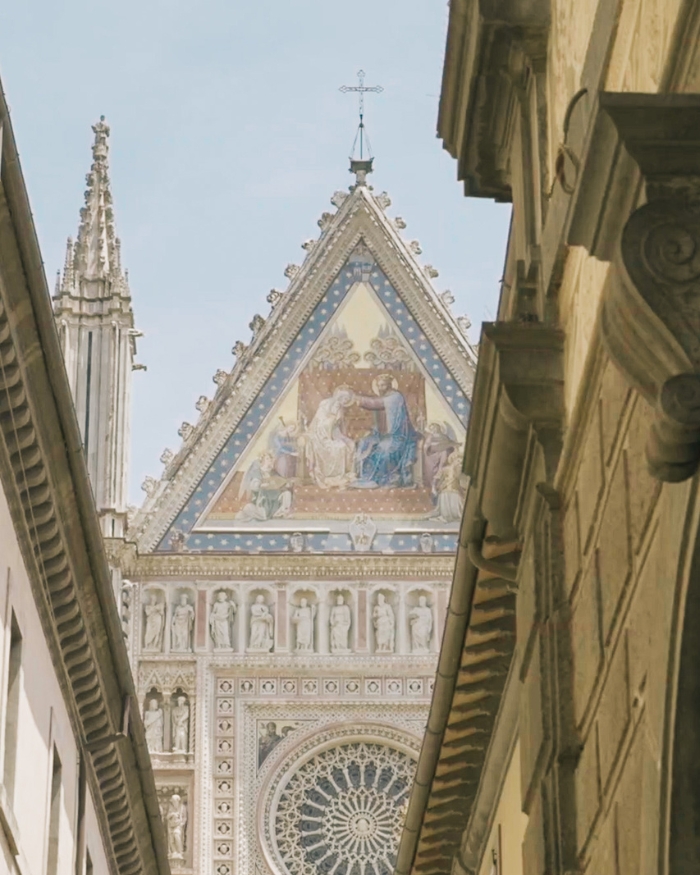
In the medieval city of Orvieto, that very patience takes the form of inheritance. Loretta Lovisa learned the art of Merletto di Orvieto by watching her grandmother and mother sew on the doorstep of their home. The craft is passed down through observation and practice as one generation preserves the technique for the next with the same care and precision. 

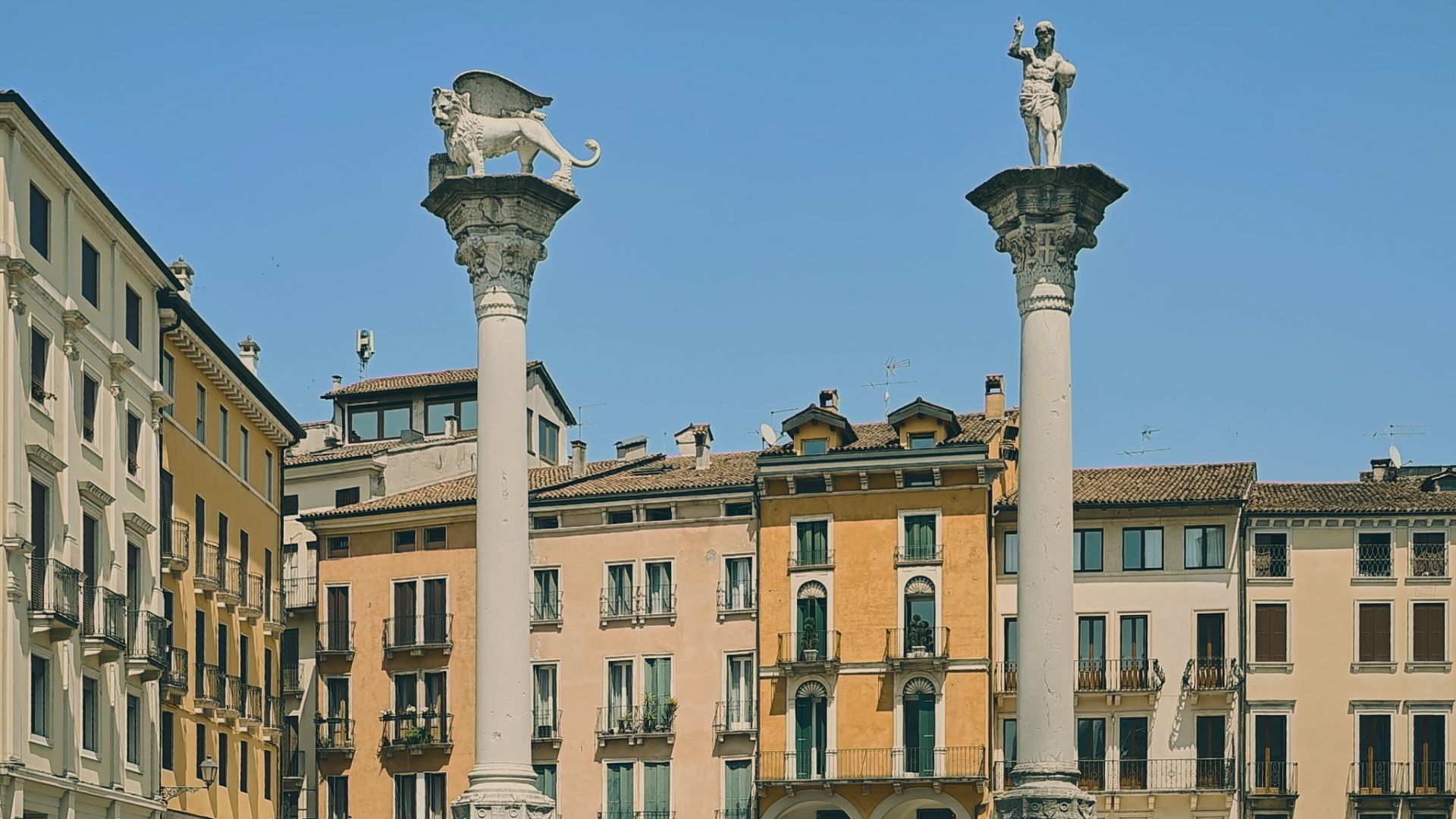
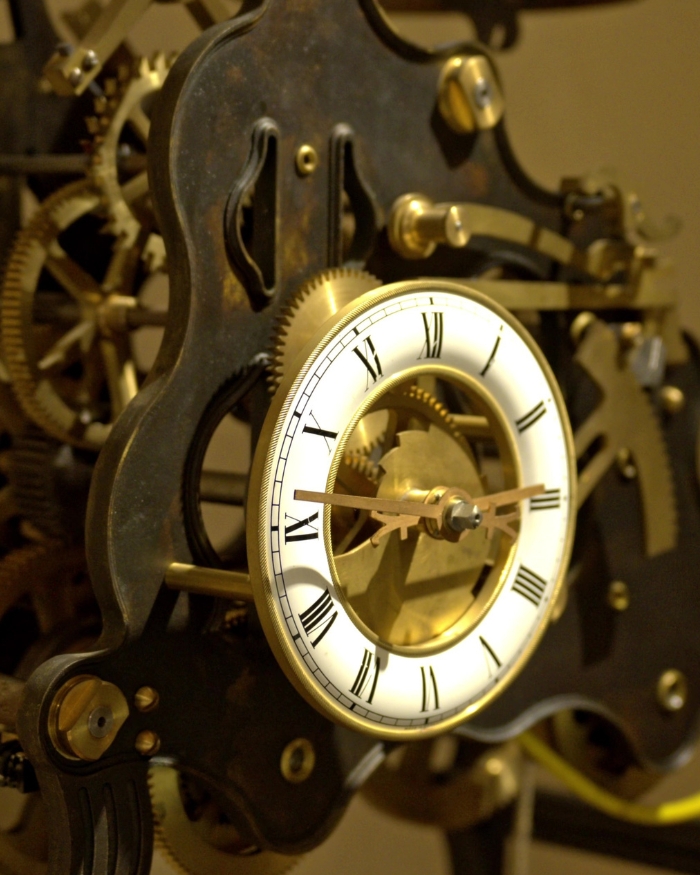
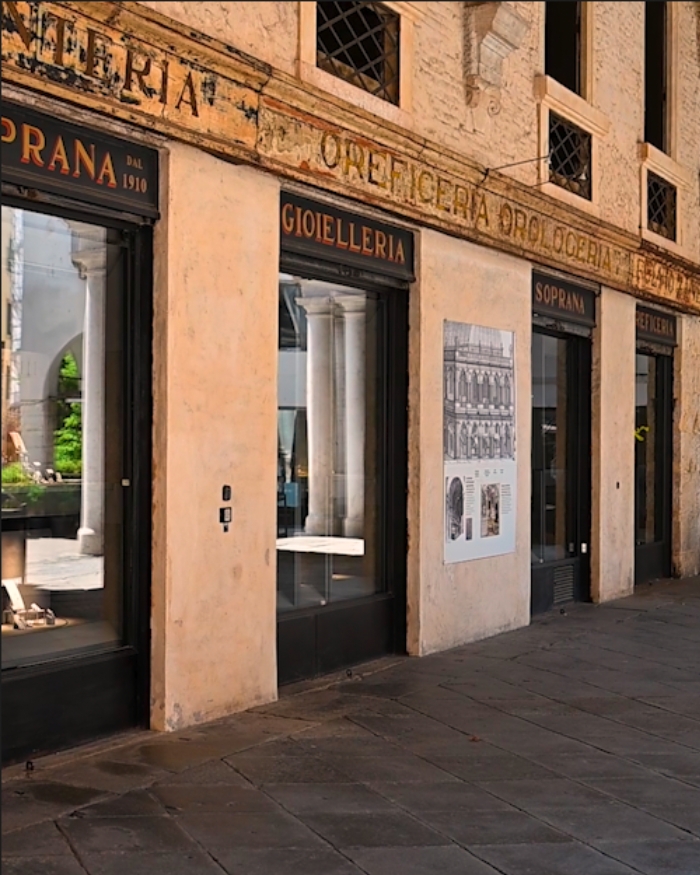
In Vicenza, at Pendoleria Soprana, a family tradition of hand-assembling pendulum clocks. Giovanni and Matteo, the founder’s great-grandsons, work with the same attention as their forefathers did more than a century ago. Each clock contains dozens of small moving parts, all organised, aligned and assembled by hand, demanding precision at every stage.

Nexion
Italian Vibes by Nexion Episode 4 - Pendoleria Soprana; Photography courtesy of Nexion
Nexion
Photography courtesy of Nexion

Across all four botteghe (artisanal workshops), knowledge is passed through observation, practice and repetition. Every gesture carries the experience of those who came before, becoming part of the craft itself. That’s what makes it impossible to rush or replicate in a market where surfaces increasingly resemble each other; it is this depth of accumulated knowledge that separates the original from the imitation.

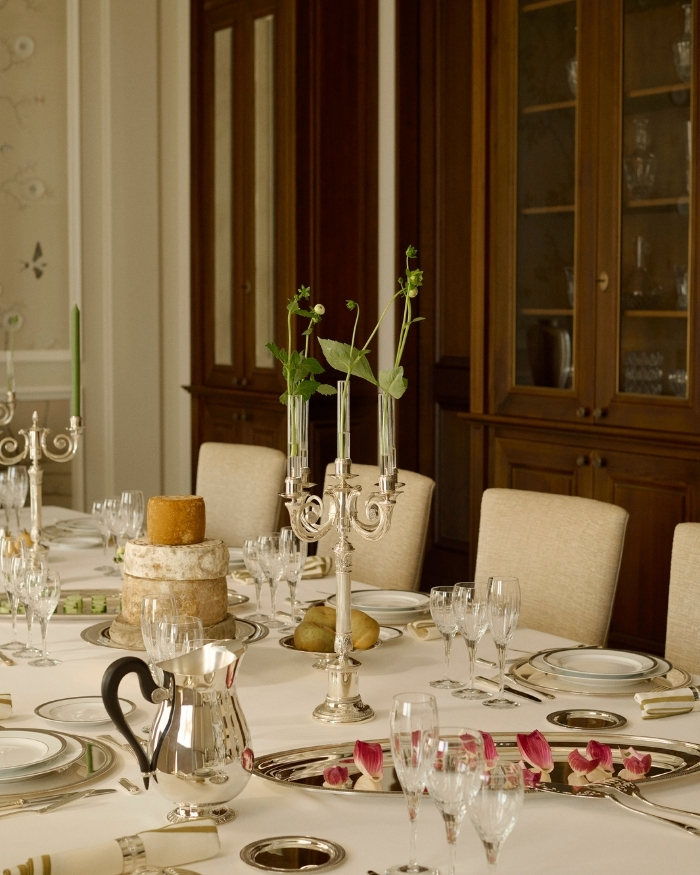
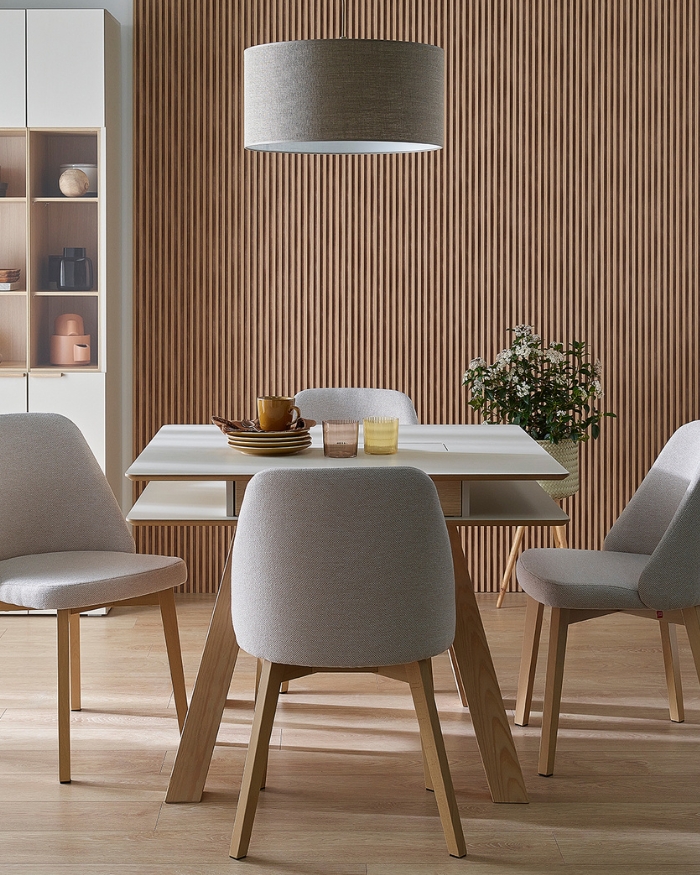
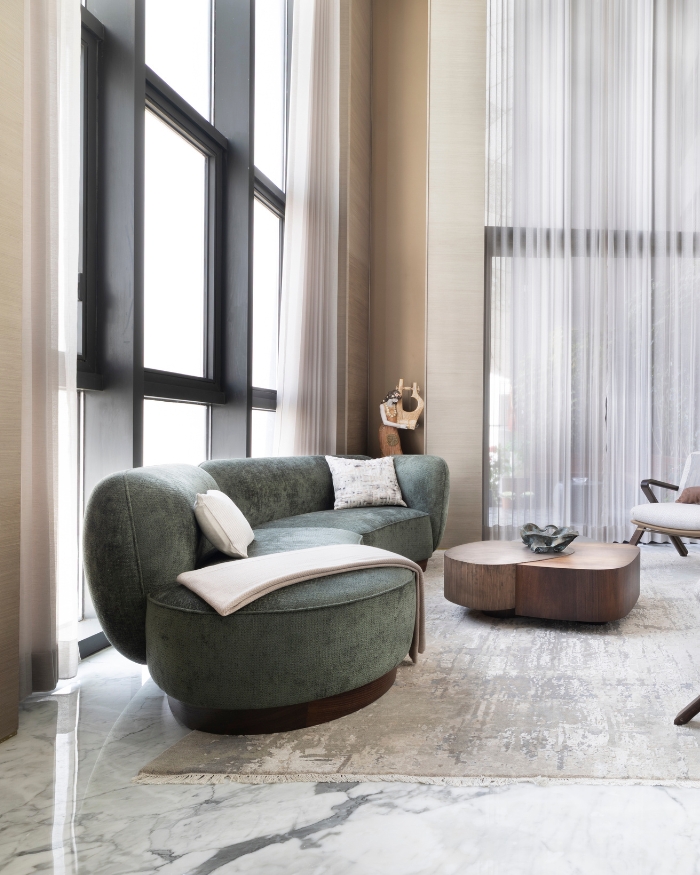
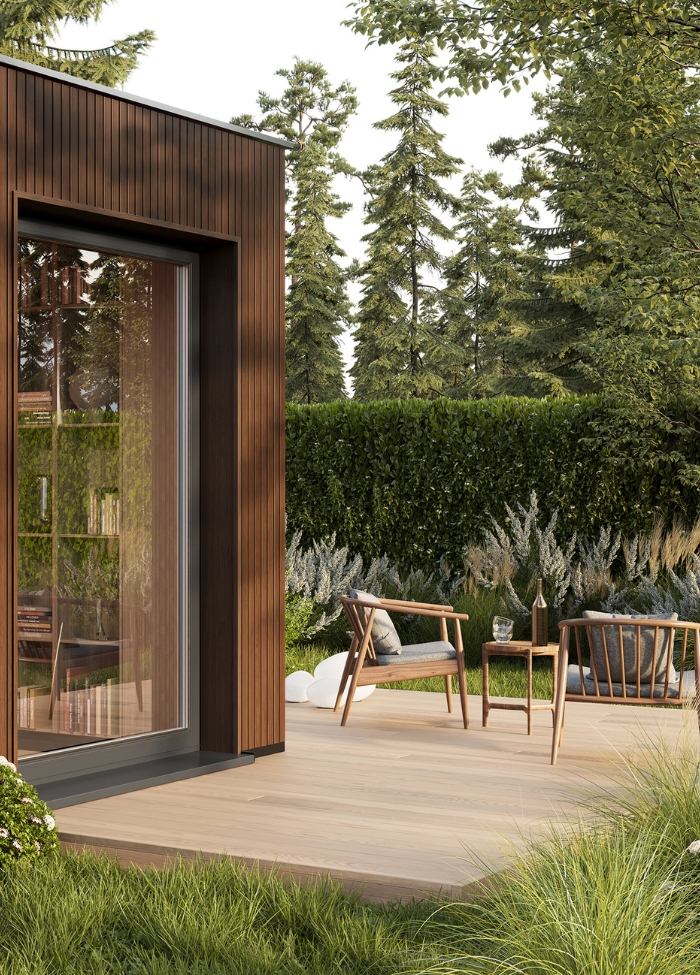
Nexion builds its philosophy on the same three principles that govern the Italian bottega: design and development as method, time and patience as discipline, heritage as foundation. These translate, quite literally, into how the brand makes its sintered ceramic surfaces. Raw materials get tested and retested, finishes go through rounds of refinement, textures and tonal balances are worked on, all on a timeline set by the material and not the pace a production schedule would prefer. At a larger scale, this is how Italian design culture reaches architects and designers while retaining the value of craftsmanship.

Visit Nexion to learn more!
Nexion
Photography courtesy of Nexion
SHARE THIS ARTICLE

You May Also Like

Watch

No results found.