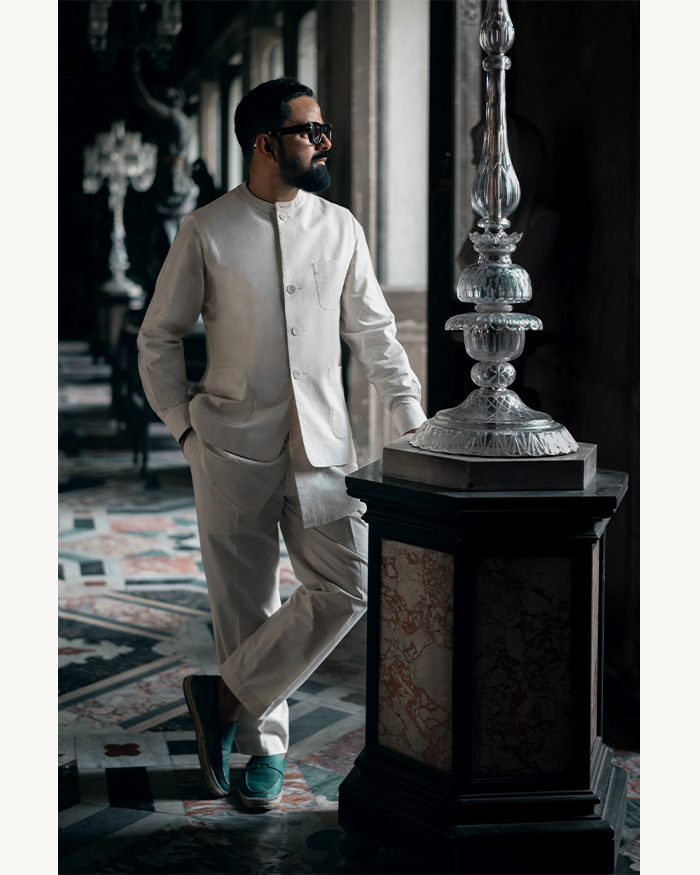
IDUS
Photography courtesy of IDUS
Featured

IDUS is rethinking the future of interiors in India

How IDUS, a legacy furniture house, reorganised itself around the way architects actually work

BY

India’s design market has quietly changed its question. For most of the last two decades, the industry’s central problem was availability: where to find a well-made sofa, a decent veneer, a light fitting that didn’t need to be imported. That problem has largely been solved. The harder question now is who can carry a drawing through to a finished room without losing what made the drawing worth building.

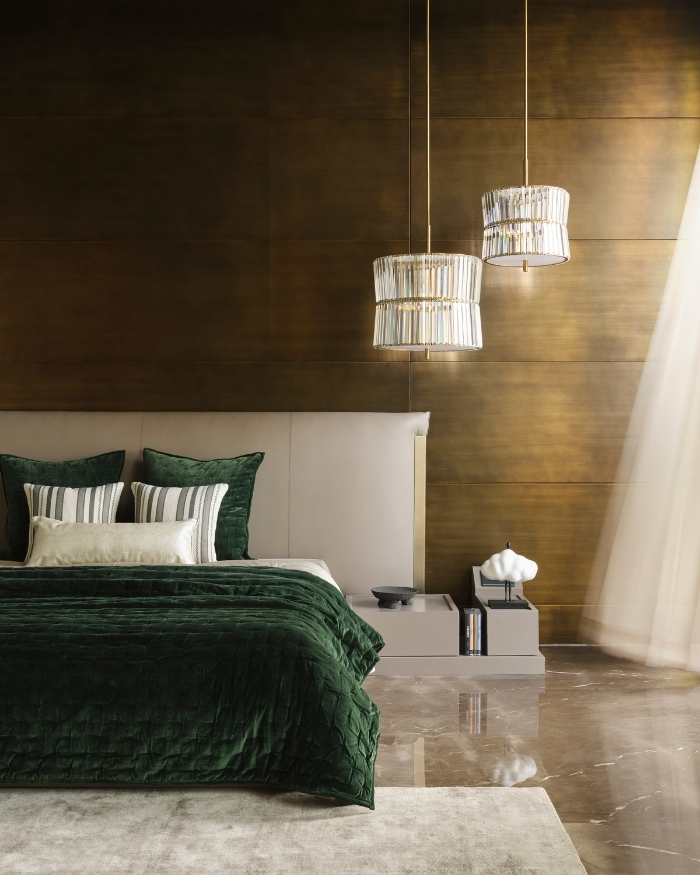
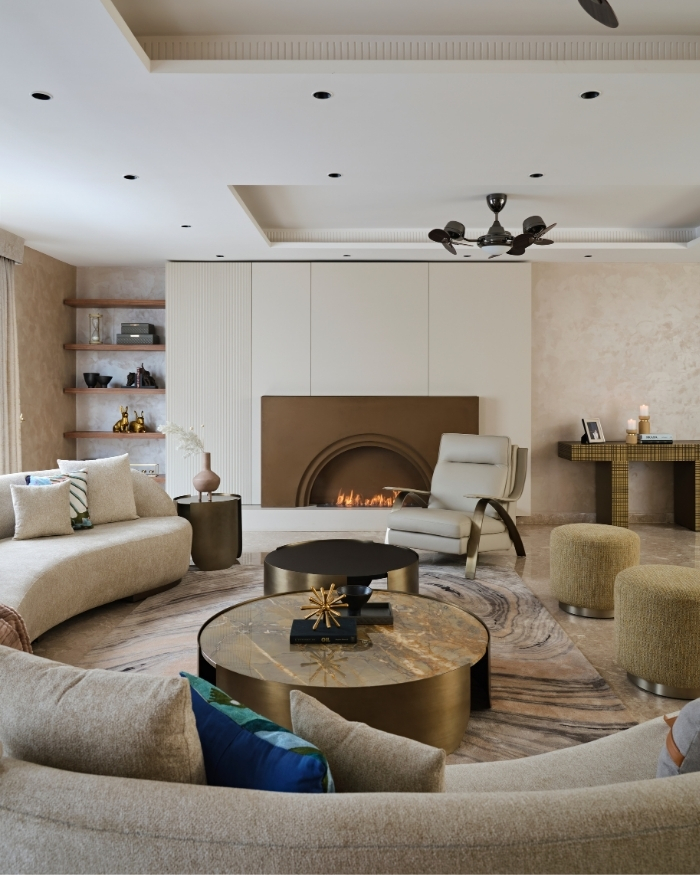
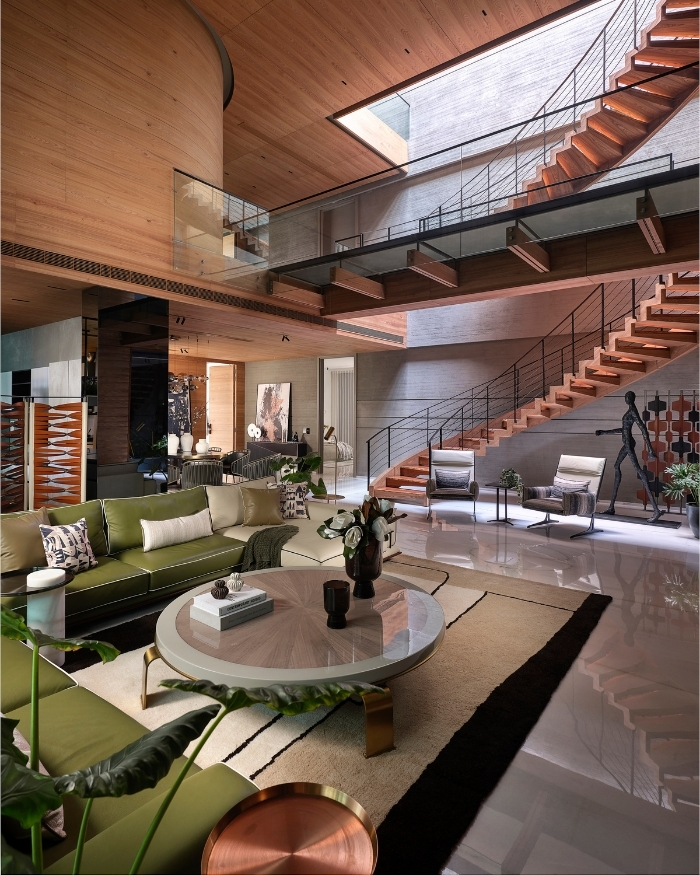
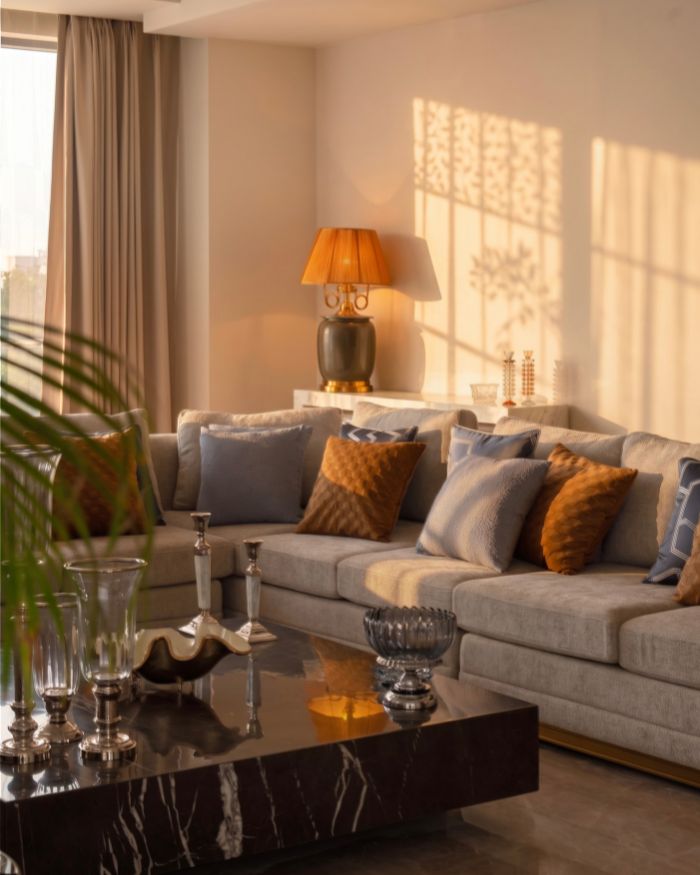
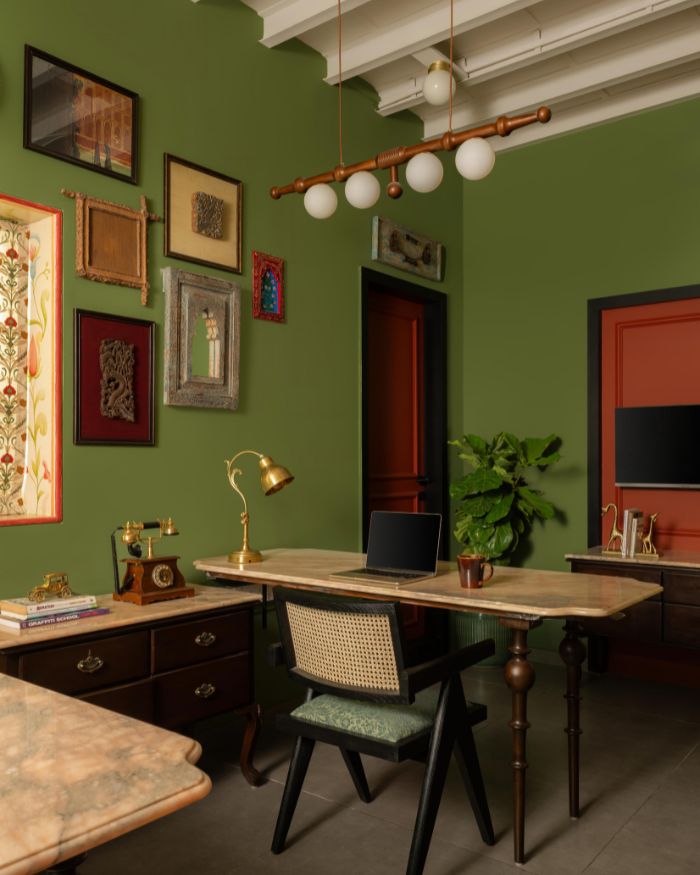
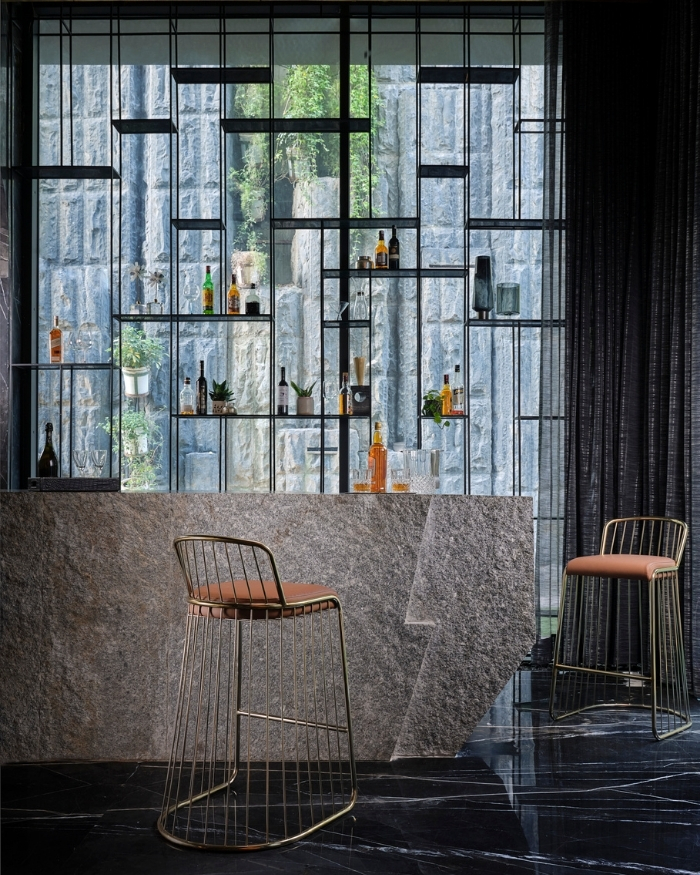
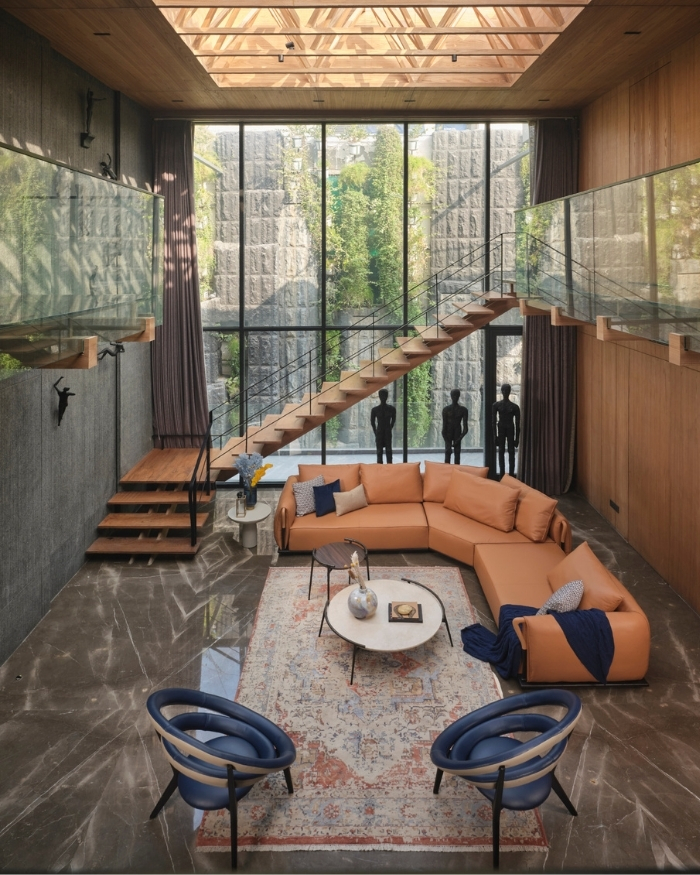
Walk into the IDUS flagship in New Delhi and the answer the company is proposing is legible in the layout itself. The space is not organised by category, by price or by collection. It is organised as rooms. Furniture, lighting, stone and architectural detailing sit together in arrangements that read as interiors rather than inventory.

That framing is the through-line of what the company has become over 22 years. What began as a curated furniture destination now operates closer to a design-and-manufacturing studio, with ready collections, bespoke furniture, architectural millwork, wardrobes, wall panelling, vanities, libraries and media units produced under one operation. Its clients are architects and interior designers, hospitality groups, developers, and homeowners. “Twenty-two years ago, we were in the business of making furniture. Today, we’re in the business of making homes, which means understanding a project long before we understand what goes into it. That shift in thinking is really what this anniversary celebrates,” says Pankaj Hora, Director at IDUS.
A showroom built for specification

Specifying a palette is guesswork when the samples arrive as chips: solid wood, natural and engineered veneers, marquetry, architectural metals, stone, marble, glass, resin, upholstery, leather and custom hardware all behave differently in the company of each other than they do on a board. The showroom argues that a designer standing in a finished room makes faster and better decisions than one working from a lookbook.

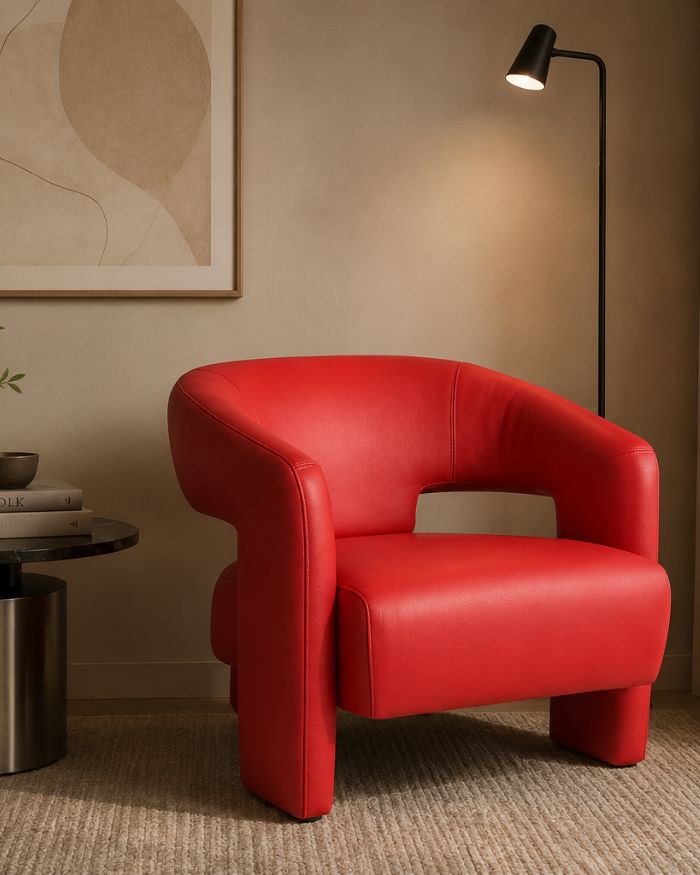
The second thing the floor addresses is less glamorous and for most practices, more consequential: time. Projects rarely fail on taste. They fail on schedule. IDUS, India’s largest furniture store, carries upwards of 50,000 ready pieces across furniture, décor, lighting and rugs.  All of the stock is available to ship immediately across the country, leading to same-day delivery in Delhi, NCR, where the store is based.

IDUS
Photography courtesy of IDUS

Where the bespoke work starts

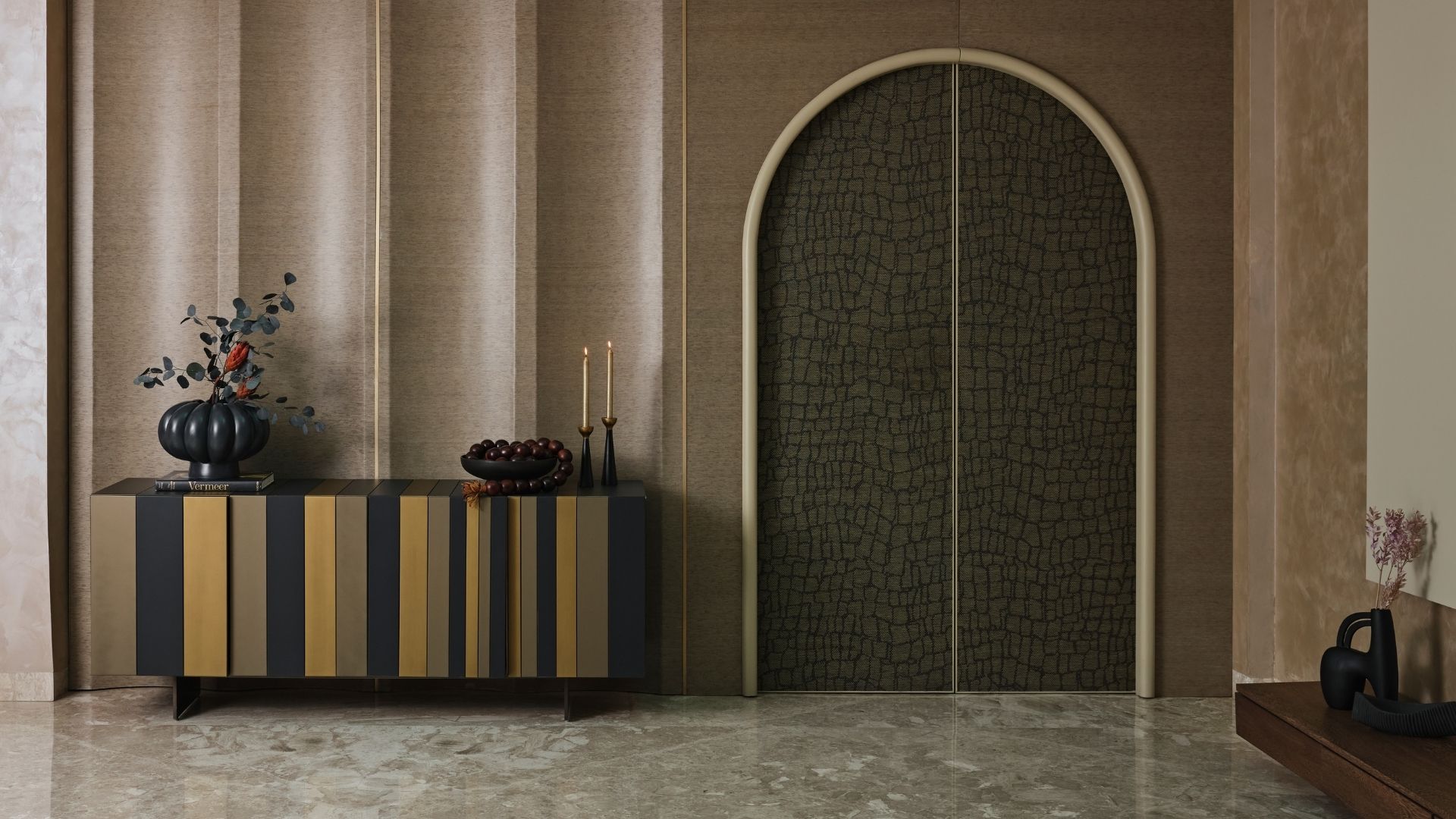
The bespoke side of the business begins where the catalogue stops, which is to say, at the point most projects actually get interesting. A wardrobe that has to absorb an awkward structural column. Furniture for a hotel that will take years of hard use and needs to still look considered at the end of it. Wall panelling asked to conceal doors, lighting and air-conditioning behind a single continuous line.

The company’s process front-loads the interpretive work. An in-house design team works to establish a designer’s intent before drawings are developed, then tests that intent against what fabrication and installation will actually allow. Site visits confirm dimensions and layouts ahead of production, which is the unglamorous step that determines whether what arrives matches what was drawn. Whether the brief is to adapt an existing design or originate one, the stated objective is the same: preserve the idea, and make it buildable. Installation handled by an in-house team ensures any changes on site are handled swiftly and with precision. “The best bespoke pieces never look bespoke; they look like they were always meant to be there. That only happens when we understand a designer’s intent before we touch a drawing. Our job is to protect that intent all the way through fabrication, not just interpret it once and hope it survives,” says Prabjot Kaur, Director at IDUS.

IDUS
Photography courtesy of IDUS

Integration as a manufacturing argument

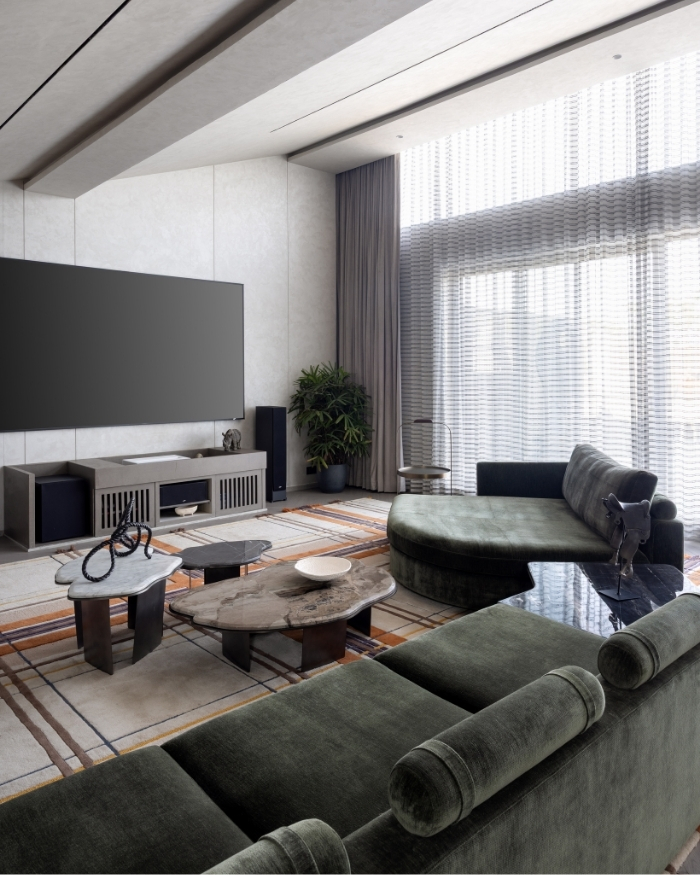
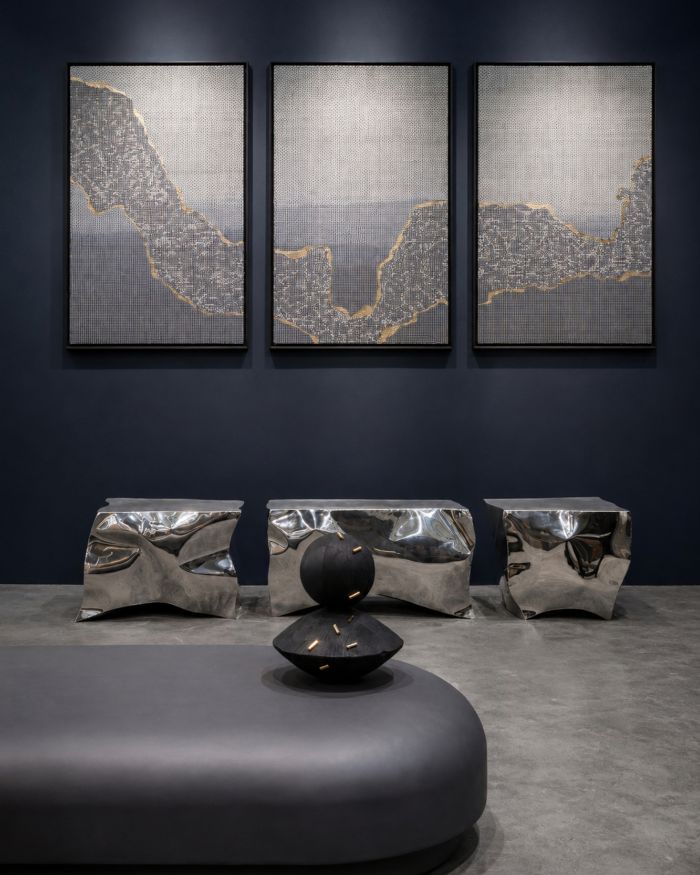
Specialist teams in woodworking, architectural metalwork, veneer and marquetry, upholstery, leather, stone and finishing work alongside each other rather than as sequential vendors, and the difference shows up in the pieces that ask several disciplines to agree: a wardrobe combining fluted timber, leather-wrapped handles and bronze detailing; a dining table resolving stone, metal and veneer; a media wall folding panelling, concealed storage, lighting and glass into a single composition.

Fewer handoffs mean fewer places for tolerances to drift. It also produces a category of work that sits awkwardly between disciplines — wardrobes doing the job of walls, libraries acting as room dividers, panelling absorbing storage and services in plain sight. The line between furniture and architecture has been blurring for some time; integrated manufacturing is what makes the blur affordable

IDUS
Photography courtesy of IDUS

The part designers actually rate

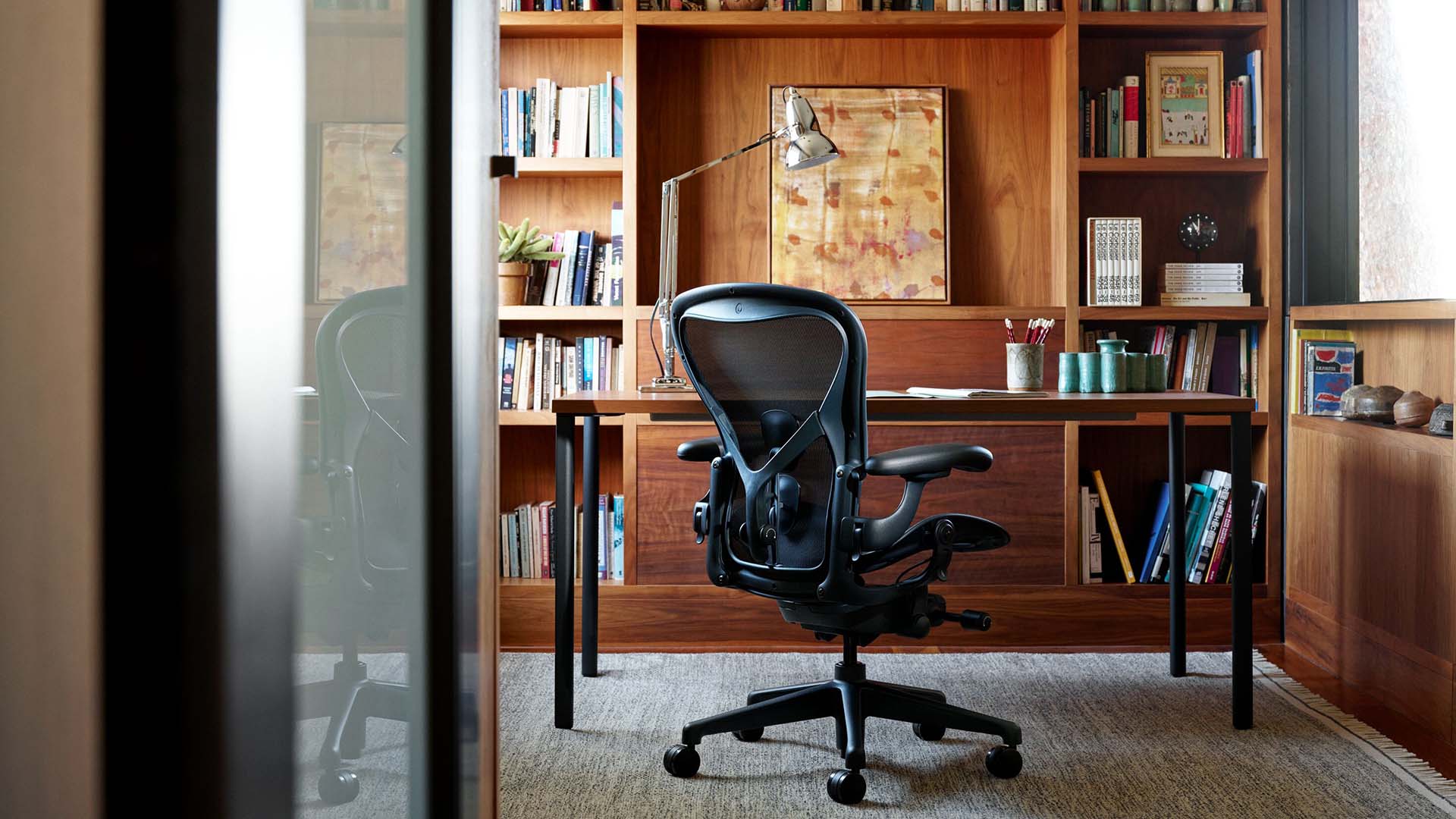
Ask practising designers what they value in a fabricator and craftsmanship is rarely the first answer. Creative work runs on flexibility; construction schedules do not, and the friction between the two is where most projects lose money and goodwill. IDUS assigns project coordination, technical support and structured approvals to carry a job from concept through shop drawings, material selection and installation, with production planning and updates intended to keep consultants from guessing. It is a quieter proposition than craft, and a harder one to photograph: accurate answers, drawings that survive contact with the workshop, timelines that hold.


IDUS
Photography courtesy of IDUS

What the market is asking for now

The shift the company describes is one the wider industry recognises. As Indian practices take on larger and more integrated briefs, the request moving up the chain is not for products but for capability.

“Architects, designers and clients don’t come to us anymore just to buy a piece; they come with a problem to solve. That’s a different relationship. It means we need design thinking, manufacturing and execution all working together under one roof, because the moment those three things are split across different vendors, something gets lost in translation. That’s the gap we set out to close,” says Kritika Hora, Director at IDUS.
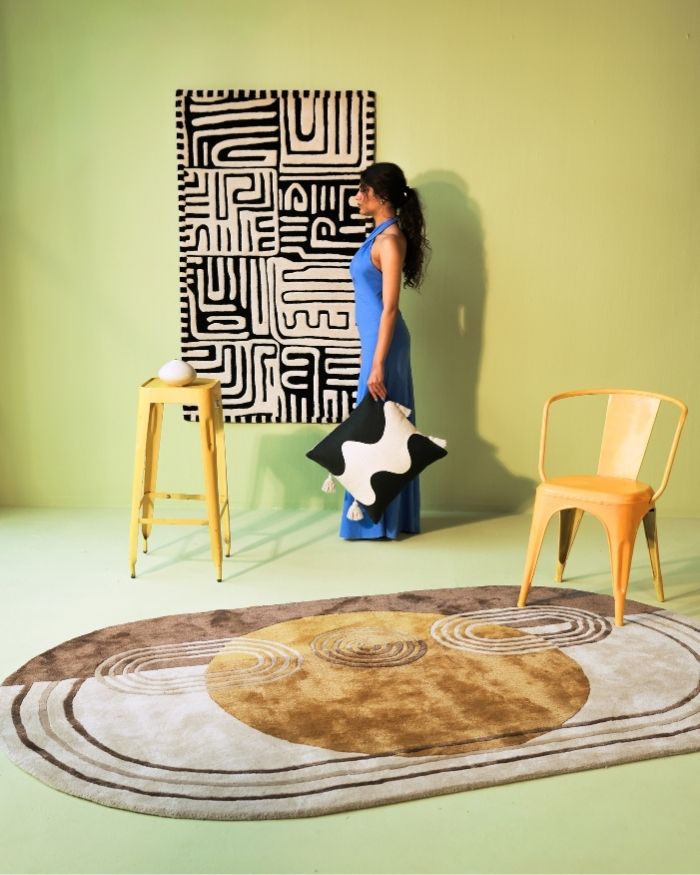
IDUS marks its 22nd anniversary from 30 August to 15 September, with offer pricing across ready collections and bespoke projects timed perfectly for the pre-festive building season.

Visit the IDUS Instagram to learn more!

Or take a peek at a few products from their vast catalogue at www.idus.in


IDUS
Photography courtesy of IDUS
SHARE THIS ARTICLE

You May Also Like

Watch

No results found.