Photograph courtesy of Shades of India
Featured

Shades of India reimagines the role of textiles

Shades of India brings three decades of textile making into a new 4,500-square-foot studio in Delhi

BY

ELLE DECOR

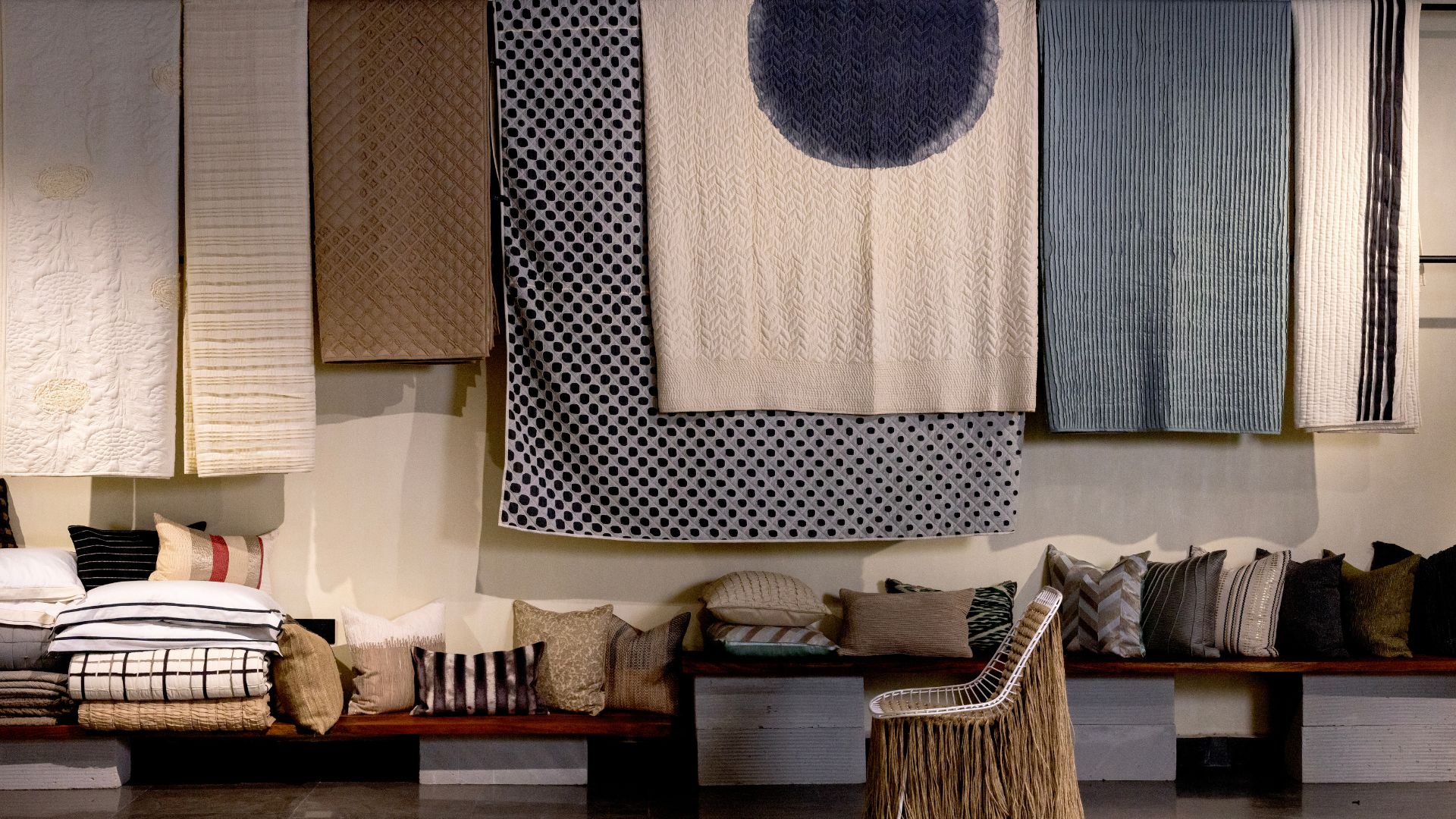
A textile can soften a room, filter light, introduce colour or change the way its architecture is perceived. Its effect, however, is difficult to grasp from a swatch. Fabric takes on a different quality when it is seen at scale, against a wall, across a window or within a room. Shades of India’s new bespoke textile studio on Delhi’s MG Road explores this relationship between textile and space.

Photograph courtesy of Shades of India

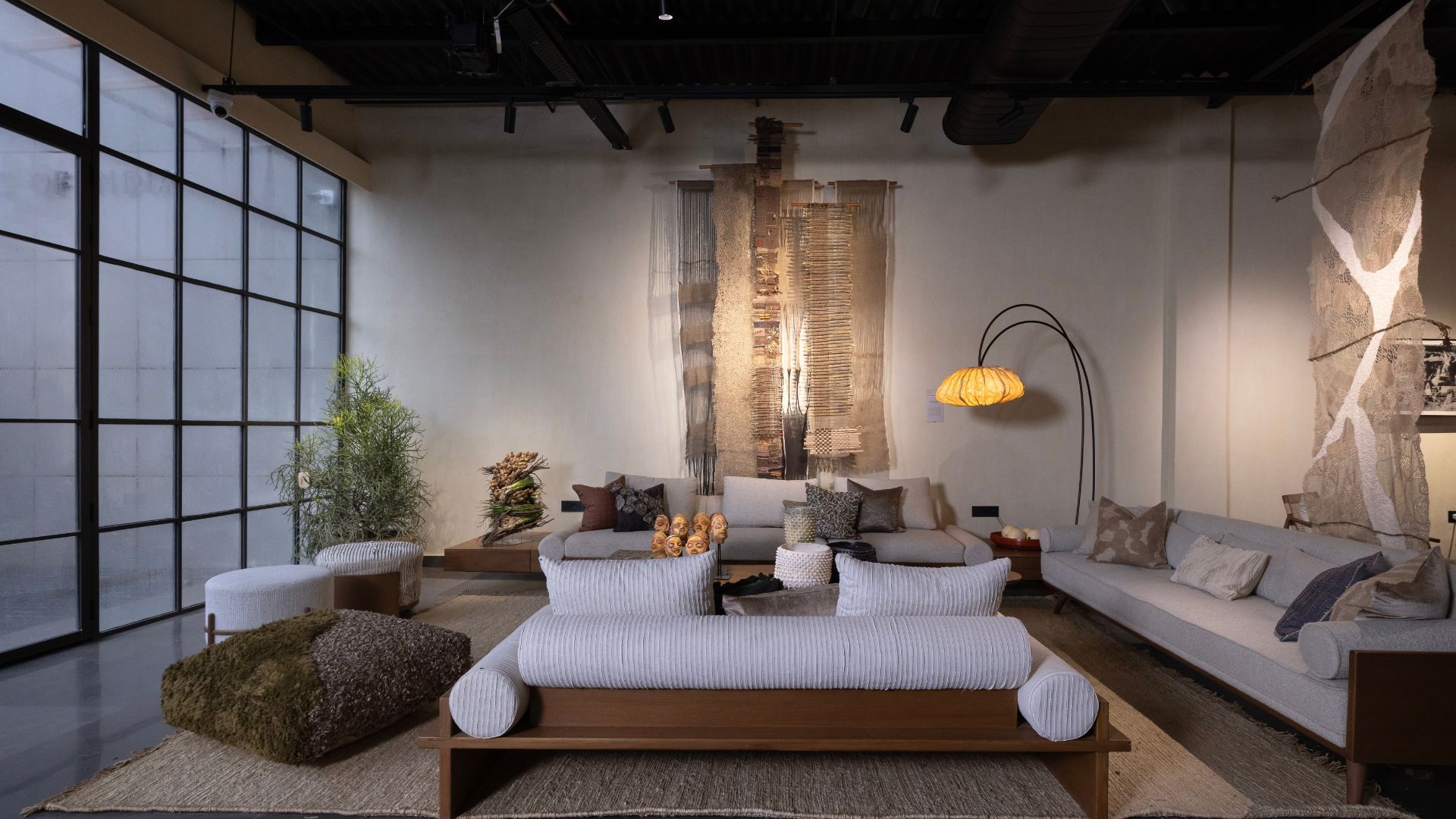
Spread across 4,500 square feet, the studio brings together three decades of the brand’s work with Indian textiles and craft. Founded in 1992, Shades of India has evolved under the vision of Chairman David Housego and Creative Director Mandeep N. Housego, with an in-house design team working alongside a network of artisans and master weavers across India to create bespoke curtains, bed linens, cushions and table linens, textile partitions, wall hangings, and large-scale textile art and installations for residential, hospitality and commercial spaces.

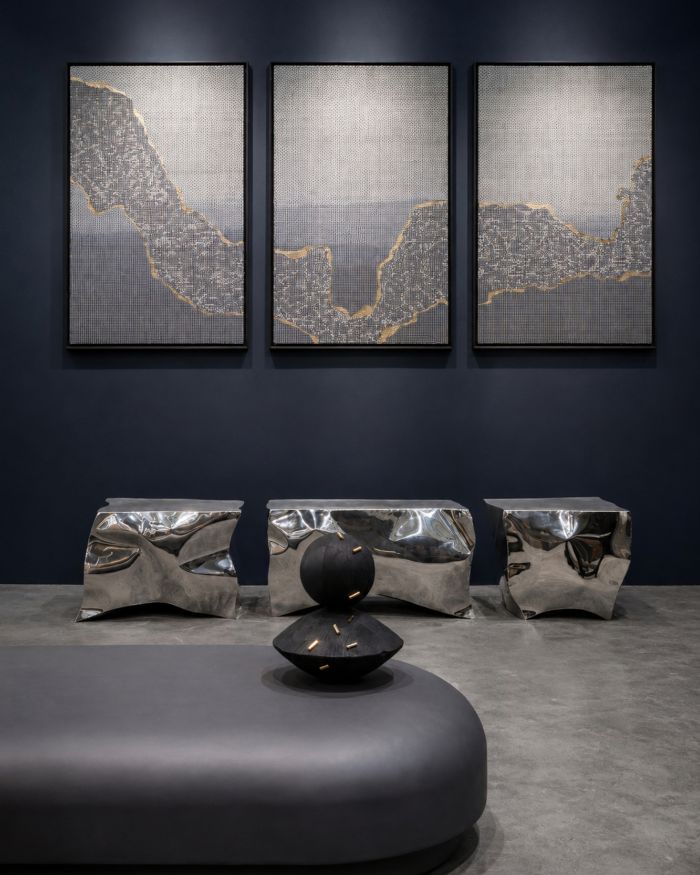
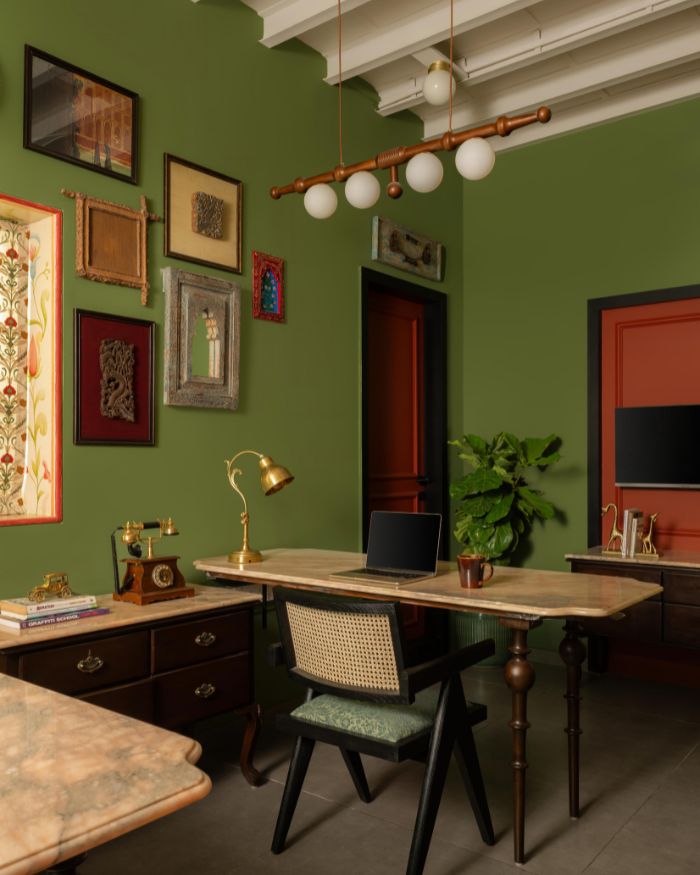
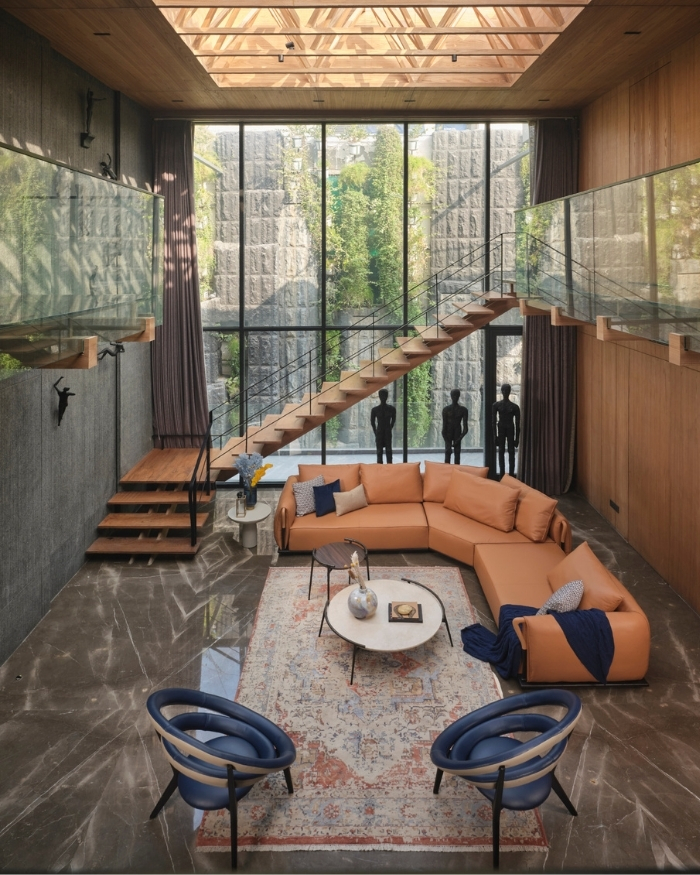
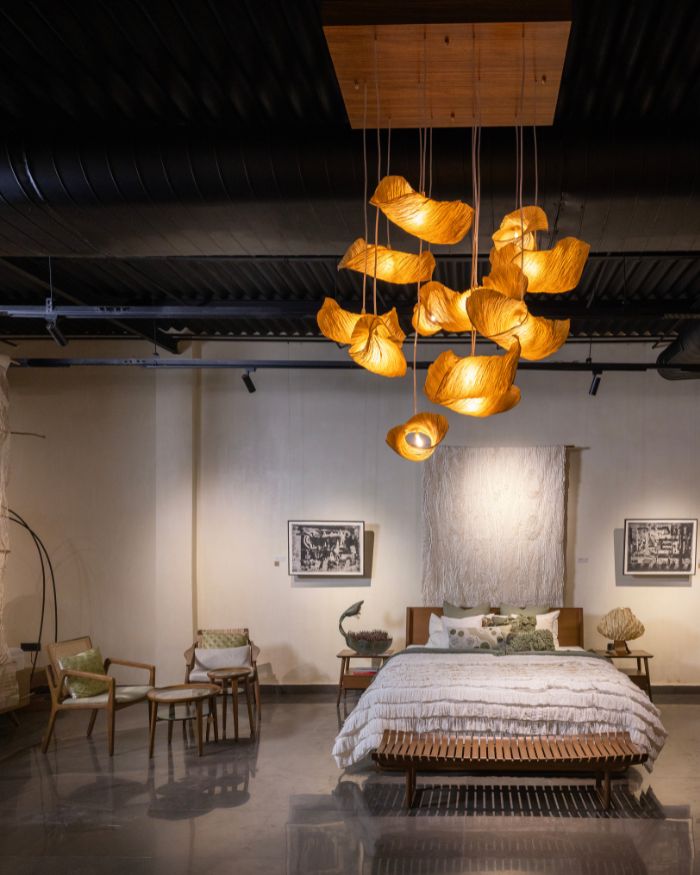
The studio occupies two sheds, with an open, expansive layout that allows the textiles to be experienced within full-scale interiors. Hyderabad Tandur stone floors are paired with reclaimed teak furniture, creating a warm, understated setting for the textiles. Across the space, curtains, partitions, bed settings and textile artworks demonstrate the different scales at which fabric can operate. A curtain can frame a view or soften a boundary; a textile partition can create a sense of privacy without making a room feel enclosed. 
Photograph courtesy of Shades of India

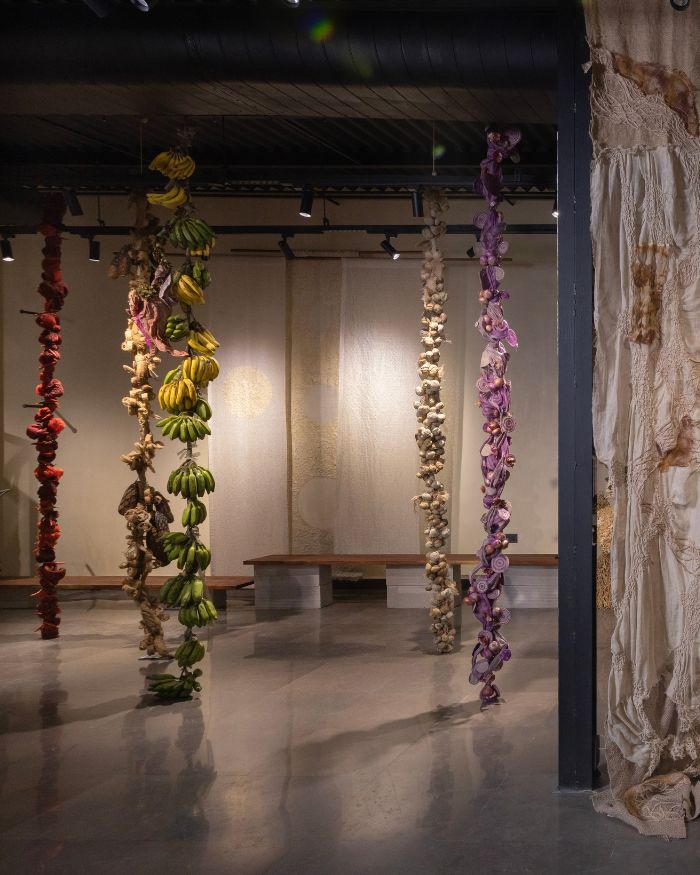
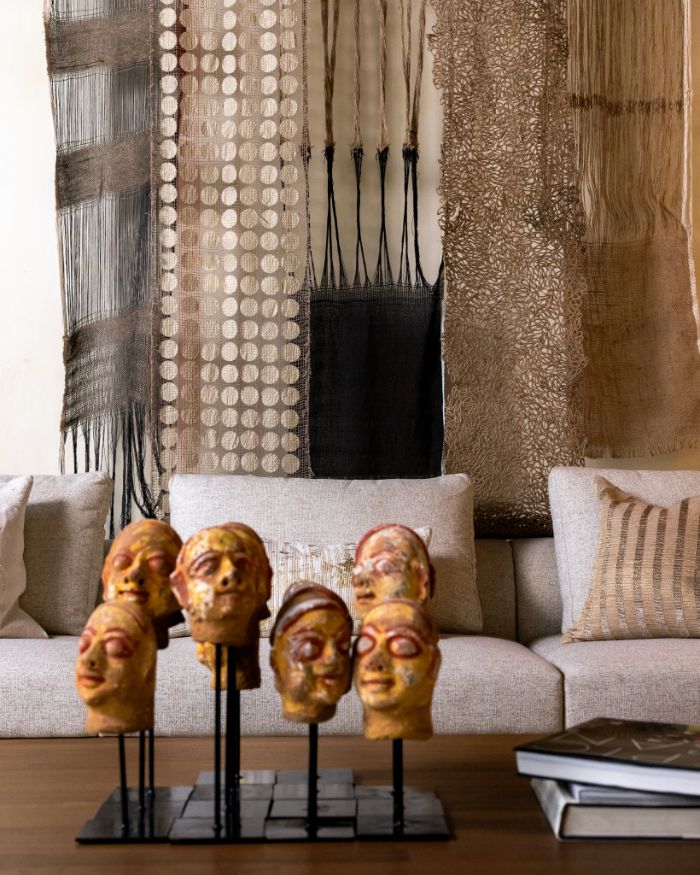
Ideas often begin outside the studio, in the colours, forms and textures of everyday life. A visit to a vegetable market, for instance, prompted the design team to look differently at the translucent skins of onions and the shapes and colours of aubergines, lemons, beetroot and garlic. These observations became textile compositions, translating something familiar into pattern, colour and texture.

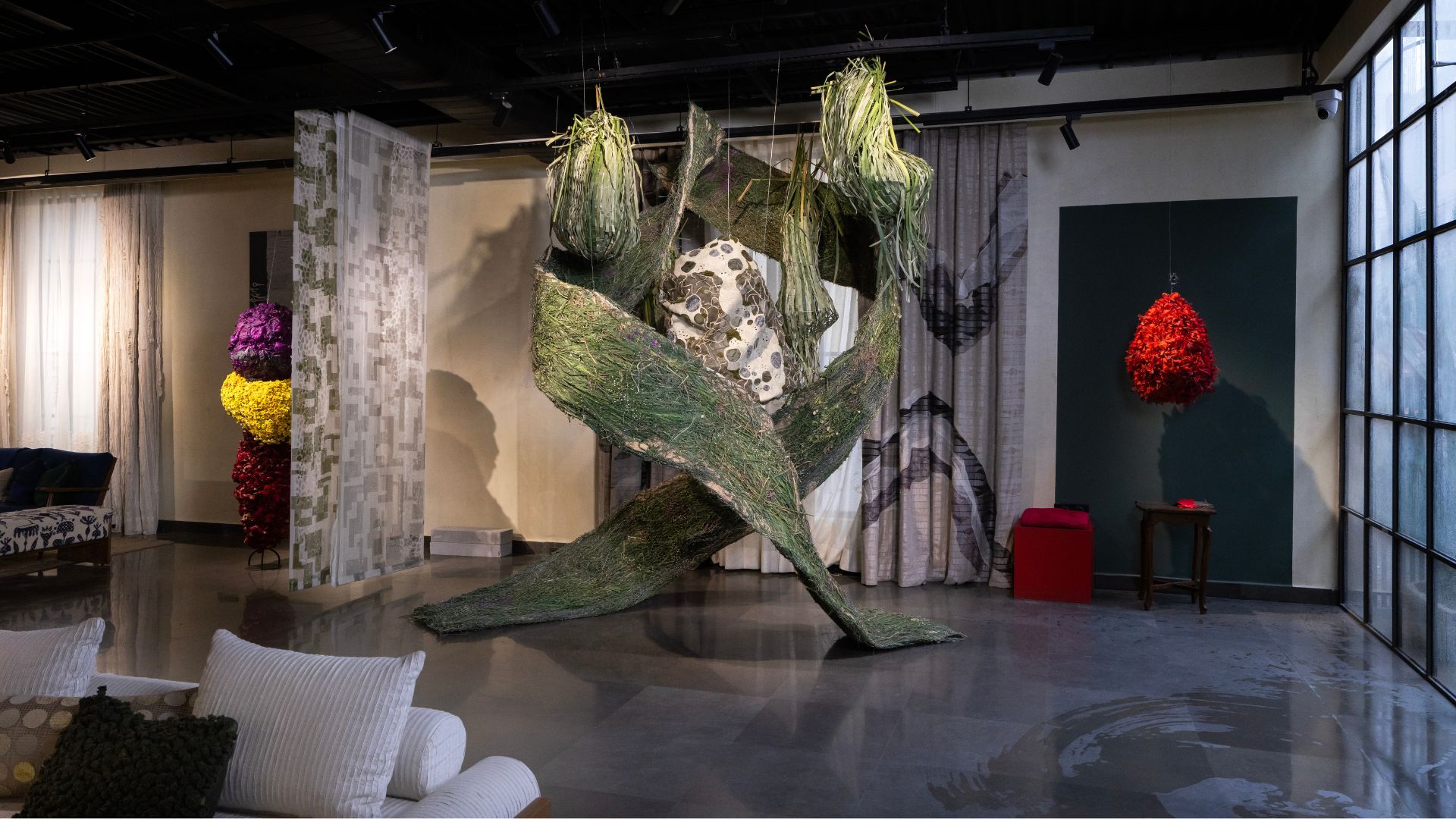
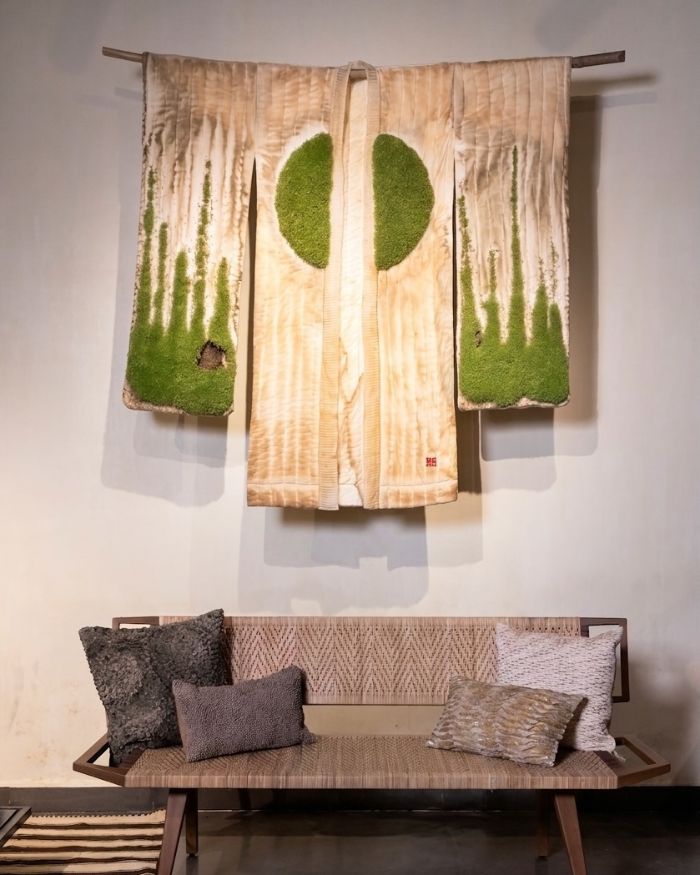
Other experiments begin with materials that might otherwise be overlooked. Discarded sunflower stalks and dried grasses are transformed through handcraft, while the Cycle of Growth kimono pushes this interest further as chia seeds sprout along its seams and openings. A garment becomes a living textile, part art, part landscape.


Photograph courtesy of Shades of India

Much of this work takes shape through the relationship between the in-house designers and more than 200 artisans across India. Material, technique, scale and colour are considered together, with the making process often influencing the final design. Paintings by Stuart Robertson and lighting by Oorjaa appear alongside the textiles.

Shades of India’s bespoke textile studio offers a closer look at what happens when fabric is considered from the beginning of a project rather than added at the end. Away from the confines of a sample book, the textiles can be seen at full scale, alongside the architecture, furniture, art and light they are designed to work with.

Visit Shades of India to know more 


Photograph courtesy of Shades of India
SHARE THIS ARTICLE

You May Also Like

Watch

No results found.