VOX
Photography courtesy of VOX
Featured

Facing Forward: VOX’s MAX-3 and Fronto Reimagine the Building Envelope

With triple-layer technology and a wood-true finish, VOX proves a facade can be both a building's armour and its first impression.

BY

A facade carries more responsibility than any other surface on a building. It is simultaneously the first thing anyone sees and the layer that must withstand everything the climate throws at it, year after year, without a renovation cycle to fall back on. VOX’s facade systems, led by MAX-3 and Fronto, are built around that dual mandate: engineering resilient enough to be trusted with a building’s exterior, married to an aesthetic considered enough to define it.

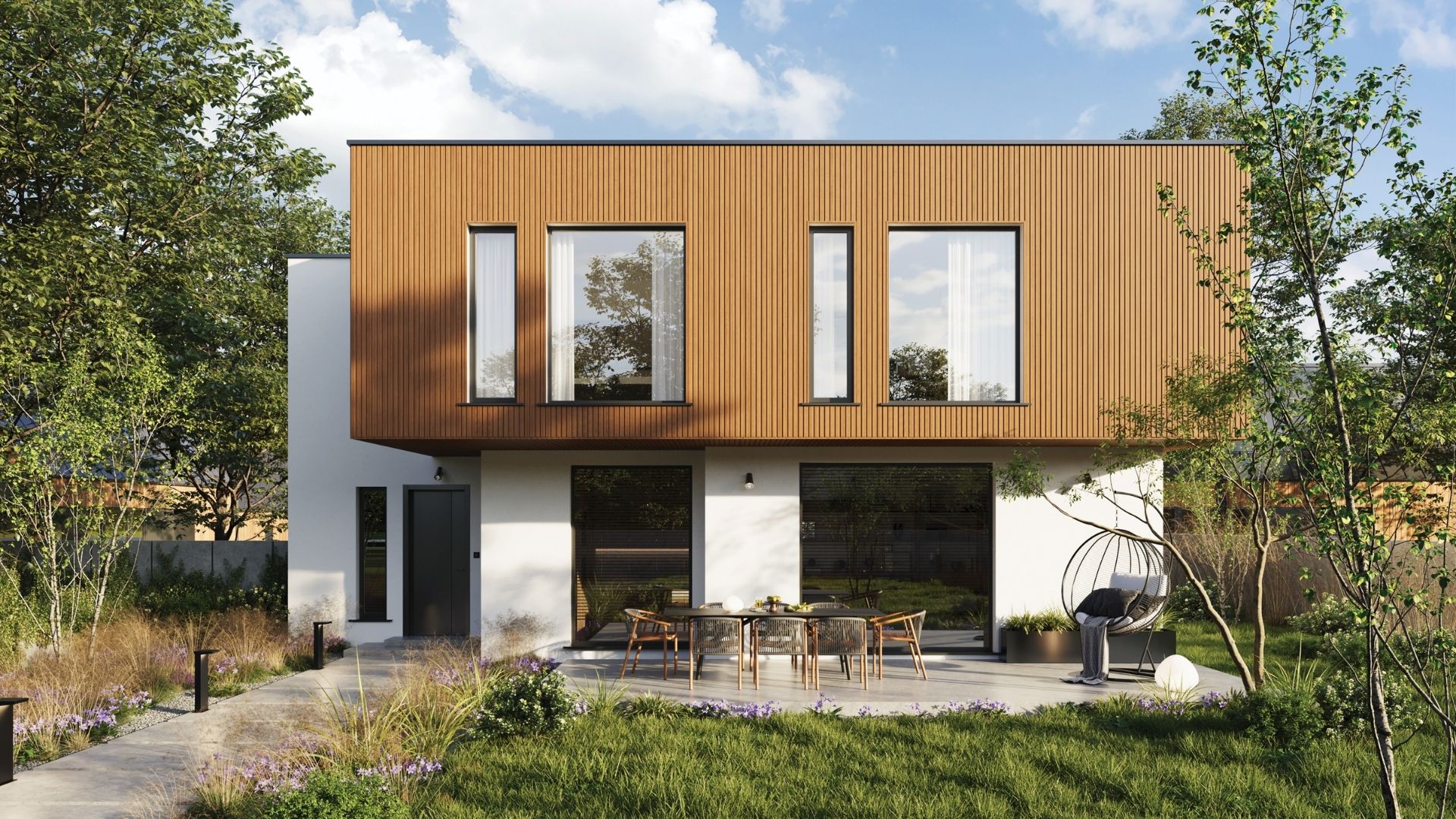
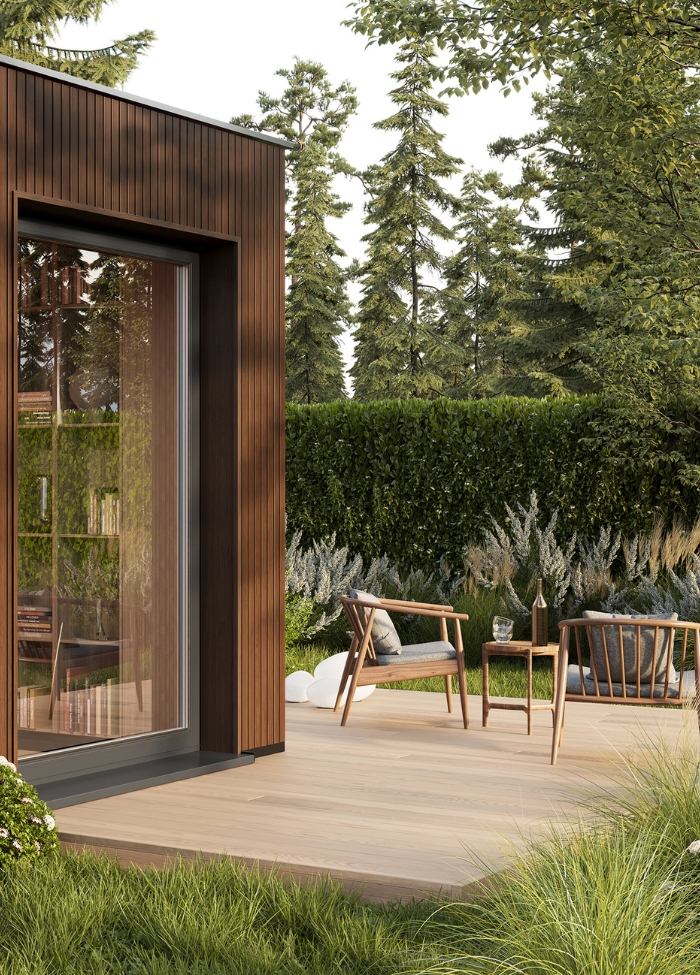
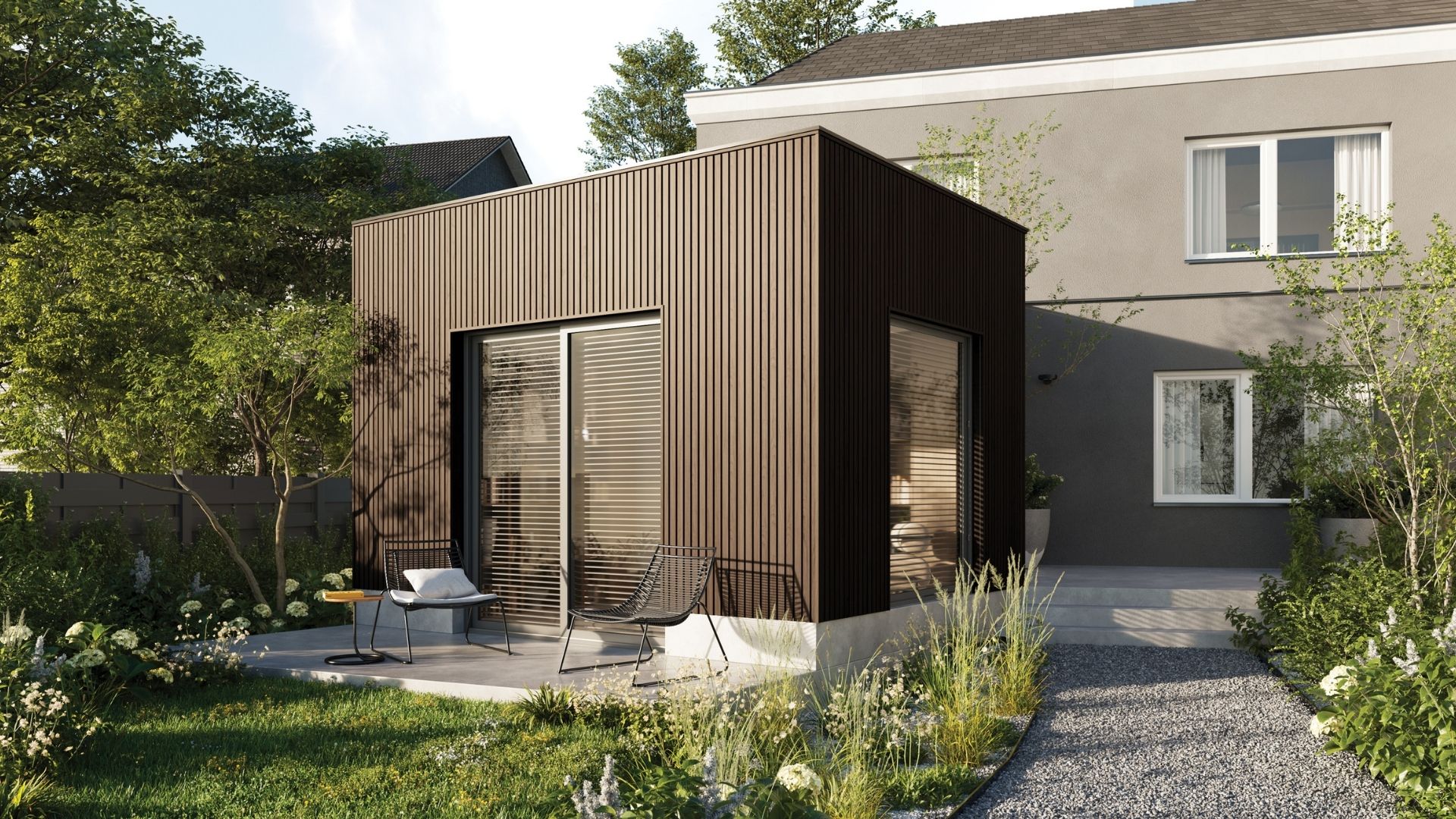
MAX-3 is the more technical of the two, as its proprietary triple-layer polymer composite is developed to resist the same mechanical forces as metal cladding, without metal’s vulnerabilities. It will not corrode, peel or require repainting and its low coefficient of linear expansion means it stays dimensionally stable across India’s full temperature range – from sub-zero winters in the north to peak summer heat elsewhere – without warping, buckling or gaps opening at the joints, a common failure point for less-engineered systems on south-facing walls. The technology also delivers mechanical damage resistance previously associated only with metal siding, protecting facades from hail and wind-borne debris without denting, while remaining light enough for a single installer to handle and fit on site.
VOX
Photography courtesy of VOX

The slat as sculpture

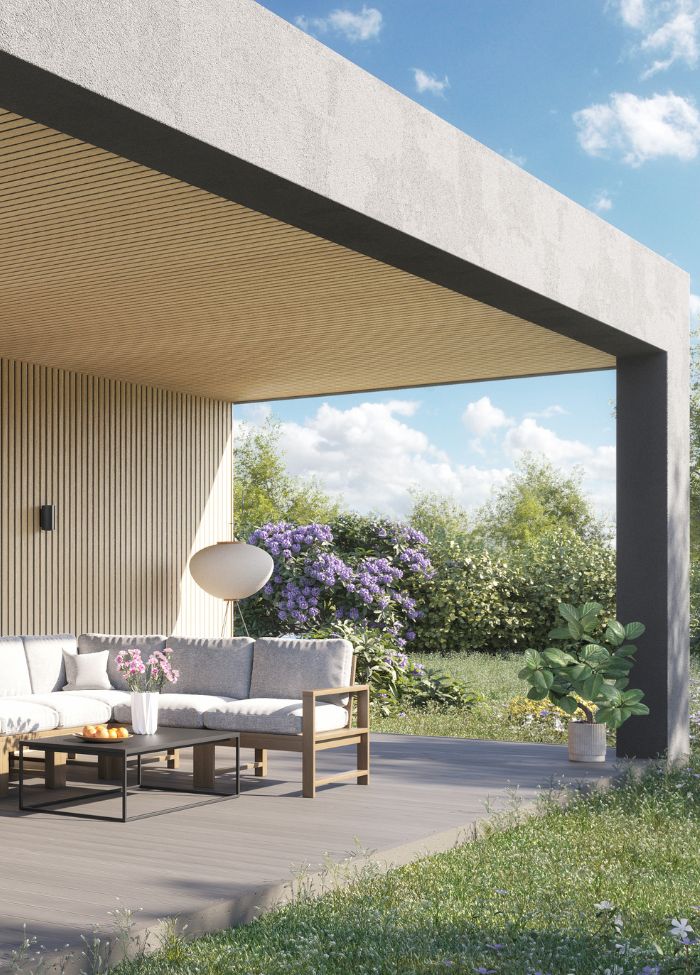
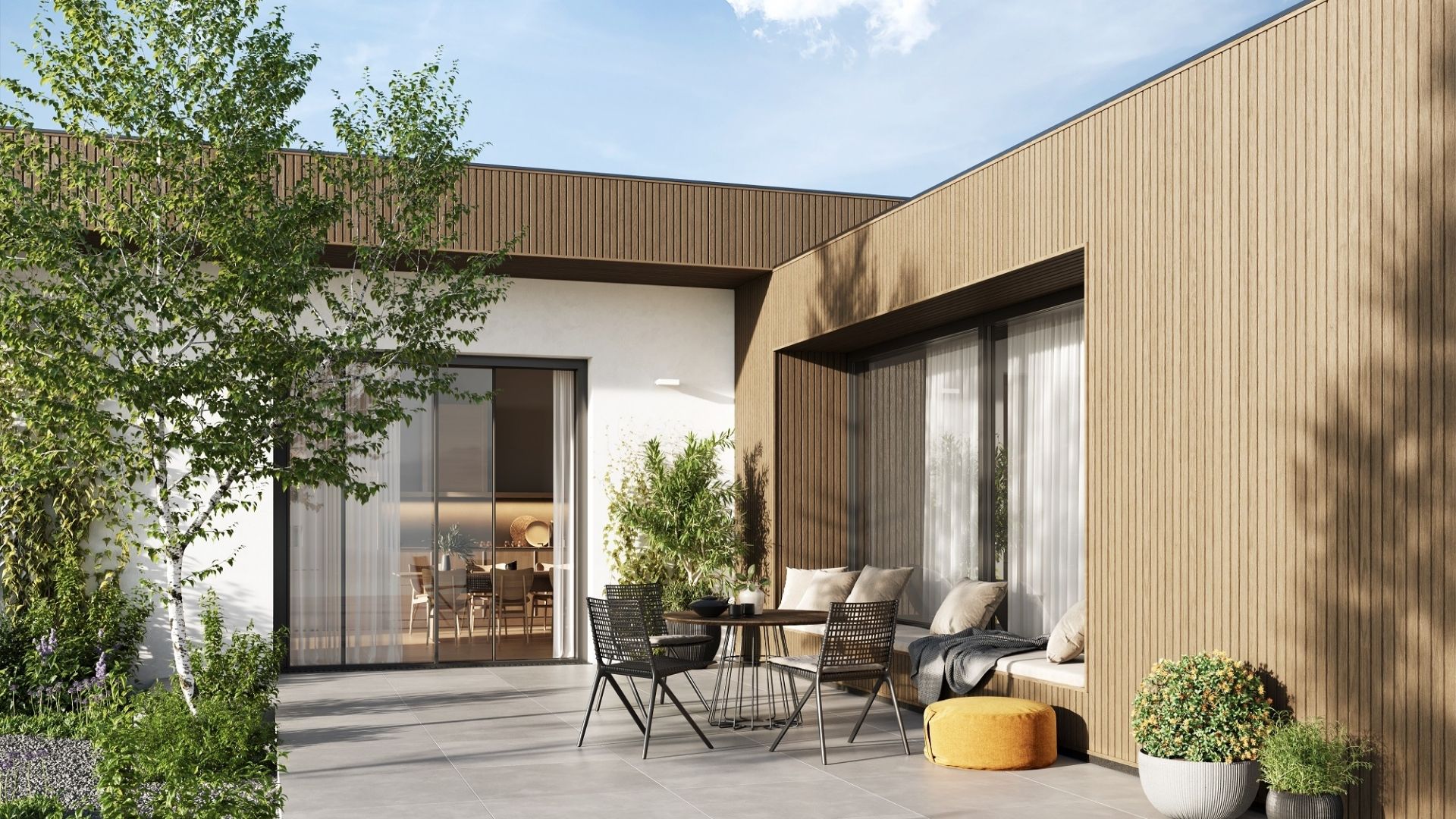
Fronto approaches the same problem from a more expressive angle. Conceived as the outdoor counterpart to VOX’s popular slat panel systems, Fronto brings a genuinely three-dimensional profile to the facade. The specially designed joints between slats catch light and shadow in a way that gives a building’s skin visible depth and rhythm, rather than a flat plane. It works equally well as cladding for an entire elevation or as a single sculptural accent: a lobby entrance, a stairwell enclosure, a garden-facing wall and moves fluidly between facade, ceiling, and soffit applications, allowing architects to carry one material language across a building’s exterior and its covered outdoor spaces without a visible break. Manufactured using MAX-3 technology itself, Fronto inherits all of the system’s core resilience: waterproof, termite-proof, resistant to sunlight and mechanical damage, and finished using thermal printing to produce a wood grain that doesn’t repeat itself across short sections. It presents the kind of detailing that separates a thoughtful material palette from an obviously synthetic one.

Both systems can be installed vertically or horizontally and are designed to work in dialogue with each other and with the rest of VOX’s exterior range, including Infratop’s soffit systems, meaning a building’s facade, ceiling overhangs, and covered outdoor areas can share a coherent material story from wall to eave, rather than reading as a patchwork of separately specified finishes.


VOX
Photography courtesy of VOX

Designed to be forgotten – by the owner, not the eye

The highest compliment a facade material can receive is that no one thinks about it again after installation; so there will be no repainting schedules, no sealant top-ups, no anxious inspections after the first monsoon. That is precisely what MAX-3 and Fronto are engineered to deliver: a decade-plus warranty’s worth with no back and forth, freeing architects to focus on form rather than fallback maintenance. In a market where wood facades demand constant upkeep and metal claddings eventually show their age through rust and dents, VOX’s systems offer something rare: an exterior that is designed once and simply continues to perform, long after the scaffolding comes down.

Know More at Vox India 

SHARE THIS ARTICLE

You May Also Like

Watch

No results found.

Search
Close this search box.