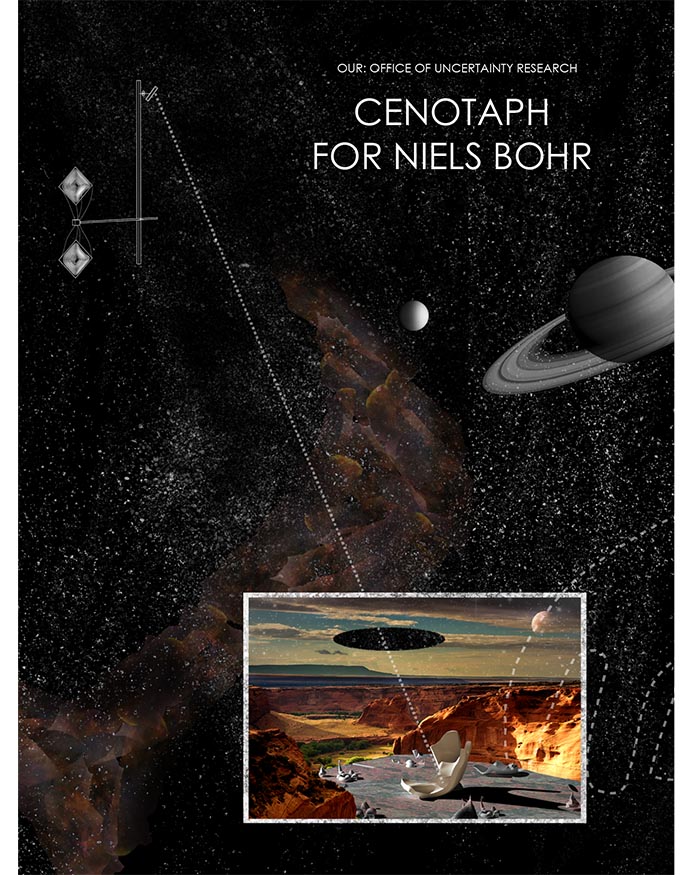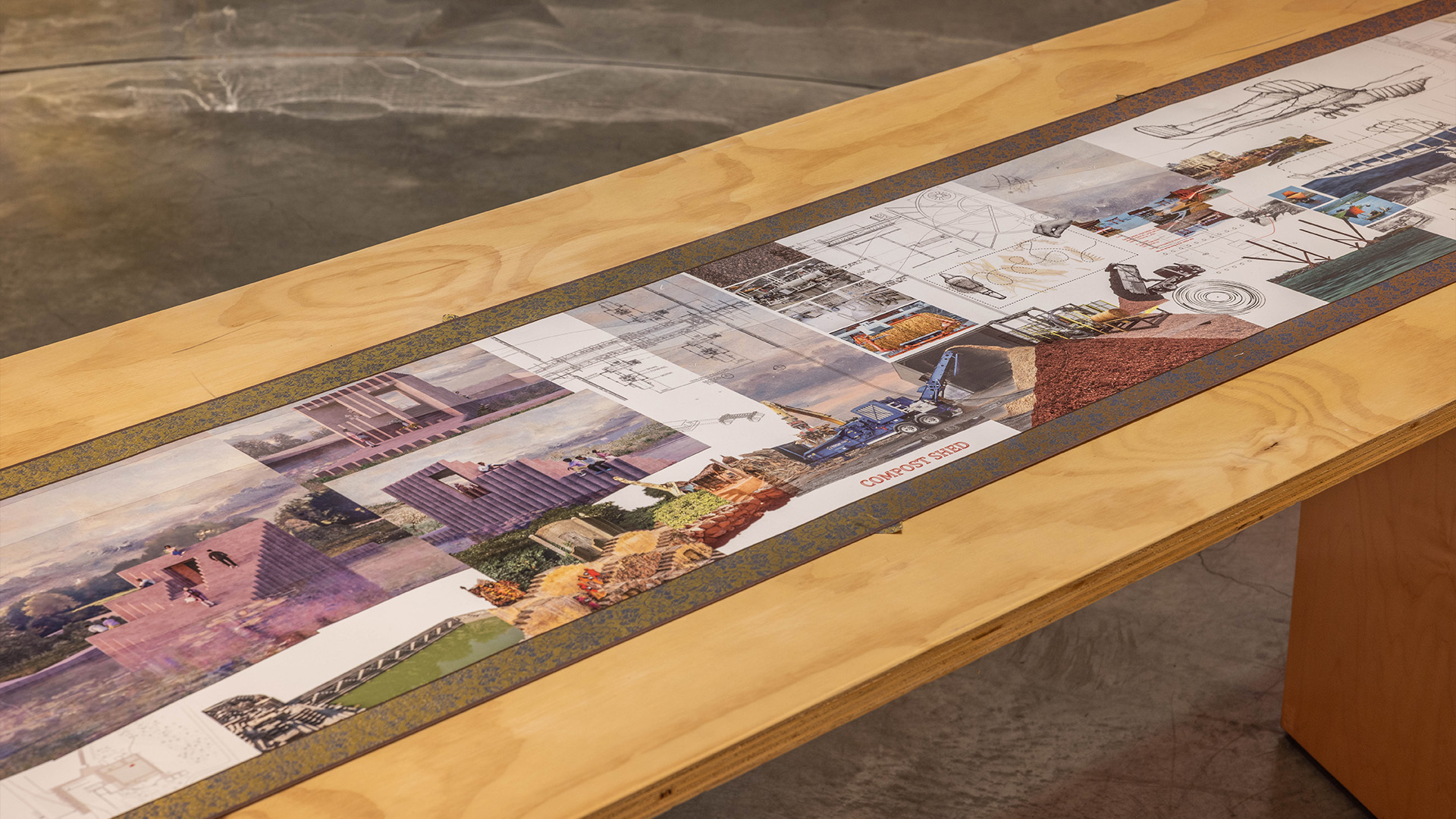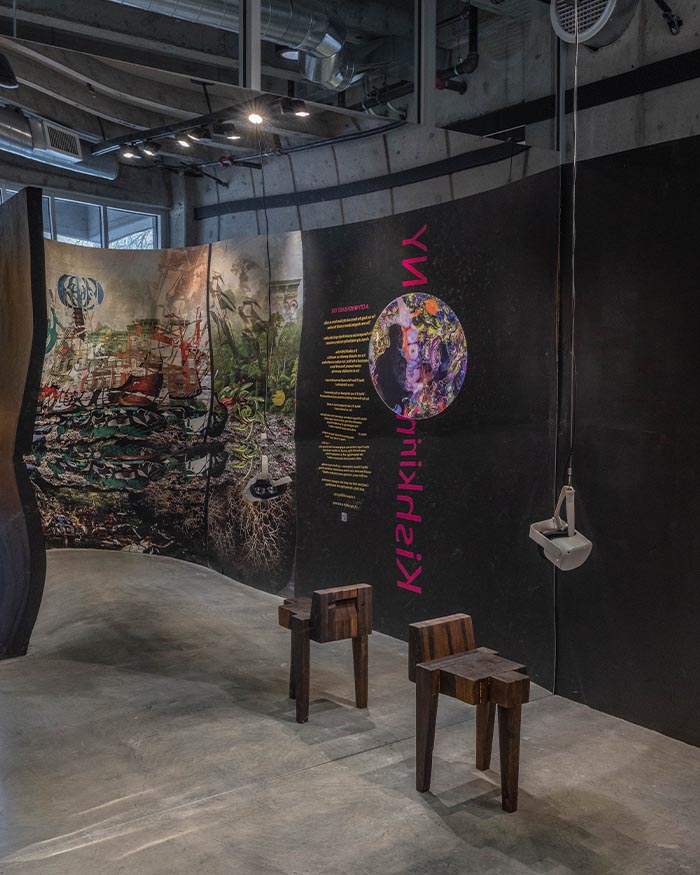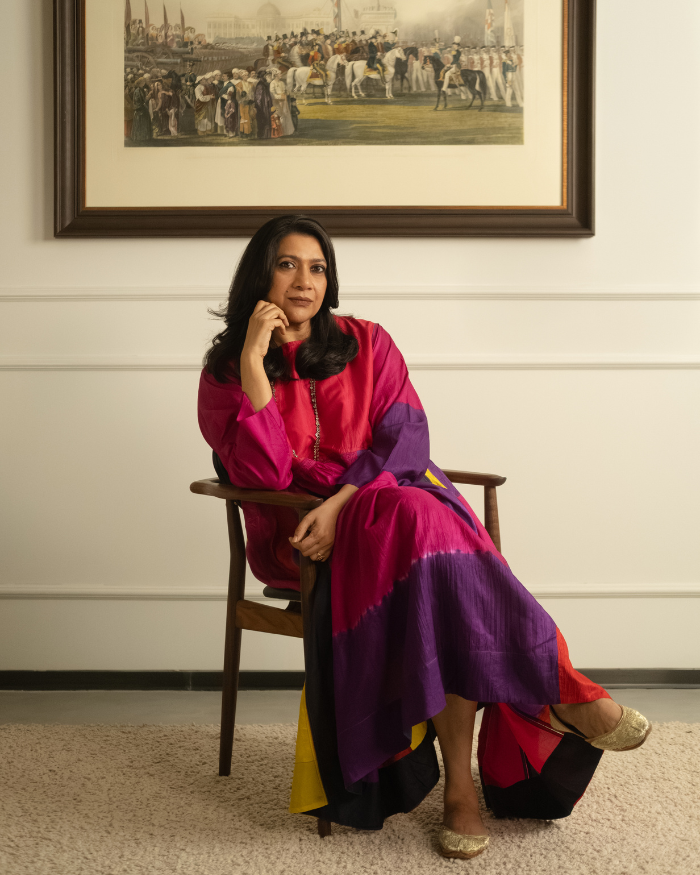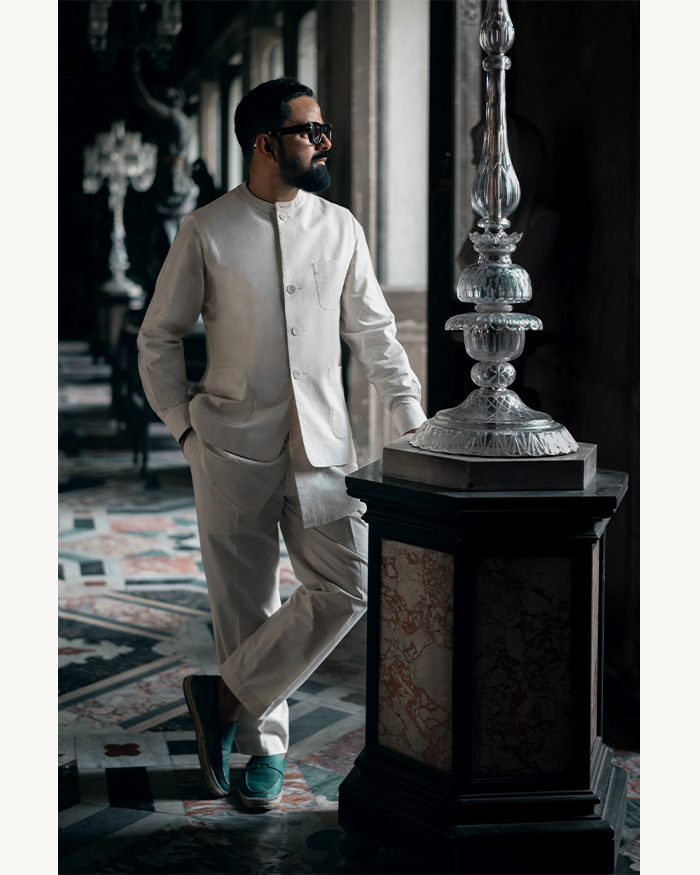
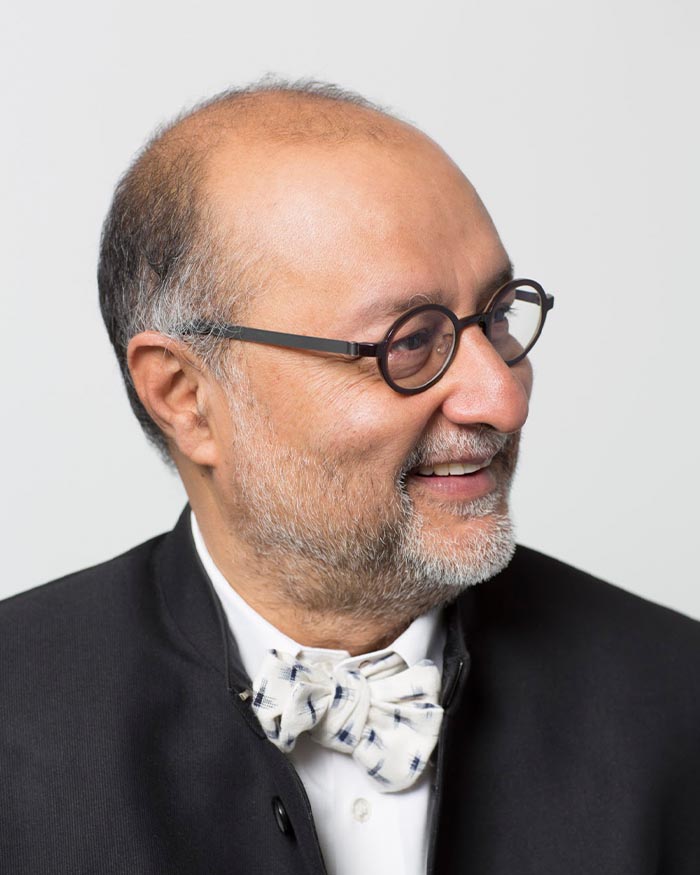
As far as icebreakers go, quantum physicist Niels Bohr is an unlikely place to begin a conversation about architecture. Yet with Vikramaditya Prakash, dialling in from his home in Seattle, it is inevitable. The reference is to an unbuilt cenotaph developed by O(U)R, the Office of (Un)certainty Research, a design-research practice he co-founded with Mark Jarzombek. The speculative typology carries a lineage that extends from Etienne-Louis Boullée’s 18th-century Cenotaph for Newton to the more recent 2009 Cenotaph for Einstein by Lebbeus Woods. “Cenotaphs are critically important in the history of architecture,” Prakash explains, “as they mark important points where the very philosophy that sustains architecture shifted.” This unorthodox intellectual proposition is key to understanding his praxis.
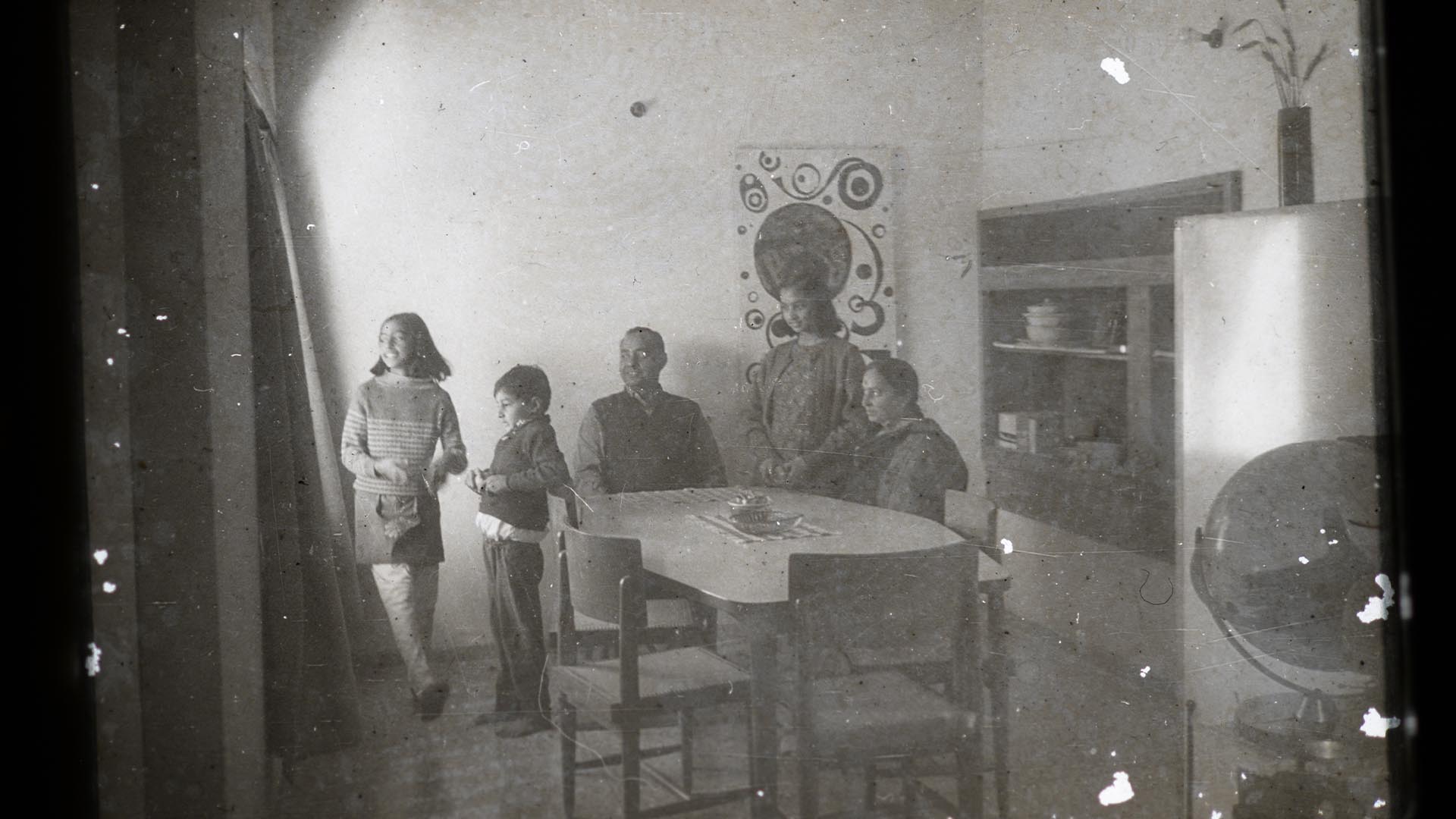
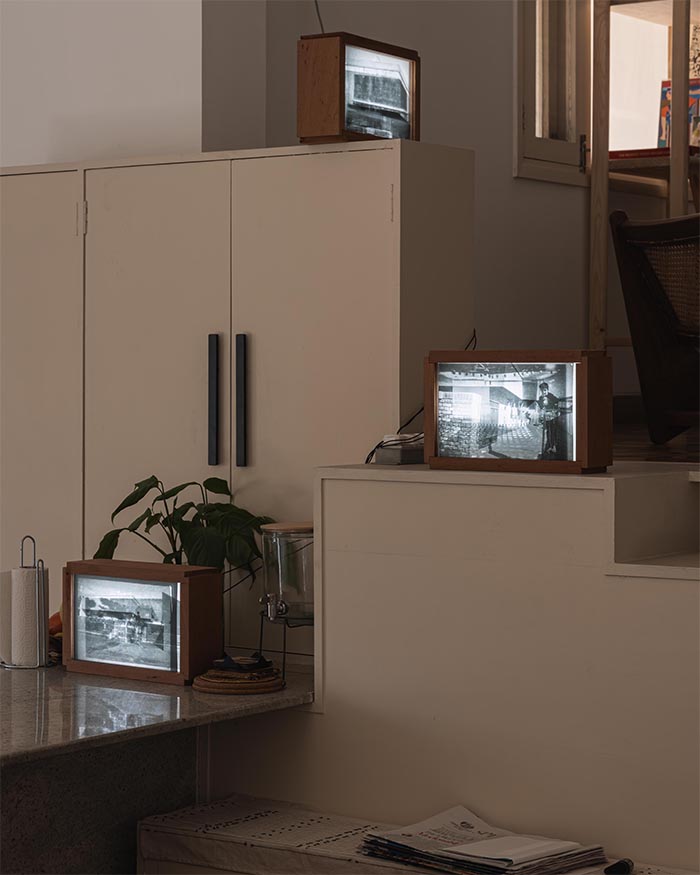
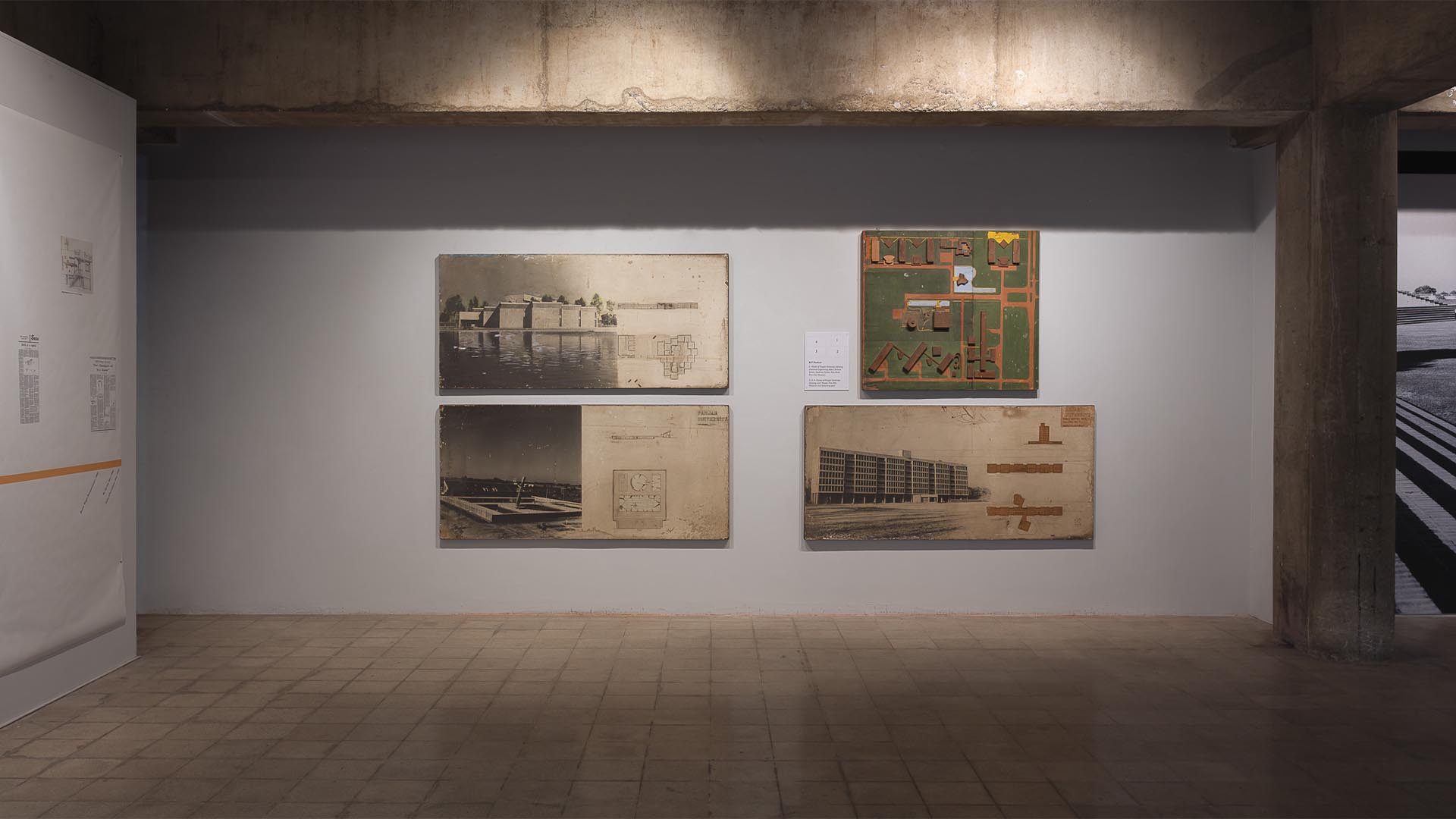
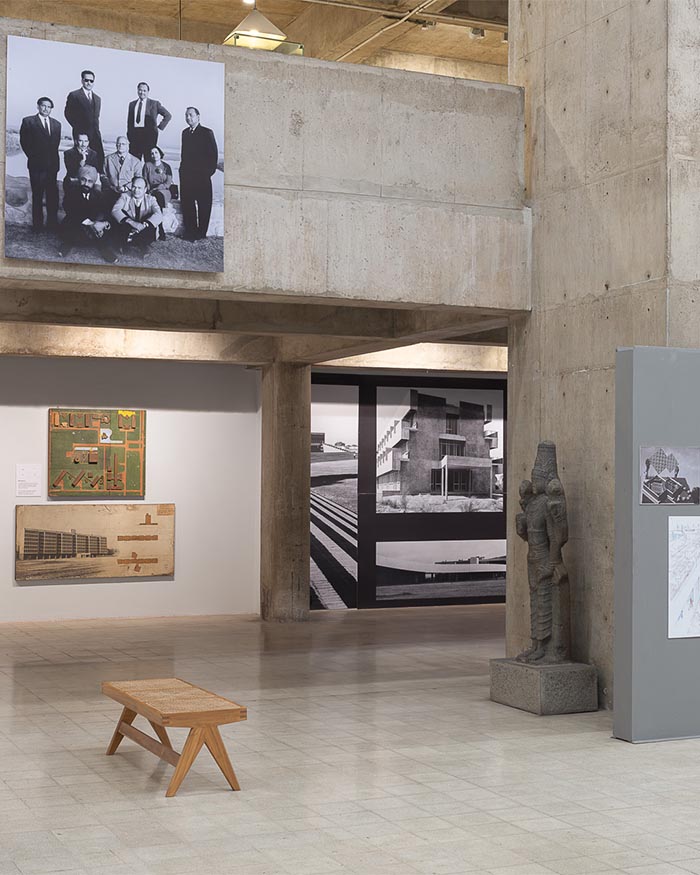
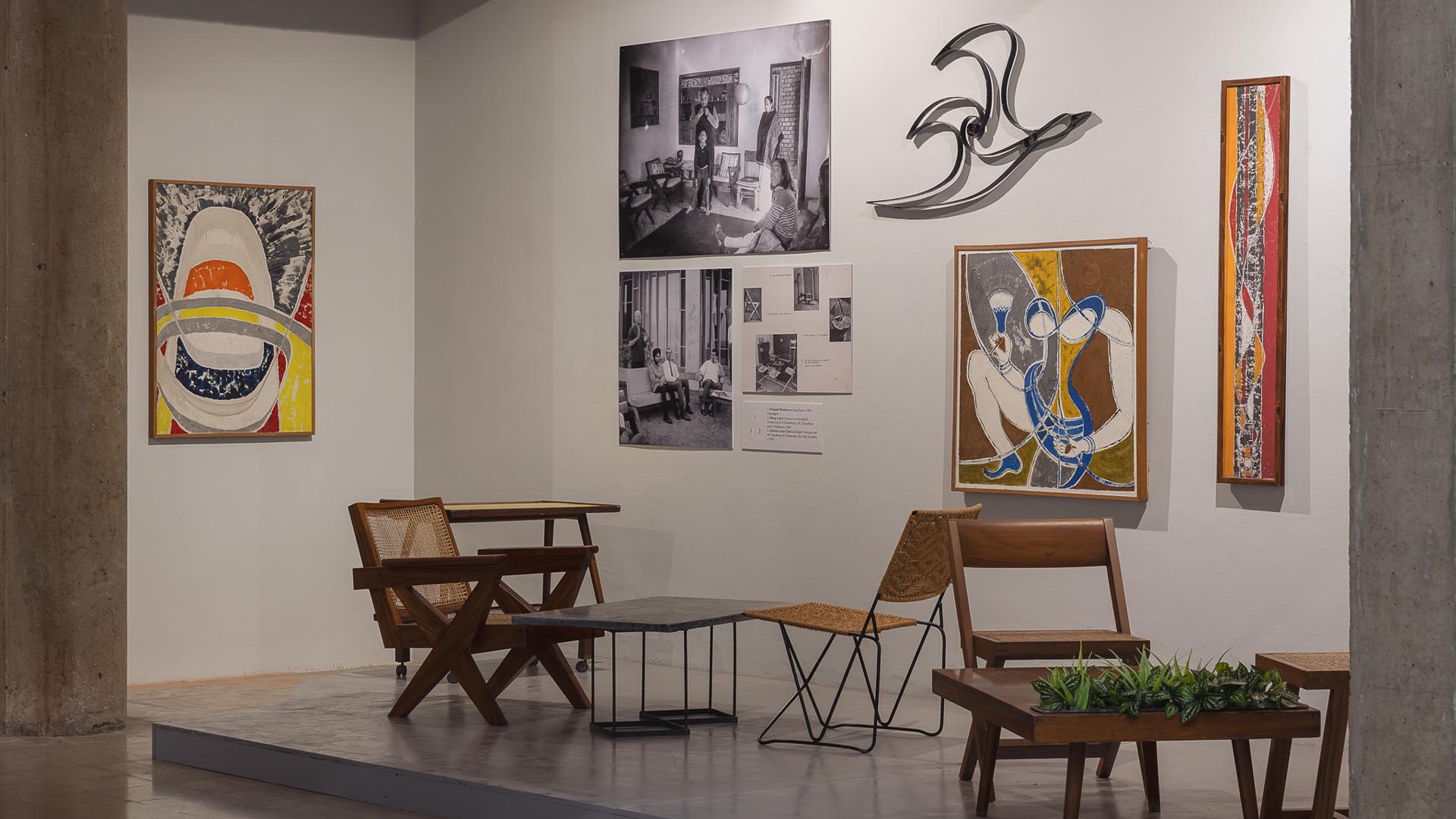
For over three decades, Prakash has occupied a singular position within architectural discourse as a historian, theorist and educator. What he is perhaps best known for is locating architecture outside of the confines of form or style and situating it within epistemological frameworks: histories of scientific thought, political imaginaries, philosophical systems and competing conceptions of civilisation itself. The cenotaph is significant because it is not, in his formulation, a monument to an individual. Rather, it is a monument to an idea embodied by the individuals who altered the course of human thinking. His worldview was profoundly influenced by growing up in one of the 20th century’s most renowned experiments in modernity: Chandigarh. And his father, Aditya Prakash. “If I have modelled my life after anyone, it is after him,” he notes. To call Aditya Prakash merely an architect who worked with Le Corbusier would be a great disservice. His oeuvre encompassed everything from founding a theatre group called Abhinet to advancing modernism through the experiences and lessons of India. His home, frequented by architects, artists, philosophers and public intellectuals, inevitably became a nexus of people who animated the Modernist movement. Prakash fondly recalls when Mulk Raj Anand handed him an autographed copy of the book Untouchable when he was about ten years old. He says, “Once I was seeing him off at the door when he turned to me and said, ‘Listen, if you ever want to run away from home, just come and stay with me in Bombay.’”