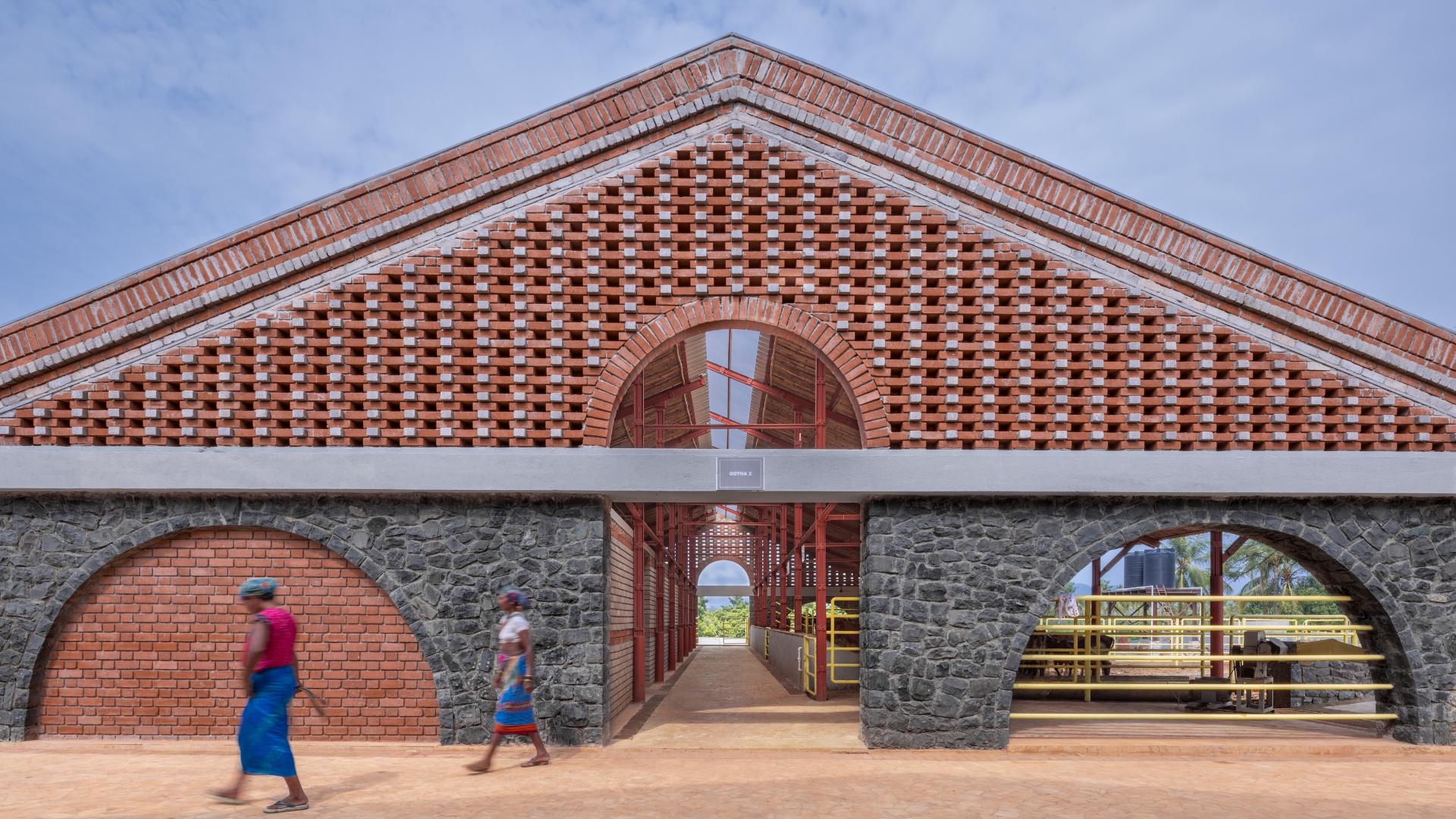
How does one design a safe haven for 400 cows? For Monik Shah of Compartment S4, redesigning a gaushala in Dahanu felt daunting for more reasons than just the size of the herd. For centuries, cows in India have been precariously touted as both an agricultural necessity and a religious symbol, enjoying far more significance than their other four-legged counterparts. But in domesticated settings, they still continue to inhabit a humble shed in the back of the home, constructed with little to no afterthought about what would be optimal for their well-being.
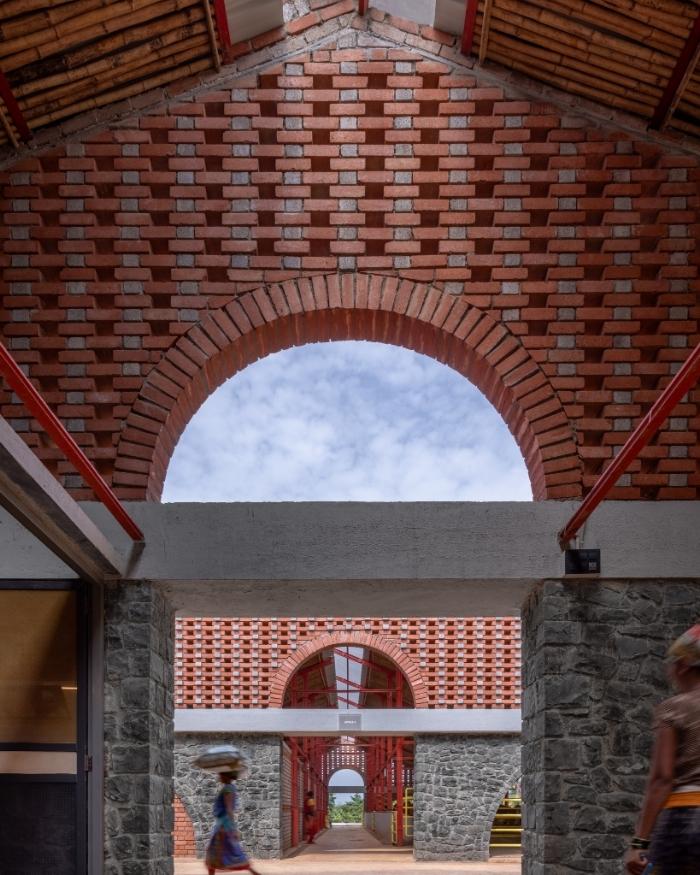
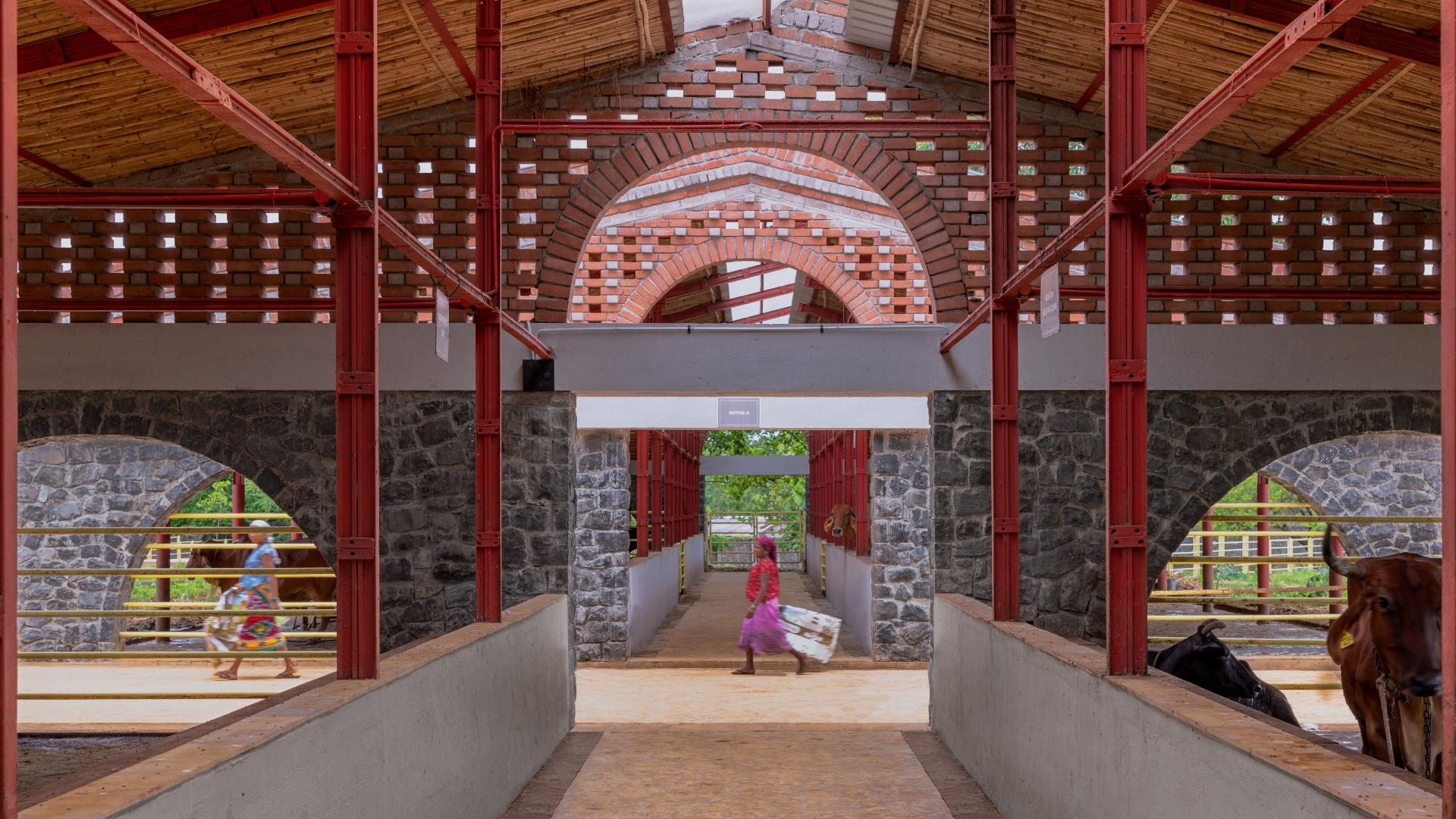
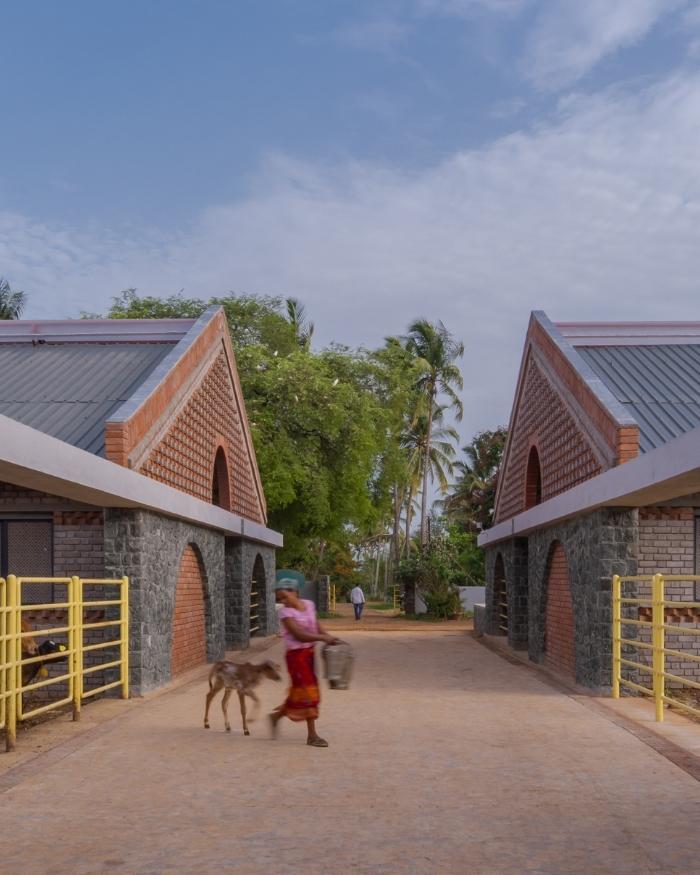
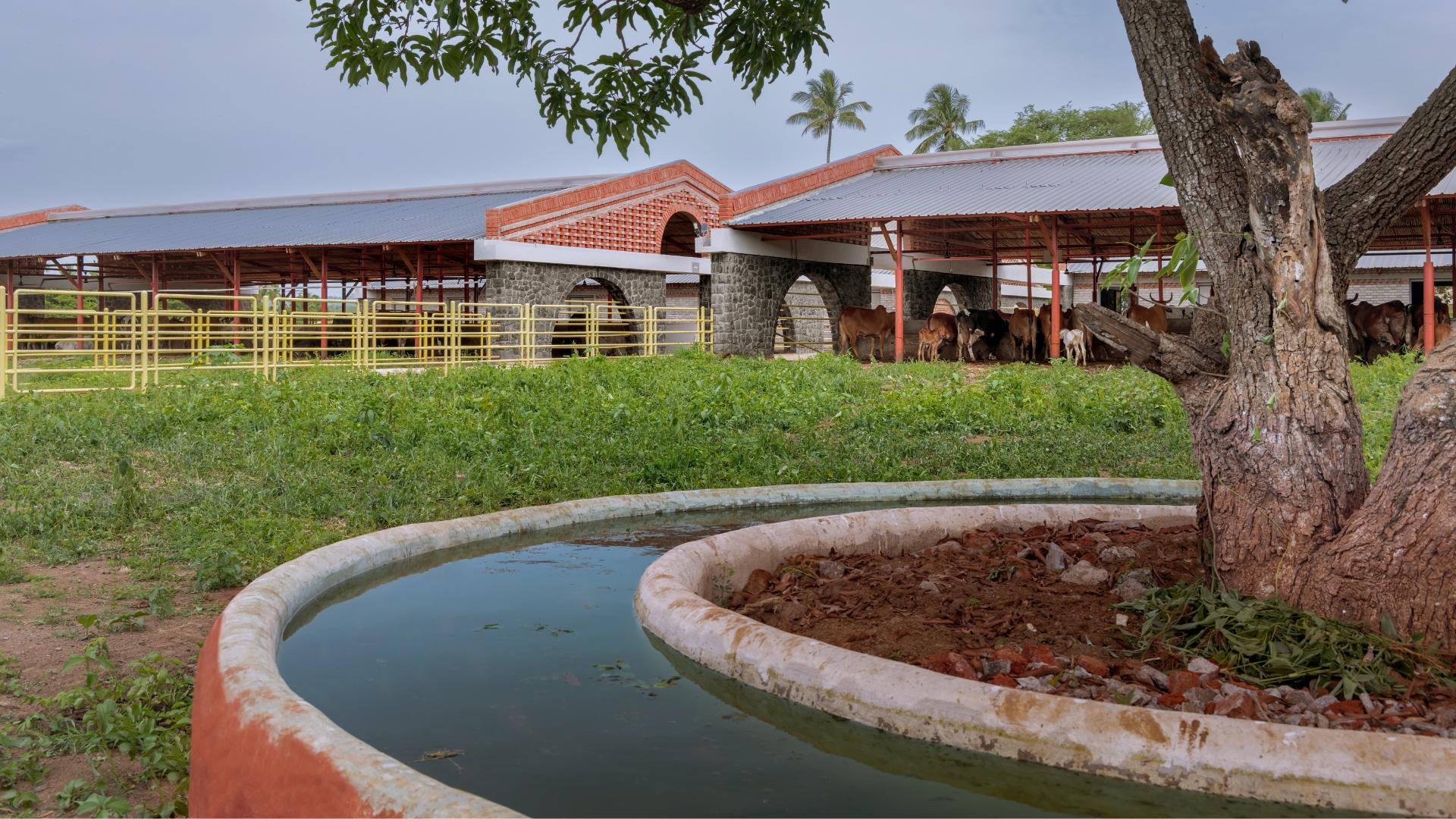
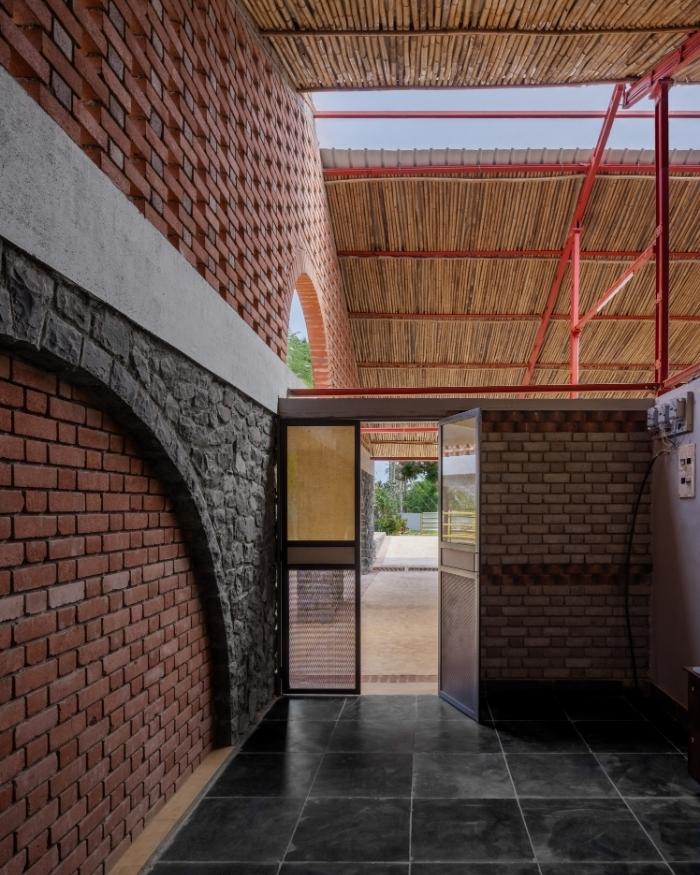
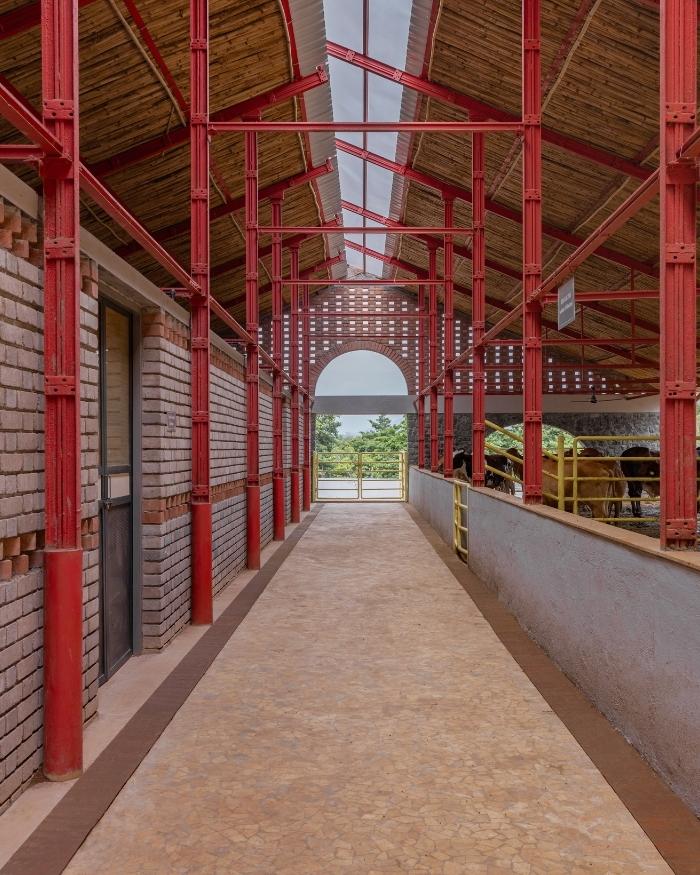
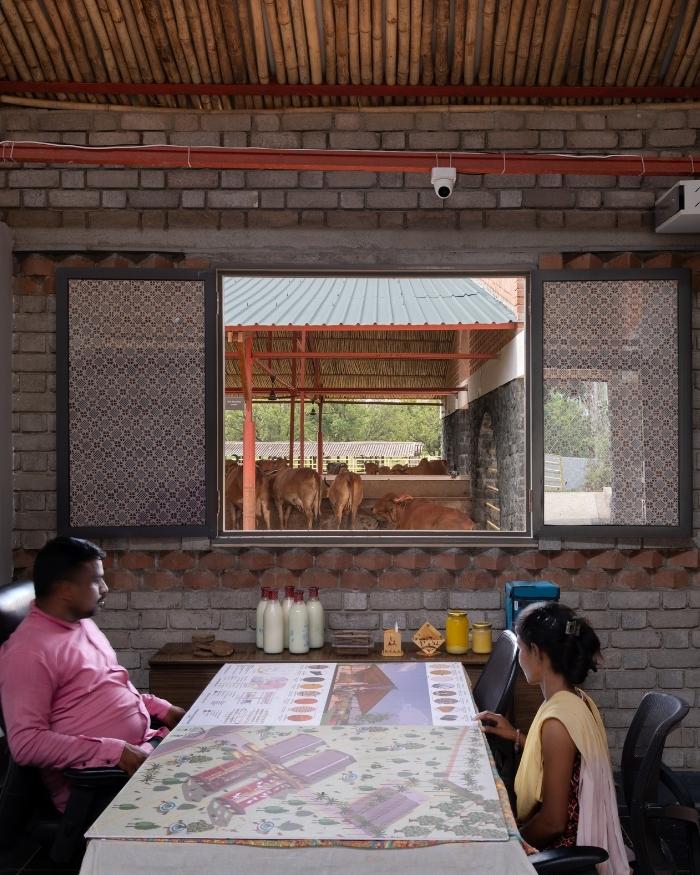
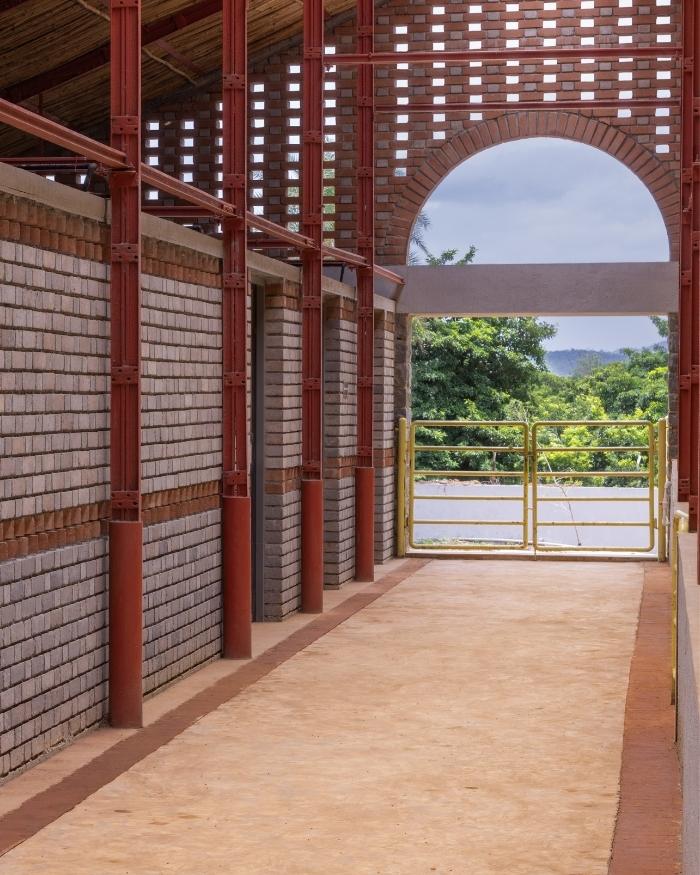
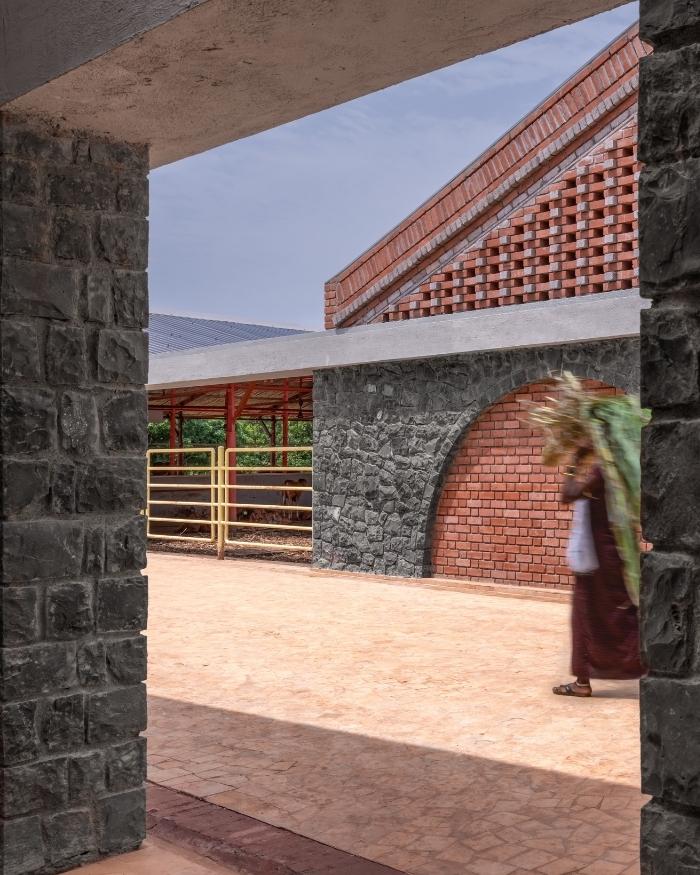
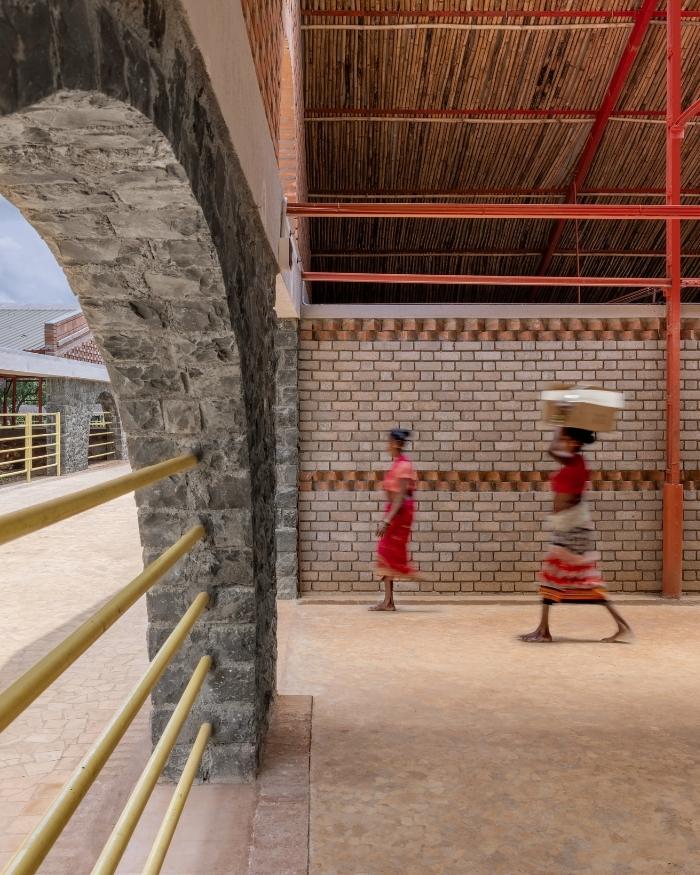
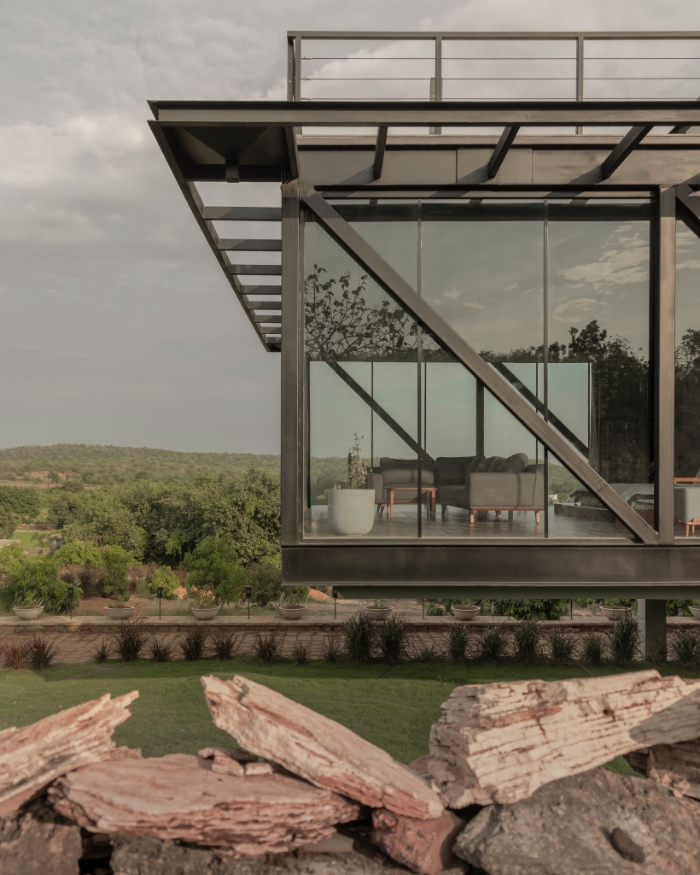
Even in a flourishing fruit orchard outside the confines of a city, where spatial constraints couldn’t be cited as a reason, Monik witnessed the same pattern at play. “The shed in Dahanu was operating as a leftover utility space within a larger rural campus, rather than as a carefully designed environment for living beings,” he laments. He chose to pivot from the initial brief, going beyond simply upgrading the existing infrastructure to considering a complete, absolute overhaul of the typology itself. How could the space ensure both organisational efficiency for the caregivers and address the animals’ general well-being at the same time? The 14-acre space that follows addresses these concerns and more, utilising locally sourced basalt stone, exposed brick jaalis and a climate-responsive bamboo ceiling to craft a habitat any cow (or caregiver) would be moo-ved by!
“The guiding idea remained consistent: every material and spatial decision needed to contribute to comfort, hygiene, durability and long-term wellbeing — for cattle, caretakers and the larger agricultural ecosystem”
Monik Shah