Haven’t cemeteries always functioned as public spaces, even if they have not been perceived as such? Across many cultures, cemeteries have hosted rituals and acts of collective remembrance, making them spaces of the living as much as of the dead. Does regeneration always require transformation? If cemeteries can serve as an ecological and public asset, could the act of restoring and reactivating these landscapes be considered as a sustainable approach towards adaptive reuse? Today, we often overlook cemeteries as accessible parts of our neighbourhoods, viewing them as restricted areas instead of a tranquil community space.
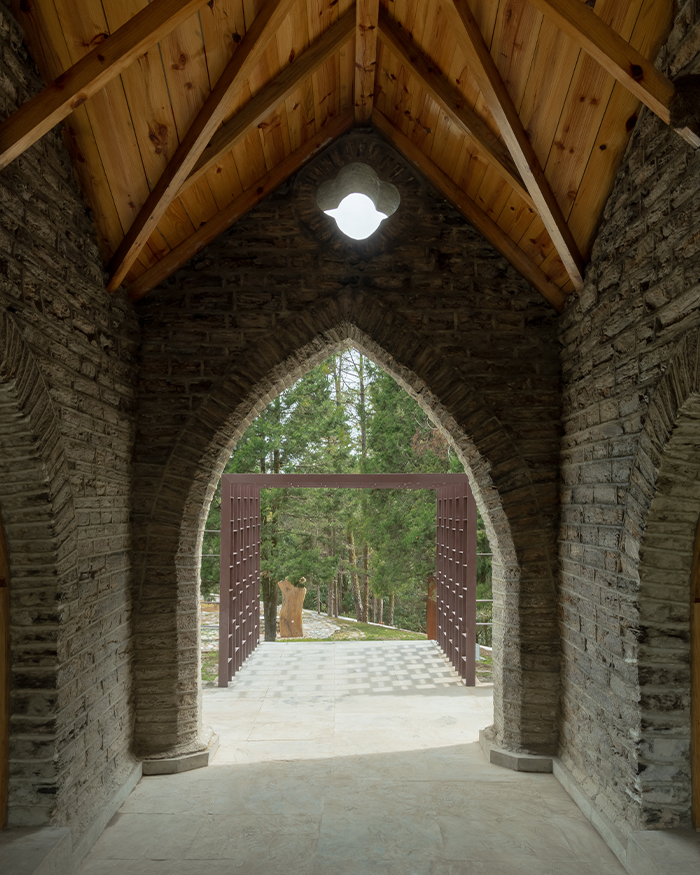
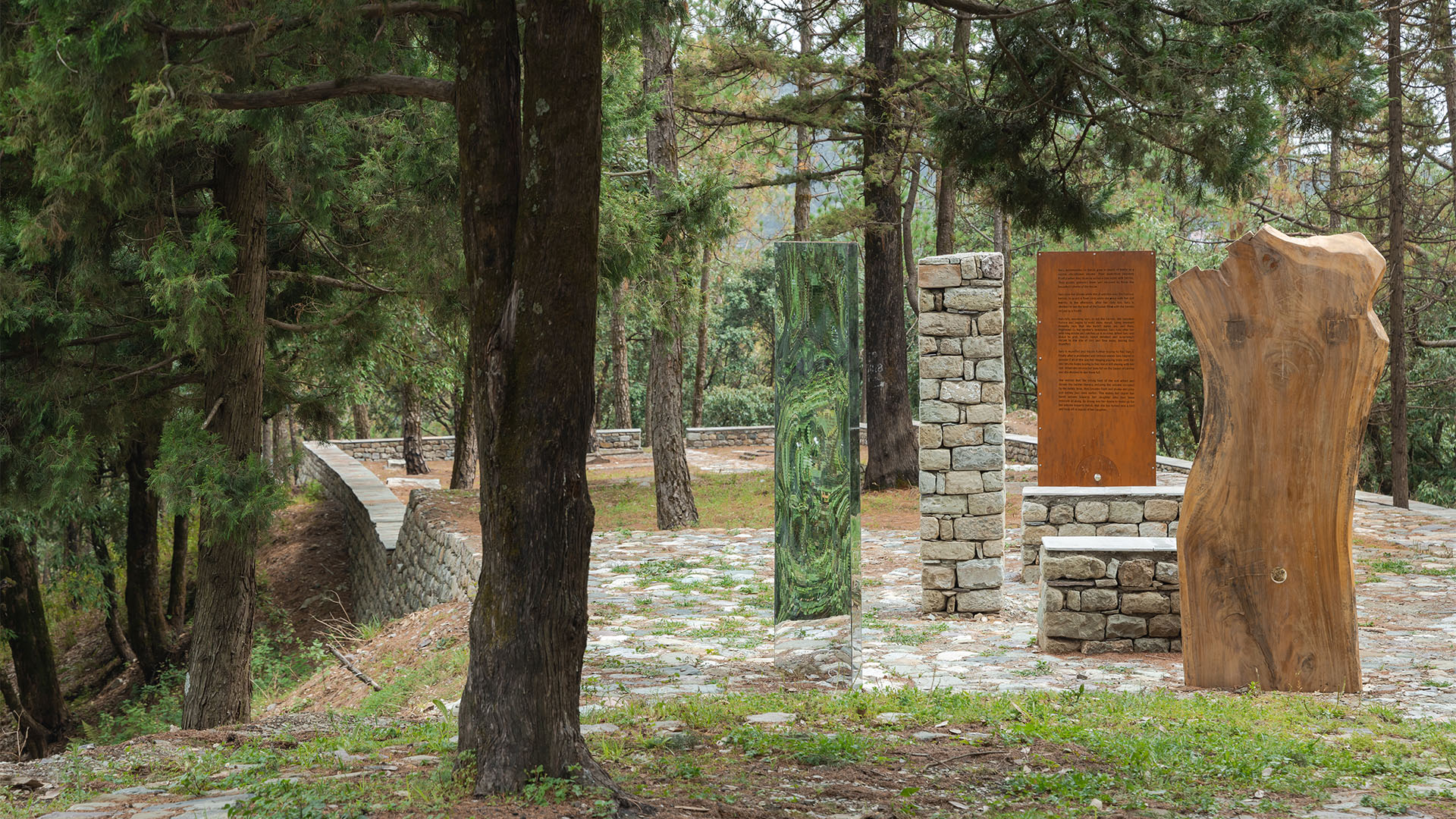
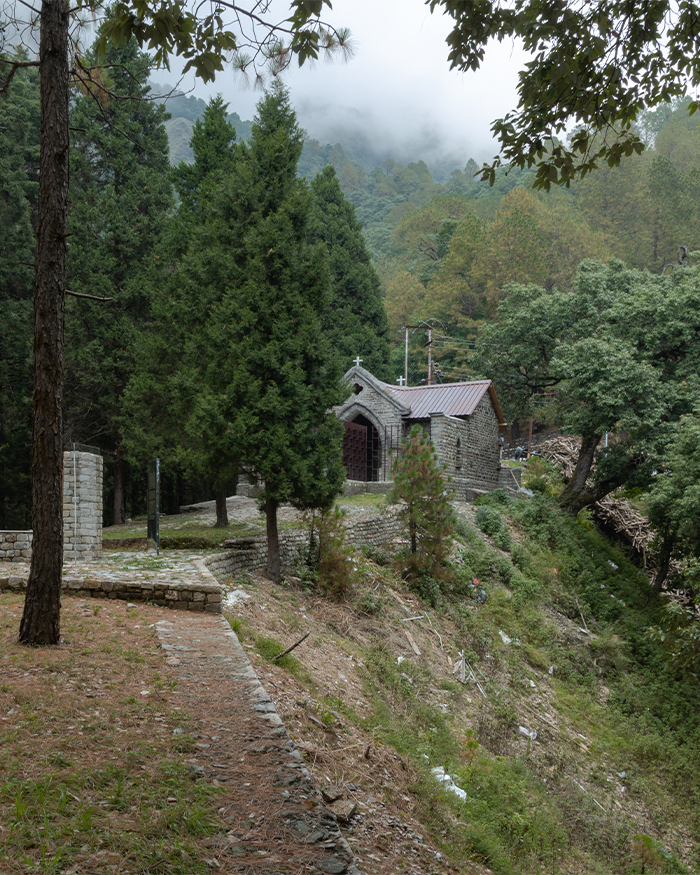
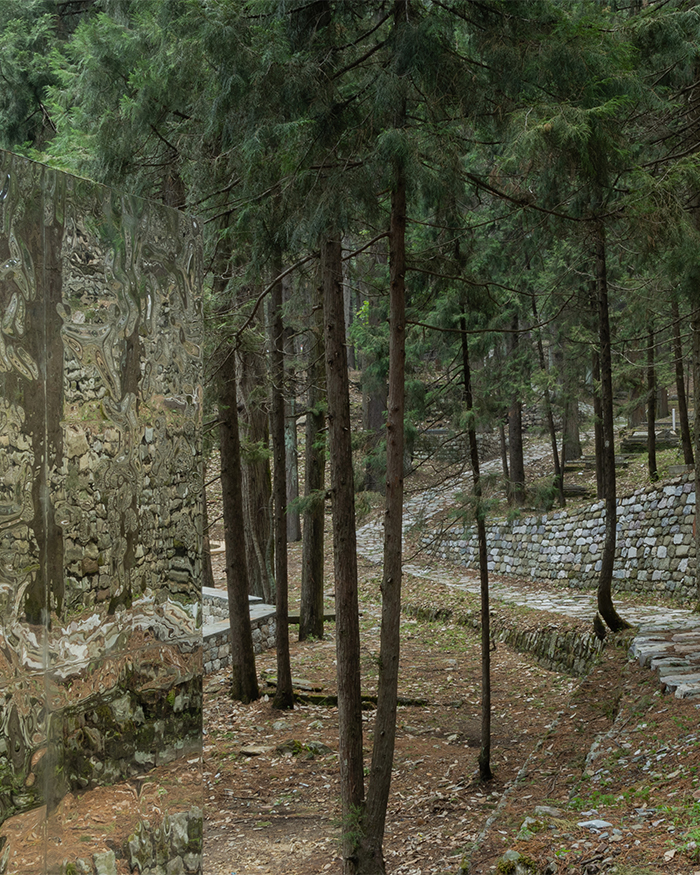
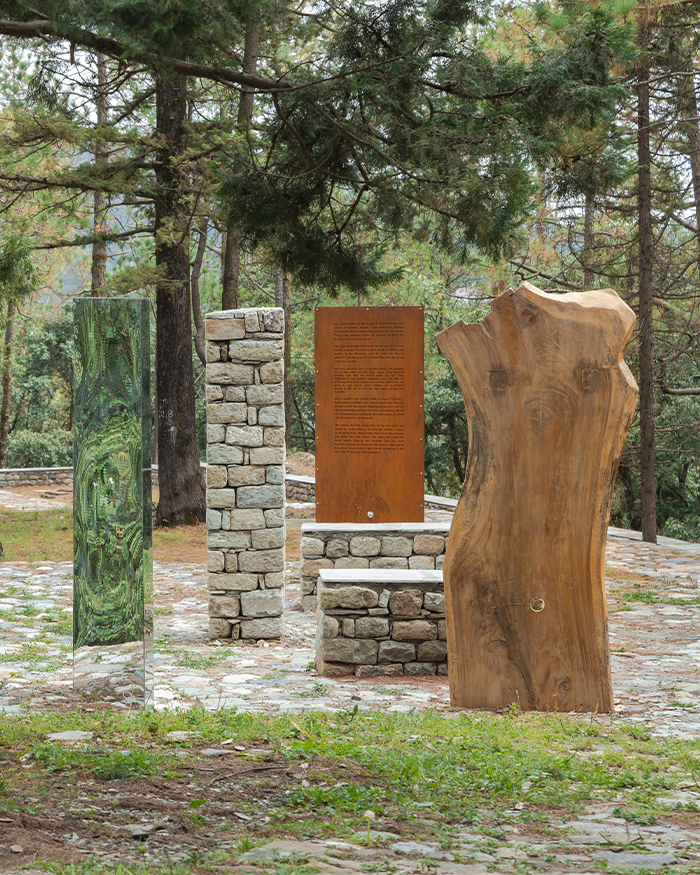
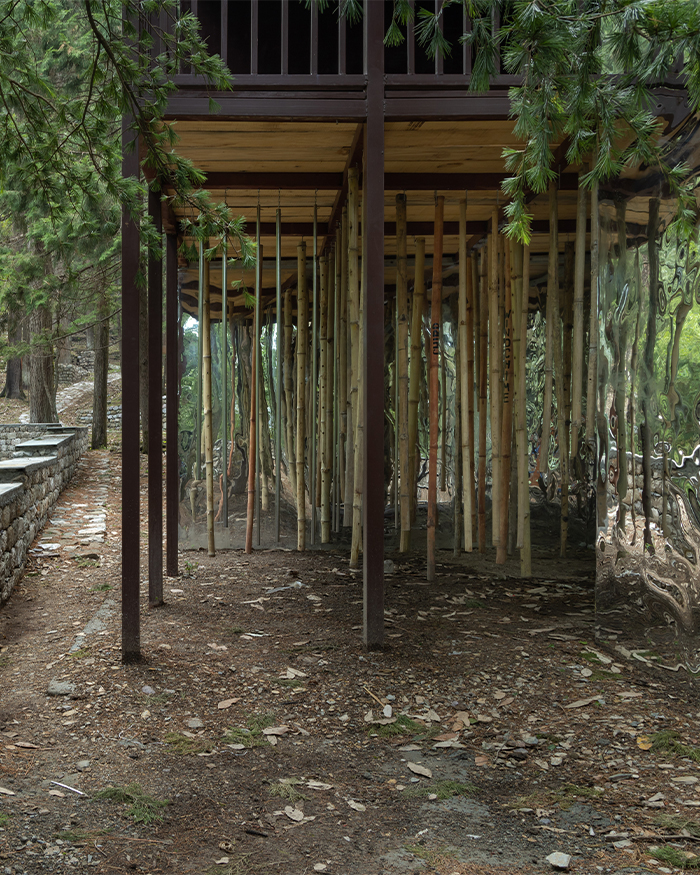
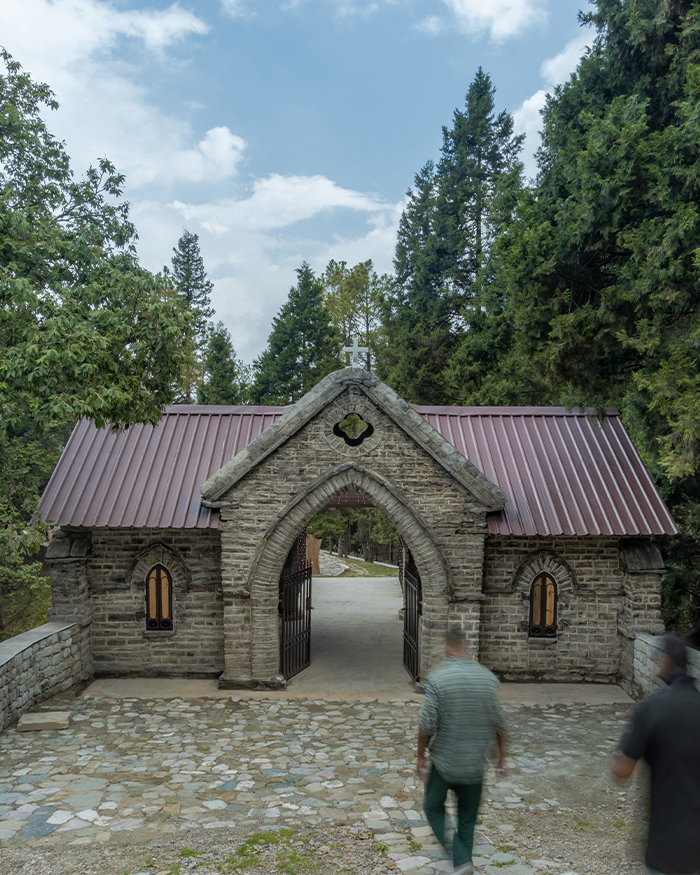
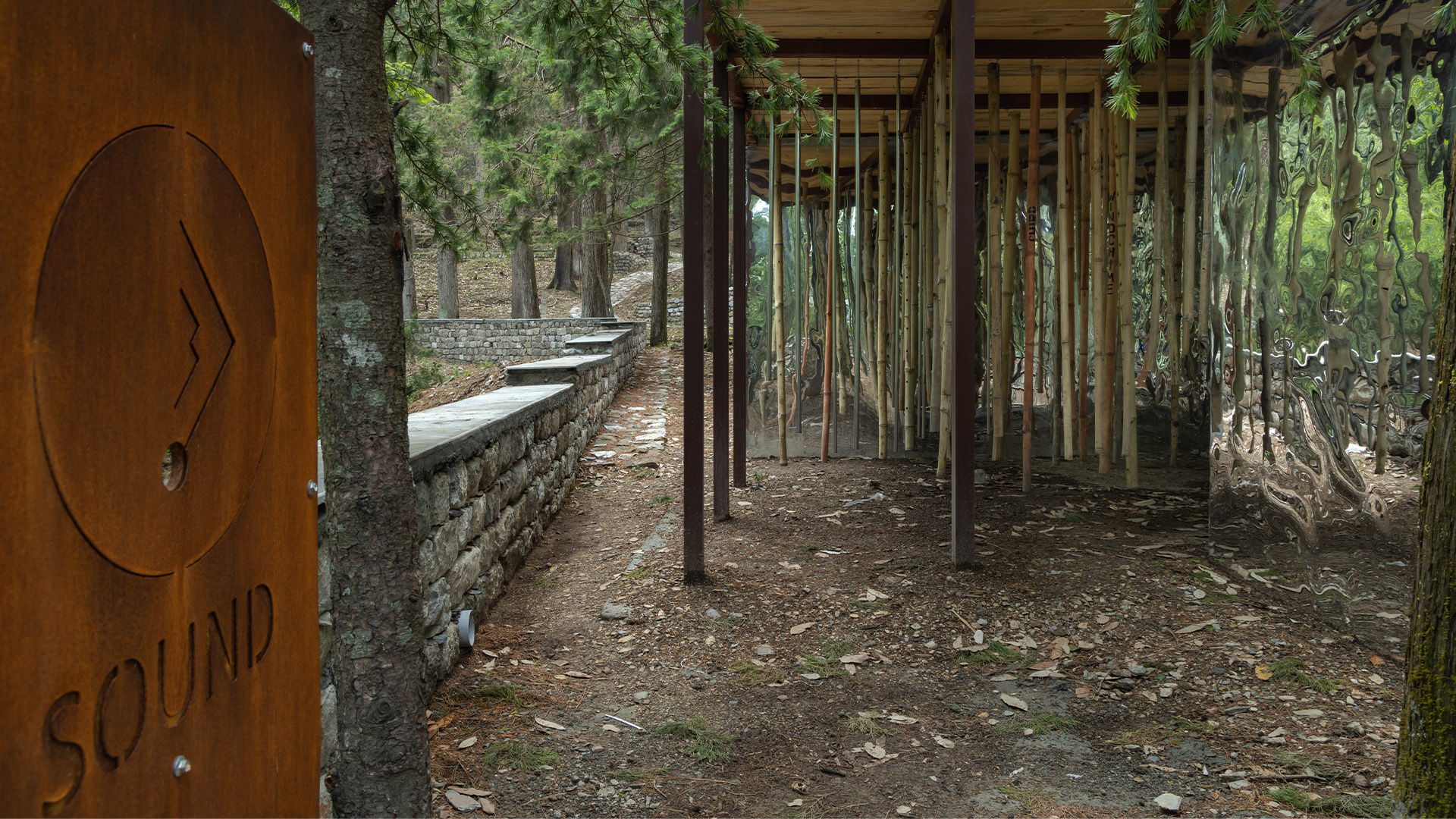
One such space lies in Nainital, where a pathway meanders through the pines and deodars into the past and what lies ahead is a British-era cemetery. Initiated by the Uttarakhand Government, the Sensorium Park reactivates this forgotten cultural landscape layered in history by questioning the traditional notions of a burial ground. Compartment S4 takes a public approach while designing the space through a series of thoughtful and minimal interventions that engage the senses.
"Movement through the forest is not linear; it unfolds through small pauses, unexpected momentum and subtle sensory experiences"
Monik Shah