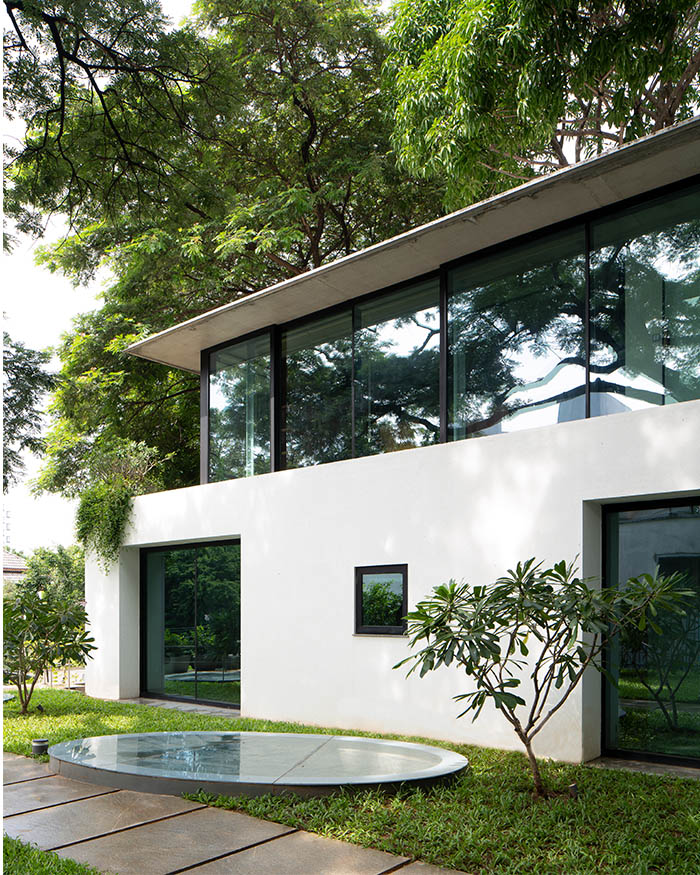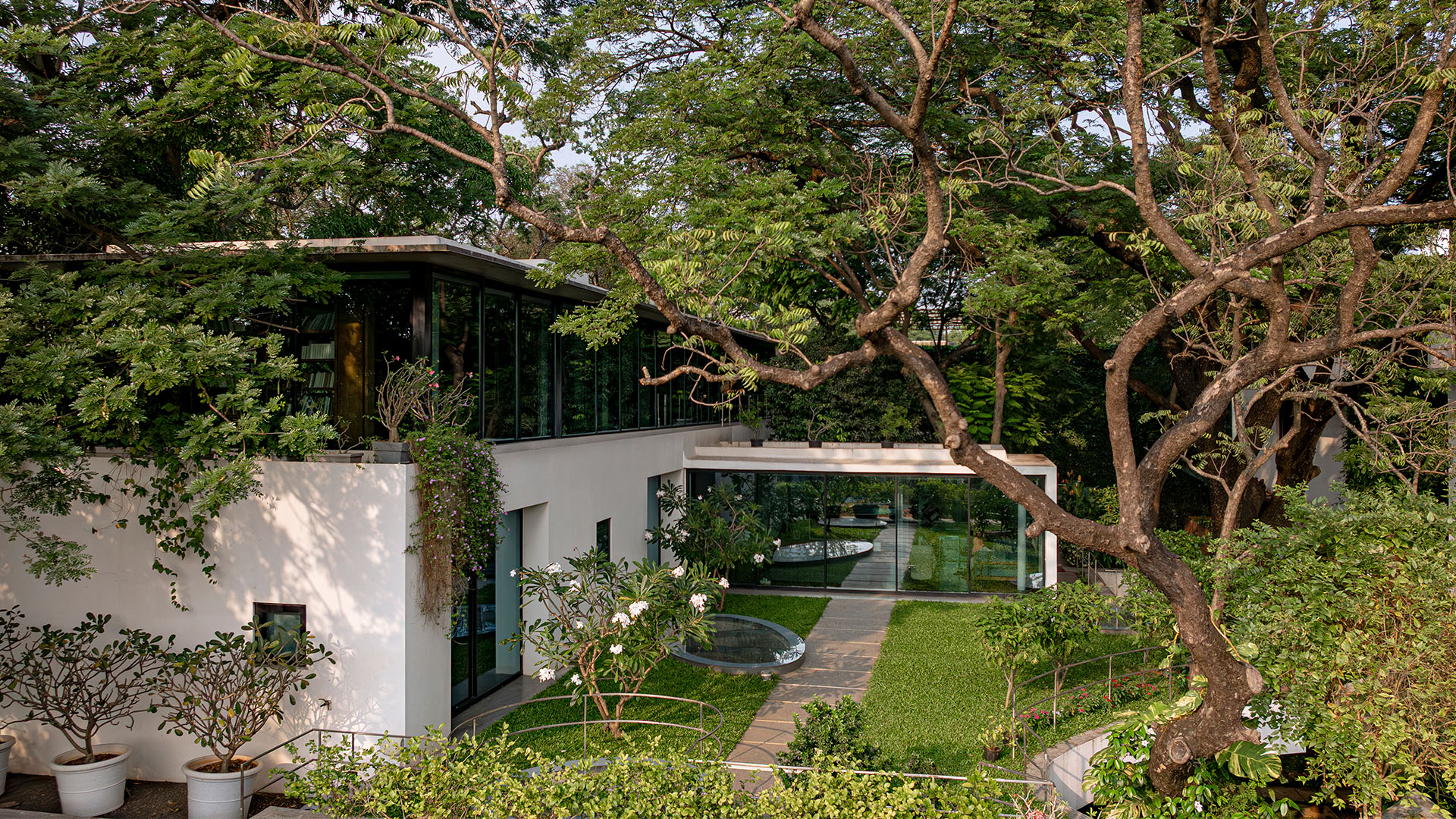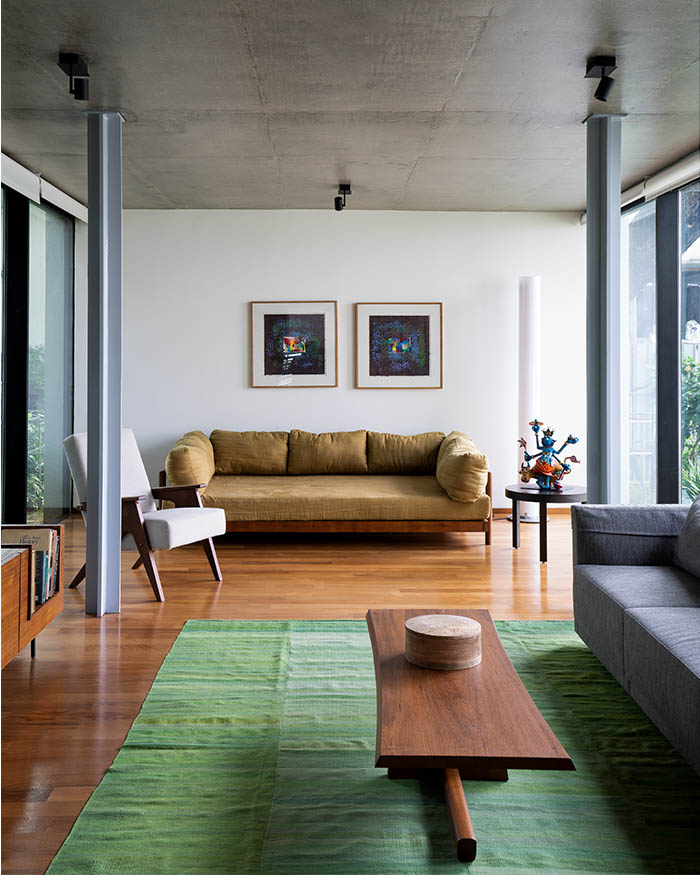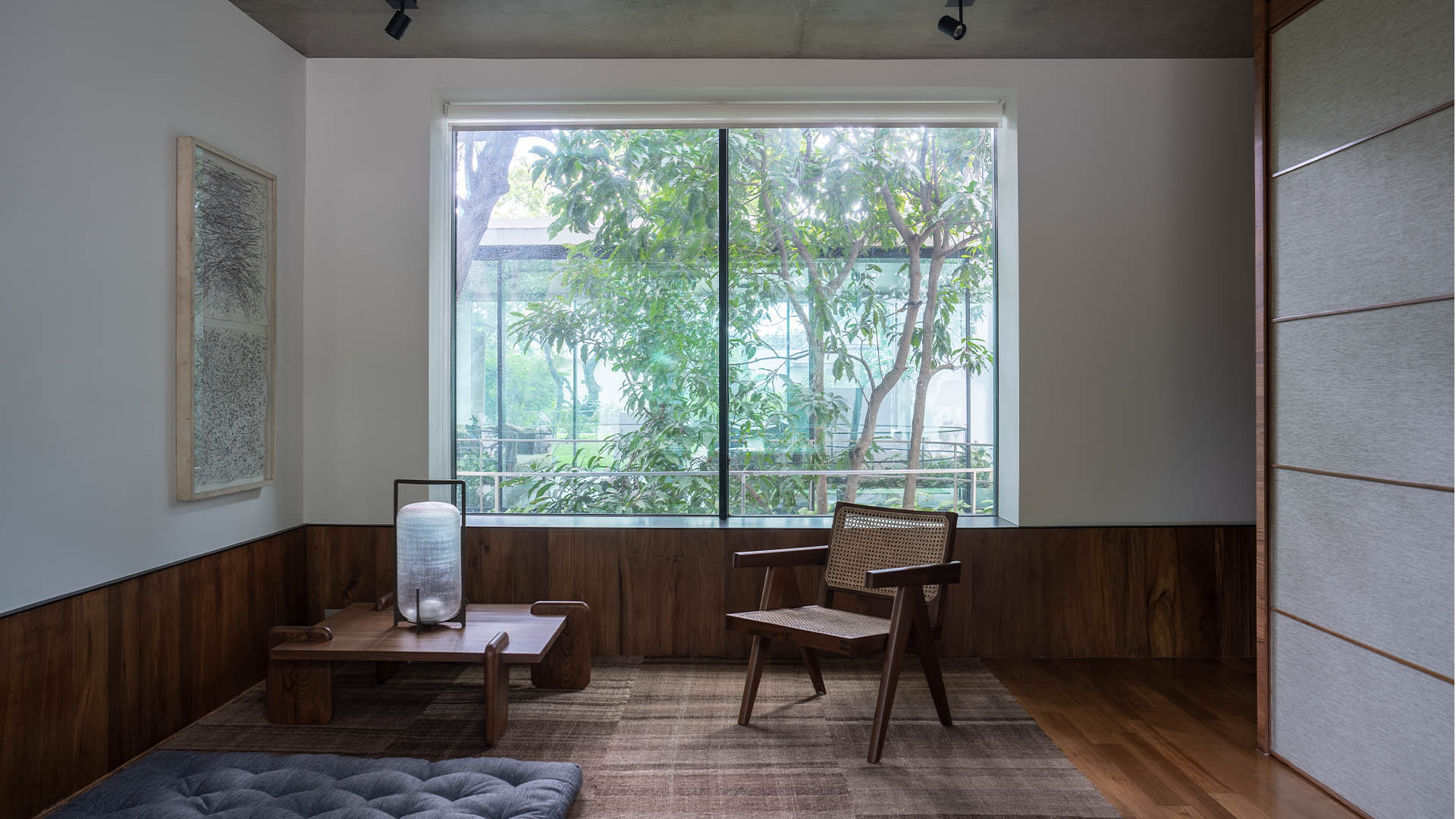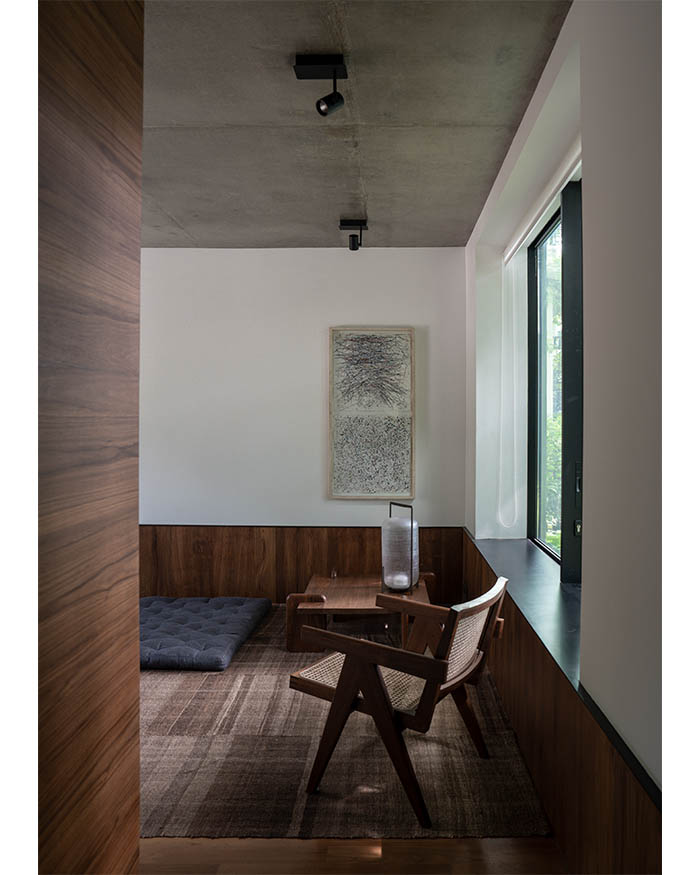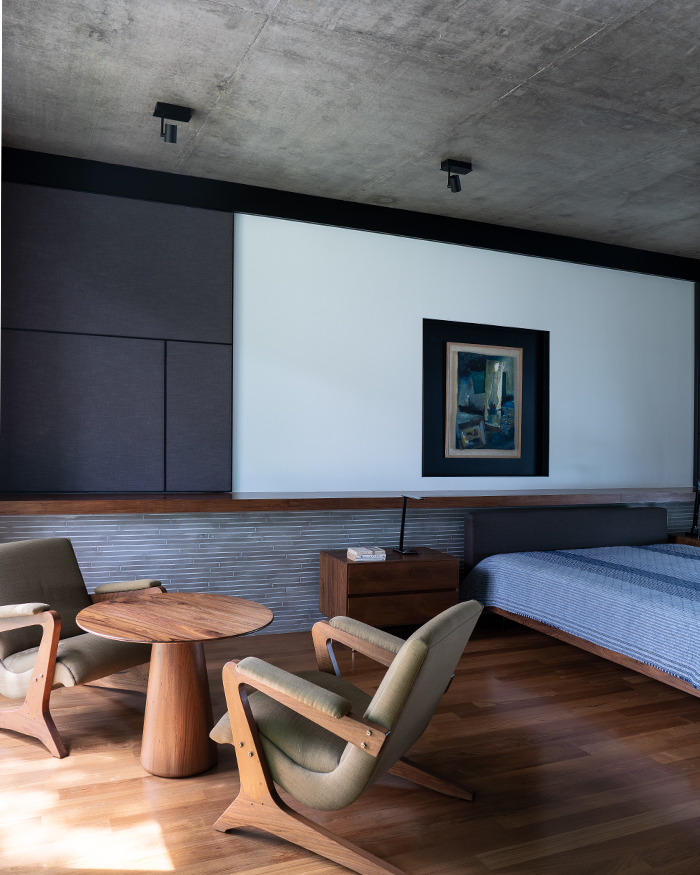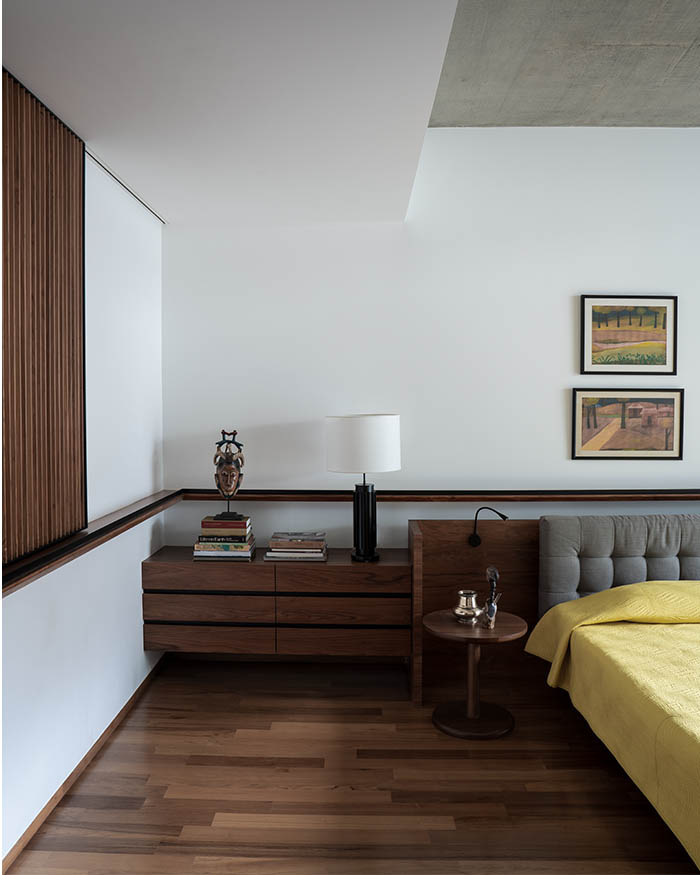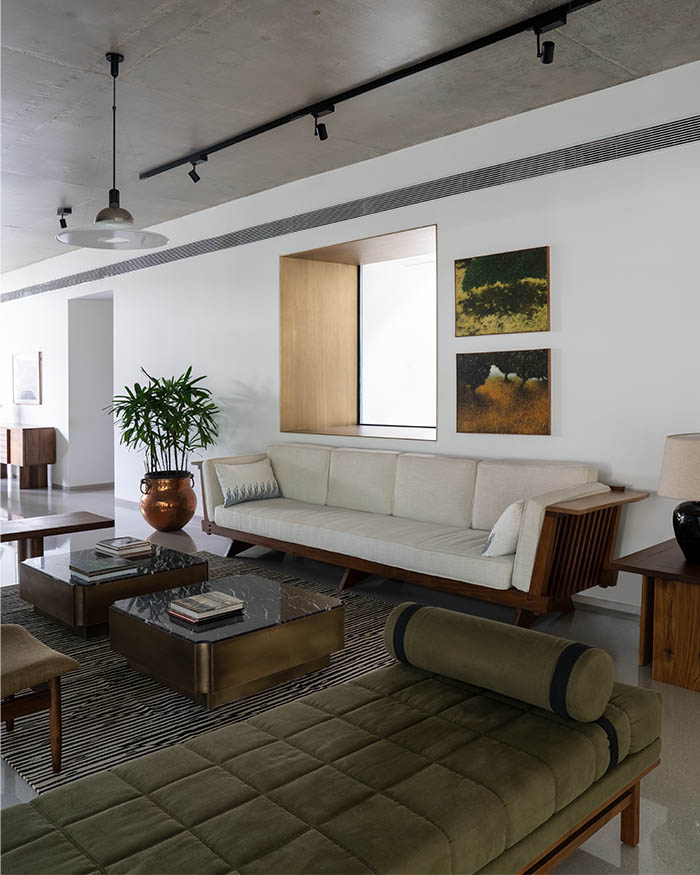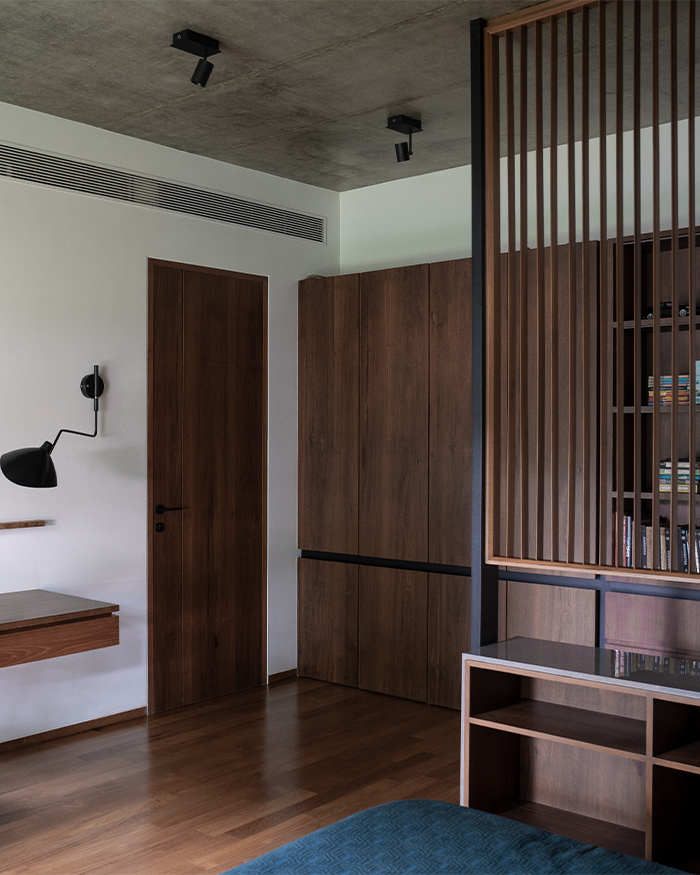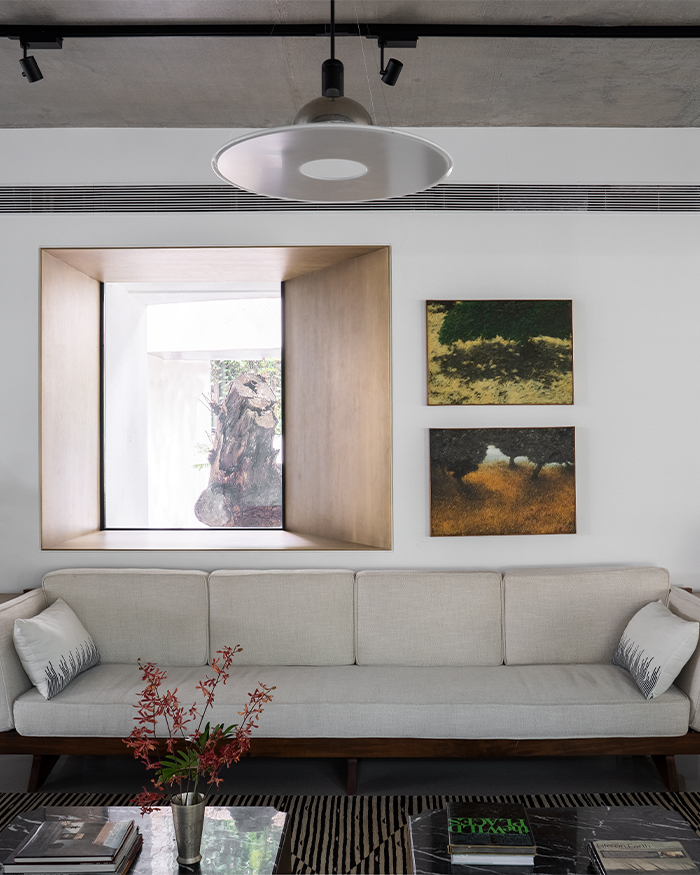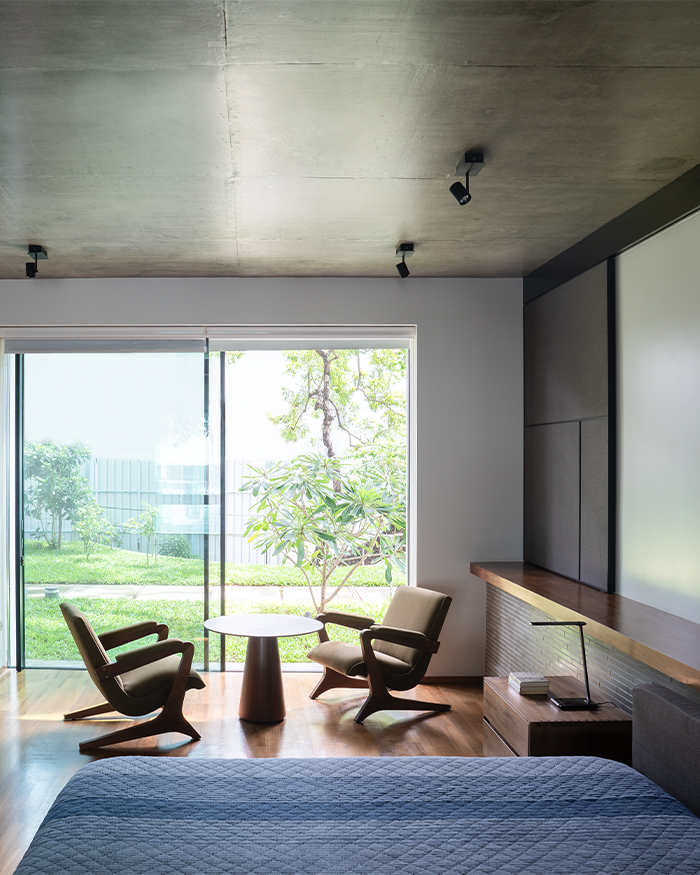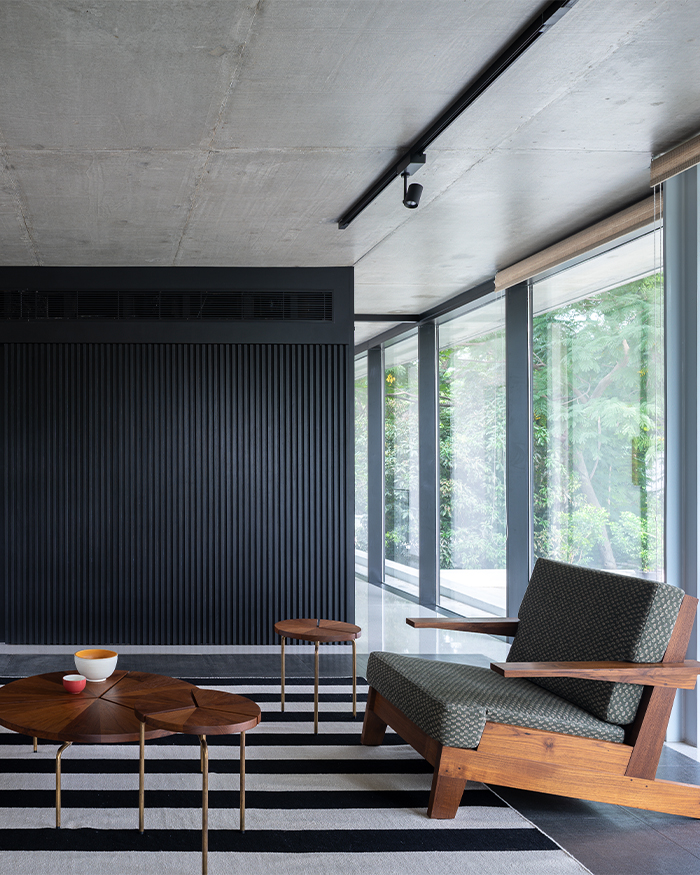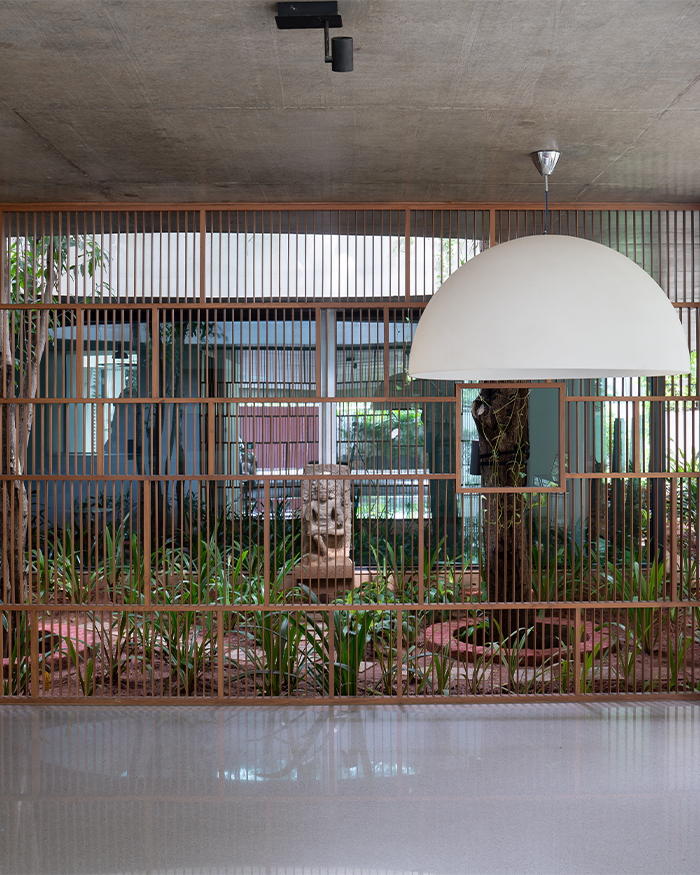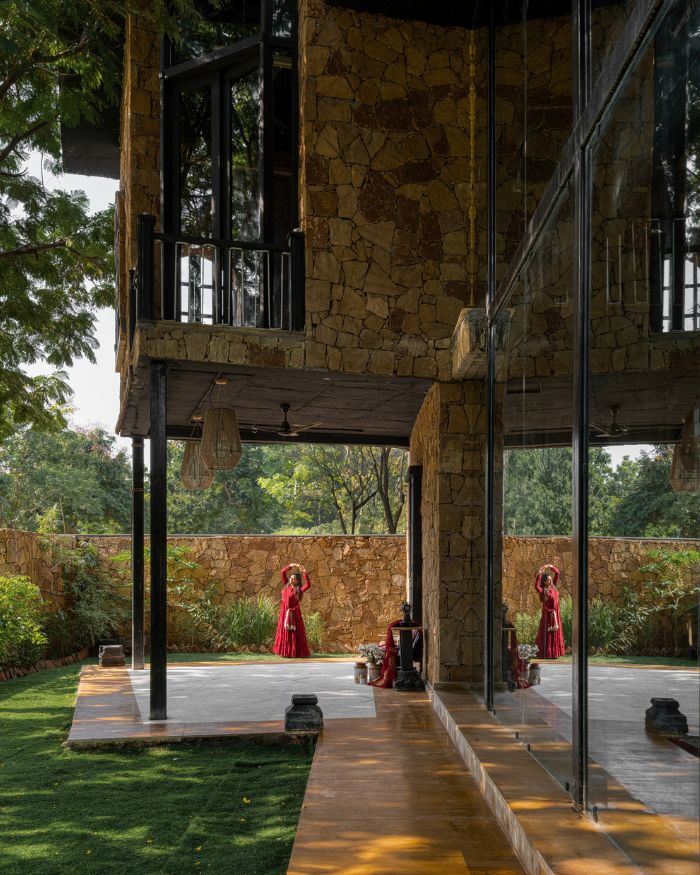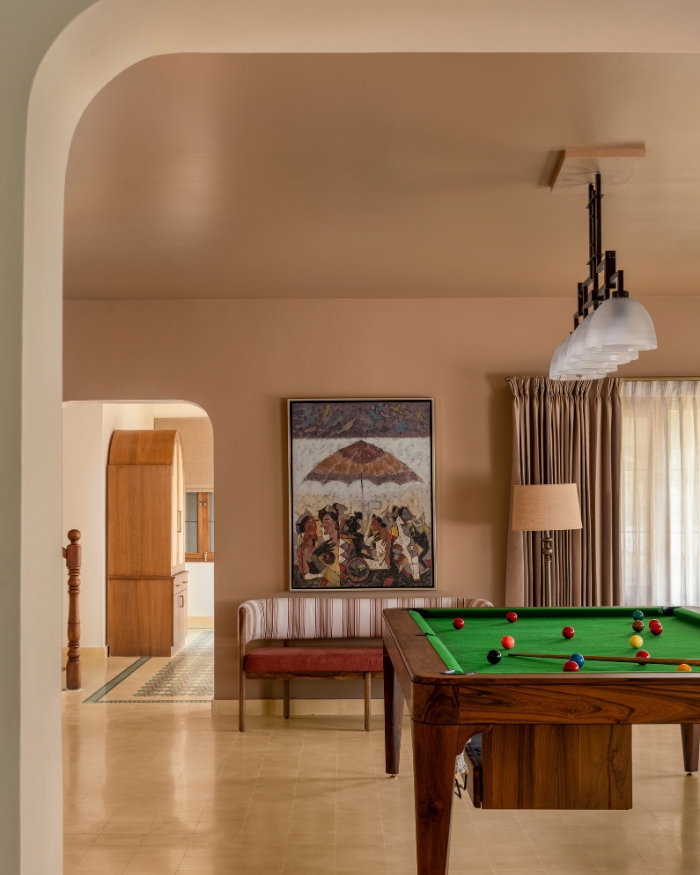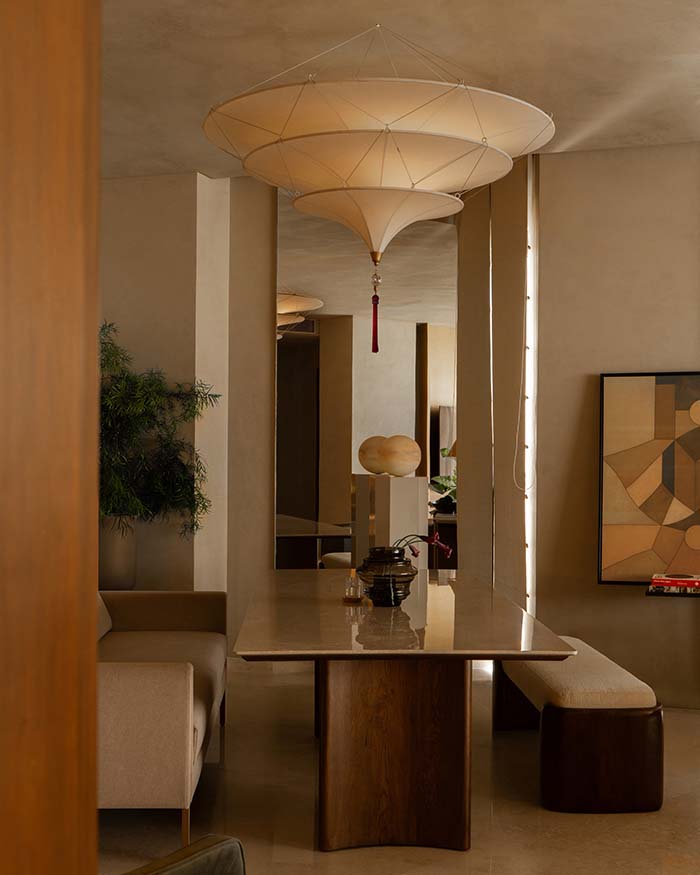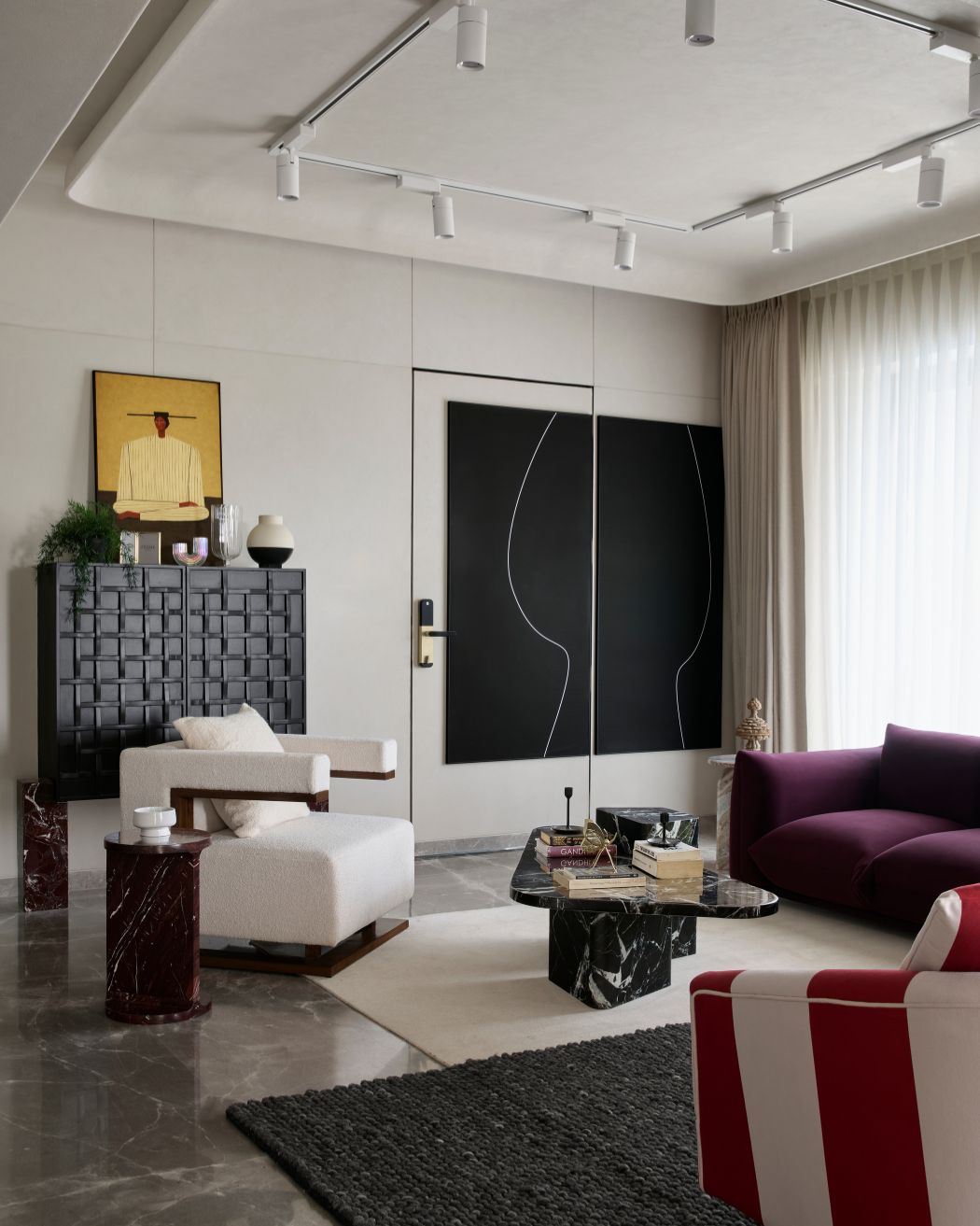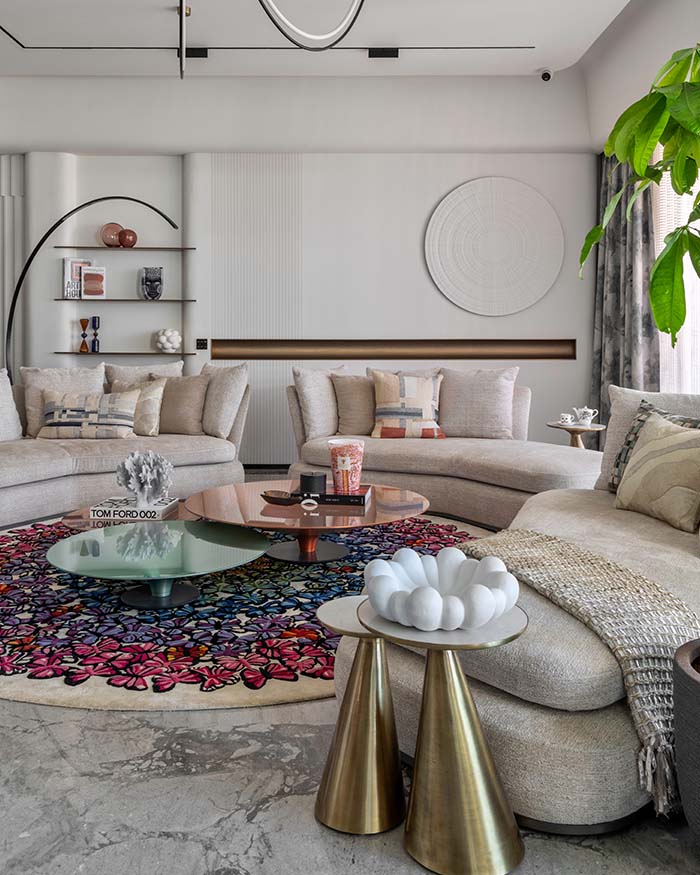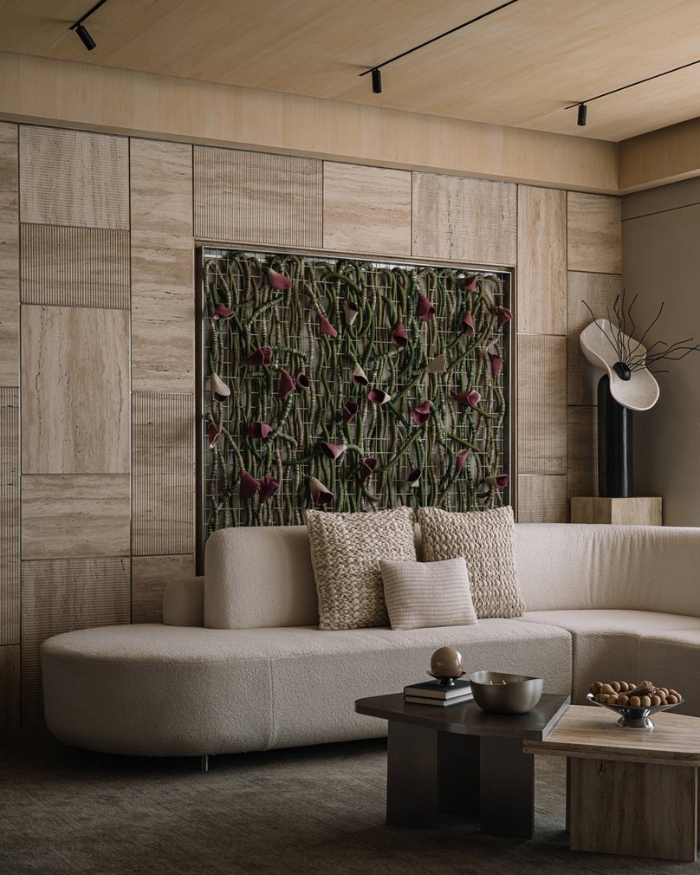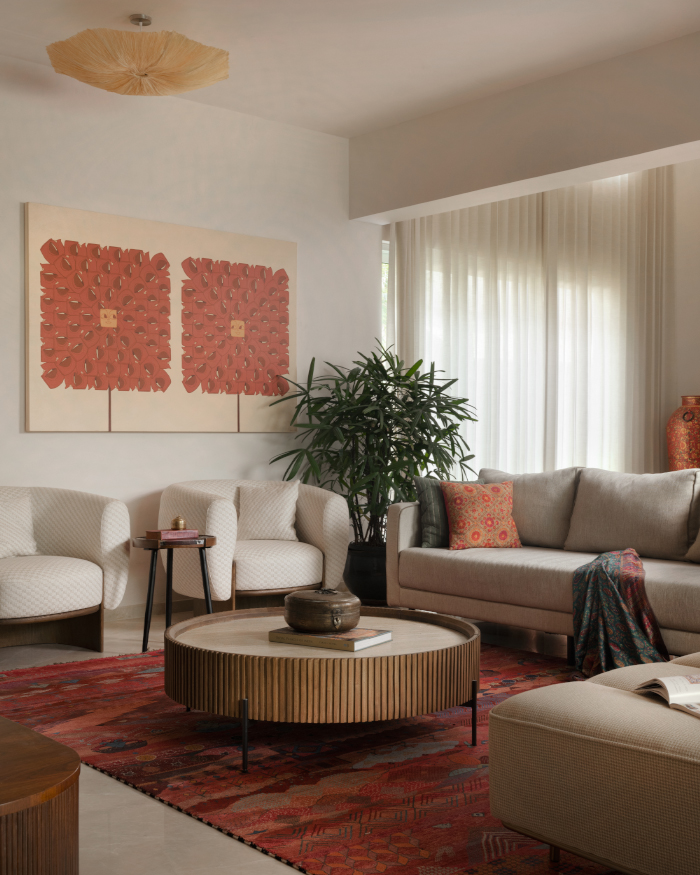
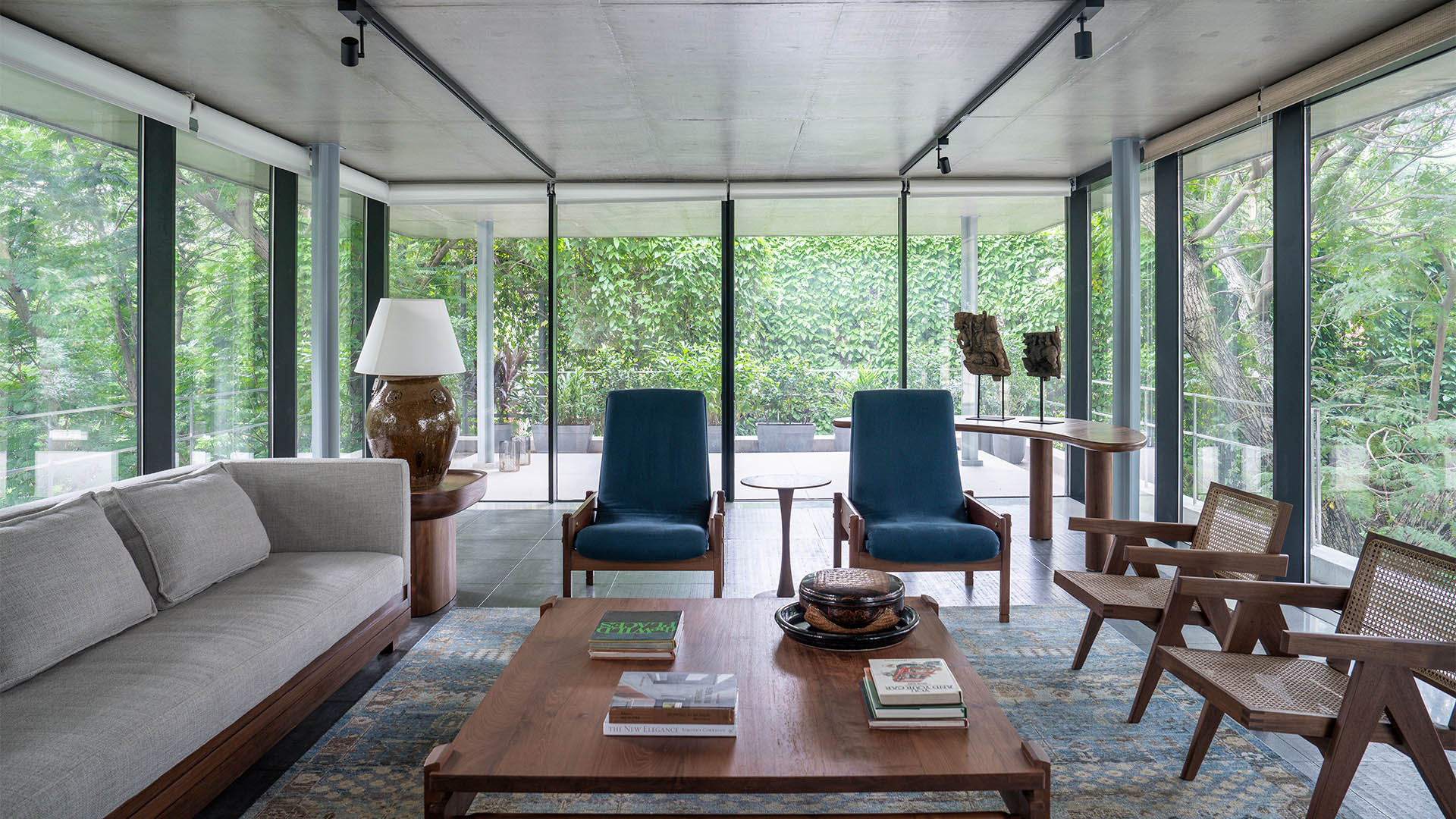
Chasing the picturesque is an elusive endeavour, but it is a noble one. It is perhaps best known for influencing the wave of British landscape paintings in the early 18th and 19th centuries and for popularising the Claude glass. The latter is a fascinating optical device that reflects the natural world into the palm of one’s hand. Its critics, one of the most famous of whom being poet William Wordsworth, chided its use, claiming it was a disingenuous engagement with nature. But that never stopped its lauders, who carried it everywhere, producing fleeting imagery only for their eyes. This phenomenon revealed the tendentious ways in which we interact with the natural world. From the great luxury of turning your back on nature only to frame it on a sliver of tinted Claude glass to Ayn Rand’s divisive protagonist, Howard Roark, who rather grandly claimed in The Fountainhead that the sun never knew its worth until it hit a concrete wall, we secretly harbour a pressing need to contextualise the elements. In other words, make tangible what appears to be infinite. Not to diminish the scale but to establish meaningful relationships with the world around. When viewed with this preamble, this house in Chennai by Rajiv Saini and Rahul Mehrotra can be read as a provocative narrative of how space, even in the private domain of a residence, can become a vehicle for nature to reveal itself as a medium to experience the ephemeral.
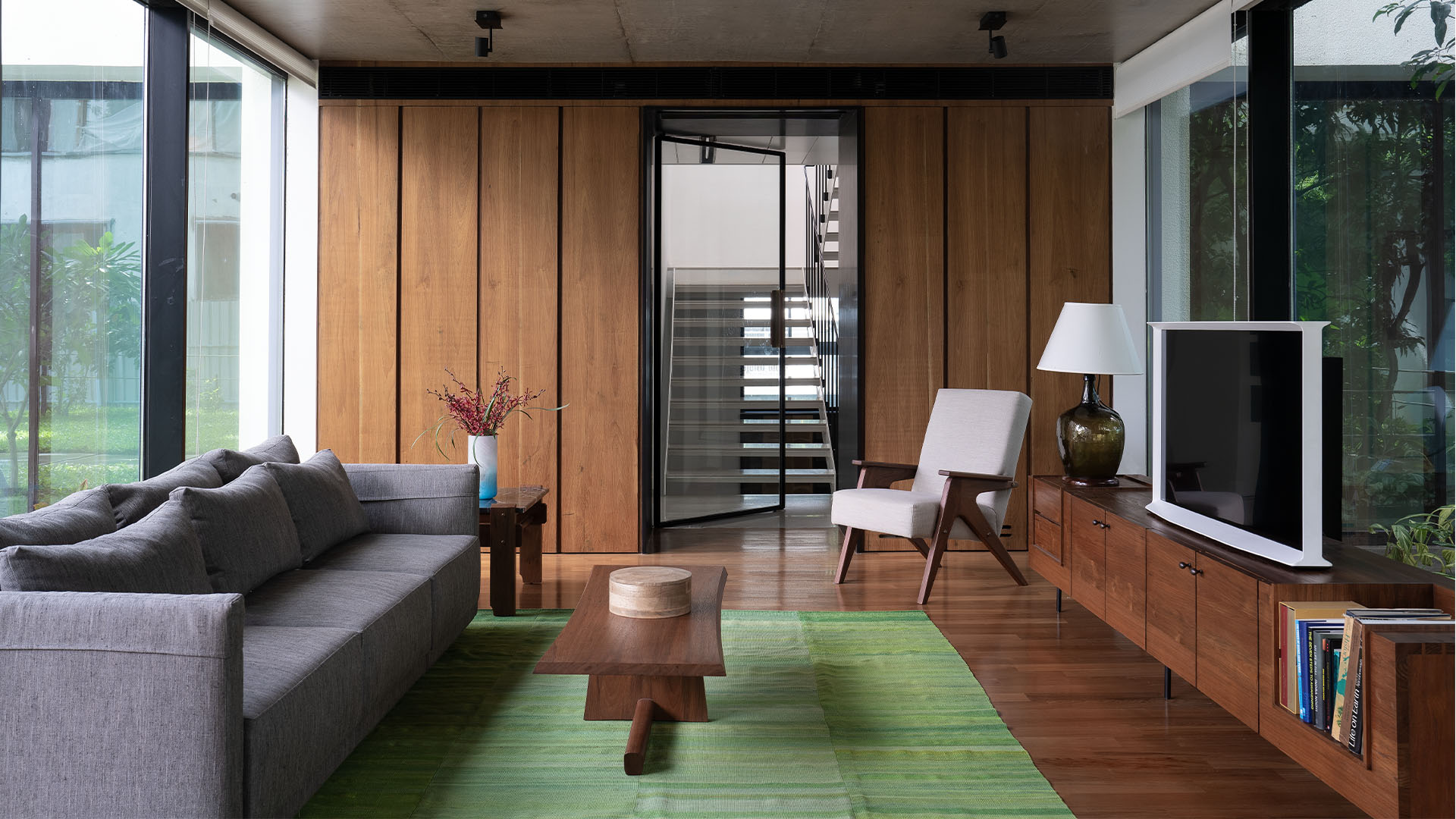
“In any other modern-day project, floors are usually factory-made. Here, we went back to a craftsman in Chennai who’s been doing all the family’s homes for the last 75 years”
Rajiv Saini