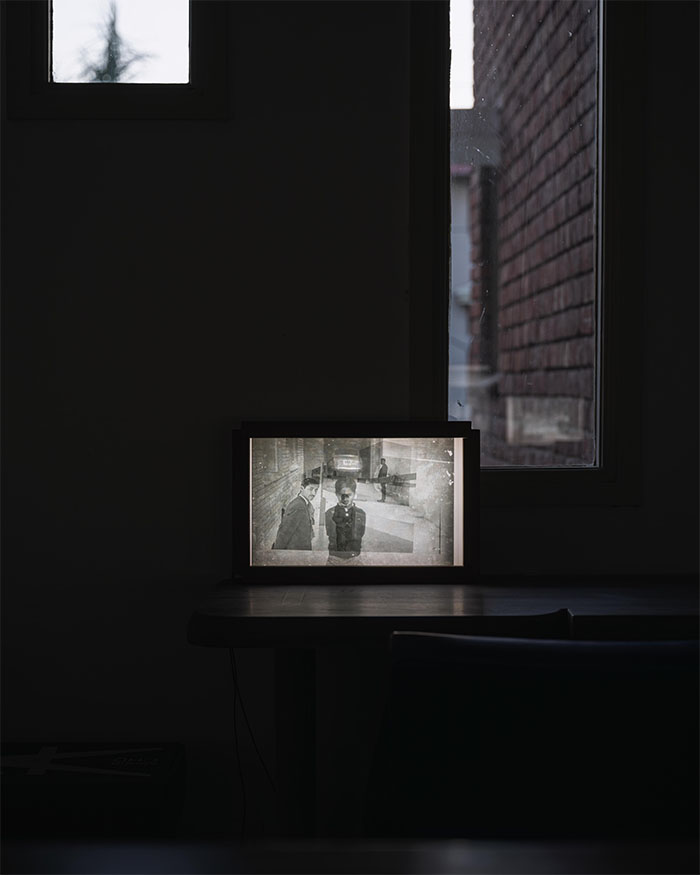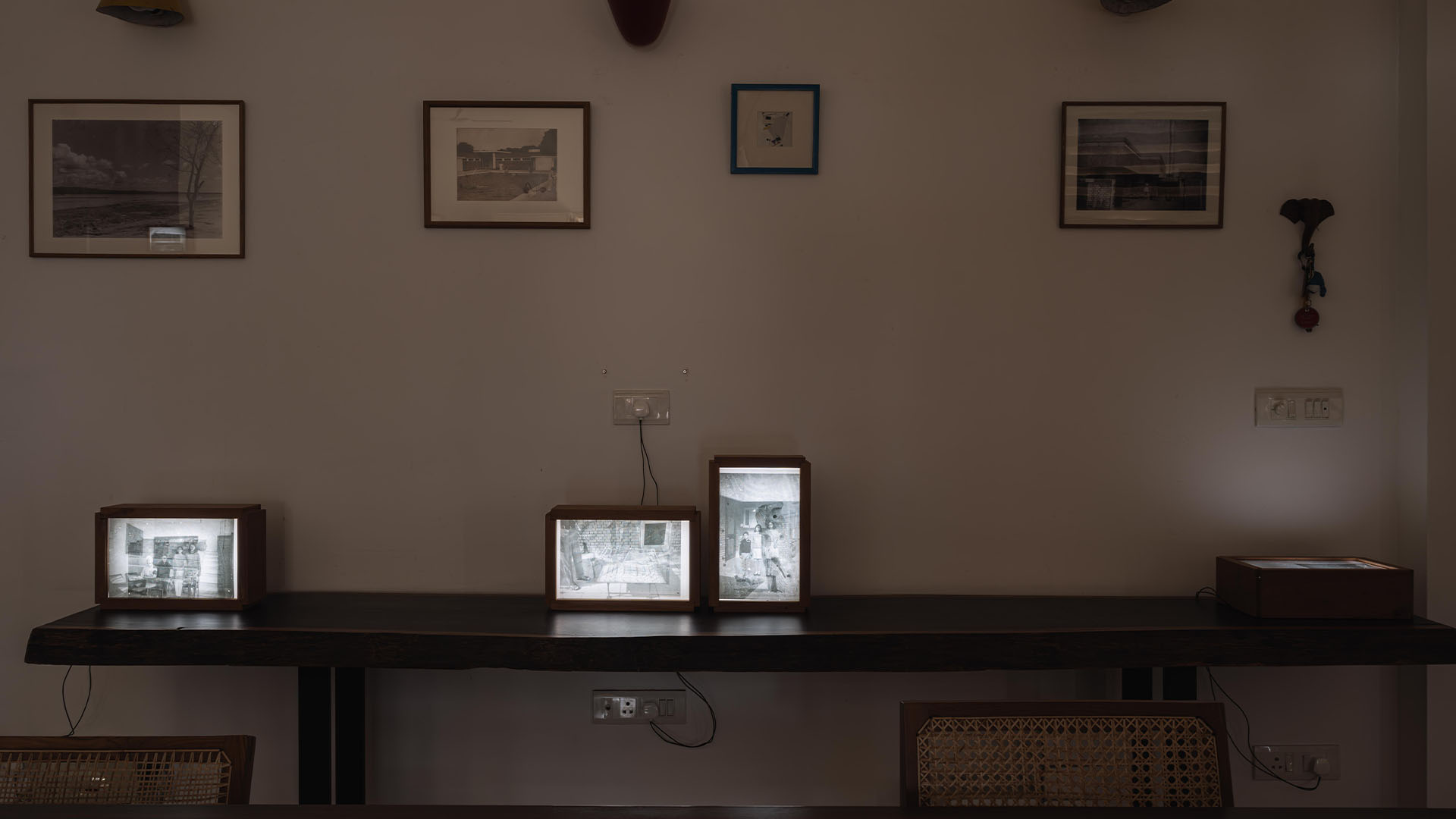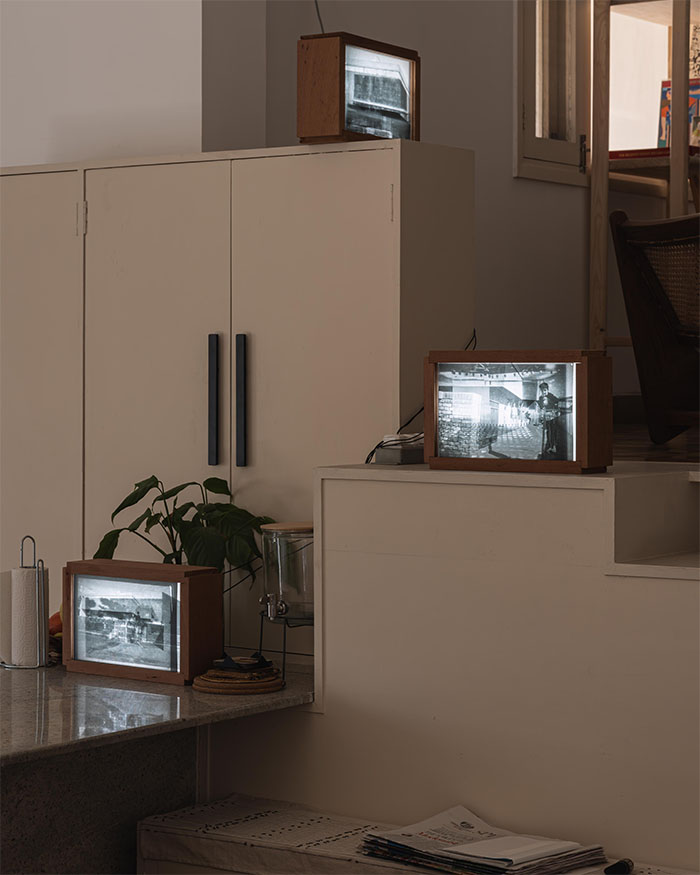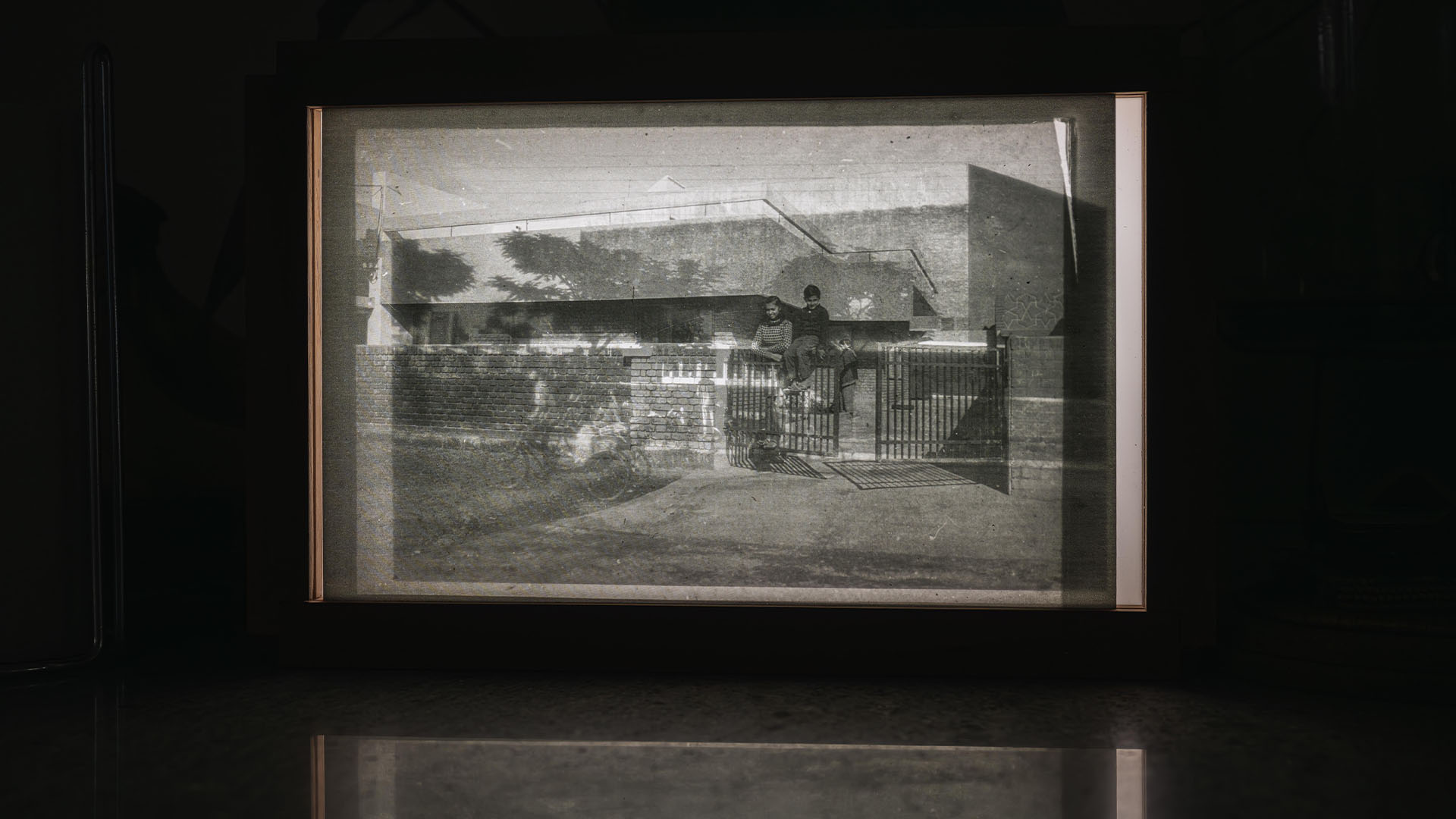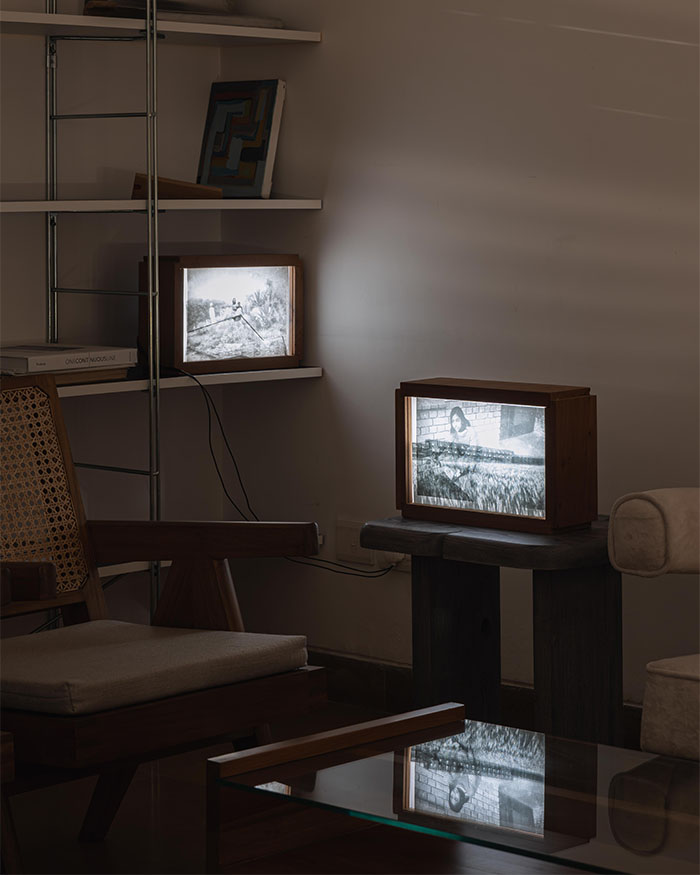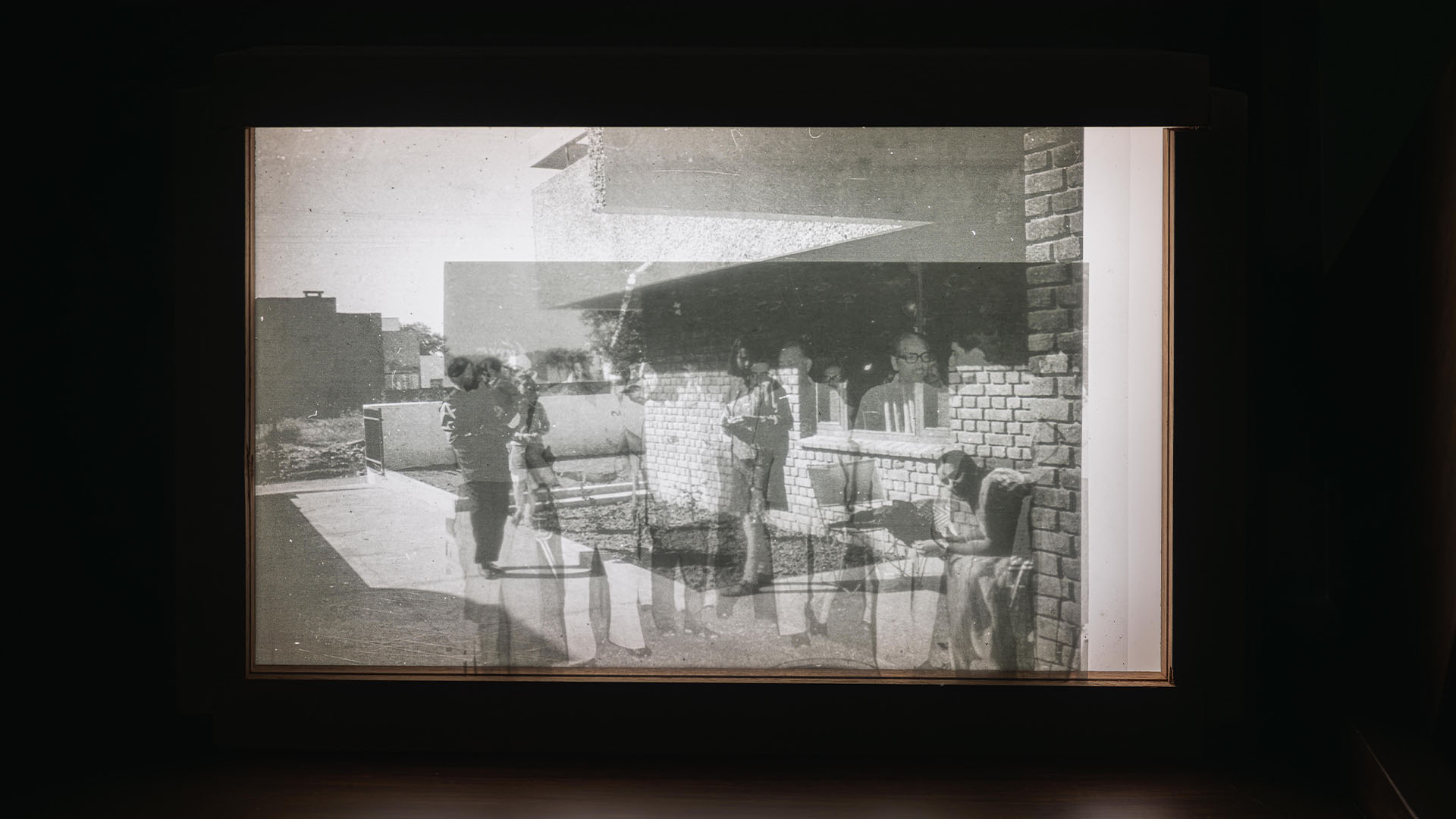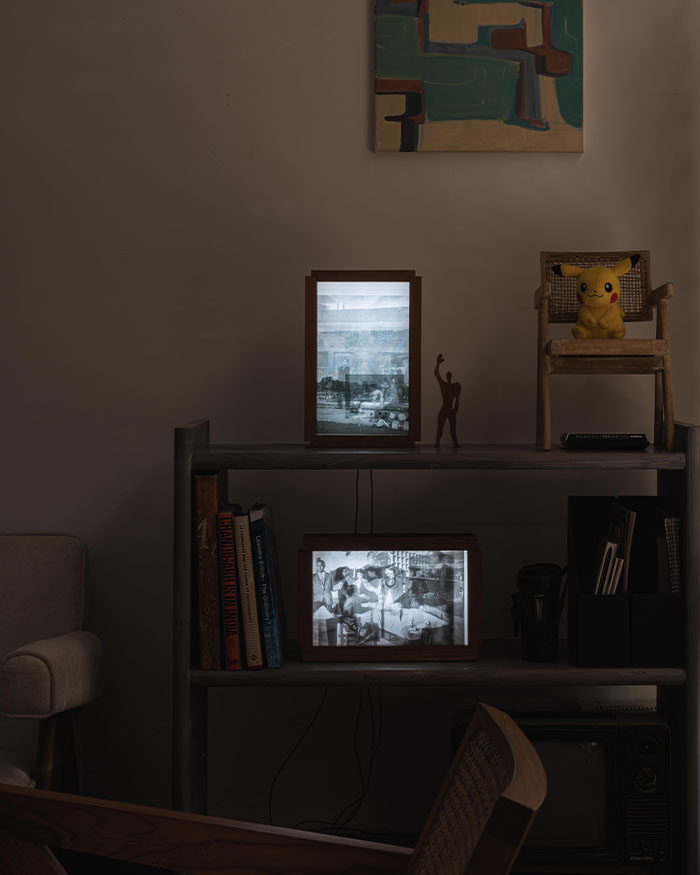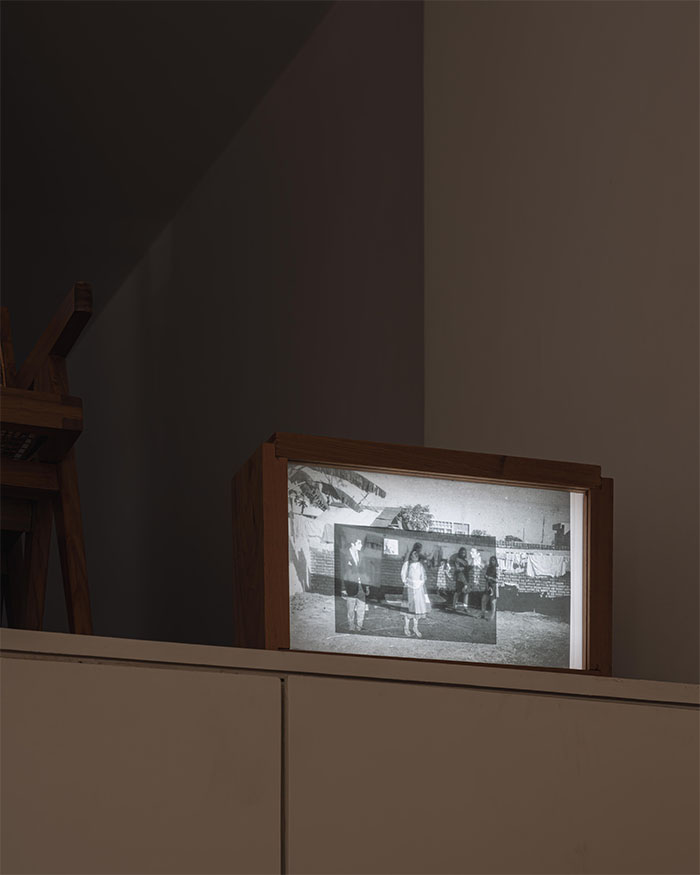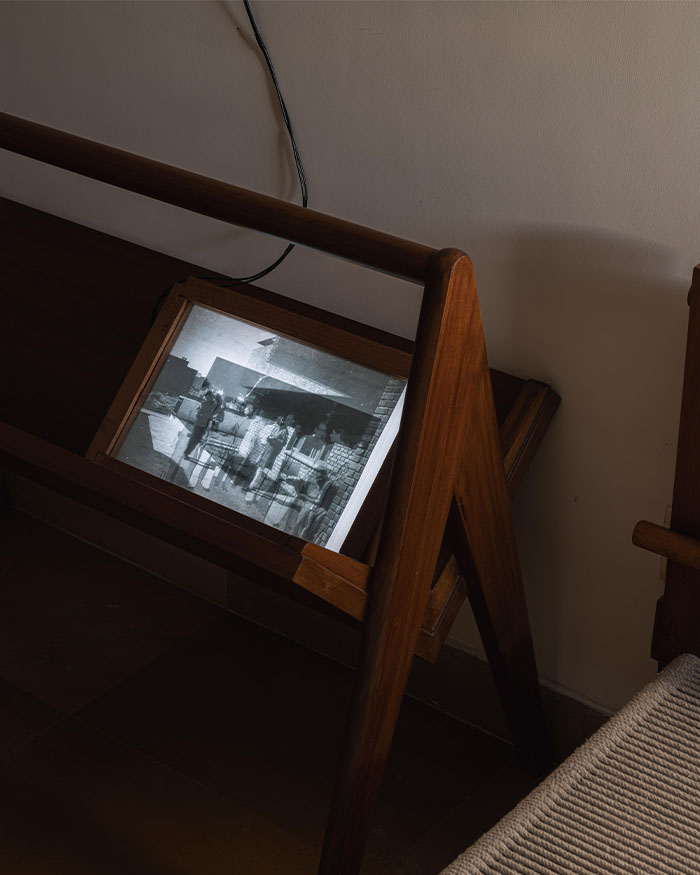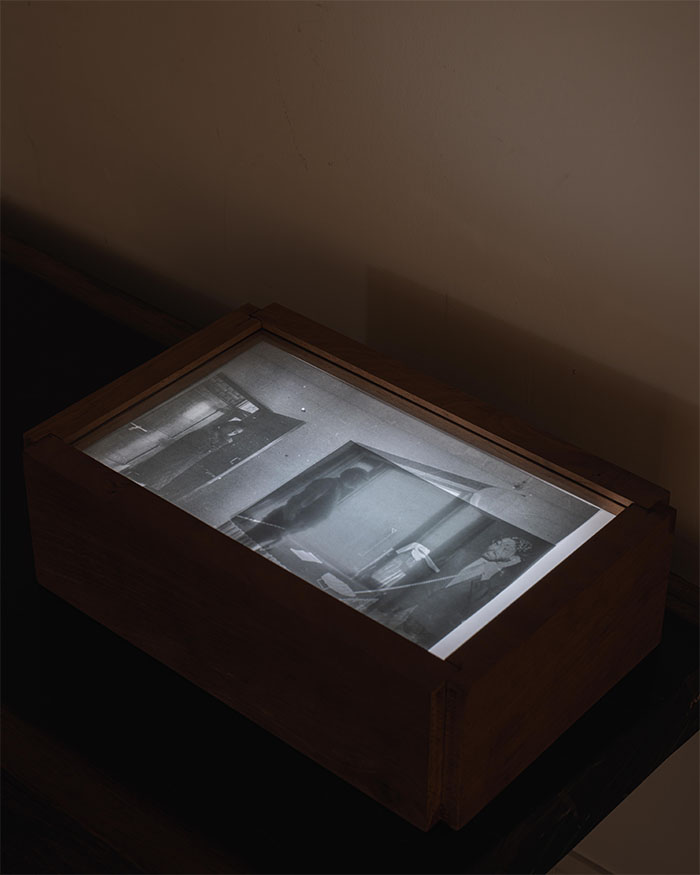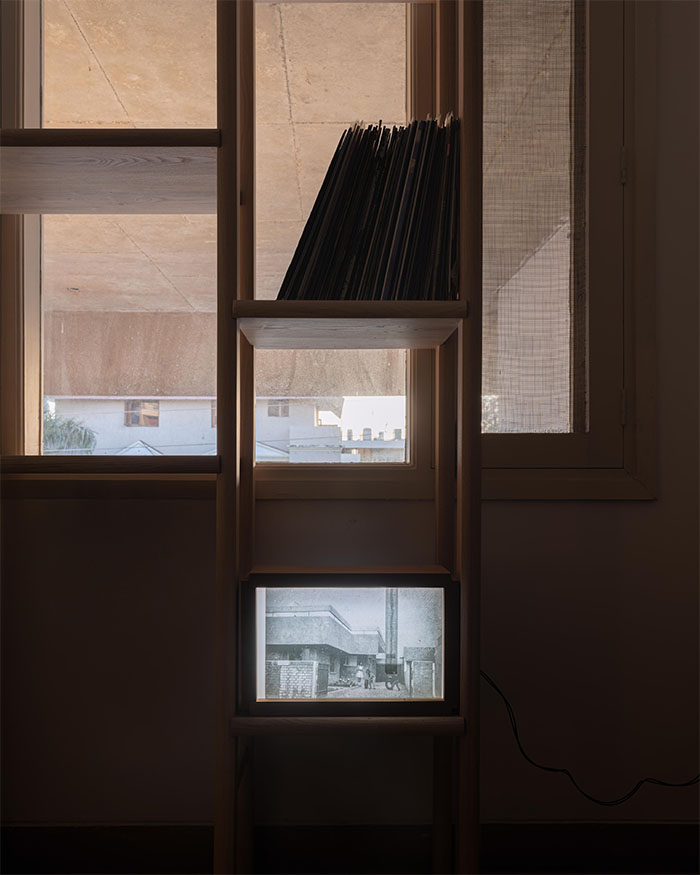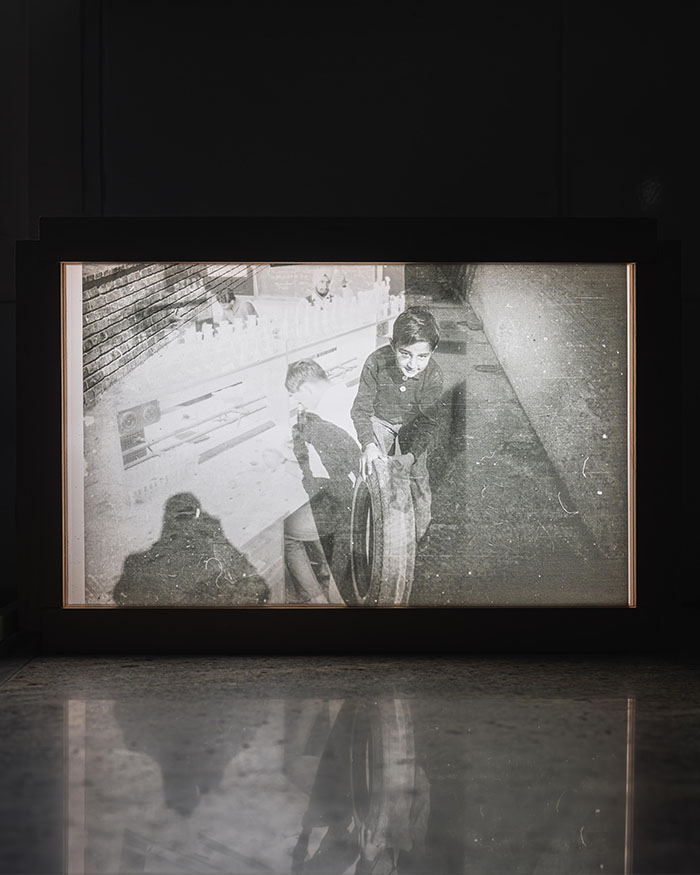
Memory, as attested by Freud, does not have a predilection to recount the past exactly as it happened. In our attempts to archive it, therefore, we store it in a photograph, going so far as to relate the two in the highest honour we can bestow: photographic memory. Call it hubris or naïveté, but objectivity eludes them both. This uneasy relationship between recollection and representation animates Double Framed, an exhibition situated within the house designed by architect Aditya Prakash in Chandigarh. For his son, architect, architectural historian and educator Vikramaditya Prakash, the project becomes a meditation on memory and modern life. Growing up in Chandigarh during the 1960s meant witnessing the unfolding of one of modern architecture’s most ambitious experiments. Architects from across India and the world arrived to contribute to the new capital of Punjab under the direction of Le Corbusier.
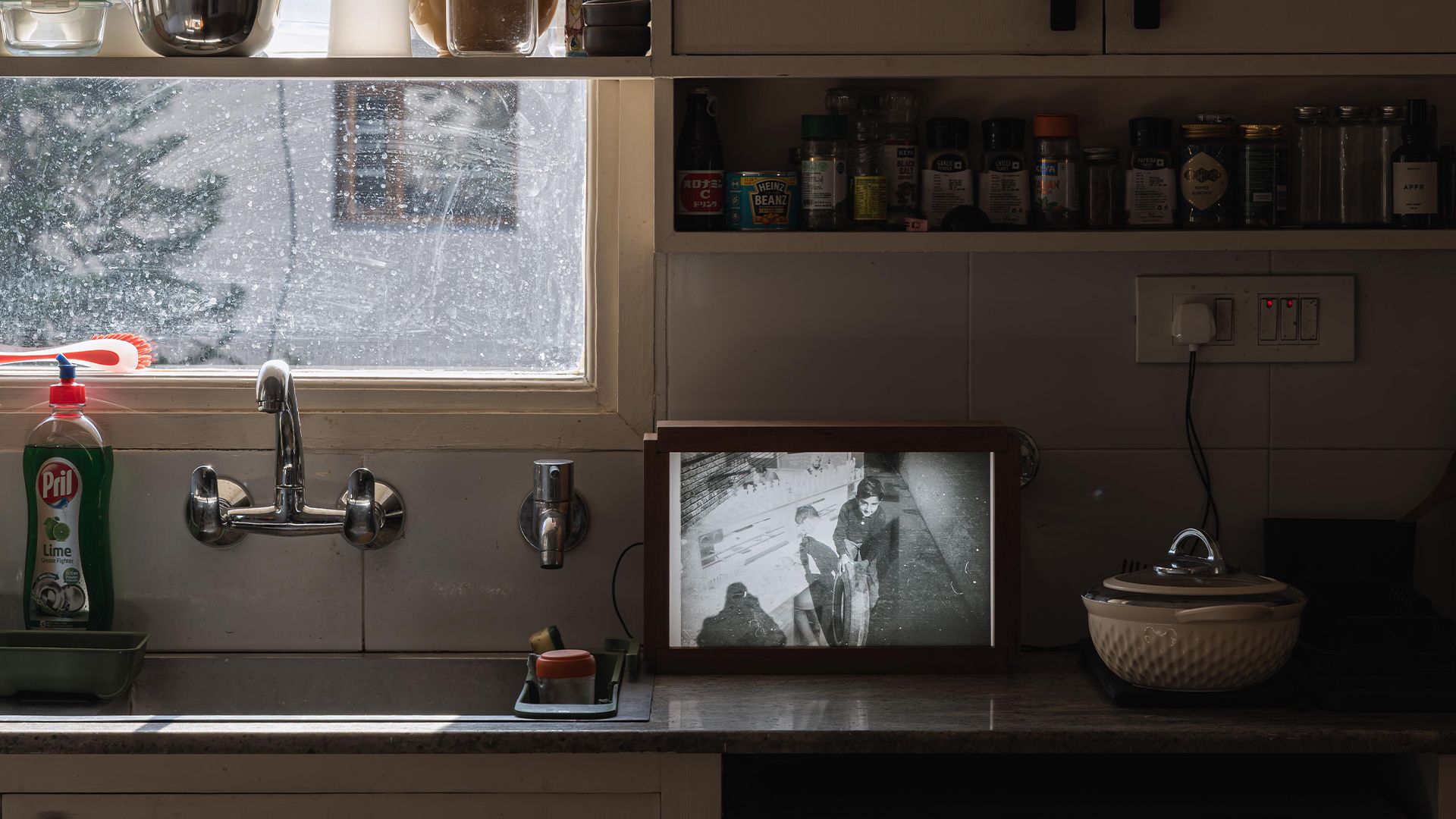
Aditya Prakash had returned to India in the 1950s to participate in this unprecedented project. Vikramaditya recalls that his father would often tell students: “I learnt everything I did from Le Corbusier — even if it was in going against everything he stood for.” Prakash’s voice reverberates across the architectural landscape of Chandigarh, yet it acquires a more intimate register within the house he designed for his own family. Until March 15, that house becomes the site of Double Framed, an exhibition exploring the dualities embedded within the architect’s life and work. After the passing of his parents, Vikramaditya and his family made the difficult decision to sell the house. “We were able to do so only because it was being taken on by Eashan Chaufla, who is also an architect and someone deeply attuned to Chandigarh’s modernist inheritance. That made possible not an ending, but a continuity,” he explains. “The exhibition grew out of conversations between Eashan and me about what it means for one person to have grown up in a house and another to inhabit it now. The house was full of residue — of memory, of family life, of architectural intention, and of my father’s wider world of theater, photography and design.”
“The house is a remarkably intact example of Chandigarh’s lived modernism, not the monumental Chandigarh of tourist photographs, but the intimate Chandigarh of domestic space, climate, furniture, proportion and everyday ritual”
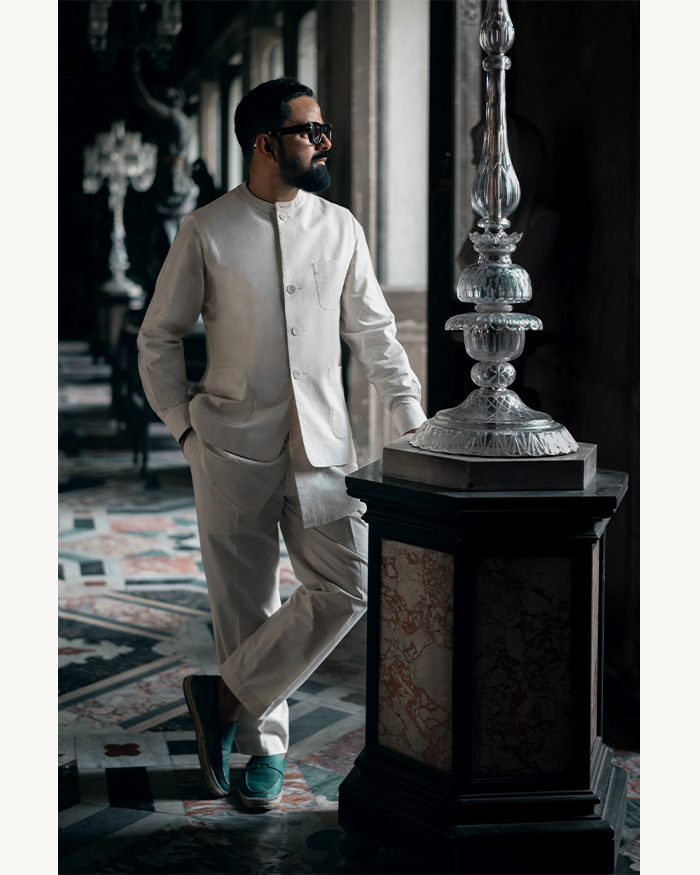
Vikramaditya Prakash