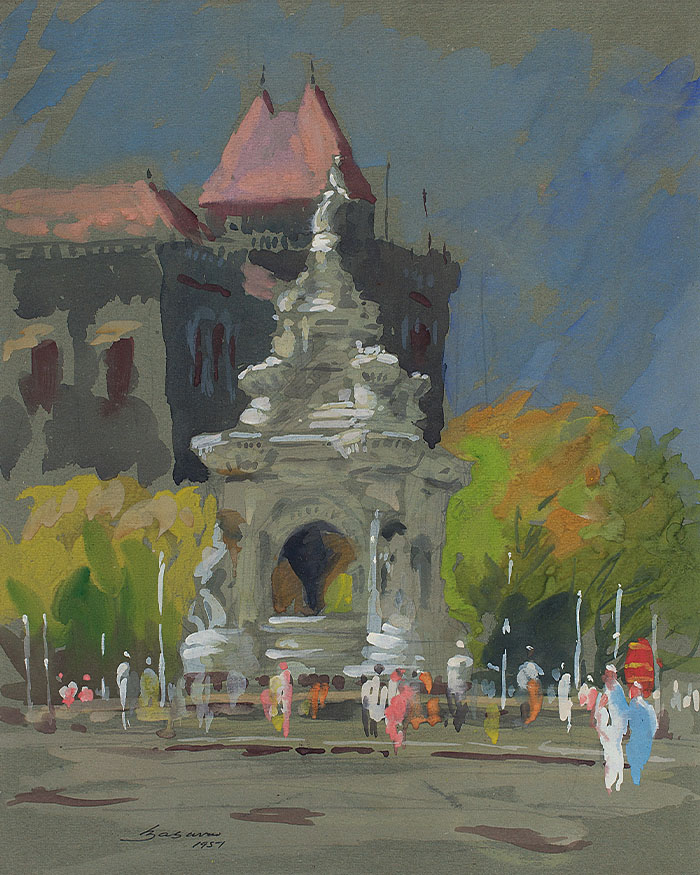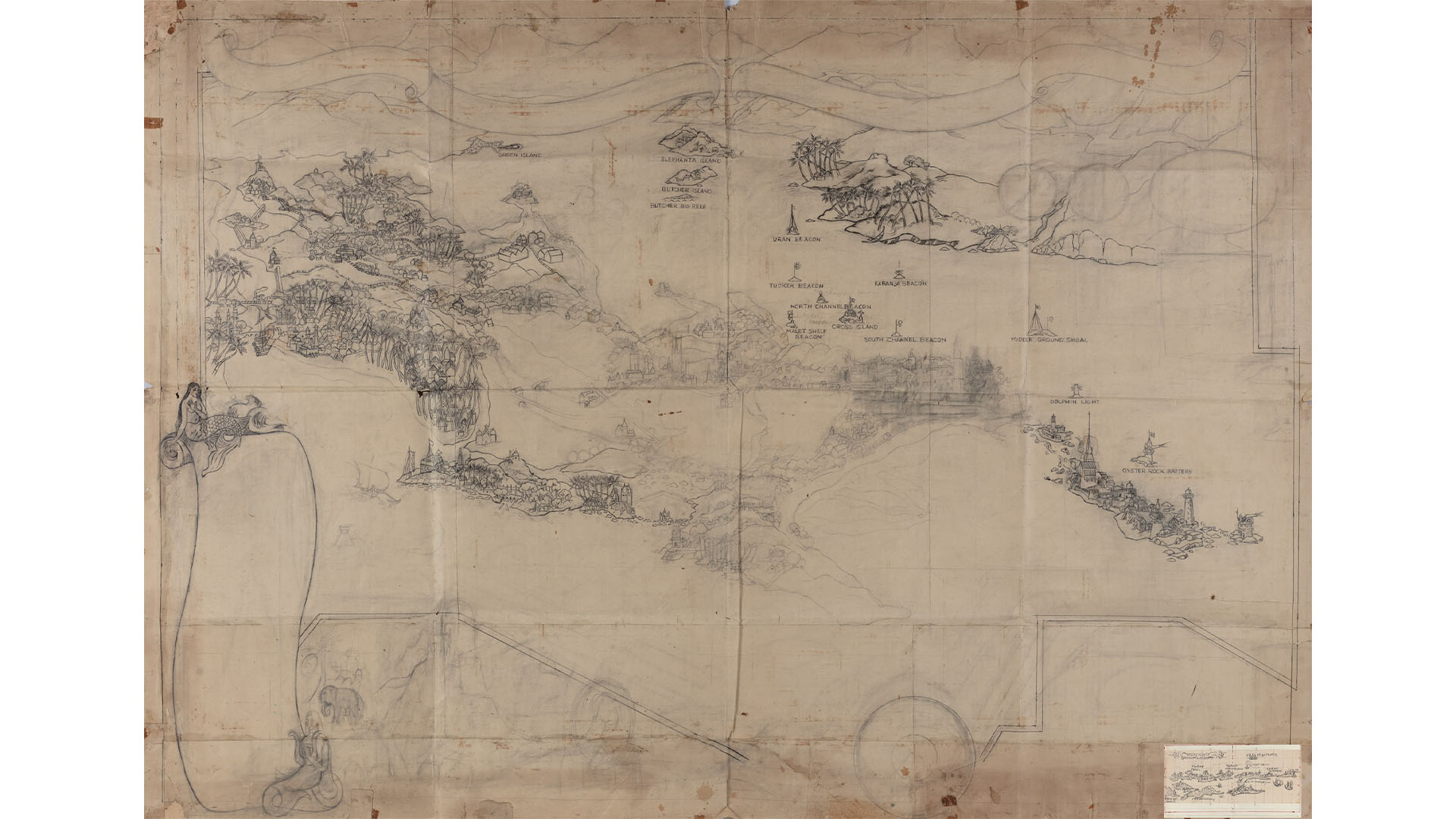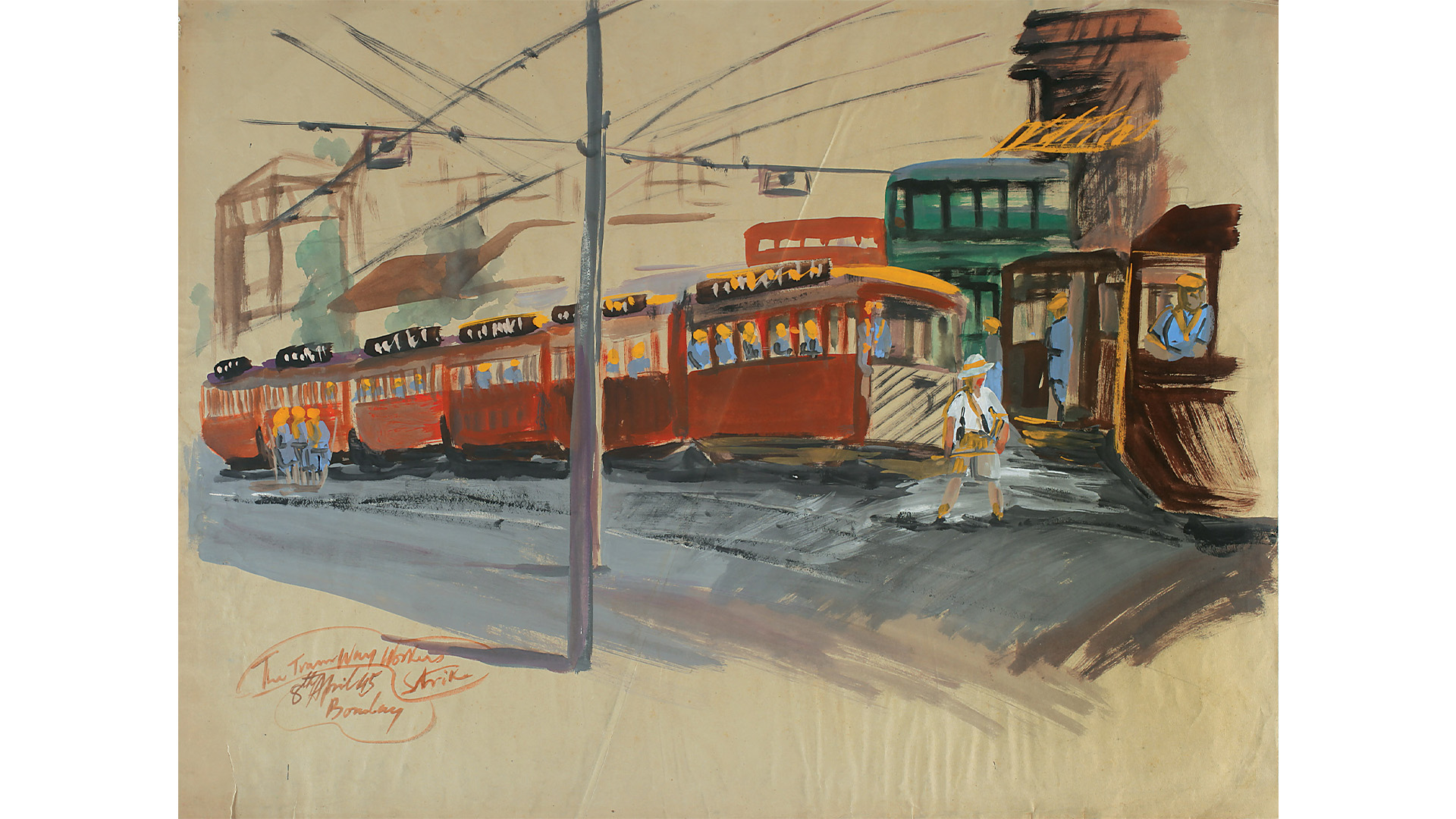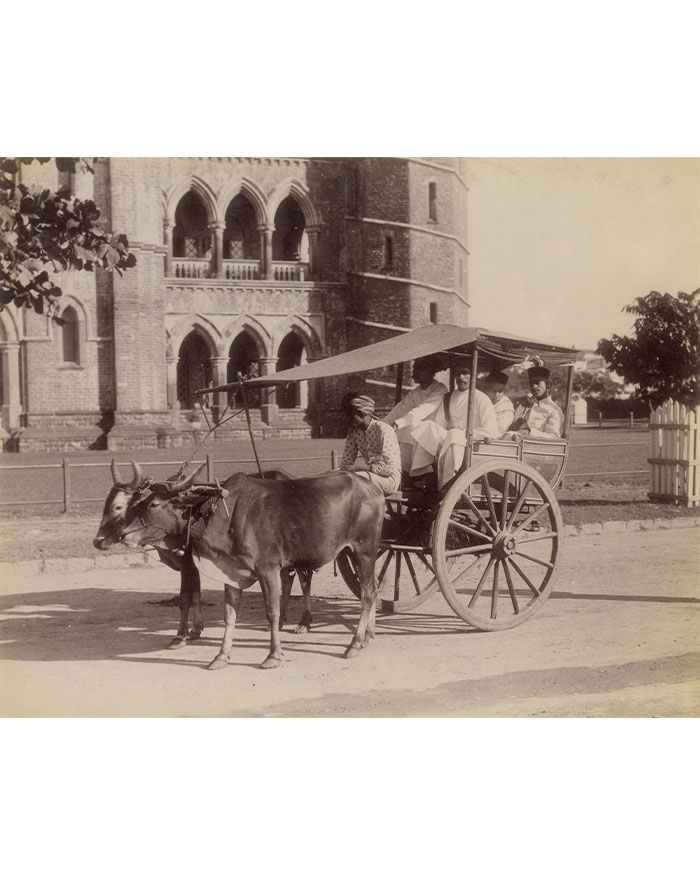
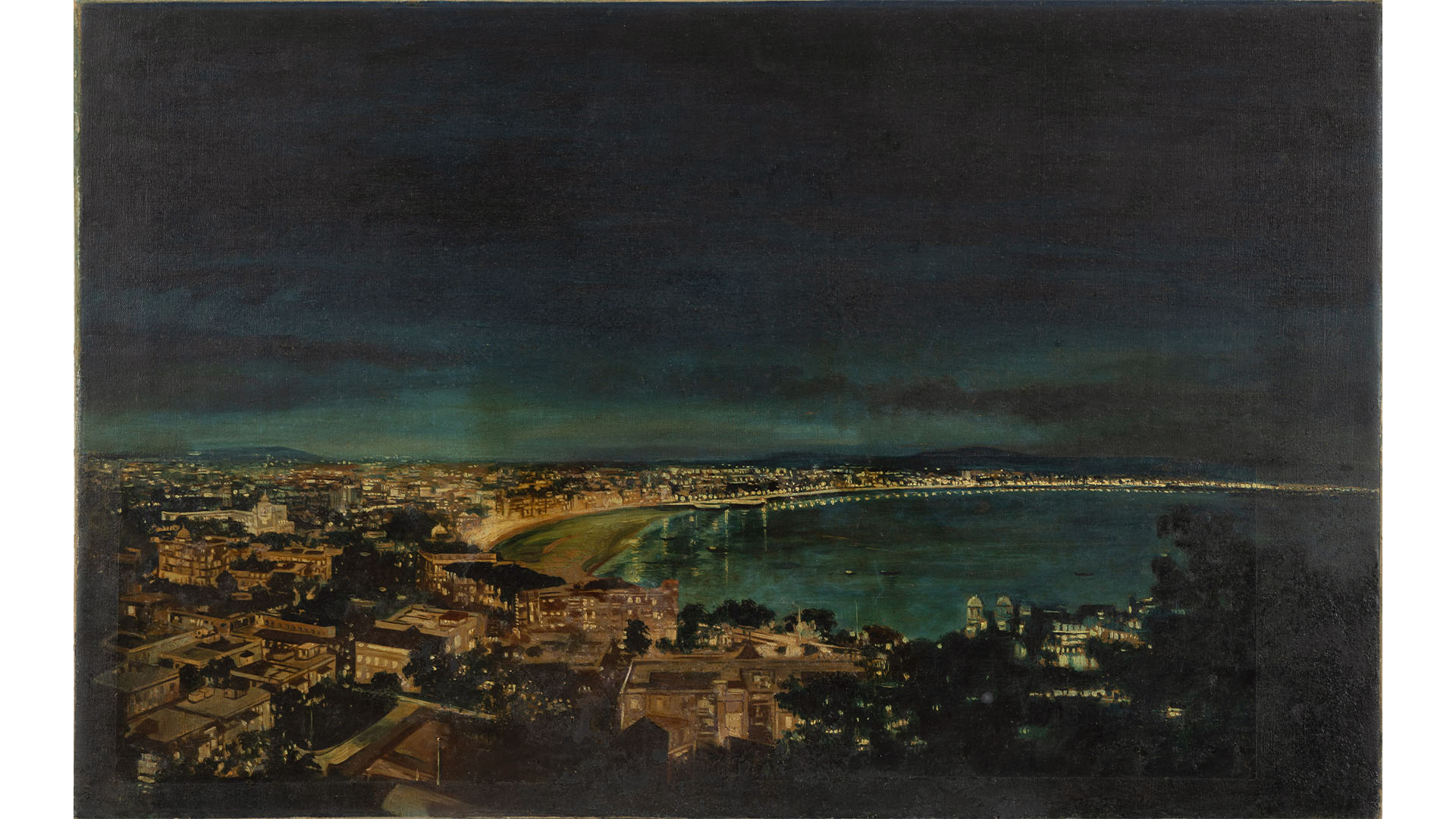
Why do we romanticise Mumbai? Poets, artists, writers repeatedly attempt to articulate the narrative of its amorphous character in their own tongues. Yet many who claim the city as their own go to great lengths to ensure that its gates remain closed to outsiders. Outsider is a strange epithet when applied to Mumbai, particularly when some of the most celebrated figures associated with the city were themselves, in many ways, outsiders. This tension between belonging and exclusion sits at the heart of its cultural life. Through City as a Museum, beginning on March 7, DAG highlights how, over centuries, the city’s hallowed grounds have inspired its people and served as a stage for expression. From collectives of post-independence artists and poets to urban interventions that privileged the needs of the public, Mumbai has long nurtured practices that emerge from this porous condition of arrival, encounter and exchange.
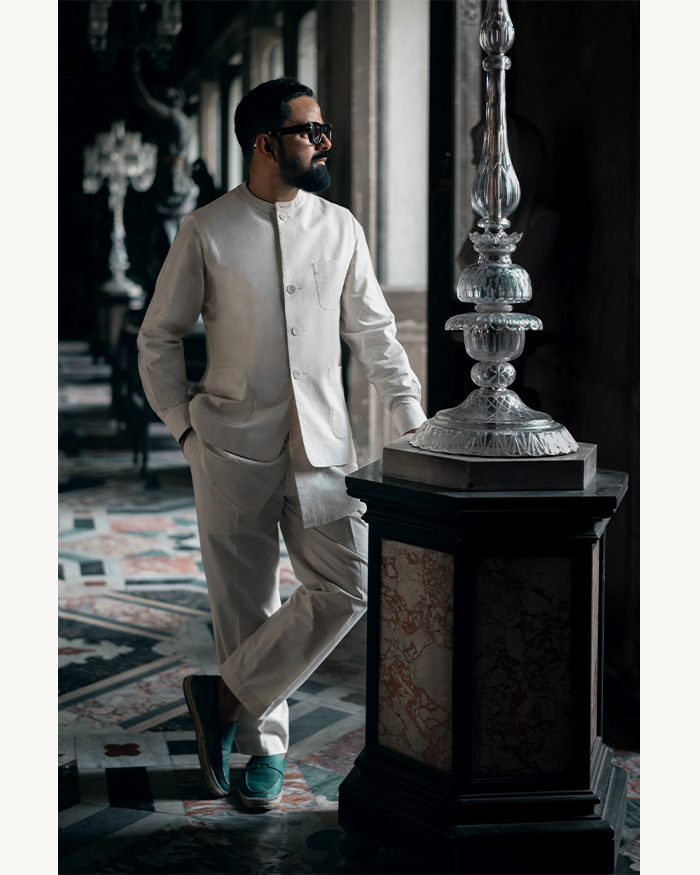
Yet the idea of the city as a museum raises its own contradictions. Museums, after all, are a colonial construct that have historically produced a distance between the perceiver and the perceived, fixing culture into curated frames. “Museums have historically played an important role in preserving, studying and presenting cultural heritage for public understanding, but culture itself has never been confined to museum walls,” says Ashish Anand, CEO and MD, DAG. “It lives in the everyday life of a city — in its neighbourhoods, crafts traditions, public spaces, and communities.” According to him, The City as a Museum builds upon this reality. The initiative reimagines the city itself as a cultural platform where art, history and living traditions may be encountered in their natural contexts. In doing so, it extends the museum’s mandate into the urban environment and allows attention to be centred on communities and practices that do not always find a place within grand historical narratives.
“Museums have historically played an important role in preserving, studying and presenting cultural heritage for public understanding, but culture itself has never been confined to museum walls”
Ashish Anand