A knock later, the staff glided from the door till the table in my room, with a large thali of Garhwali delicacies looking right back at me. There were about ten different dishes and each resembled a recipe only a cosy meal at home can guarantee. I was at Kinwani House, Araiya Anthology in Uttarakhand. My late evening arrival had left me to casually study the intriguing novelty of Pahadi ingredients as my first point of contact with the localness of the region. From the heirloom red rice and Mandua (fingermillet) rotis to aloo ki thechwani, raita made with wild mustard seeds and Jhangore (Barnyard millet) ki kheer, the earthy colours and textures on the thali caressed my sight before I finally dug into it.
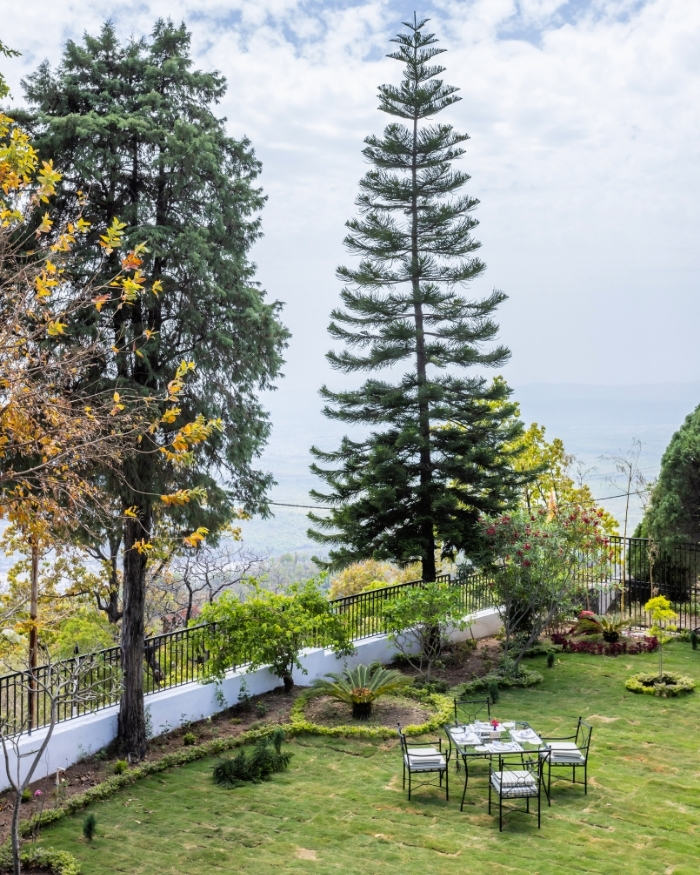
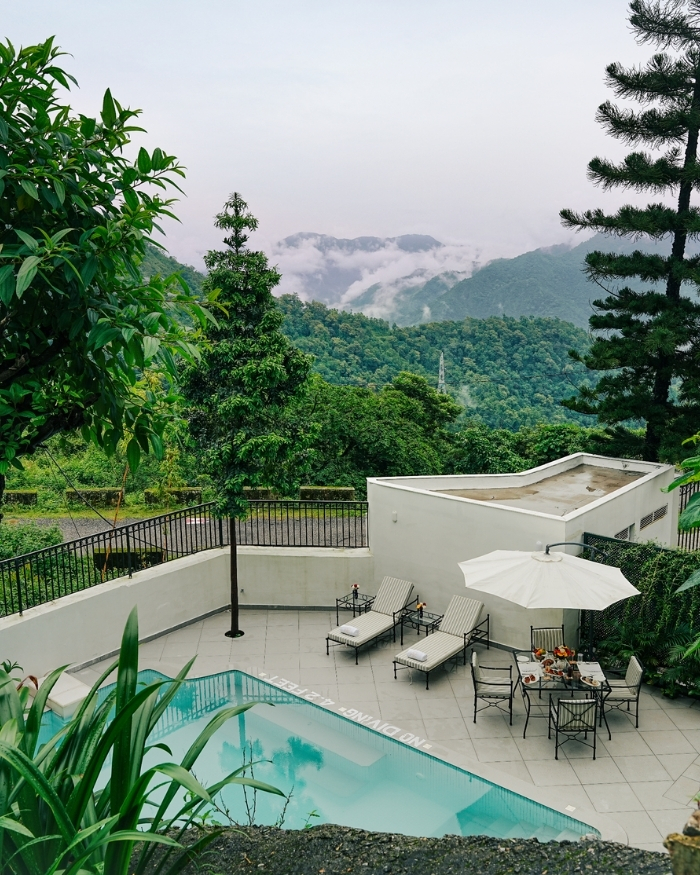
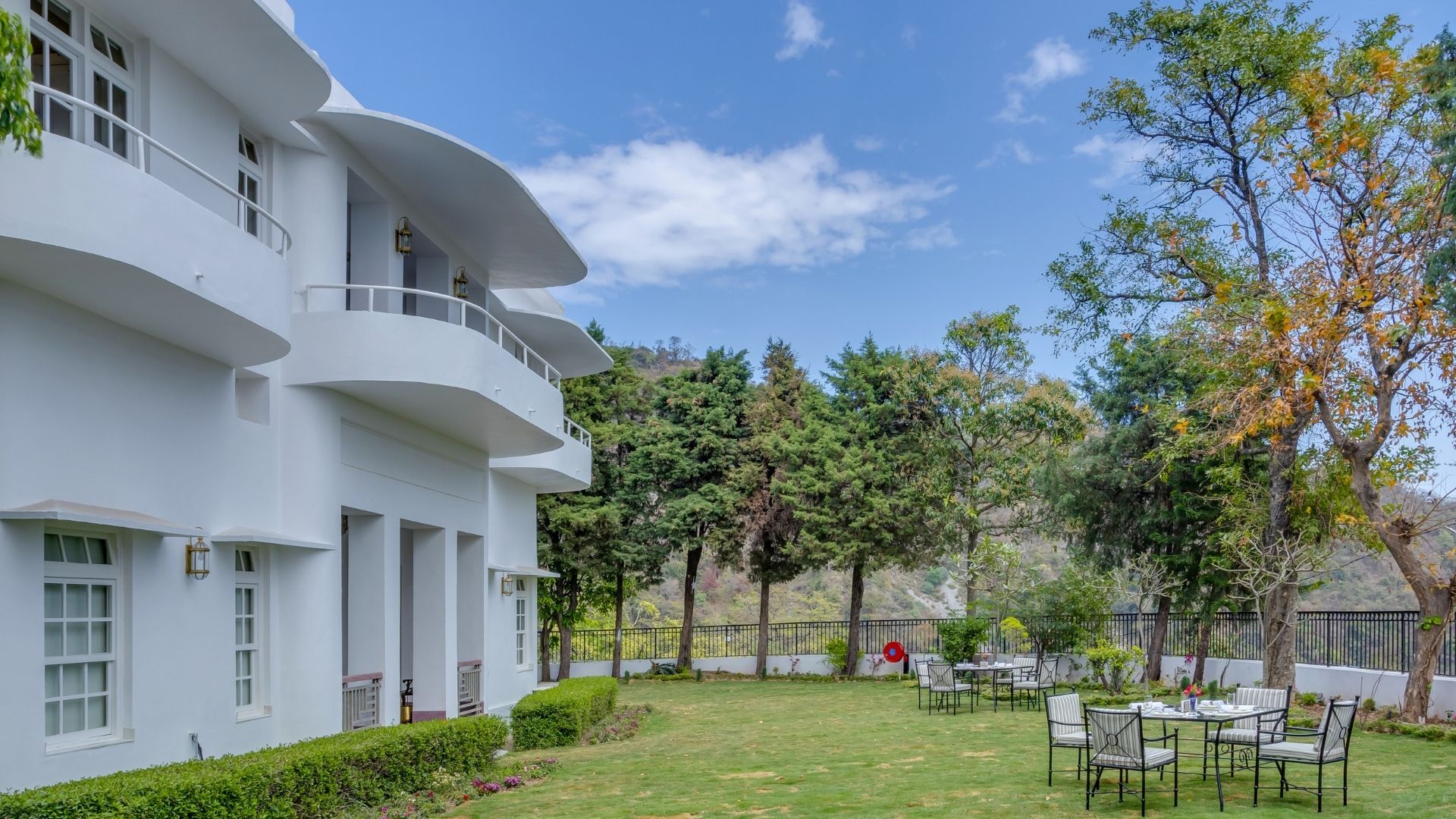
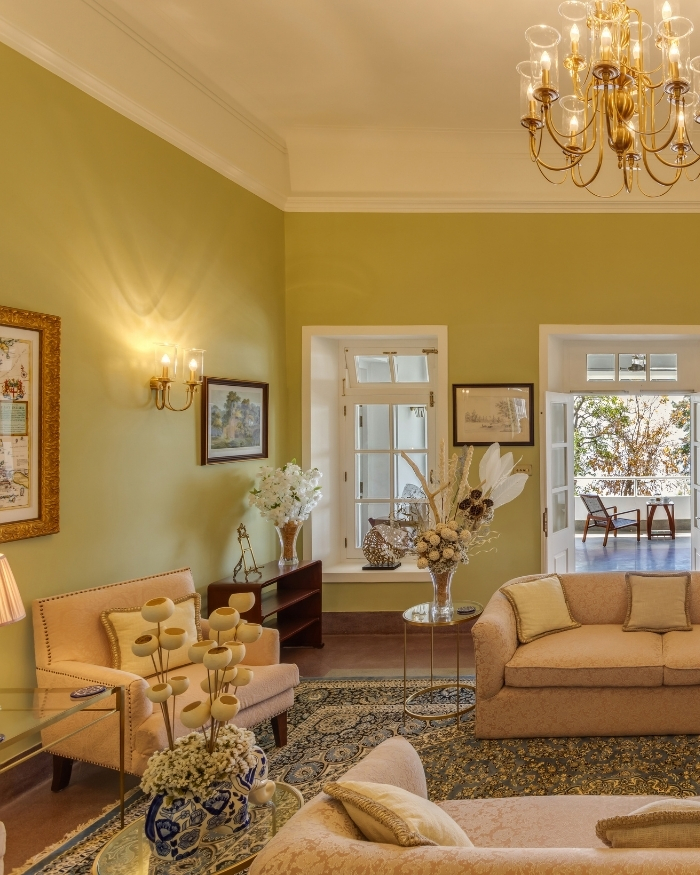
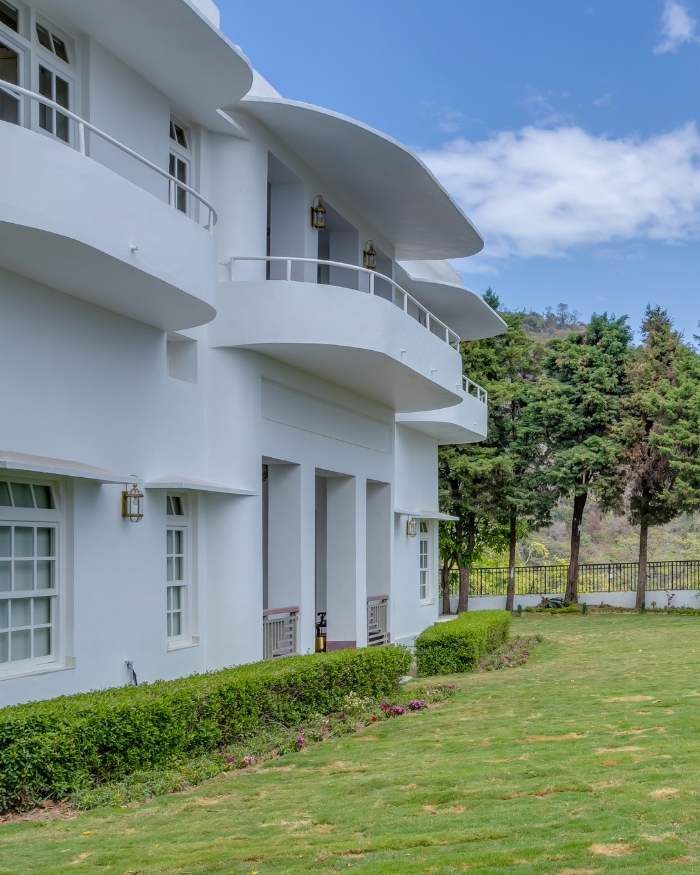
The next morning, yet another introduction to the region comes rushing to me as I step out on the porch outside my room. Cedar trees punctuate the view, skies look startlingly clear and the foothills of the Himalayas stretch into distance. But Kinwani House comes with a history of its own. Located in Narendra Nagar, once the princely capital of Tehri Garhwal, the two-storey property stands guard as a relic of the town’s past, ornamented in an Art Deco flair and just a convenient 30-min drive to the scenic town of Rishikesh.
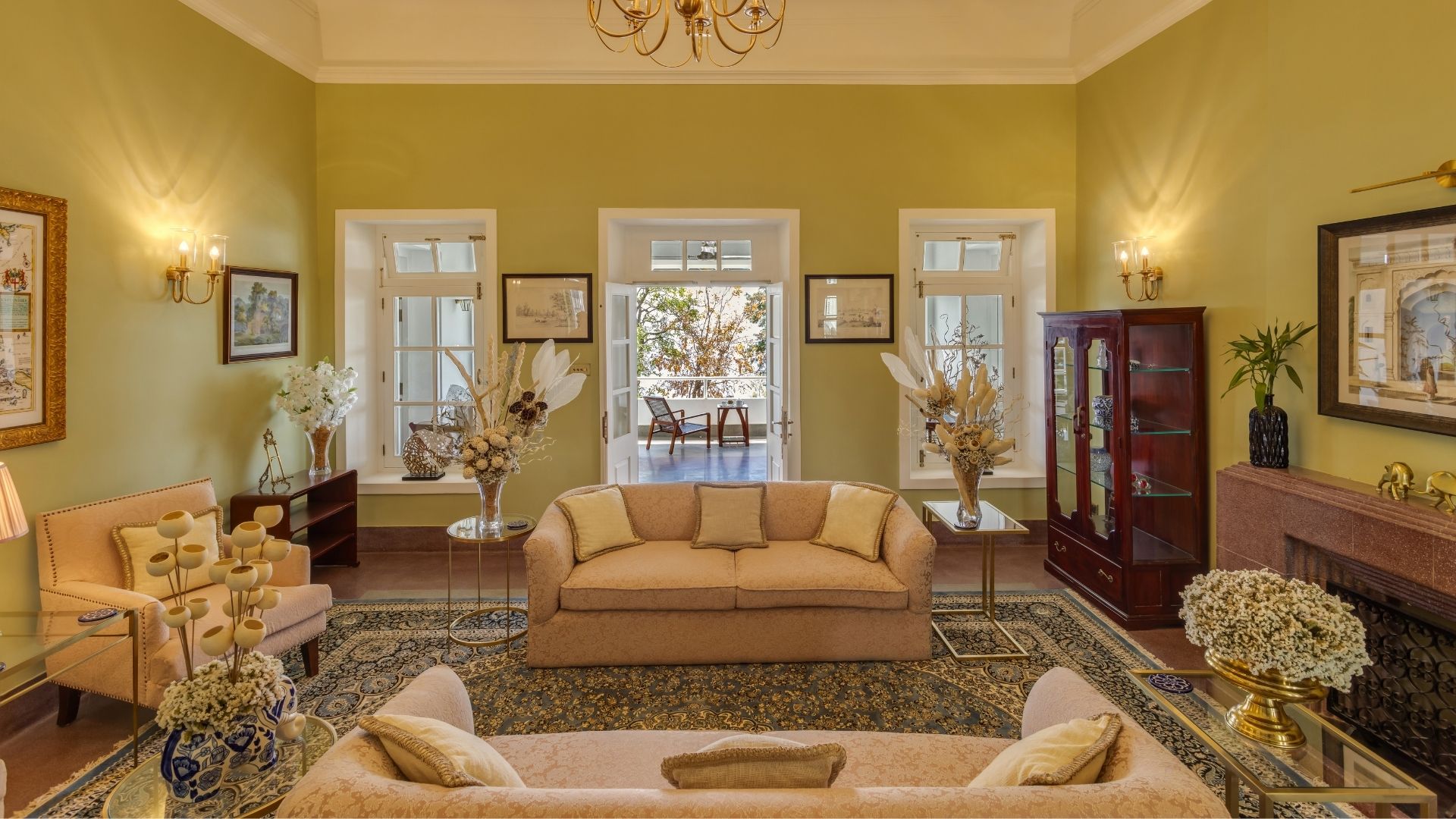
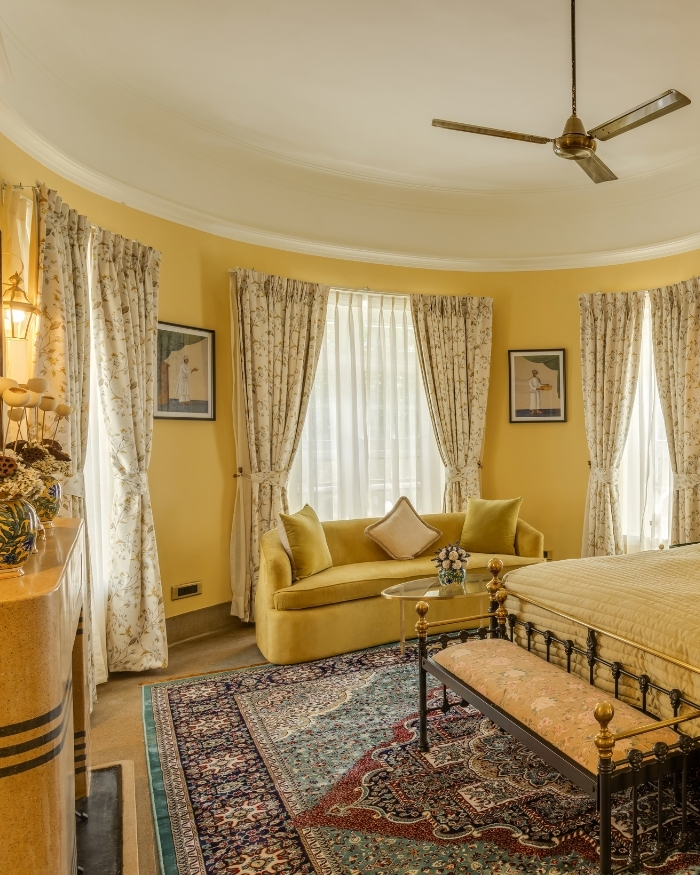
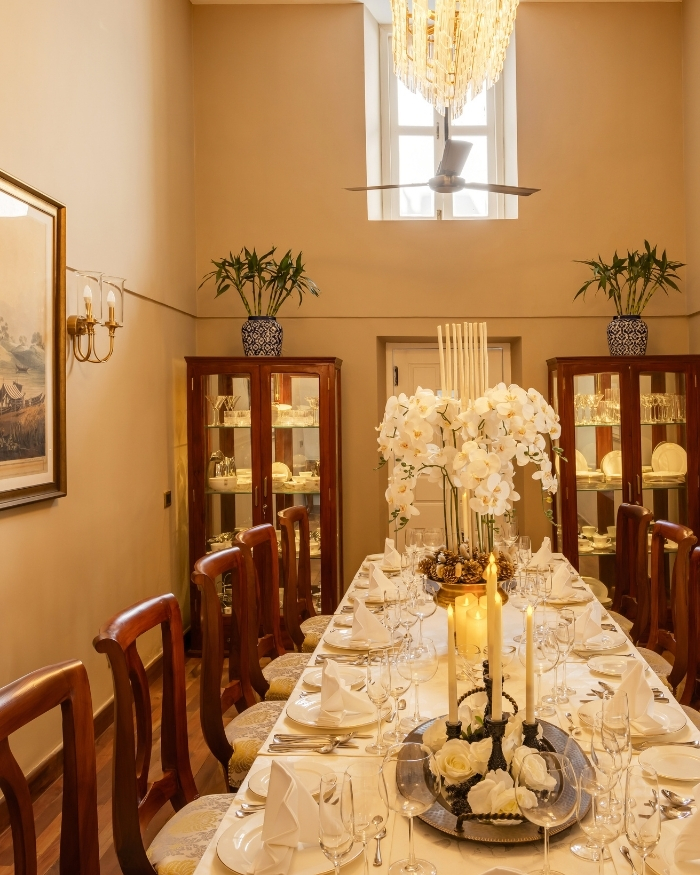
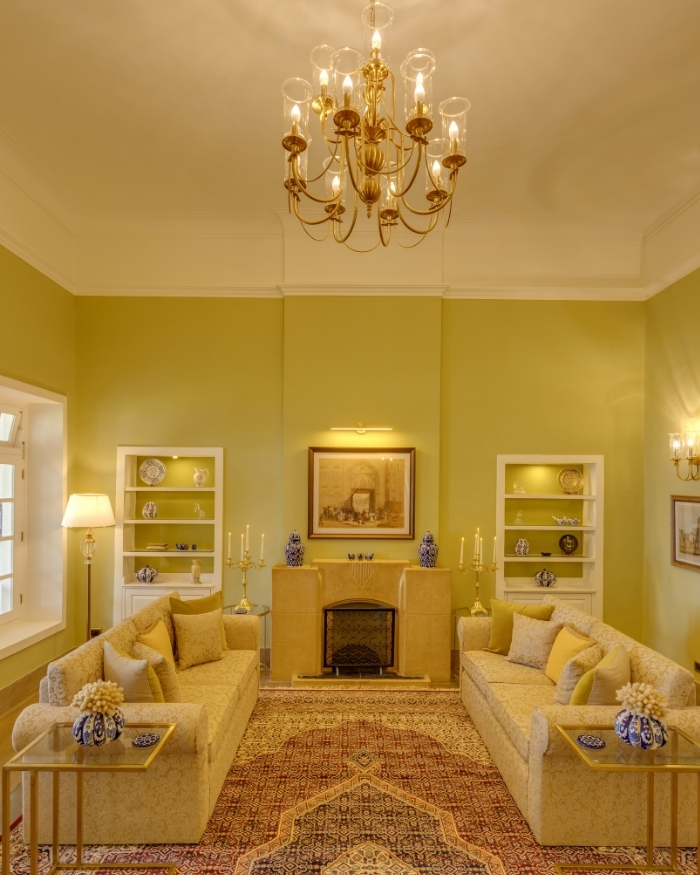
Facts tell me that it was originally built as a residence by Maharani Kamlendumati for her younger sons in 1952. Fast forward decades later, its restoration by Anil Singh and owner Aditya Paul Lakhanpal resisted the temptation to overdo what already existed, retaining its original form, structure and a conspicuous personality of a home that evidently lived another life before becoming a holiday retreat. Its period details, graceful proportions and a sensibility of the past sit comfortably against gardens and the vast, ever-changing theatre of the Garhwal Himalayas beyond.
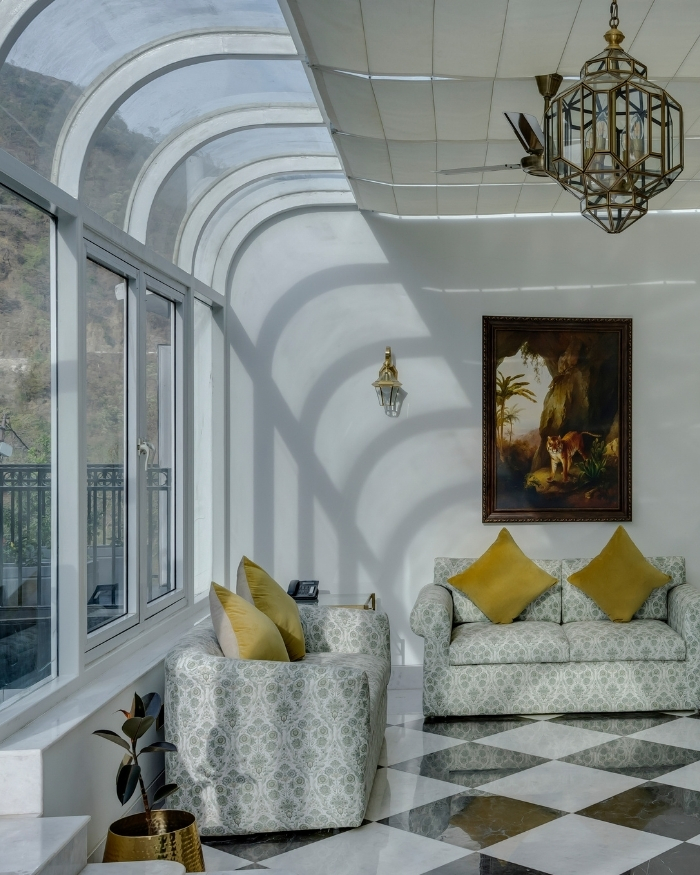
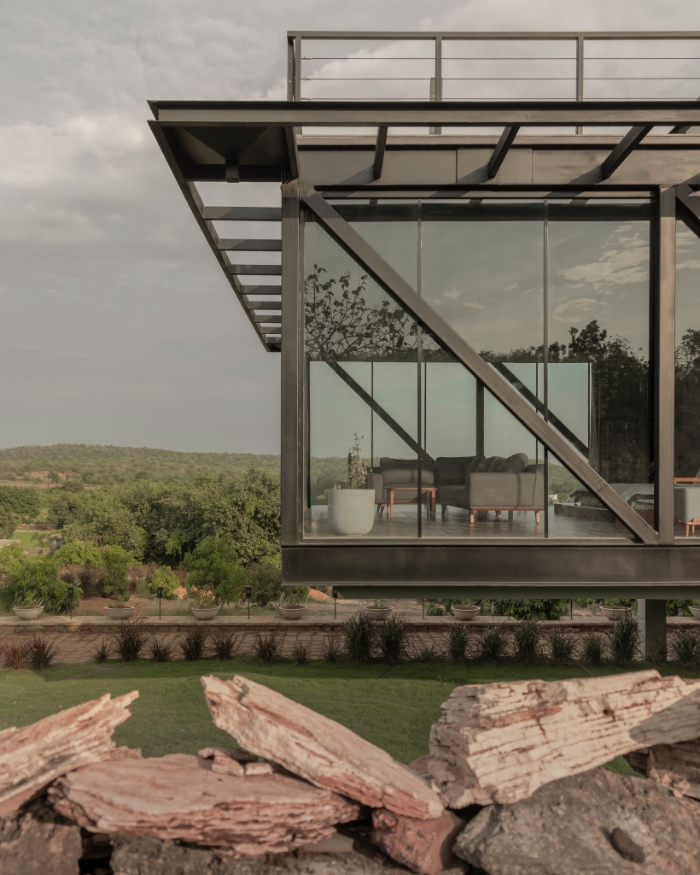
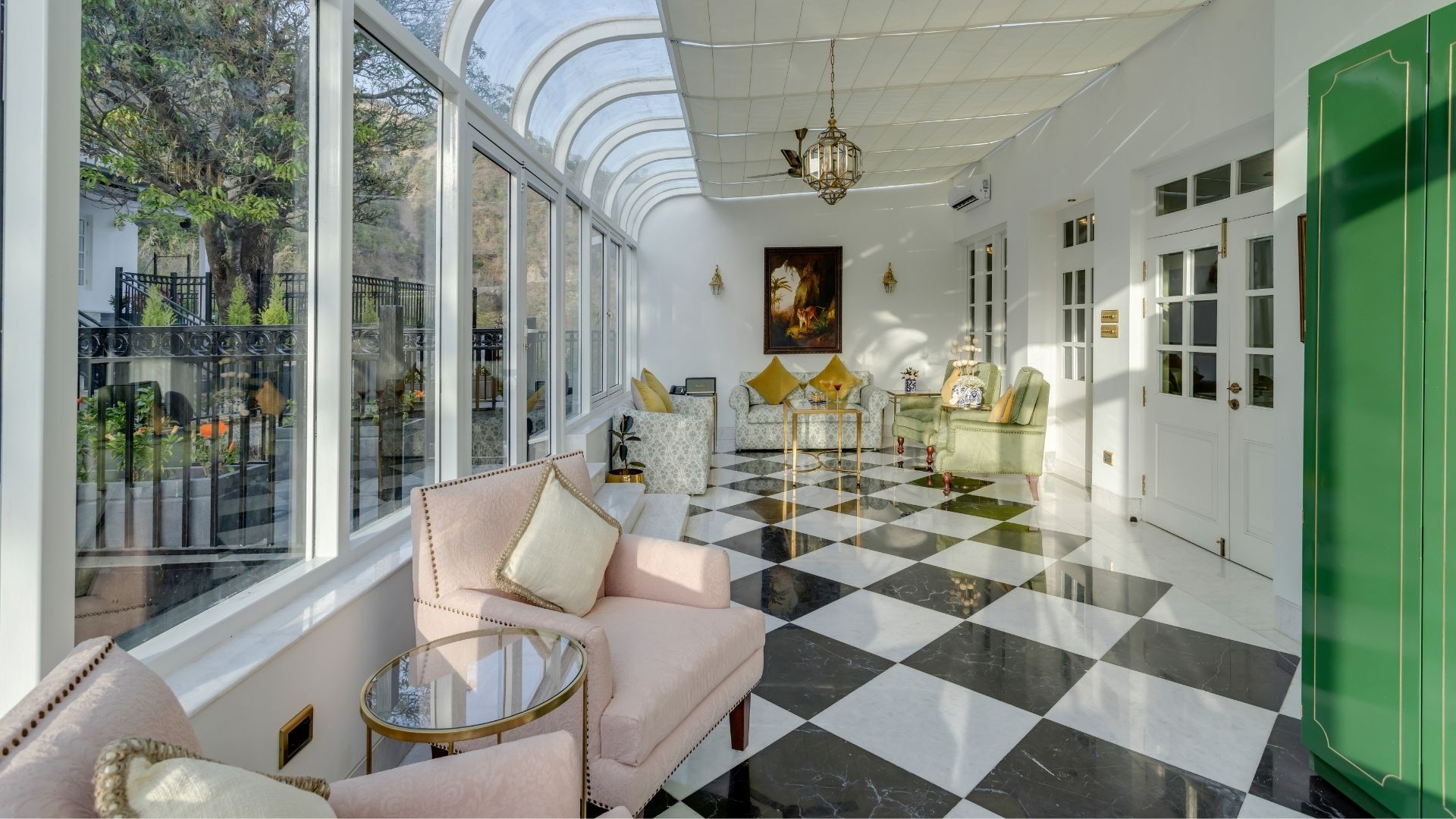
"Even the former first-floor terrace has been reimagined as a glass conservatory, an airy escape within an escape seemingly!"