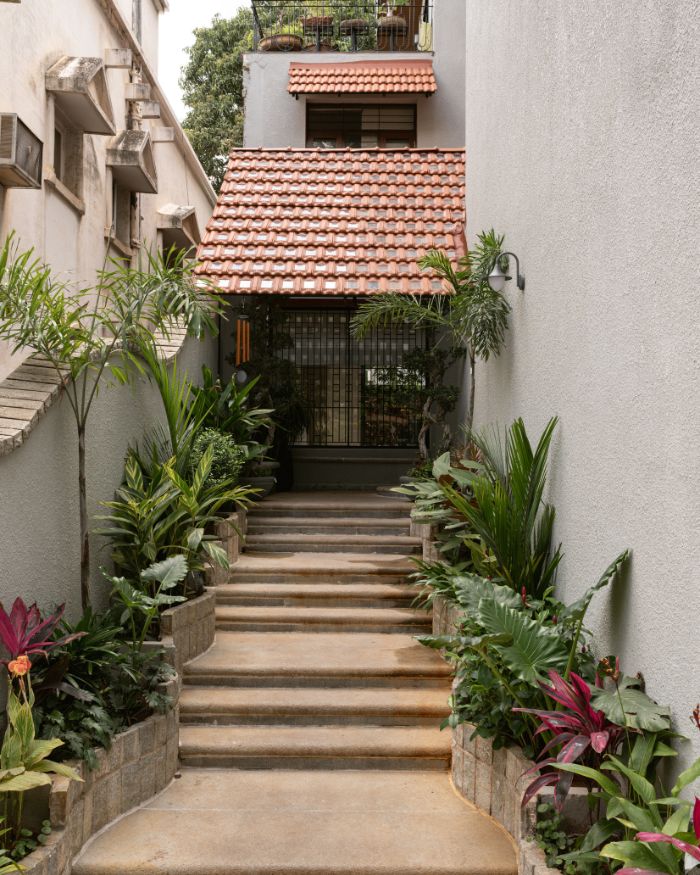

A sun-worn facade stays tucked behind a veil of trees. Its geometry blurs with the foliage, while a shaded portal gives way to a series of transitions: light seeping on to the cooling stone underfoot, a narrow green-lined passage leading to the steps as plants brush against the edges. Inside, the home nestled in Koramangala, Bengaluru feels like a memory coming back into focus designed by Nain Belliappa of Houseof9Design.
Covering an 8,000 sq ft, the home was an existing family residence, reworked and expanded to flourish with evolving needs, shaped for a generational living. You can see it in the familiar elements: the weight of wood and the proportions of older rooms. They shape the experience of living together with each space finding its own rhythm within it.
"Adaptive reuse in this context is not merely a sustainability strategy, it is a cultural response to continuity"
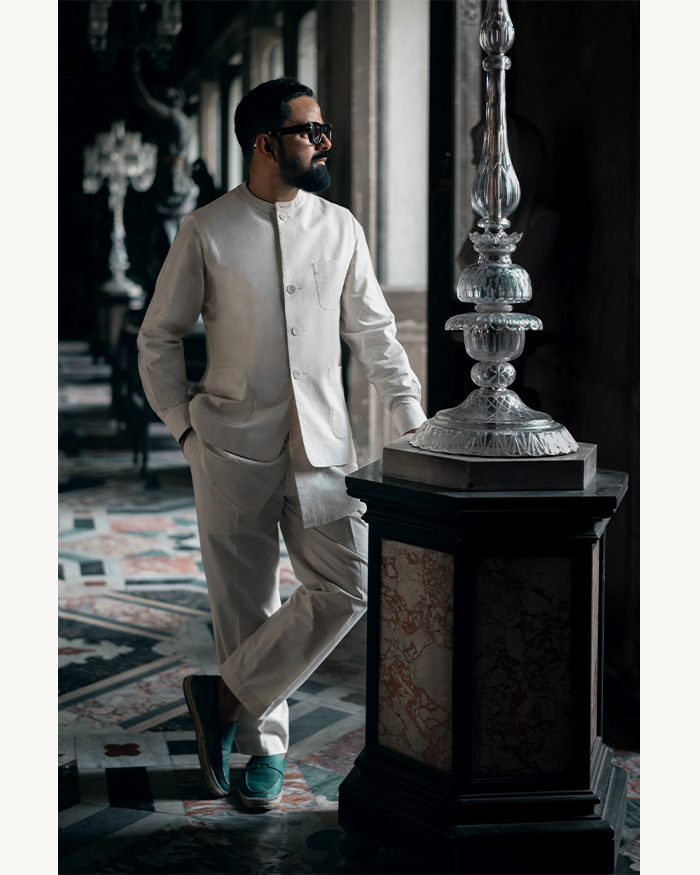
Nain Belliappa
As Nain notes, “The inspiration for the home follows a contemporary Indian residential architecture style from Karnataka.” Grounded in preservation, the design draws on established principles of heritage conservation.
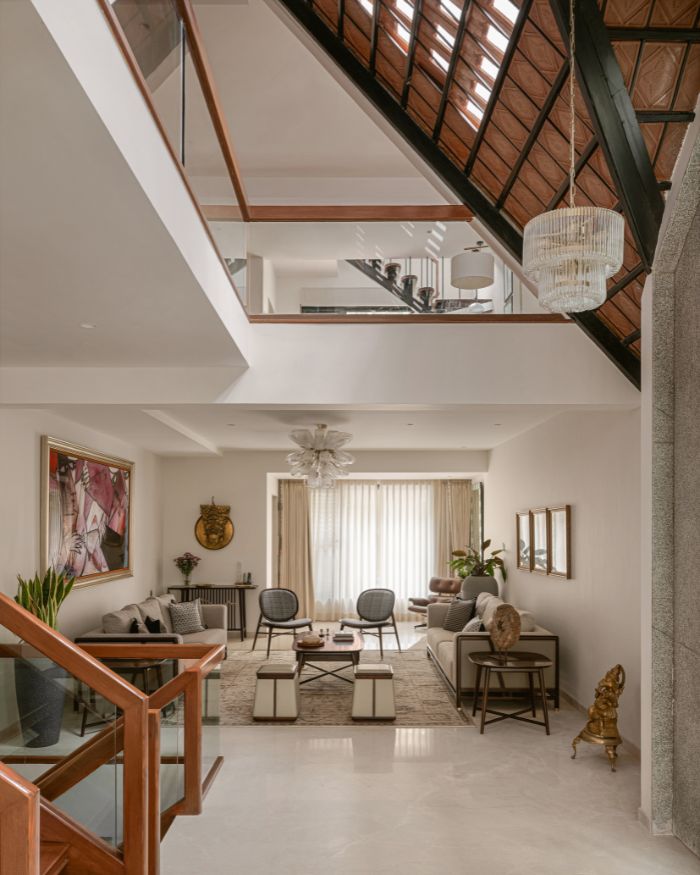
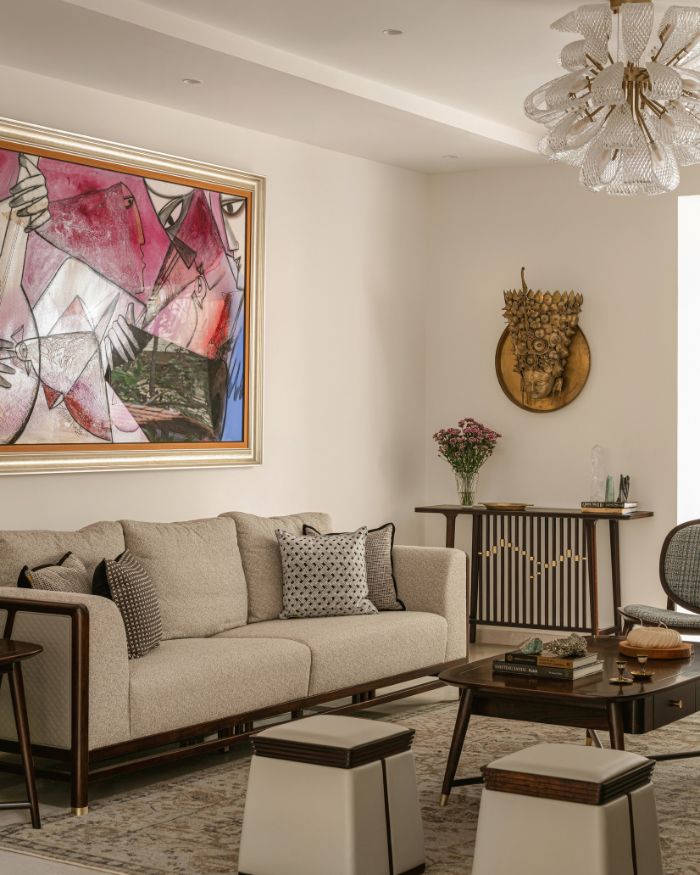
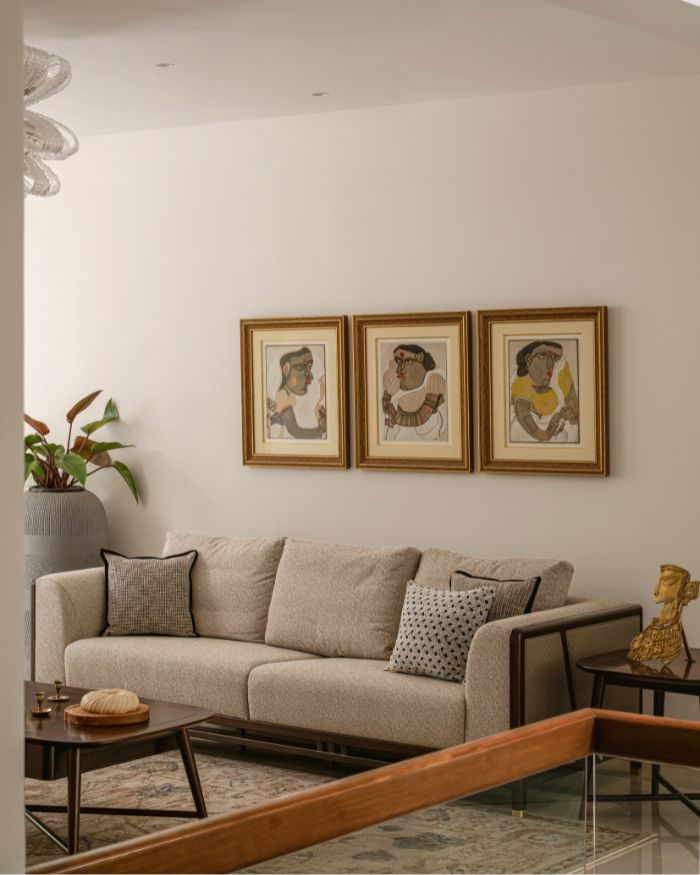
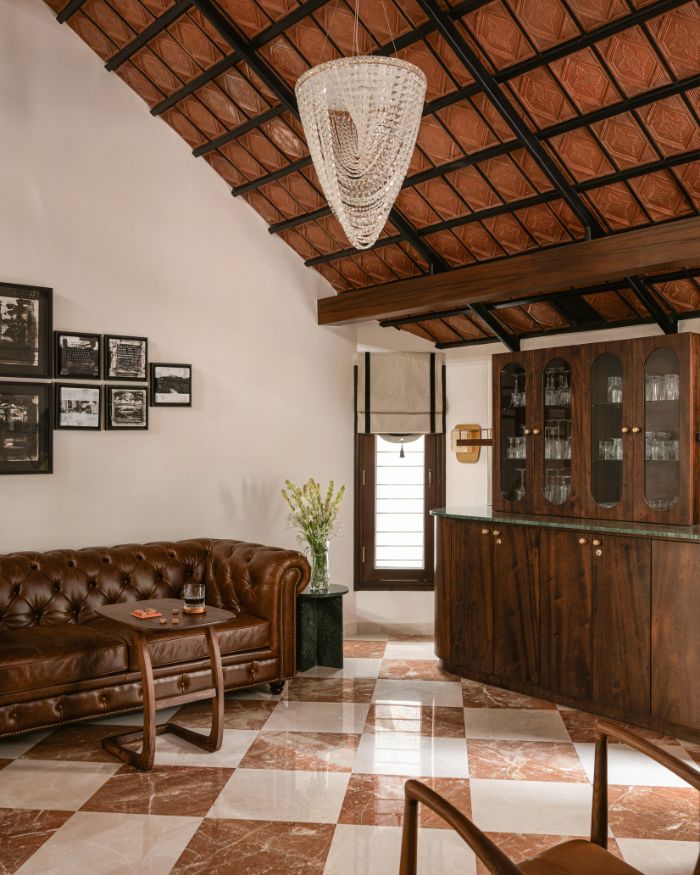
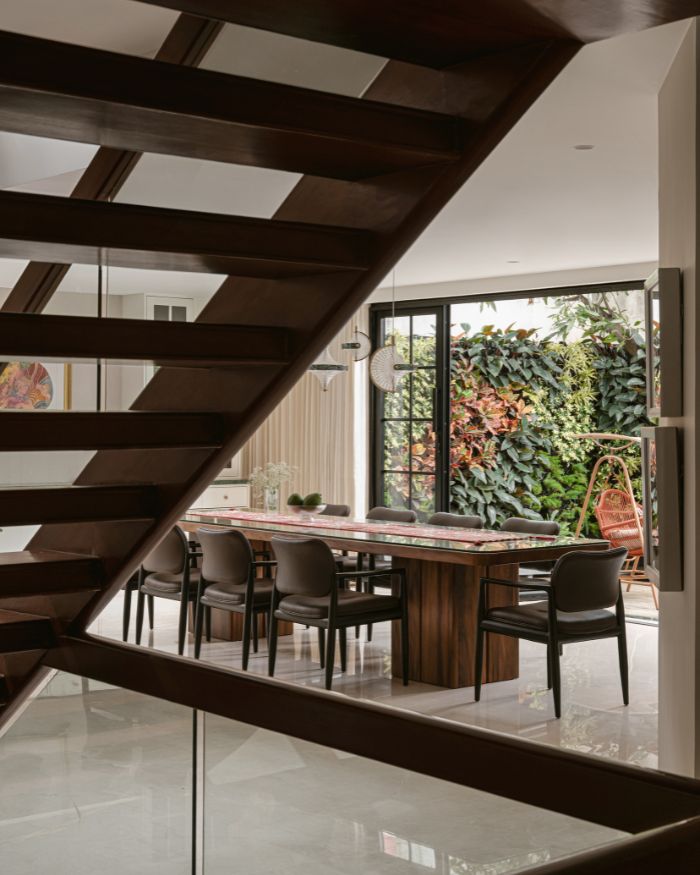
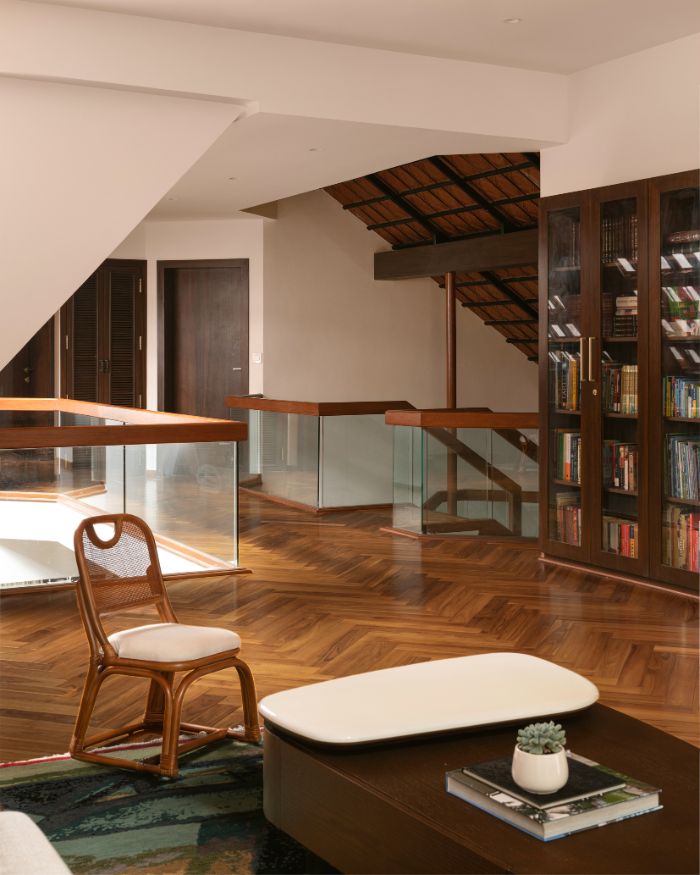
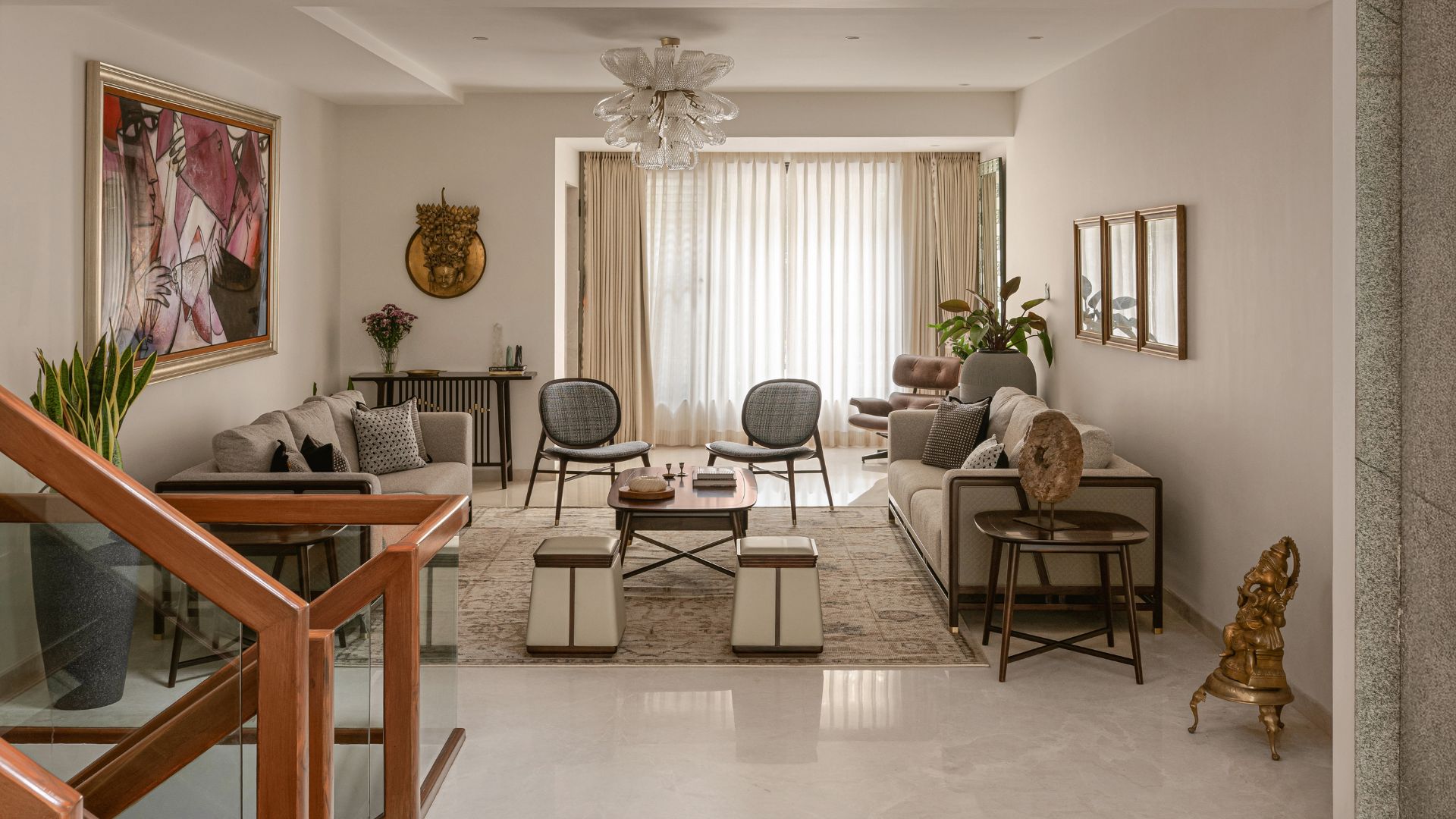
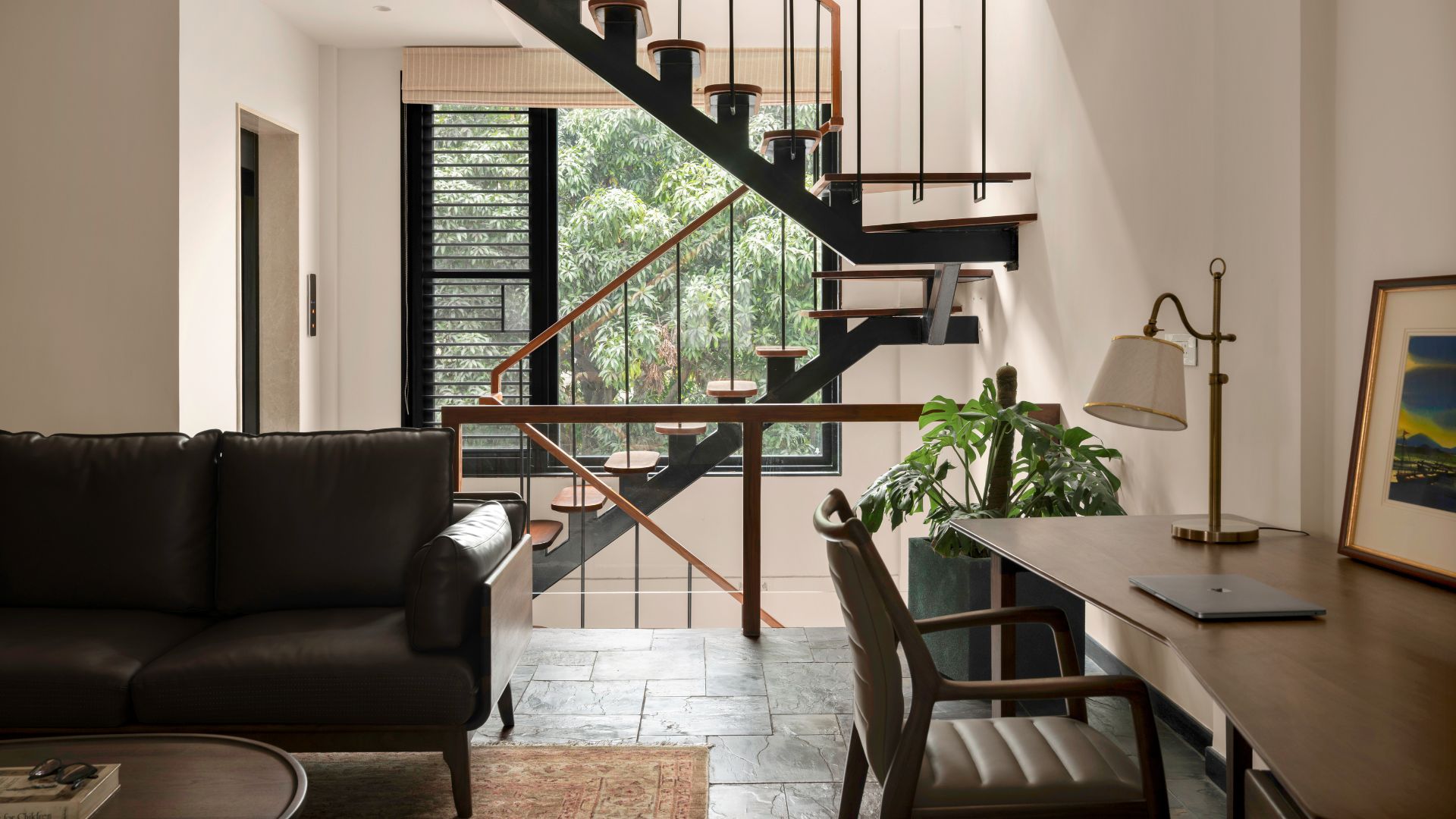
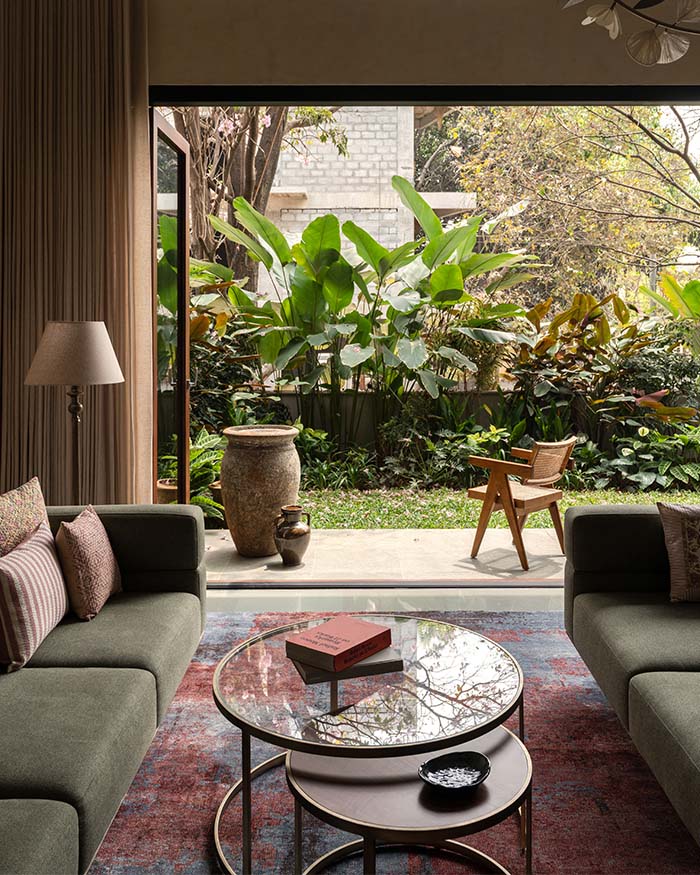
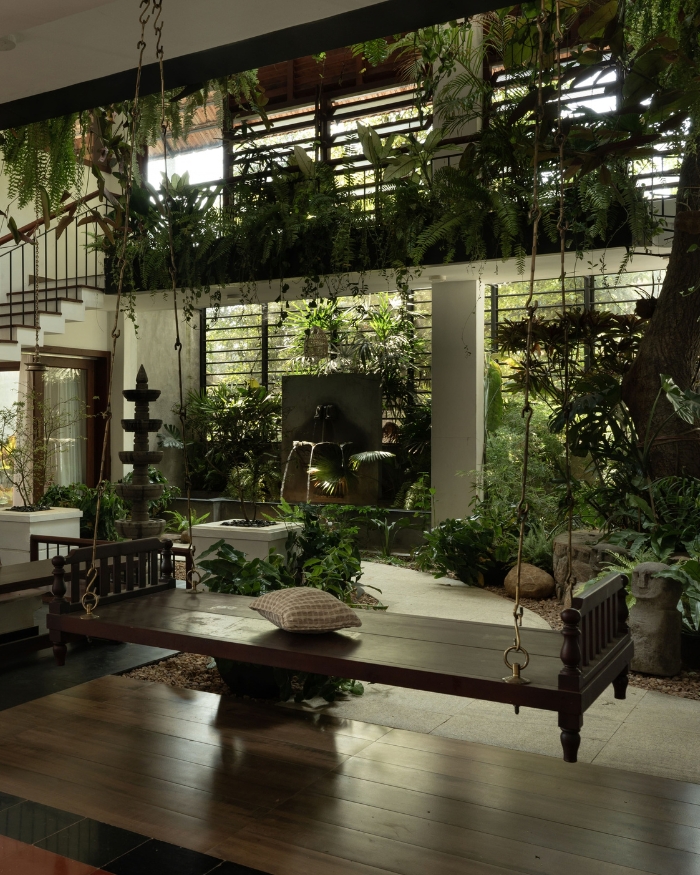
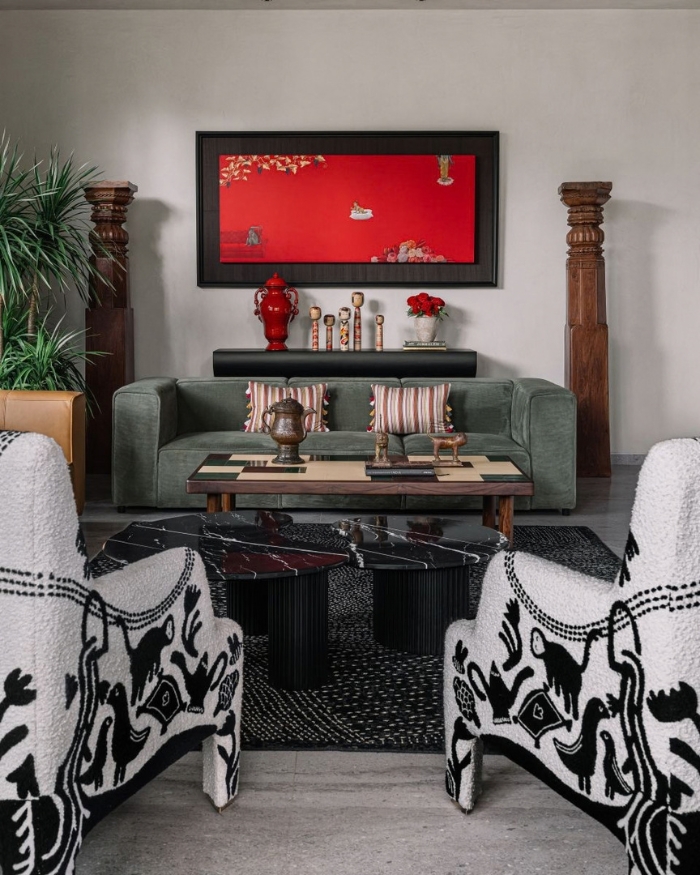
The layout reveals itself through movement. A short flight of steps leads to the main door. The ground level opens into a formal living area, serving as the first breather in the sequence, before the plan extends deeper into the home. Overhead, the tiled roofs and timber edges frame moving fragments of light. From here, sightlines stretch across expansive volumes. The central staircase behaves as a sculptural anchor.
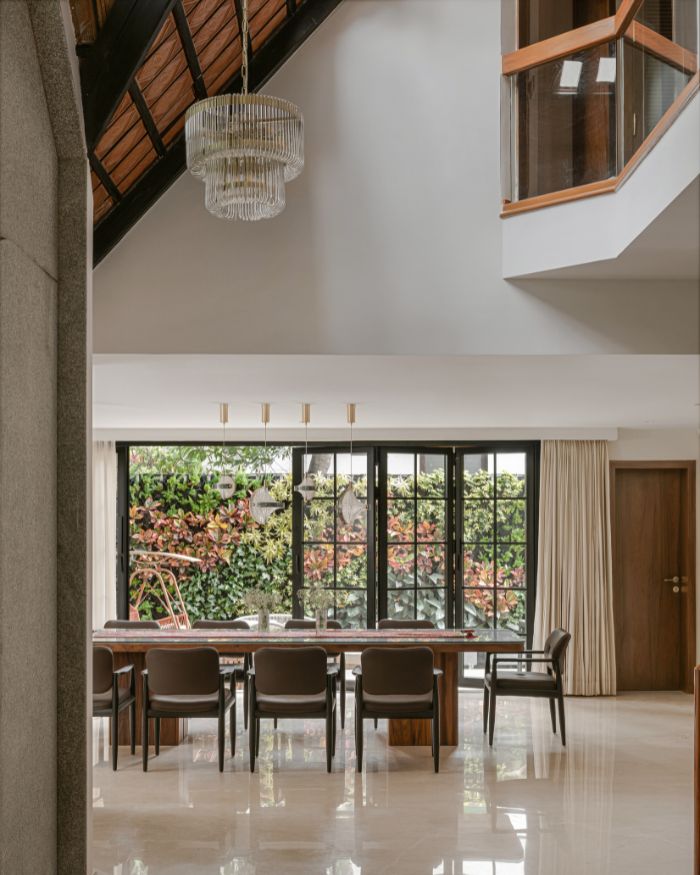
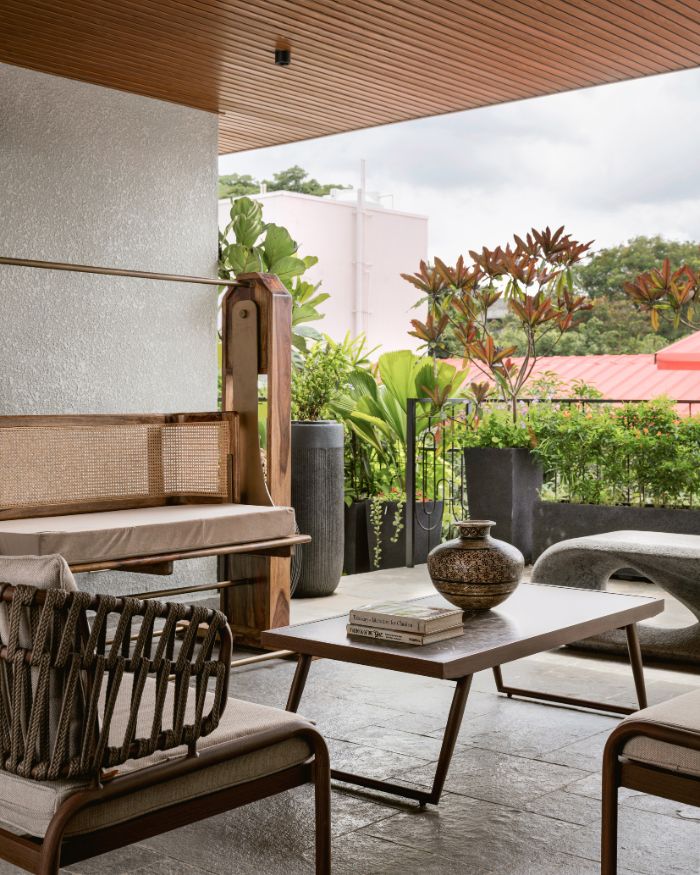
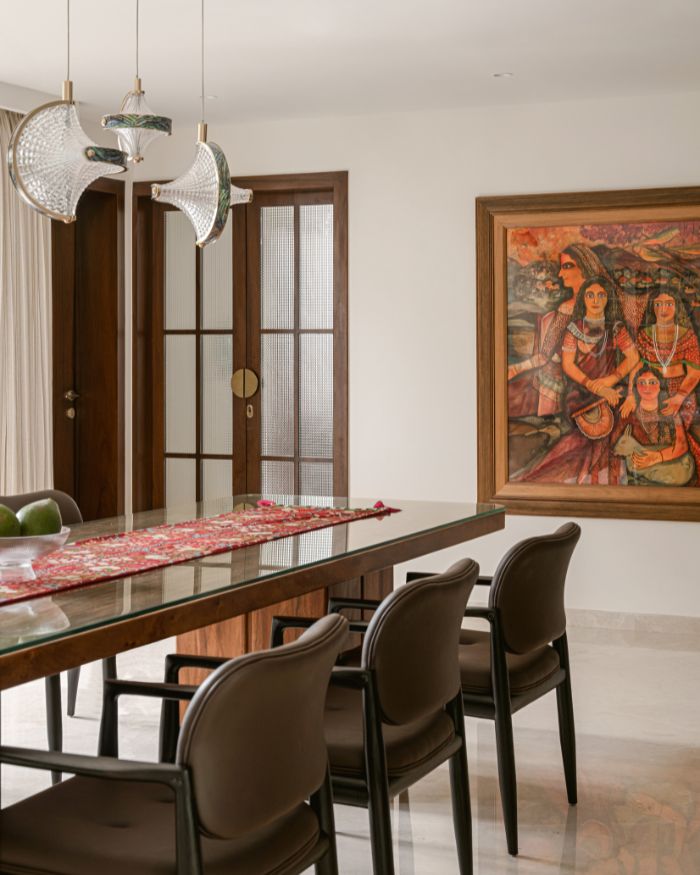
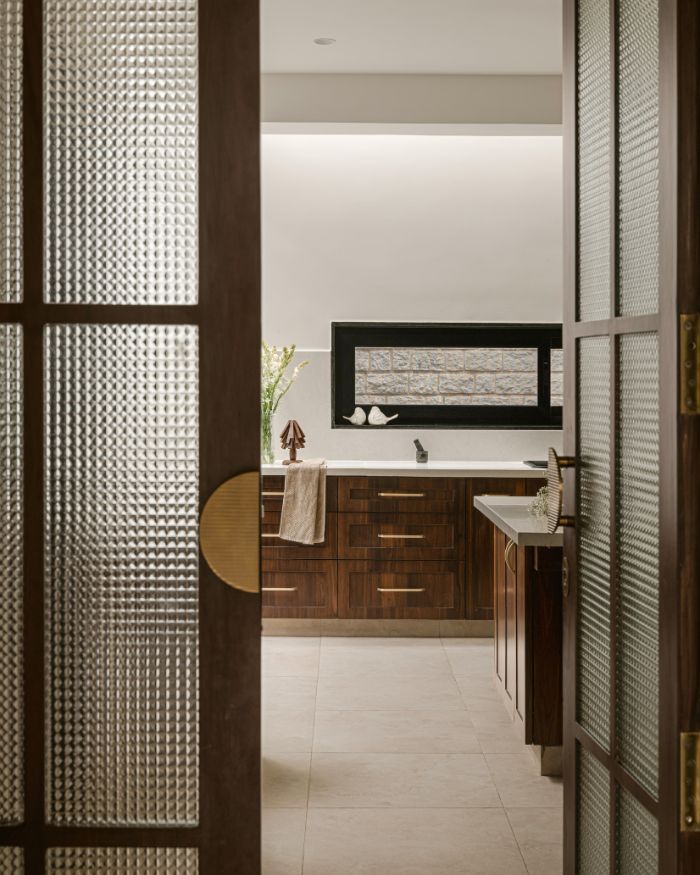
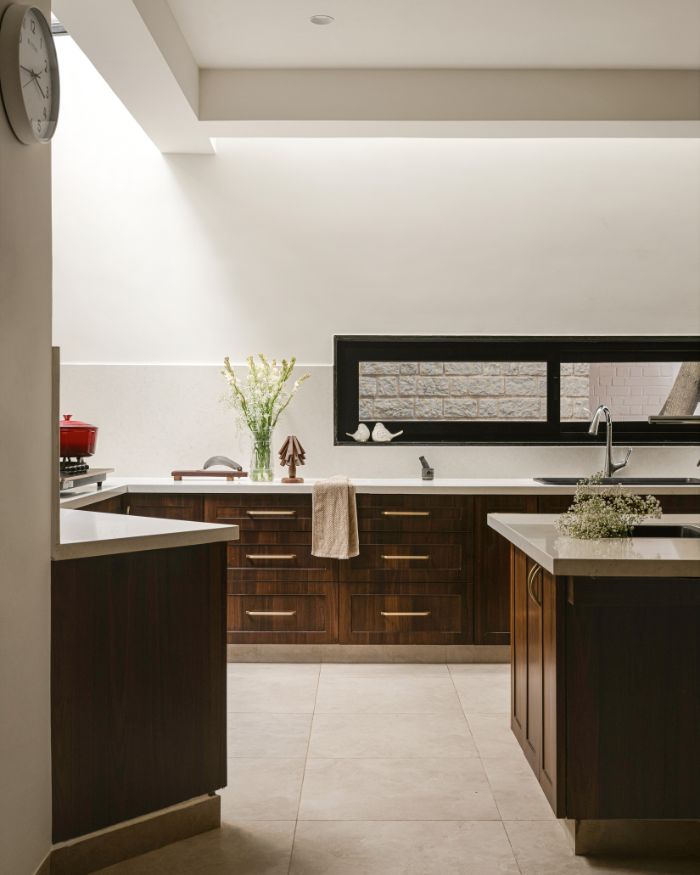
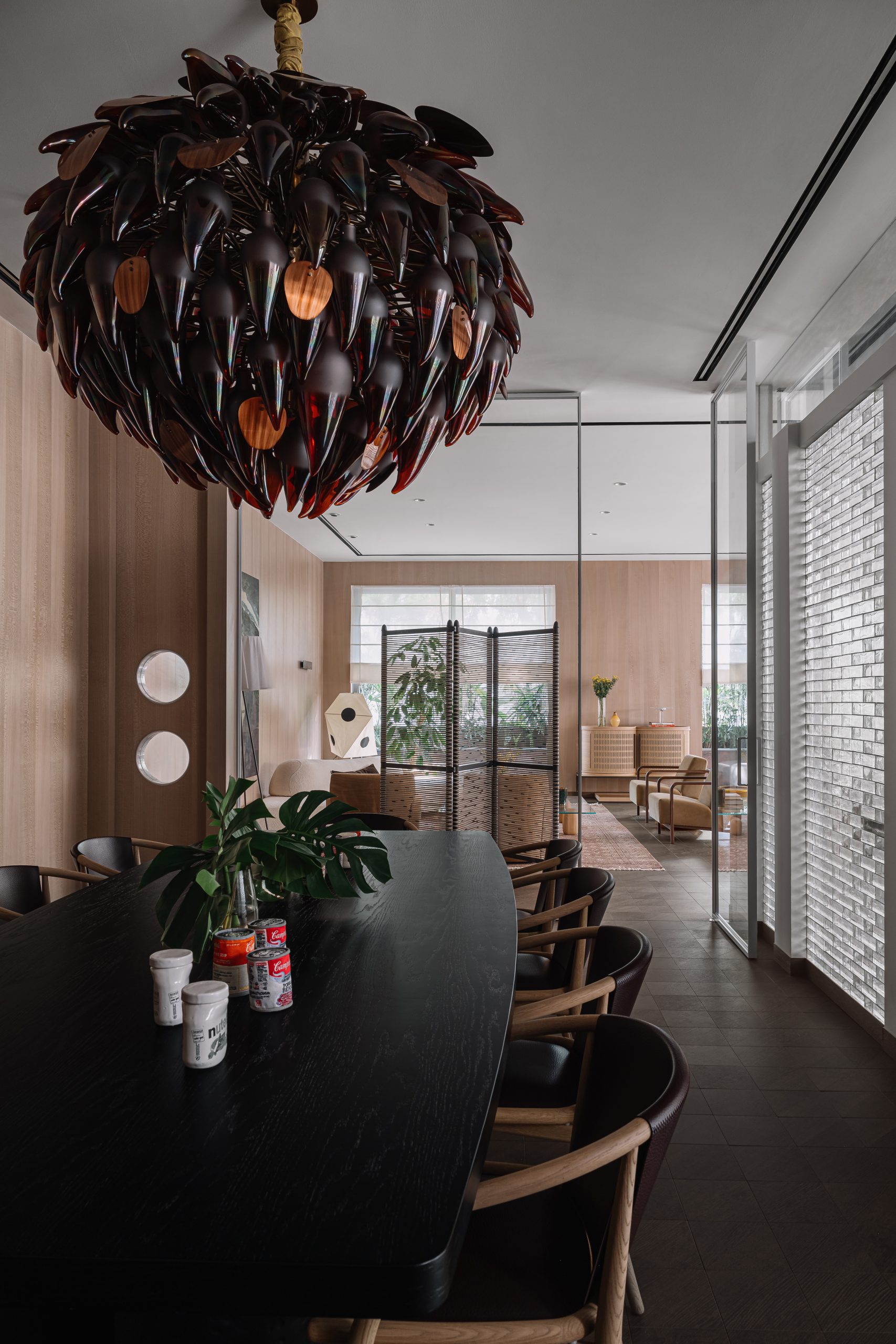
The dining space emerges next, positioned within the flow, framed by changing volumes and openings. Nearby, the kitchen forms the functional heart, envisioned to accommodate mundane routines and get-togethers. As one moves further, decks and semi-open areas begin to intersperse the plan.
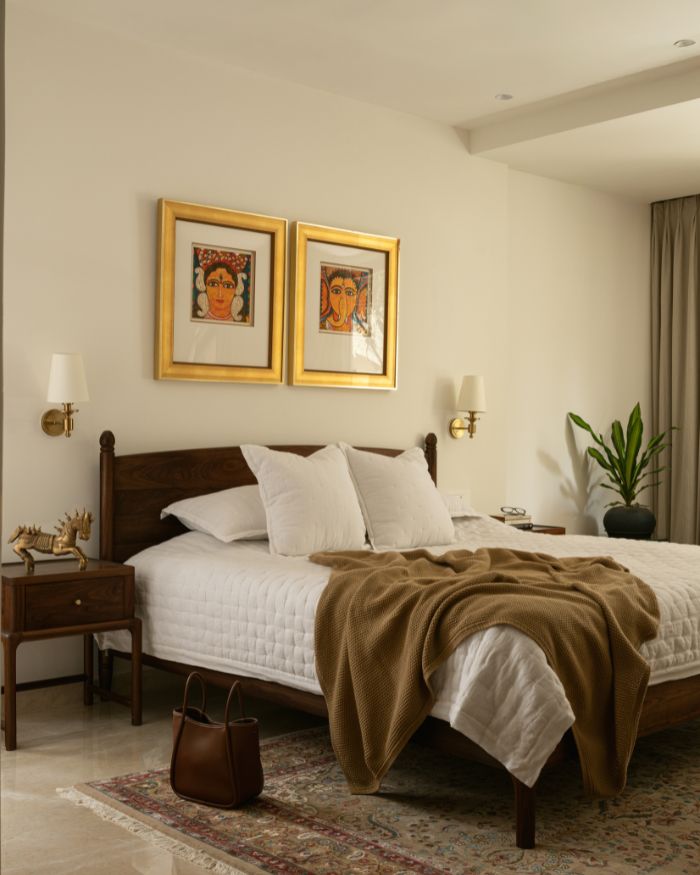
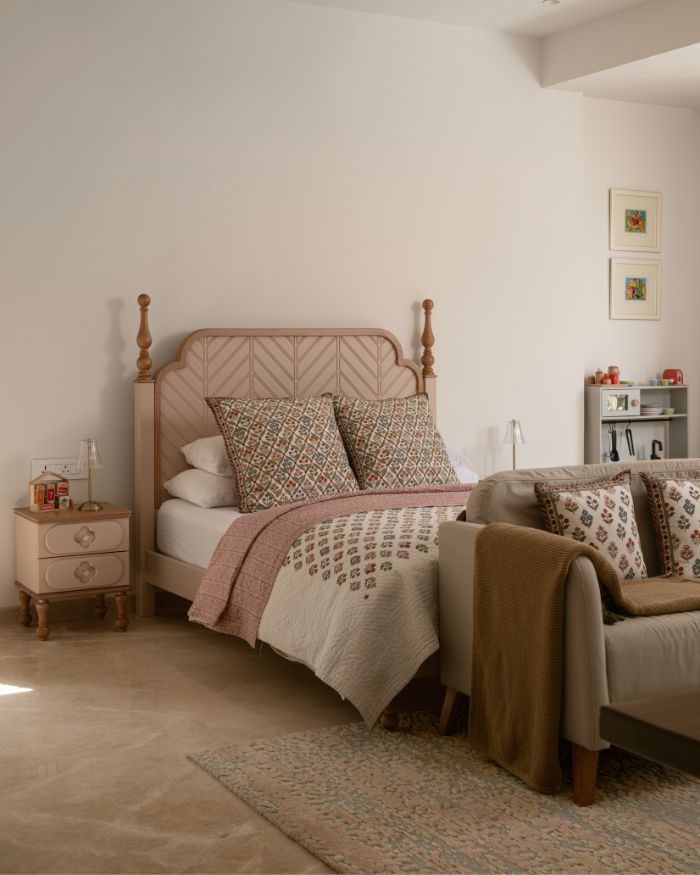
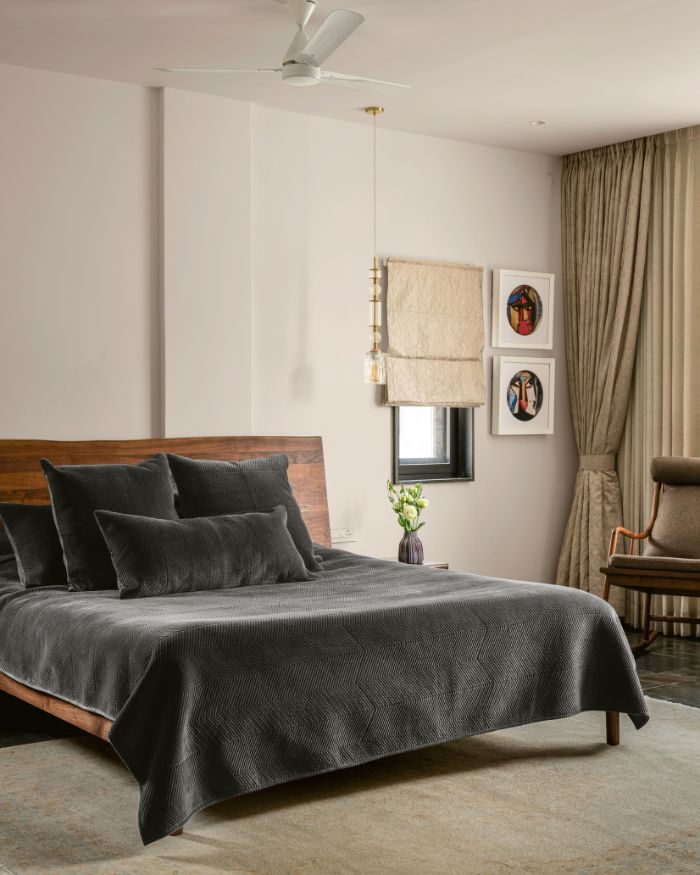
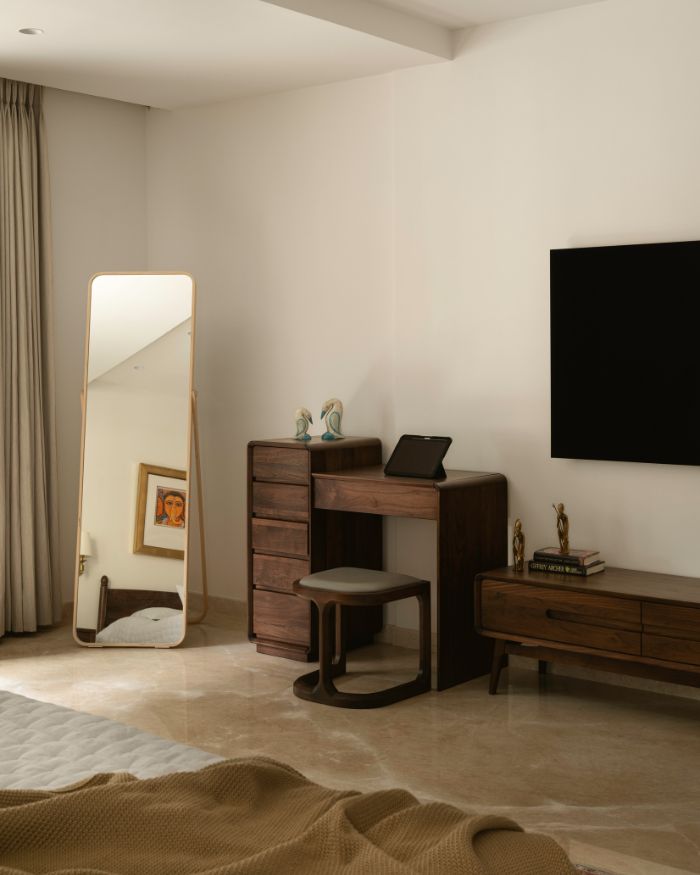
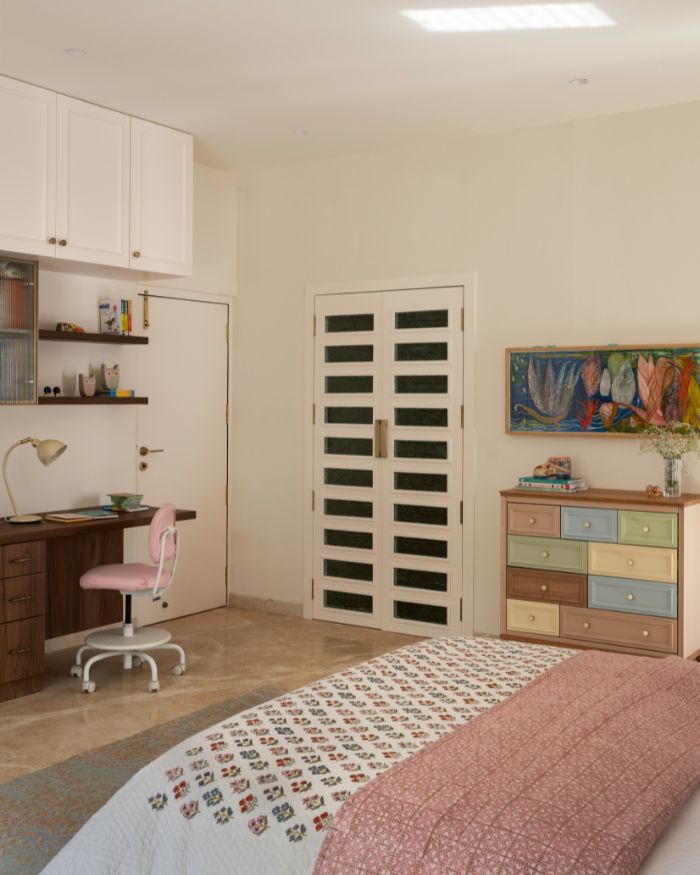
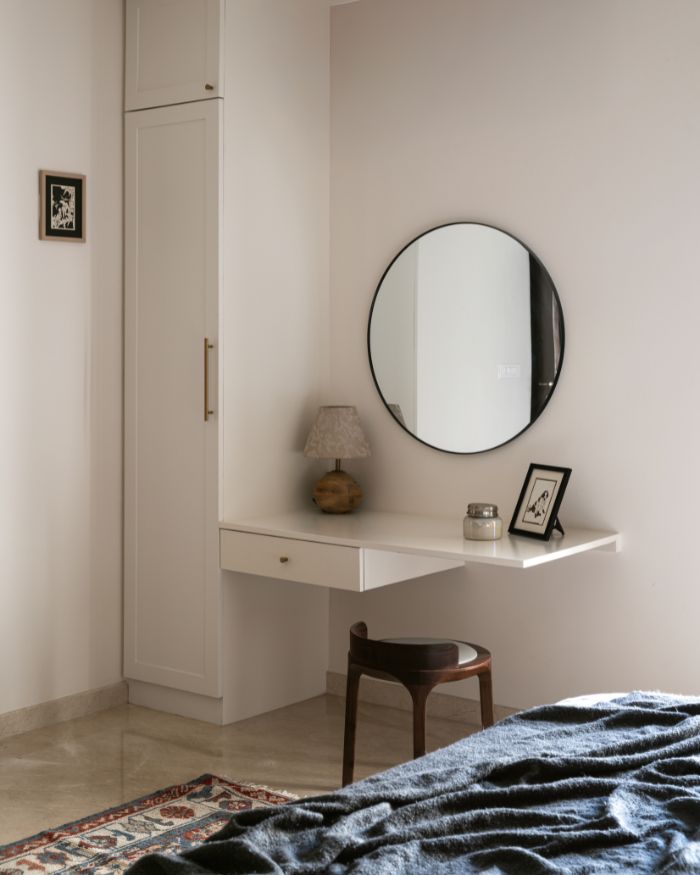
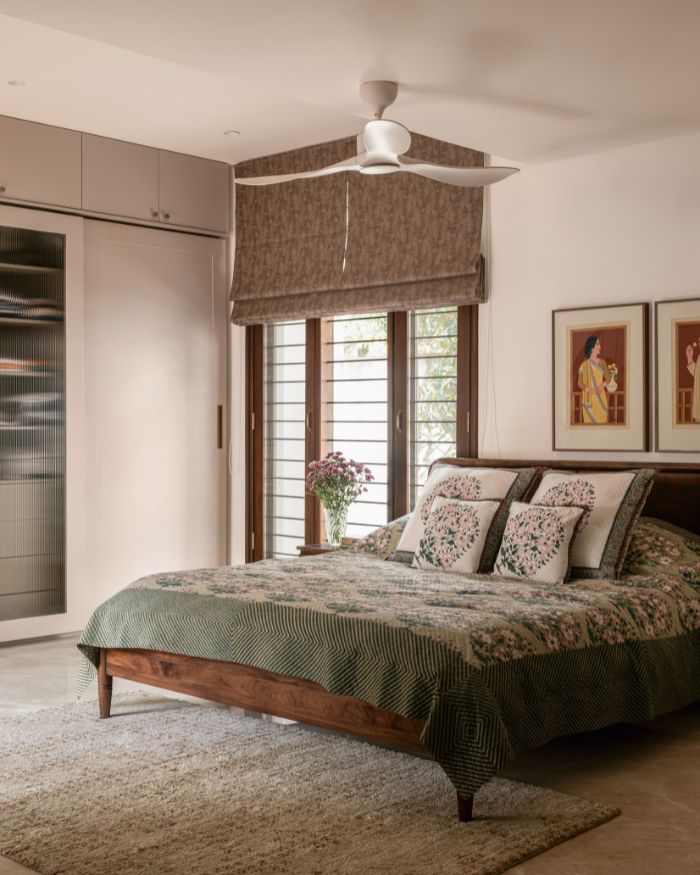
The upper floors transition into private territories, housing bedrooms and family living spaces along with rooms responding to the needs of the children. The family lounges make a comfortable shared space complemented by a powder room on the ground floor. An elevator is introduced to make movement effortless, particularly for elderly family members. Homes like these aren’t static. These are designed to support a growing household, maintaining connections across floors.
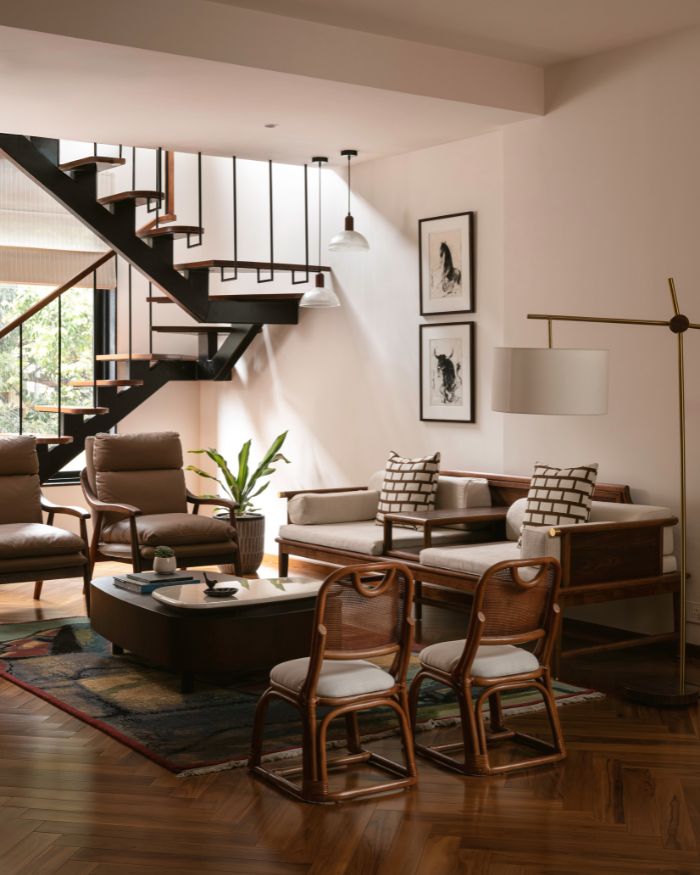
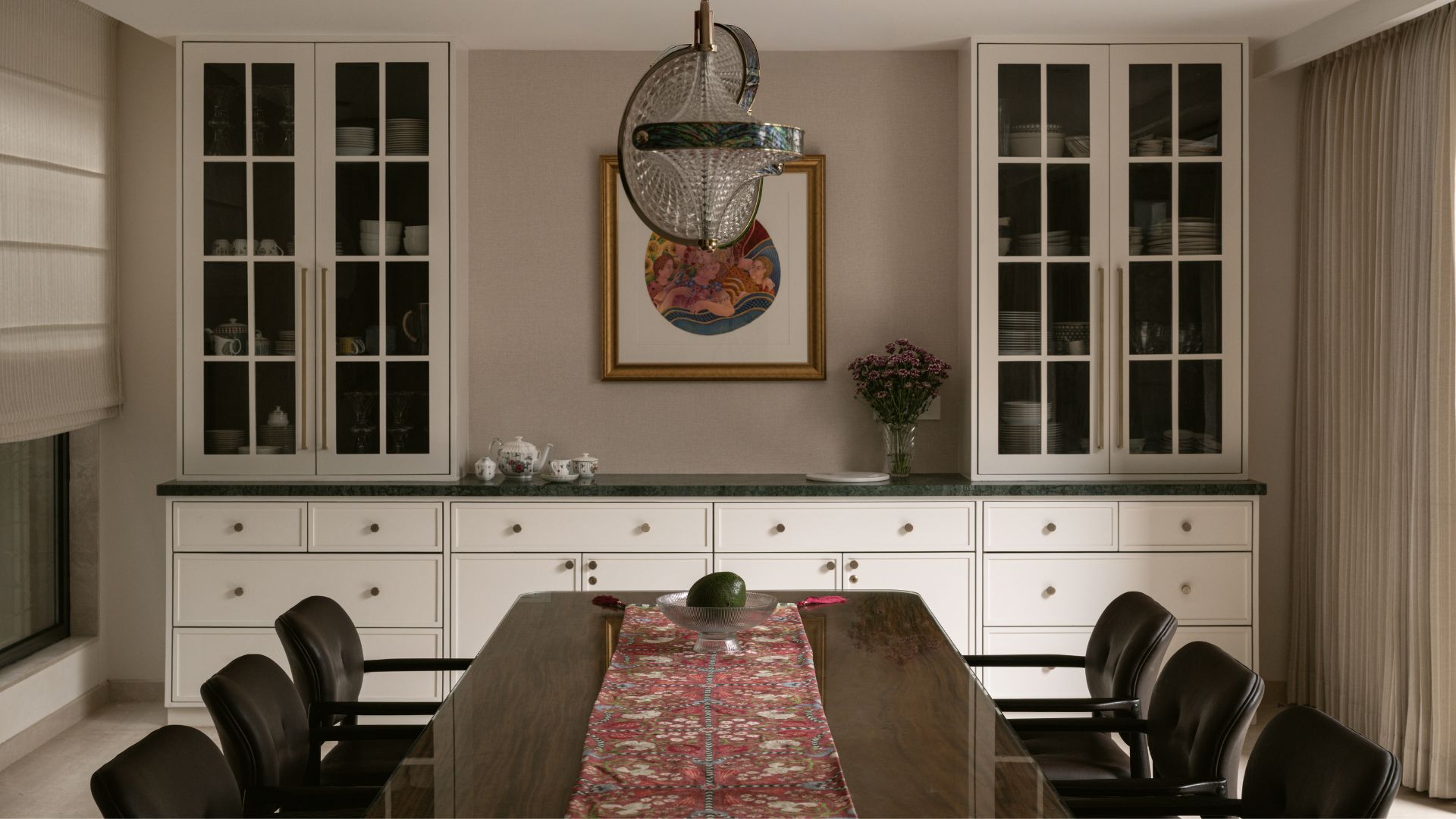
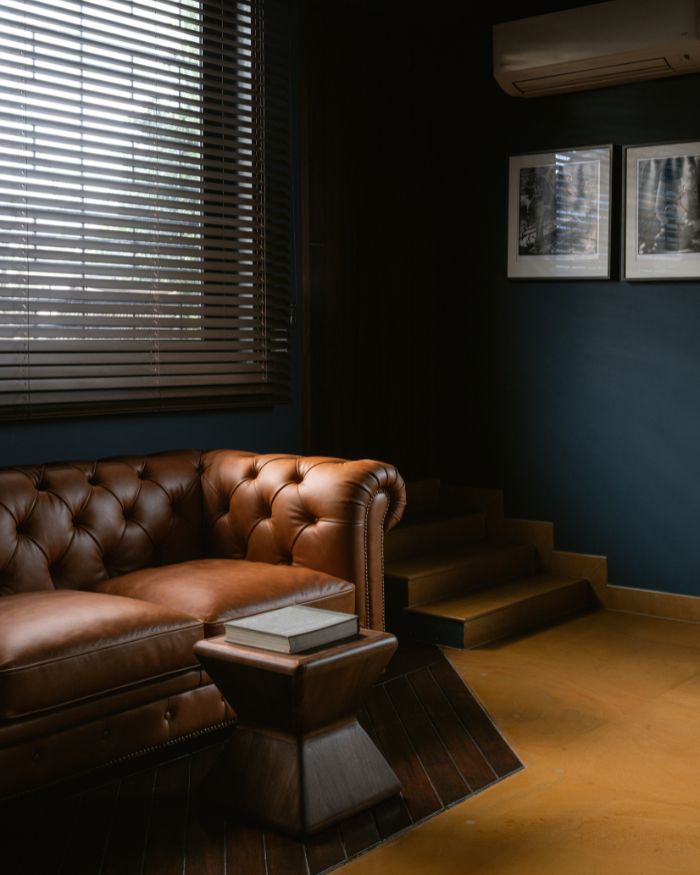
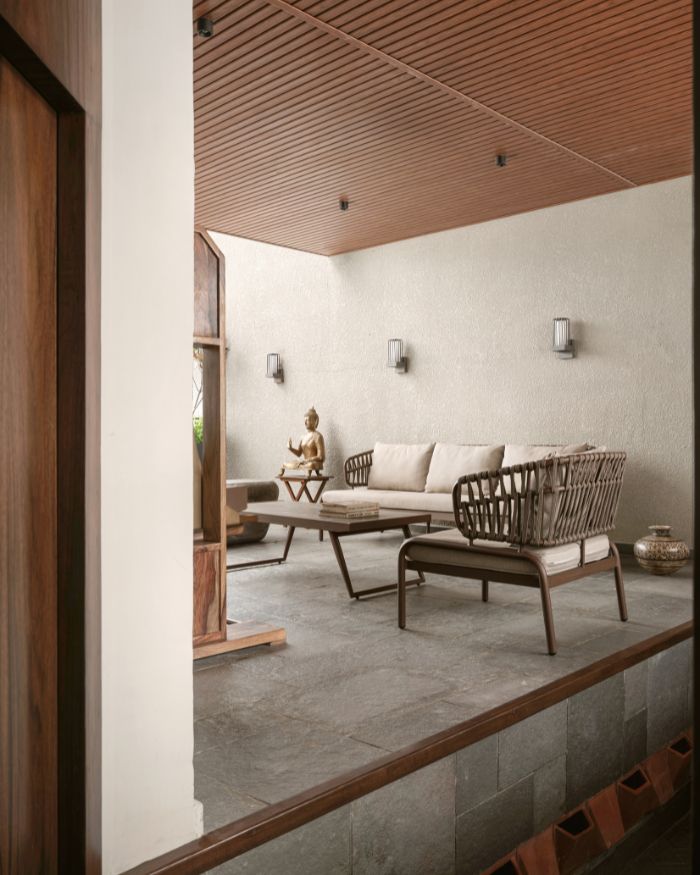
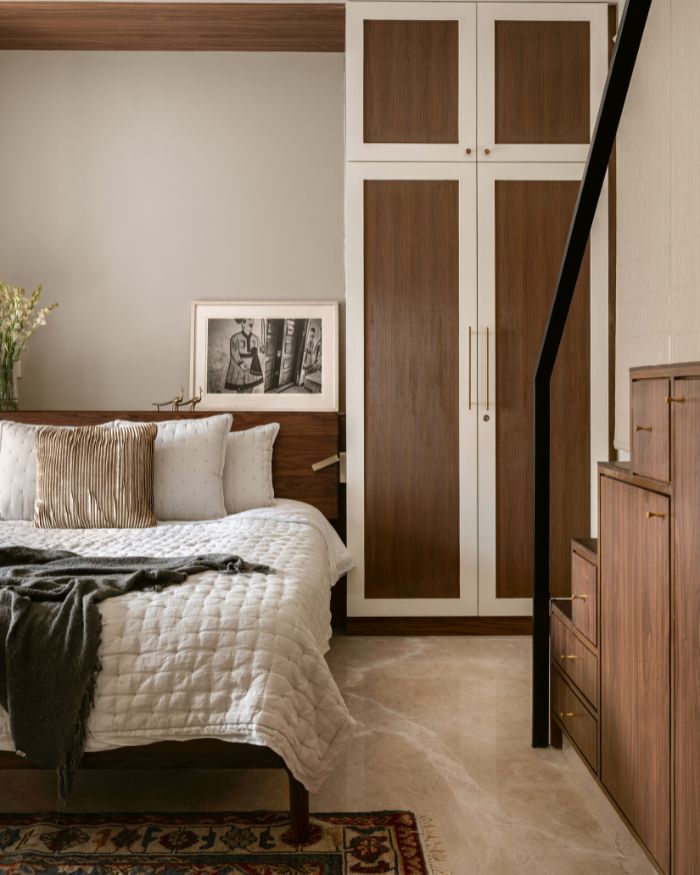
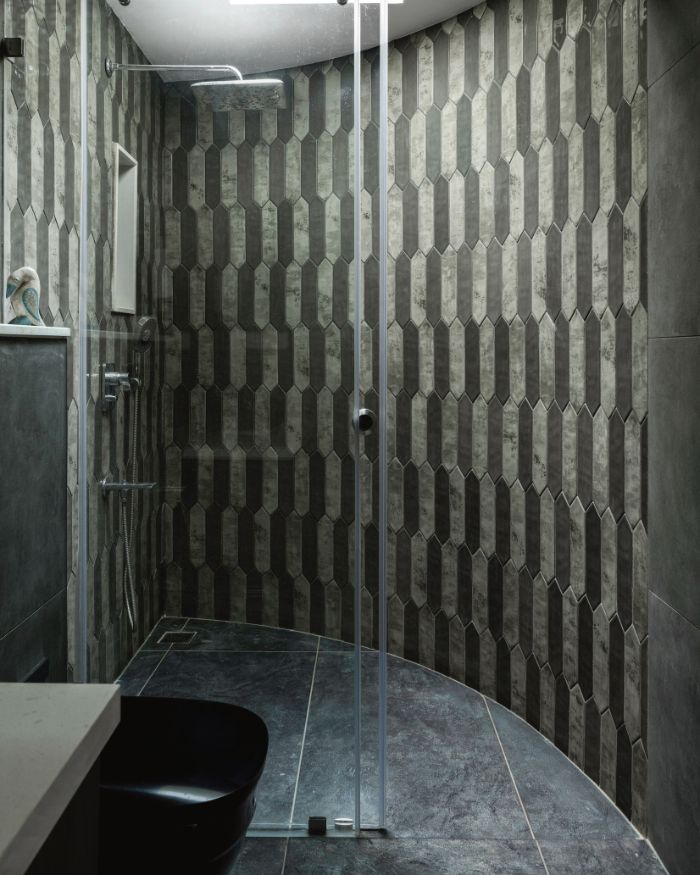
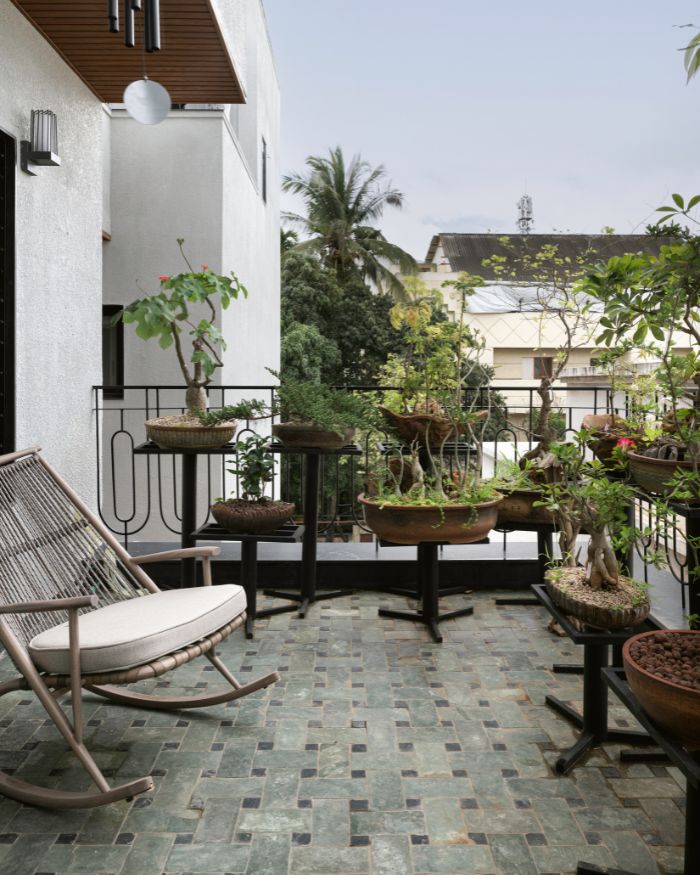
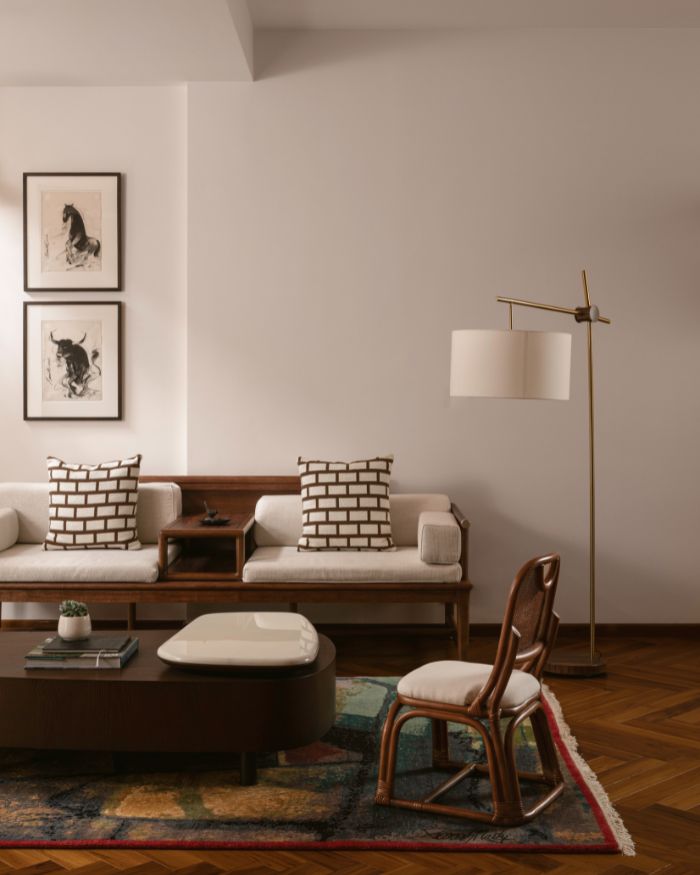
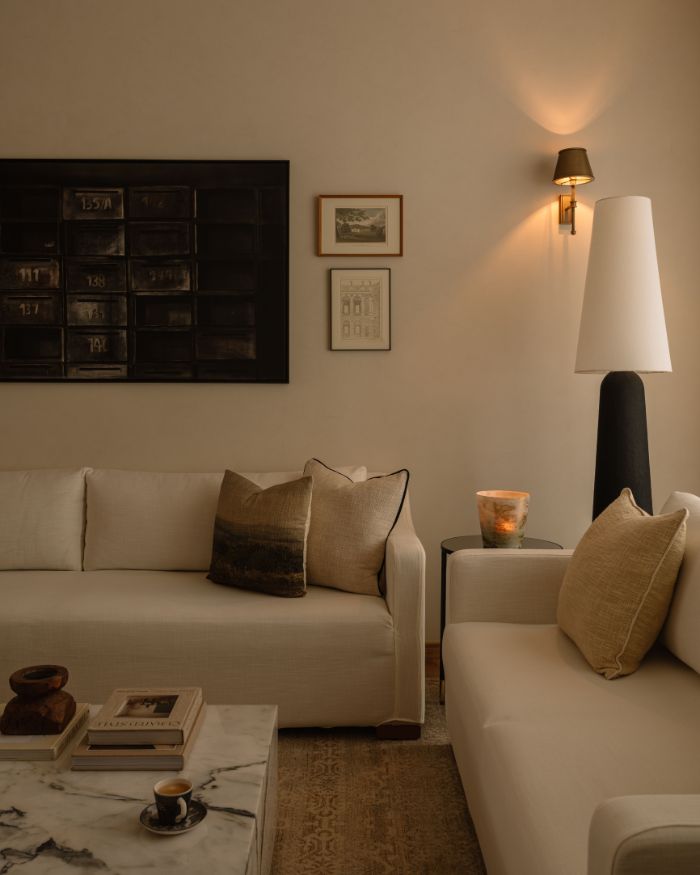
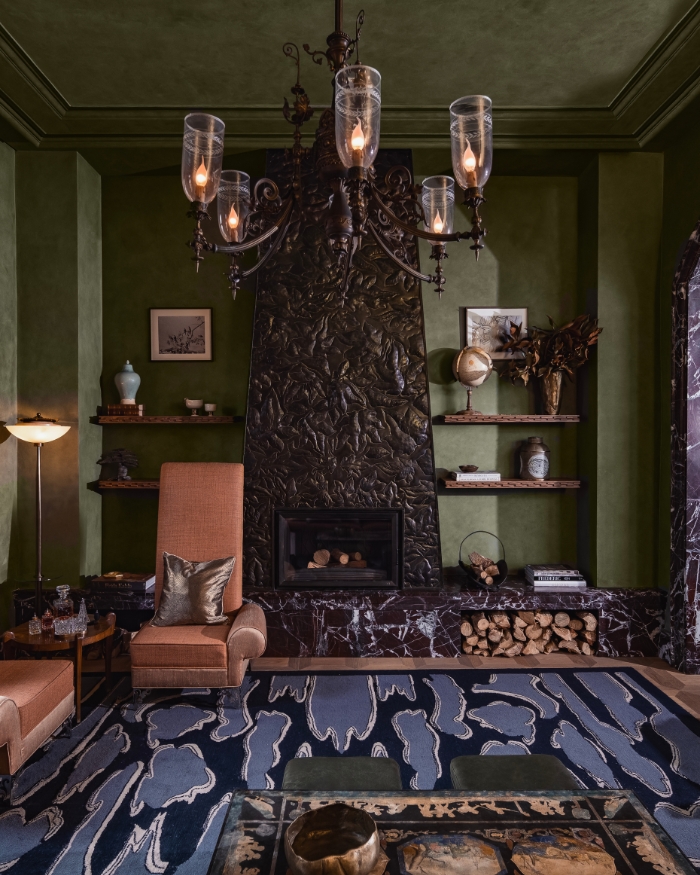
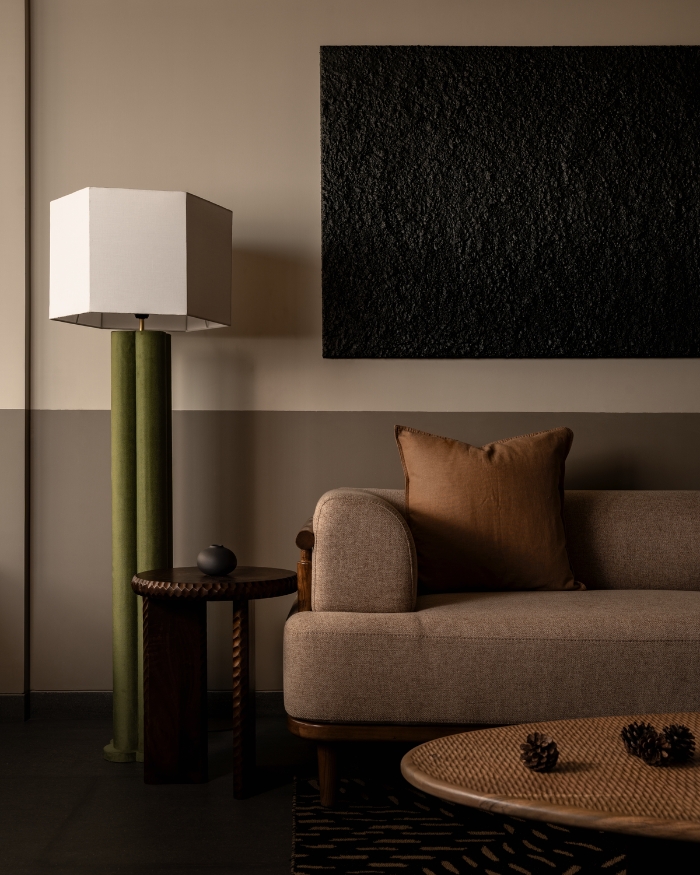
The materiality of the home is rooted in continuity. Wood forms the base of this language, kept in its original form in some areas and extended through veneers in others. It is a visual thread that ties inherited elements to newer insertions. The warmth is balanced with stone. Marble surfaces introduce variation in beige tones, lending softness to the space and deep red accents add a contrasting ambience. Across decks and transitional areas, natural materials like limestone and Kota stone ground the home.
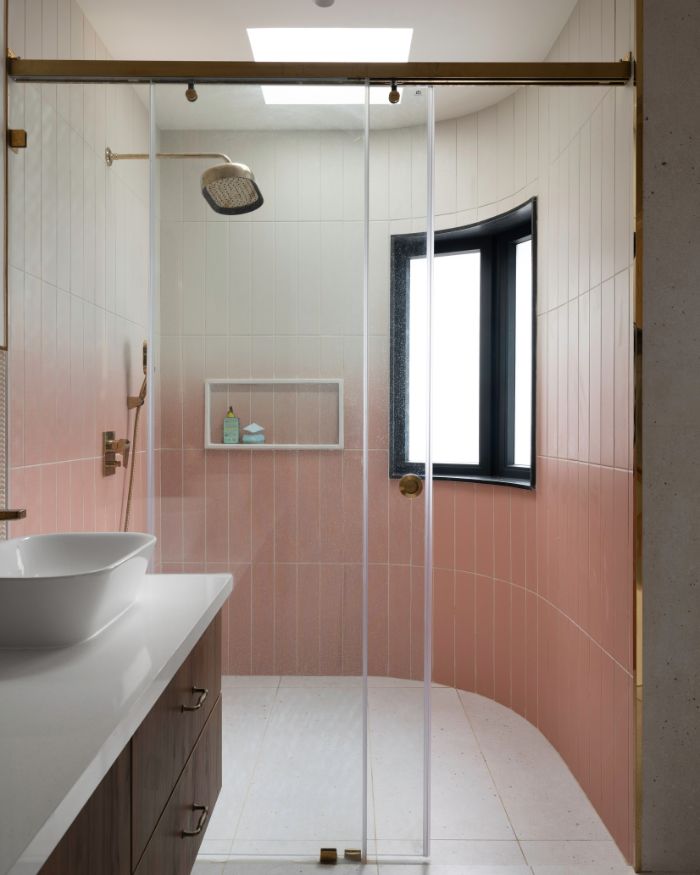
Existing Sadarahalli grey stone surfaces are refinished instead of replaced, granting them to retain their character, feeling refreshed within the updated setting. “Adaptive reuse in this context is not merely a sustainability strategy, it is a cultural response to continuity,” Nain avers. Lighter finishes, including painted surfaces in soft beige and muted mauve, offset the richness of wood and stone. The sleek black aluminium window frames lend a sharper edge to the space. Reflective mirror surfaces are used sparingly to expand light and volume.
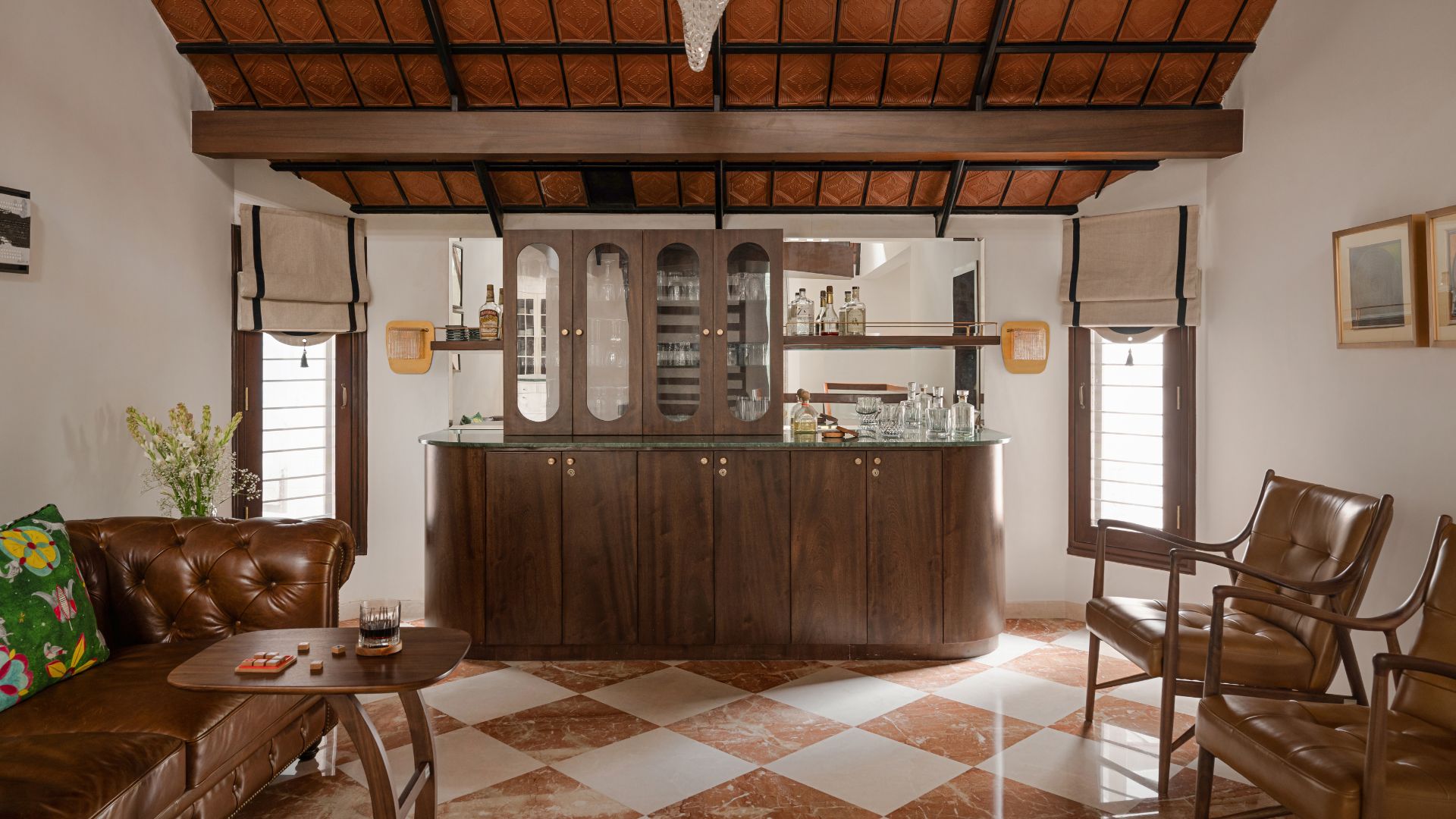
The approach to the home was shaped as much by the people who inhabit it as by the structure itself. At the same time, the existing house presented its own complexities. Spread across multiple levels, the layout felt expansive but difficult to navigate. The volumes lacked cohesion and spaces didn’t naturally connect. The redesign focused on bringing order without reducing its character, streamlining circulation, aligning sightlines and stitching together new additions within the original framework. What emerged was a home that felt legible and intuitive.
Time was spent observing how the family occupies the home: how spaces are shared, where moments of gathering happen and how movement unfolds across the day. These takeaways became the foundation for every adaptation, turning the exercise into a collaborative effort grounded in living experience rather than an abstract idea.
Read more: Witness an epicurean ballet of design and function in this Bengaluru home by Houseof9Design
No results found.