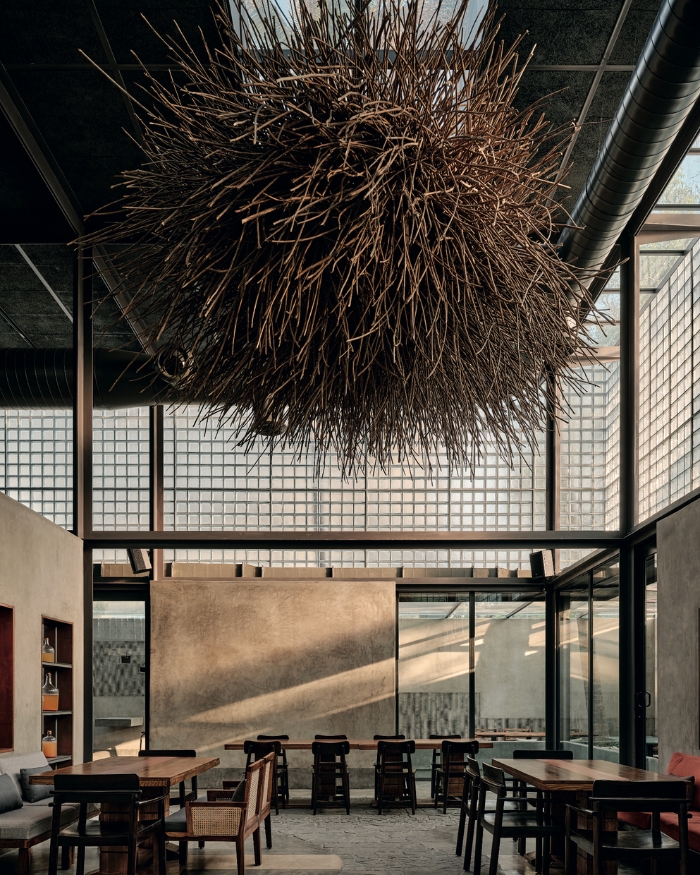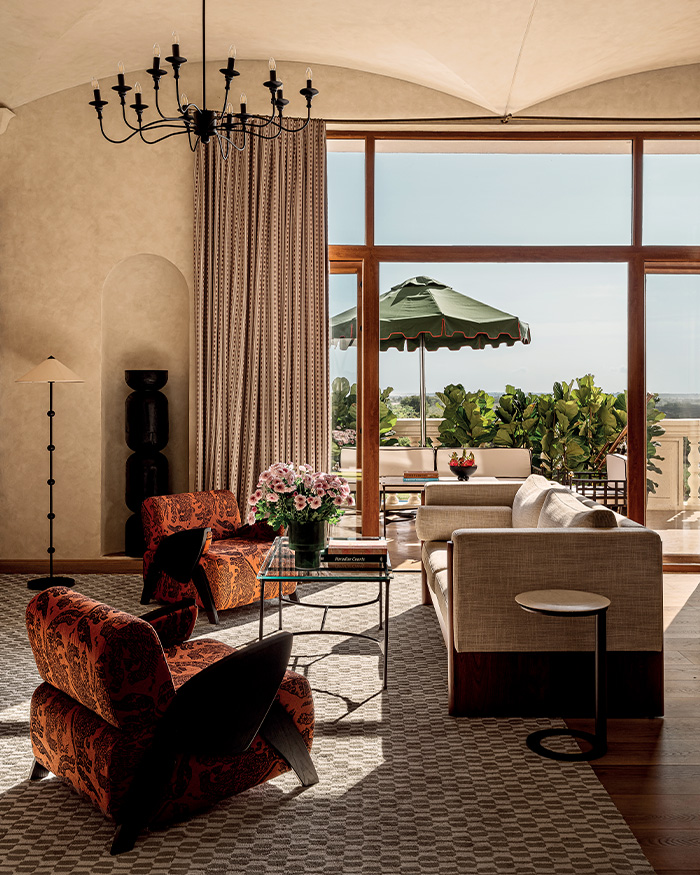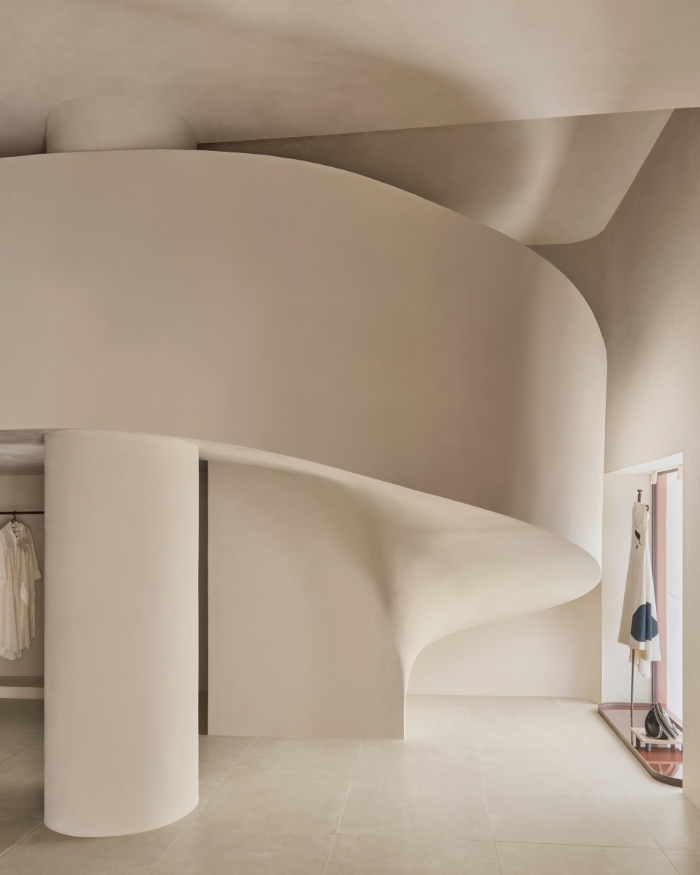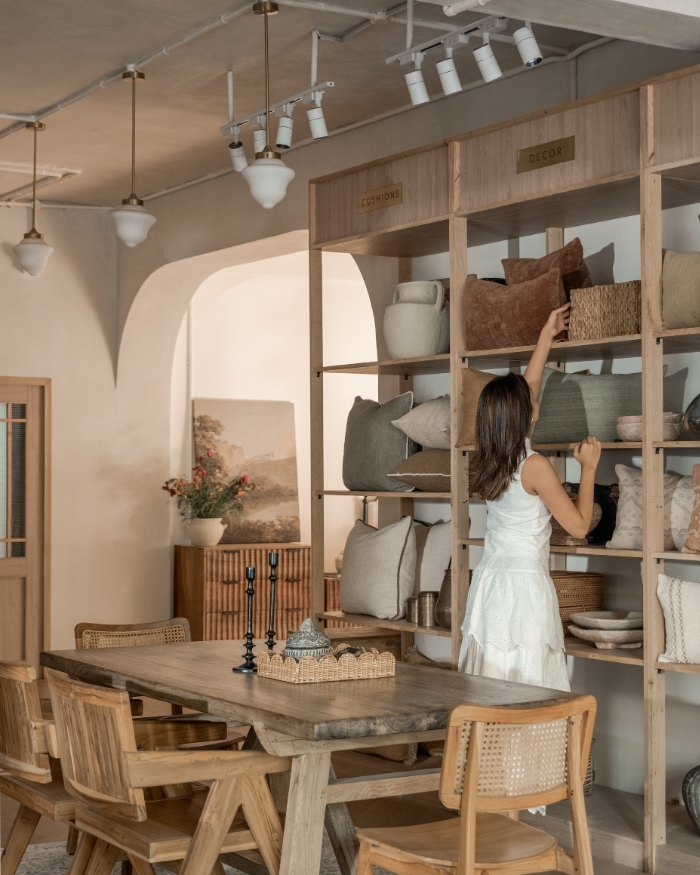
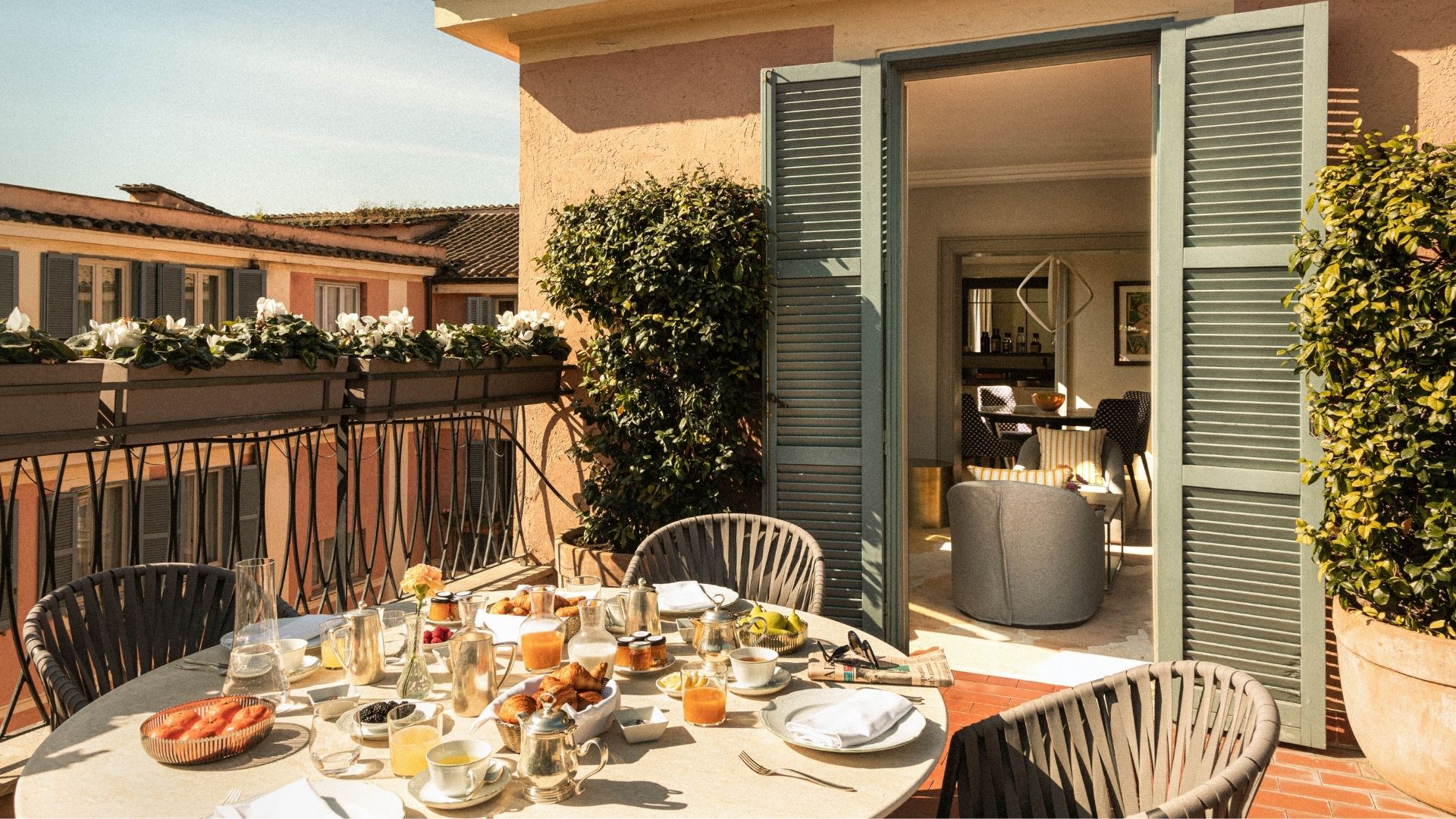
Hotel de Russie interiors
Photographs courtesy Hotel de Russie

Picasso’s Roman Garden

We discover the legend of an earthly paradise inside Hotel de Russie

BY

In February 1917, Pablo Picasso arrived in Rome with Jean Cocteau and stayed at Hotel de Russie until April. That same year, Cocteau was working on Parade, the Cubist ballet staged by Sergei Diaghilev’s Ballets Russes at Teatro Costanzi, with music by Igor Stravinsky. Later, his description of the hotel as an “earthly paradise” would attach itself to the legend of Via del Babuino 9.

Hotel de Russie sits on Via del Babuino, between Piazza di Spagna and Piazza del Popolo, with the Pincio rising behind it and Via Margutta just a few steps away — an address where Rome’s artistic, aristocratic and urban histories meet. 

The story begins in 1816, when Marquis Francesco Lucernari acquired the land from the Archconfraternity of SS. Annunziata with the intention of creating a new building. The project was entrusted to Giuseppe Valadier, who was then also working on the two semicircles of Piazza del Popolo. That overlap gives the hotel its most distinctive architectural inheritance: the garden behind the building was conceived by the same mind engaged in reshaping one of Rome’s great public piazzas.
Hotel de Russie
Photographs courtesy Hotel de Russie

A time in history  

By the 1820s, the noble palace and the adjoining Torlonia property had entered the world of hospitality as Albergo di Russia, also known as Locanda delle Russie, and the Hotel of the British Isles. The name came from the guests who gave the place its early character. During the carnival period, members of the Russian Imperial House, Russian intellectuals, Romantic painters and international aristocracy stayed here. Artists such as Giacomo Frey and John Gibson, the sculptor and student of Canova, also had studios on the property. Over time, Hotel de Russie became a house of arrivals: Umberto I and Margherita of Savoy, Boris of Bulgaria, Gustav of Sweden, Prince Girolamo Bonaparte, Titta Ruffo, Lydia Sorelli and Lina Cavalieri all entered its register.

The hotel’s history has never moved in a straight line. Between 1927 and 1939, a correspondence service operated from its historic piazza, offering guests mail delivery, forwarding, stamps and outgoing post sealed with the hotel’s own stamp. During the Second World War, the building was requisitioned for military information services and later occupied by displaced persons. 

In the late 1940s, Count Vaselli acquired and closed the hotel, ending one chapter of its hospitality. After a renovation in the mid-1950s, the building became the seat of RAI, Italy’s public radio and television network, and remained so until 1999. That year, Sir Rocco Forte took over the structure. In 2000, Hotel de Russie returned to life as part of Rocco Forte Hotels.

Photographs courtesy Hotel de Russie

A Roman garden

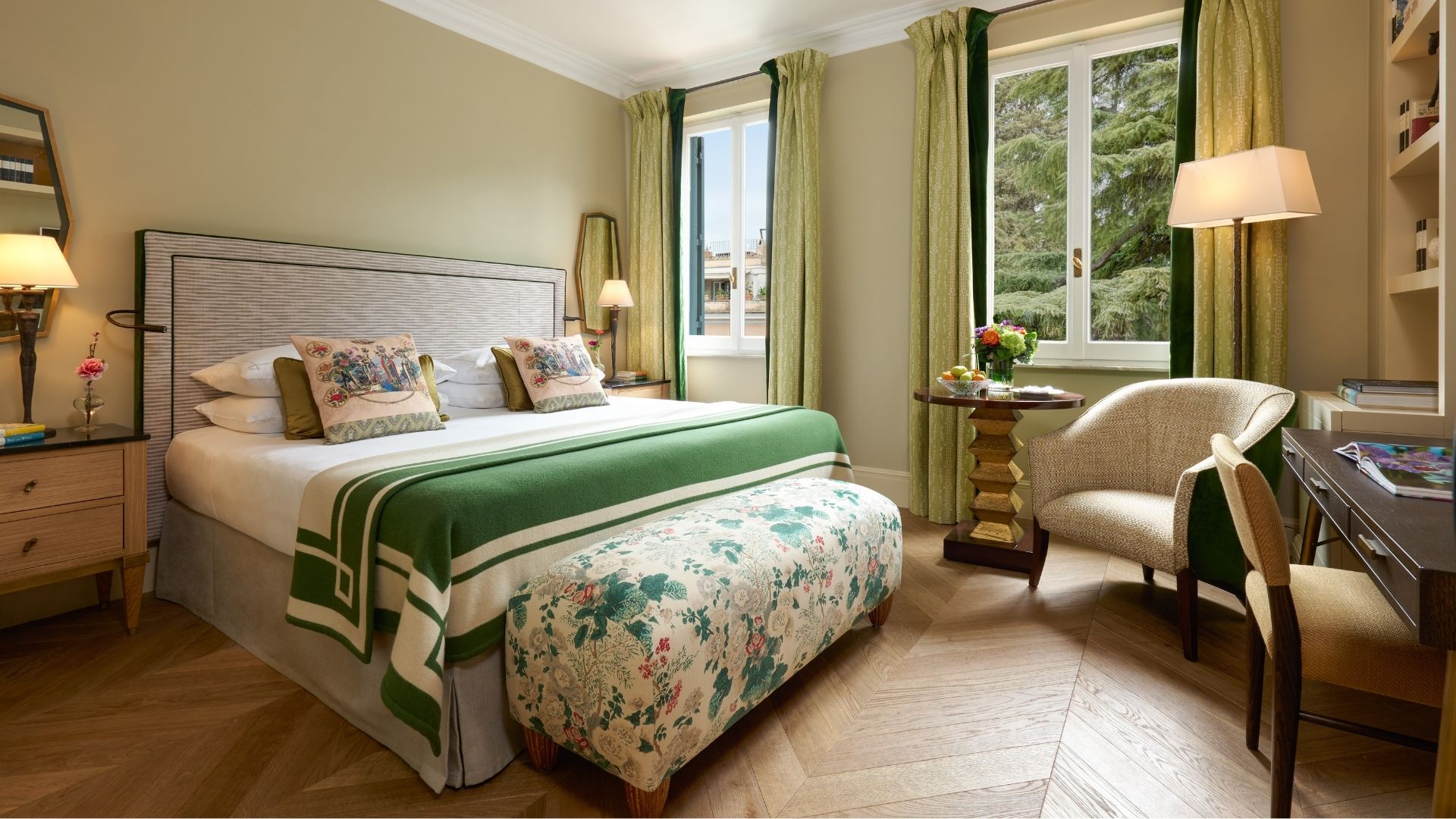
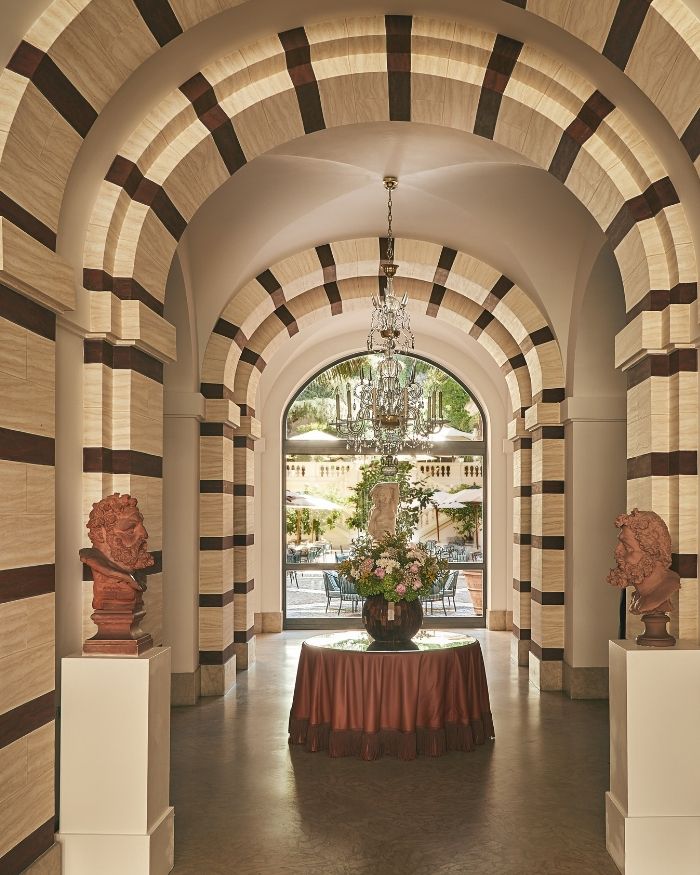
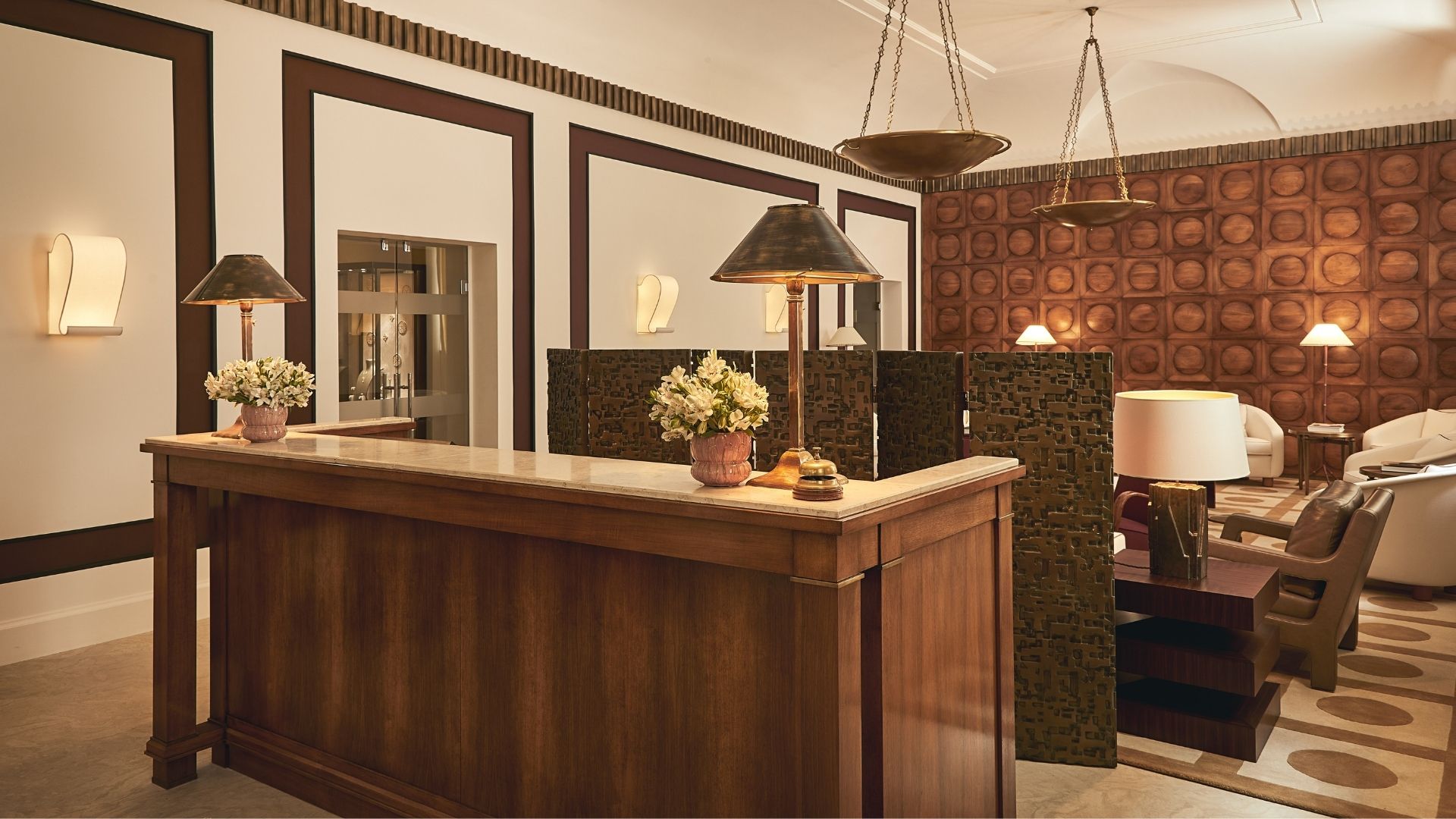
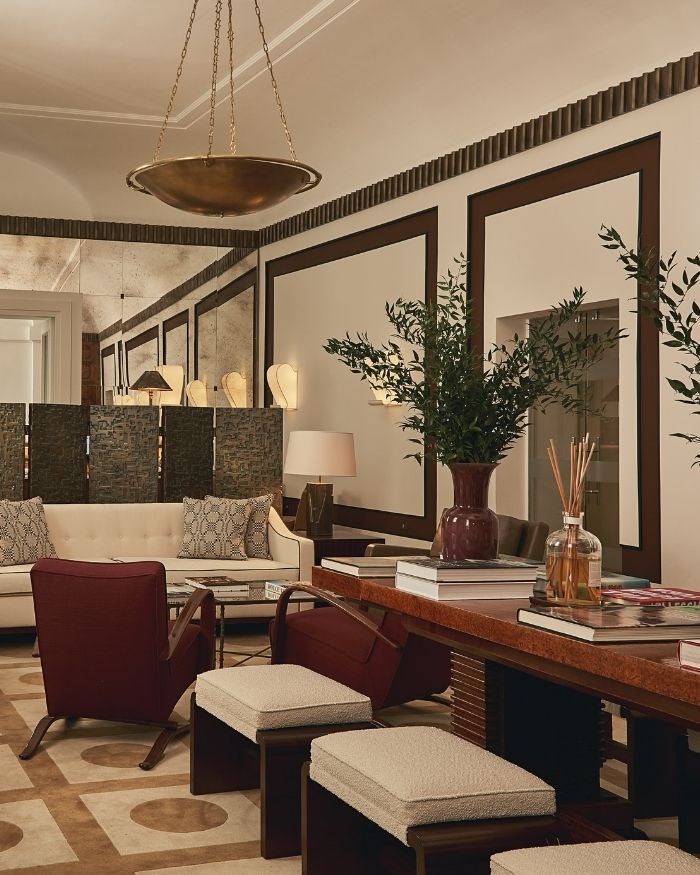
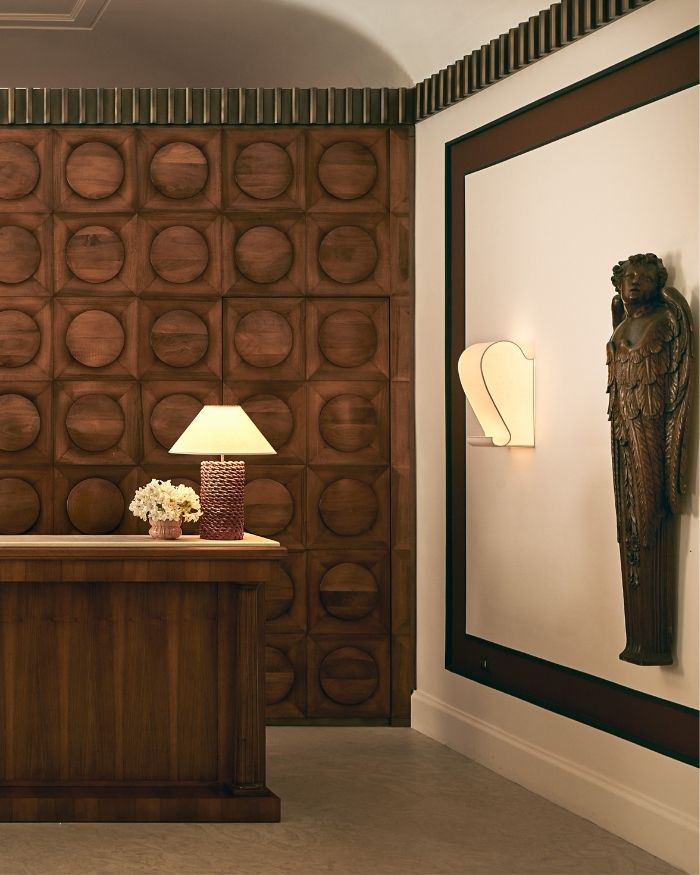
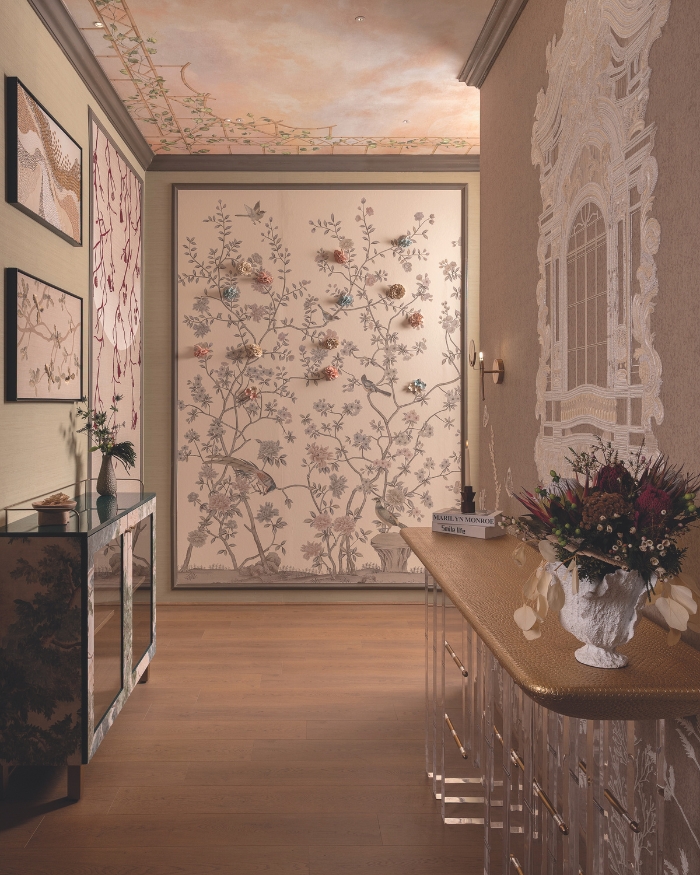
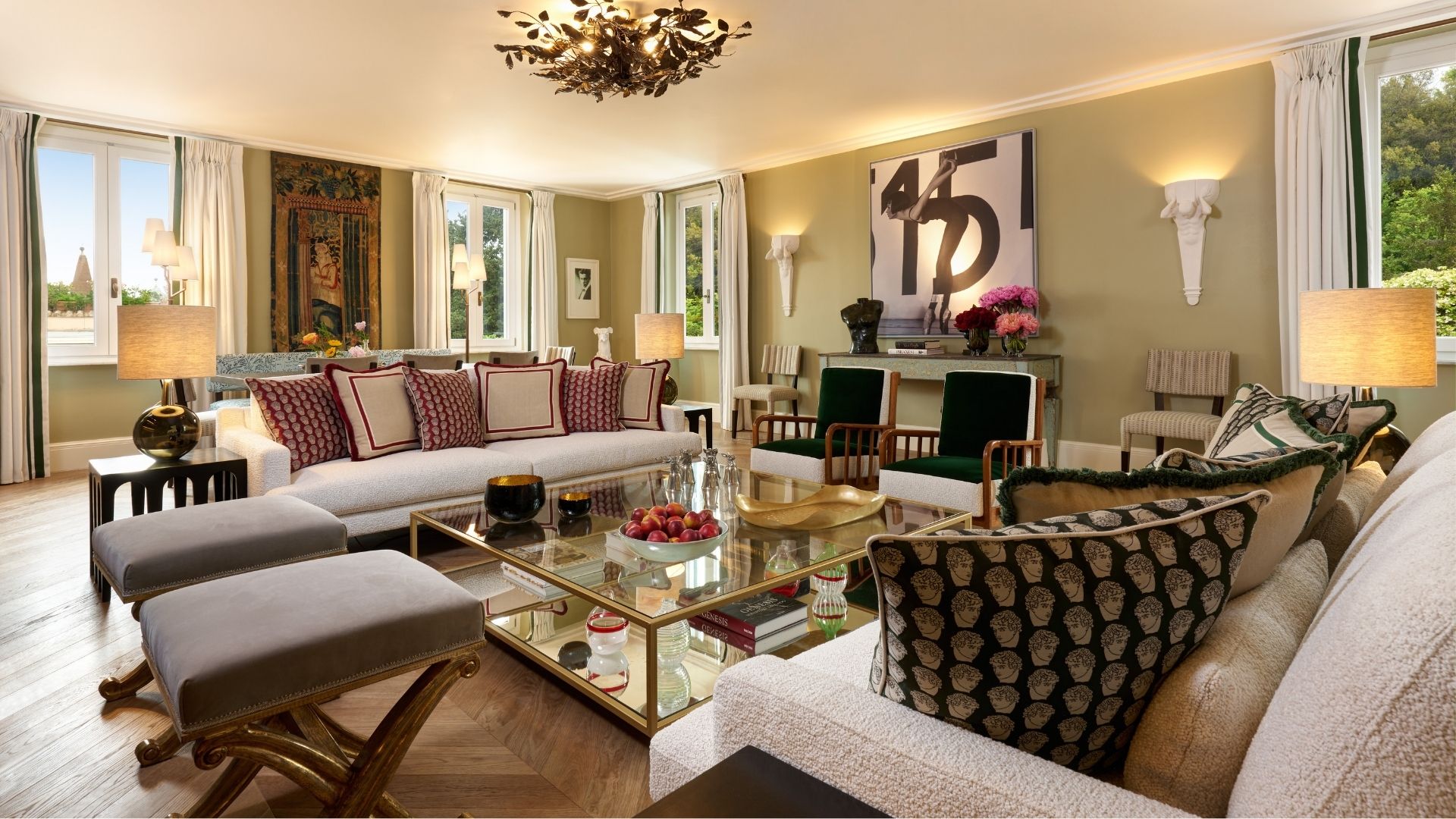
The return brought a new interior life to the historic building. Architect Tommaso Ziffer led the internal remodel, with Olga Polizzi, Design Director of Rocco Forte Hotels, overseeing the creative direction. The lobby carries Rome through colour and material: brown, orange, green and ochre, early 20th-century details, Pietro Monti’s bas-relief of the Archangel Gabriel, Italian fabrics by Dedar and C&C Milano, custom armchairs and sofas and pieces from Il Bronzetto in Florence. Across the rooms and suites, the language moves between antiques, contemporary furniture, marble, terracotta, papal shades and greens that respond to the garden.

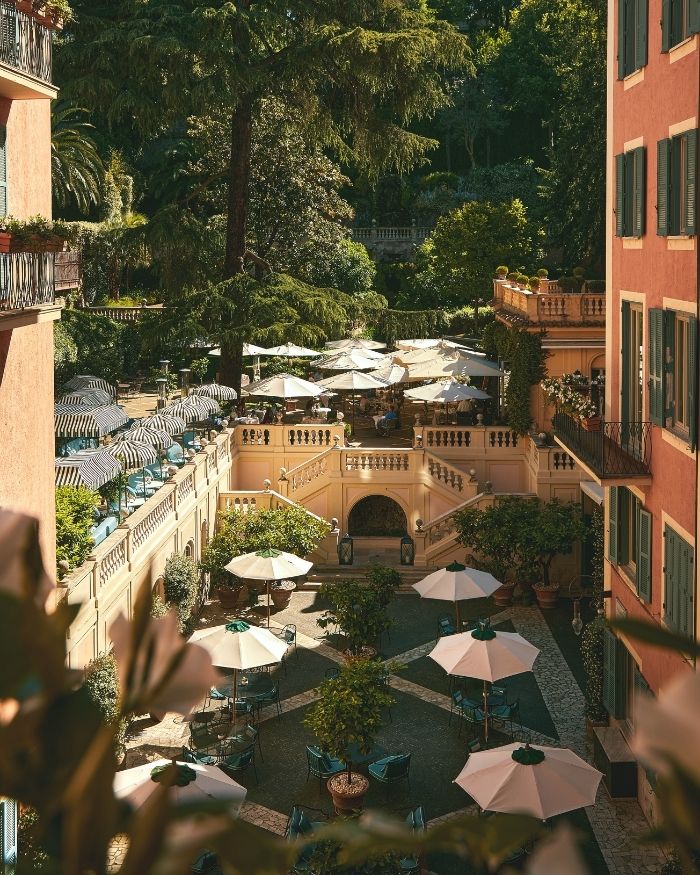
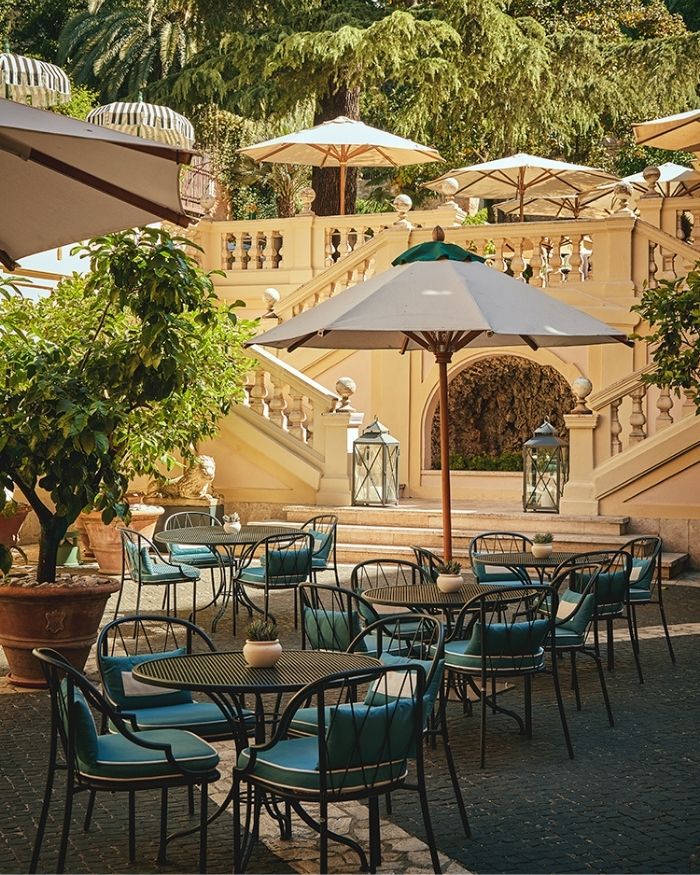
The garden remains the hotel’s great act. Designed by Valadier in the 19th century, it rises behind the façade through terraces, balustrades, caves, basins, nymphs, statues and fountains. In recent years, a restoration led by Prof. Arch. Pietro Paolo Lateano brought back the original layout of what the hotel describes as the only functioning private 19th-century architectural monument designed by Valadier. The work also revealed elements that had been hidden for decades by invasive species. Water now moves from a rock spring through fountains and nymphaea. Planting frames the stone. The terraces lead the eye towards the Pincio.

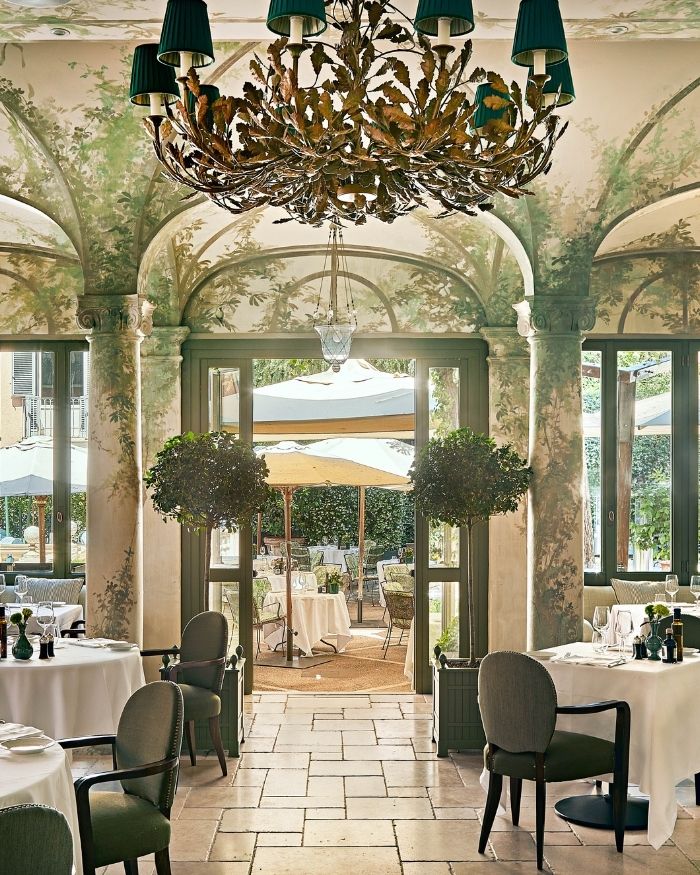
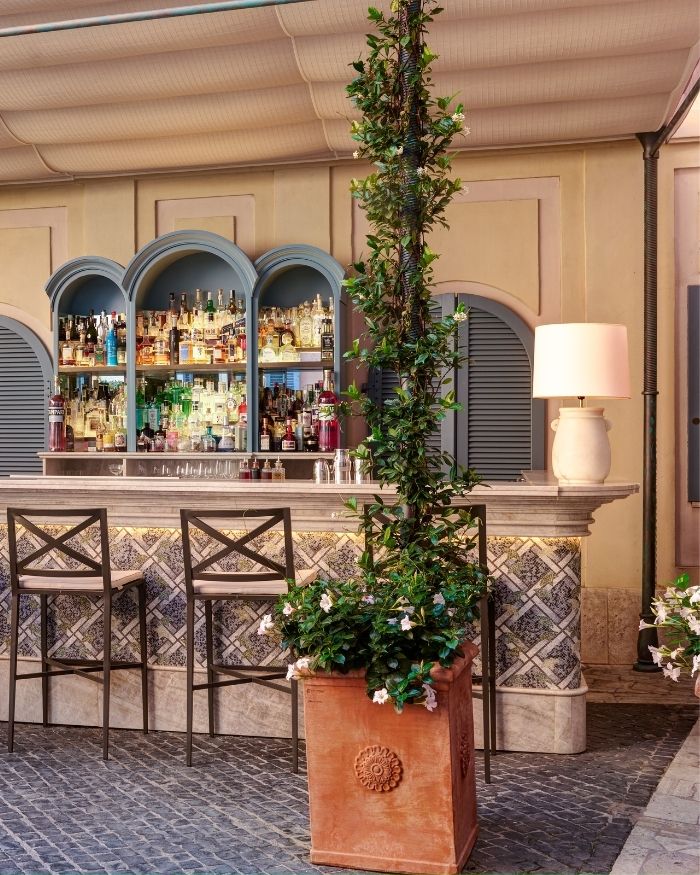
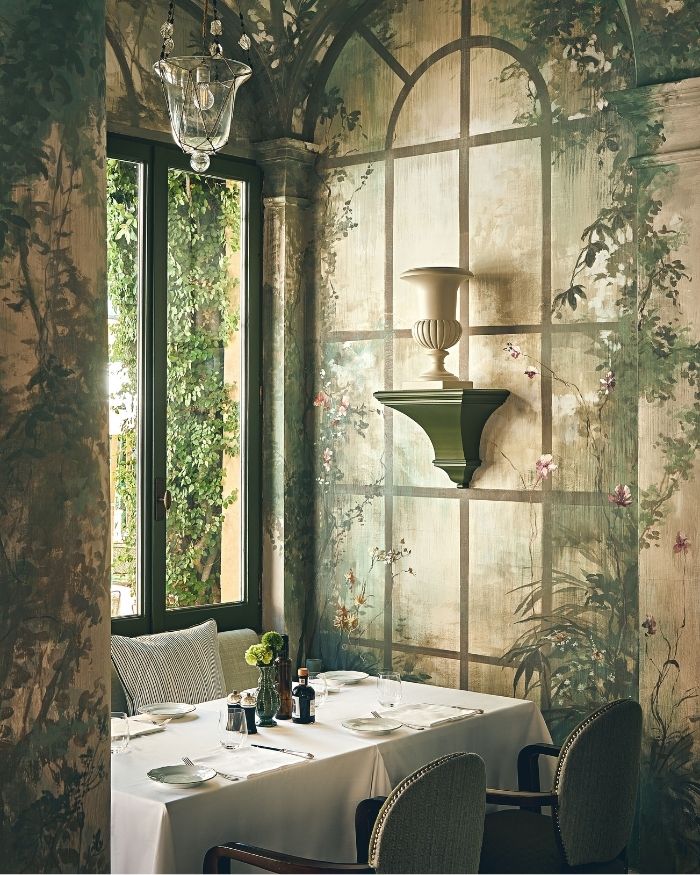
This garden understands Rome through climate, leisure and theatre. Shade matters here. So does water. So do steps, courtyards and the pause between one level and another. At breakfast, the garden gives the day its first setting. At Stravinskij Bar, named after the Russian composer who lived in Rome between 1915 and 1945, the aperitivo unfolds at the foot of the Secret Garden. At Le Jardin de Russie, the landscape enters the meal. The restaurant was first renovated in 2010, then refurbished in 2021 with decor by artist Gio Bressana. Parrots, butterflies, strawberry bushes, tangerine and lemon trees move across the interiors, extending the feeling of the garden indoors.

Photographs courtesy Hotel de Russie

The rooms and suites frame different versions of the hotel. Some look towards the Eternal City or Piazzetta Valadier. Others face the Secret Garden. The Vaselli Suite opens to a terrace with the garden’s greenery and the Pincio beyond. The Valadier Suite, named after the architect, has French balconies overlooking the garden and the hill. The Picasso Suite, restyled in 2017, carries the artist’s name with a private terrace facing the Secret Garden and the slopes of the Pincio. The Popolo Suite turns towards the Chiesa degli Artisti and Piazza del Popolo. The Nijinsky Suite, restyled in 2023, opens to a vast private terrace with views across the garden, Villa Borghese, the Pincio Terrace and the rooftops of Rome.

Then there are the cats. They move through the property with complete authority. In a hotel filled with artists, aristocrats, composers, dancers, postmarks, palazzi and upscale service, the cats bring the place into the present. They make the garden feel inhabited. They belong to the terraces as convincingly as the fountains, as though every historic hotel needs a few residents who refuse to be impressed by history.

Hotel de Russie holds Rome in fragments: a piazza, a hill, a balcony, a fountain, a table under trees, a cat asleep in the sun. Picasso arrived in 1917. Cocteau gave it paradise. Valadier gave it the garden. More than two centuries after Lucernari acquired the land in 1816, the hotel still knows how to gather the city within its own walls, letting Rome rise through stone, water, shade, foliage and memory.

Photographs courtesy Hotel de Russie
SHARE THIS ARTICLE

You May Also Like

Watch

No results found.

Search
Close this search box.