PHOTO CREDITS PENDING

Mandarin Oriental Conservatorium, Amsterdam

Piero Lissoni’s intervention turns an administrative maze into a legible sequence, holding on to the building’s institutional character while making it habitable

BY

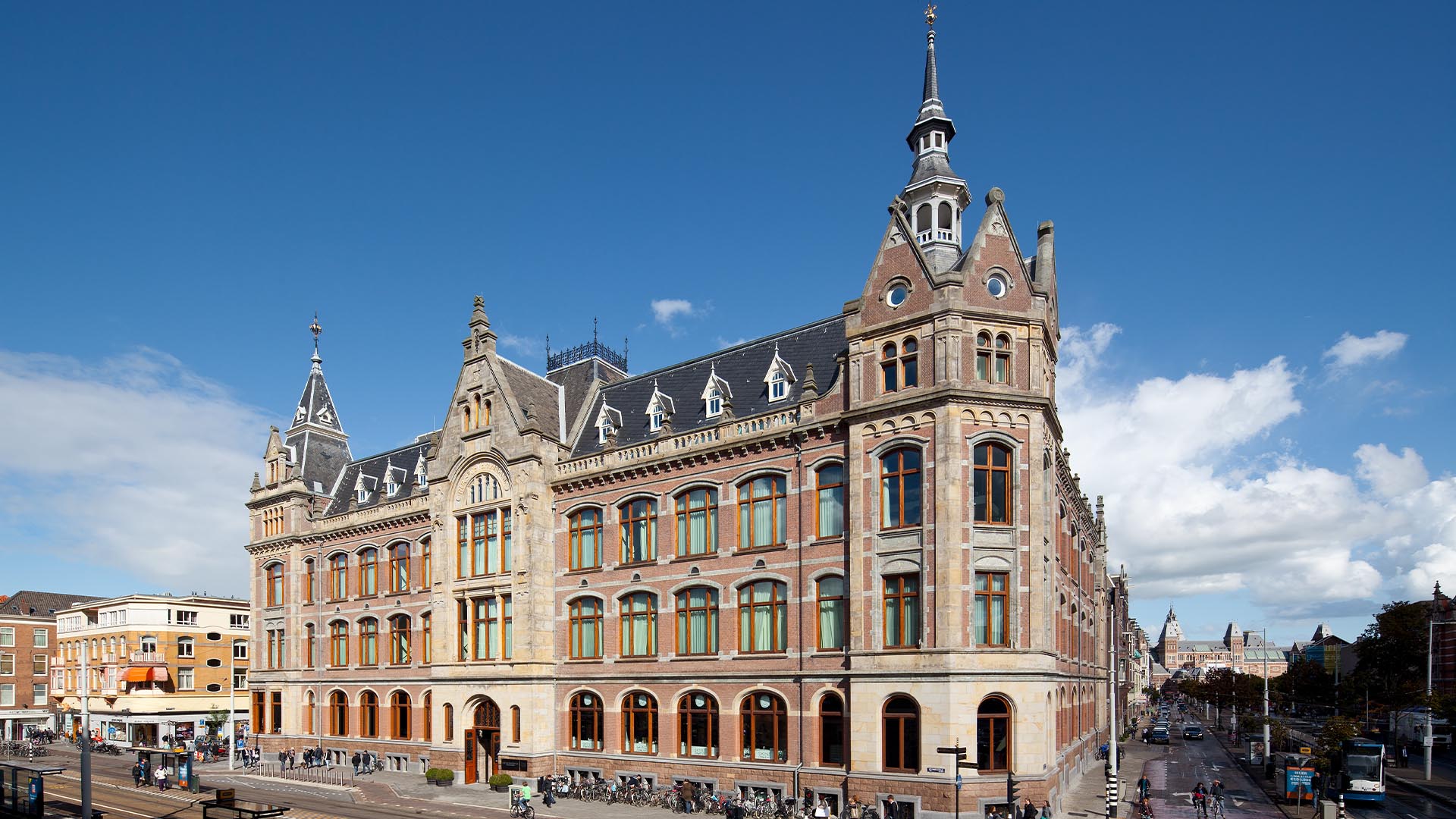
The risk with adaptive reuse of heritage precincts and edifices is of flattening history into aesthetic. History is material. It is culture, continuity, lived experiences and evolution of humanity. In this context, Mandarin Oriental Conservatorium, Amsterdam was an institution twice over before it became a hotel. As the headquarters of the Rijkspostspaarbank in 1897, it was a building designed to reassure depositors that their money was safe inside thick walls and disciplined order. In the 20th century the structure shifted from capital to culture. It became the Sweelinck Conservatorium, the city’s principal music academy, acquiring an identity in craft and discipline, no less serious than its financial past. 

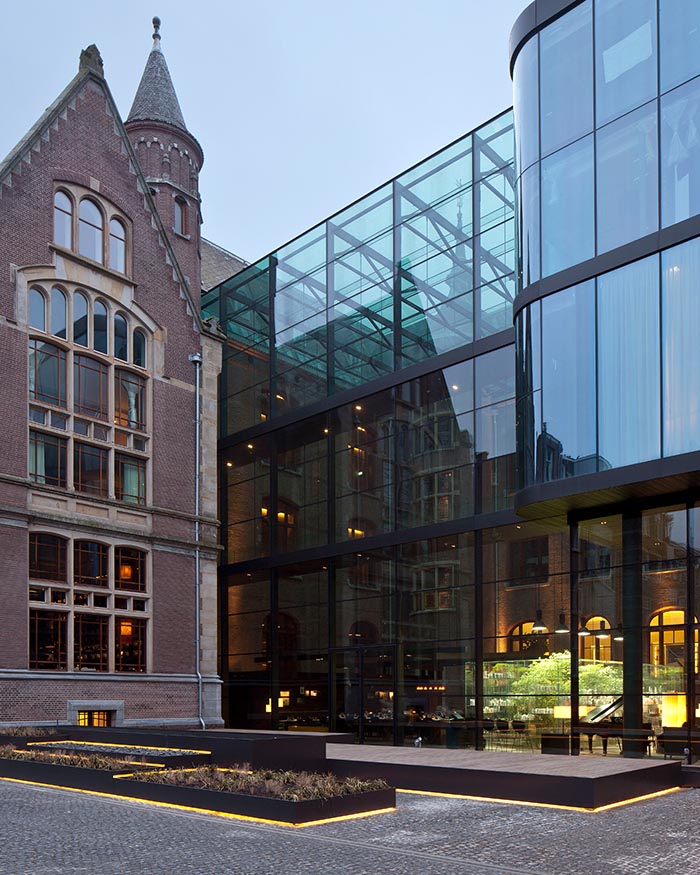
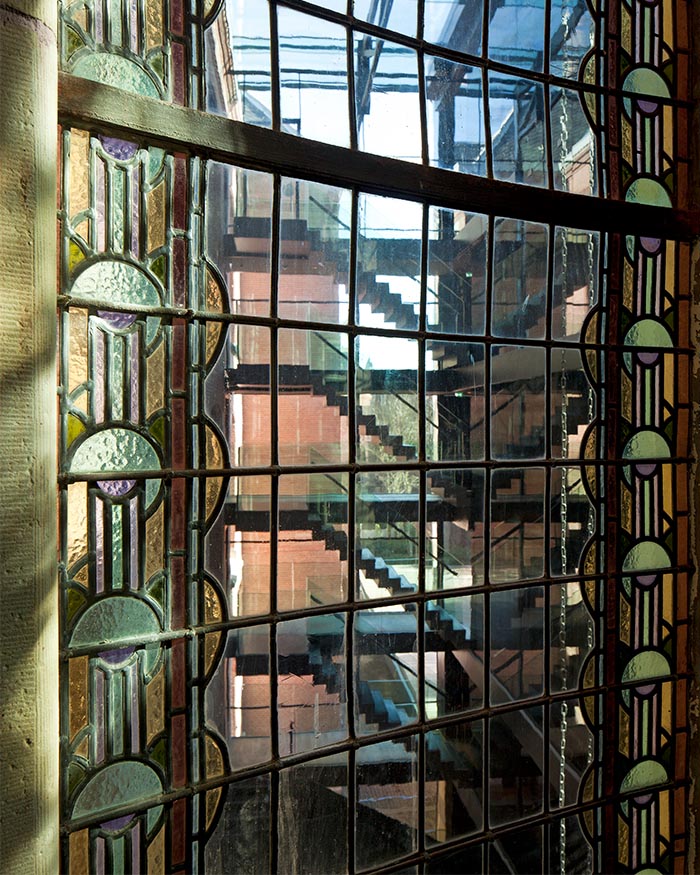
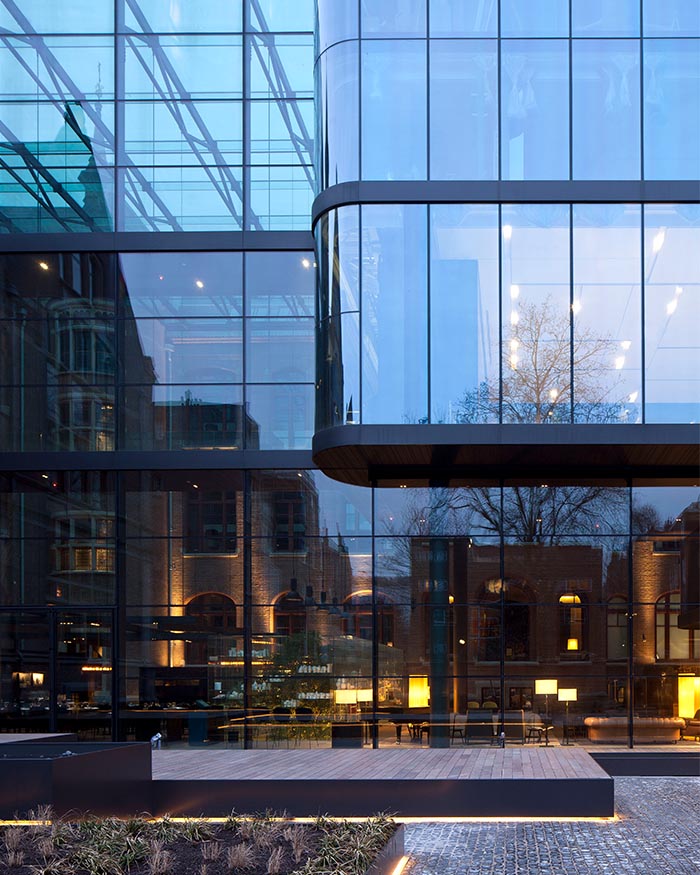
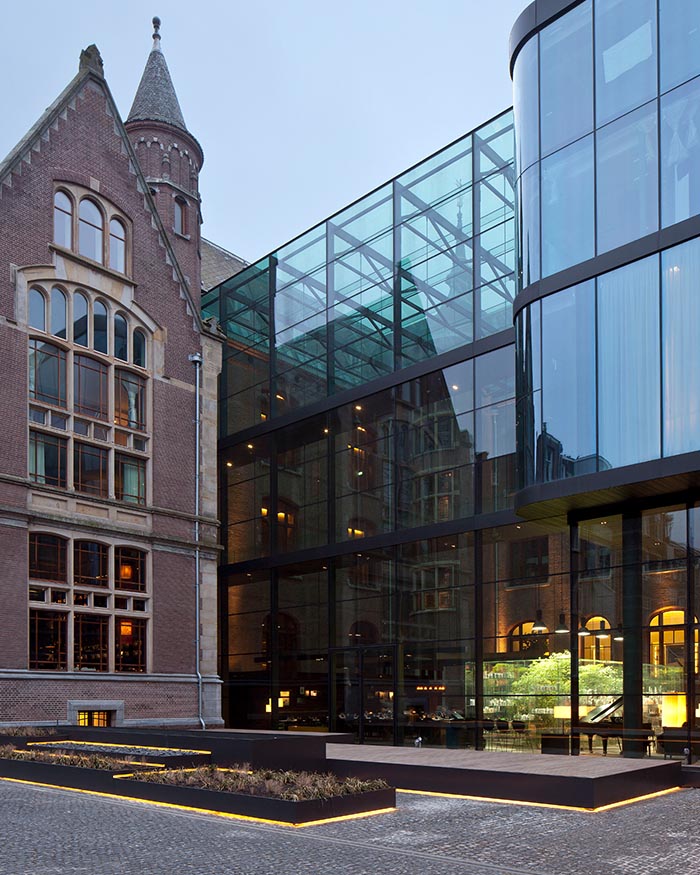
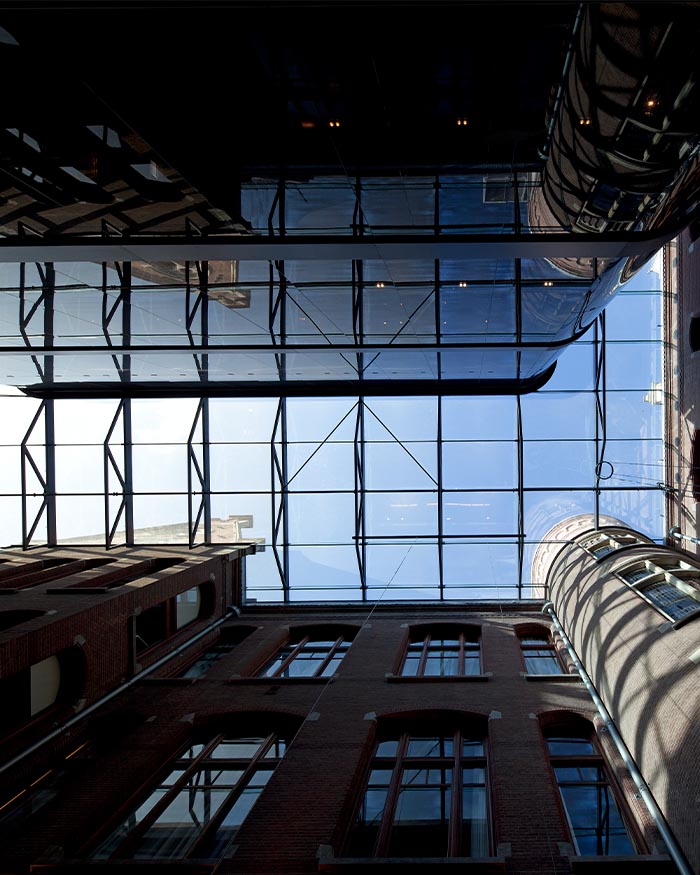
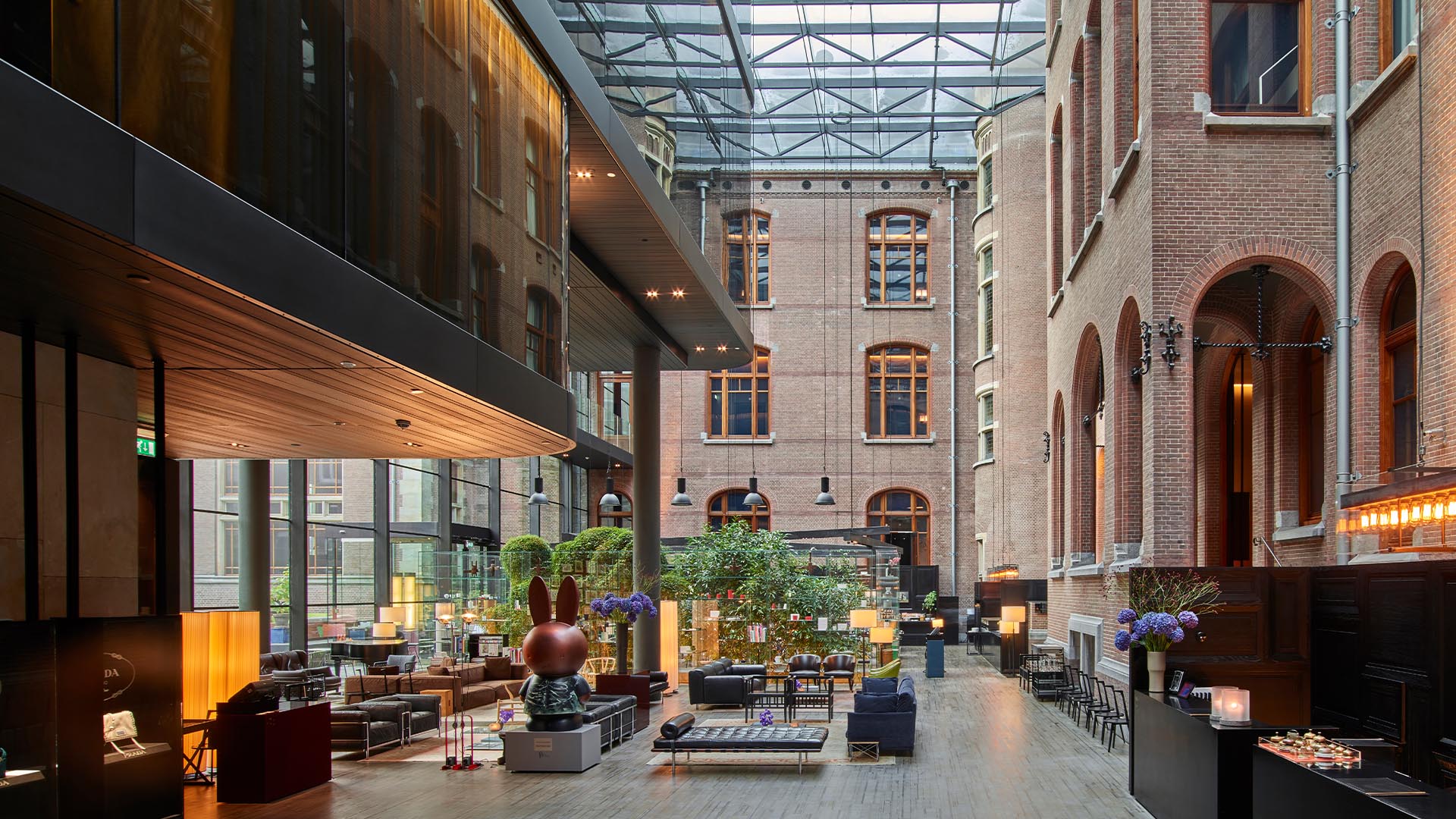
When Italian architect and EDIDA winner Piero Lissoni was invited to reimagine the transformation, it was a task that could have easily veered into theatrical historicism or cold modernism. The challenge was also structural and conceptual because banking halls and classrooms do not naturally convert into suites. What resulted was something more nuanced, a step back from big gestures and an exercise in restraint and elimination. First, Piero reorganised the building around its interior void. The original courtyards were enclosed with a steel and glass canopy, creating a full-height atrium that now operates as the spatial and social centre of the hotel. This move did three things at once: it introduced vertical light into a previously inward-looking structure, unified disparate wings under a single organising volume, and established orientation in what had been a maze of institutional corridors. His restraint reveals an encounter between two architectural temperaments.
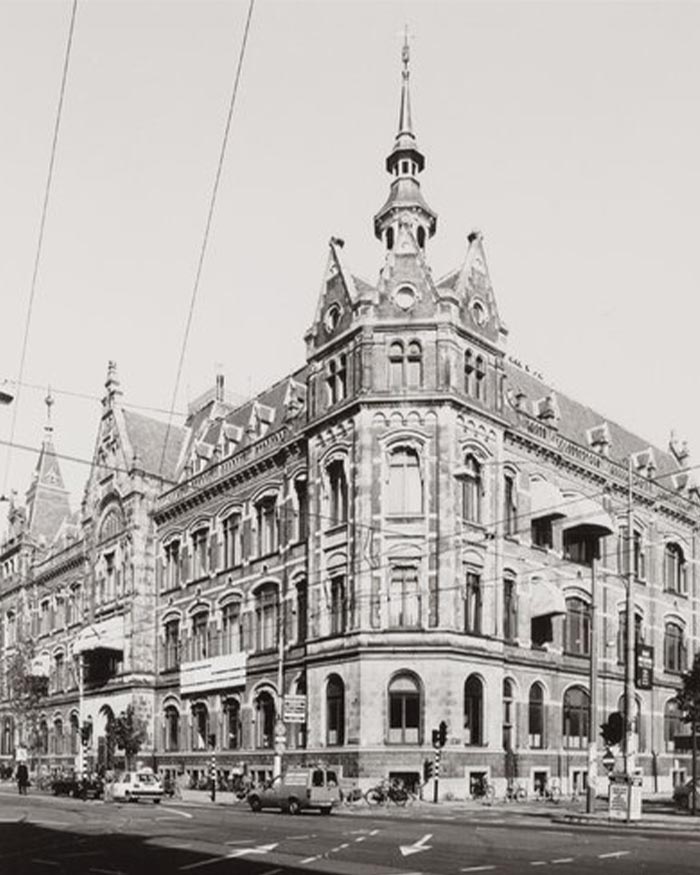
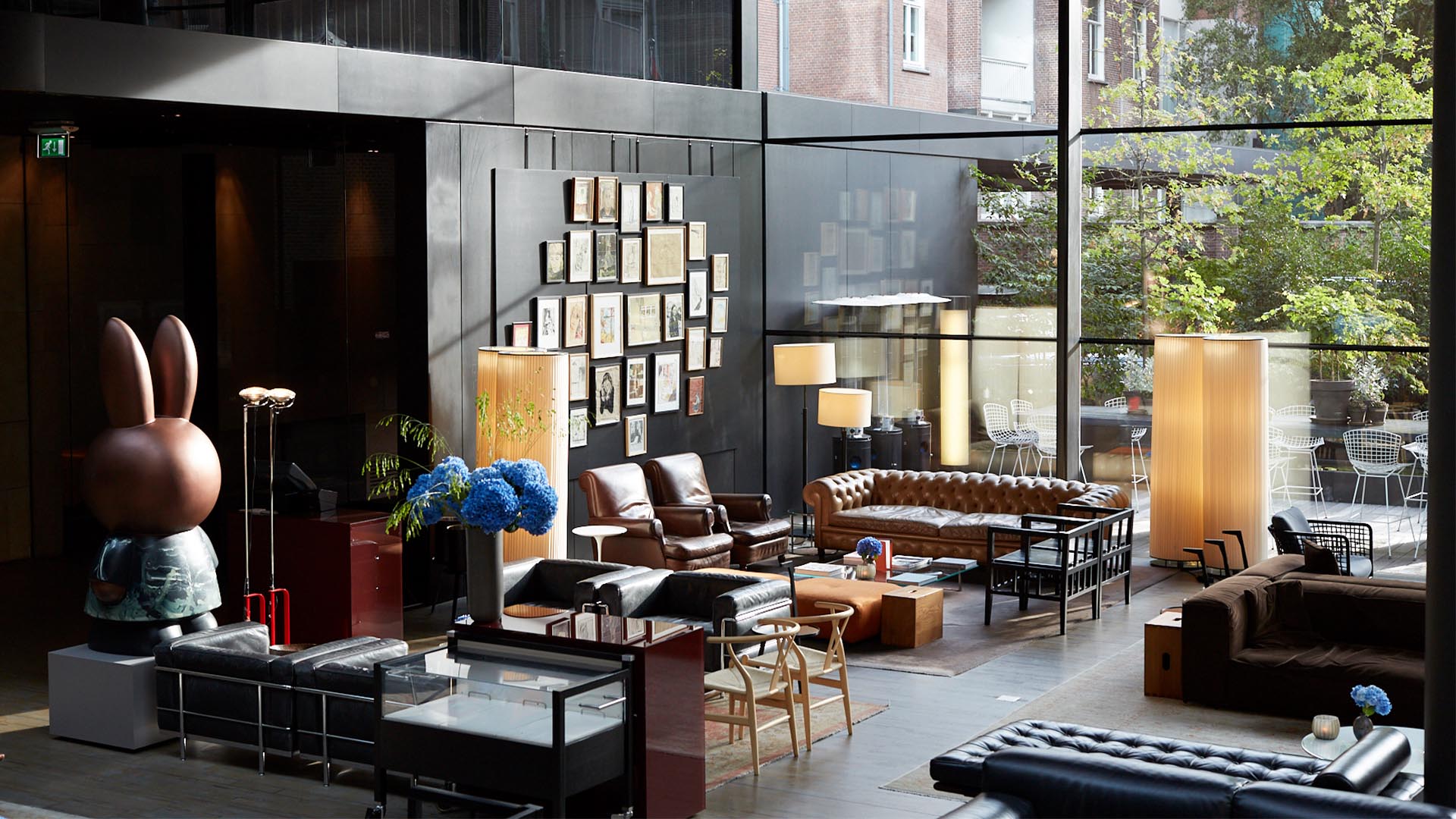
Photo courtesy Mandarin Oriental Conservatorium

The Netherlands and Italy approach architecture differently in instinct, yet share an underlying discipline. Dutch design is shaped by an almost Calvinist respect for structure. Italian architecture, by contrast, is shaped by composition and authorship. Where Dutch architecture builds systems, Italian architecture frames experience. Piero’s intervention does not attempt Dutchness. It does not become expressive or decorative in an Italianate way either. Instead, it introduces authorship into a building originally shaped by administration. 

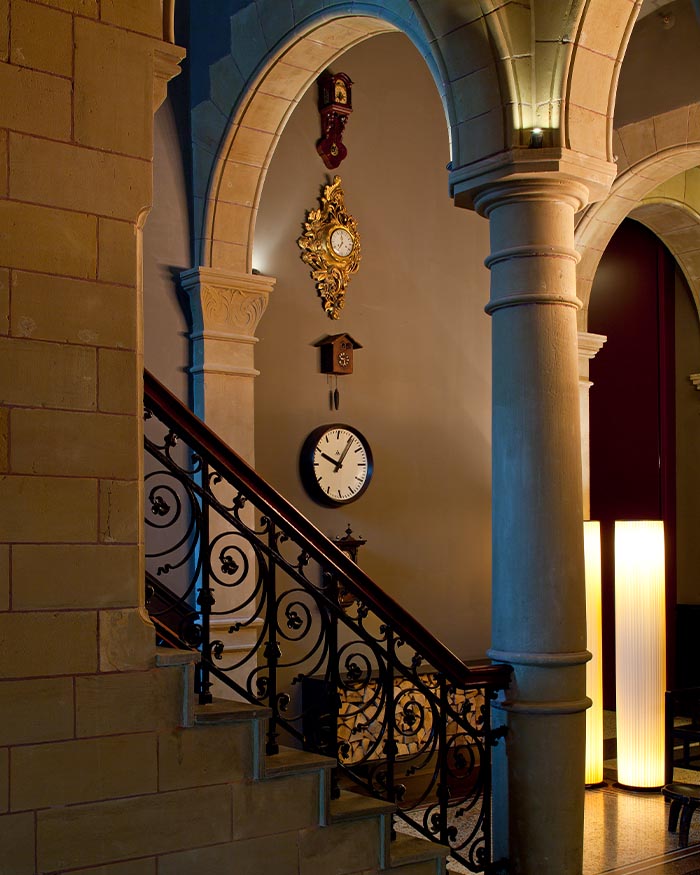
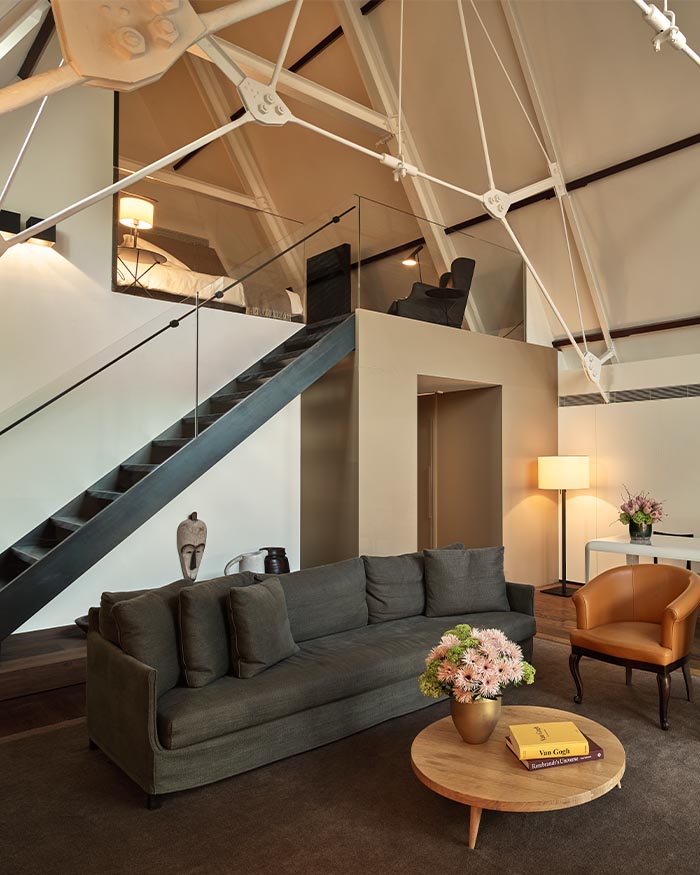
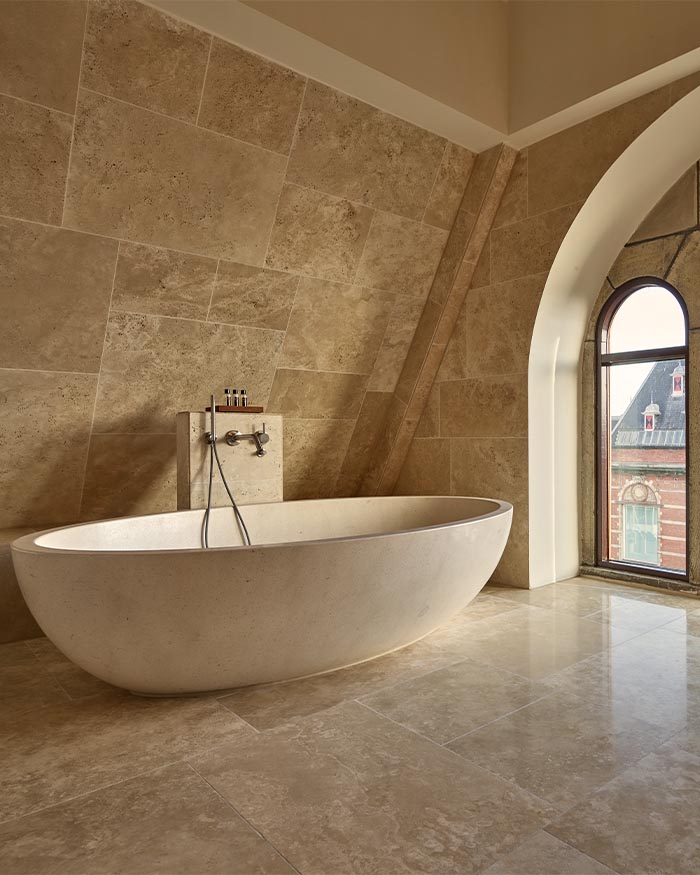
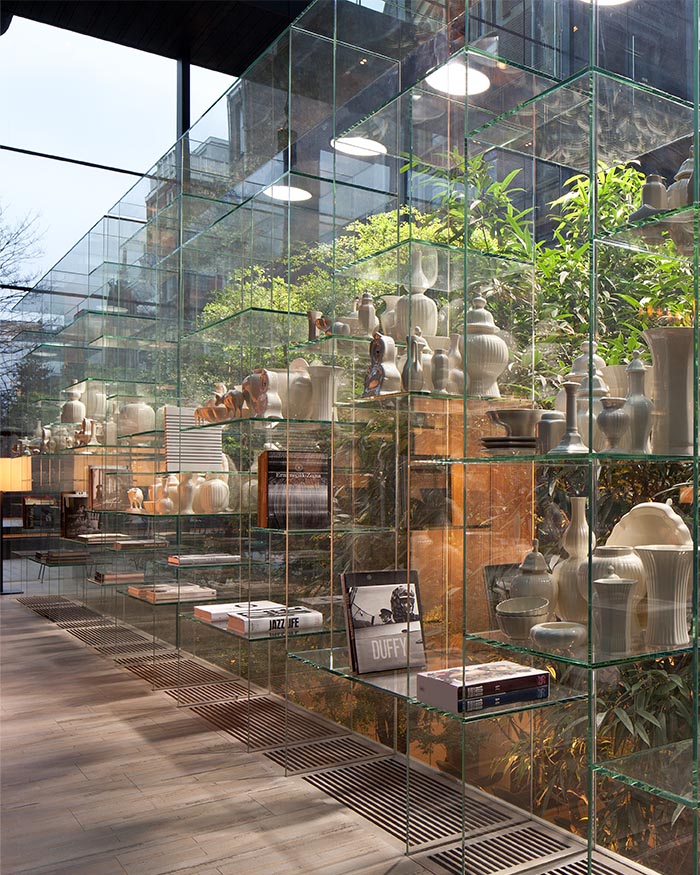
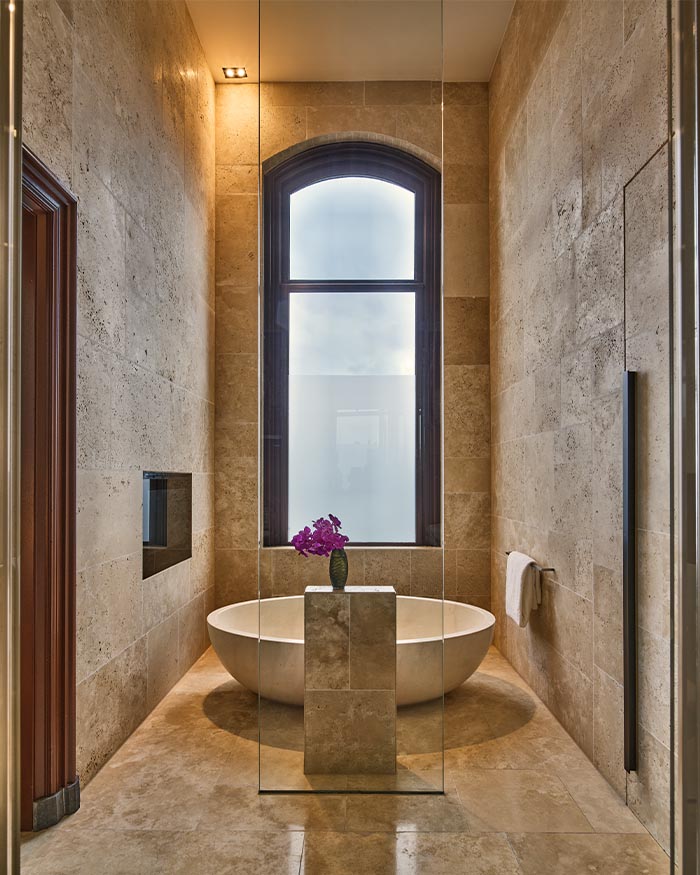
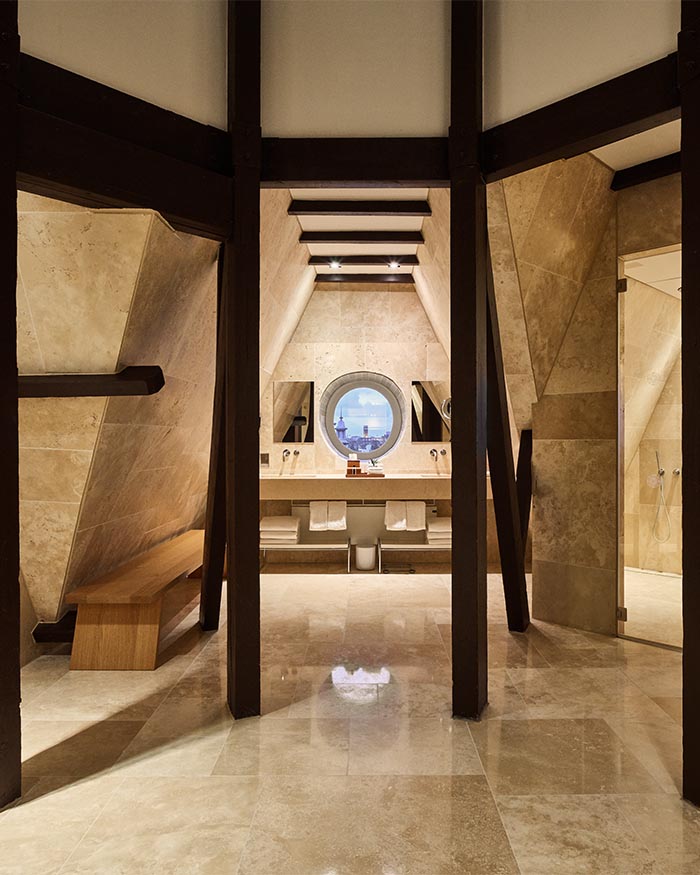
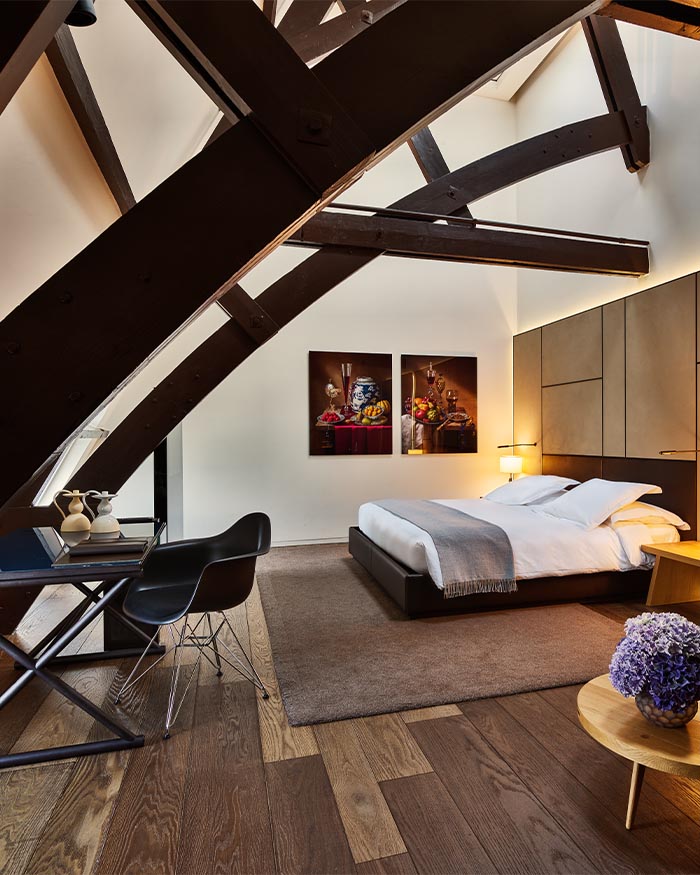
Second, he reworked circulation. Historic buildings often suffer from dead ends and narrow passageways. Piero clarified movement patterns, aligning corridors and opening visual axes. Third, he imposed material discipline. The historic shell retains its brick and stone presence. Against it, Piero introduced stone floors in large, uninterrupted slabs, dark steel detailing and timber planes that temper the institutional scale. With no attempt to mimic the old ornament, the contemporary language is smooth, linear and restrained, and the historic envelope stays legible. This exchange between the Dutch Republic and the Italian city-states is not incidental. In the 17th century, Amsterdam’s rise as a mercantile and financial power unfolded alongside established Italian banking systems and artistic networks. Capital, trade instruments and paintings travelled between ports. Financial knowledge circulated. Both cultures built civic monuments funded by commerce and defined by institutional authority.

Photo courtesy Mandarin Oriental Conservatorium

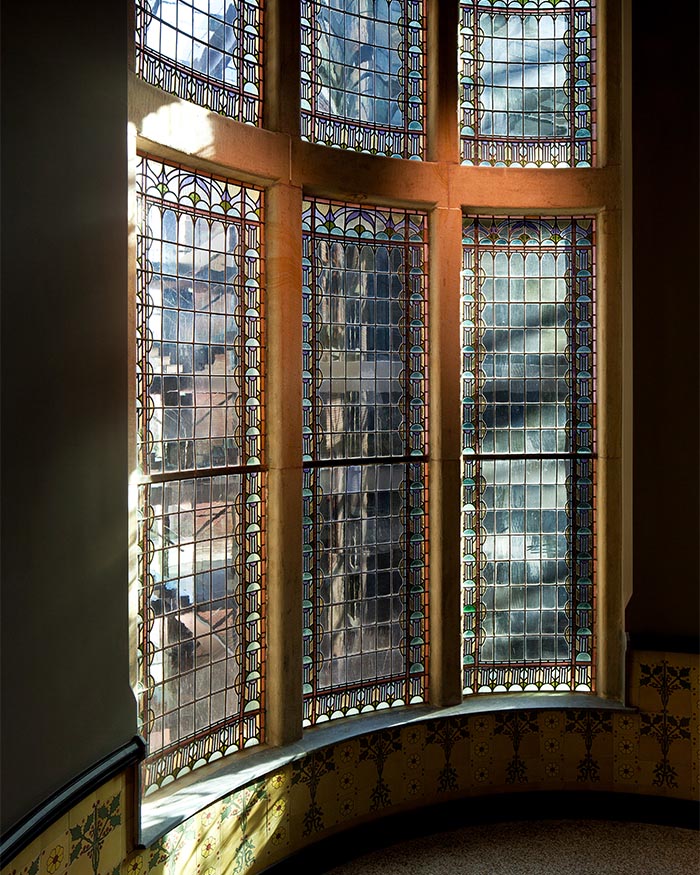
The building’s past as a place of discipline, financial and musical is still present in its bones. Carrying three identities of bank, conservatory and now a hotel, Piero’s contribution lies in the edit. The intervention neither romanticises the past nor asserts dominance over it, a building that has absorbed another chapter without surrendering its character, a continuation that has moved from safeguarding capital, to shaping culture, to hosting global travellers, without losing any of its architectural intelligence.

Read more: The recommended Milan checklist!

Photo courtesy Mandarin Oriental Conservatorium
SHARE THIS ARTICLE

You May Also Like

Watch

No results found.

Search
Close this search box.