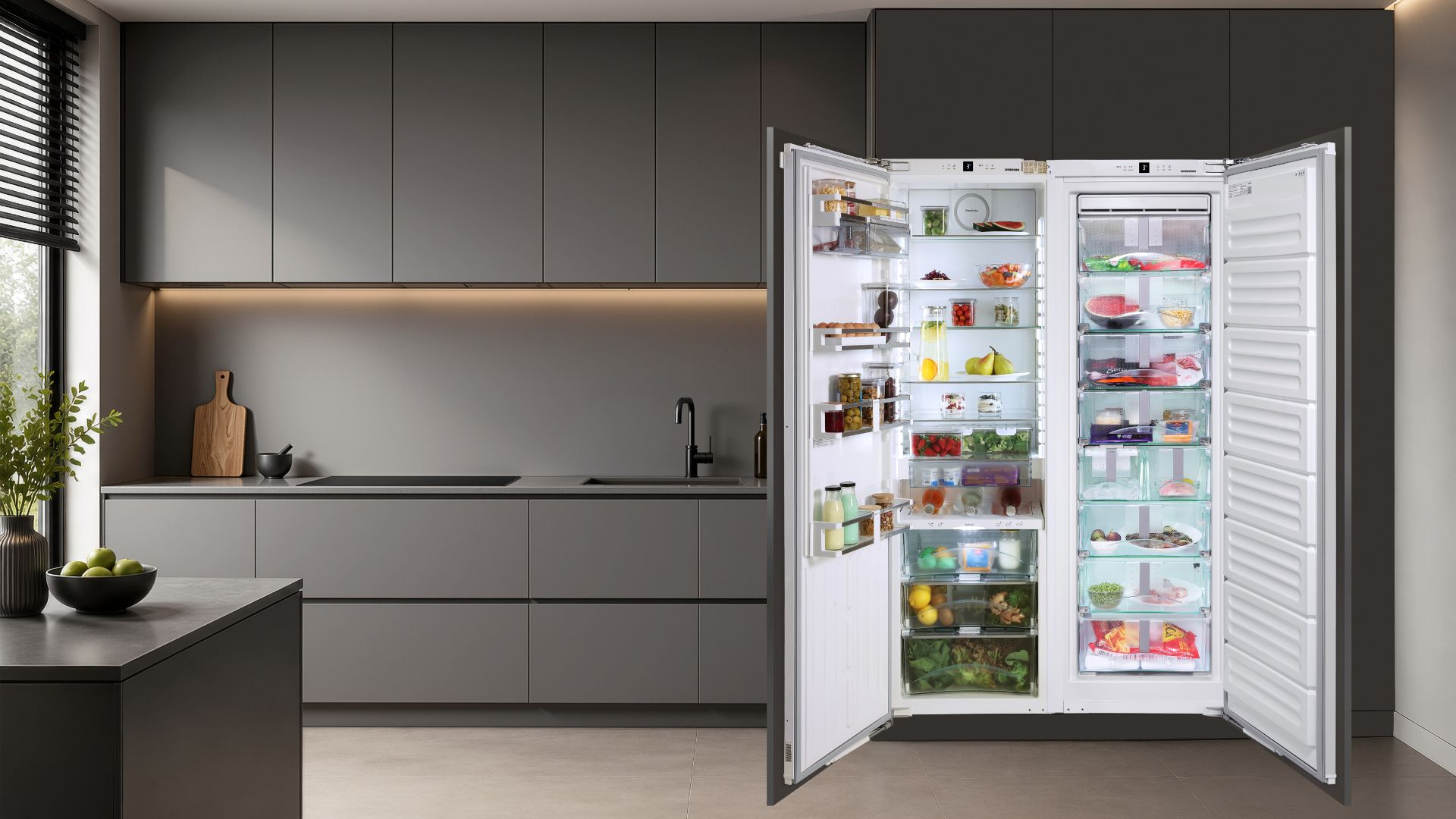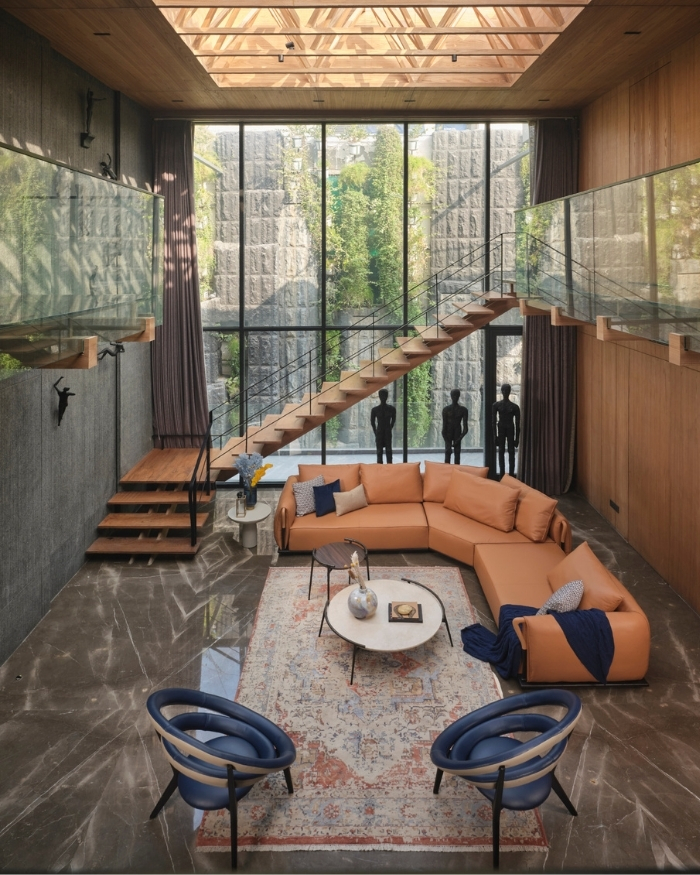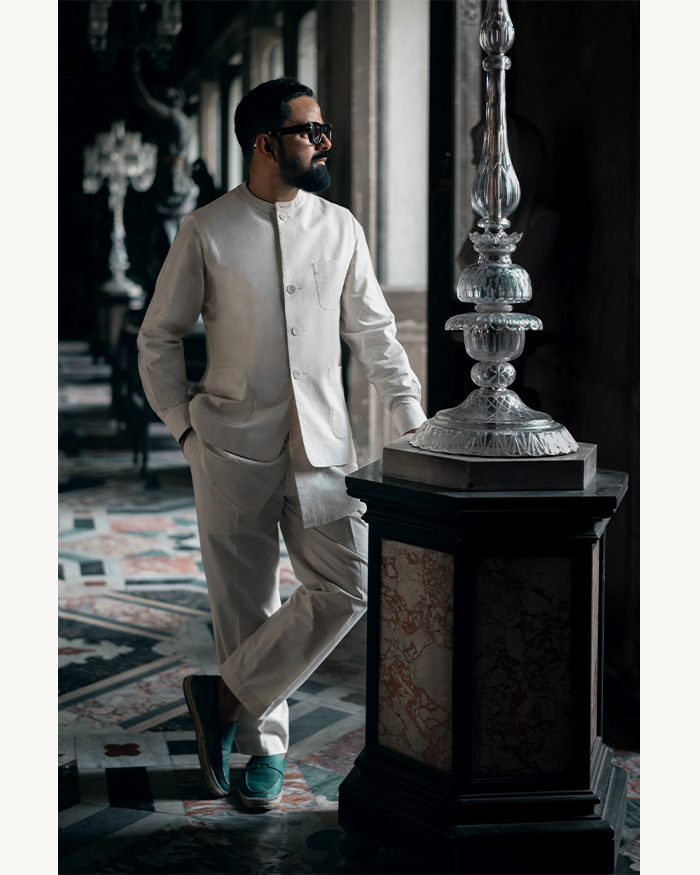
Every beautifully designed home tells a story of careful choices. The warmth of natural wood, the polish of stone surfaces, the precision of bespoke cabinetry and the effortless flow from one room to another all contribute to a space that feels considered. Yet some of the most important design choices are the ones that never announce themselves. That is the idea Liebherr Fully Integrated Refrigerators are built on. They do not operate as visible objects within the room, but as part of the architecture itself.
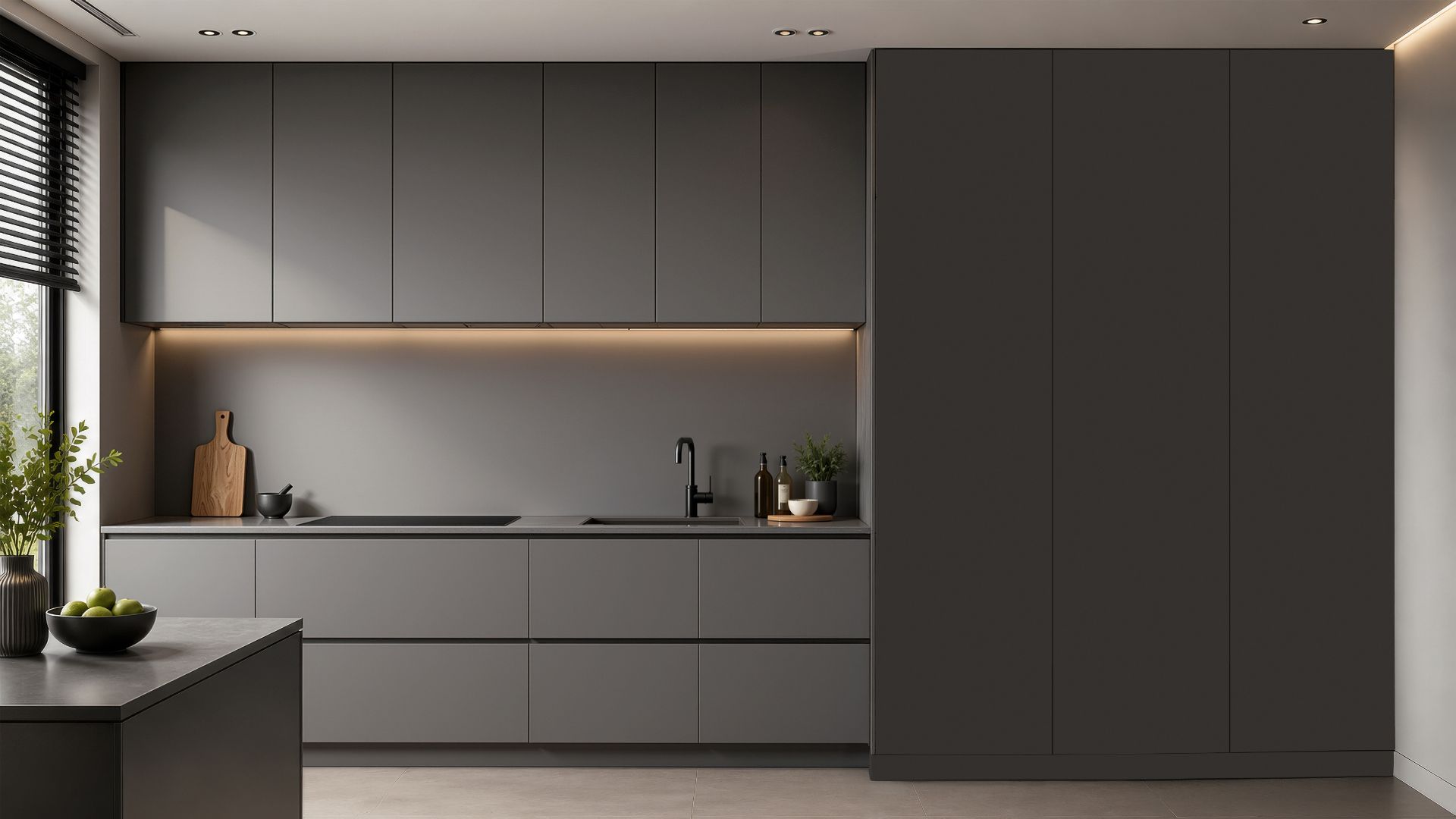
The most refined design is often the least visible. It does not compete with the materials around it or interrupt the rhythm of a space. Liebherr embraces this principle by concealing refrigeration behind cabinetry that blends with the surrounding joinery, preserving the visual language established by architects and interior designers. The refrigerator becomes an invisible architectural layer within the kitchen. Freestanding units and conventional Side-by-Side refrigerators introduce mass and break the continuity of cabinetry, drawing the eye away from the material palette. Liebherr Fully Integrated Refrigerators remove that compromise entirely. The Liebherr unit stays hidden behind matching cabinet fronts, so the sightlines stay clean and the kitchen’s materials and craftsmanship remain the focus.
This approach feels especially relevant in contemporary homes, where the kitchen has moved far beyond its traditional role. As kitchens open into dining areas and living spaces, they are expected to maintain a sense of continuity across the home. Every surface, proportion and finish must contribute to a unified experience, making visual interruptions increasingly difficult to justify. For designers, this creates greater freedom in how a kitchen is imagined.
Whether integrated into a floor-to-ceiling pantry wall, concealed within bespoke cabinetry or incorporated into a kitchen island, Liebherr allows layouts to be shaped around the experience of the space rather than the presence of an appliance. The refrigerator becomes part of the spatial logic of the room, supporting the design without ever competing with it. This is particularly valuable in contemporary modular homes, where openness and flexibility are central to the way people live.