Photograph courtesy India Art Fair

India Art Fair: To see or be seen?

Why do you attend the fair? Attention, value and the act of being perceived while engaging with art

BY

I had three hours before I flew back to Mumbai. Time was of the essence. There was little room for etiquette, and even lesser for pondering longingly at the white walls of the booths. (The latter I hear being the recommended course of action for engaging with art.) In the slew of perfunctory hellos and seeing old friends, how could I cram the most into my first encounter with the much-revered India Art Fair? I did the only logical thing there was to do. Set strict timers and stretch my legs like a pro-athlete. And by 12 pm, I could run the entire length of the Boston Marathon on sheer enthusiasm alone. In the short while I was on the ground, I met a host of people from different walks of life, each with their own views on the IAF (including a well-known kleptomaniac whose identity shall remain redacted).

On a more serious note, my first conversation was with the renowned gallerist Mamta Singhania, founder of Anant Art Gallery. With decades of experience behind her, she sees the fair as an important site for discovering galleries from across the world. From Bangladesh to London, the world had clocked in at what appeared to be the event of the season. Interestingly, before the IAF, my first stop had been her recently opened gallery in New Delhi. While the scale and experience of the four-storey space are unmatched, mindful curation ensures that the booth still offers a well-rounded sliver of what the gallery stands for.  The presentation included the works of Aditya Puthur, Alexander Gorlizki, Arti Vijay Kadam, Dhara Mehrotra, Digbijayee Khatua, Laxmipriya Panigrahi, Nataraj Sharma, Puja Mondal, Sharmi Chowdhury, Temsüyanger Longkumer, Tito Stanley SJ and Vikrant Bhise.

"It is people who occupy more floor-space than the art itself. Taking mirror selfies, making room for conversations and flocking to find the best food. You will find the difference between people who are resisting the urge to touch an artwork and those who feel entitled enough to do so"
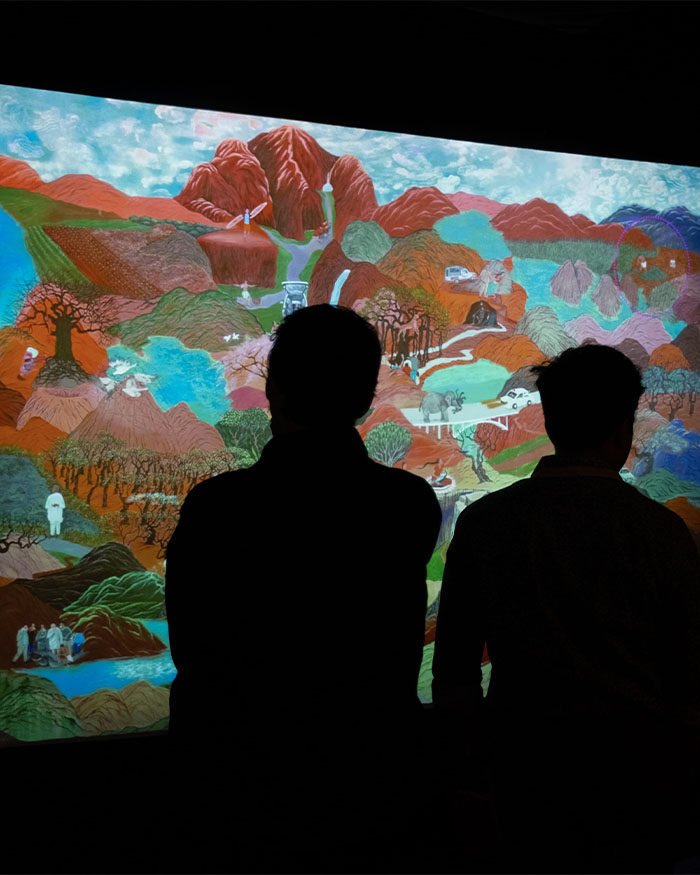
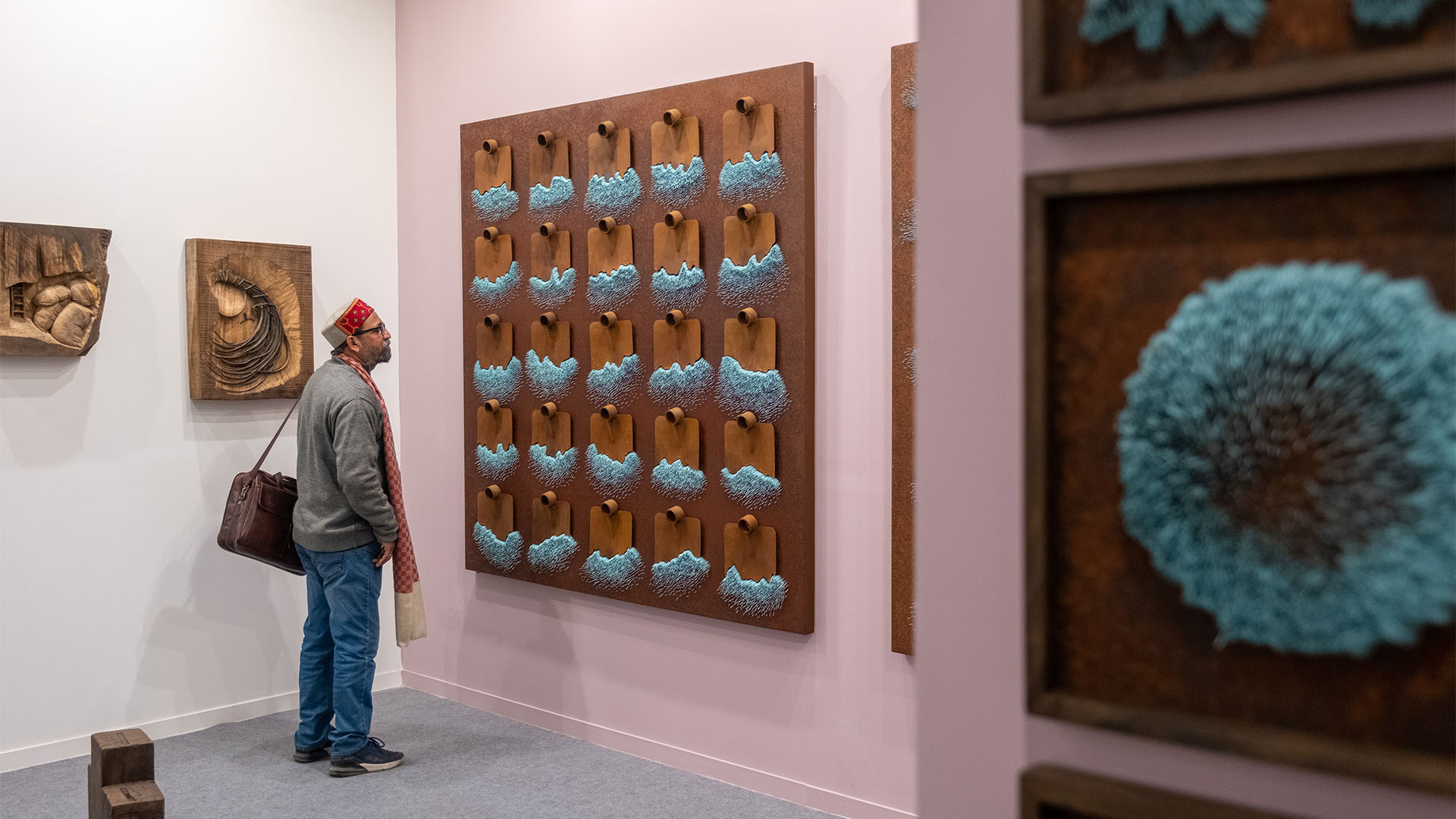
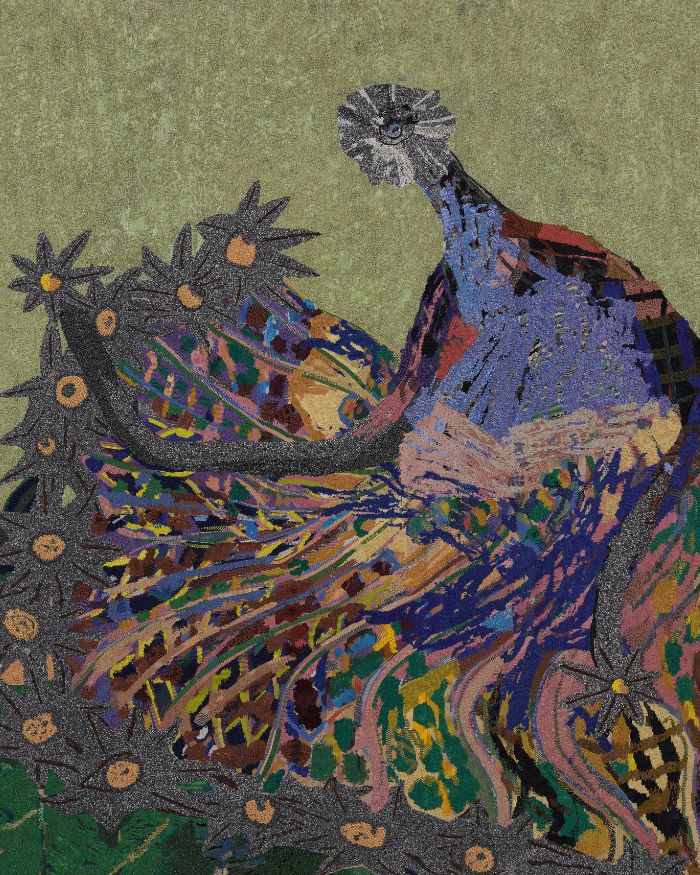
Landbound: Love and Labour curated by Manan Shah at Dhi Contemporary. Artwork by Poorvesh Patel; Photograph courtesy gallery and India Art Fair

Still, first impressions, especially those formed under duress, are unreliable. I deferred instead to my speed-run companion, Rittika Modwel, a PR professional and seasoned attendee. “From a PR perspective,” she said, “the moments that matter to me are the ones that cut through the activity. An artwork, whether at a booth or an installation, or a conversation that holds your attention longer than expected. There is a growing awareness of how work is presented, from material decisions to spatial thinking, and it is becoming increasingly evident.”We zoom past art, squeeze between people, punch out apologies for bumping into them, and are already contemplating lunch. I have no idea where I am or how I got there. “I think the IAF also rewards restraint,” Rittika adds. “You do not need to see everything. In fact, it can get overwhelming. Spending time with fewer works and returning to one or two spaces often reveals far more than attempting to take in the entire floor.” The next stop was Dhi Contemporary displaying artists Arjun Das, Leena Raj, Poorvesh Patel and Sumana Som. Curator Manan Shah points to the an intricate work by Poorvesh Patel populated with brilliant blue filaments, “These copper wires are not glued in but placed carefully by hand into the canvas.” Poorvesh’s practice examines what our societal relationship between land and labour. Before I turn away, an artwork by Arjun Das catches my attention. It is not on the wall, but on the floor of the booth. People walk past its marble fishbone imagery closely resembling a hammer-like tool. In his work, Arjun excavates histories of labour that are rarely acknowledged but are instrumental in the cities we inhabit.

Is it not ironic that we often miss what is not explicitly written on the walls? That we are uncomfortable with interpretations to a degree that we forego them entirely? Is an art fair just a marketplace? There is nothing wrong with that line of thinking, unless one insists on art being entirely divorced from commerce. Art is commercial, whether we like it or not. Yet to reduce the India Art Fair to a marketplace alone would be to undermine the months of thought and effort behind its programming. While sprinters like myself may not fully appreciate these gestures, they remain available to those with the luxury of time. Beyond the fair’s brief duration, IAF continues to post job listings, grants and opportunities on its website. Over the last decade, it has significantly shaped the global perception of South Asian art. But with that stature, however, comes expectations.

If critique is warranted, it must begin with how we internalise value and commodify creativity. Many galleries today, both in their own spaces and at the fair, have done away with the red dots that signal a sale. What does it reveal about our discomfort with patronage? “The art fair model, including the India Art Fair, is not a neutral structure,” notes curator Khushboo Jain. “It is shaped by Western modern and colonial trade logics that prioritise visibility, comparison and circulation over context or duration. While IAF has been crucial in placing Indian art on the global map, it largely operates within an imported exhibition grammar, one that assumes art should be quickly legible, spatially contained and immediately comparable.”

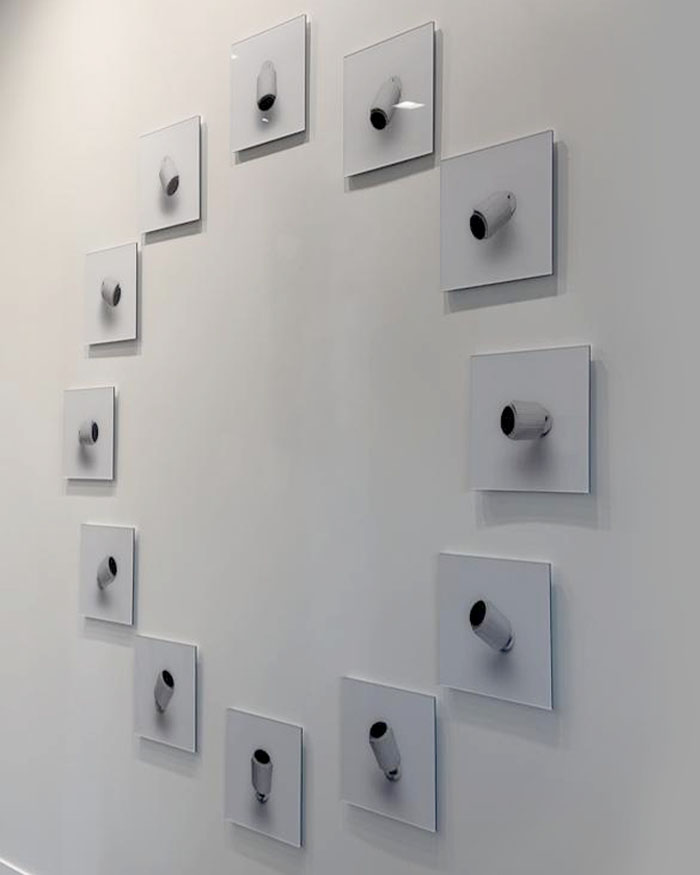
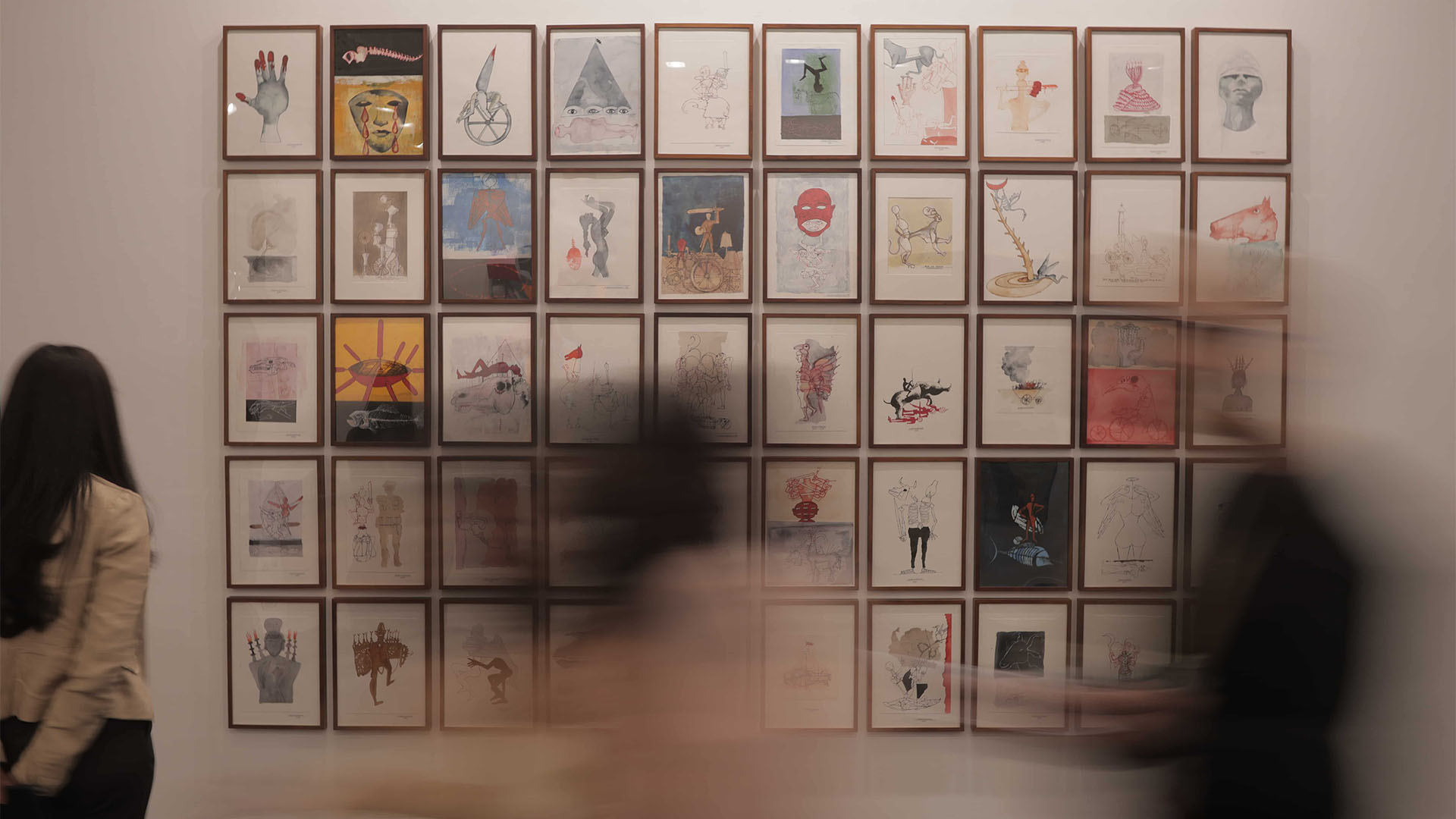
Compound Eyes (2026) by Dia Mehhta Bhupal at GALLERYSKE; Photograph by Namrata Dewanjee
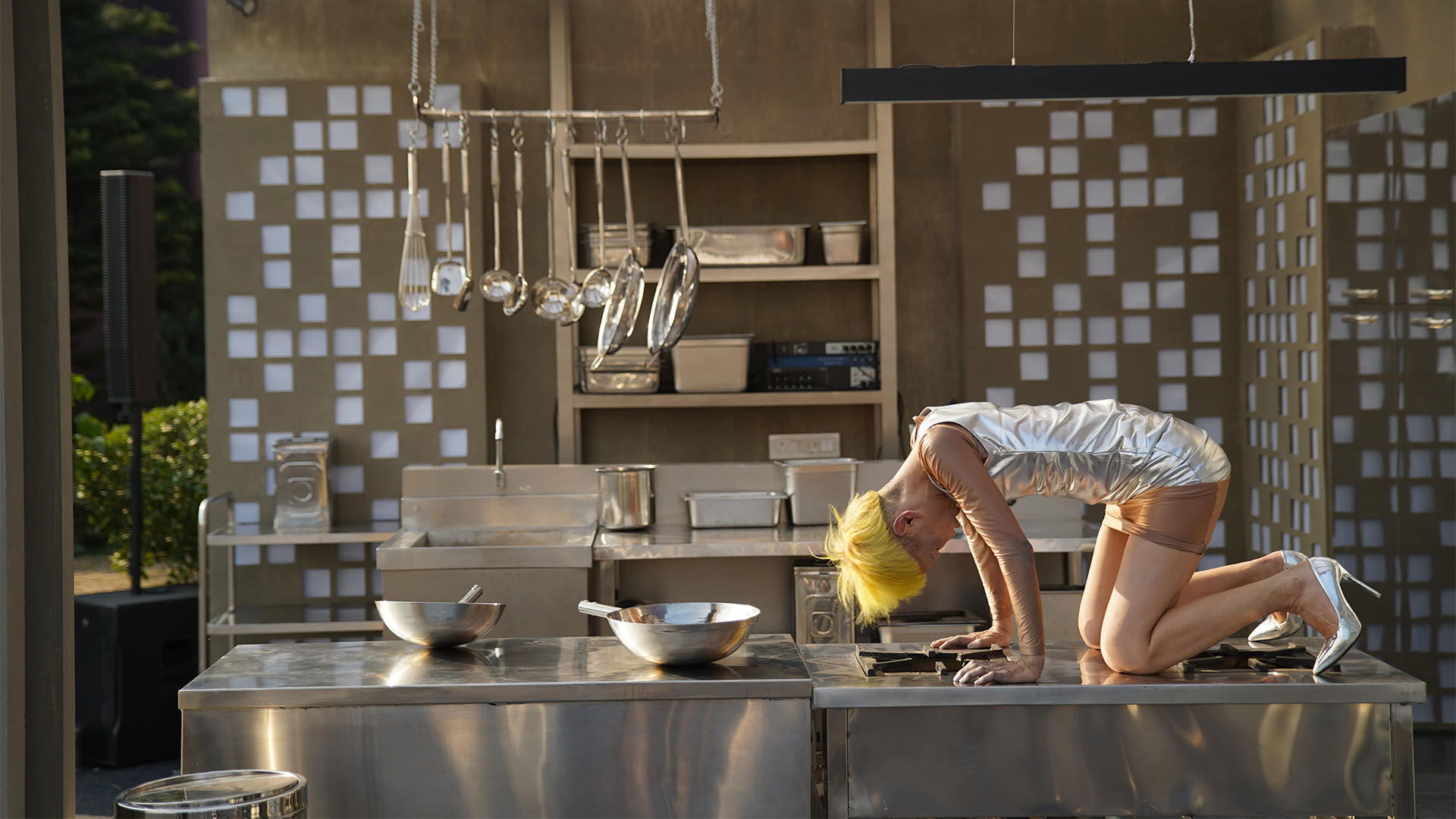
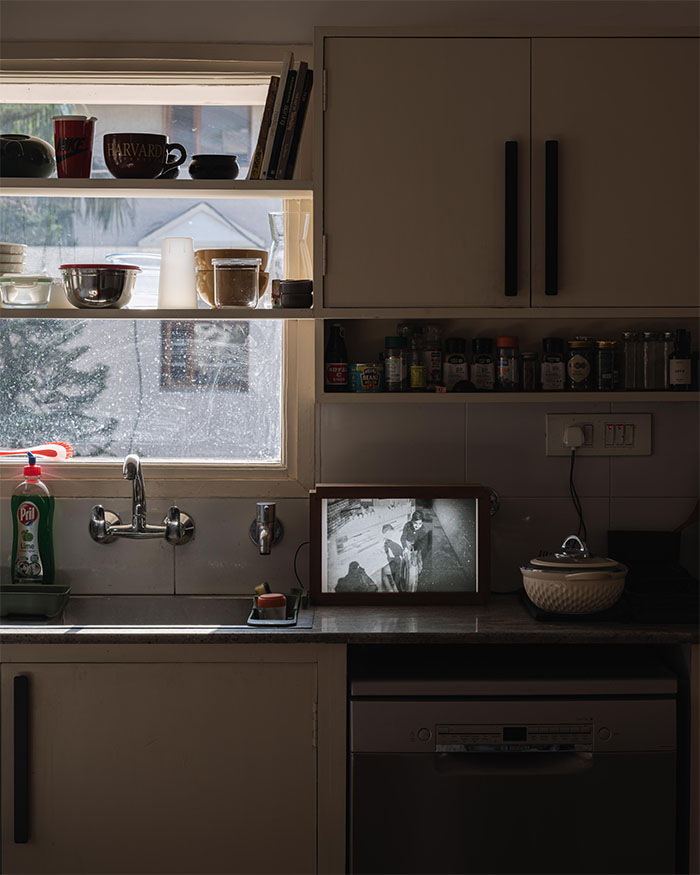
Breakfast in a Blizzard, curated by HH Art Spaces and led by Yuko Kaseki (Japan/Berlin), Uriel Barthélémi (Paris) and Suman Sridhar/Black Mamba (Mumbai). Kitchen Design and Execution: Studio Rawfine; Photography courtesy artist and India Art Fair

Yet within this framework, booths attempt differentiation, sometimes through surface treatments sometimes through architectural deviation. The most curious are those that close themselves off entirely, rejecting the open plan in favour of immersion. But immersion at what cost? “Art is not meant to be apprehended instantly or in isolation,” Khushboo tells me, “Seeing is relational, recursive and time-based. Meaning emerges through return, proximity and sustained attention. The fair’s cubicular structure and emphasis on speed work against this. What needs rethinking is not scale or commerce, but tempo and form. The question is whether the fair can create conditions for slowness, continuity and layered engagement, rather than forcing all practices into a single, Western-derived mode of display.”

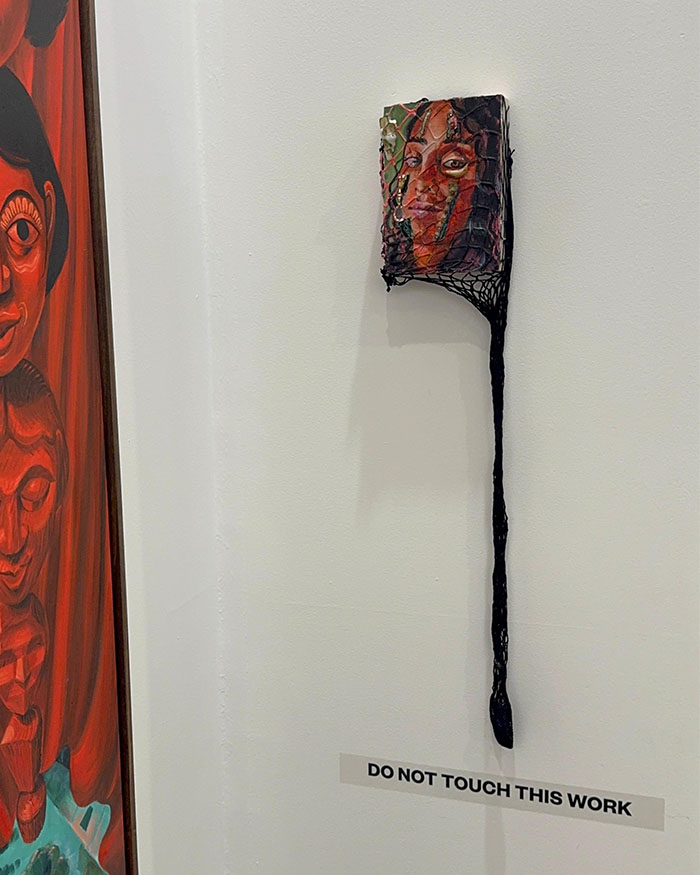
The IAF, however, does not just cater to collectors but to an audience that is far-reaching, including enthusiasts who have not been trained academically in how to approach an artwork. If we were to understand the structure of the fair, it should start with people. After all, it is them who occupy more floor-space than the art itself, but are seldom considered as a part of the art fair itself. Taking mirror selfies wherever possible, making room for conversations, scouting for a smoking zone and flocking to find the best food. You will find the difference between ones who are resisting the urge to touch an artwork and those who feel entitled enough to do so. People, unsurprisingly, are just people. And the boundaries which pervade our society outside the fair, inconspicuously make their way onto the ground itself. But at the Changing Charpai commissioned by Serendipity Arts Festival, curated by Ayush Kasliwal and Ramayudh Sahu, people inhabit the artwork without inhibitions. We were all catching our breath after a collective marathon. Between rumours and gossip, we exchange power banks and chargers. A close distance away, within an installation, a performance is underway. Breakfast in Blizzard is set inside an open-air kitchen, constructed to host but never serve food. Artists offer other forms of nourishment, meant to be enacted rather than eaten. Curated by HH Art Spaces and led by Yuko Kaseki, Uriel Barthélémi and Suman Sridhar, also known as Black Mamba, the programme brings together intersecting practices that collapse the distinction between observer and participant. The irony is not lost on us as we watch the performance while indulging in lunch in the Delhi spring. We were all, afterall, in a performance of our own. The art of being seen, caught in the act of seeing.

Read next: Across the high and low, how ordinary life appropriates public spaces

Artwork by Gisela Charfauros McDaniel at Rajiv Menon Contemporary; Photograph by Namrata Dewanjee
SHARE THIS ARTICLE

You May Also Like

Watch

No results found.

Search
Close this search box.