Architecture is at its best when it holds on to old meanings while making room for new ones.
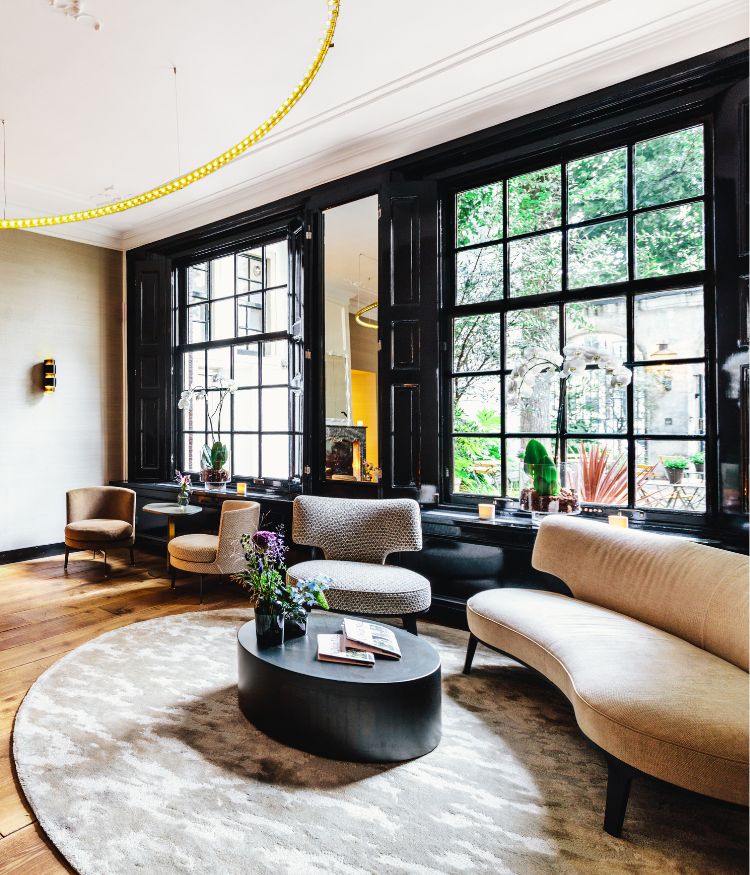
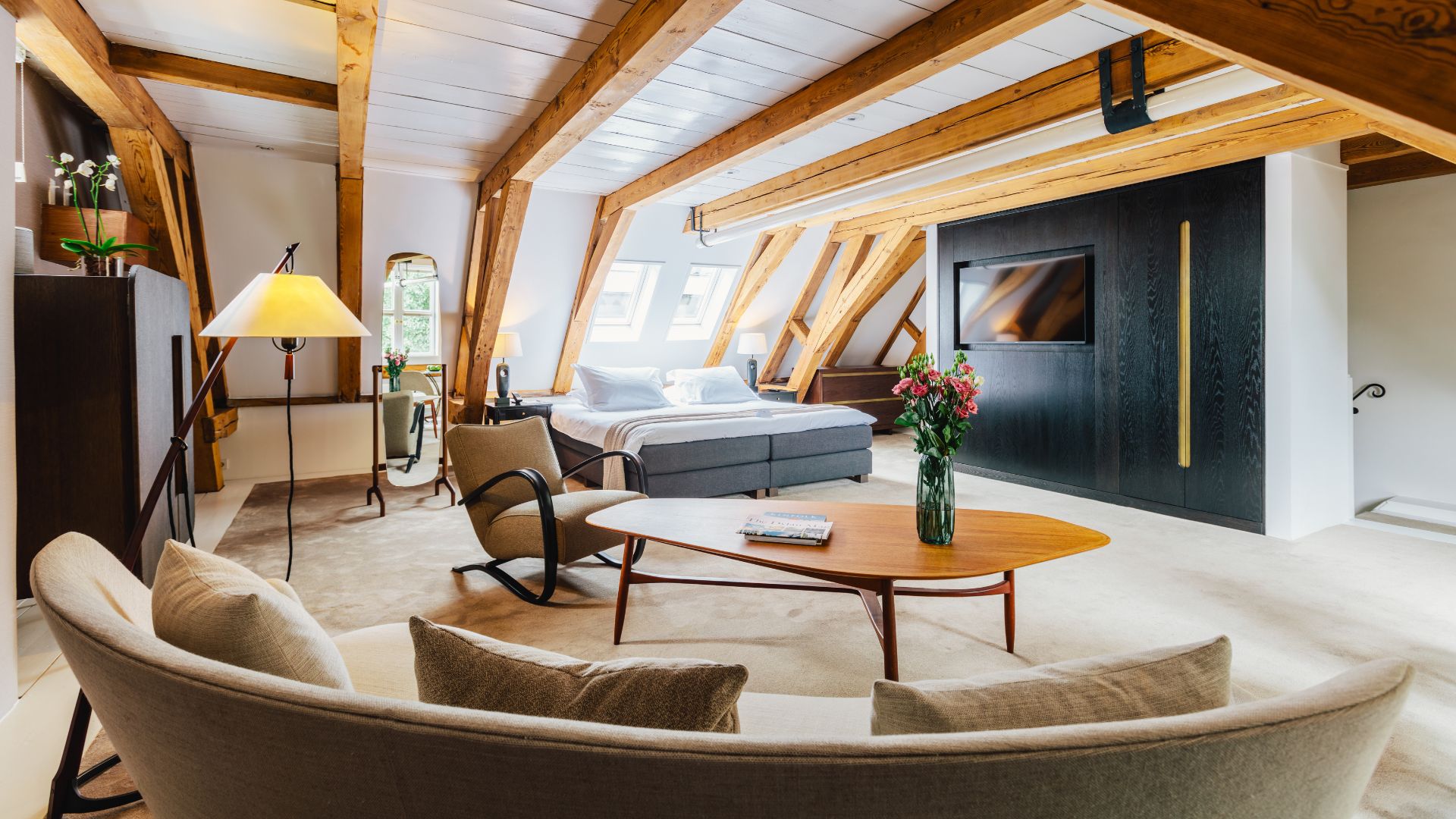
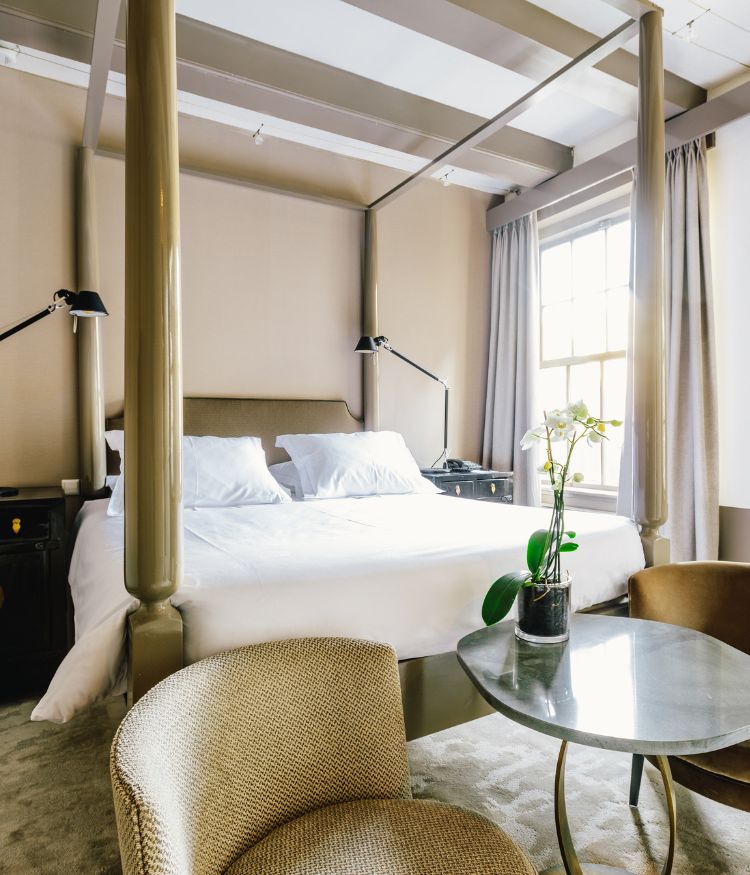
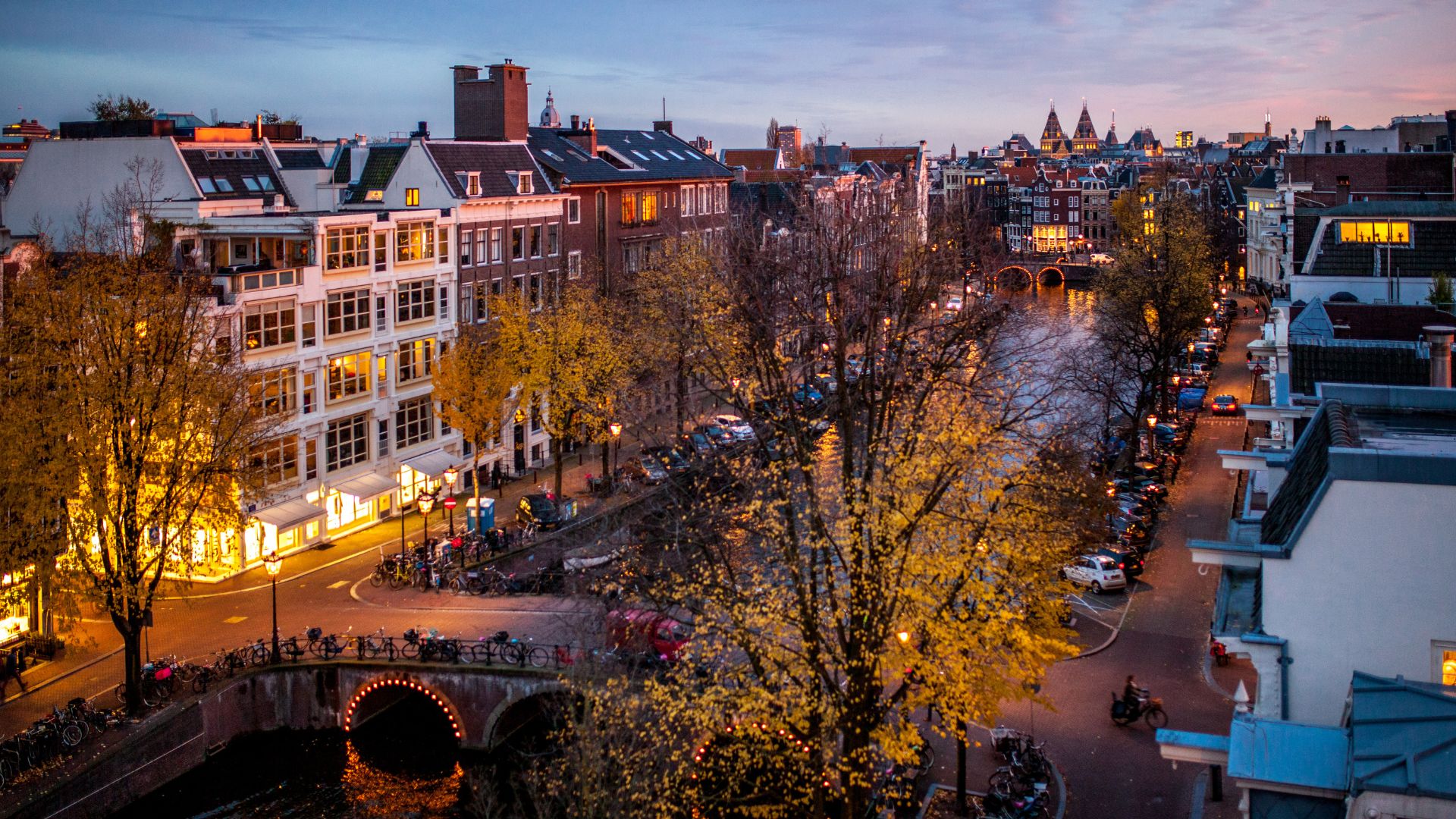
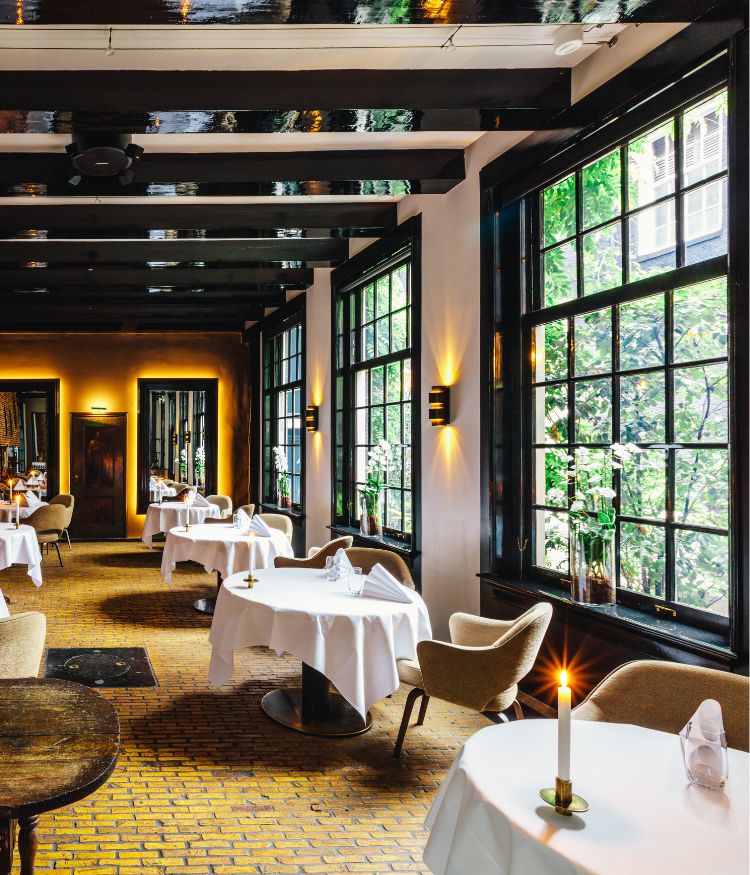
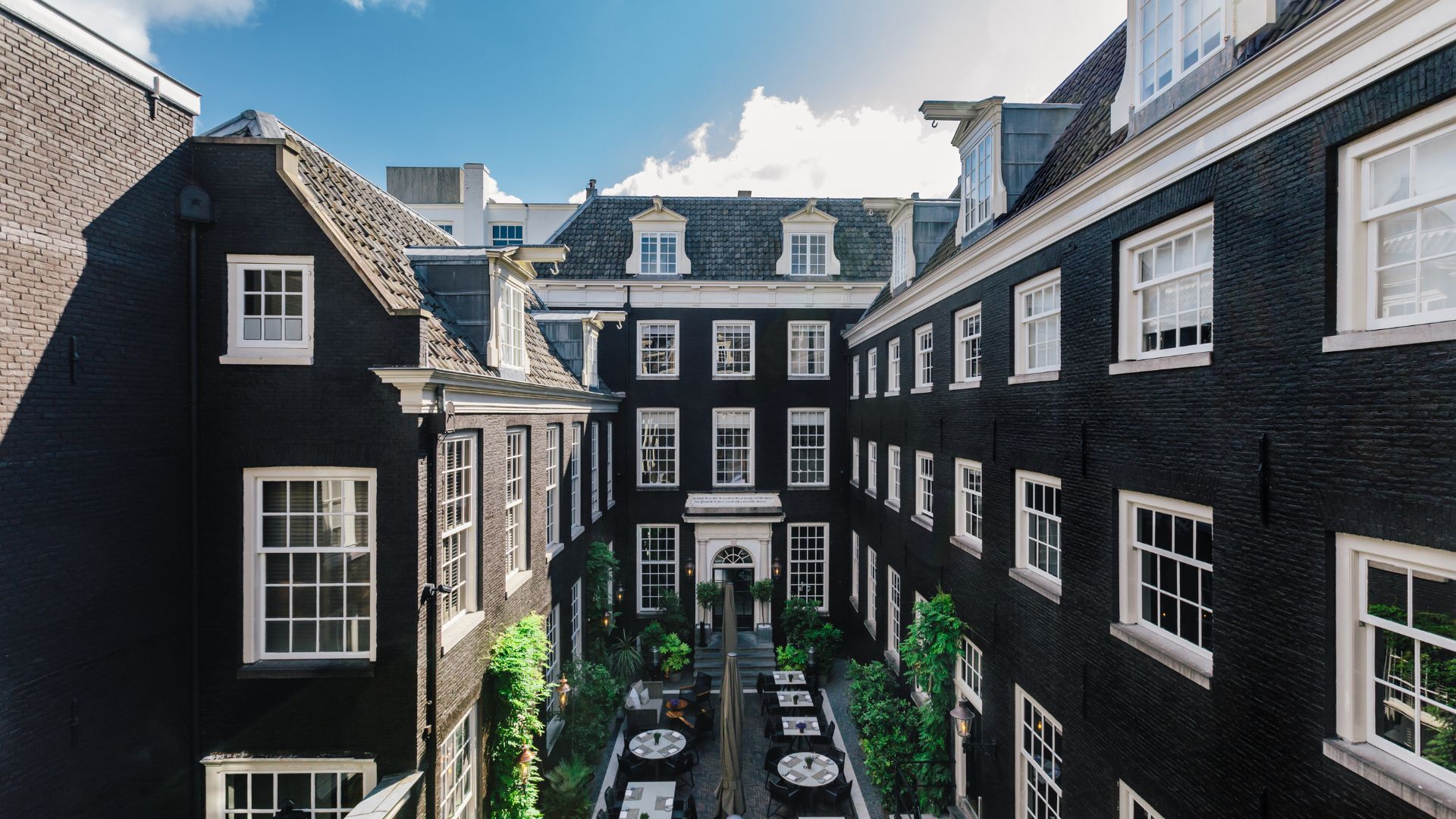
How do you preserve architectural heritage without turning it into a shrine? How do you run a serious hotel in a city centre without flattening it into a shorthand for global luxury? The Dylan Amsterdam on Keizersgracht 384 solves a version of this problem that many historic cities grapple with.
Long before it became a boutique hotel, this locale held Amsterdam’s first permanent stone theatre, the Amsterdamse Schouwburg, which opened in 1638 on the Keizersgracht. The building is associated with architect Jacob van Campen, whose design drew on Italian theatre ideas, and with playwright Joost van den Vondel, who wrote Gysbreght van Aemstel for its inauguration. The Stadsarchief still notes that Vondel’s line about ‘the world as a stage’ can be read above the gate at Keizersgracht 384. “De wereld is een speeltoneel, elk speelt zijn rol en krijgt zijn deel,” translate to, “The world is a stage. Everyone plays their part and gets their share.”