the telegraph hotel tbilisi

I stayed inside a Soviet-era post office

Georgia’s hottest new hotel: EDIDA winner Neri&Hu restores a landmark with nine restaurants and a wine library inside

BY

There I was, breaking Georgian bread and dunking it into warm chicken soup, solo inside a hotel that once dispatched public mails and telegrams..

Tbilisi is not a city that rushes to impress you. It leaves the discovery up to you; as you like, when you like, between its abundance of Soviet-era buildings, graffiti walls, balconies laden with colourful laundry, orthodox churches, ornate period-style theatres and cultural centres, pomegranate trees, troops of friendly street cats, antique flea markets, lanes dotted with pubs and wine bars, sulfur bathhouses, concealed underpasses, cable cars, the (Mtatsminda) mountains and more. And so, between arriving and settling into the city for the opening of The Telegraph Hotel, which was once a Post & Telegraph building in the 1960s’ Soviet Georgia, I soon realise that first impressions are rarely final.

We often carry a somewhat imagined reality for destinations we have yet to see. This imagination either comes alive or disappears once we really visit the place, peeling off a reality both familiar and unfamiliar. Travelling to Tbilisi is such. What I had once heard and later confirmed on the map — Georgia’s geography shares not one but two continents, privy to a dual identity of being West Asian as well as Eastern European. 

“Our transformation and the transformative intervention (of the hotel) is not an act of restoration but a critical reinterpretation”

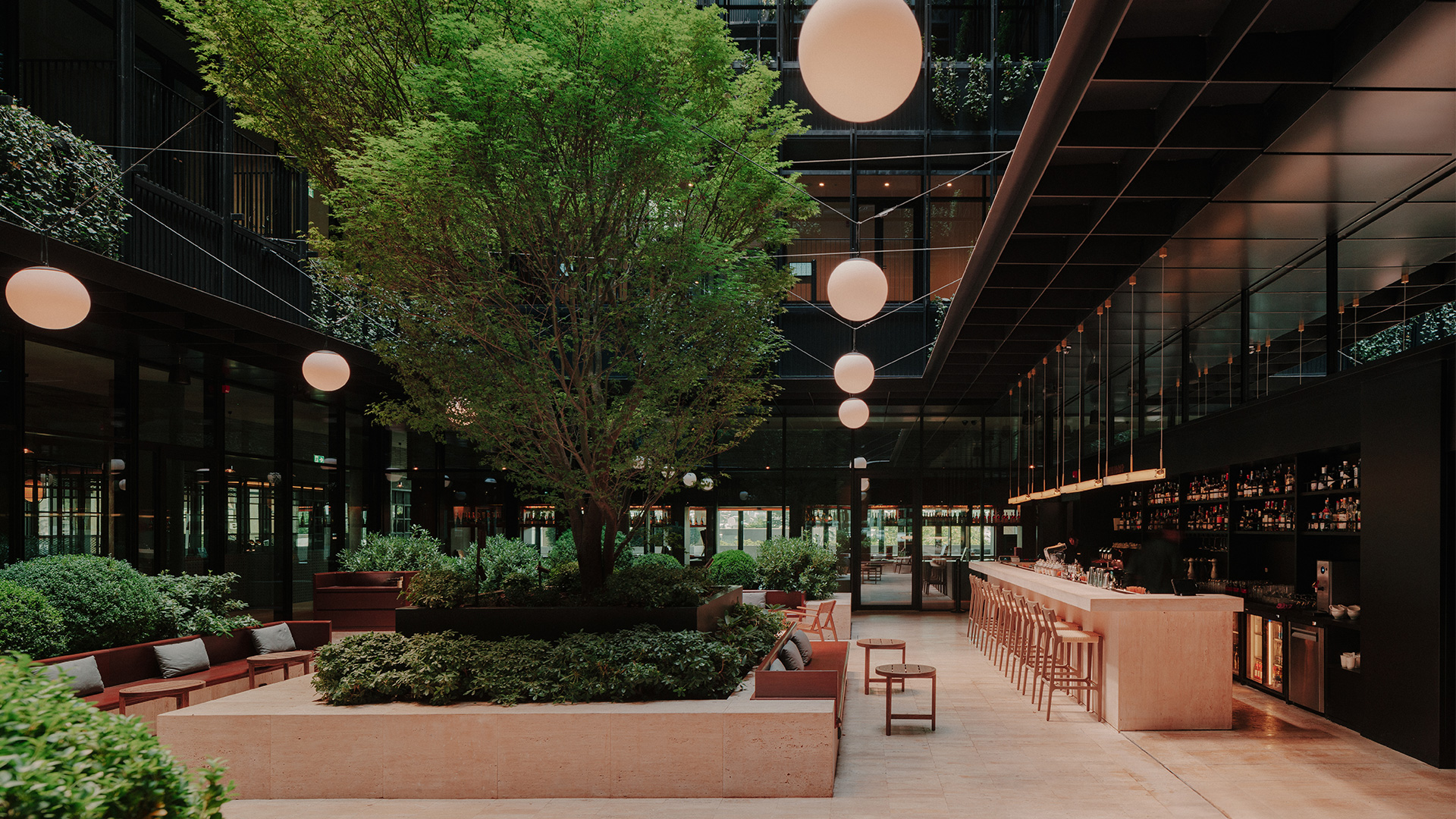
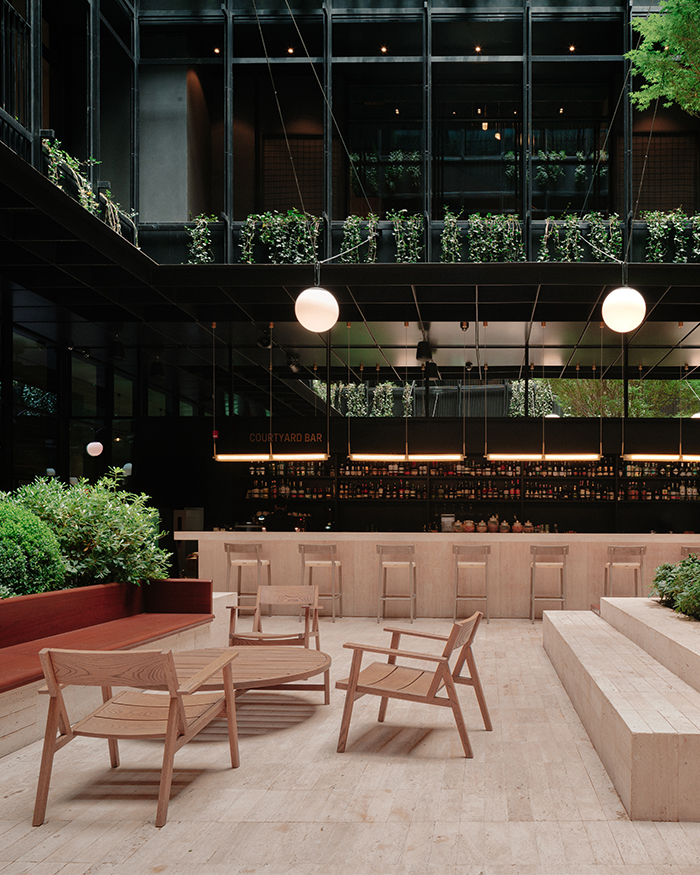
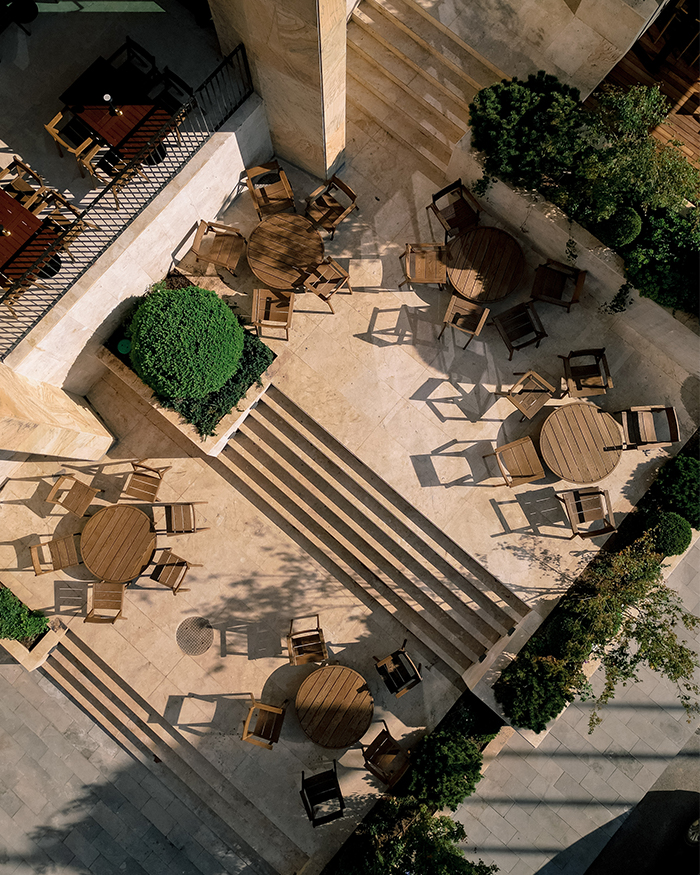
The Courtyard folds in a bar dotting its right periphery inside The Telegraph Hotel

A land of landmarks

A part of the USSR until ‘91, my first impression of Tbilisi (and Georgia) upon the airplane landing amidst a pastoral land with the mighty Caucasus mountains in the backdrop was that of a destination, bucolic and vernacular. But turns out, Georgia, once a critical Silk Road pitstop, has perfected the art of transformations and improvisations.

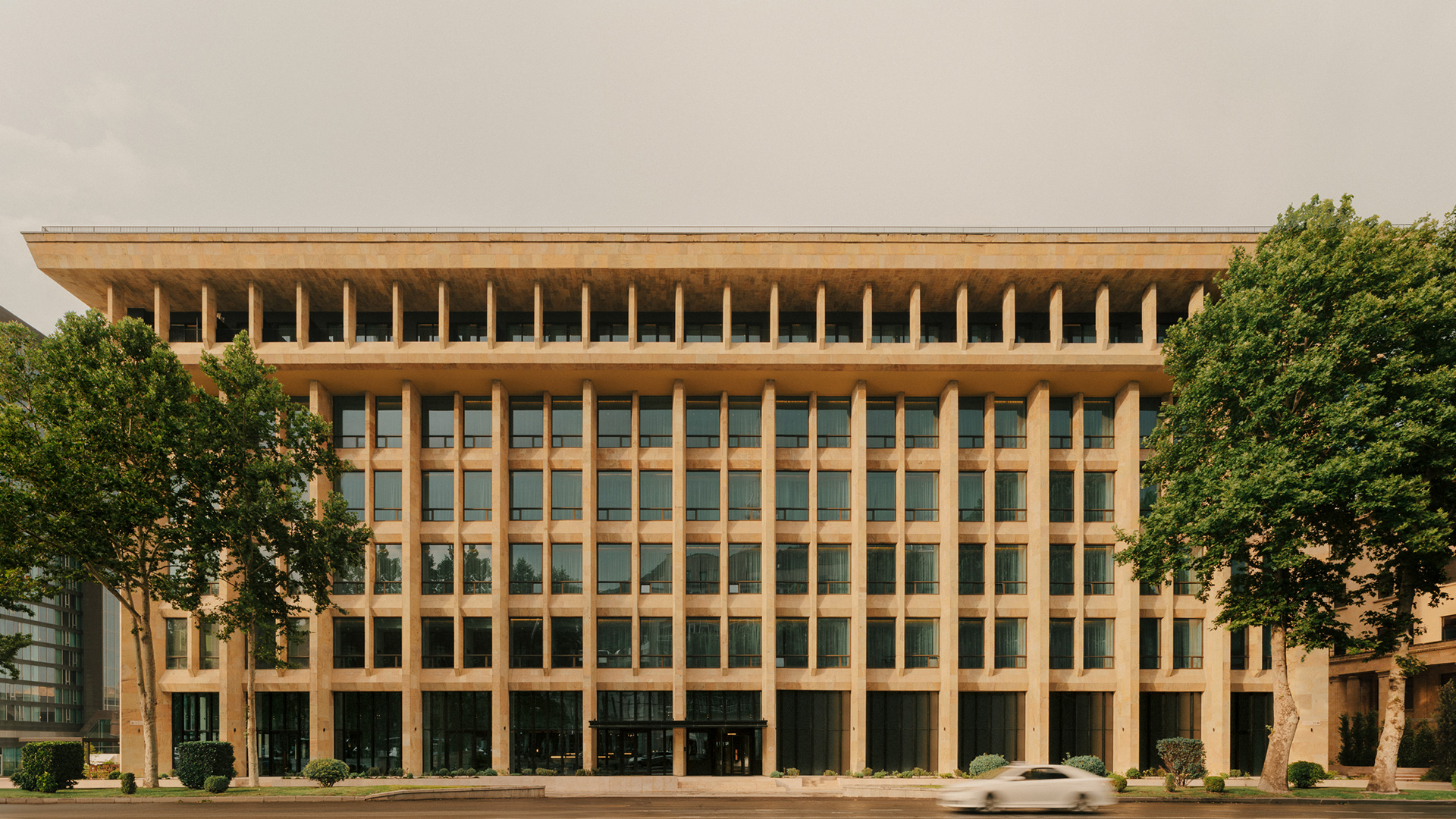
The Telegraph Hotel restored by Lyndon Neri and Rossana Hu of Neri&Hu (former EDIDA winners) is a convincing proof of this. A member of The Leading Hotels of the World with 239 rooms and rooftop suites, it is centrally located in the historic Rustaveli Avenue (named after Georgia’s mediaeval national poet Shota Rustaveli). Masked amidst an urban current, it stands tall within a walking distance of prime landmarks like the Parliament of Georgia, the Supreme Court, Opera and Ballet Theatre, the National Museum and Freedom Square; all a leisurely stroll away. Truth be told, Tbilisi is a reasonably pedestrian-friendly city, only cut through by the Kura River. On the other end of the river lies the old city with sulphur baths, vintage flea markets and the famous Holy Trinity Cathedral, connected by The Bridge of Peace, a stellar bow-shaped steel and glass construction on the river, accessed by pedestrians only. 
The Telegraph Hotel Tbilisi room
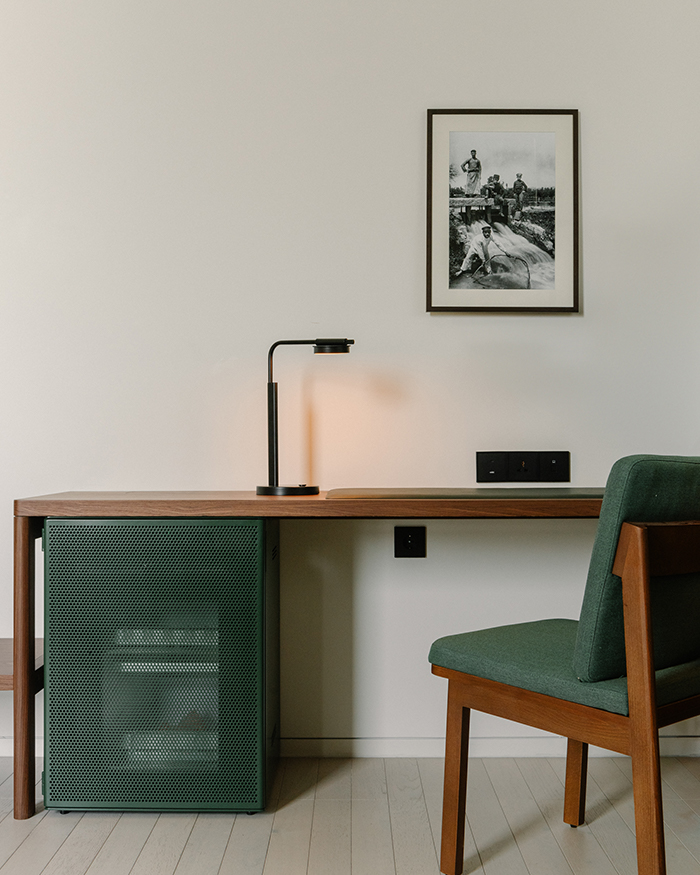
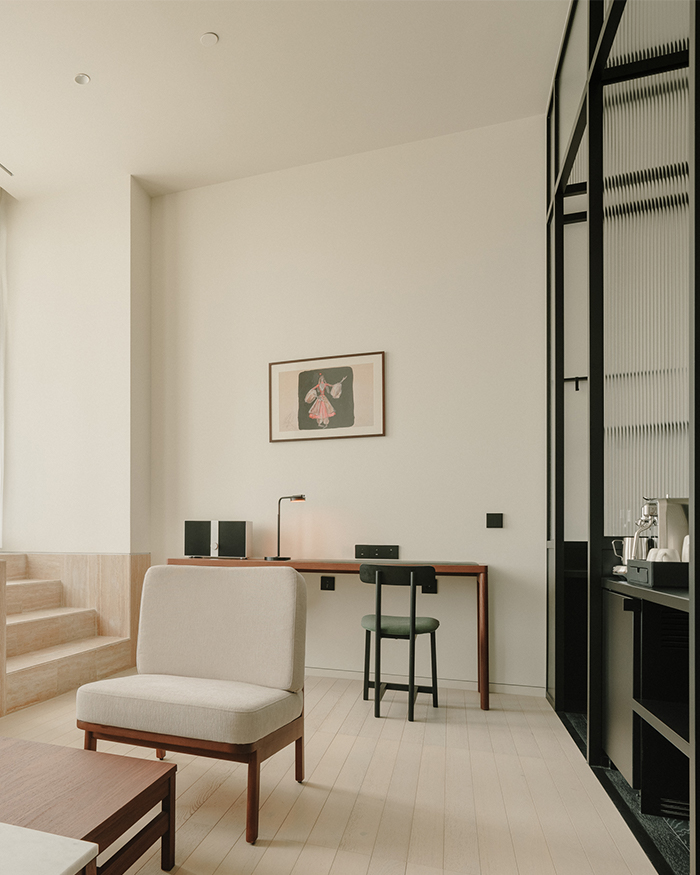
A utilitarian yet snug study poses inside The Telegraph Hotel's room
The Telegraph Hotel Tbilisi room
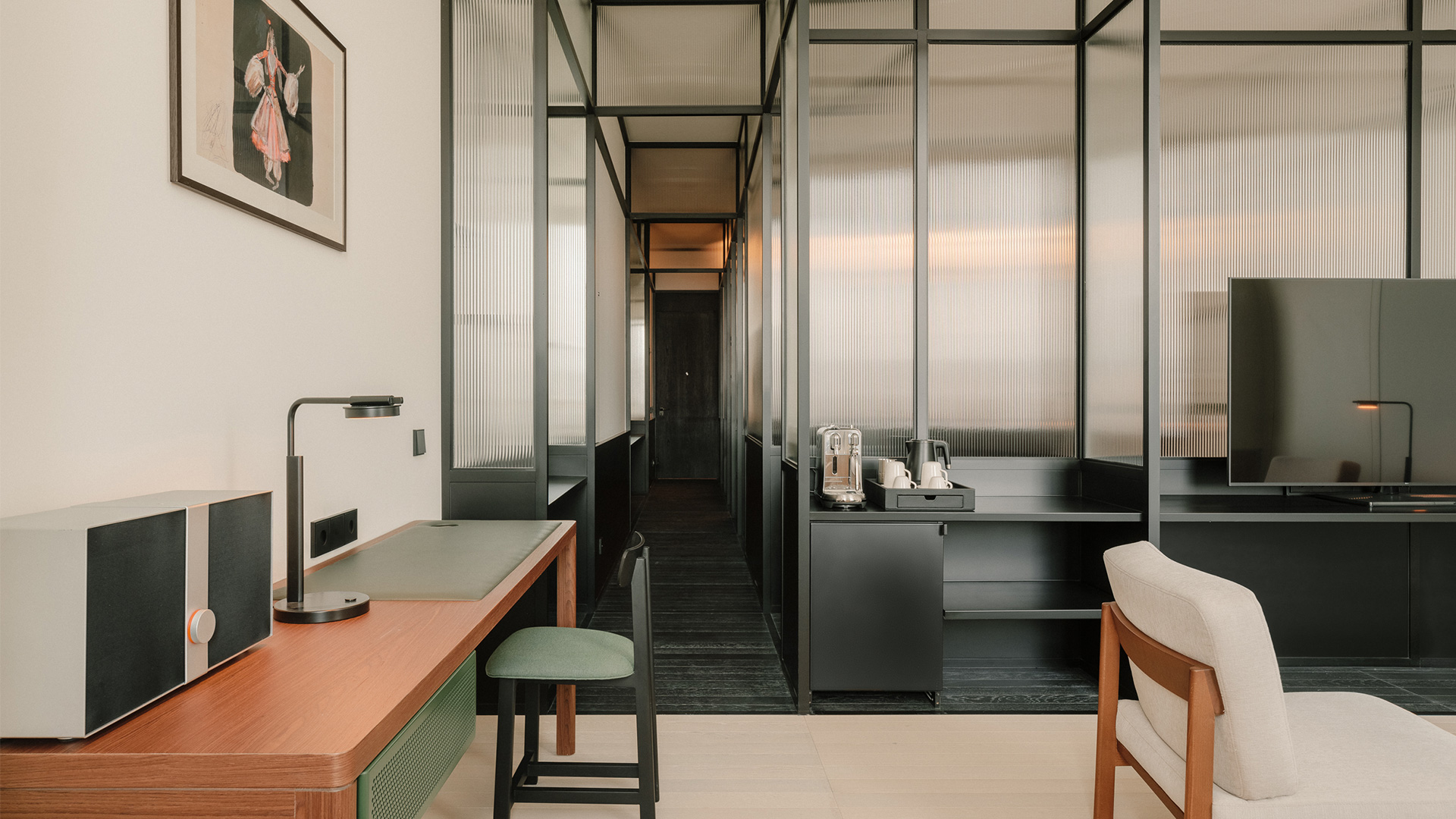
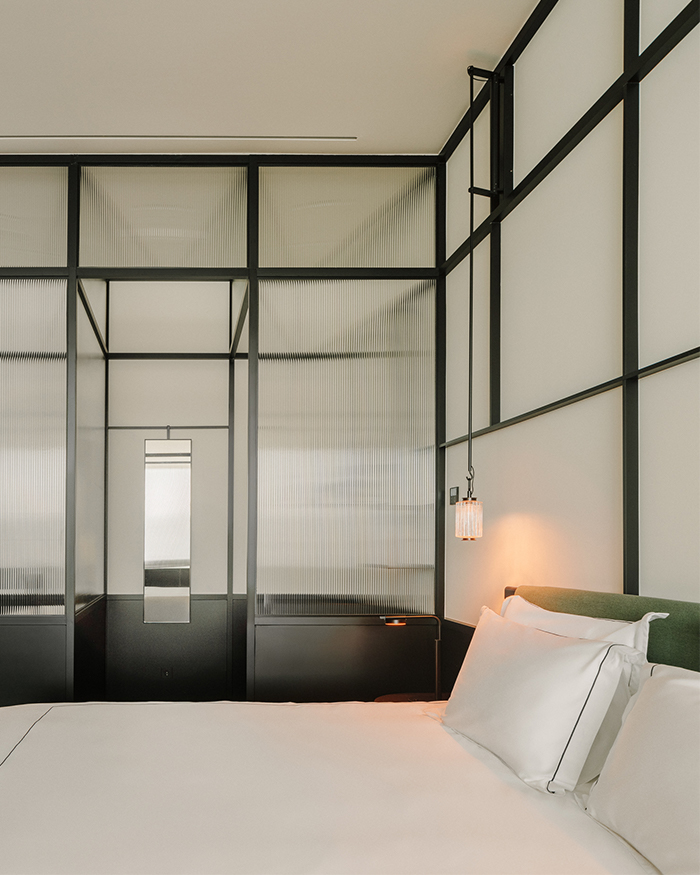
The rooms at the hotel with its linear layout mimic a train compartment, explains Lyndon Neri

A city inside a hotel…

In essence, The Telegraph Hotel transformed by Silk Development and now managed by Silk Hospitality is like a city within a hotel. The corridors branch out like a network of streets, mimicking a busy urban-scape where each passage diverges in different directions, yet stays interlinked to the other.

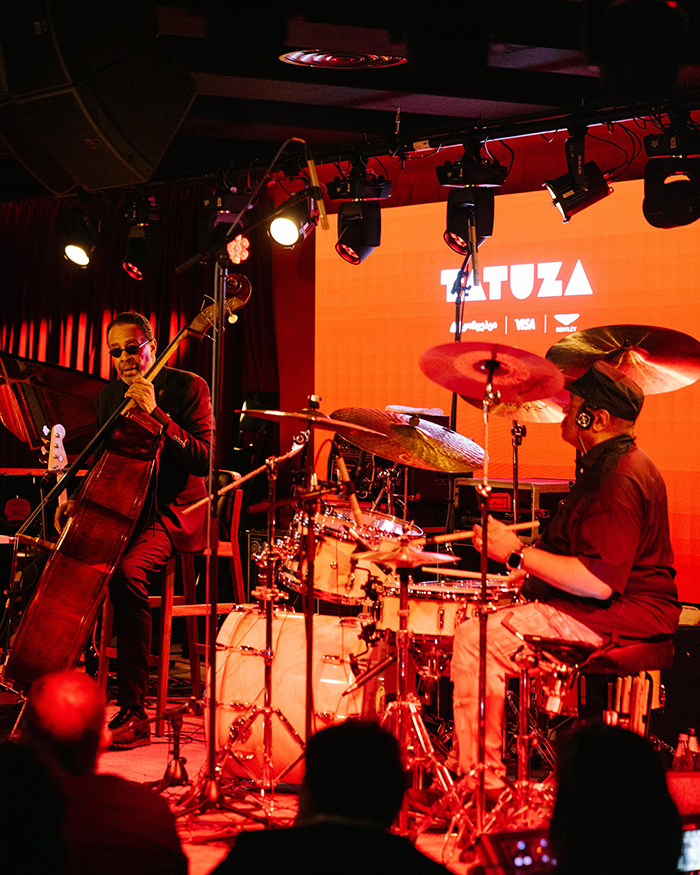
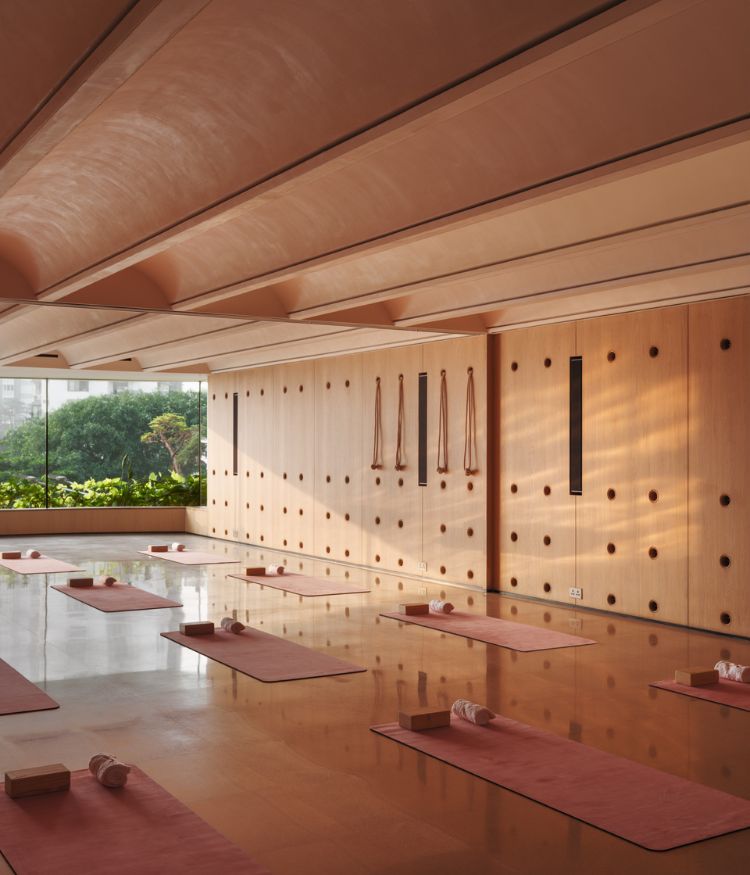
As I tread the hotel’s map inside, my discovery reveals six places to dine and wine, including a Thai and an Italian restaurant, a Wine Library, a Jazz Club, a Wellness spa-studio, a ballroom and meeting rooms, all anchored by an open-to-sky courtyard (come rain or shine!) equipped with an artful bar on the ground level.

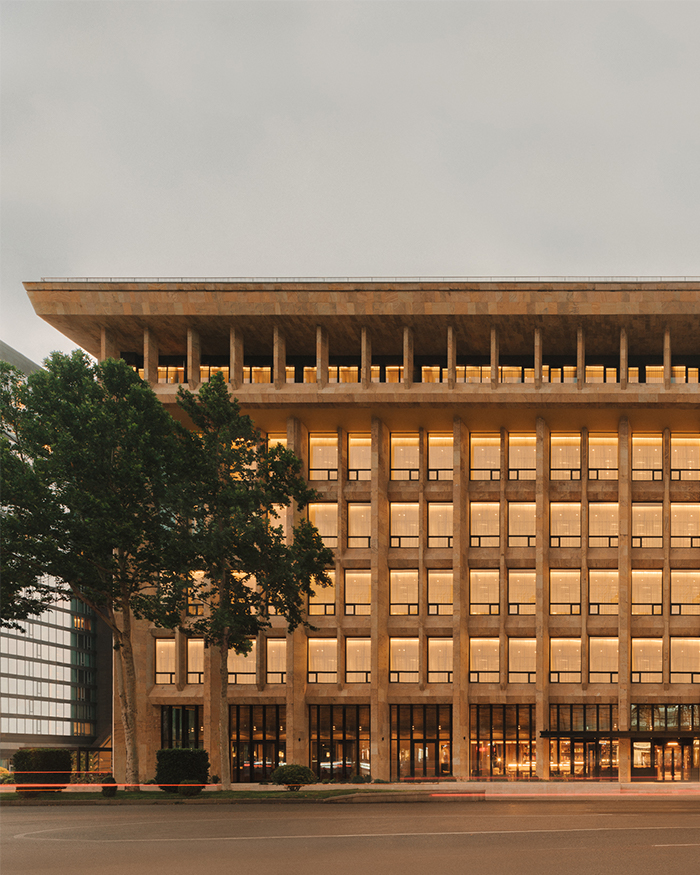
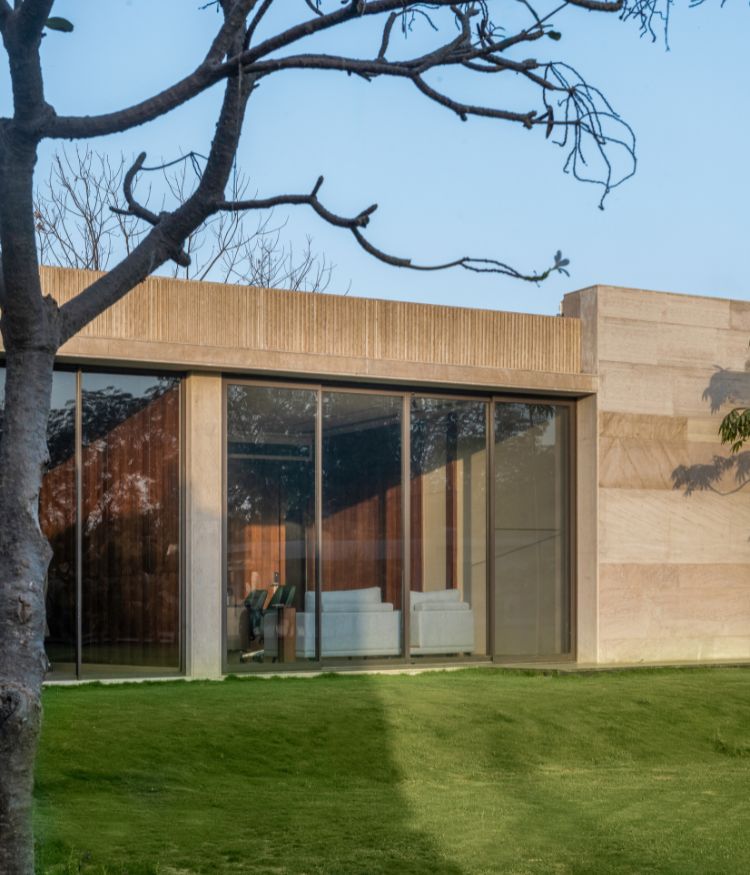
The architecture clad in eclair stone at first may seem simple and utilitarian; inch closer and its proportions begin to unravel with an ironic monumental minimalism. 

A revolving door sets off the entry inside. Instead of a reception, one finds the Bell & Gray cafe teeming with suited up guests accompanied with iPads, coffees and cocktails, facing a stretch of glass curtain wall that sees the Rustaveli street in action at all times.

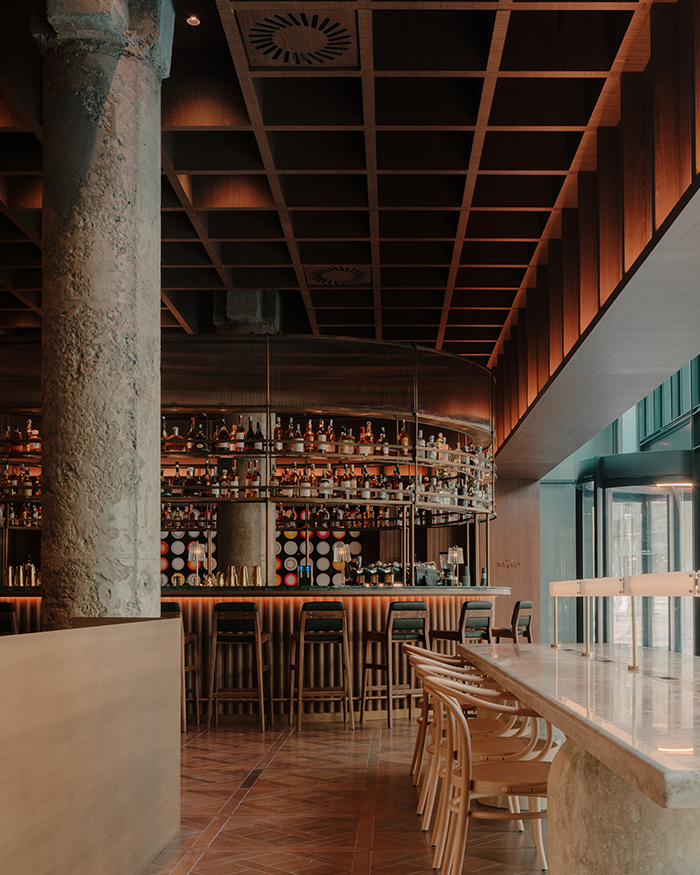
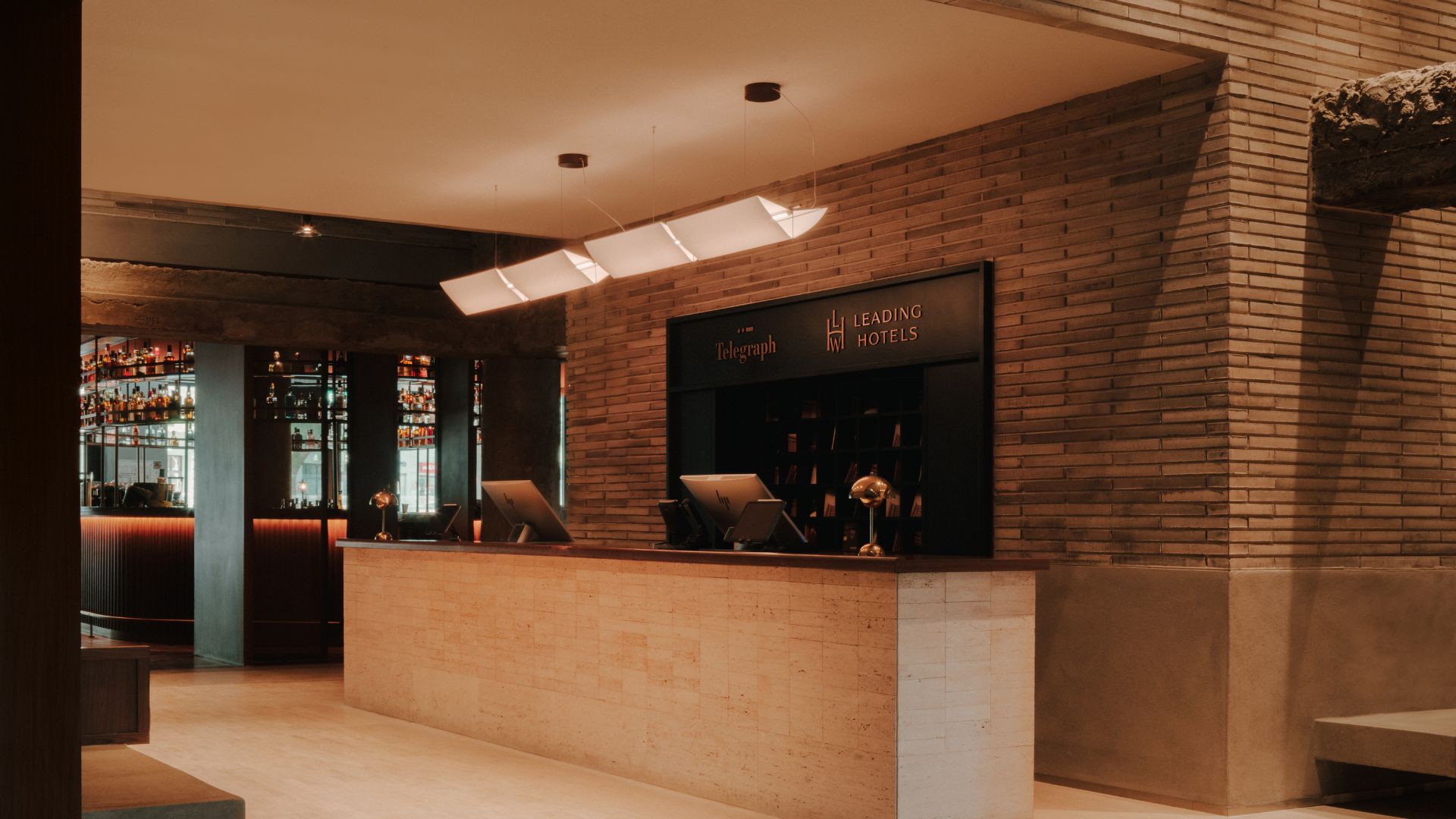
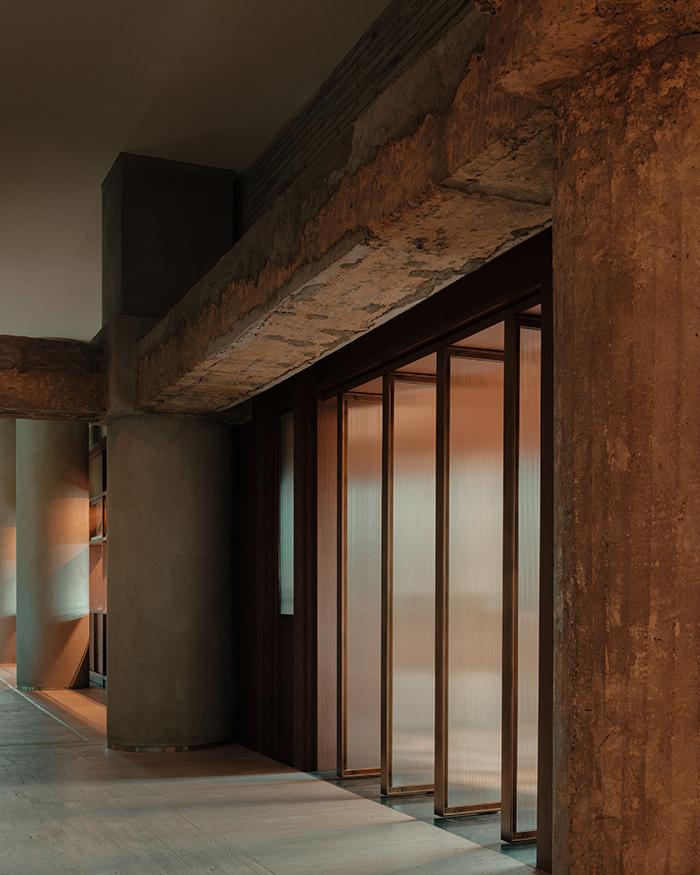
In the next few seconds before reaching the reception, the sight of massive concrete columns retained from the original building, familiarises you with fragments of the hotel’s past. A cool scent of the concrete inherently travels in the air hereon.

The bedside engages in an equally minimal mood
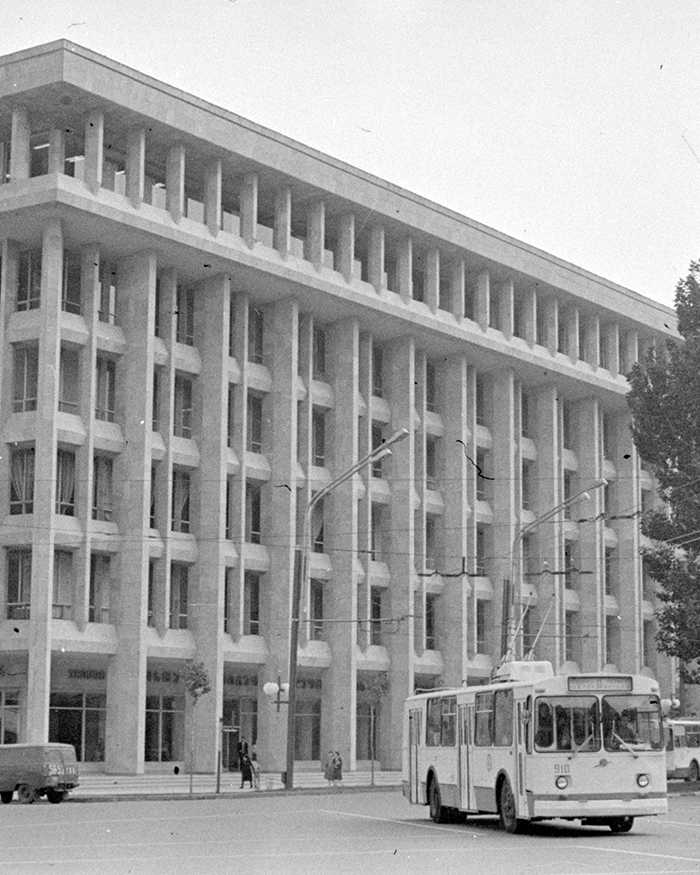
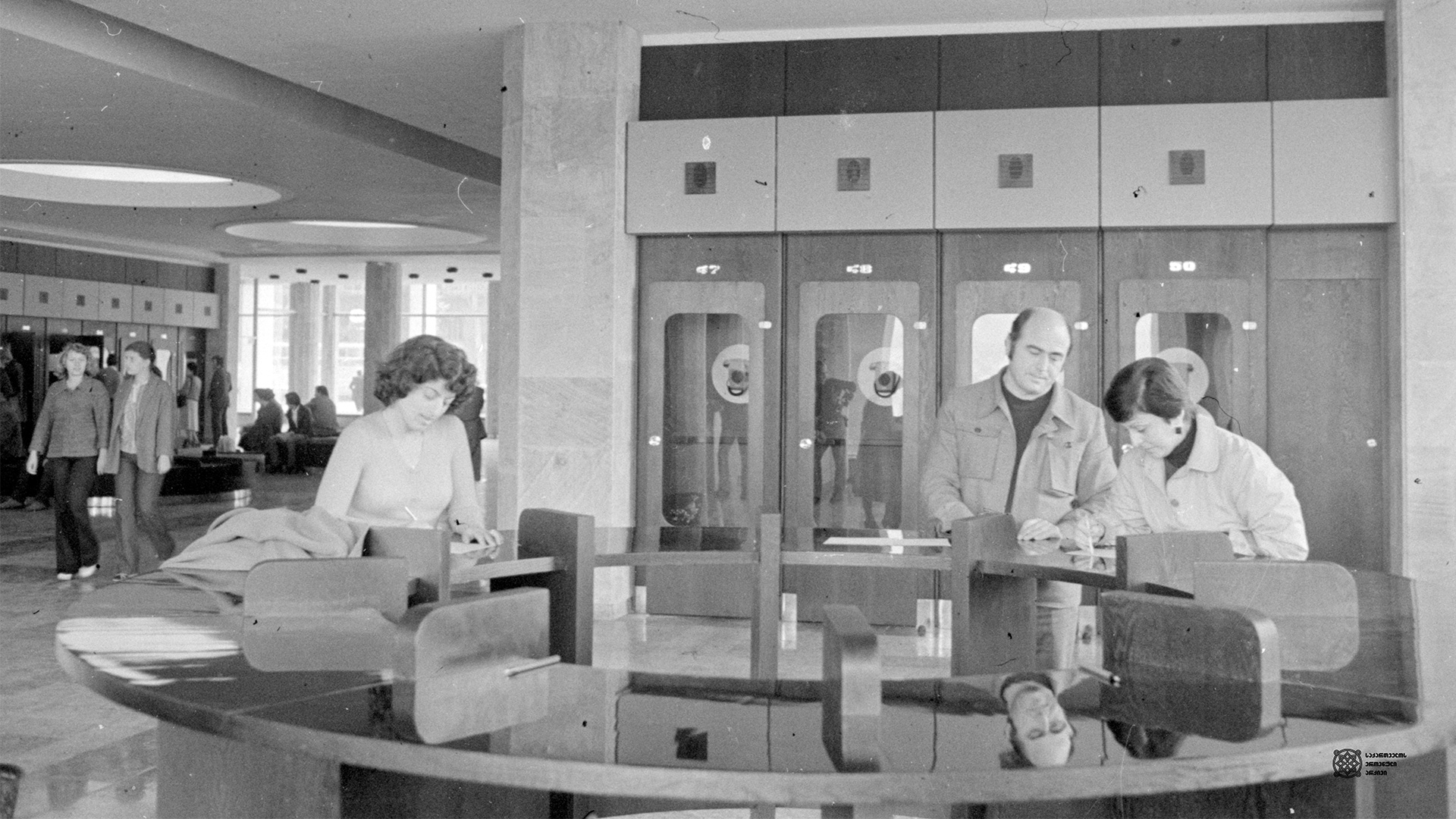
A photograph from the days when the building served as the postal office; Photo credit Anatoli Rukhadze, 1981

Room (and rain) check!

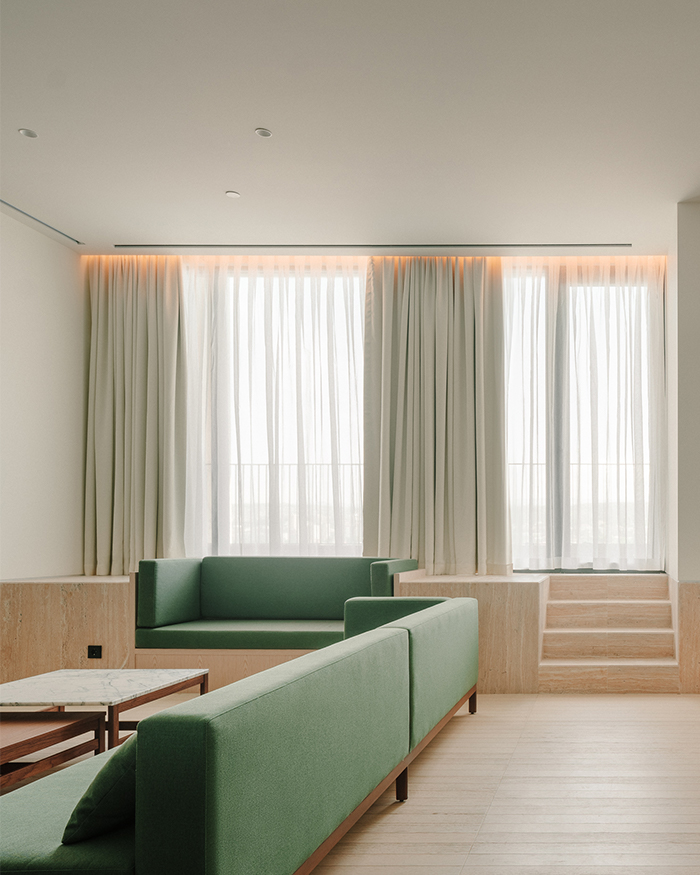
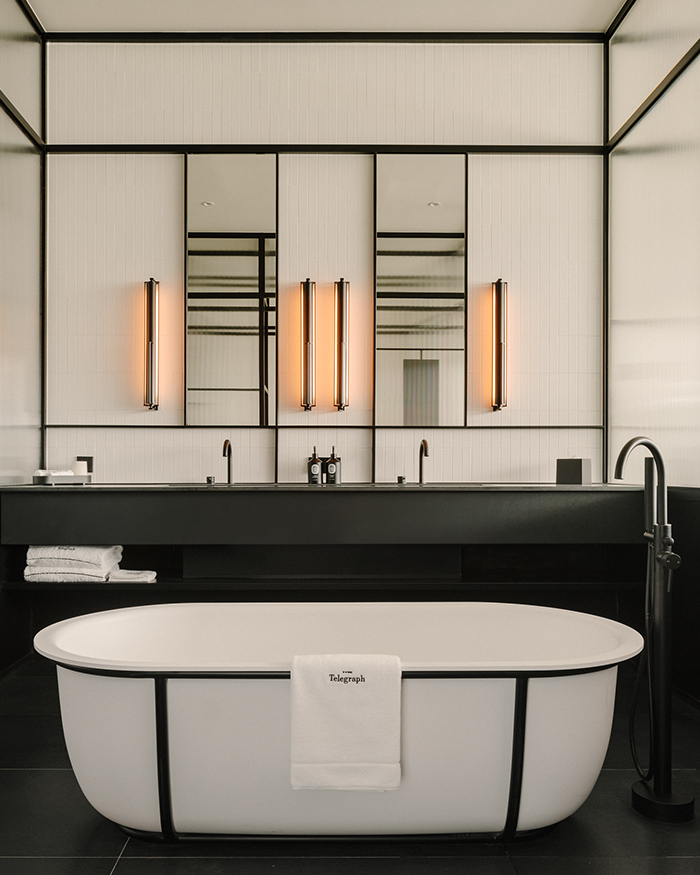
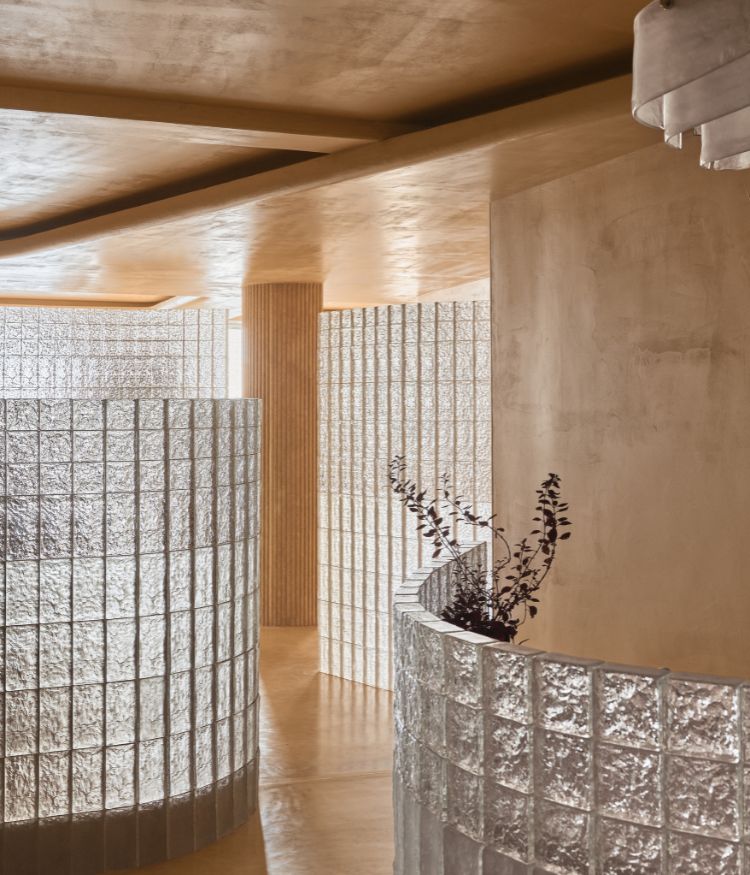
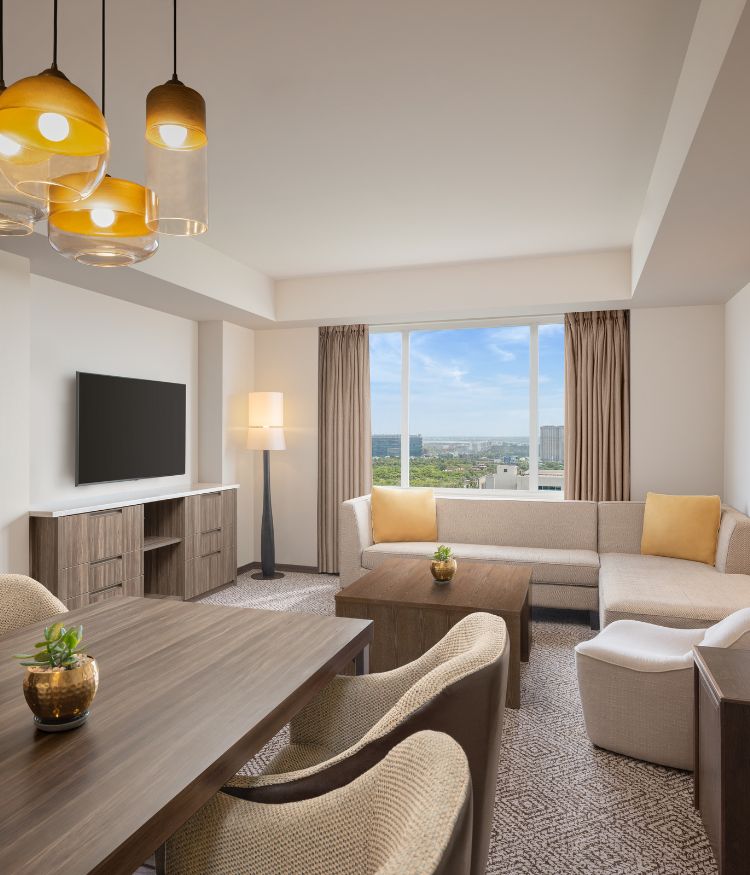
My room perched on the second level is any minimalist’s dream come true. Bathed in daylight, the room’s horizontal layout quite mimics a train compartment, as Lyndon Neri explains at a conference. Dressed minimally but functionally, slender fluted glass and black metal screens divide the room’s interior, fit with a picture-perfect bathtub that overlooks the city views and outside chatter through large windows. Most of the hotel’s windows have been kept as they were in the past, I’m told. The flooring is a play of temperaments, too. A mix of grey stone flooring in the bedroom and bathroom soon switches into a warm wood flooring in the living room. 

One of the rare such hotels in Tbilisi, every room at The Telegraph is supported with a digital pad, making it easily swift to access the hotel’s universe, request services, reserve restaurants and order in-room meals. Delicious scents of skincare by Diptyque and stylish tableware by Villeroy & Boch only elevate the experience. 

The Telegraph Hotel Tbilisi review
Columns from the building's original layout demarcate the hotel's entrance with a bar at its heart
The Telegraph Hotel Tbilisi
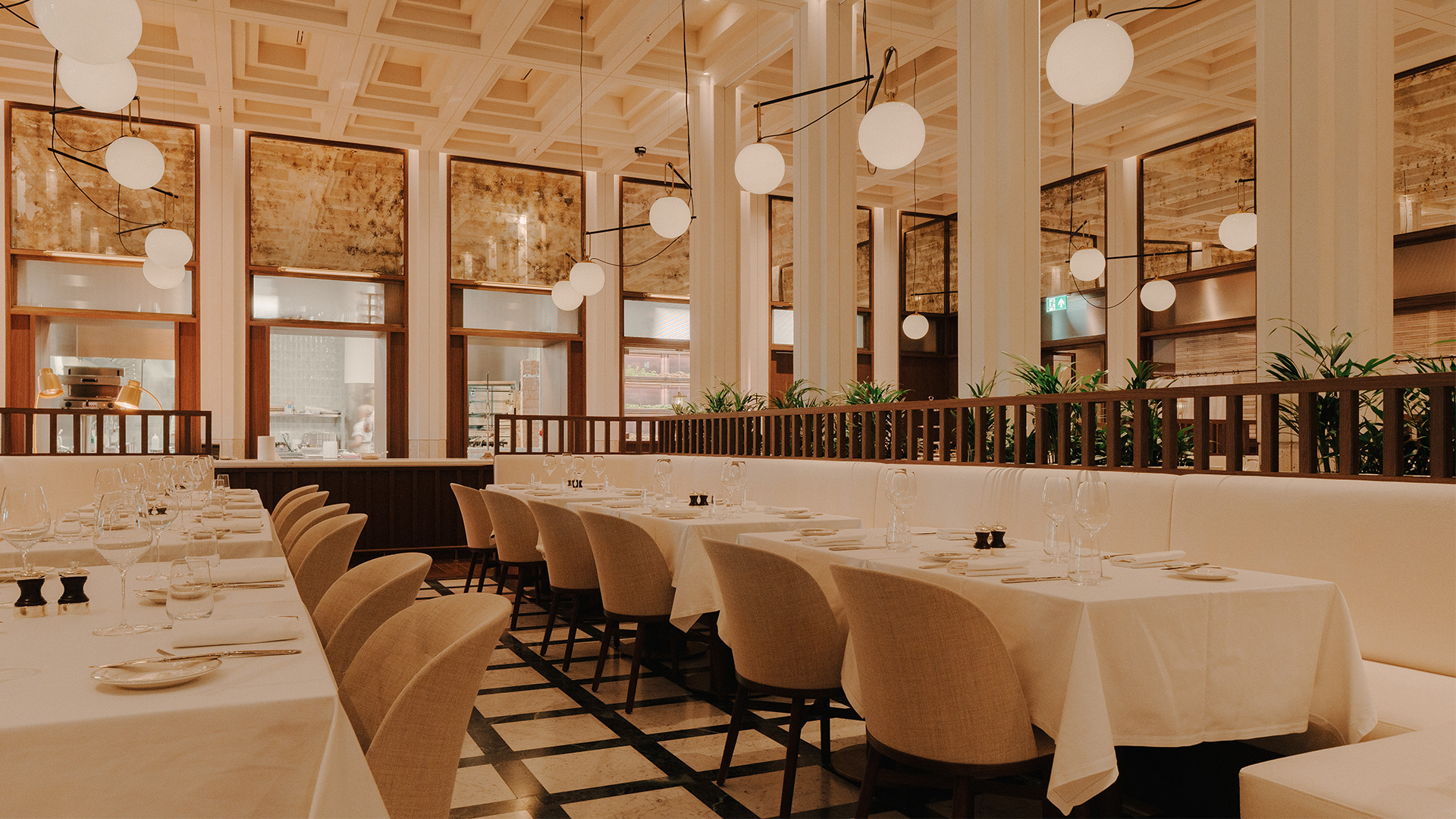
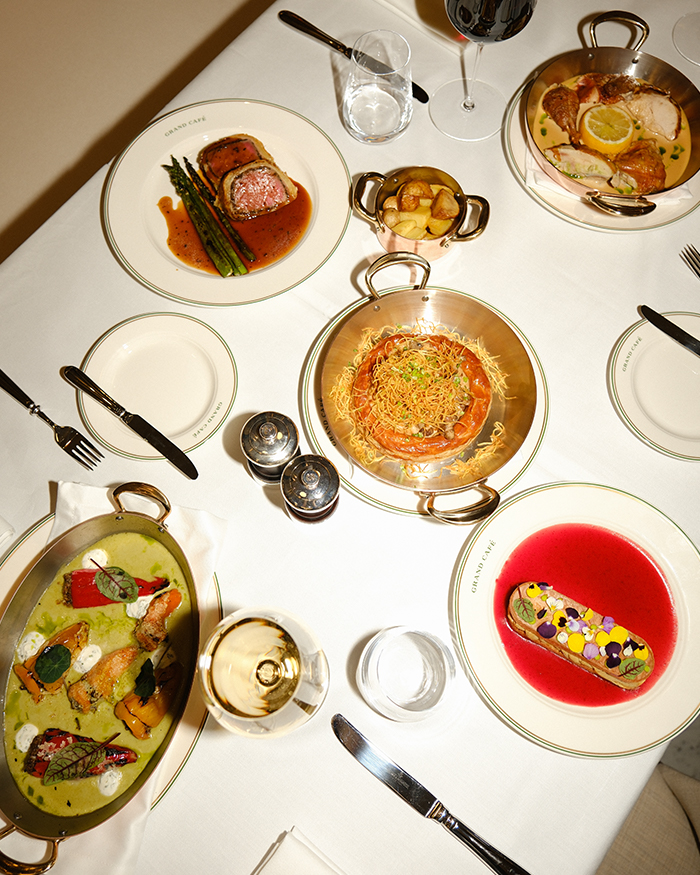
Grand Cafe hosts elaborate breakfast buffets and dinners

As I settle in and step out to explore the vast corners of the hotel, I notice that the hotel’s central courtyard is visibly accessible from all floors. The otherwise quiet, dimly lit passages brighten up with the open sky light flooding in from the courtyard and the vertical greens that cling on to the balconies attached to each passage. The rains had graced the city on the day of my arrival and the courtyard particularly displayed its performance: wet floors, cooler temperament and the greens that looked greener. 

Eat right: Popular Georgian meals 

Of my favourites, by the virtue of my personal palate, Laan Thai and the Grand Cafe were my portal to comfort but experimental meals. Try Kang Keaw Wan Kai (green curry, chicken and eggplant with rice), Pla Goong (shrimp salad with tomato and herbs), Tom Kha Pla (Seabass soup with galanga and coconut milk) and finish with mango sticky rice (obviously!) and Thai style mochi with salted coconut milk (heaven!).

The Telegraph Hotel Tbilisi
A meal at The Telegraph Hotel
The Telegraph Hotel Tbilisi
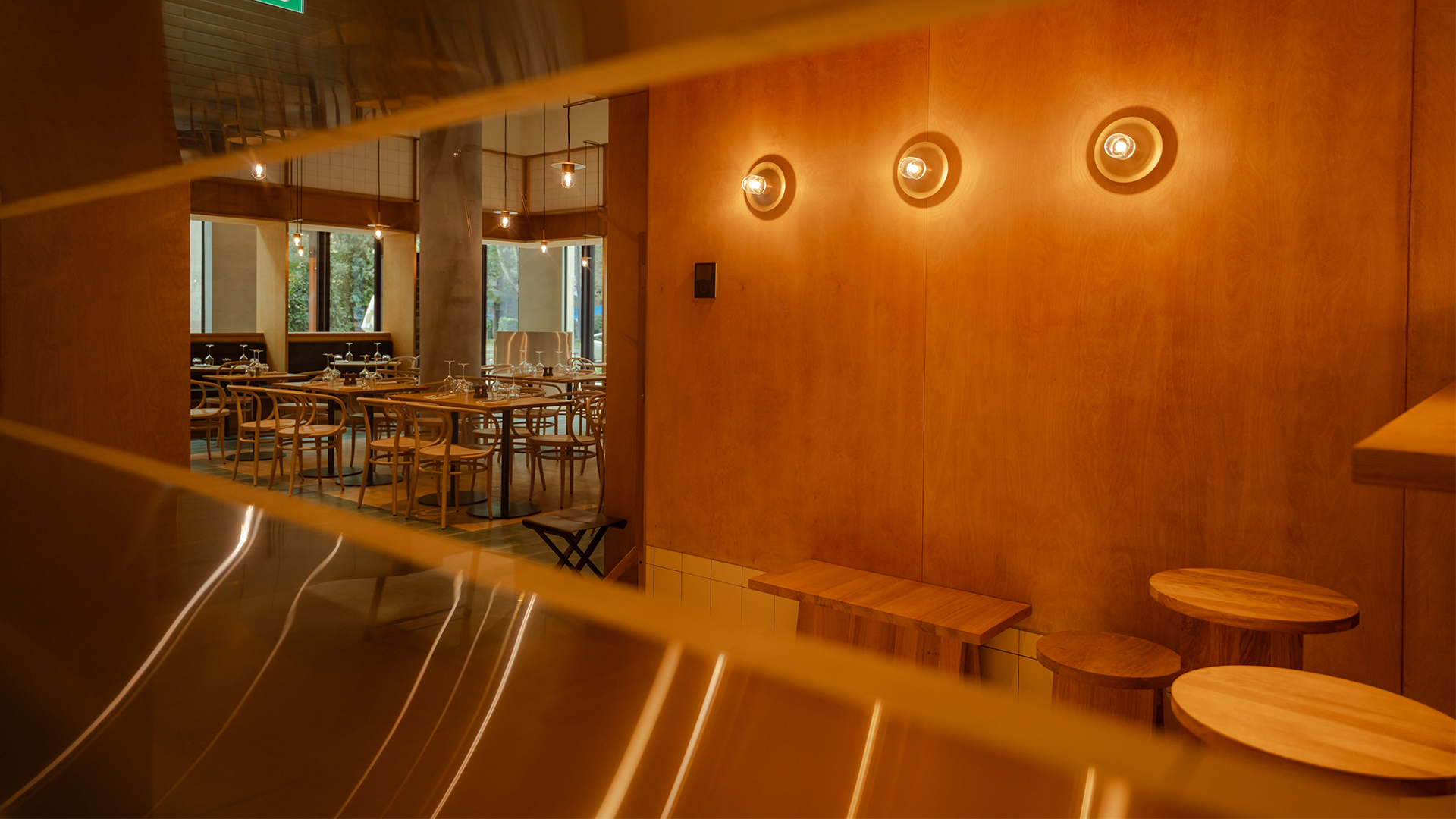
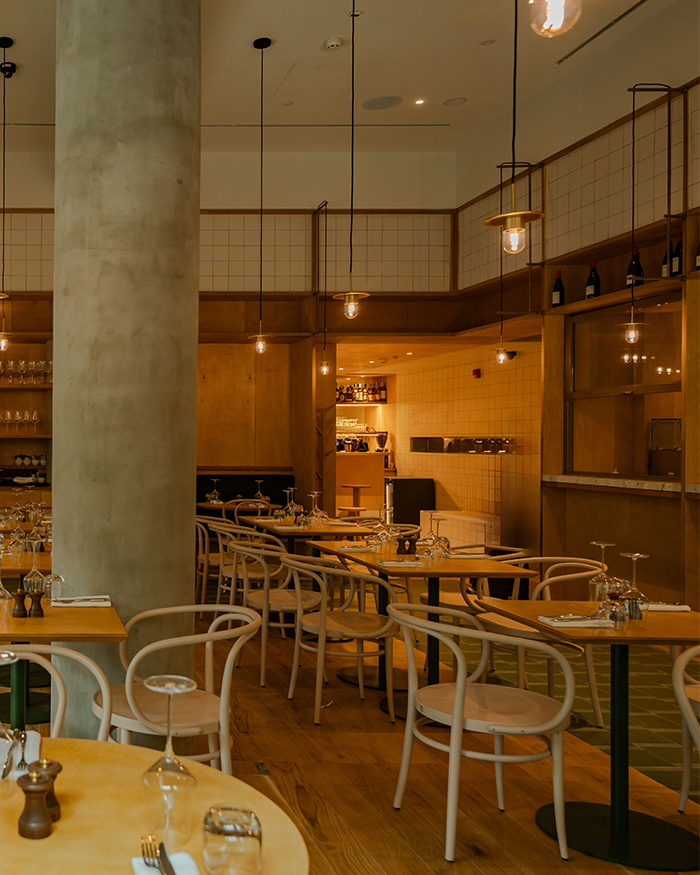
Philosophico is an Italian restaurant inside the hotel

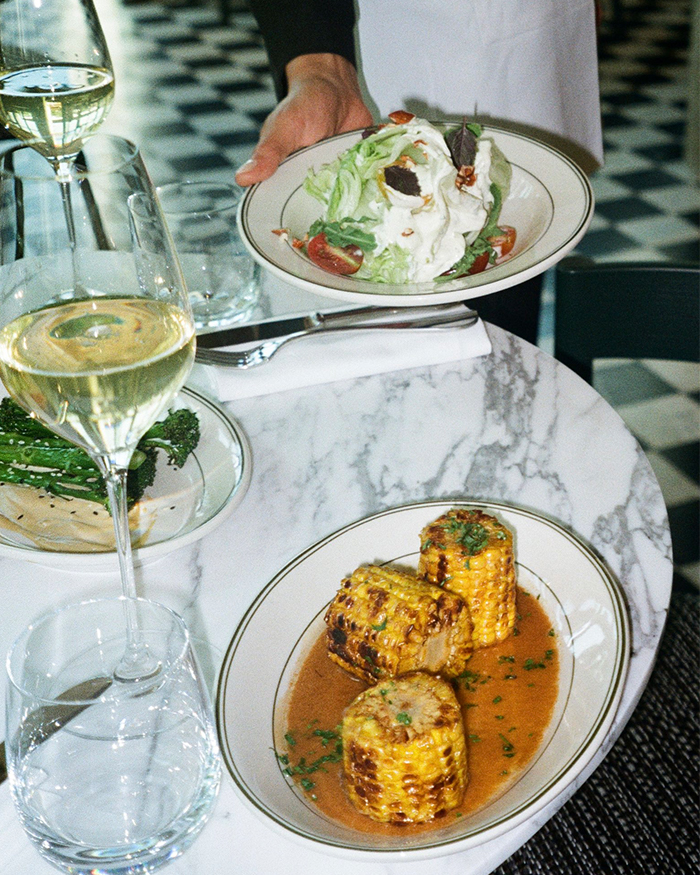
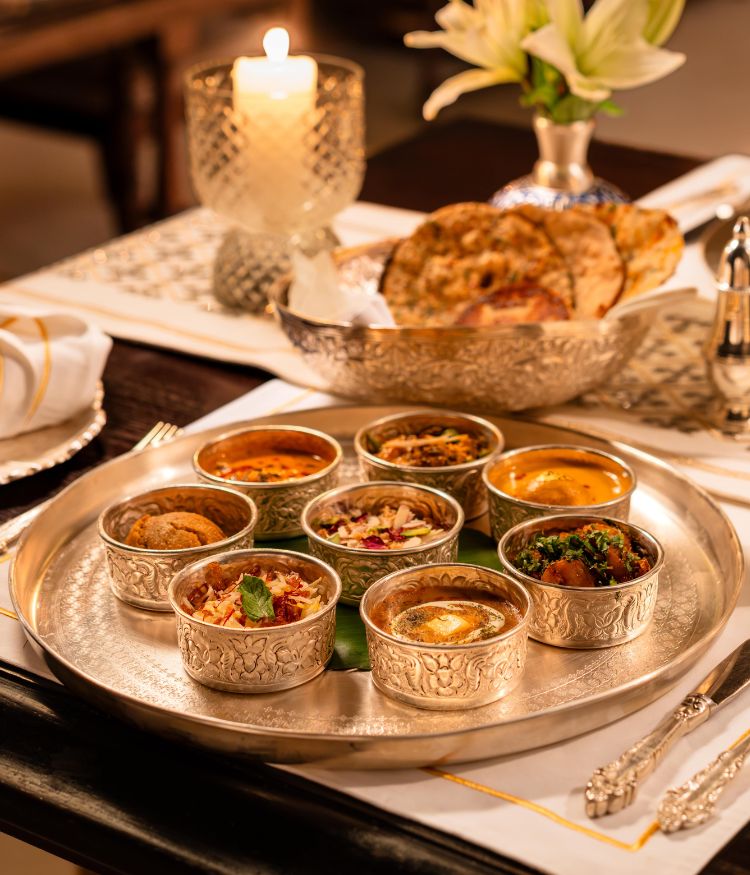
At Grand Cafe, do ask for recommendations, but don’t forget to slice through some Crispy eggplant, walnut paste and cornbread waffle; a salad of colorful tomatoes with Georgian homemade Sulguni cheese (it’s like a savoury Georgian mozarella); a warm bowl of Chikhirtma soup; clay pot baked Lobiani stuffed with beans; and some soft, cheese filled traditional Khachapuri. 

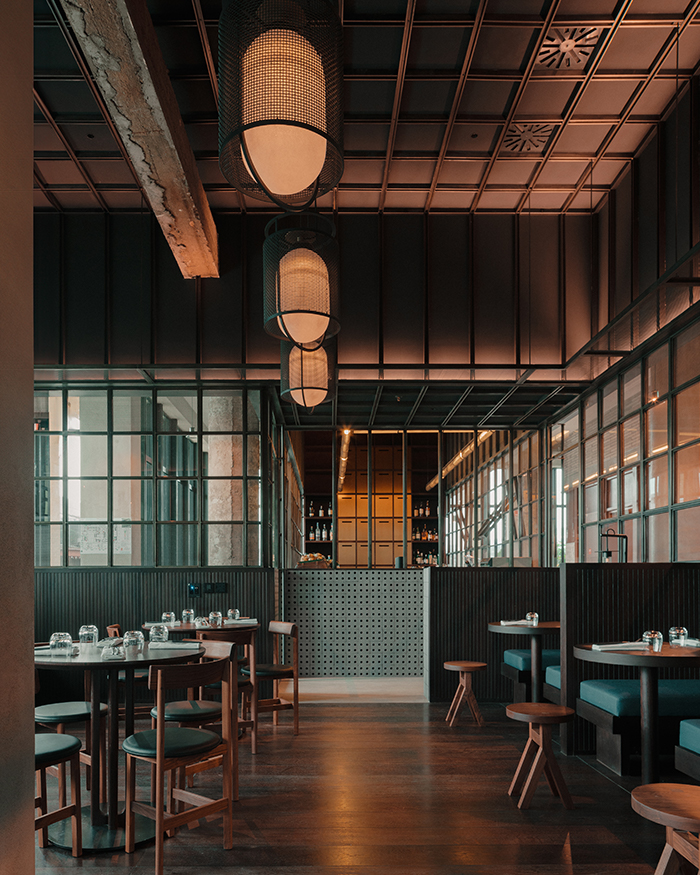
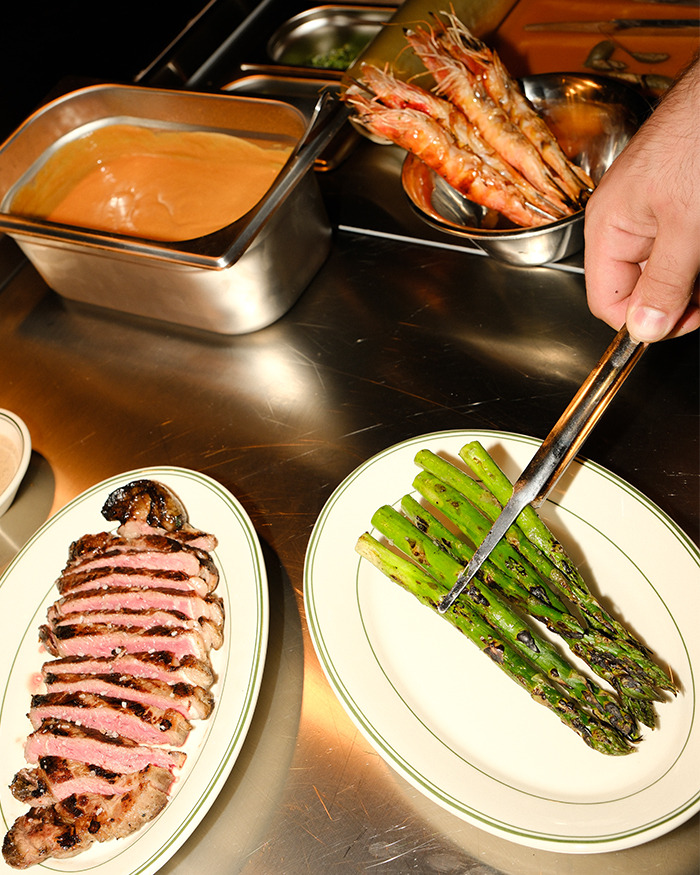
Special mention to The Grill where their expertise lies away from a vegetarian course, focused on a variety of steaks, smash burgers, hot dogs and roasted pork ribs. Being a seafood-loyalist, I called for Grilled Tiger Prawns with mango salsa, and enjoyed its smoky tenderness.    

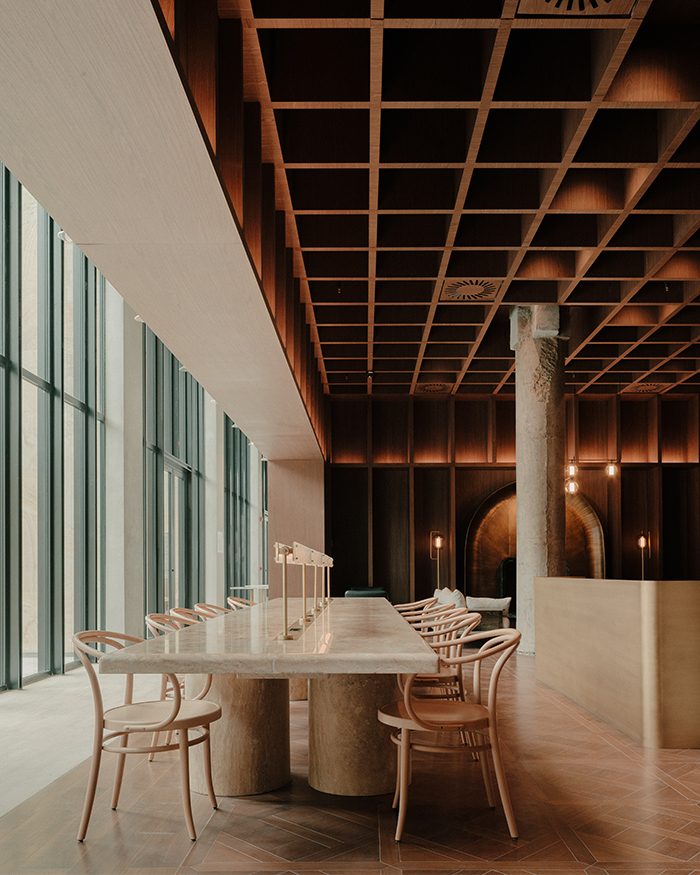
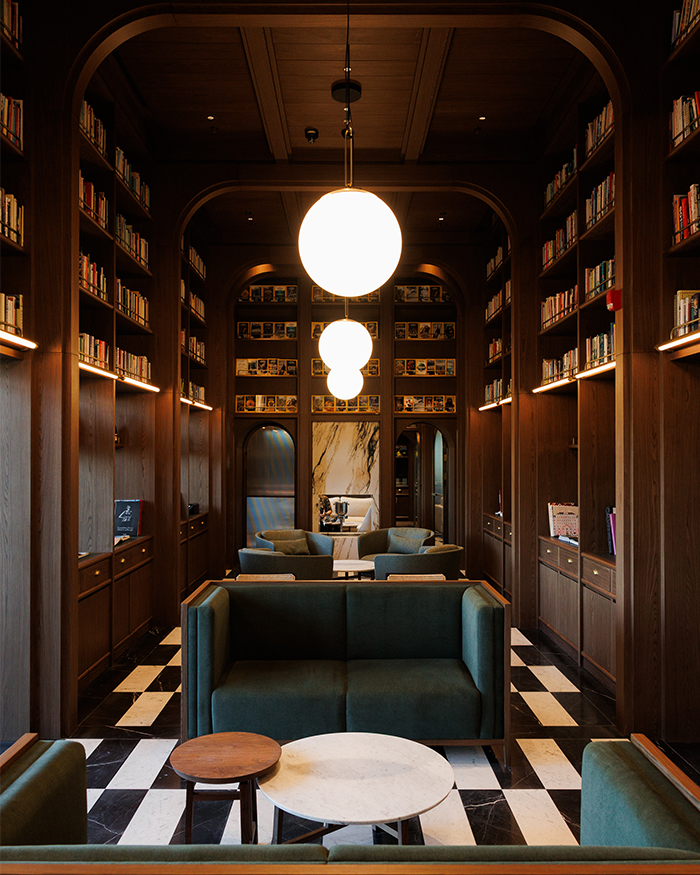
The wine library doubles up as space stacked with not just a premium collection of wines, but a library of collectible books designed to also engulf a vinyl nook.   


The Telegraph Hotel Tbilisi
The entrance to the hotel extends into Bell & Gray that overlooks the city moving by outside
The reception at The Telegraph Hotel

Did you know?

Back in the 1870s, the Telegraph Hotel stood as a two-story post office with a stable and a garden. Enter the Soviet era, the building was reimagined as a larger postal office by architects Lado Aleksi-Meskhishvili and Teimuraz Mikhashavidze. Today, the same structure carries multiple interpretations of history — a place for community, once a centre for telegrams and communication, a building that witnessed changing generations and identities, walls that absorbed endless stories of the past and the city’s post-Soviet modern reality. As I sway between these realities that shaped the roots of Tbilisi, Lyndon Neri’s words anchor my thoughts sitting inside The Telegraph Hotel, “Our transformation and the transformative intervention (of the hotel) is not an act of restoration but a critical reinterpretation.”

When not at The Telegraph Hotel, do these things in Tbilisi instead…

  1. Vintage shopping around the flea markets and thrift stores. Dry Bridge Market is one of the most tourist-friendly ones.
  2. Walk to the Freedom Square and glance over for a minute or more at the museums and theatres’ diverse architecture like the Neo-moorish, Neo-classical and Oriental styles. 
  3. Fetch some bread from local bakeries like The Caravanserai Tone bakery in the old city. Beware, it could be riddle-some to locate the exact address!
  4. Spend time leafing through Soviet-era books on the streetside, usually laid out on a carpet or a stall under a tree. 
  5. Admire ancient churches and monasteries, maybe catch a wedding, too!
  6. Go on a wine crawl. When in Georgia, the often evidenced origin of vino, you must.
  7. Definitely go on a cha cha (traditional distilled spirit made of residual grapes) crawl!
  8. Visit Matatsminda peaks via a cable car or a funicular train for the most consuming city views.
  9. Dip into a leisurely sulfur bath in the old city, also known as abanotubani.
  10. Lastly, never stick to a list and make your own itinerary of things that make you want to ask questions and find their answers. 
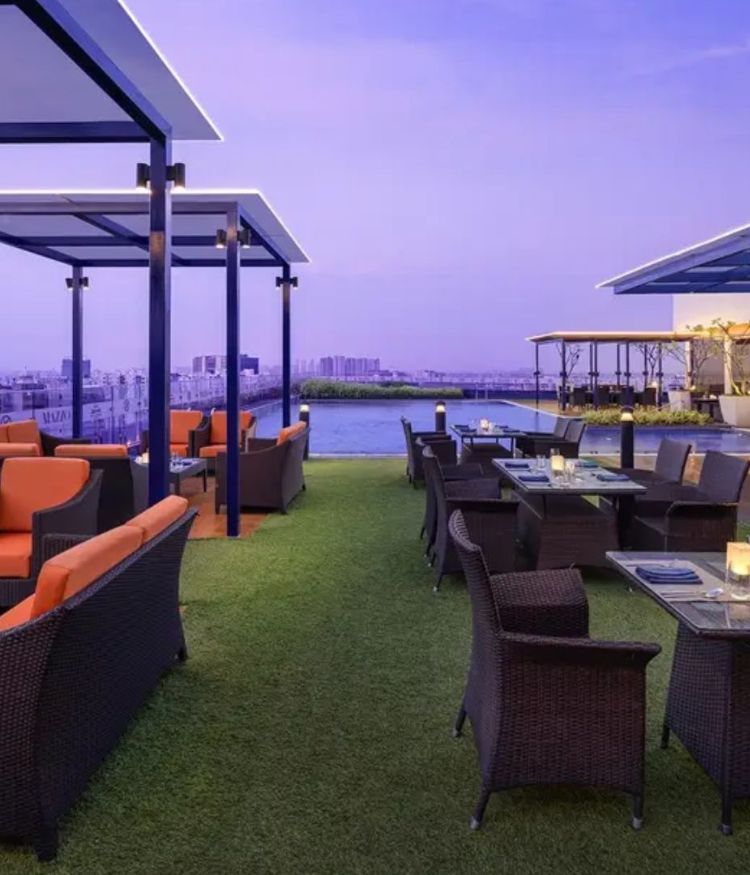
The evening view of the hotel
SHARE THIS ARTICLE

You May Also Like

Watch

No results found.

Search
Close this search box.