
“We have to be careful about how knowledge is shared, and ensure that communities benefit from these exchanges on global stages. Otherwise, it is just another form of colonialism”
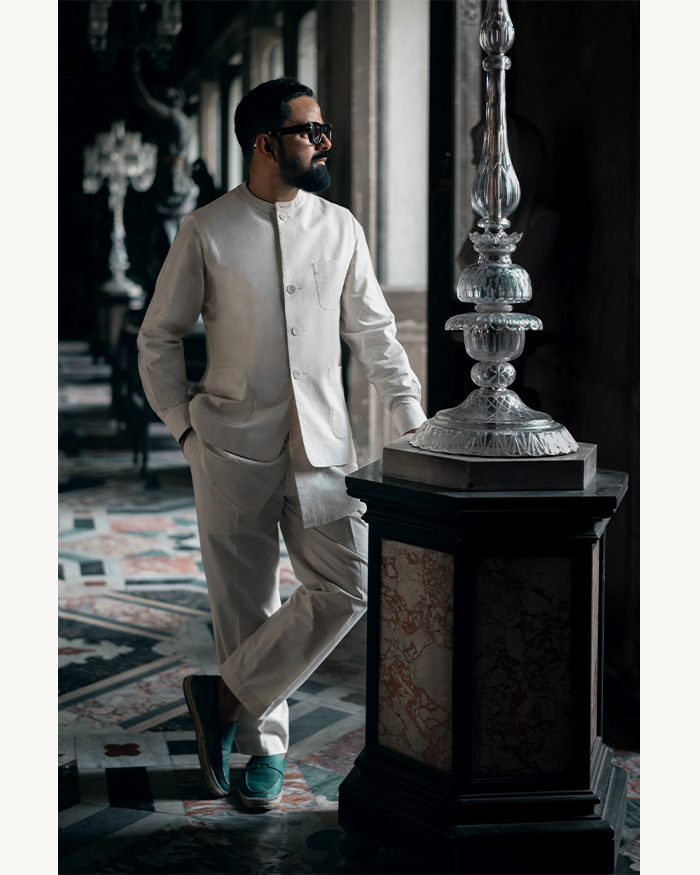
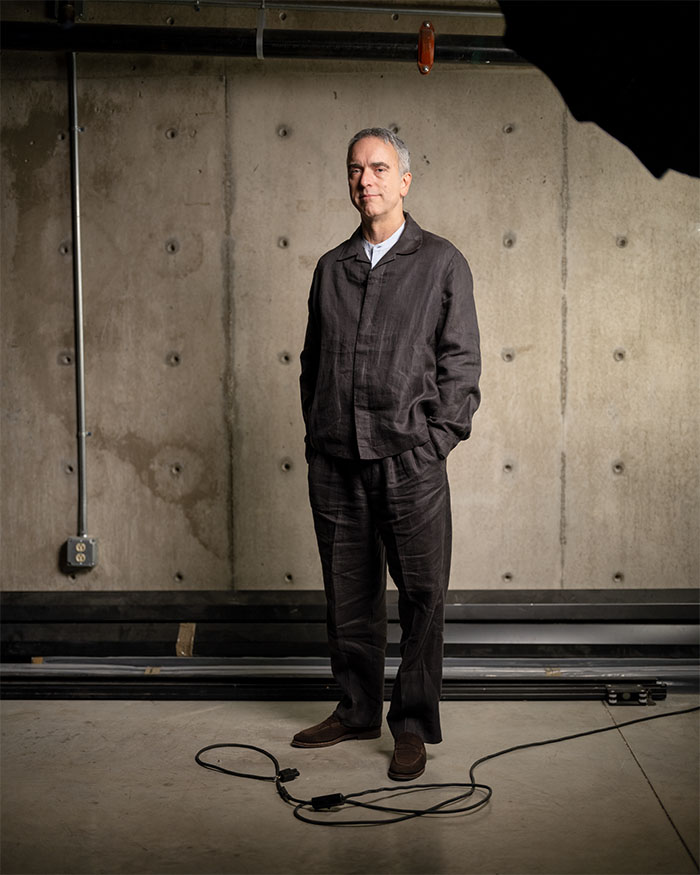
Sean Anderson is a cynic. Or so he claims, generally. But there is an optimism about him that you cannot shake off. Our conversation unfolded on the eve of the Bvlgari Serpenti exhibition at NMACC Mumbai. A near- Fitzgeraldian affair and an unlikely arena for the architect and curator. But what Sean brought was a narrative link to the subcontinent through his curation, prompting deliberations on desire, visibility and the forces that shape culture. “I do recognise that the exhibition was in part sponsored by two giant companies, Reliance and Bvlgari,” says Sean, but within that spectrum, it was essential for him to show not just India in dialogue with a Western European brand but also challenge the blinkers that shape the purview of Indian art. This line of thinking materialised in the selection of artists, where indigenous and contemporary practices were positioned as coeval forms of knowledge. “Well, indigenous artists are contemporary,” he says, “To place them side by side was perhaps my sleight of hand to ask why we reduce the value of one while extending another.” In the effort to broaden representation, many institutions risk flattening both artistry and identity. Is that why privileging authenticity feels like an exercise in self-congratulation? “It’s a conundrum, right? I see around the world identities being made into tokens in the service of creating value,” he pauses, “There has to be equity when a company embraces design knowledge. Artists must be properly acknowledged and fairly compensated so they can sustain their practices.” Cultural exchange cannot be a one-way extraction, whether administered by the West or perpetuated within India, “We have to be careful about how knowledge is shared, and ensure that communities benefit from these exchanges on global stages. Otherwise, it is just another form of colonialism.”
"When I look around today, I see this unyielding energy of building and erasure. But what is lost in the service of so-called luxury? In the drive to further distinguish people from one another, rather than bring them together?"
Sean Anderson
In the cultural institutions that Sean works with, he is cognisant of creating access through language, whether it be through storytelling or framing texts to allow self-reflection. But Sean is also mindful of his privilege, “I am a white American man who has been extremely fortunate to work with artists and artworks that have not always been considered in the ways that I approach them. I recognise my own limits.” His worldview was shaped early by time spent in West Asia, hitchhiking across Turkey, Syria, Lebanon and East Africa. Upon graduation from architecture school, he received a letter stating that Geoffrey Bawa was not available for interns due to ill health, he recalls, “But had I simply shown up, I believe it would not have been a problem.” He soon came to India as the theatre director at the American Embassy in New Delhi, worked with His Holiness the Dalai Lama in Dharamshala, and, after completing a master’s degree at Princeton, returned to teach at CEPT Ahmedabad. He practised with Dr BV Doshi, Hasmukh Patel and later Bijoy Jain, all while assisting the scholar Dr Pratapaditya Pal on exhibitions and books. Following his doctorate on African art, Sean’s career became markedly peripatetic: managing a riad in Morocco, working with an NGO in Afghanistan, practising as an architect and teaching in Dubai, a scholar and architect in Sri Lanka and eventually teaching in Australia. “Those periods were marked less by what I was doing than by where I was,” he says. A pivotal moment was when the Museum of Modern Art (MoMA) offered him a curatorial position. Despite his global practice, India has remained his centre, “I miss it when I’m gone.”
Since Sean first arrived in the country in the 90s, both India and its identity have changed. “When I look around today, I see this unyielding energy of building and erasure,” he says, “But what is lost in the service of so-called luxury? In the drive to further distinguish people from one another, rather than bring them together?” Outside his hotel window, Mumbai presents the perfect study in this dichotomous growth, “Cities are constantly under construction. Yet the people who need housing the most across the world are also the ones who are displaced from it.” Much of Sean’s work as a curator and scholar has centred on displacement, dispossession and transience. And luxury, long a contested concept for architects, designers and artists, occupies a controversial position, simultaneously resisted and enticed. He wonders what makes a society desire it. Perhaps it is primarily about the body, “We commoditise our feelings to create value.” Reflecting on Sri Lanka, he describes luxury there as an absence of walls among much of its architecture as well as societal norms. Yet walls are precisely what determine inclusion and exclusion. It therefore falls to architects, artists and curators to dismantle them, “Who else is going to do it? Certainly not governments, politicians or businesses that capitalise on differentiation and stratification. These practitioners are the ones who can diminish the boundaries we have invented for ourselves, who can conceive new worlds to inhabit.”
In the pursuit of the future, societies often relinquish their past. In India, this past, marred by centuries of external influence, is difficult to confront. But what if the lens were widened? “Colonialism is a blip on the horizon of this extraordinary place,” he says, “Indian-ness is complex and nuanced. Every kilometre carries a different identity, a different dialect, unique uncompromising visions. That is what colonialism could never fully comprehend. Perhaps it is time for India to reclaim and accept its own histories and not be beholden to what others wish them to be.”
A peek into Sean Anderson’s curatorial practice, inviting dialogues with and around cultures of the world…
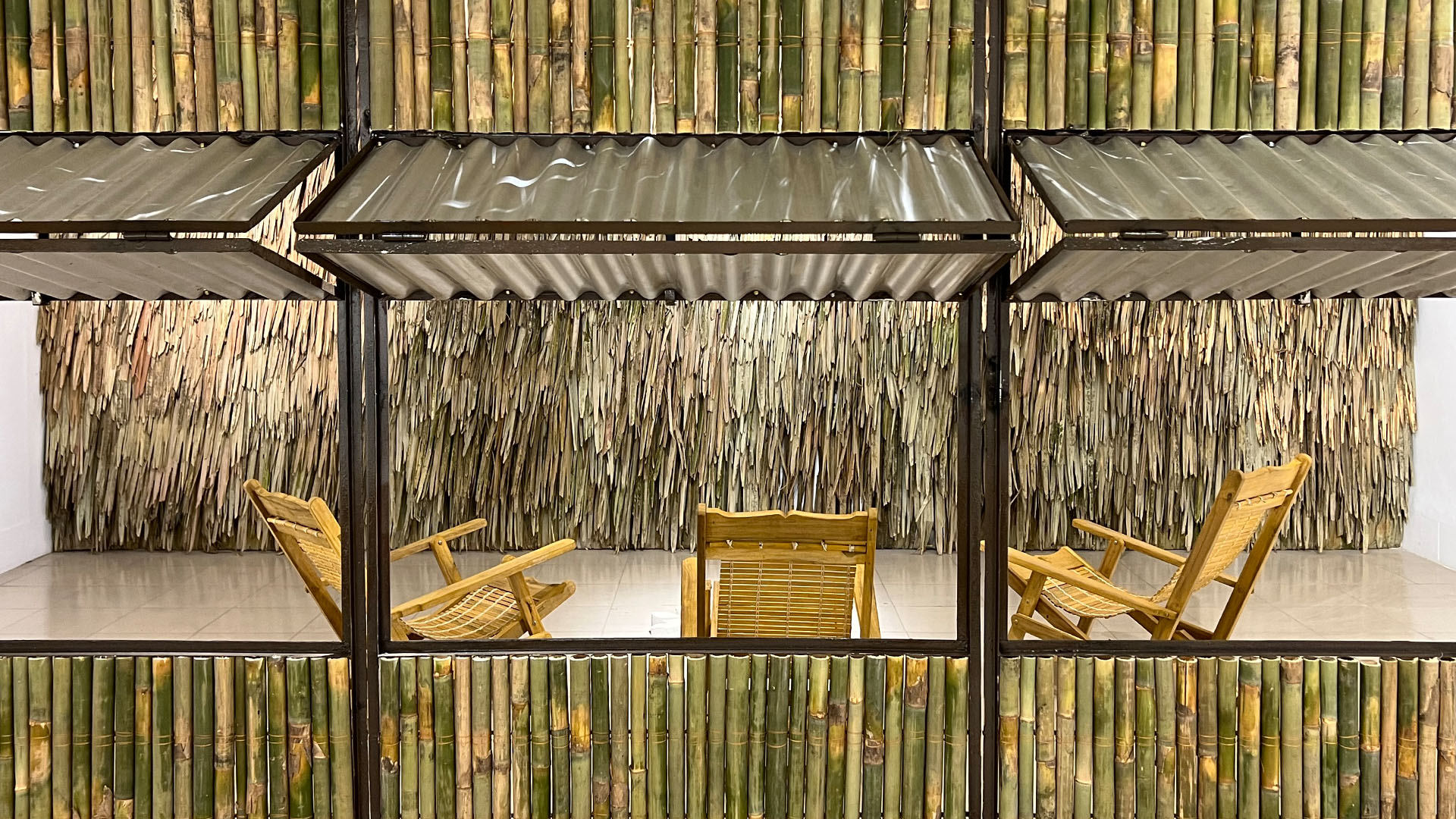
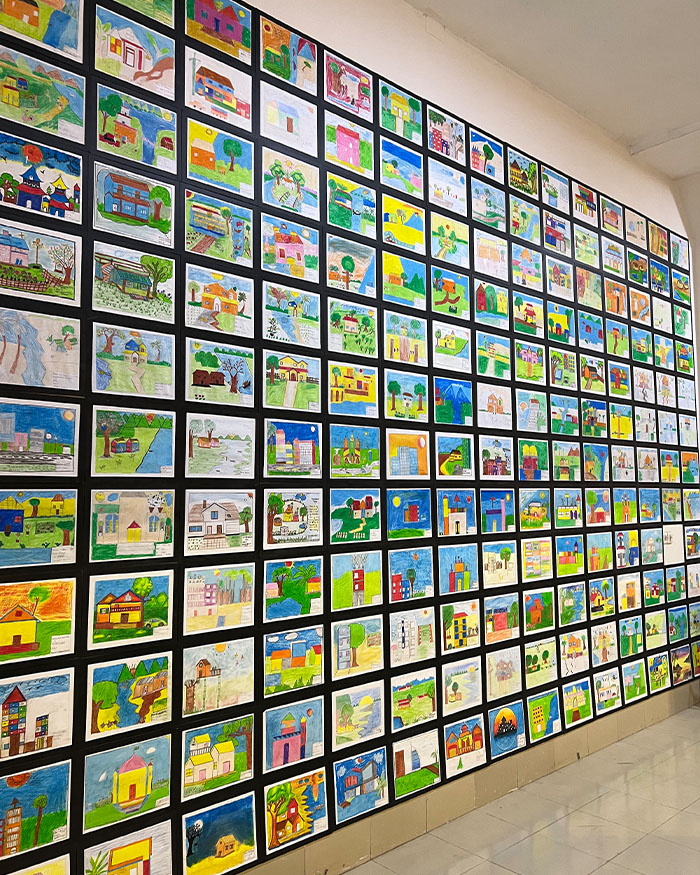
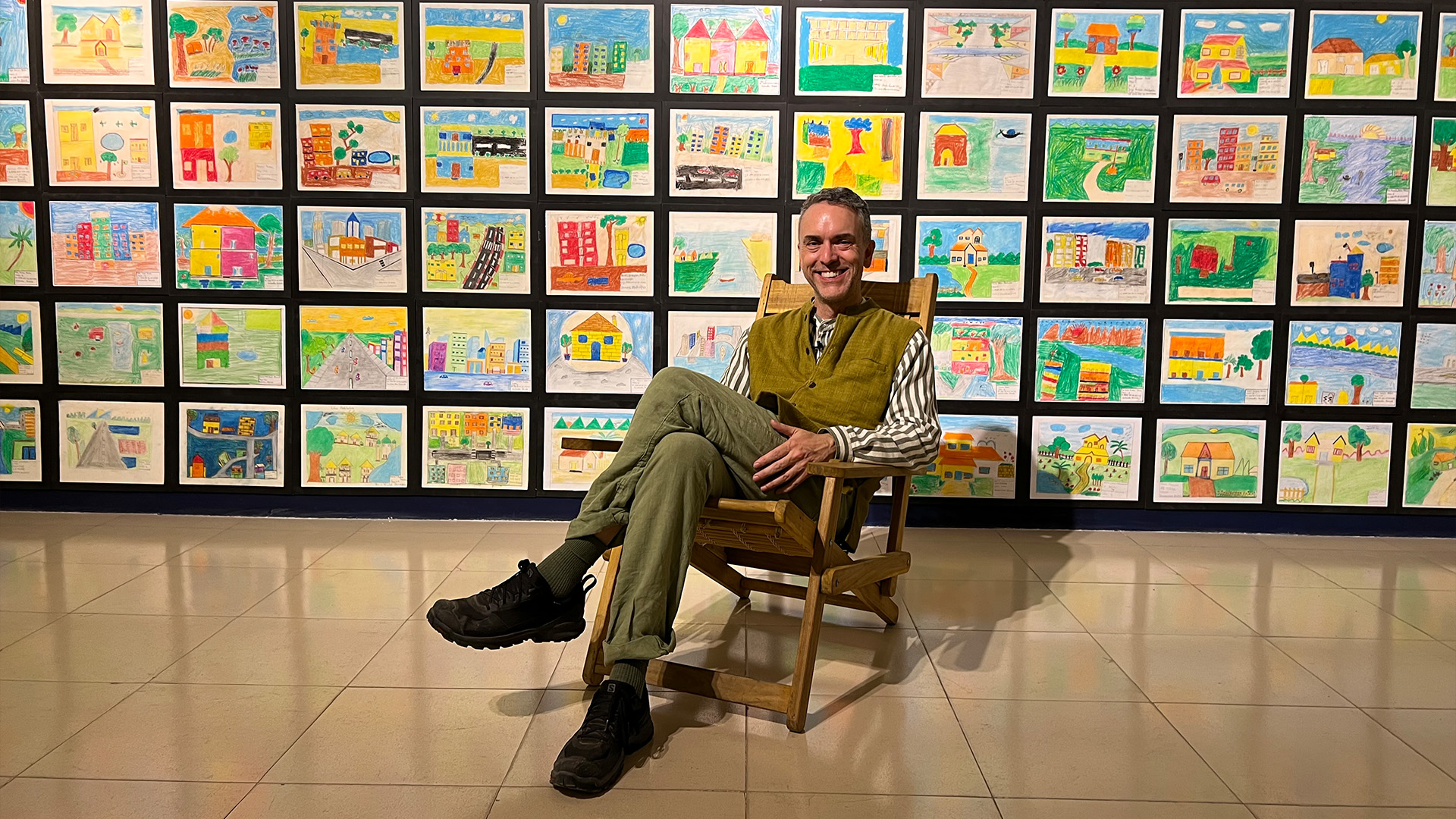
At the Dhaka Art Summit 2023, the exhibition curated by Sean examined how architecture takes shape under conditions of turbulence. Architect Rizvi Hassan, together with Khwaja Fatmi, presented photographic and sculptural works documenting the temporary community spaces they built within the Rohingya refugee camps in Cox’s Bazar, bringing a pressing and deeply topical crisis into focus. The exhibition was further expanded in 1000 Futures with the inclusion of 1,000 drawings of imagined futures by schoolchildren from across Bangladesh and a performance work with Sumayya Vally, co-curated with Diana Campbell.
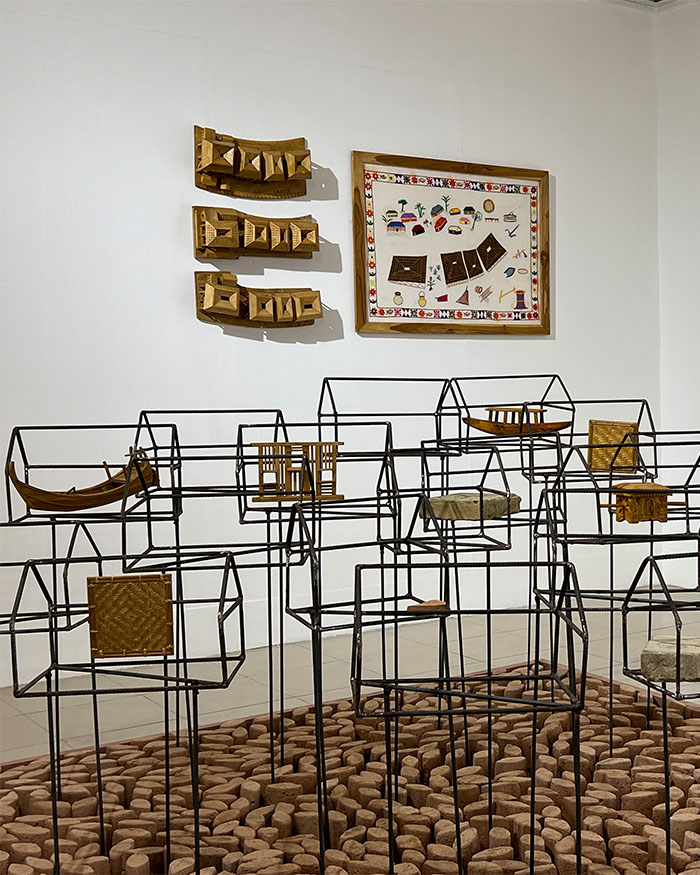
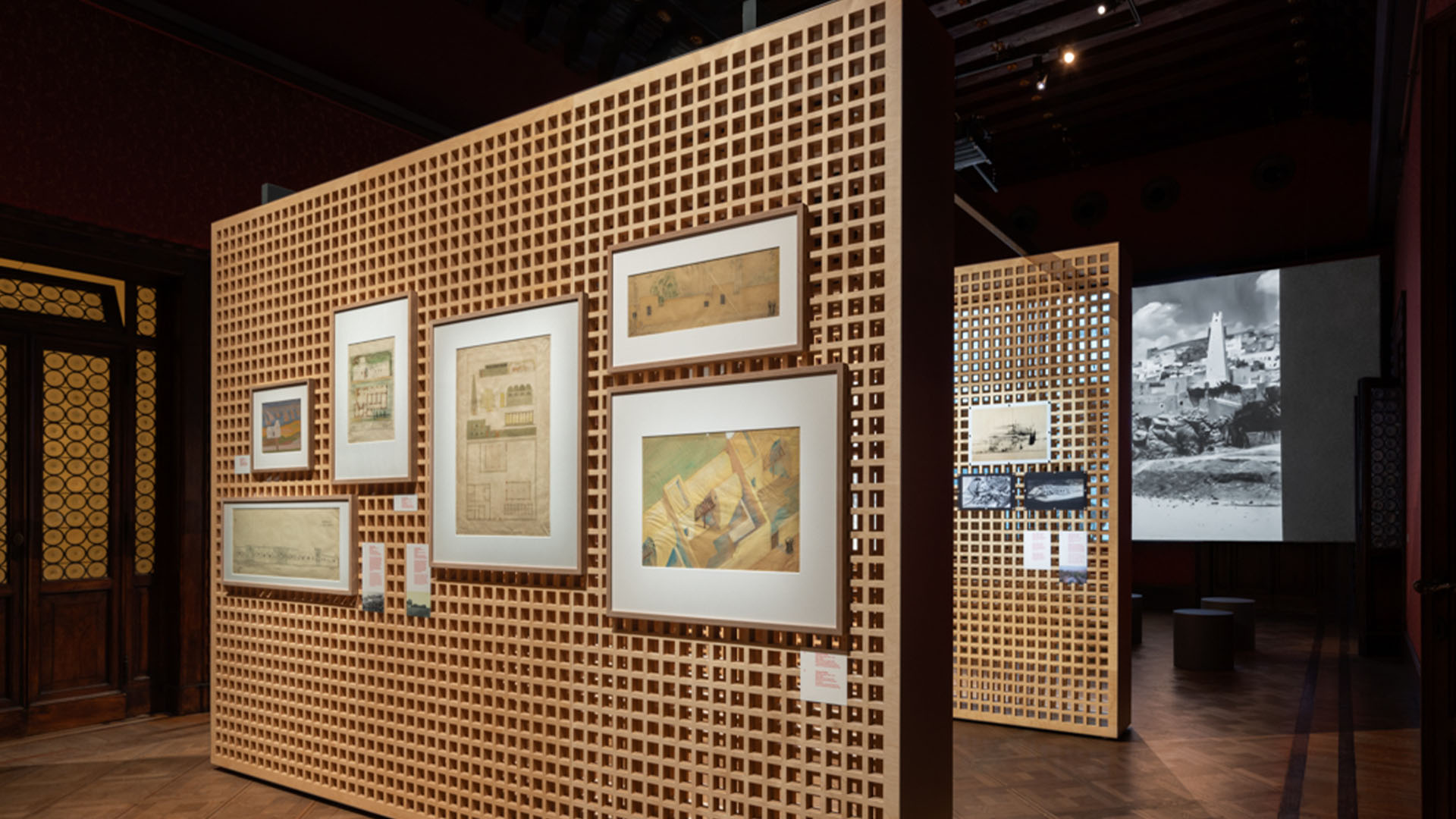
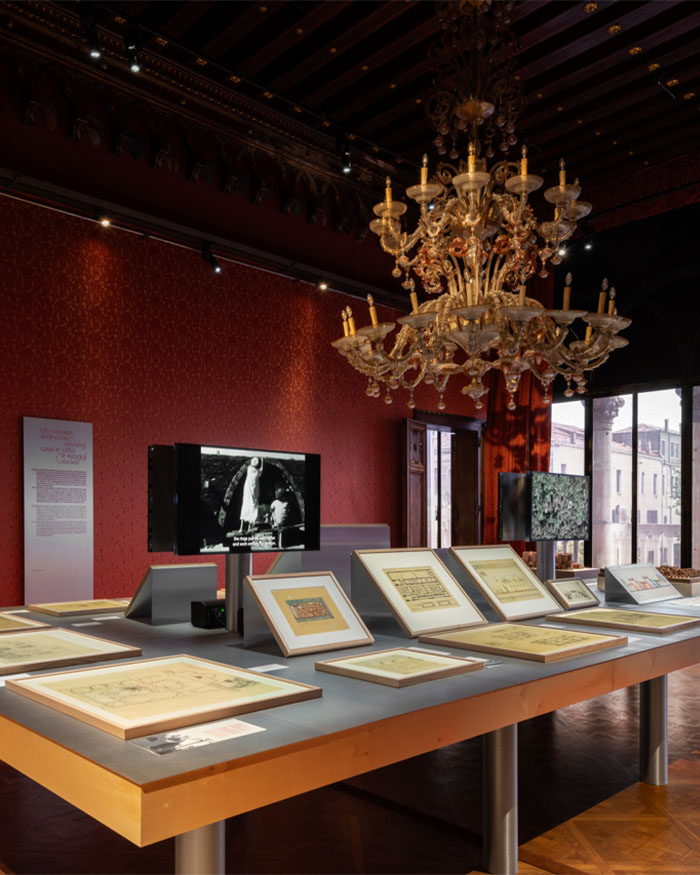
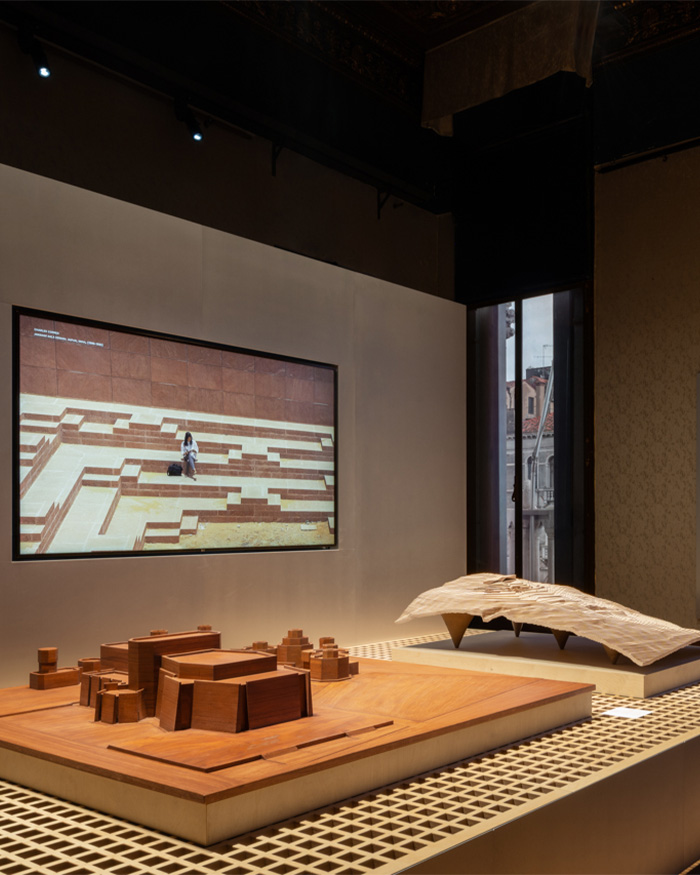
The first official national pavilion of Qatar at the 19th International Architecture Exhibition, La Biennale di Venezia 2025, was curated by Sean, alongside Aurélien Lemonier and the Art Mill Museum. The project unfolded across two sites, a national pavilion in the Giardini and a parallel exhibition at the Palazzo Franchetti, together foregrounding voices from South Asia with works from across the Middle East and North Africa. The pavilion examined ideas of hospitality in architecture, urbanism and landscape, drawing from the Arabic word for home, bayt, to explore questions of belonging. It also offered an opportunity to reflect on the legacy of architect and urbanist Hassan Fathy, whose work championed social engagement through vernacular forms, techniques and materials
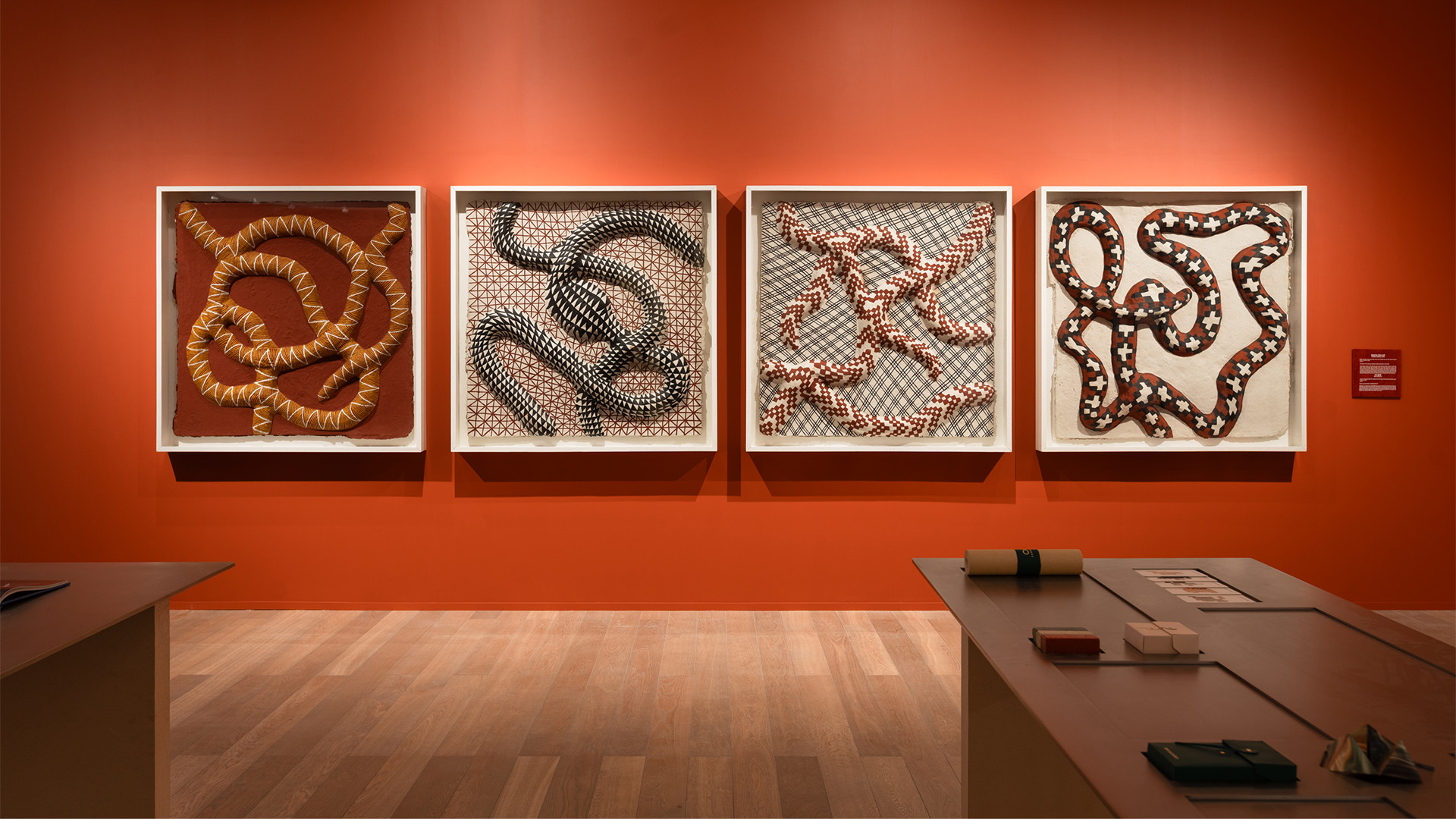
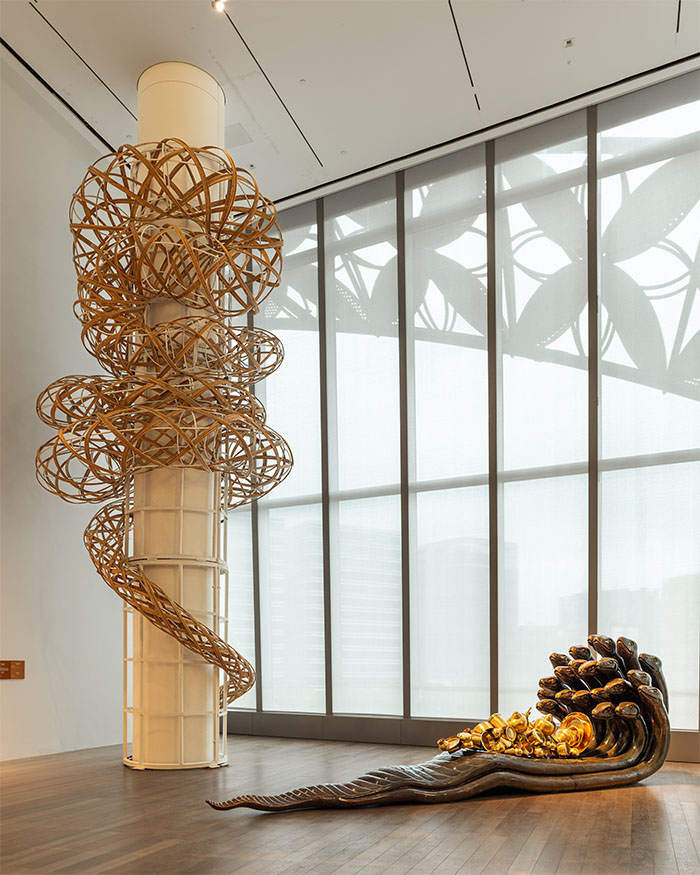
As Principal Curator of the exhibition, Sean established a narrative continuity between the Roman high jeweller Bvlgari and India through a shared reverence for the serpent as a shape-shifting symbol of renewal and transformation. Held at the NMACC in Mumbai, the exhibit, presented in collaboration with Nature Morte gallery, where Sean was the Artistic Director, posed provocations on the role of art and the desire for luxury. By bringing together works inspired by the naga, spanning historical artefacts and contemporary artistic practices, and by positioning indigenous artists within the contemporary, the exhibition traced how centuries-old symbolic affinities can be reactivated to produce resonant narratives today.


No results found.