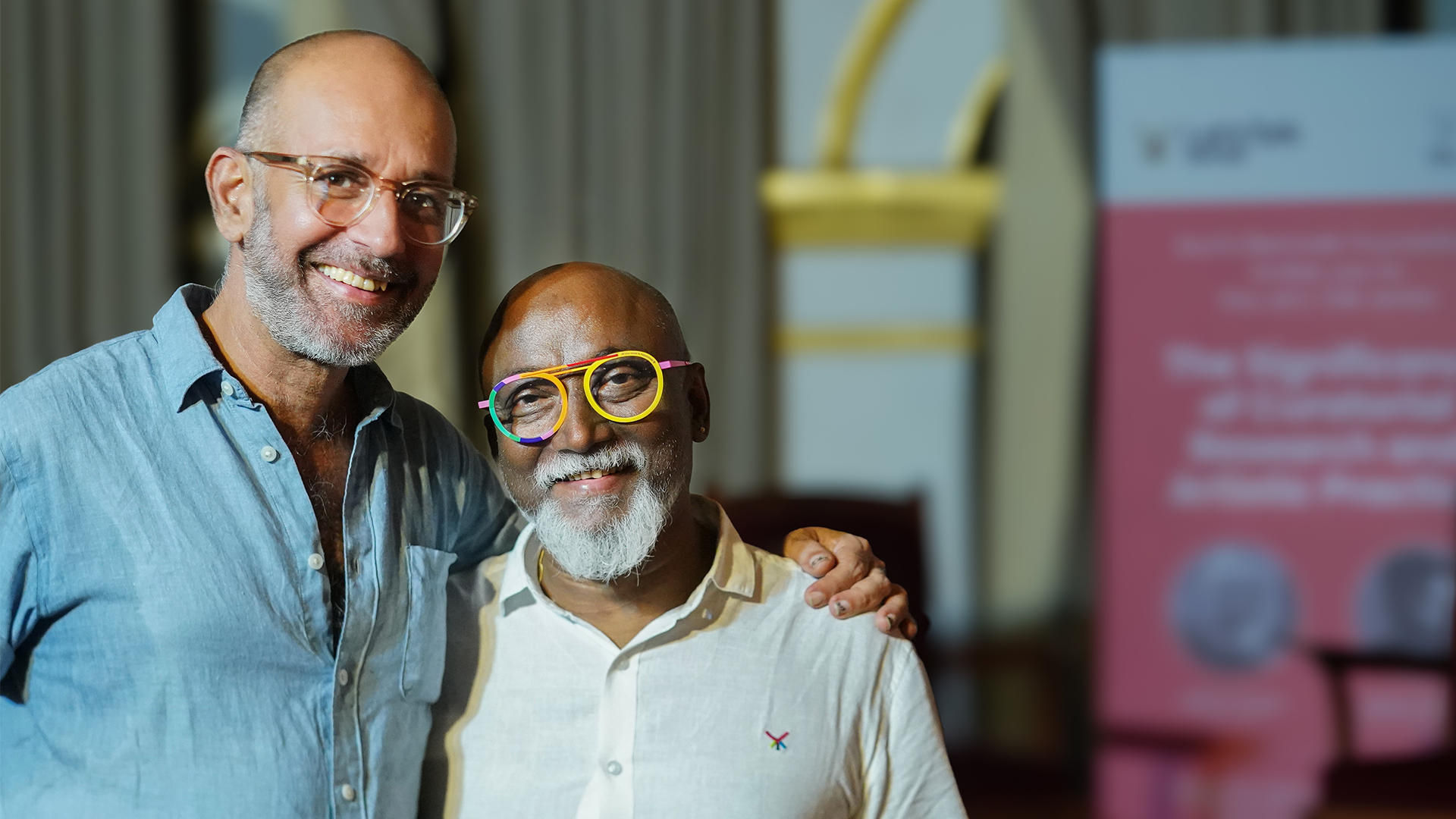
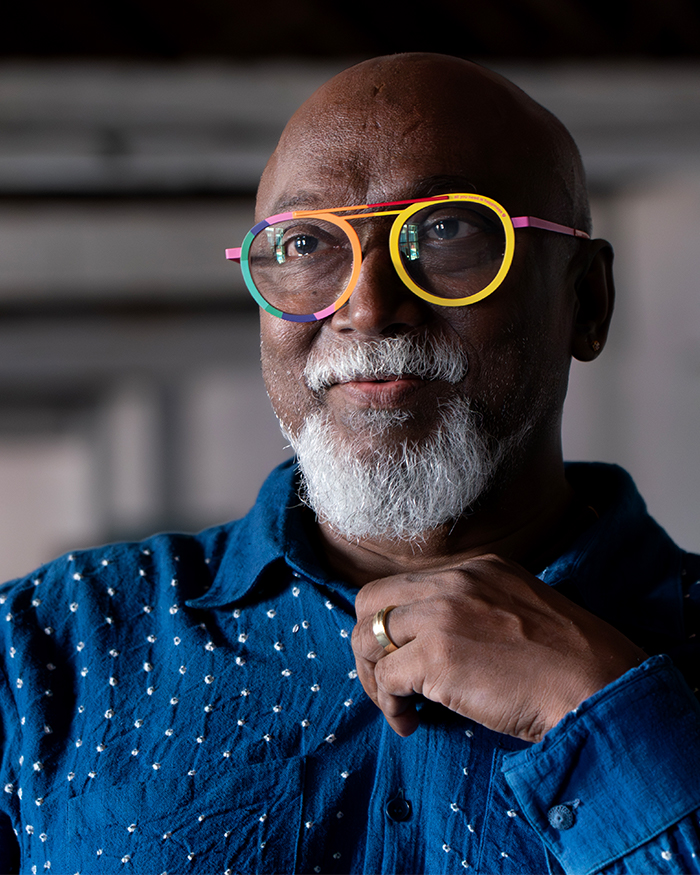
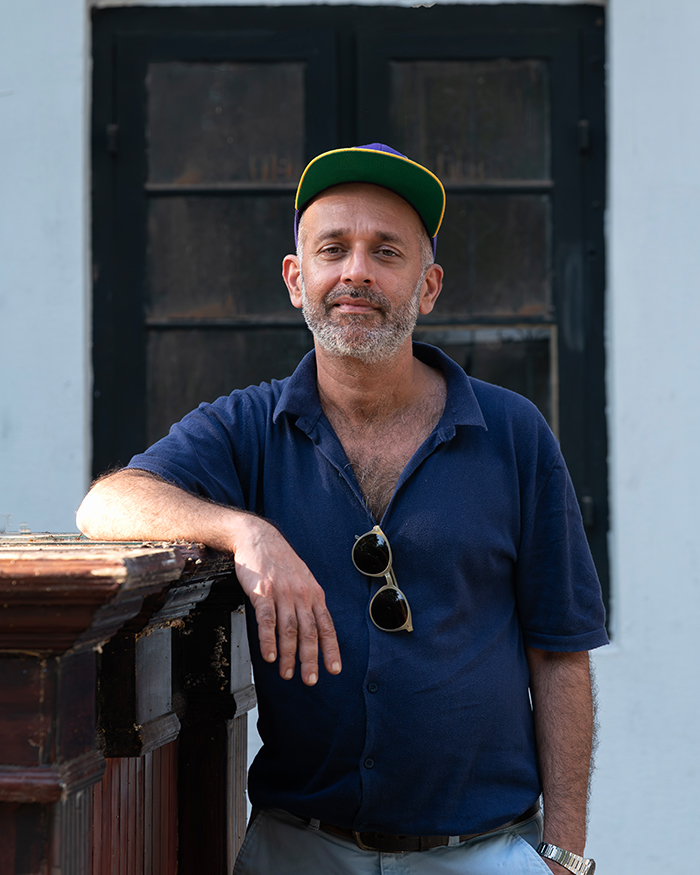
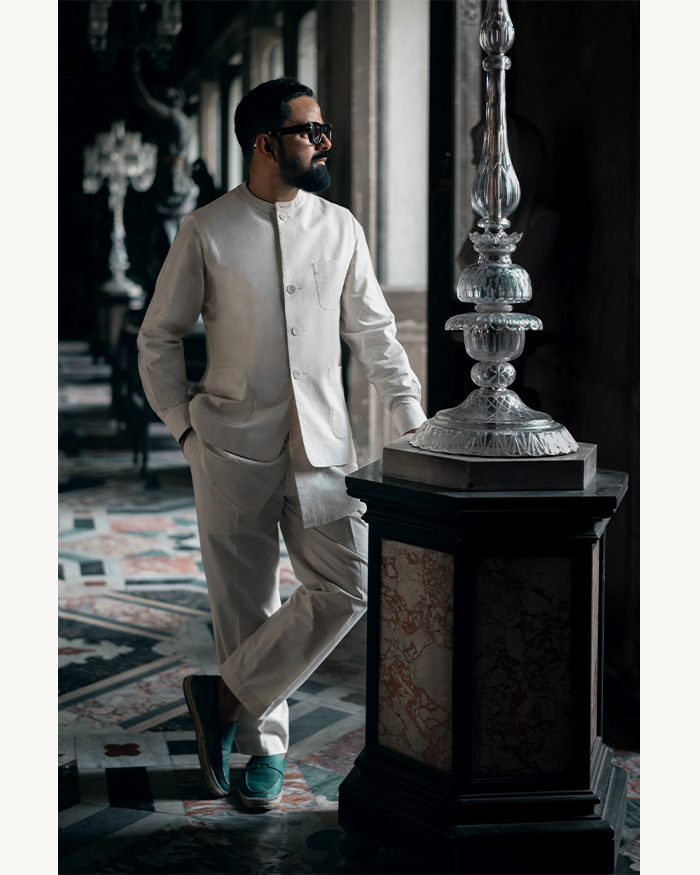
Nikhil Chopra and Bose Krishnamachari

Who is behind the Kochi-Muziris Biennale?

A conversation between Bose Krishnamachari and curator of the sixth edition, Nikhil Chopra

BY

The Kochi-Muziris Biennale is often described as India’s most critical experiment in contemporary art, yet its significance lies not only in the work it presents but in the questions it raises about place, authorship and publicness. Appearing every two years in a historic port city shaped by centuries of trade, migration and cultural entanglement, the Biennale insists that art must respond to its environment rather than float above it. As its sixth edition prepares to open, we speak with co-founder and president, Bose Krishnamachari and curator of the sixth edition, Nikhil Chopra. 

"We pick sites at the water’s edge and derelict warehouses where, if you scratch the walls, they bleed history"

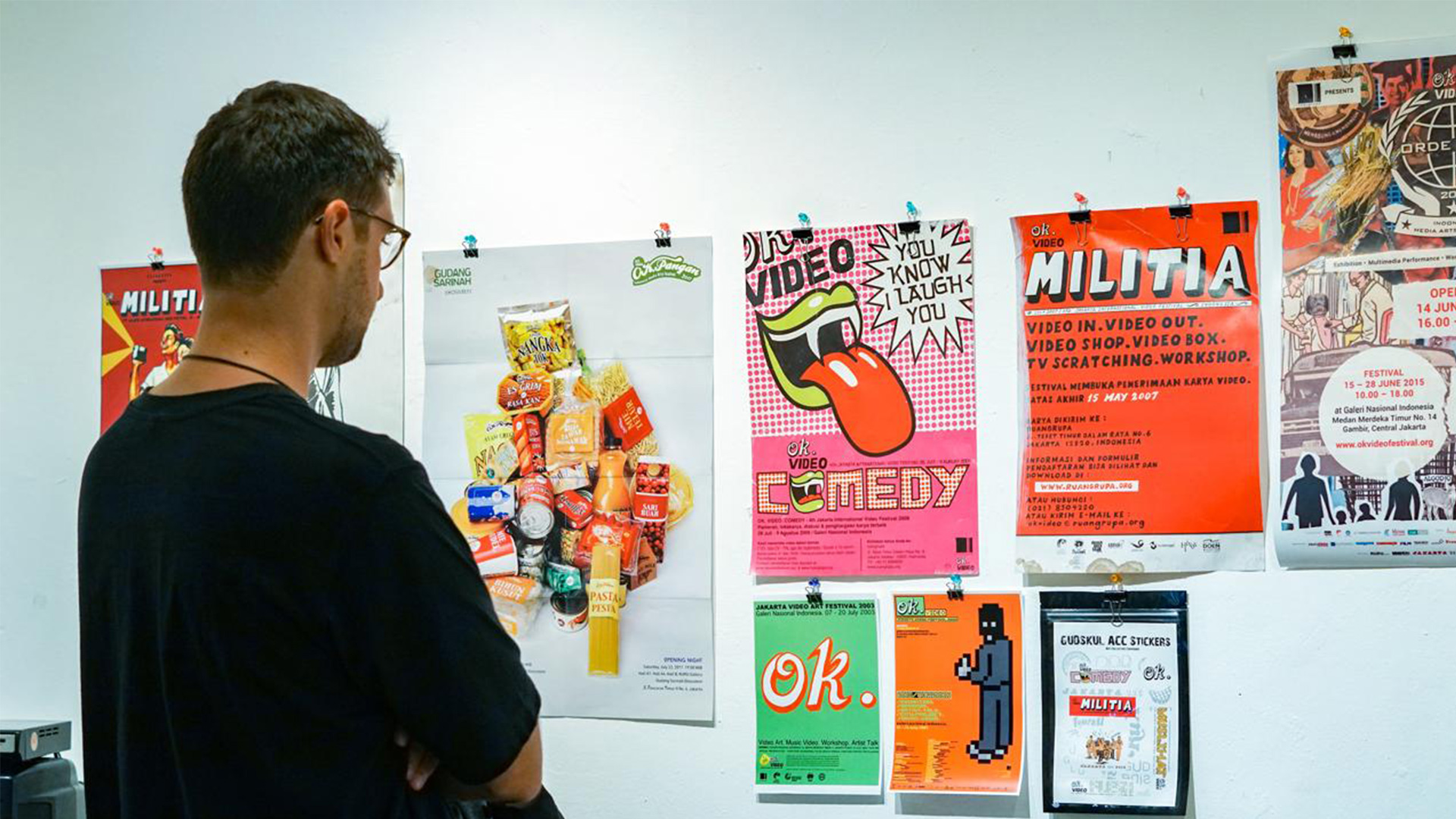
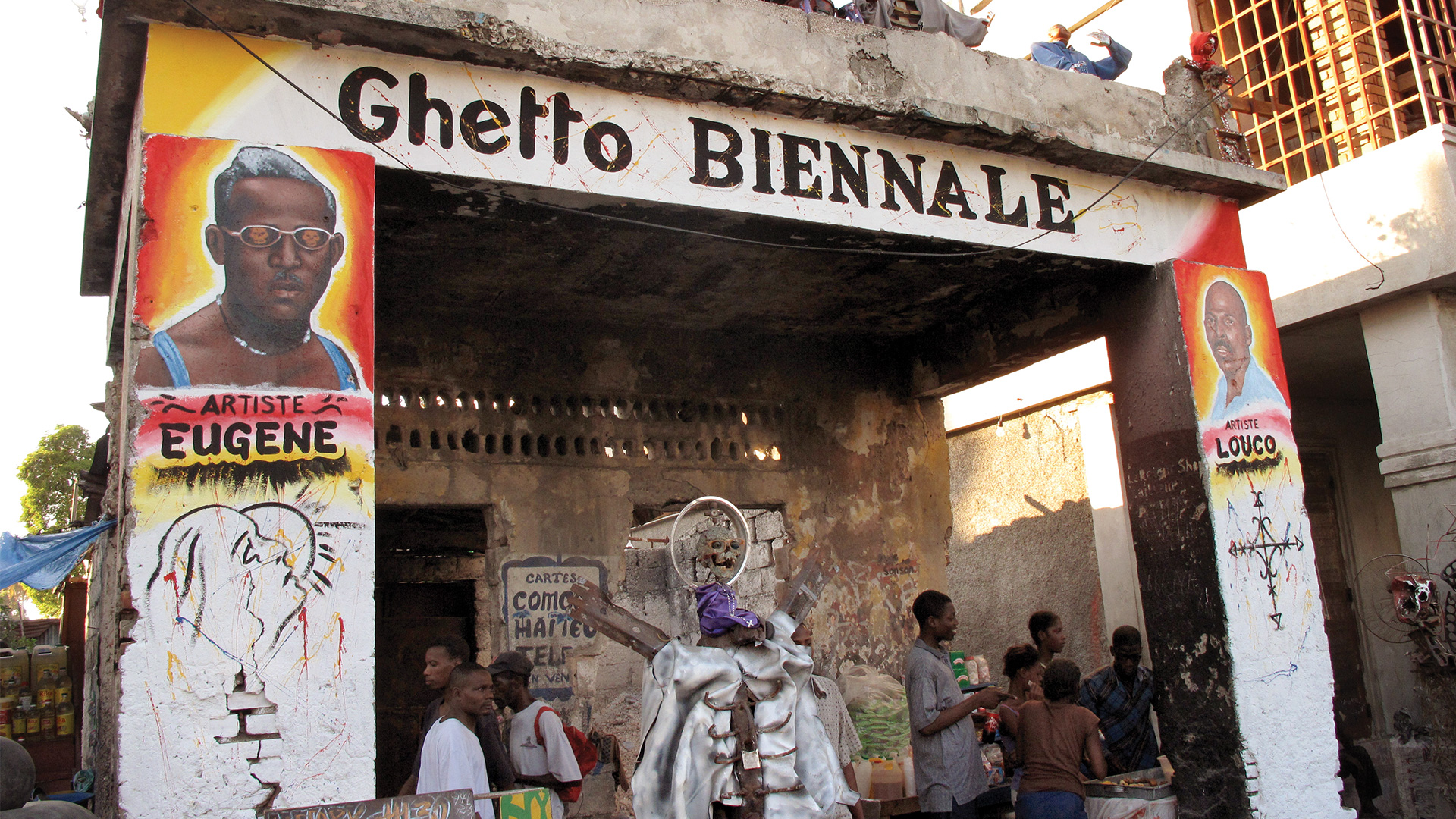
A glimpse of the previous Kochi-Muziris Biennale; Photography courtesy Kochi-Muziris Biennale

What about Fort Kochi makes this the perfect place for a biennale?


NC: Fort Kochi is layered with history and contemporary narratives. It is a port town where ideas, goods and people have passed for millennia. That story becomes a part of the skin and bones of the place. For contemporary art and critical practice, this place is very fertile. Kerala has long been a site of critical conversation and resistance. The audience is emancipated and internationally aware in an intergenerational way.

BK: It is Kochi–Muziris Biennale. Muziris was an ancient port that traded with nearly 56 countries and is 25 to 30 km from Fort Kochi. In contemporary times, there are many communities in its 4.5 sq km area. In the absence of any big galleries, artists from Kerala travelled widely. The Biennale felt like bringing back culture. The state government supported it after conversations with M. M. Baby, who asked what we could offer culturally. That conversation began it all. 

Nikhil Chopra
A glimpse of the previous Kochi-Muziris Biennale; Photography courtesy Kochi-Muziris Biennale

Why choose the Biennale model?


BK: I started Double Enders in 2005, a travelling show of 69 Malayali artists. It proved that if you create space for art, people will come. A Biennale is not commerce. It is for thinkers and practitioners from around the world. The Triennale in India taught me the value of seeing original work. We researched other Biennales and slowly educated officials that aesthetics cannot be taught but can be learnt. The urgent aim was to invite the international arts world to engage with India as an exhibition ground and collaborator. If India becomes a genuine site of conversation, it will change how contemporary art is seen and practiced here.

How do you choose sites and present work?


NC: We pick sites at the water’s edge and derelict warehouses where, if you scratch the walls, they bleed history. They allow ambitious projects that break out of the white cube. Over time, the Biennale changed Fort Kochi: more cafés, galleries and culture spaces appeared. We do not want a carved-in-stone model. Art is always in transition. We crossed to Willingdon Island and occupied a 90 by 20 mtr industrial warehouse to pit old against new. Every Biennale is another chapter, each edition turns a page.

A glimpse of the previous Kochi-Muziris Biennale; Photography courtesy Kochi-Muziris Biennale
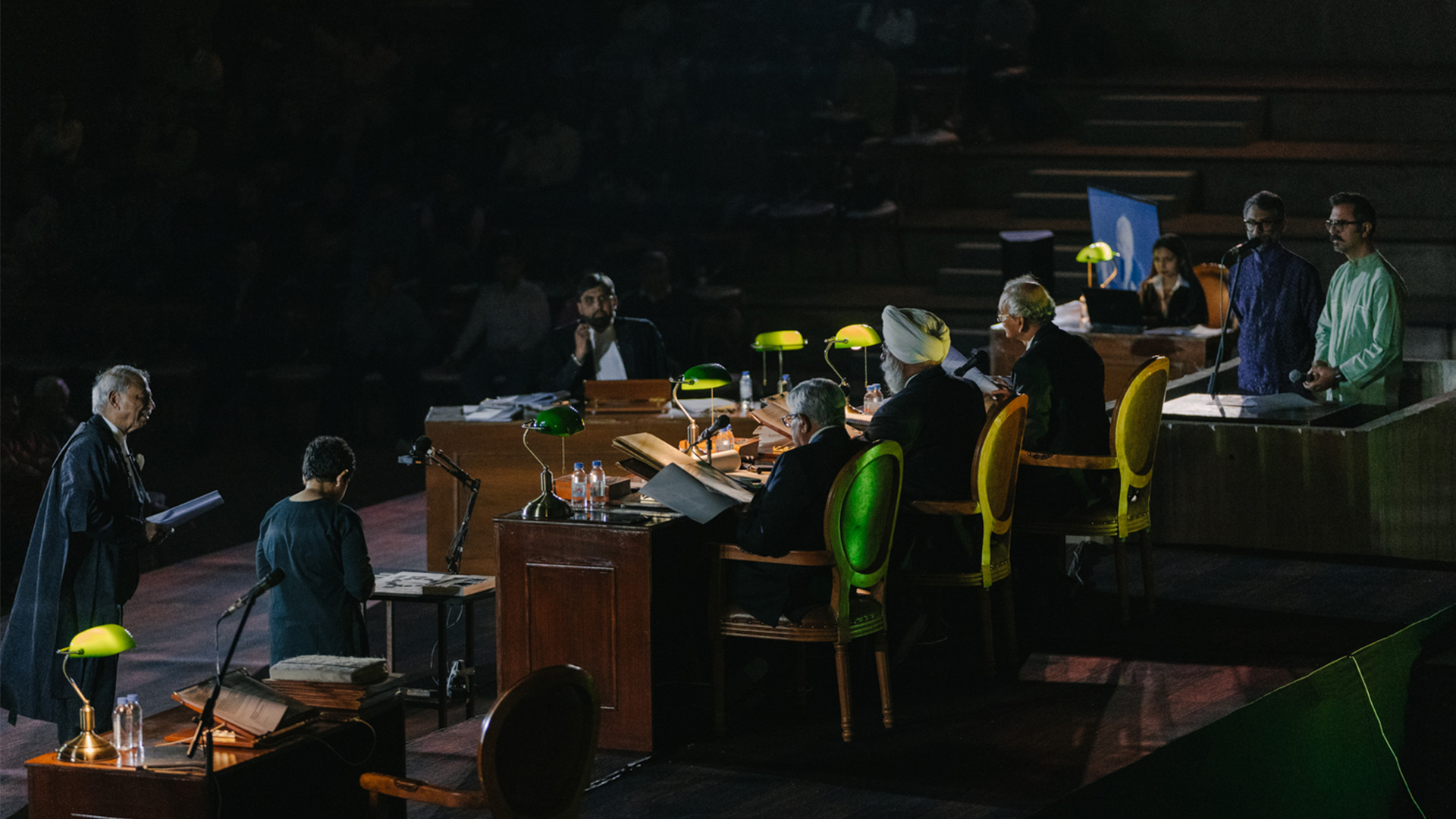
Khoj International Artists’ Association, In the matter Re Rights of Nature--A Staged Hearing (2023). Courtesy Alina Tiphagne, Khoj International Artists' Association; Photography courtesy Kochi-Muziris Biennale

What distinguishes Kochi from museum projects?


NC: We are not against white cube or climate-controlled spaces, but a Biennale is exploration. Kochi’s difference is that it is curated by artists. Artists understand location better than curators. Thinking and practice must go hand in hand. Kochi offers conversations across many languages and a bounty of craft, sound, poetry and cuisine to work with.

How do you define the role of an artist today?


NC: Everyone can be an artist but not everyone is. You must sensitise yourself to what can become art and create meaningful contexts. The Biennale’s educational practice opens opportunities. Society trains us out of our creative selves by putting us into systems of statistics and engineering. Choosing to be an artist is a conscious act that reminds others of that potential.

Who is a curator and who is an artist?


NC: I can only speak as an artist reacting to an invitation to organise, to gather, to bring together and present together. An artist can be an interlocutor or conductor. 

BK: Everybody curates, but at the same time, nobody is a curator. Unless you are a generous person, you cannot be a great artist, architect, sculptor or designer. You must understand the other. I believe a great curator is a great artist.


NC: An artist is also in the business of arranging things.  When extended out of a studio, it becomes curatorial work.  And I think the word curator has come into the fore only 20 years ago, before that, most people did not know what it meant. 

A glimpse of the previous Kochi-Muziris Biennale; Photography courtesy Kochi-Muziris Biennale
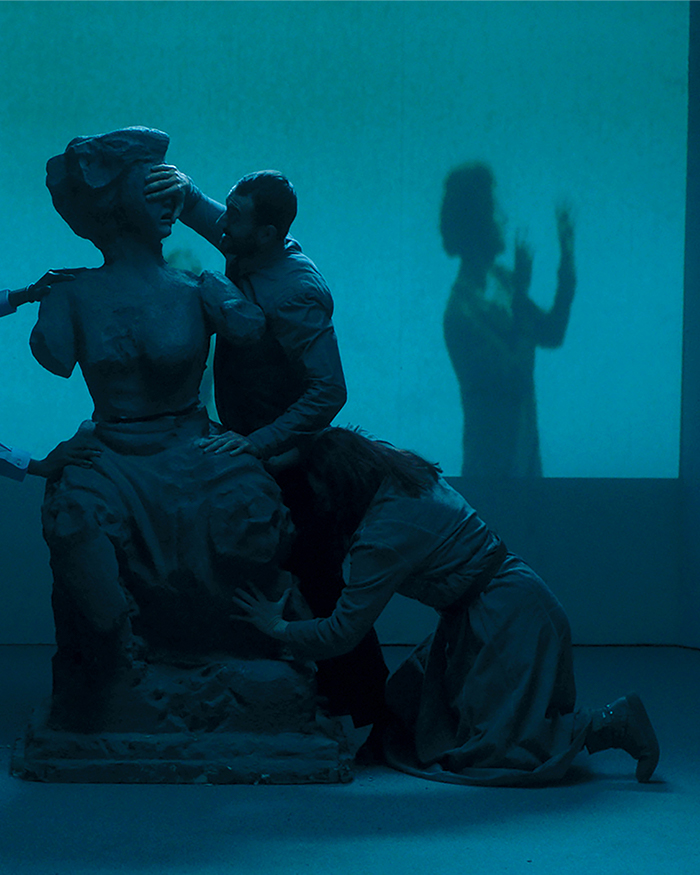
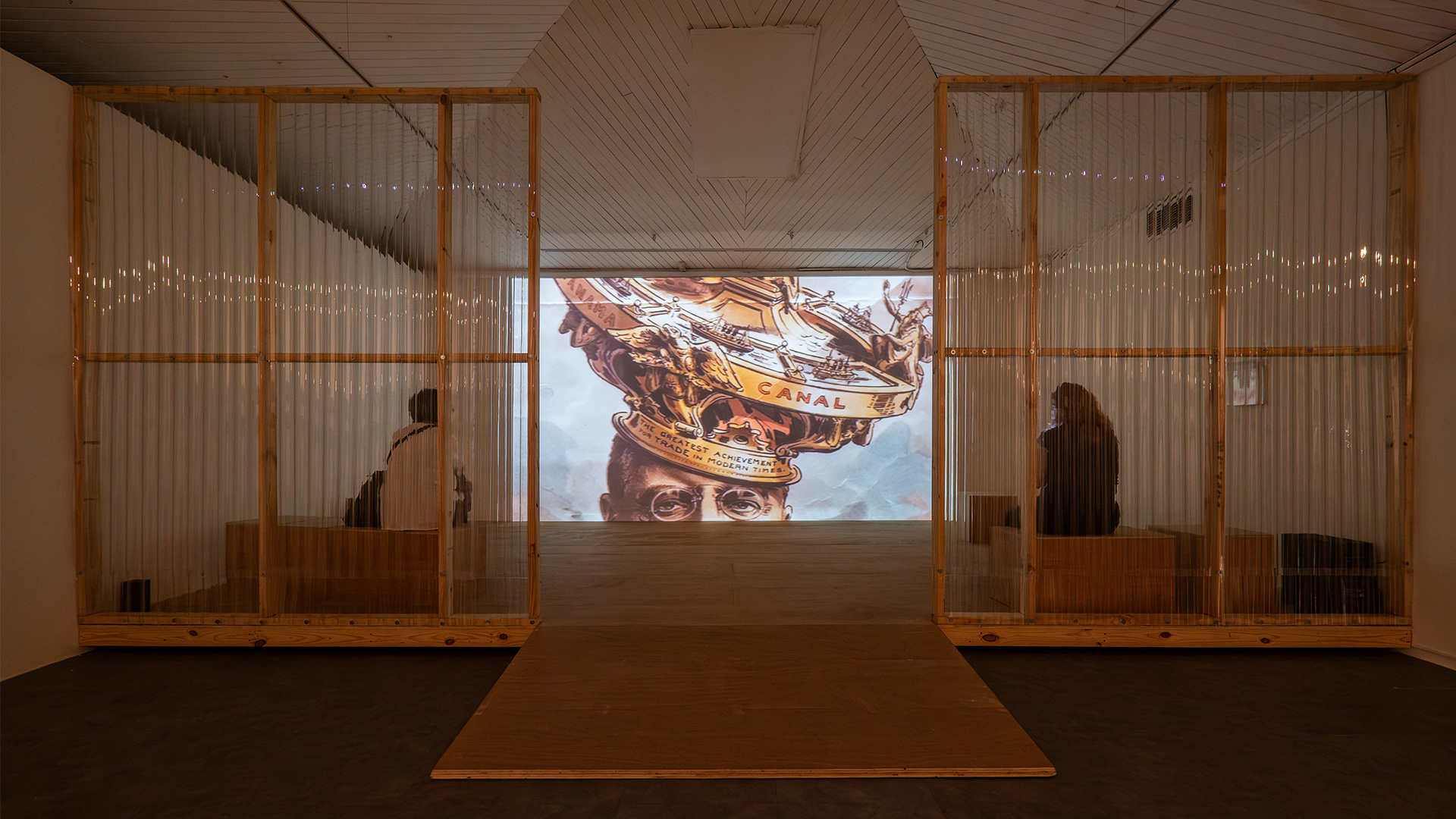
MAC Panama, Installation view of Simon Shim Sutcliffe’s Zone (2025). Photograph by Héctor Olaya

Is it up to the artist to decide what good art is?


BK: The final decision maker is the artist. People call it subjective, but it is not.  Art has history and sensibility. When we pick an artist, we sense their capacity to understand the site. Like a master conductor with 250 drummers, an artist discerns what is wrong. You can tell if it is commercial thinking or emotional practice. A curator must look as an artist and sensitise themselves historically, politically and socially.

Nikhil, can you tell us more about how your association began?


NC: HH Art Spaces has mirrored the Biennale’s aims for years, working in underbelly sites and answering the call to use architecture and history as material. Our relationship has been organic. Our proposal resonated because we understand how to create in these conditions. Kochi offers near limitless resources and embodied knowledge of monsoon, decaying spaces and salty air. Temporality became our framework. The Biennale opens and closes. Time is material. We invite installations that shift and evolve.

Why place the body at the centre of it all?


NC: We live in an industrialised world that distances us from our bodies as machines do more for us. Performance, slowness and liveness are crucial because the body is where feeling and expression happen. The body is political. To breathe is to be political. That is central to our curatorial provocation.

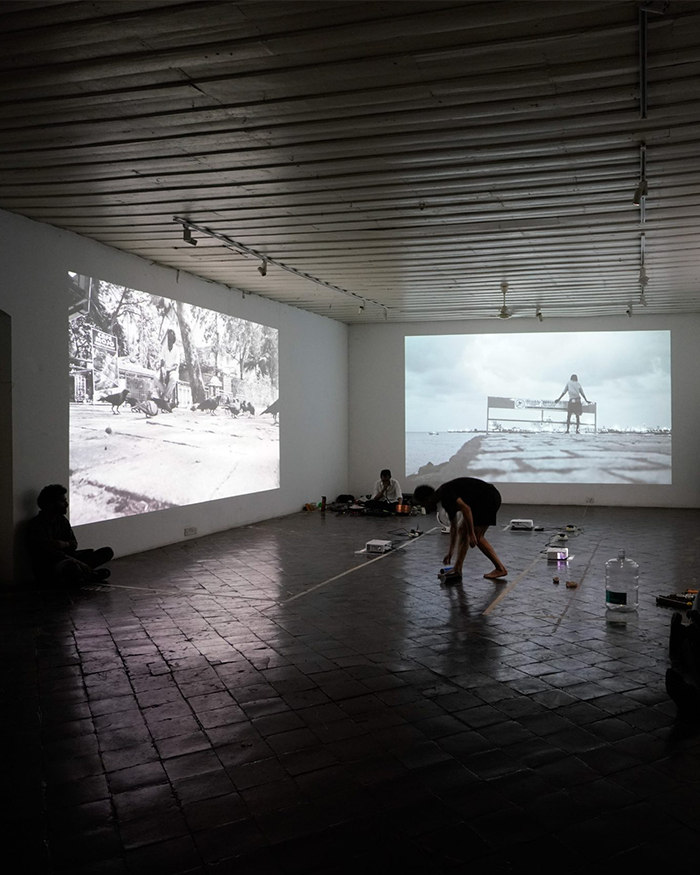
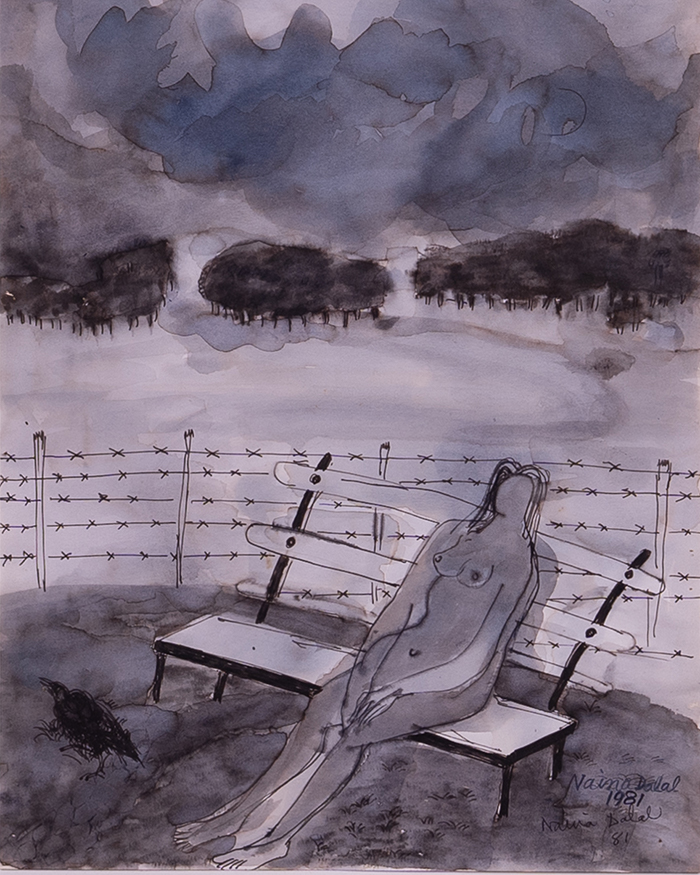
Naina Dalal, Bench, 15 x 11 inches, Pen and Ink on Paper, 1981; Photography courtesy Kochi-Muziris Biennale
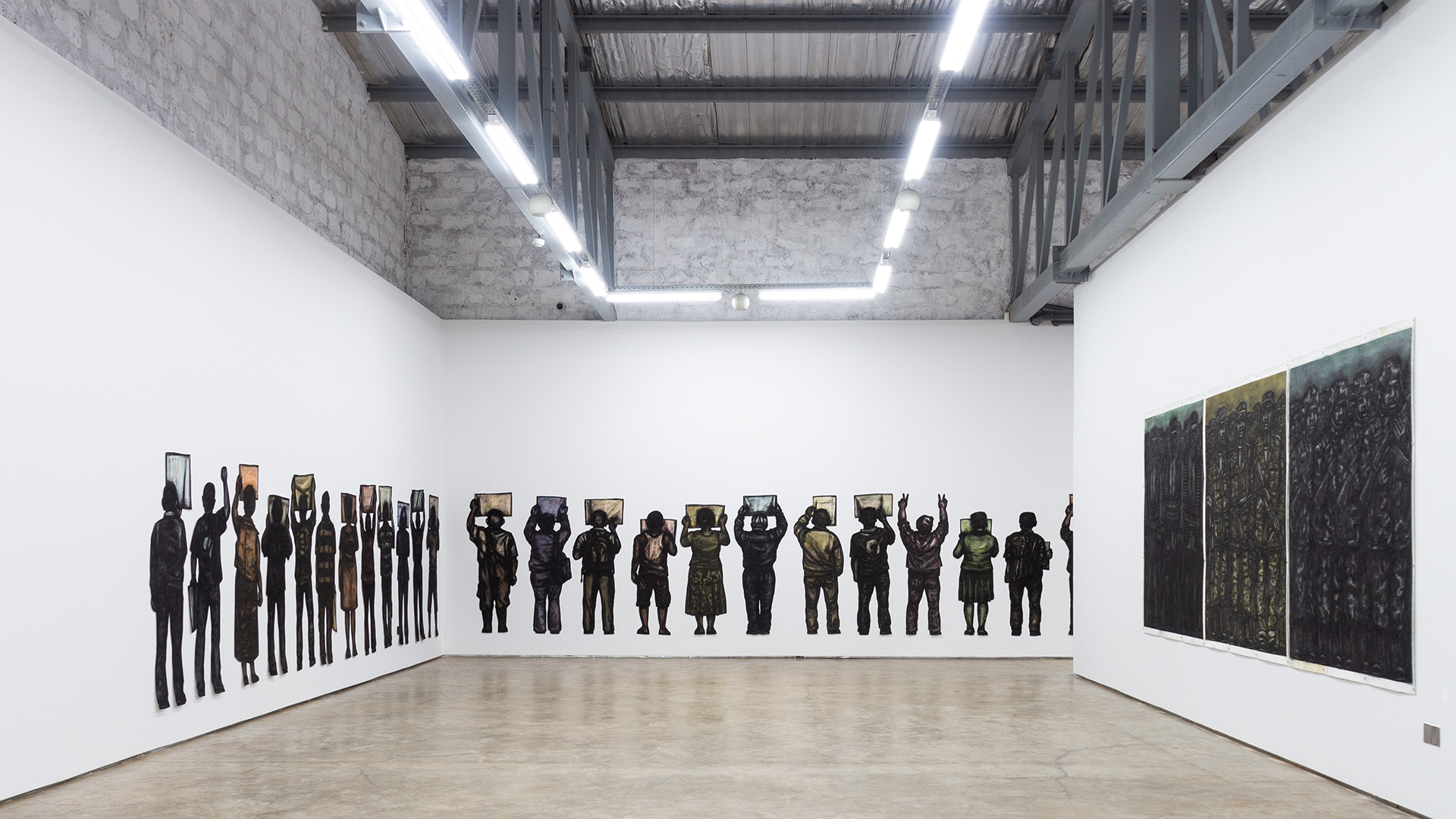
NCAI - Peterson Kamwathi, Kamwathi, The Border, 2012; installation view in Common Ground, NCAI, 2023. Image courtesy Nairobi Contemporary Art Institute (NCAI)

How do you make the Biennale inclusive?


NC: We expect nearly a million visitors. Only about 10 per cent will be from the art world. Around 90 per cent are regional visitors from Kerala. Many are students from more than a hundred art schools. It is the people’s Biennale. It is regional, national and international. Institutions bring students from Chicago, Bombay and Boston. The Kochi biennale is has historically been young, but it has sustained itself through public support and patrons. 

How do you sustain the Biennale?


NC: Sustainability is relational as much as ecological. How do we sustain friendships, partnerships and communities and a Biennale’s presence? Friendship is key. We must build trust and give from vulnerability. This is not about power but exchange. It is emotional and physical. The body is central to that exchange and to the immersive experience we want for people in Kerala.

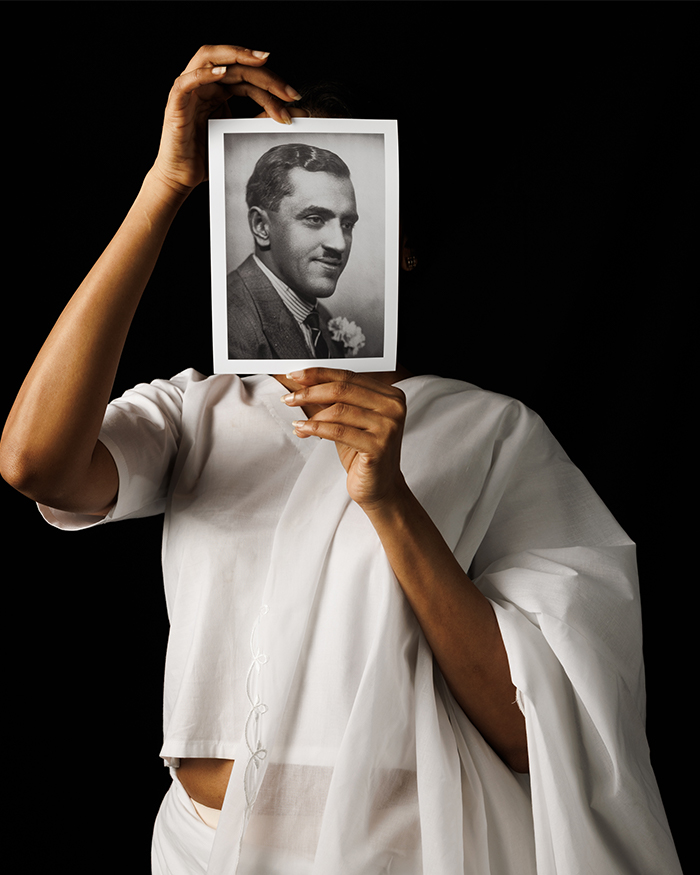
Sarah Chandy- Lilies in the Garden of Tomorrow; Photography courtesy Kochi-Muziris Biennale
SHARE THIS ARTICLE

You May Also Like

Watch

No results found.

Search
Close this search box.