M F Husain museum Qatar

M. F. Husain’s sketch shapes a museum

The largest such institution in Qatar for the late artist displays paintings, installations and personal archives

BY

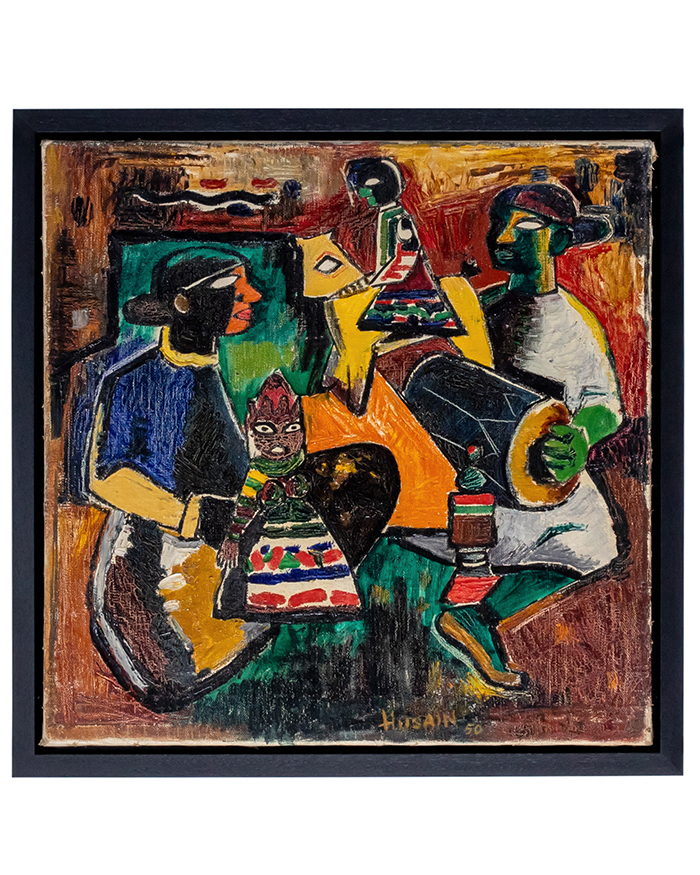
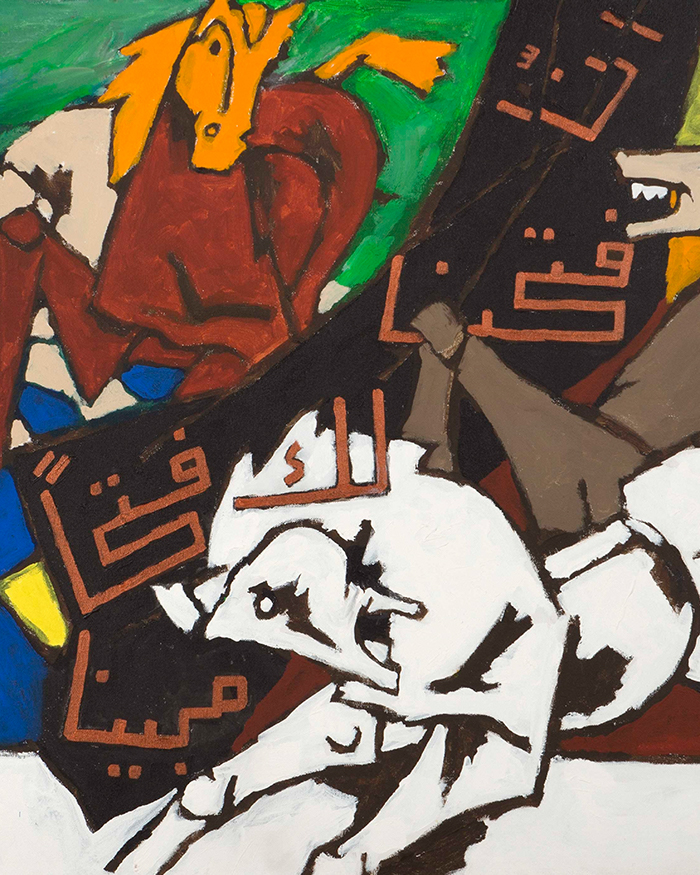
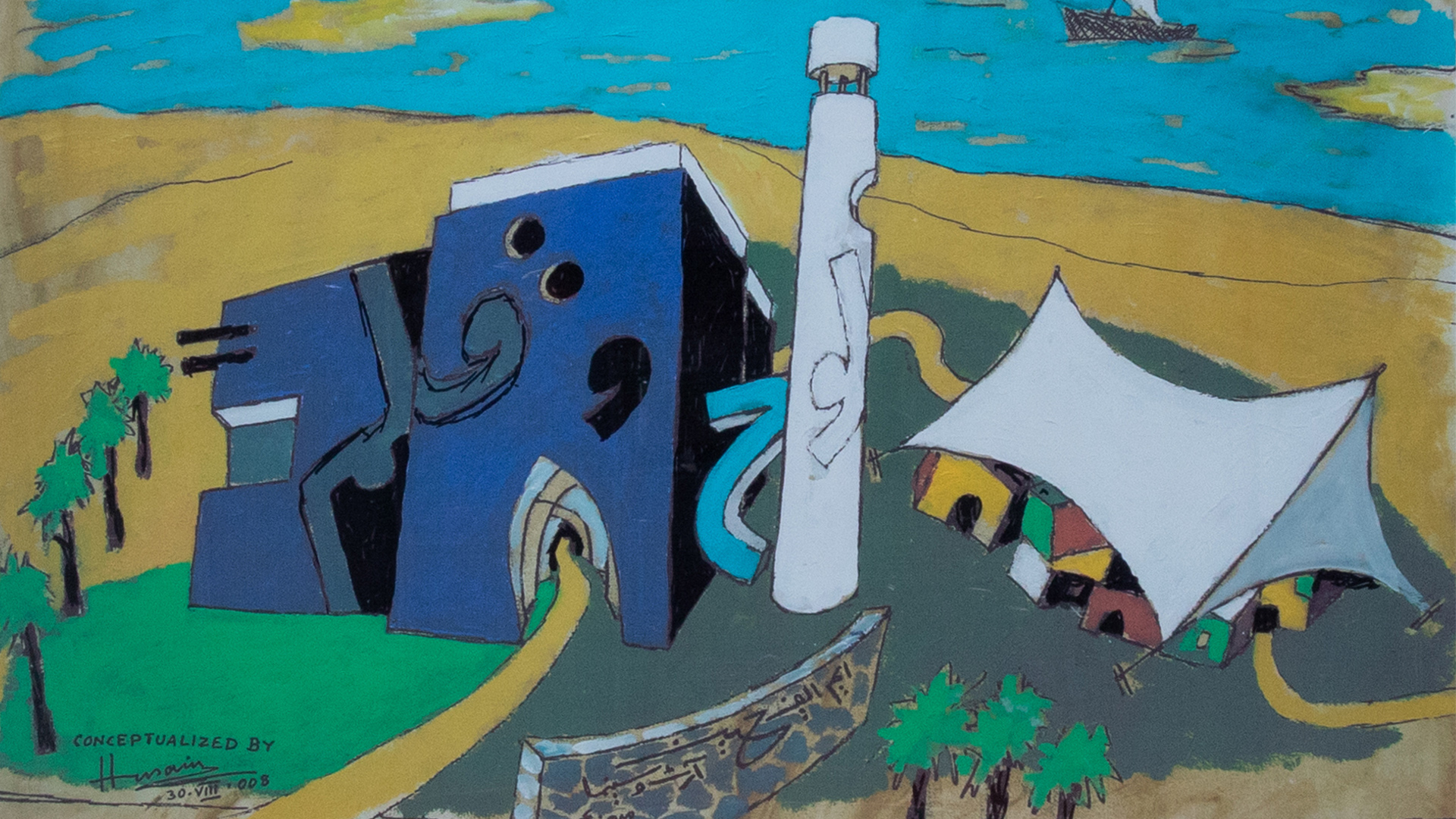
A painting that remained hidden from the public eye in India since 1954 was suddenly all over the internet last year. After all, its sale at Christie’s New York made it the costliest artwork ever sold of a modernist Indian artist in recent years. Called Untitled (Gram Yatra), the painting was by Maqbool Fida Husain, widely known as M. F. Husain, a defining artistic authority of the modern era, whose works questioned and juggled boundaries between colours, culture and censorship. Yet another defining moment registered into the books of history in the final months of 2025 — the Lawh Wa Qalam: M. F. Husain Museum in Qatar. The world’s first and largest museum dedicated to Husain, its visuals borrow from one of his final artworks before his demise in 2011. 

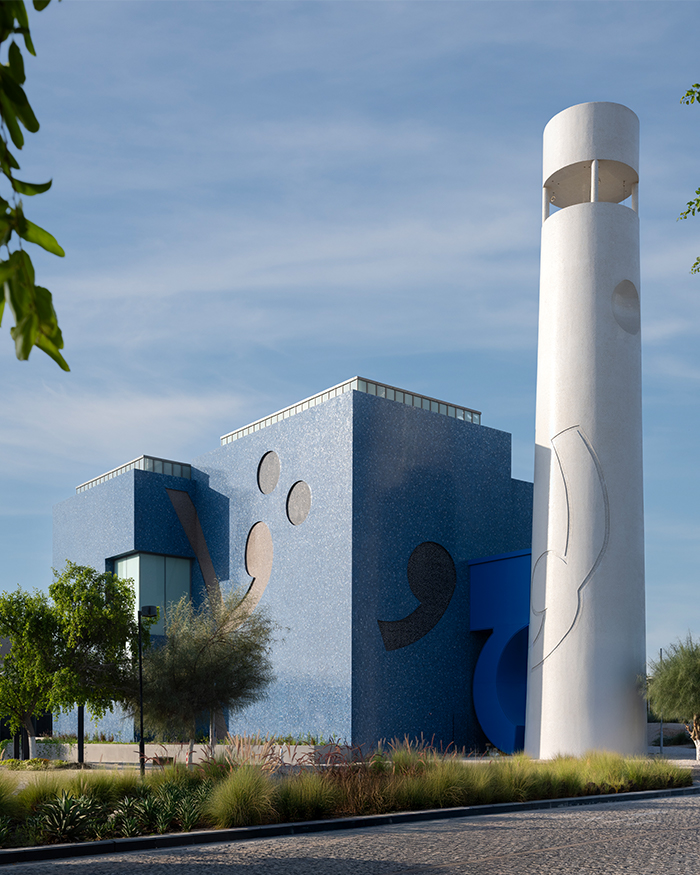
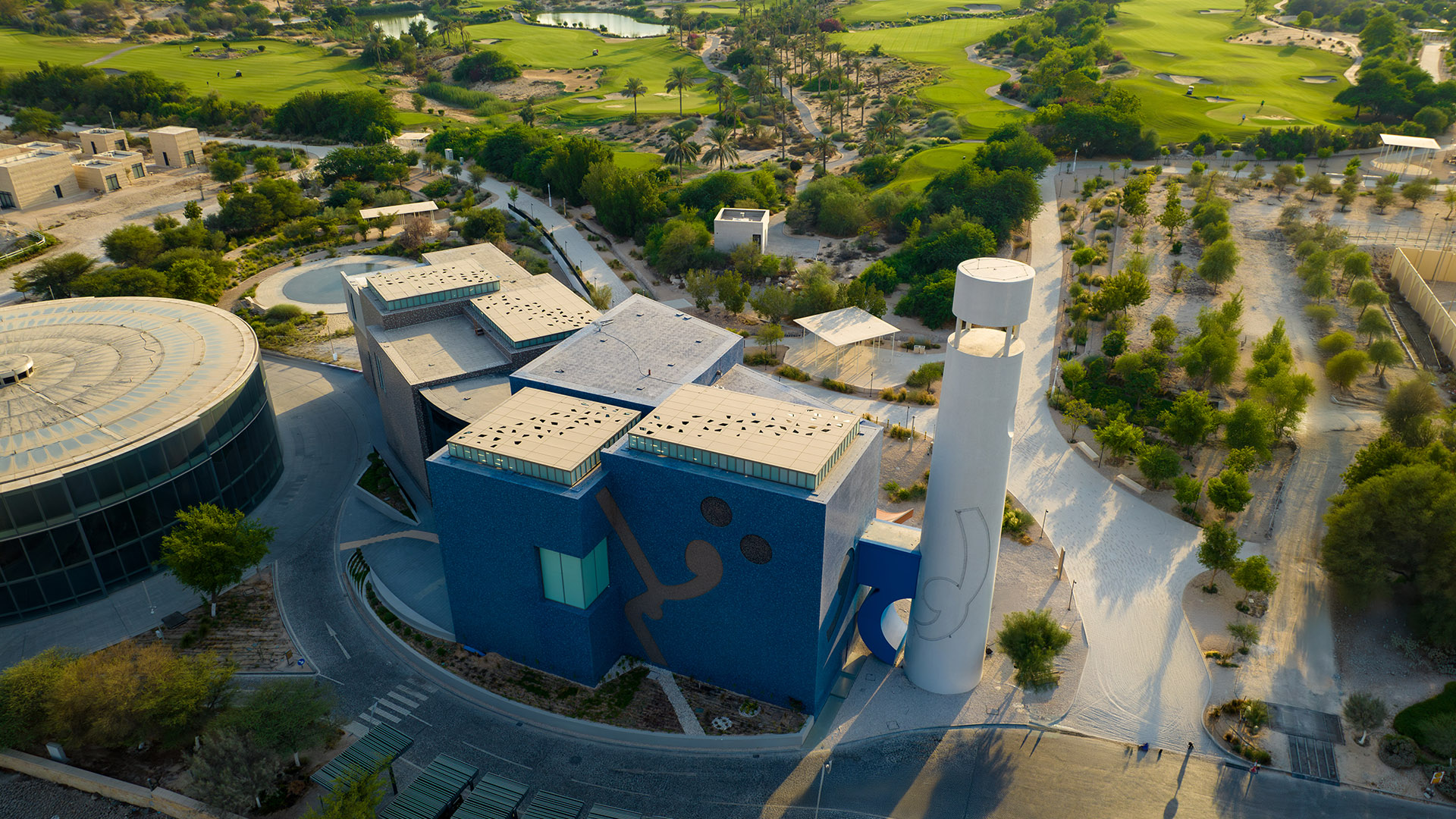
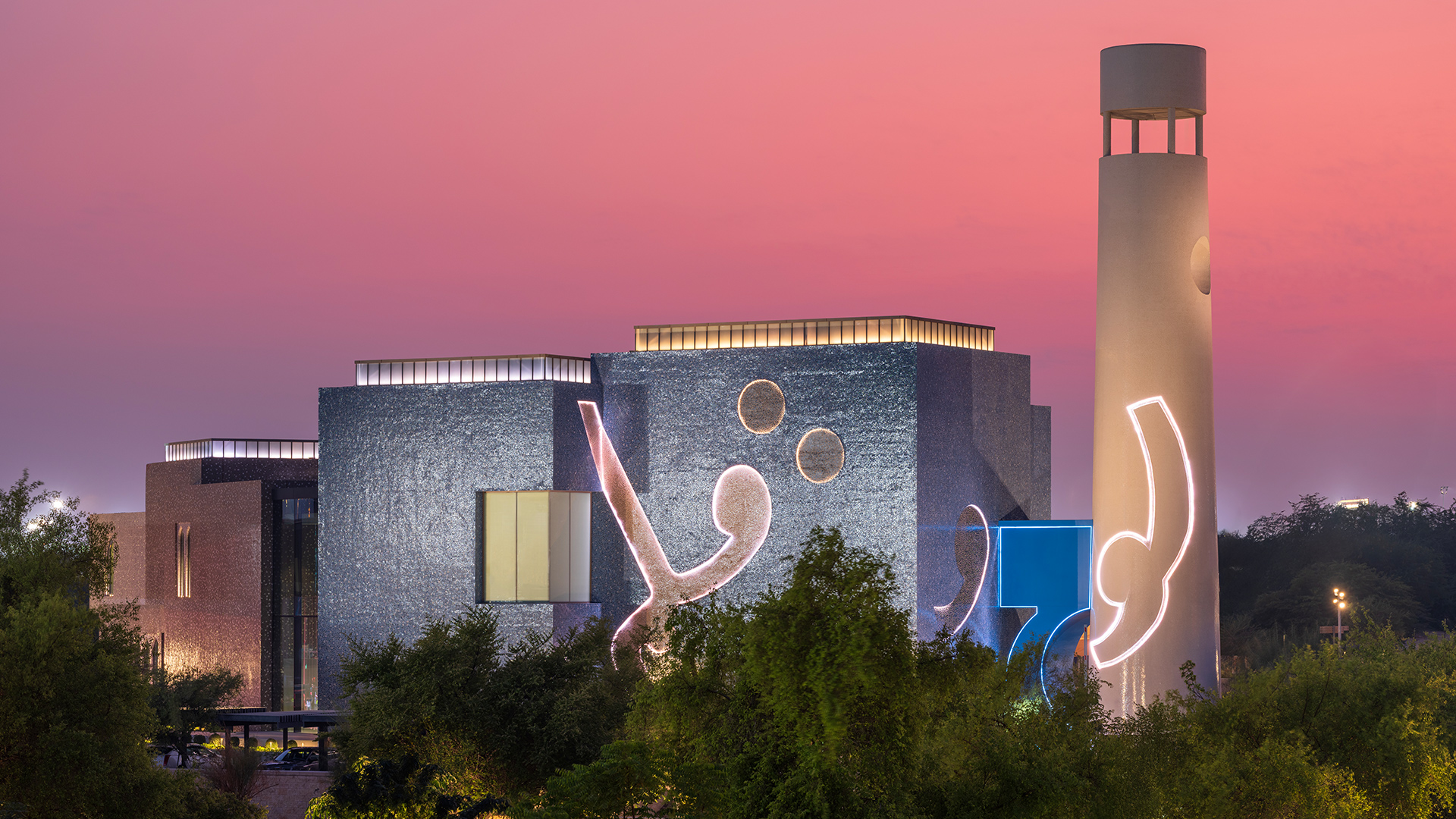
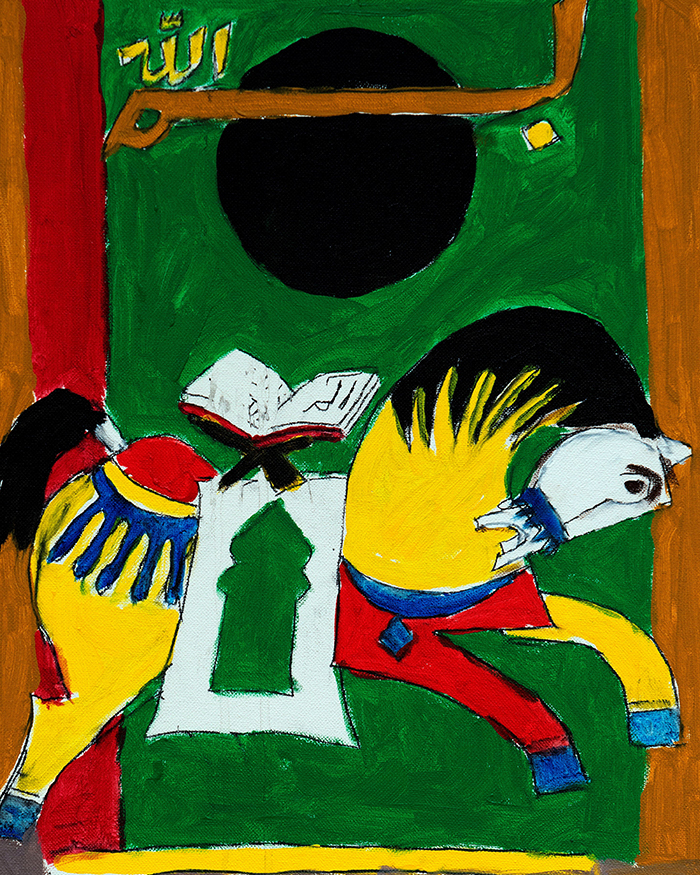
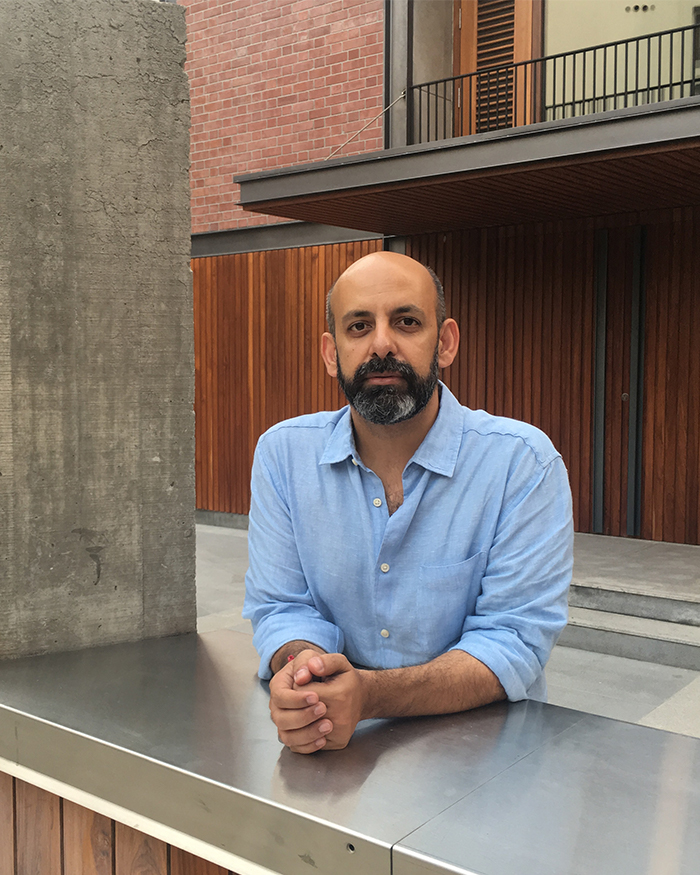
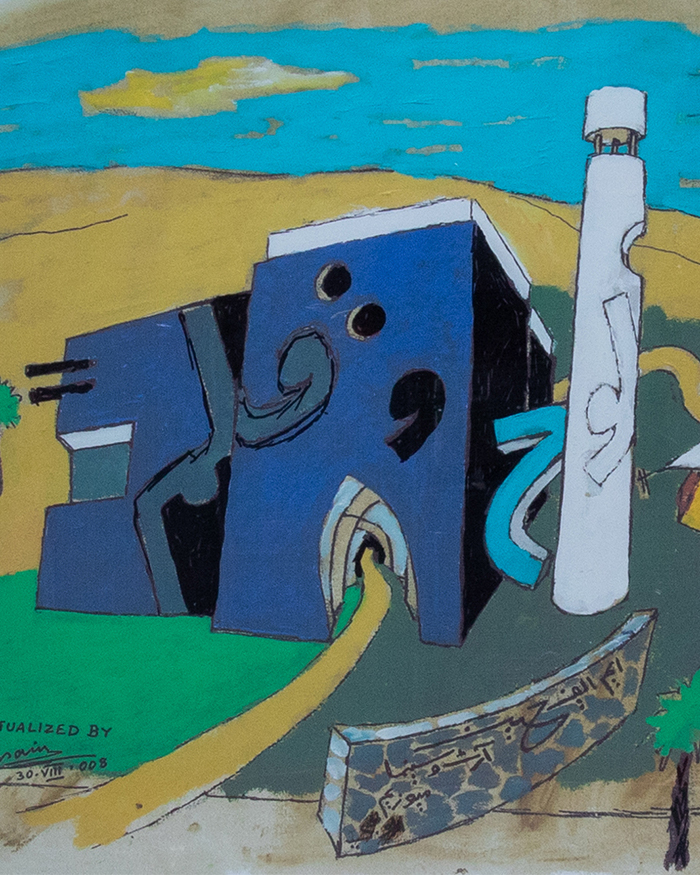
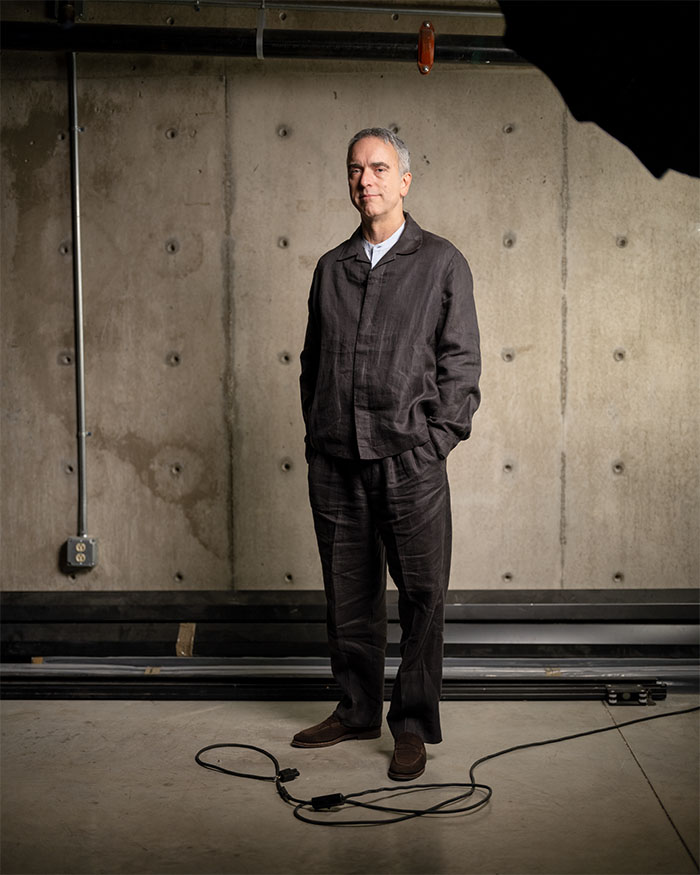
The design developed by India-based architect Martand Khosla, one could say the architecture of the museum itself mirrors Husain. 15 years after the late artist was granted citizenship in Qatar, the 3,000 sq mt site rises up as a material translation of Husain’s sketch that dates back to 2008. The blues and greys of the building along with the motifs reimagine the artwork’s canvas, evoking blurring lines between art, architecture, imagination and reality. “The blue house emerged directly from the sketch, while the grey house emerged as an architectural response to the blue house,” informs Martand. 

"The greatest challenge was to balance fidelity to Husain’s artistic intent with the architectural demands of a contemporary museum"

M F Husain museum Qatar
Photograph courtesy of Qatar Foundation

WHAT CLUES MIGHT ONE FIND?

Art thrives in depth; abstract or otherwise. Commissioned by the Qatar Foundation, the sketch’s portrayal into a museum led Martand to read through its many layers. The sketch not only presented a conceptual foundation but opened itself to interpretations of form, massing and rhythm. Before the building’s bones took shape, “We decoded the drawing and identified its possible hierarchies, colour logic and implied proportions,” he states.

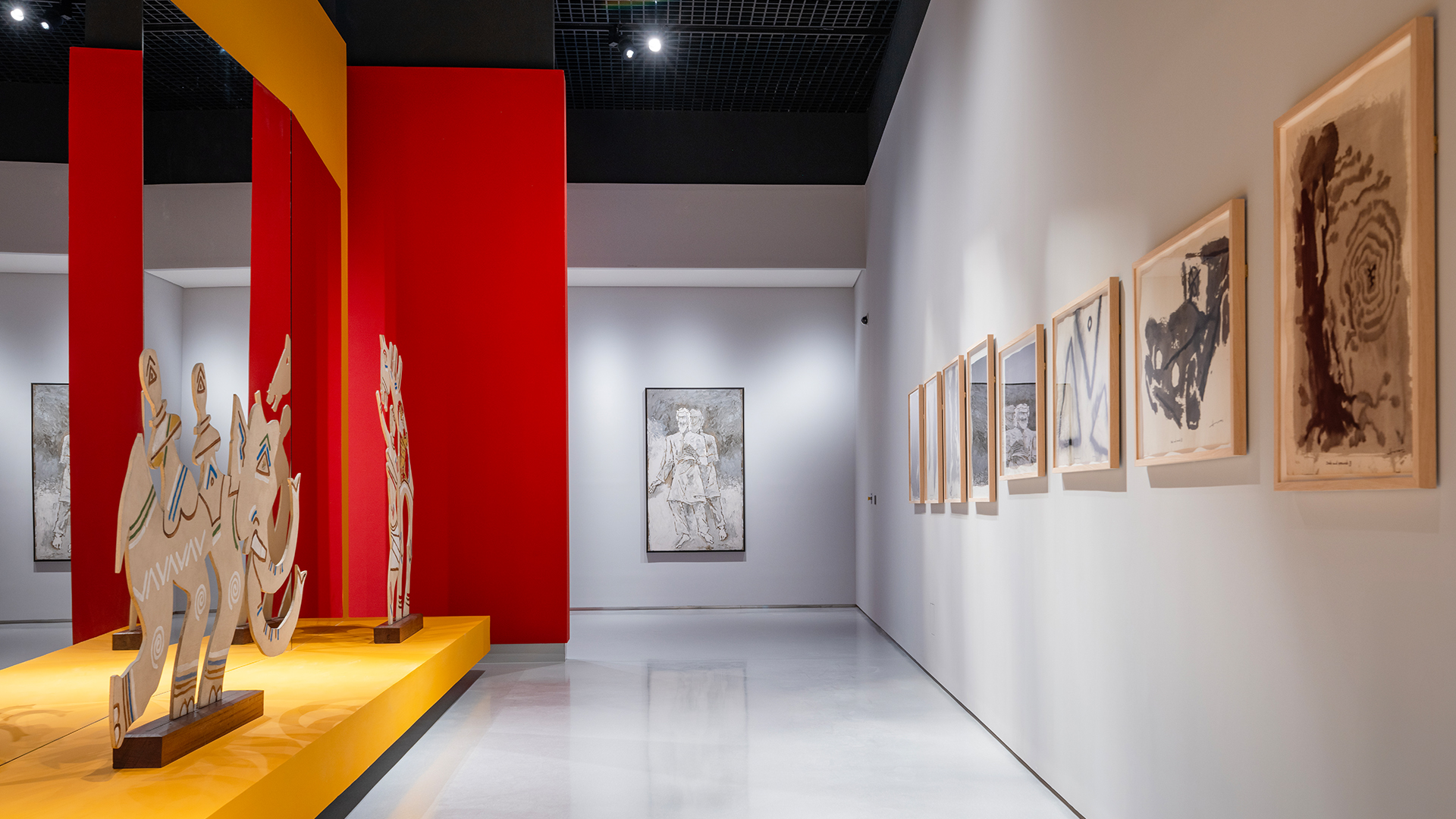
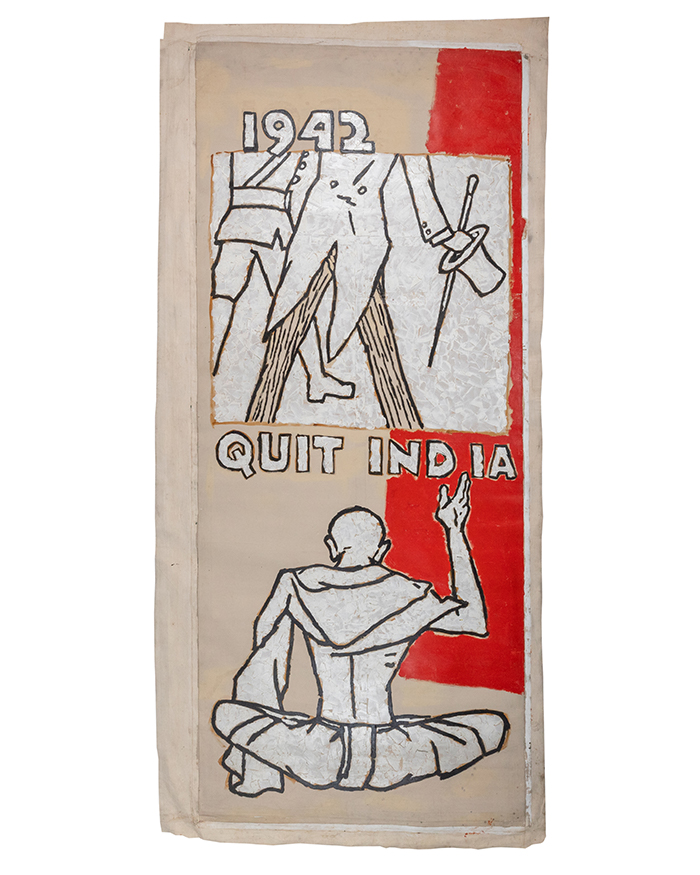
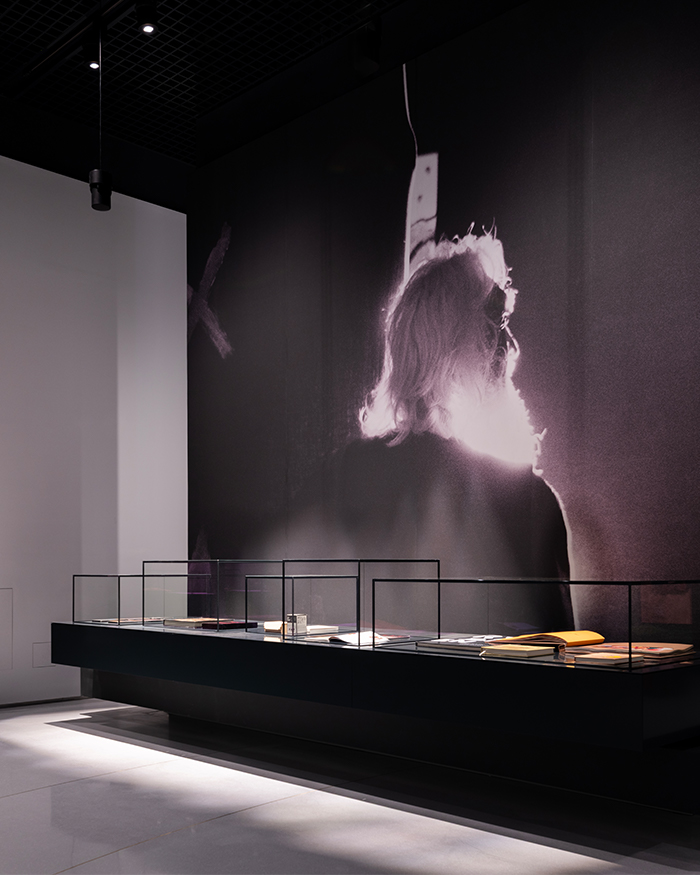
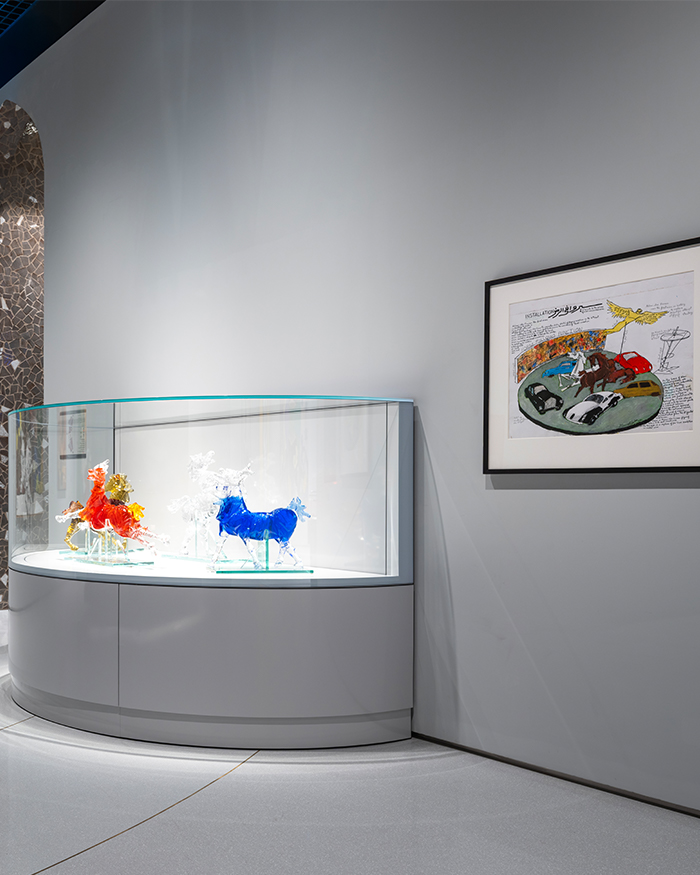
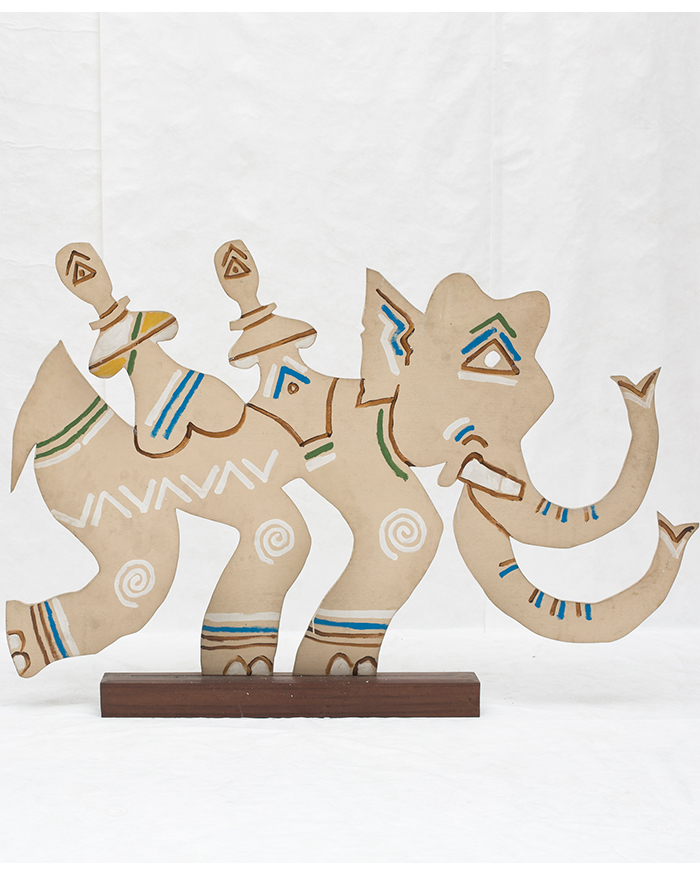
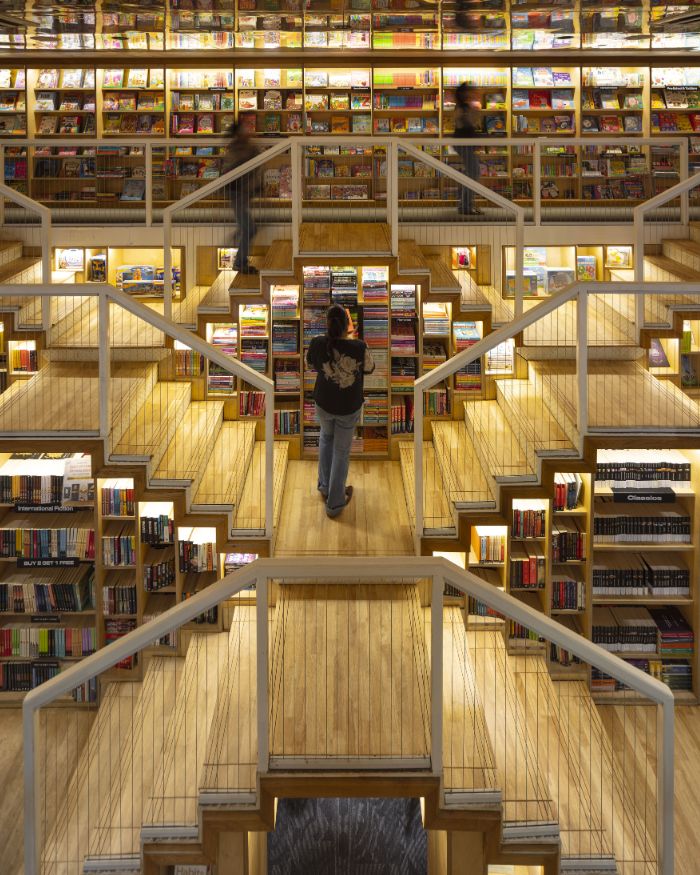
Located inside Qatar Foundation’s Education City campus, an atlas of Husain’s unseen works, installations, photographs, poetry, personal memorabilia and archival materials sit inside Lawh Wa Qalam. The museum also engulfs a cafe, a gift store, a library, Creativity Hub and an auditorium for live performances, readings and film screenings that will be open all year round. 

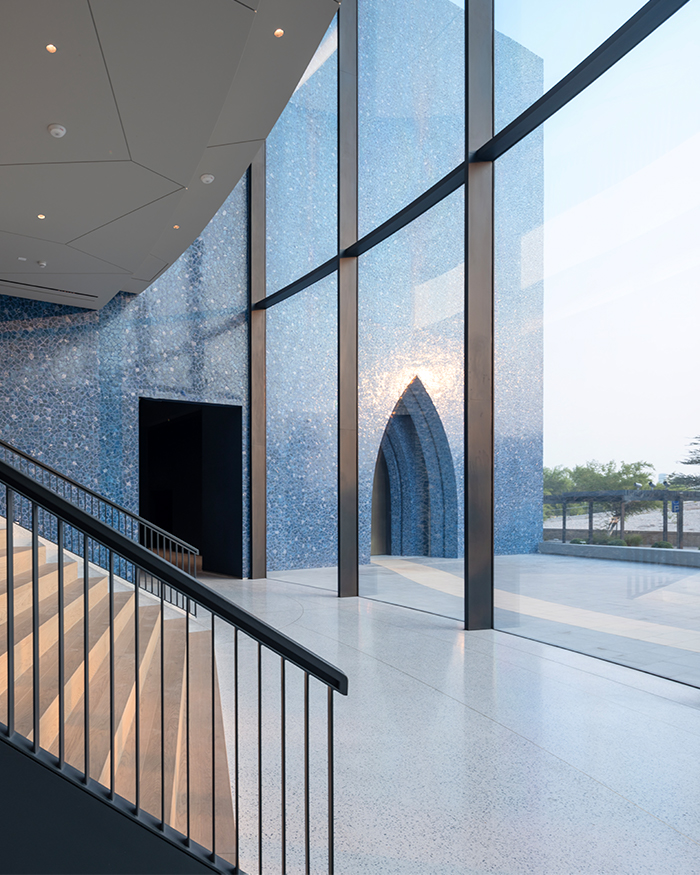
The exterior’s sculpted volume carries through into the galleries, voids and circulation spaces, where the museography unfolds into spaces for film, sound and interactive media to take the centre-stage, each at its own pace.

Embedded in the idea of perception and reflection, the artworks follow a continuous, silently expressive sense of fluidity that threads together the interiors, capturing the evocative currents between the artwork and the observer. “The material language remains consistent throughout, but the sensory experience shifts as one moves from the open, light-filled spaces into more intimate zones,” adds Martand.

Photograph courtesy of Qatar Foundation

ART IN THE ARCHITECTURE

A cylindrical junction between the two main structures evolved as an architectural device grounded with a staircase that performs as a social-visual link. This junction also mimics Husain’s final, posthumous art installation Seeroo fi al Ardh, which stands across the street. “In that sense, the museum is as much a reading of the sketch as it is a continuation of its unfinished conversation,” remarks Martand.

He navigates our attention to the prominent fractions of the Lawh Wa Qalam that visually ground the structure’s relationship to the site, Husain’s legacy and the artwork that the museum borrows its identity from. The staircase cylinder for instance is not just a vertical connector, “it’s designed as a space for pause, with seating built into its form, allowing visitors to sit, rest, and look outward to the Seeroo fi al Ardh building, which holds Husain’s last major commission.” Back to the main atrium of the museum, a balcony tucks itself with restraint, trickling scenically to rolling vistas of the west-facing golf course.

Photograph courtesy of Qatar Foundation

“Another element that may go unnoticed is the raised platform on which the museum sits, imagined like a stage, symbolically elevating the act of discourse, encouraging gatherings and conversations,” Martand conveys. 

“The greatest challenge was to balance fidelity to Husain’s artistic intent with the architectural demands of a contemporary museum — the need for climate control, accessibility and complex circulation within a compact footprint,” explains Martand, for whom crafting this landmark was like rekindling a dialogue with the late artist that sparked over a decade ago during the making of M.F. Husain Gallery at Jamia Millia Islamia University in New Delhi.

Photograph courtesy Qatar Foundation
SHARE THIS ARTICLE

You May Also Like

Watch

No results found.

Search
Close this search box.