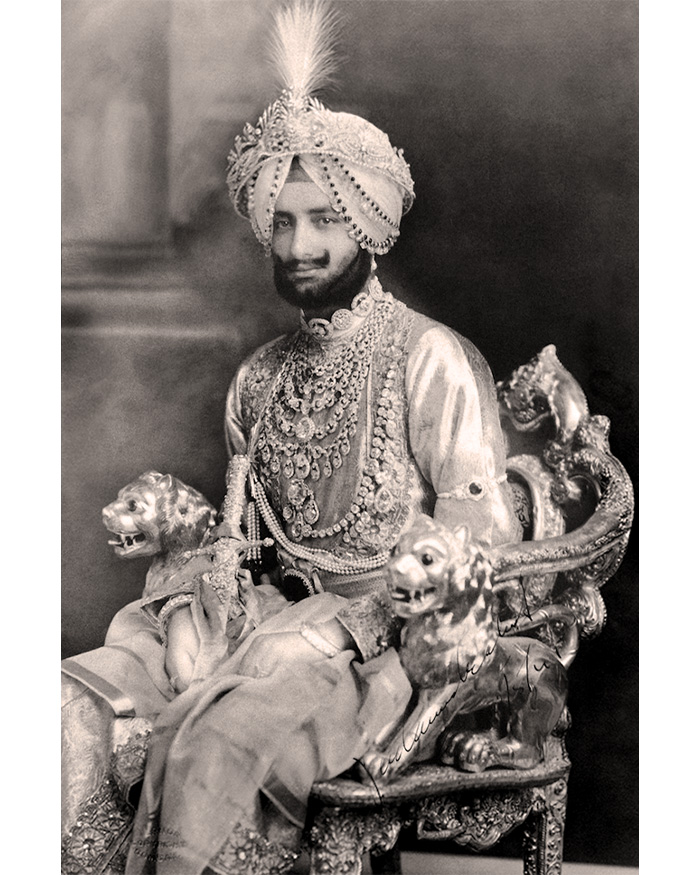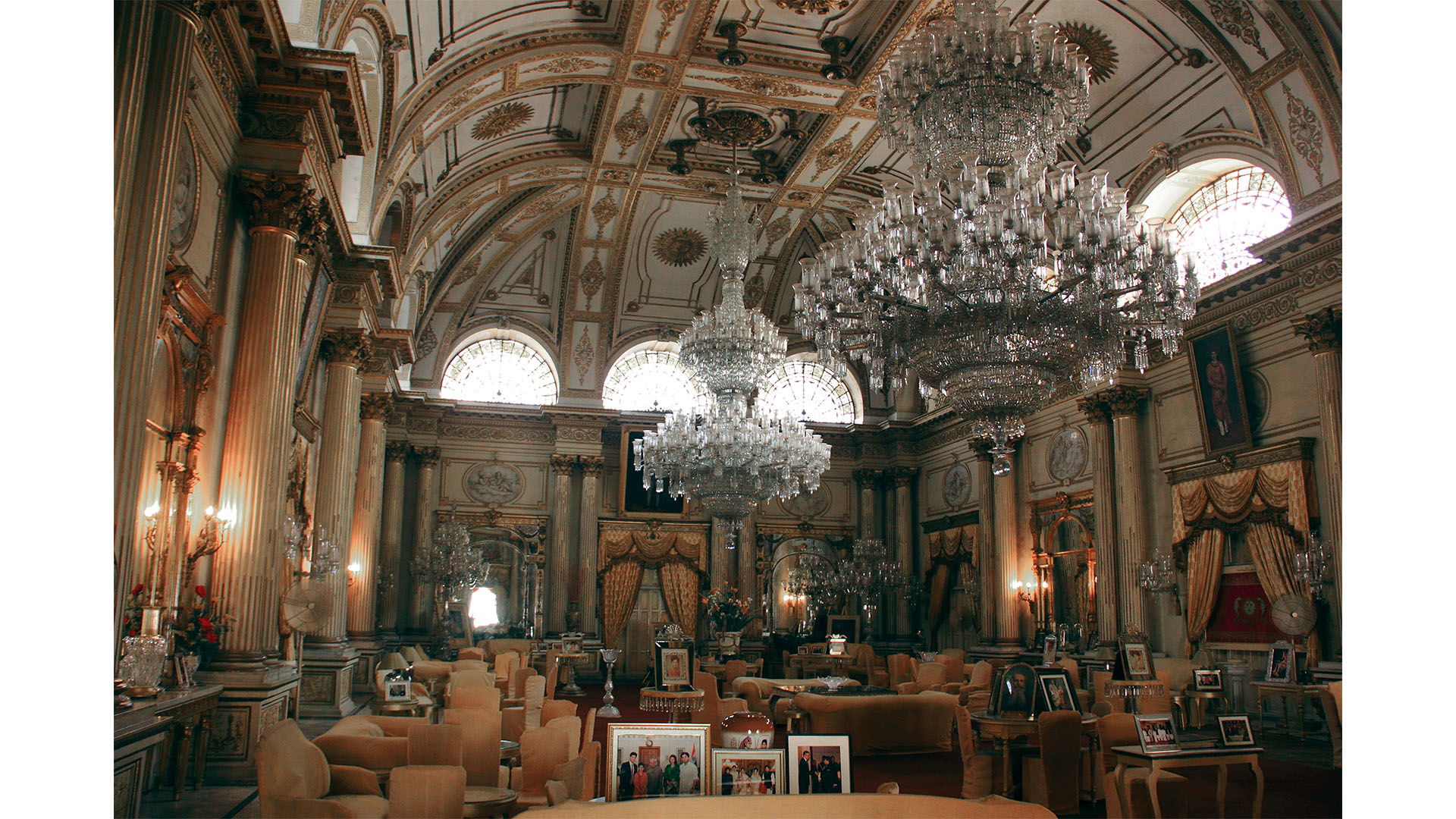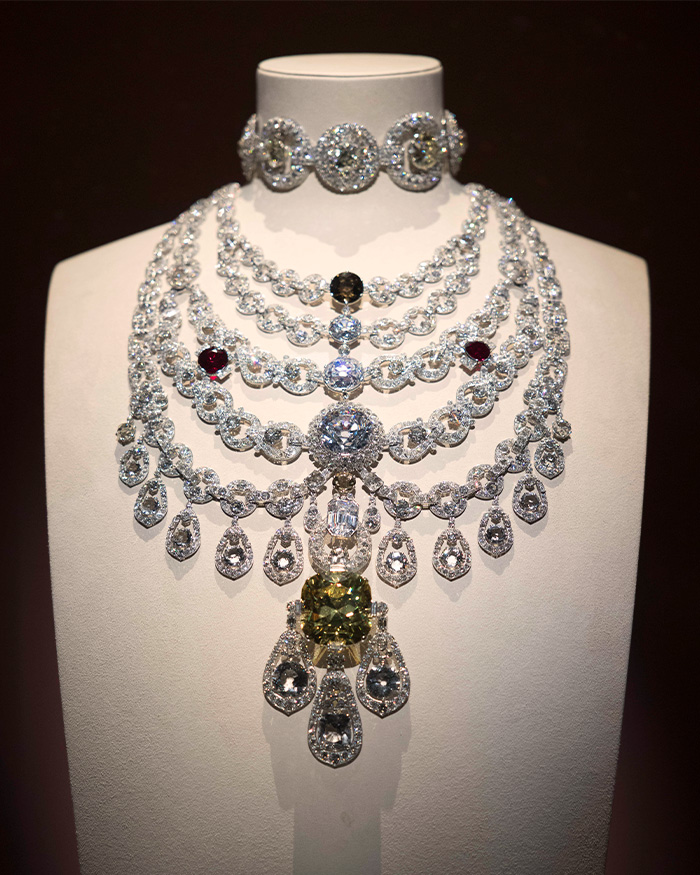
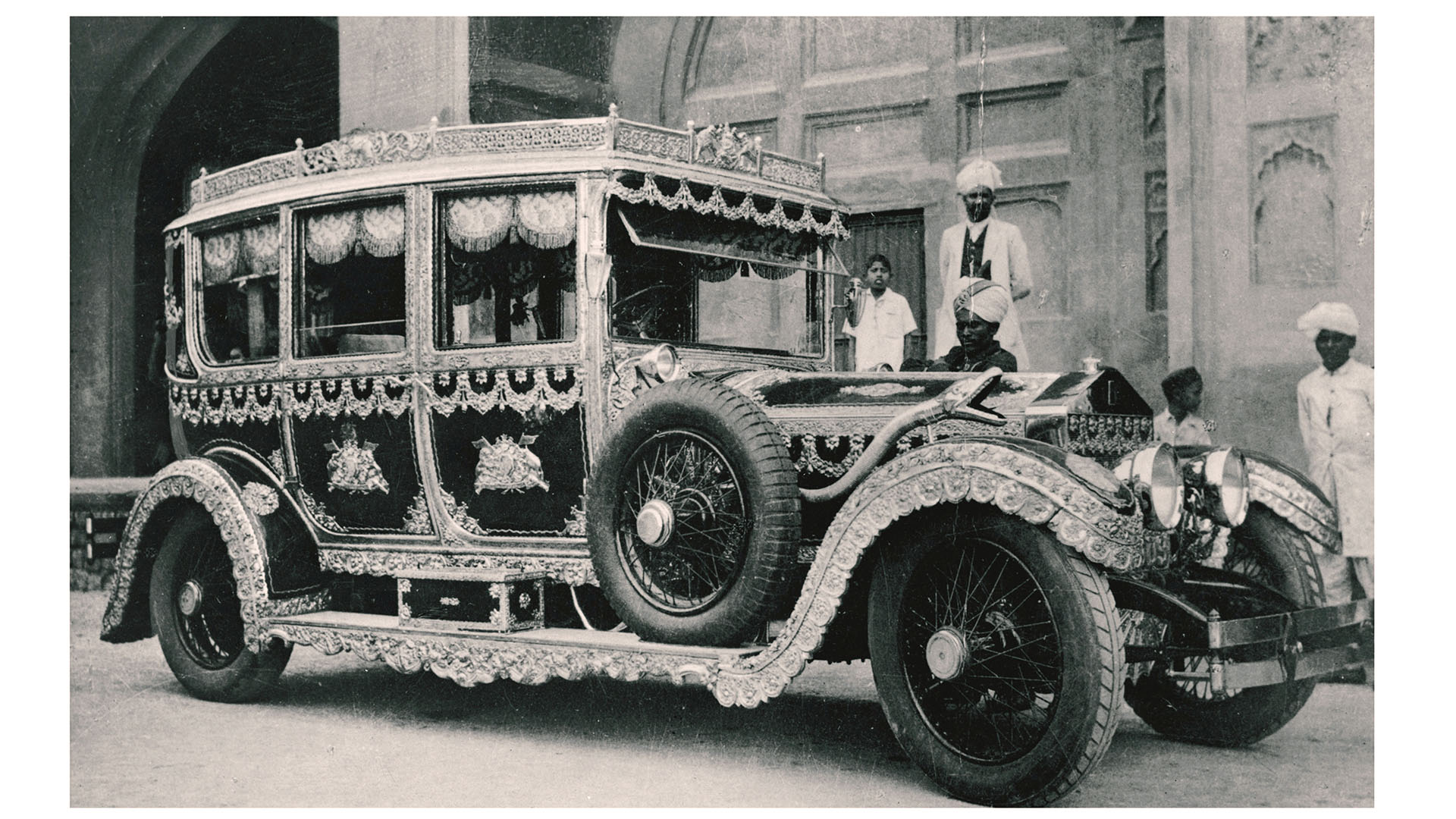
1911, Delhi Durbar. It was cause for celebration as King George V was crowned Emperor of India. All monarchs from the princely states were invited, and as they arrived at the royal pavilion, the contrast between the British sovereign and the Indian kings was unmistakable. The Maharajas’ visual abundance appeared as an antithesis to the Emperor’s restraint. Rather than seeing a simplistic binary, Jacques Cartier perceived the possibility of cross-continental collaboration. Among the French jeweller’s Indian clientele, the most emblematic was Maharaja Bhupinder Singh of Patiala, remembered today for the Patiala Necklace. Commissioned in 1925, it was Cartier’s largest single order. Assembled from cut stones shipped from India (including the 234-carat De Beers diamond), the ornament among others of its time, is said to have influenced Cartier’s later Tutti Frutti collection. In the outrage surrounding the necklace’s absence at the 2025 Met Gala, what often goes unmentioned is the political context of its making: the volatility of post-war Punjab, British allyship with the Sikh ruler and an attempt to stabilise authority in turbulent times through visibility.
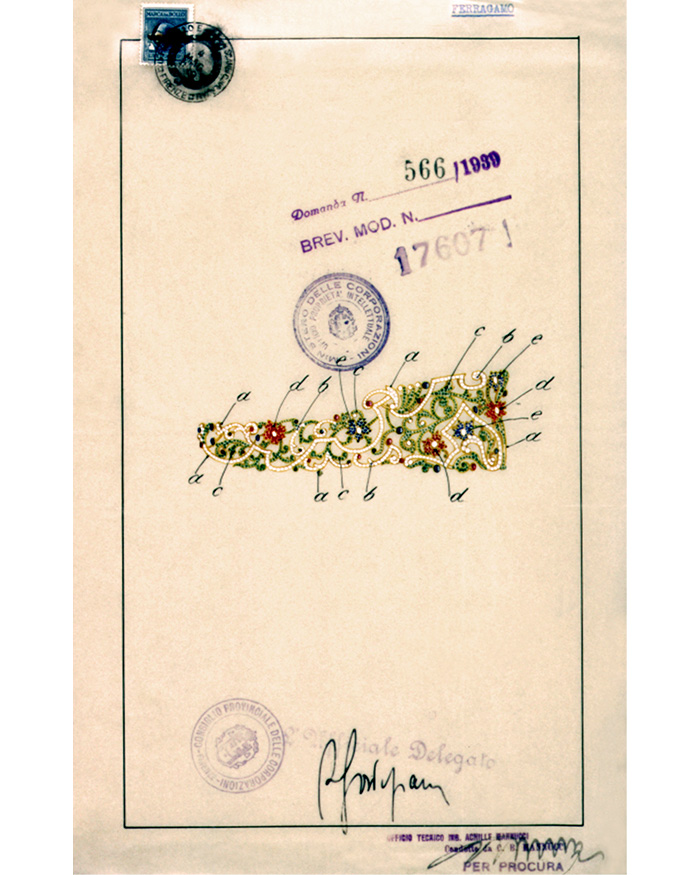
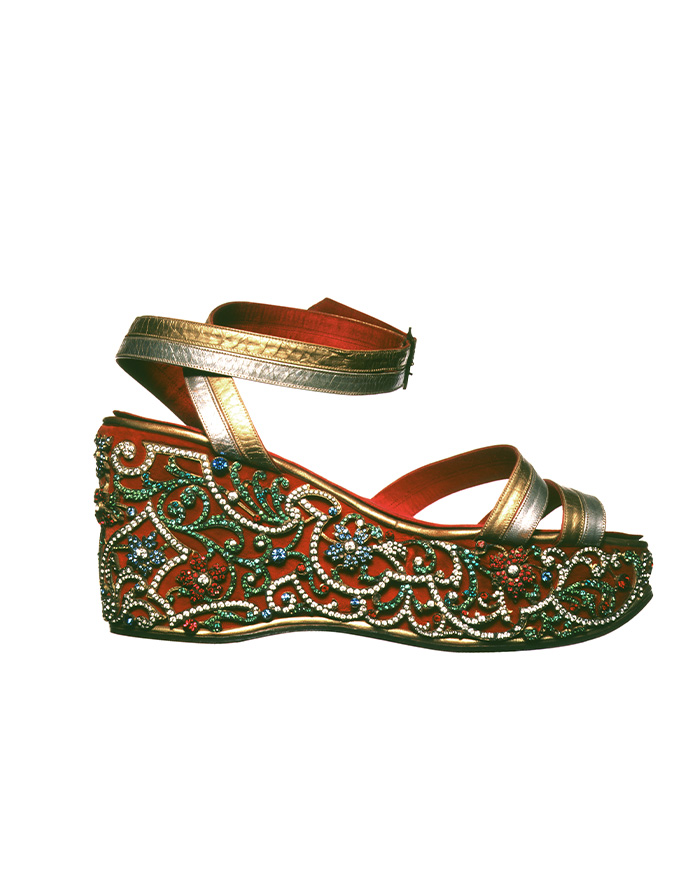
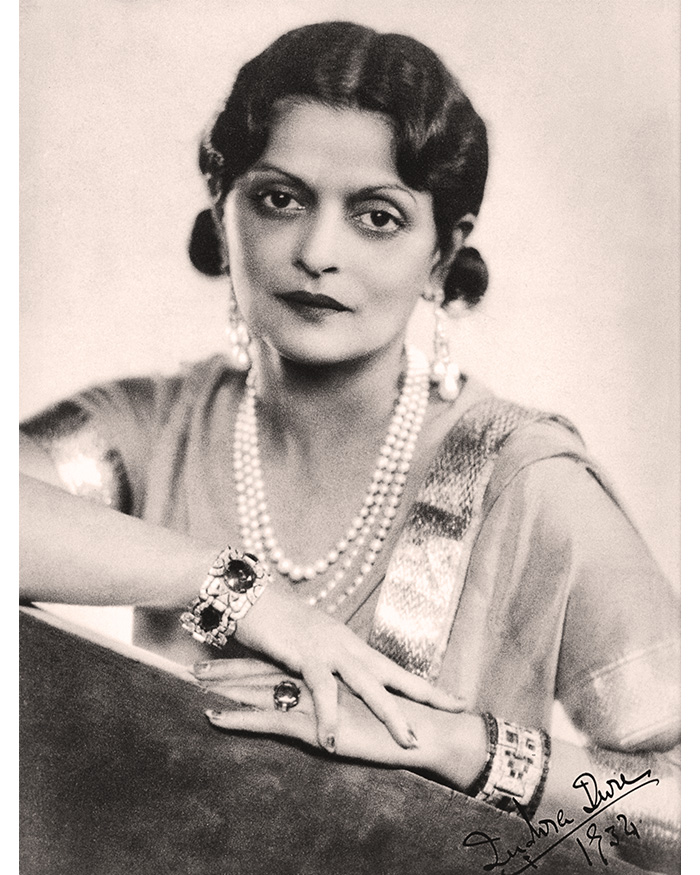
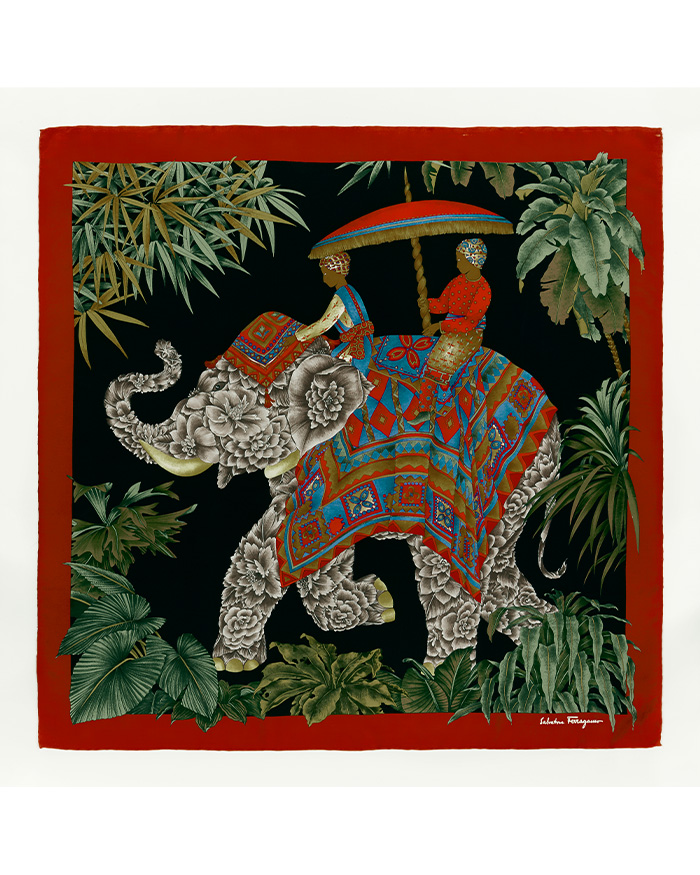
At the same Durbar, Indira Devi met the prince of Cooch Behar and later became its Maharani. During her rule as regent, she stabilised the state’s finances and advanced women’s education. Known for her elegance and modern ideas, the first Western-educated queen commissioned nearly a hundred experimental shoes from Salvatore Ferragamo, featuring elaborate embroidery, gemstones and sculptural platforms. The admiration was mutual. Ferragamo immortalised her foot-cast in his museum in Florence, and this long-standing relationship with India continues to surface in the maison’s collections today, including its colourful printed silk scarves.