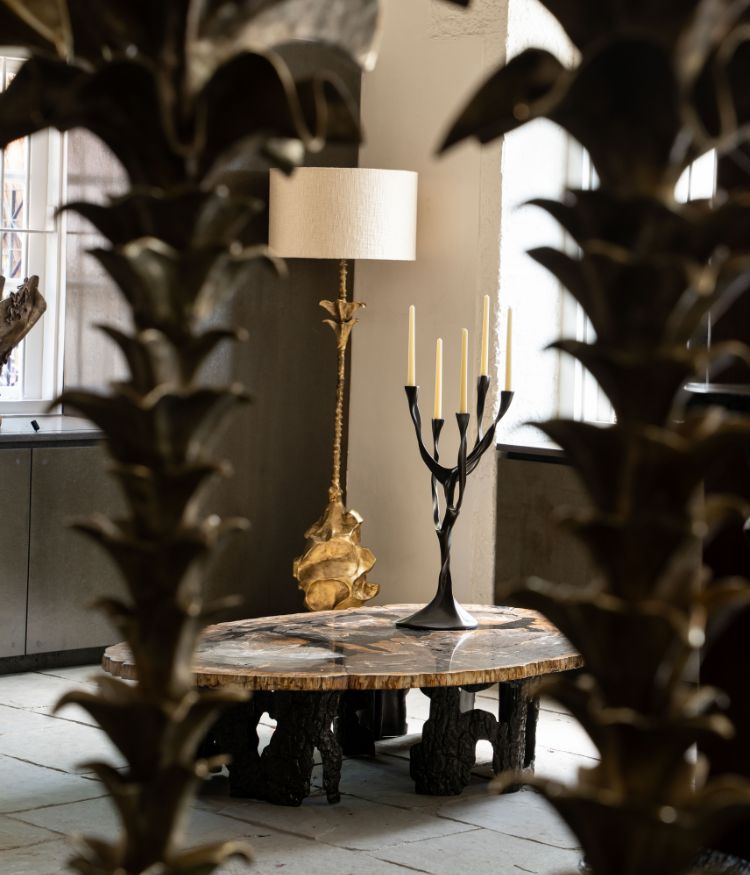
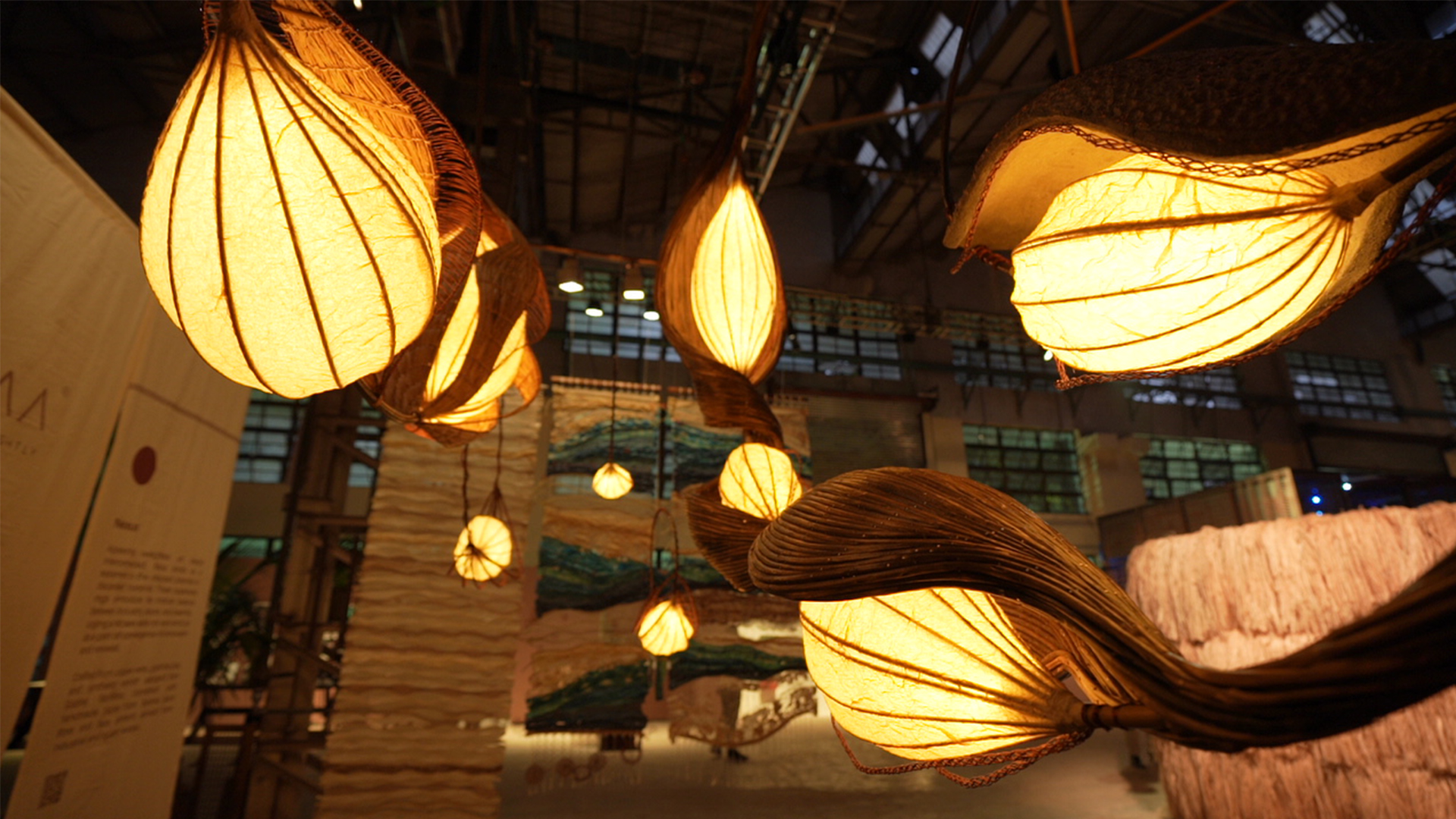
Artisanal Paper Lamps at Conscious Collective 2024

Inside Godrej Design Lab and Conscious Collective

Here's how the Godrej Design Lab Fellowship and Conscious Collective are shaping India’s evolving design dialogue

BY

Design doesn’t need another competition, it needs continuity, context, and care. For nearly a decade, Godrej Design Lab has been quietly shaping India’s design narrative, nurturing talent, sparking dialogue, and championing innovation that transcends boundaries through its initiatives, The Godrej Design Lab Fellowship program, and Conscious Collective.

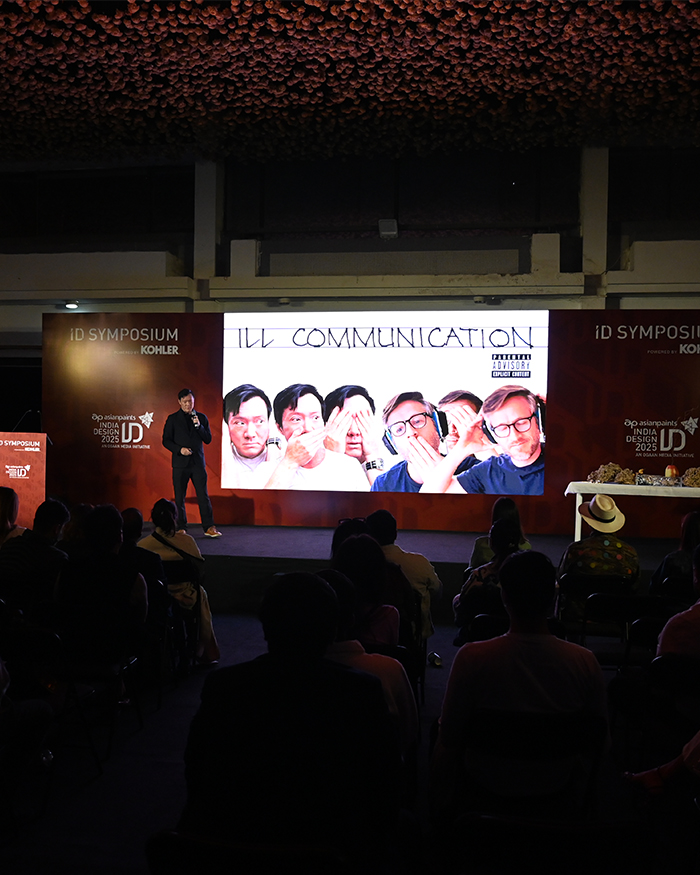
Conscious Collective, a design-led platform by Godrej Design Lab positions itself not as an event or exhibition, but as a living platform for dialogue. It is an evolving conversation that explores design through the lenses of sustainability, culture, and community. Each edition is anchored in a thematic framework, serving as an entry point into deeper questions about practice, purpose, and the role of design in shaping a better future.

This year’s theme, ‘Reclaiming Cool’, shapes the speakers, presentations, thought-provoking showcases, creative workshops, and immersive experiences that explore what it means to create a cooler planet. The event will feature an impressive lineup of speakers, including Arthur Mamou-Mani, Diana Kellogg, Ranjan Rawal, Sonali Rastogi, among others. The goal is to foster a meaningful cultural dialogue, one that goes beyond assembling thinkers and practitioners for optics and instead builds authentic connections and ideas.

Tickets for Conscious Collective 2025 are now available on BookMyShow

The Godrej Design Lab Fellowship program stands as a catalyst for creativity, empowering pioneering designers and studios to reimagine solutions for a future that is sustainable, interdisciplinary, and deeply human. It is more than a program; it is a movement that reflects the pulse of India’s evolving design ecosystem. What began as a platform spotlighting interiors has evolved into a dynamic fellowship that celebrates design in its most transformative forms, across materials, technology, and the built environment.

The structure is deliberately human. The organisers do not rely on open calls, algorithms or predictable filters. The process begins with identifying thinkers and practitioners who are actively contributing to the design conversation, both in India and internationally. The team prioritises depth over volume, preferring fewer voices who can expand the discourse rather than a crowded list that dilutes it.

For Henry Skupniewicz, who heads Godrej Design Lab and leads its curatorial and fellowship programmes, design mentorship is not about rewarding clever ideas but about empowering the people behind them. “There are plenty of ideas in the world,” he says, “but not enough passionate, thoughtful people to take them forward.” The initiative has evolved from what began in 2014–15 as an invited design showcase with ELLE DECOR India into a sustained platform that nurtures emerging designers through time, dialogue and trust.

Cut to 2025, for Henry, selection is built on familiarity, trust and curiosity. “We talk to people we trust,” he says, “those with a distinctive point of view that feels like it is beginning to surface.” This approach rejects the performance culture that often surrounds design discourse — where trend-driven language is thrown about. Henry is wary of sweeping claims and instant solutions. “When people promise radical change, that is a red flag,” he notes. He looks for individuals capable of holding nuance, acknowledging complexity and interrogating their own assumptions.
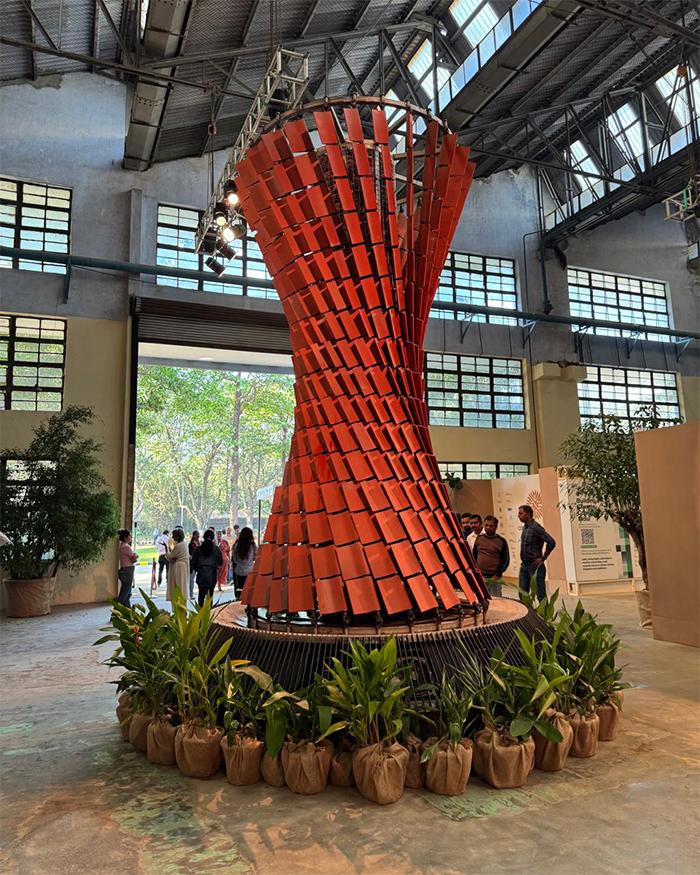
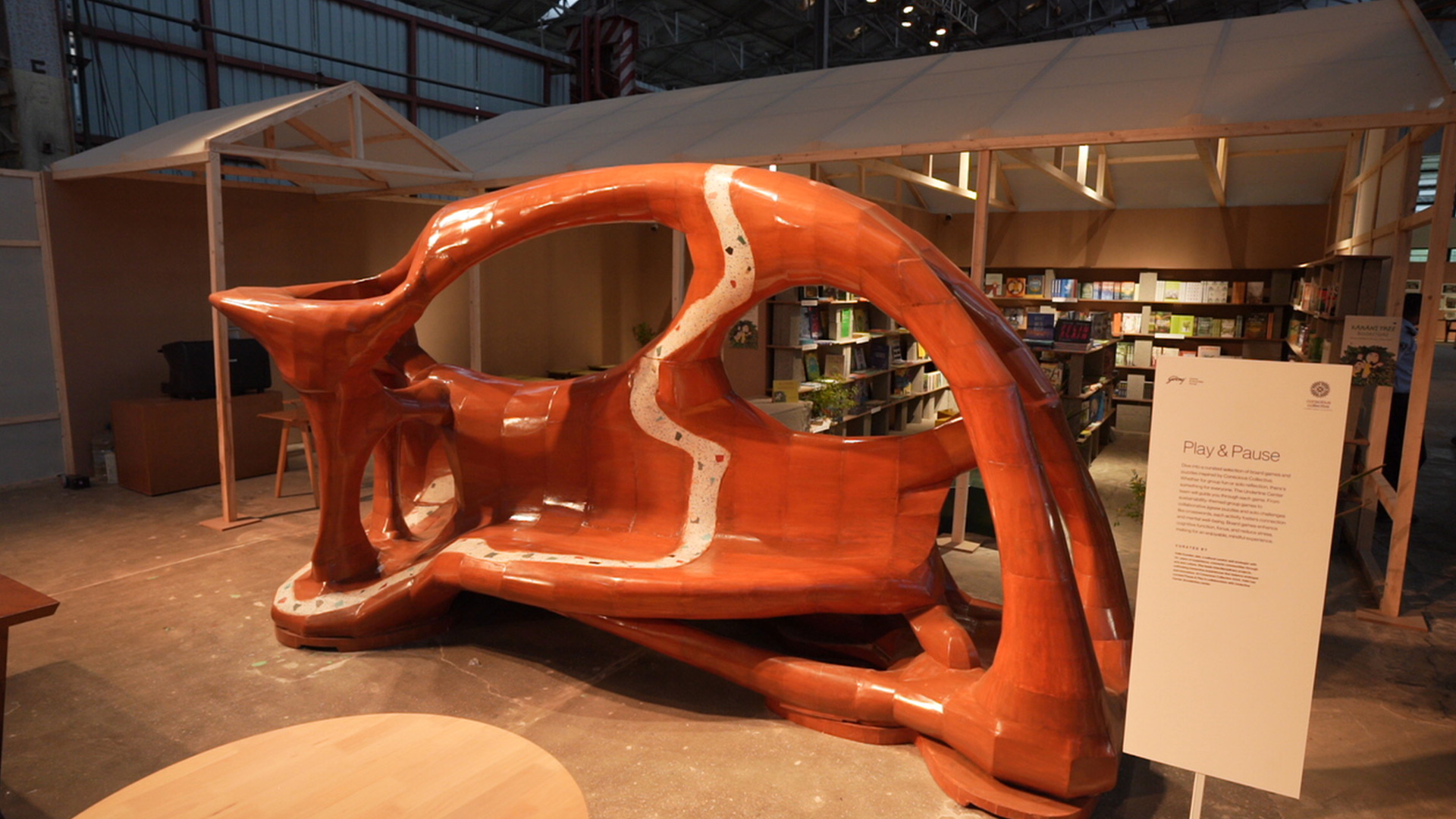
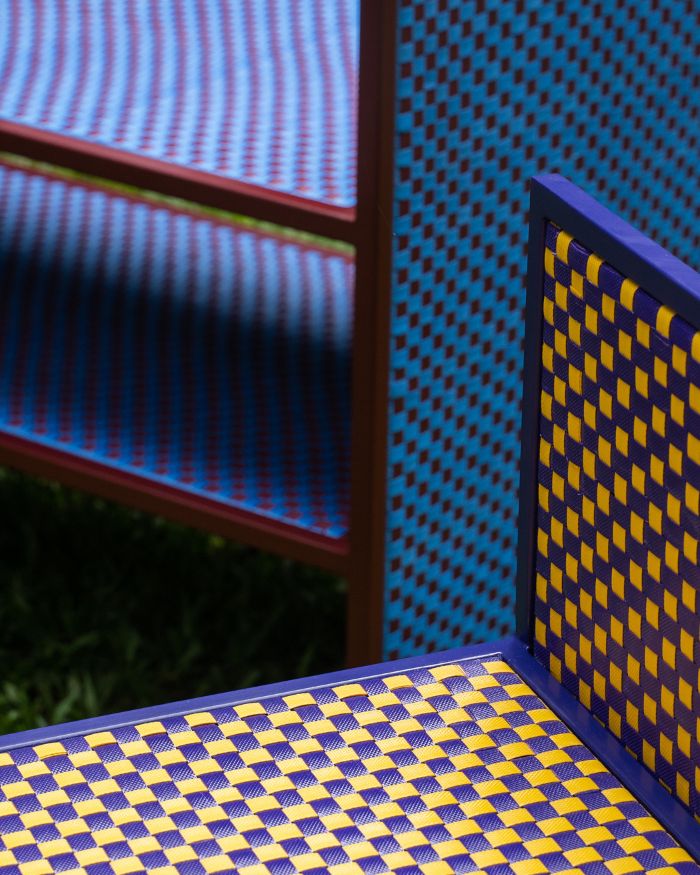
Hexa Deck - Sustainable Seating - Installation at Conscious Collective 2024

Sustainability as Thought, Not Branding

Sustainability within the programme is not decorative, imposed or manufactured for credibility. Henry observes that genuinely creative practitioners already embed sustainability and community concerns into their work because they want to solve meaningful problems. This aligns with Godrej’s larger mandate of “people, nation, planet”, a tripod that influences everything the organisation chooses to support.

Rather than dictating specific challenges, the fellowship encourages each participant to articulate what matters to them – professionally, personally, creatively. The remit is broad, but the intention is precise: support individuals whose thinking is rooted in relevance and responsibility.

Rethinking Technology and Craft

A recurring question within the Fellowship Program concerns the relationship between technology and craft. Henry views the separation as an artificial binary. “The hand is an extraordinary mechanical device; the mind is a supercomputer,” he says. He points to CNC machines that still require hand finishing and precision lock components that cannot be computer-controlled. For him, the relationship is not oppositional but interconnected. For instance, a project by the creative technologists of Ajaibghar, by Nanditi, Damini, Mangesh, Shalin, Sukhmani and Computational mama , will culminate in the performance at this year’s Conscious Collective that incorporate computational music, creative coding and new media are seen as extensions of craft, not departures from it.

The Fellowship: A Network Rather Than a Cohort

The fellowship itself is structured with flexibility. There are financial commitments, but few creative restrictions. “We try to stay as unjealous and open as we can,” Henry says. Rather than forcing uniform milestones, the programme allows participants to shape their own pace and direction.

This flexibility has produced unconventional outcomes. When architect Rahul Bushan proposed writing a book instead of building an installation, the team accepted it. The manuscript is now complete and will be published soon. It is part memoir and part professional reflection and represents the sort of unexpected output that the programme is willing to support. Rahul and Henry will take the stage on December 14 at Conscious Collective 2025 to share insights into the process and the pivotal conversation phase that shapes these projects.

A Culture of Real Exchange

At its core, Godrej Design Lab fosters spaces where collaboration thrives and communities invest in each other’s success, a culture of real exchange

Conscious Collective stands apart from most conclaves, which often become brand performances rather than meaningful forums. Here, conversations take precedence over spectacle. Participants of the Fellowship Program engage attentively with one another, share insights and challenge assumptions. Henry attributes this to transparency in how projects are selected and how the programme is designed.

The outcome is not a competition for both Fellowship program as well is Conscious Collective, but a community built on informed dialogue, long-term thinking and an understanding that enduring design innovation begins with people.

SHARE THIS ARTICLE

You May Also Like

Watch

No results found.

Search
Close this search box.