Mumbai through the eyes of poets, artists and architects

A panoply of the greats awaits from a church designed (and redesigned) by Charles Correa to what caricatural representations of Dr BR Ambedkar during the colonial period mean today. DAG brings the second edition of City as a Museum to a metropolis where over centuries, creative practices have thrived owing to its irrepressible pulse

BY

Why do we romanticise Mumbai? Poets, artists, writers repeatedly attempt to articulate the narrative of its amorphous character in their own tongues. Yet many who claim the city as their own go to great lengths to ensure that its gates remain closed to outsiders. Outsider is a strange epithet when applied to Mumbai, particularly when some of the most celebrated figures associated with the city were themselves, in many ways, outsiders. This tension between belonging and exclusion sits at the heart of its cultural life. Through City as a Museum, beginning on March 7, DAG highlights how, over centuries, the city’s hallowed grounds have inspired its people and served as a stage for expression. From collectives of post-independence artists and poets to urban interventions that privileged the needs of the public, Mumbai has long nurtured practices that emerge from this porous condition of arrival, encounter and exchange.

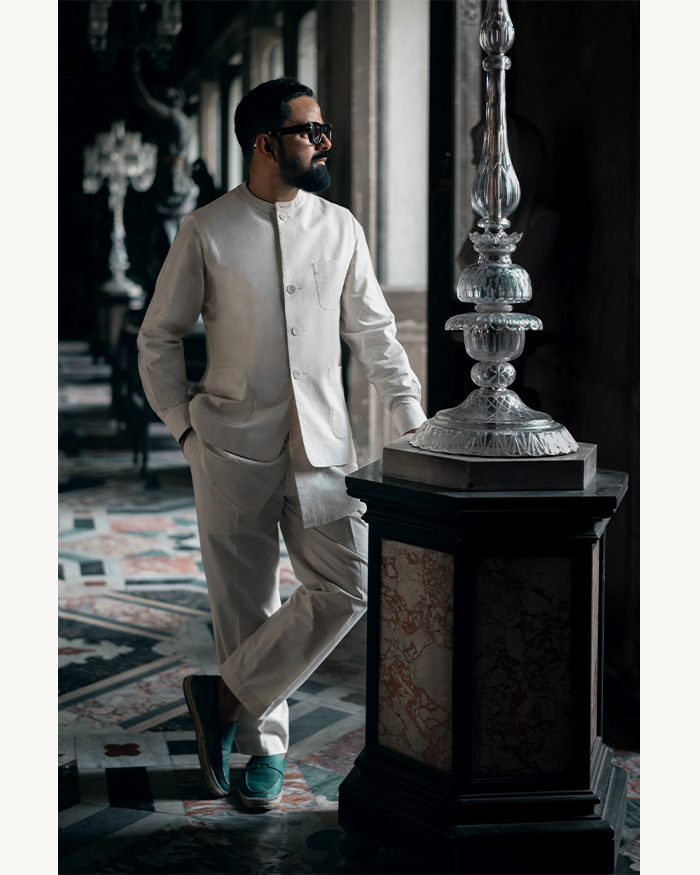
Yet the idea of the city as a museum raises its own contradictions. Museums, after all, are a colonial construct that have historically produced a distance between the perceiver and the perceived, fixing culture into curated frames. “Museums have historically played an important role in preserving, studying and presenting cultural heritage for public understanding, but culture itself has never been confined to museum walls,” says Ashish Anand, CEO and MD, DAG. “It lives in the everyday life of a city — in its neighbourhoods, crafts traditions, public spaces, and communities.” According to him, The City as a Museum builds upon this reality. The initiative reimagines the city itself as a cultural platform where art, history and living traditions may be encountered in their natural contexts. In doing so, it extends the museum’s mandate into the urban environment and allows attention to be centred on communities and practices that do not always find a place within grand historical narratives.

“Museums have historically played an important role in preserving, studying and presenting cultural heritage for public understanding, but culture itself has never been confined to museum walls”

Image courtesy DAG

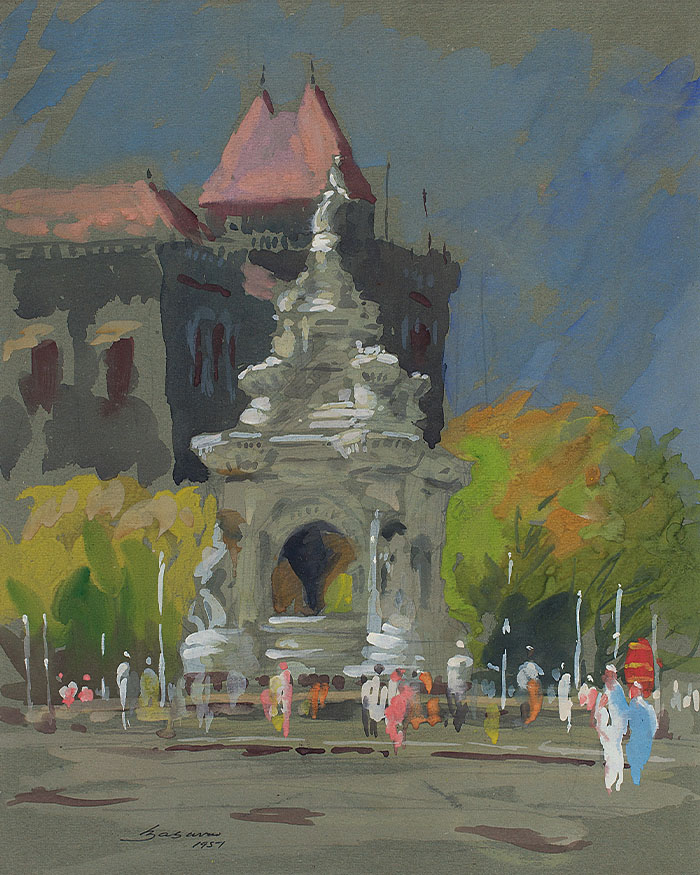
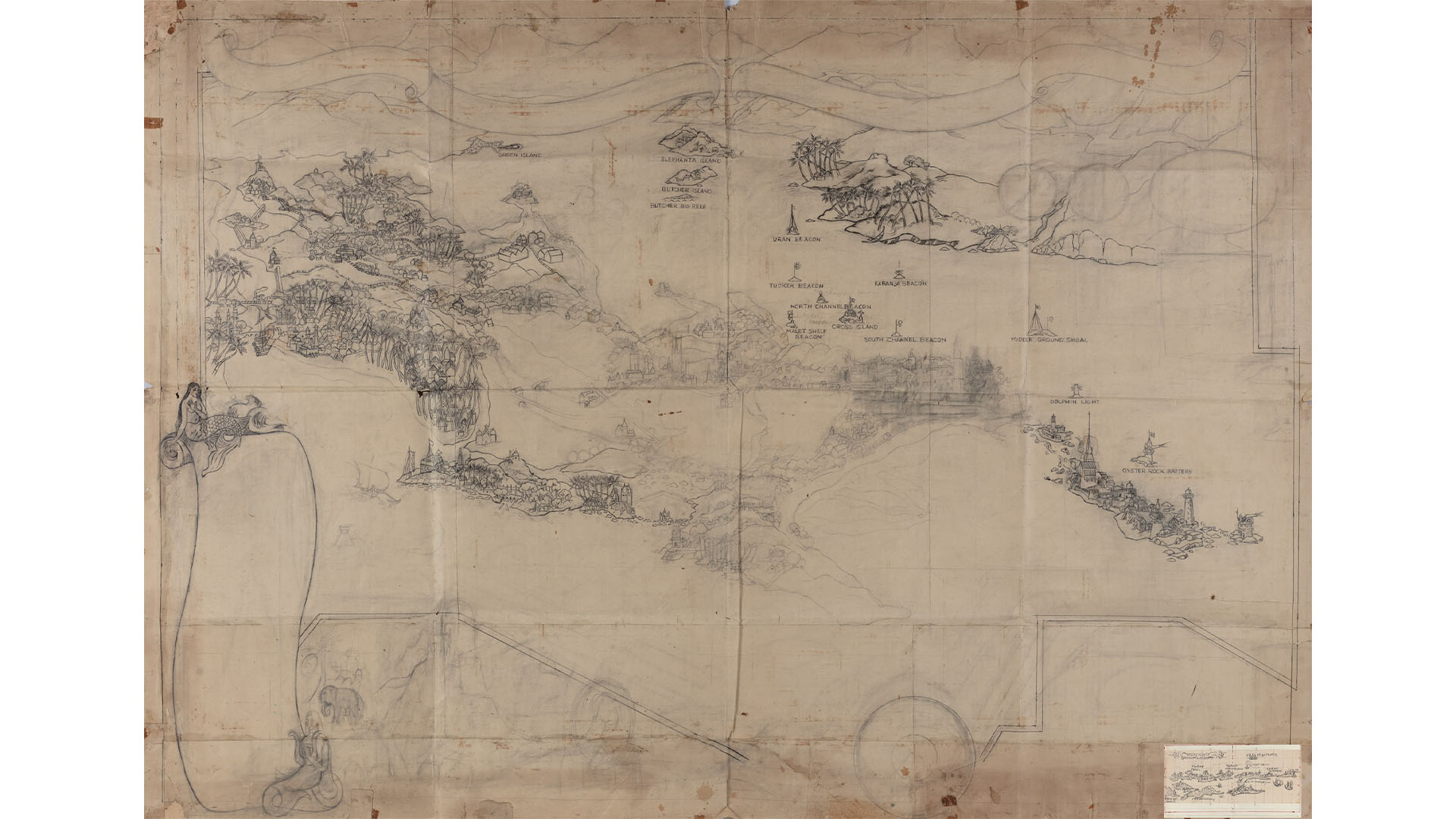
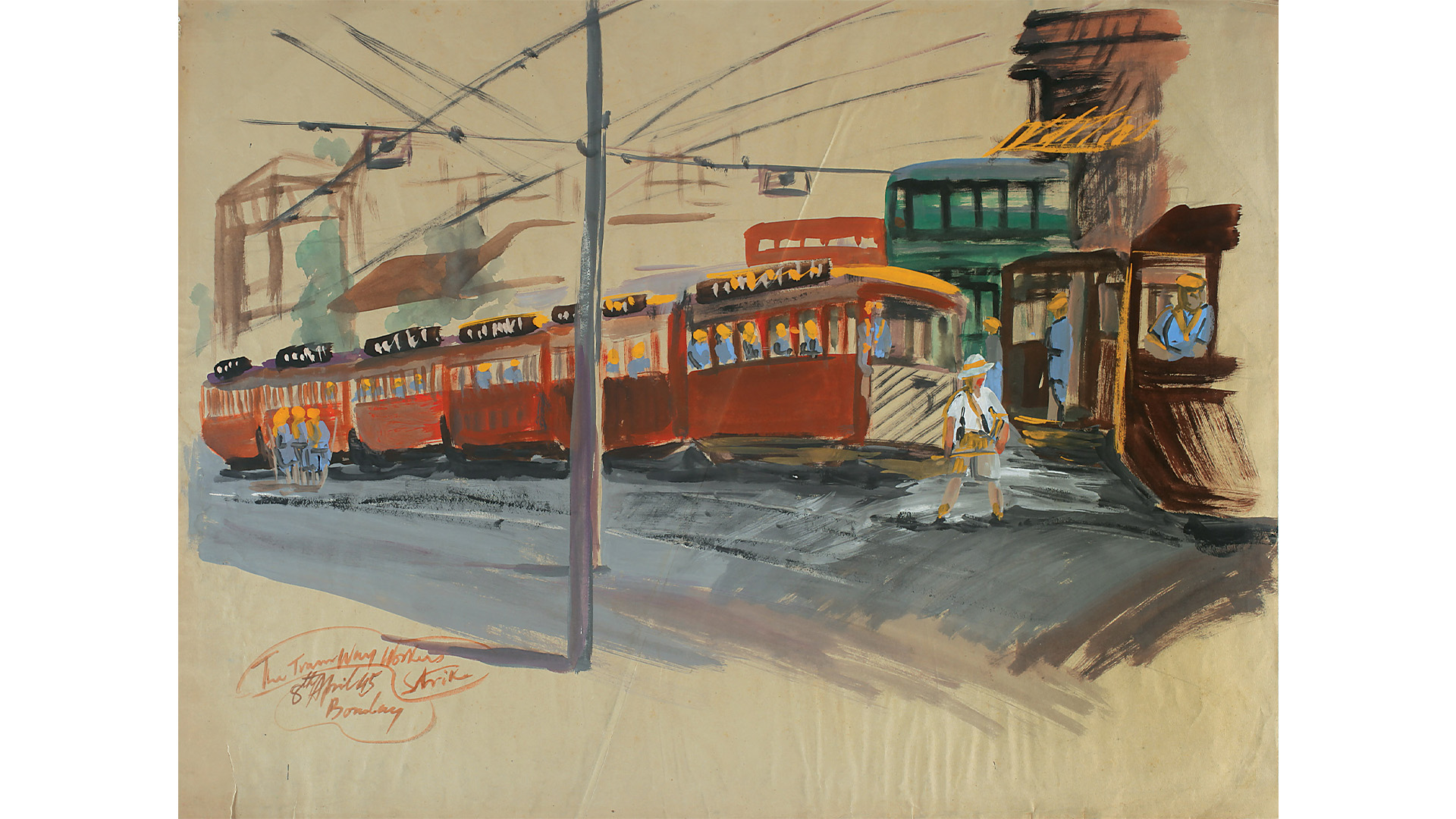
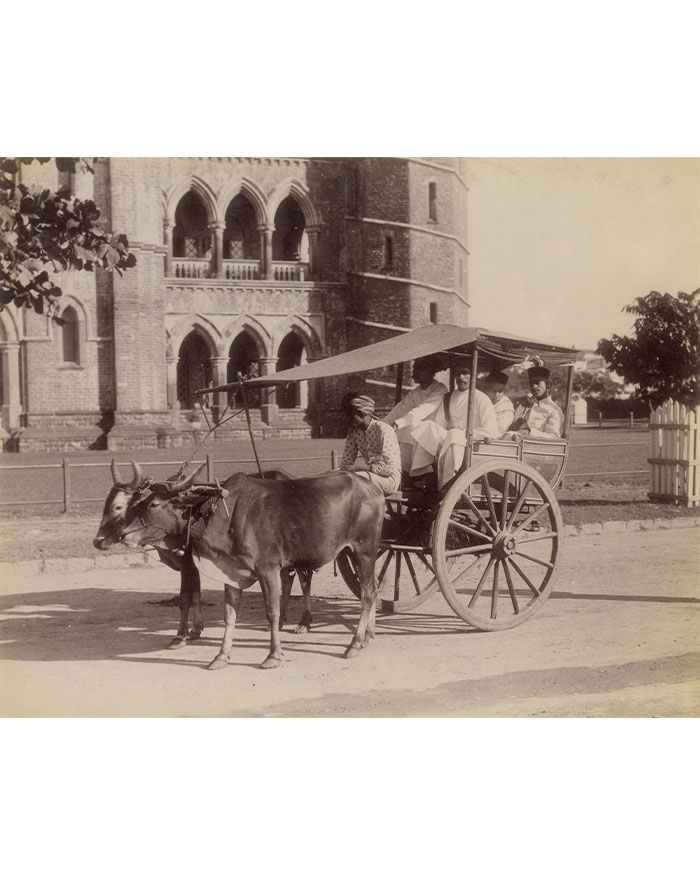
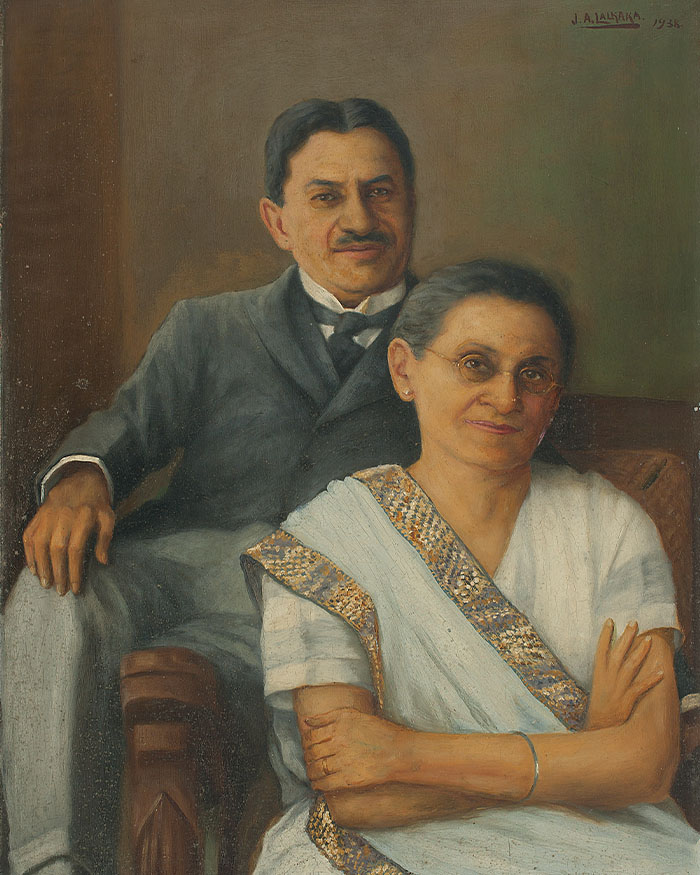
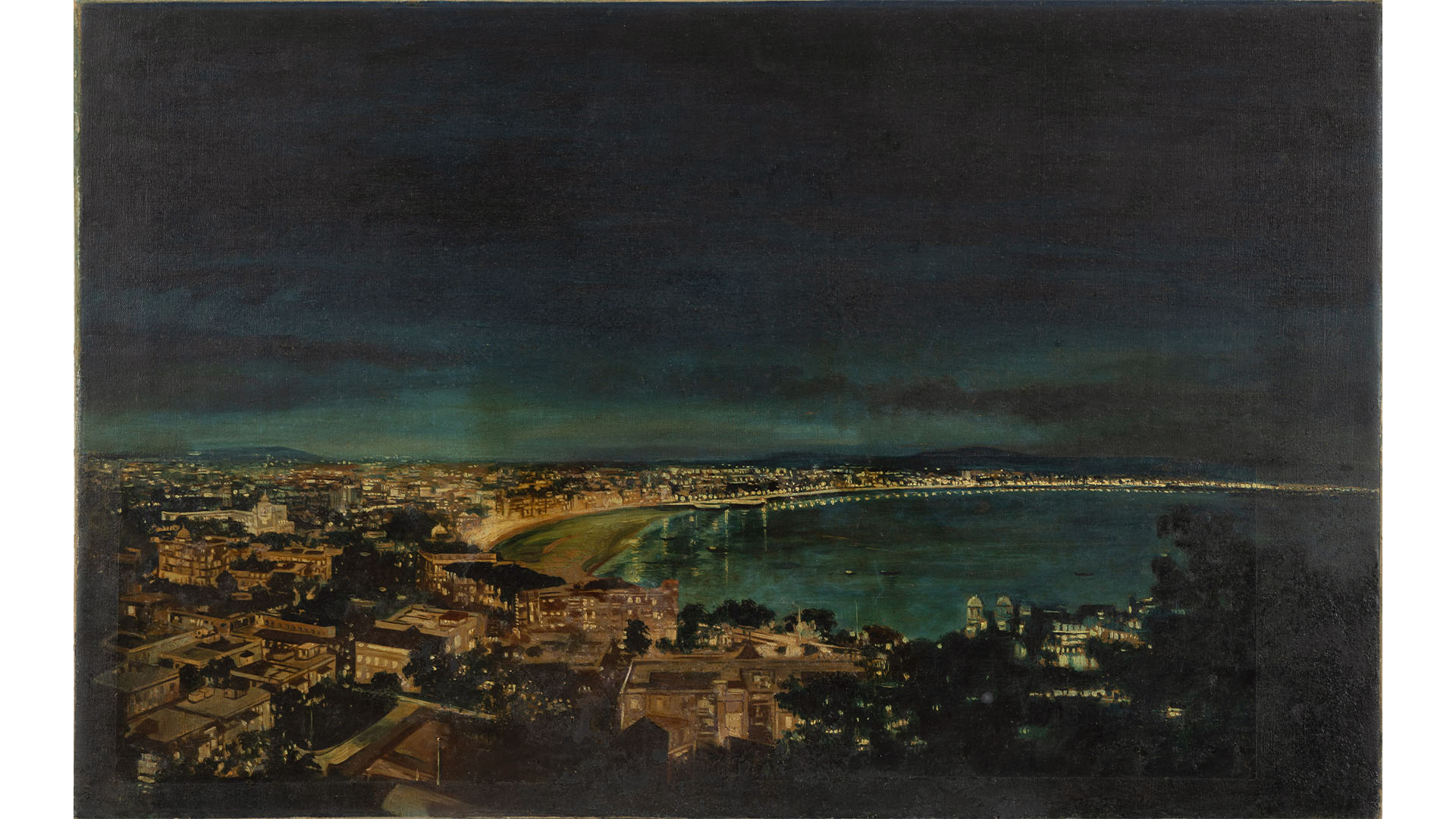
Conceived as a prelude to the festival, Bombay Framed sets the stage for a larger exploration of the city as a living archive shaped by memory, movement and cultural exchange. The exhibition grew out of a series of smaller capsule exhibitions organised by DAG over the years and attempts to distil the essence of this heady, restless city. The exhibition traces Bombay’s passage from a colonial port shaped by trade and empire to the complex metropolis it has become, drawing upon a wide range of material spanning three centuries: paintings, photographs, prints by Indian and foreign artists, archival material and memorabilia. In doing so, it allows viewers to encounter the city from multiple vantage points and engage with its layered histories and experiences. The accompanying book archives this attempt with an introductory essay by historian and volume editor Gyan Prakash.

Through the duration of the festival, audiences are invited to become active participants in the making of the city’s creative milieu. The programme began with a public performance of Girish Datar’s Sawal Jawab, which engages with the intertwined histories of Tamasha, Lavani and Shahiri, followed by a conversation between the director and Tamasha historian and photojournalist Sandesh Bhandare. This was succeeded by a screening of Anjali Monteiro and KP Jayasankar’s Saacha (The Loom, 2001, 49’), followed by a discussion with the filmmakers on collaborative media practice in Mumbai after the textile mill workers’ movement of the 1980s and the creation of the DiverCity web archive. A subsequent discussion examined caricatural representations of Dr BR Ambedkar during the colonial period, featuring author Unnamati Syama Sundar and Professor Vijay Mohite. The conversation was contextualised through reference to Ambedkar’s personal collection of books housed at the Siddhartha College library and concluded with a stand-up performance by Ankur Tangade.

Image courtesy DAG
Image courtesy DAG

In two parts, A Many-Coloured Smell traces the history of the Clearing House poetry collective, the publishing initiative established in Bombay in the mid-1970s by Arvind Krishna alongside poets Adil Jussawalla, Gieve Patel and Arun Kolatkar. Through an exploratory walk guided by the Bombay Poetry Crawl and a talk by poet and translator Jerry Pinto, the porous nature of creative disciplines in the city becomes evident. This porosity extends into the built environment as well, as seen in a visit to Charles Correa’s modernist interpretation of sacred space at the Our Lady of Salvation Church. The church, as it stands today, tells an interesting tale of what prompted the architect to make alterations to the facade of this institution after nearly a decade. The visit is followed by a conversation between Nondita Correa Mehrotra and poet and curator Ranjit Hoskote.

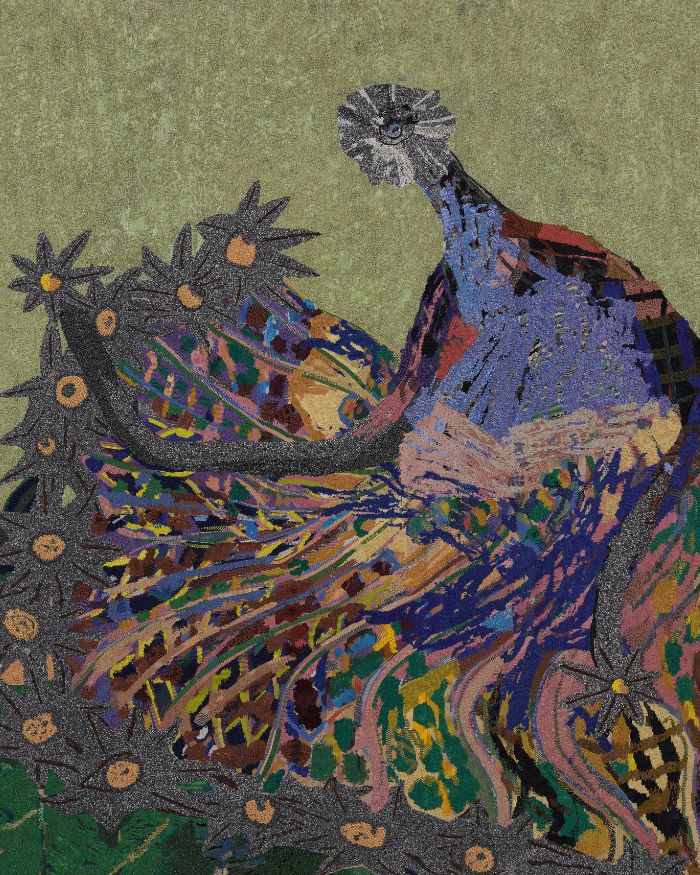
At Birds of a Feather, participants meet a community of writers and illustrators associated with the Bombay Natural History Society Journal, followed by a talk by journalist and researcher Vrushal Pendharkar on artist and illustrator Carl D’Silva, a graduate of the Sir J. J. School of Art. The final events expand the geographical and conceptual boundaries through which the city is usually understood. One takes the form of a walk at the Kanheri Caves led by archaeologist Suraj A. Pandit, focusing on the social life of the Buddhist community that once inhabited the caves and their rediscovery through colonial archaeology, followed by a mapping exercise led by students of Sathaye College. Another explores the public art interventions of Altaf and Navjot in Mumbai during the 1970s and 1980s through the Progressive Youth Movement PROYOM, presented through an archival presentation and discussion between Navjot, cultural activist Pravin Nadkar and curator and art historian Nancy Adajania.

Image courtesy DAG
Image courtesy DAG

The exhibition foregrounds the city’s contradictions, chaos and calm, hardship and comfort, each contributing to its distinctive complexity. What emerges is the portrait of a restless yet resilient metropolis, shaped as much by its people and memories as by its sea and skyline. While rooted in art, the accompanying book moves beyond it to examine the many layers through which the city has been produced. The introductory essay by historian and volume editor Gyan Prakash positions Bombay simultaneously as subject and archive: a city whose meanings are continually written, erased and rewritten. In this sense, the question of the outsider returns once more. If the city is a living archive, its authors have always included those who arrived from elsewhere and in doing so reshaped its cultural vocabulary.

This is not the first instance in which DAG has attempted to engage with the cultural pulse of a city in this manner. The inaugural edition of the initiative took place in Kolkata. The choice of these two metropolises is far from arbitrary. “Mumbai has been central to the story of modern Indian art, which is why, following the success of the Kolkata edition of the festival, it felt both natural and important to bring The City as a Museum to Mumbai,” says Ashish. “The two cities share important historical parallels. Both emerged as major colonial urban centres, and their artistic trajectories were shaped in part by the establishment of early art schools and institutions during that period. At the turn of the twentieth century, artists in both cities began to engage deeply with questions of identity — looking to past traditions, exploring local cultural histories, and responding to the social and political movements unfolding around them. In doing so, they helped shape new languages of modern art in India.”

Read more: Across the high and low, how ordinary life appropriates public spaces

Image courtesy DAG
SHARE THIS ARTICLE

You May Also Like

Watch

No results found.

Search
Close this search box.