
One of France’s earliest expressions of positioning fashion as an economic engine unfolded at Versailles between the 17th and 18th centuries. The opulent dress codes of Louis XIV’s court became a visual manifesto, enticing European aristocracy to emulate it across occasions and styles. Yet, the real catalyst for change arrived from much farther east. Chintz, a print-laden cotton from India, emerged as a transformative force, quietly propelling Europe towards industrial modernity. Awash in saturated hues and audacious motifs, in France, they came to be known as indiennes. Ce qui se trame (Textile Matters), an exhibition at Galerie des Gobelins in Paris, maps this longstanding creative dialogue between India and France.
It reveals how textile histories of India and France have been entwined for centuries. At its core is the work emerging from the Villa Swagatam residencies, an Indo-French exchange programme initiated by the Embassy of France in India, which invites creatives from diverse disciplines to step into unfamiliar landscapes of research and craft. Co-curated by Christian Louboutin, associate curator and Mayank Mansingh Kaul, a leading authority on Indian textiles, the exhibition brings together a carefully considered selection of emblematic works with a commanding visual narrative unfolding across seven distinct sections.
The exhibition is on view till January 04, 2026.
Parallels in embroidery traditions and the instruments that bring them to life surface effortlessly across France and India. Ce qui se trame reinforces textiles as both lens and language, capable of tracing cultural continuities between the two nations. A seamless conversation emerges, rooted in visual and technical rigour, yet punctuated by moments of unexpected meaning.
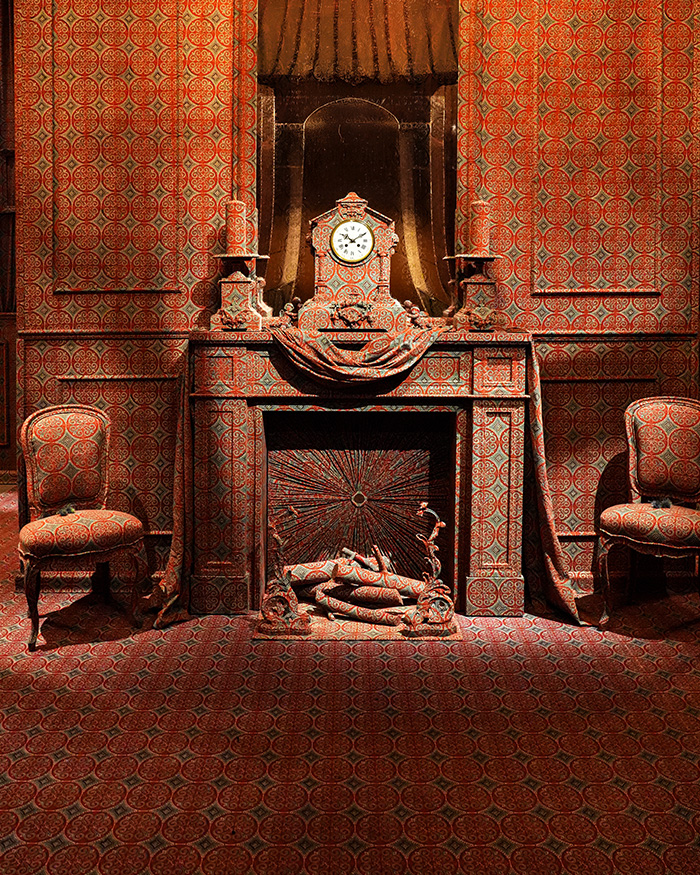
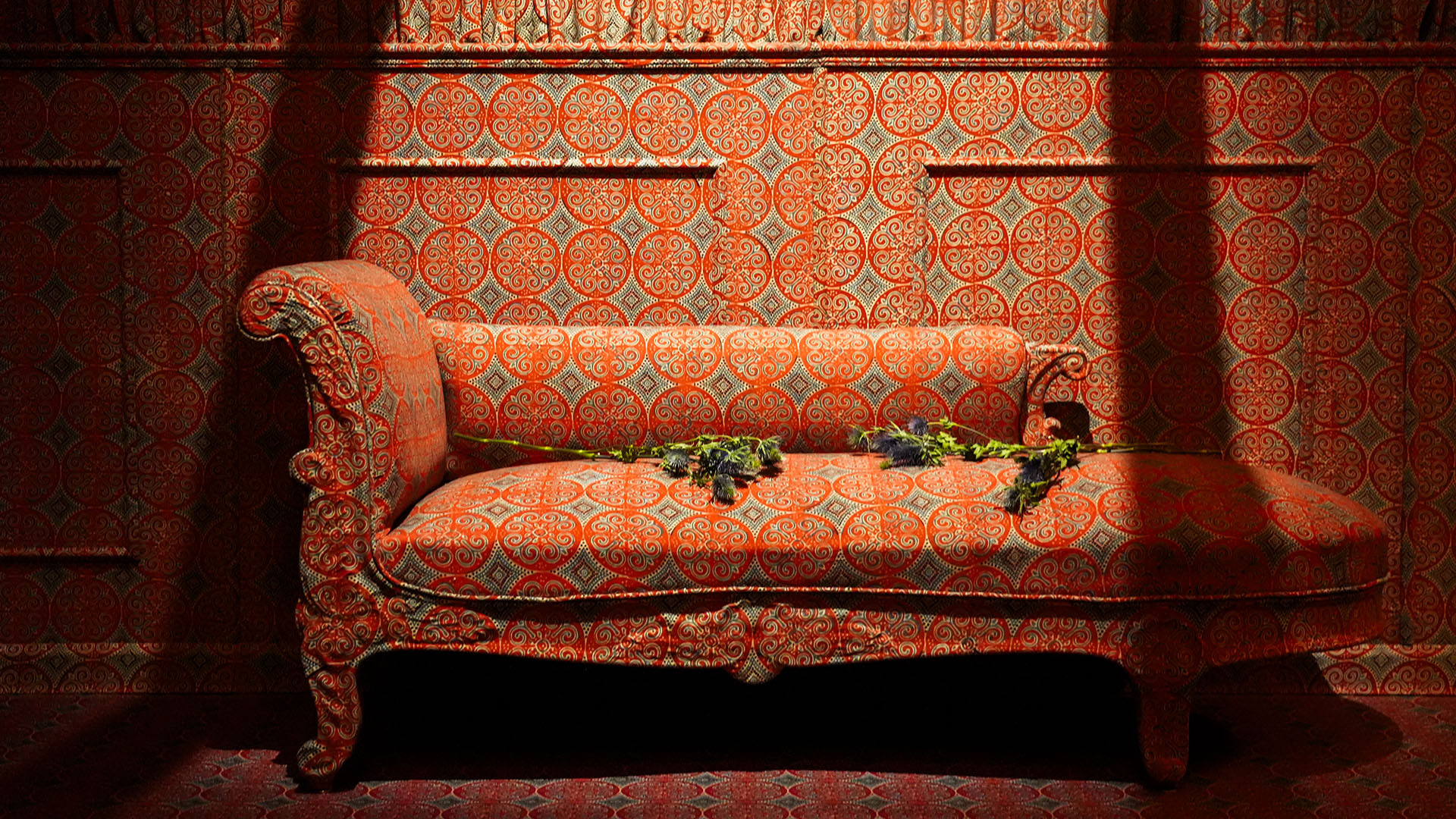
The ‘Antechamber’ stages a vivid portrait of artistic and commercial exchange between France and India, realised through a recreation of an eighteenth-century French apartment lavishly wrapped in Indian textiles. Echoing period patterns, the fabrics were painstakingly block-printed and naturally dyed by artisans at the House of Kandadu. Beyond this threshold, nomadic tents draped in reimagined French Toile de Jouy double as sculptural elements, their forms drawing inspiration from Indian dynasties.
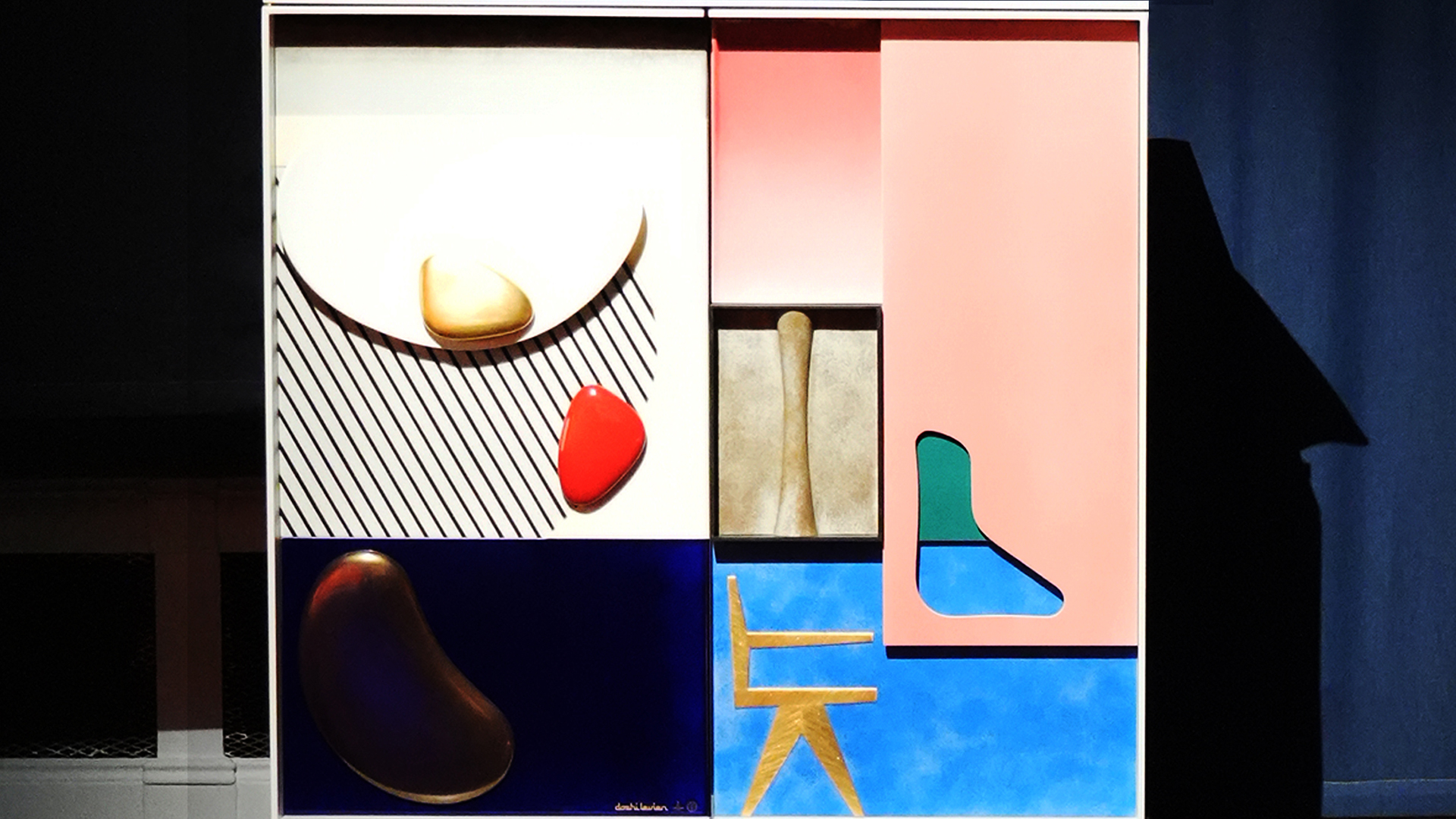
In ‘Woven Air’, the focus shifts to yarns and fibres, the genesis of all textile expression. The finest handwoven Indian muslin, handspun and handwoven cotton fabrics, which revolutionised fashion for women in 18th-century France and embroideries, ornaments and artisanal lace from France, which inspired Indian fashion practices, can be seen exhibited here. This showcase traces the invisible threads binding the two creative ecosystems, beginning with raw, uncoloured materiality and culminating in the ethereal installations of artist Sumakshi Singh, alongside delicate necklaces crafted in 2013 by the lace needlework conservatory-workshop of Alençon.
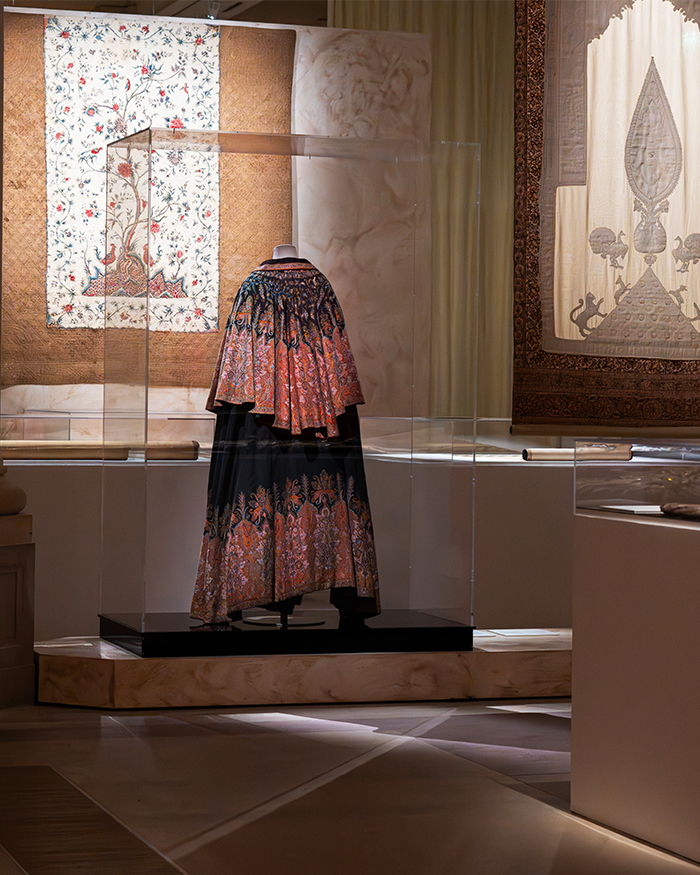
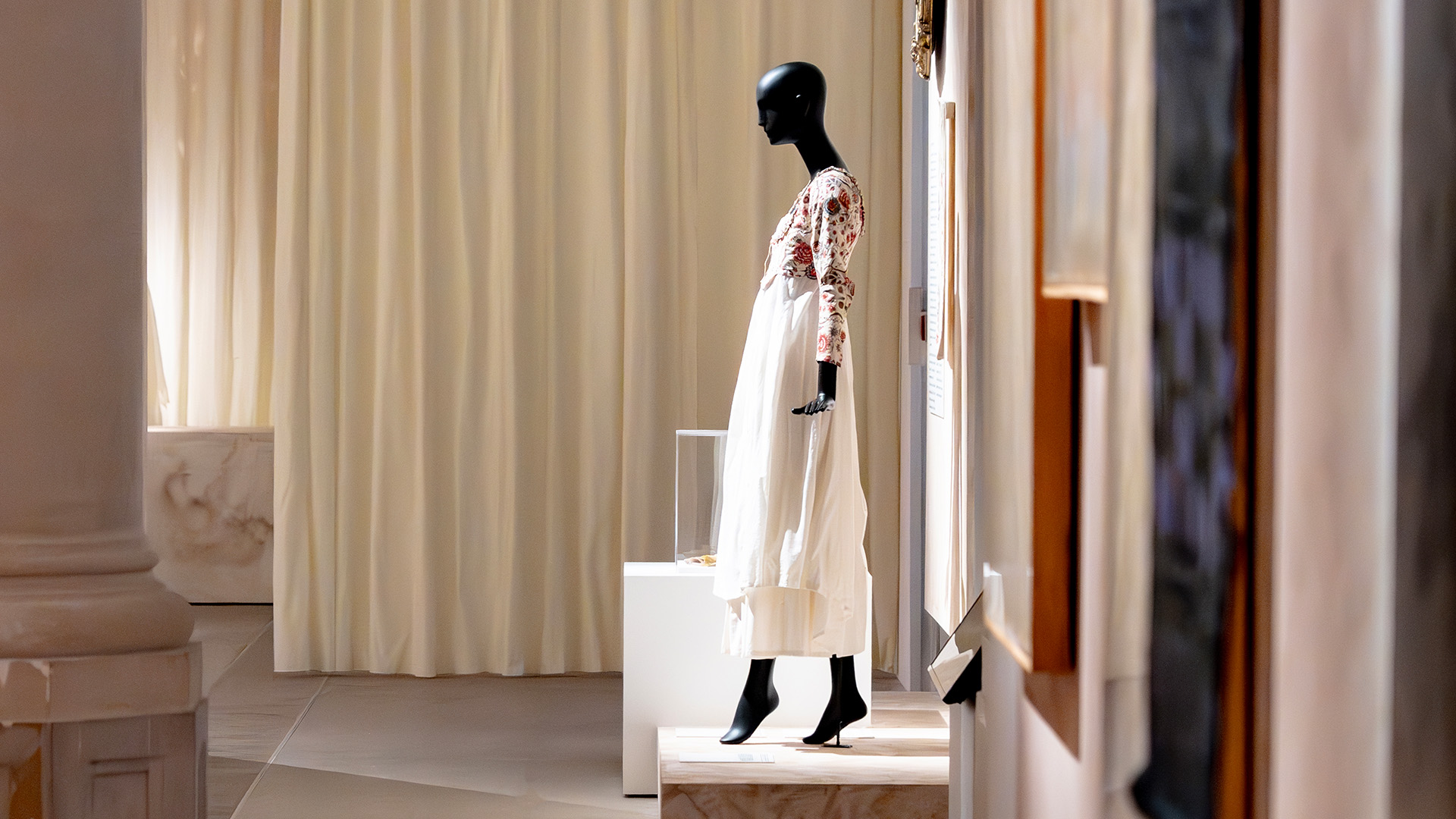
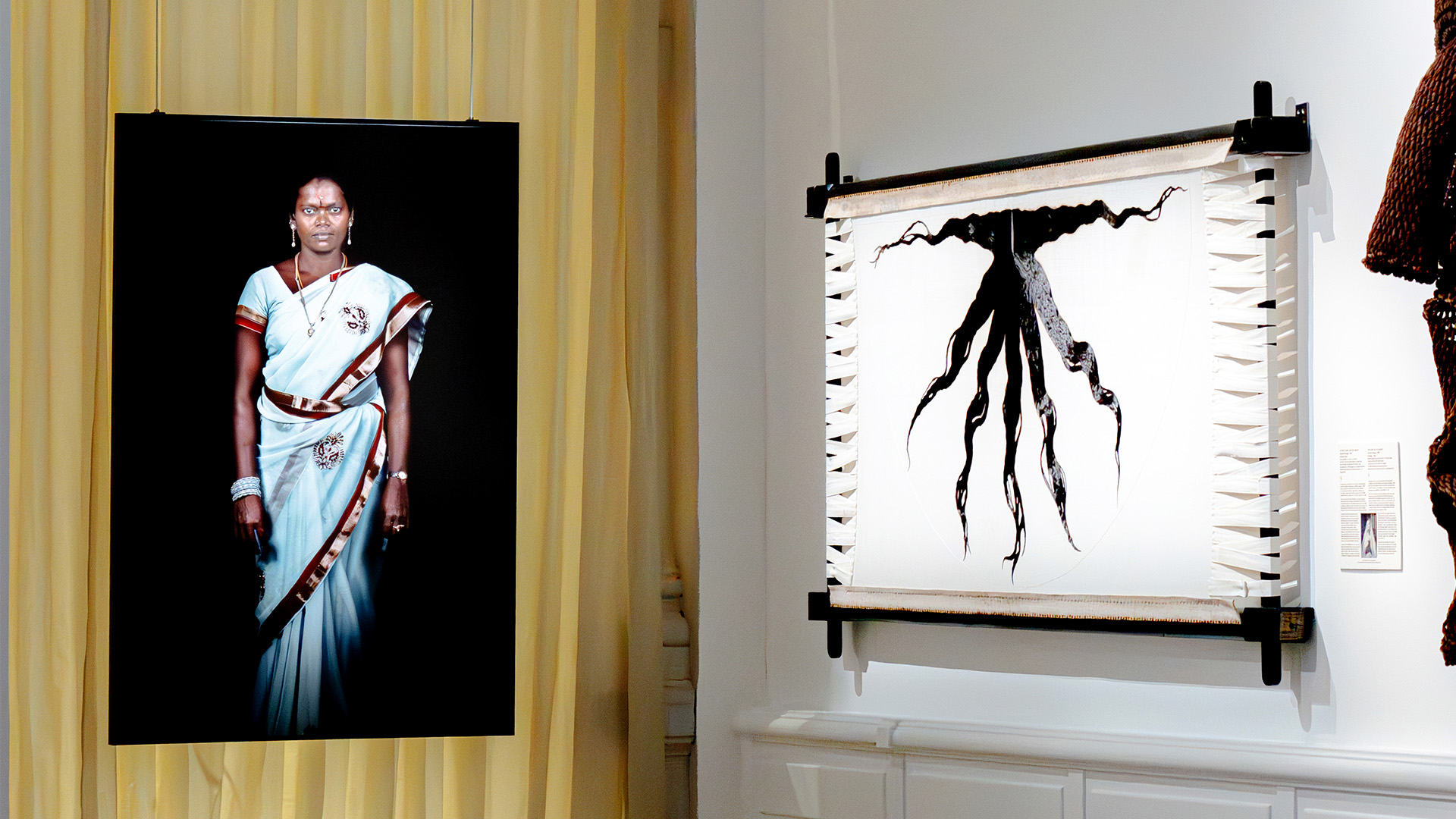
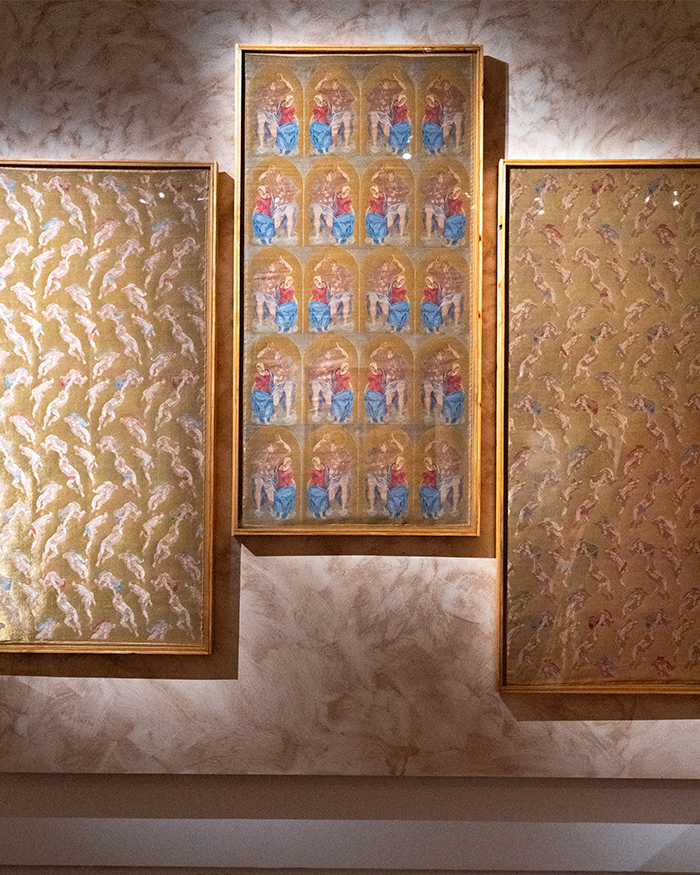
‘Prints, Patterns, and the Paisley’ gathers works that trace the Indian lineage of palampores and chintzes – textiles that would go on to inspire France’s indiennes. It also charts the genesis of the French paisley, a motif borrowed from the exquisitely handwoven shawls of Kashmir. From François-Hubert Drouais’ Portrait of Madame de Pompadour (1763), where she is clad in an indienne and stands as one of its most influential patrons, to a contemporary Tree of Life reimagined by chintz artist Renuka Reddy, the section underscores the enduring energy of what might be read as a distinctly Indo-French decorative vocabulary.
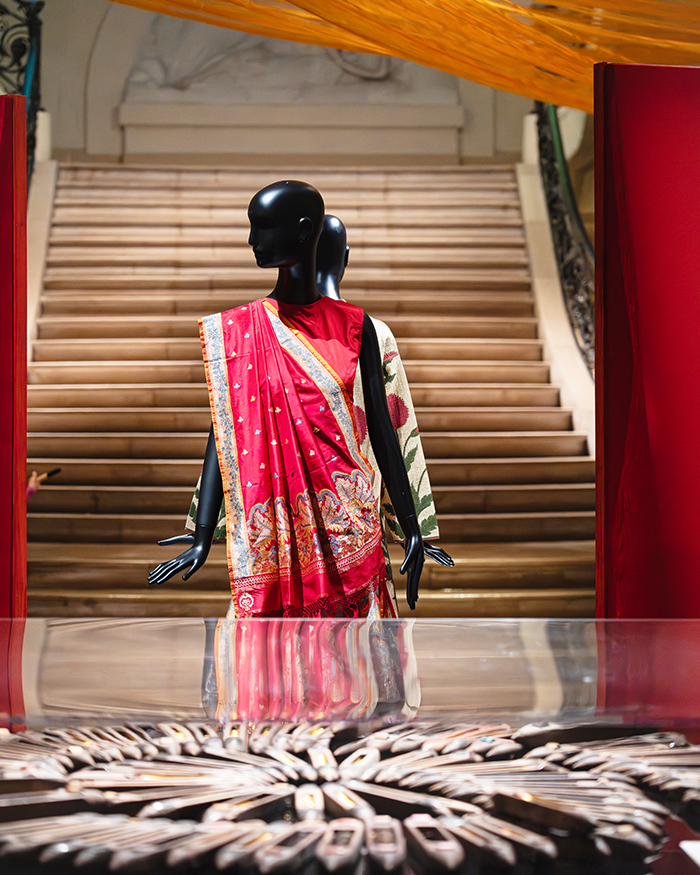
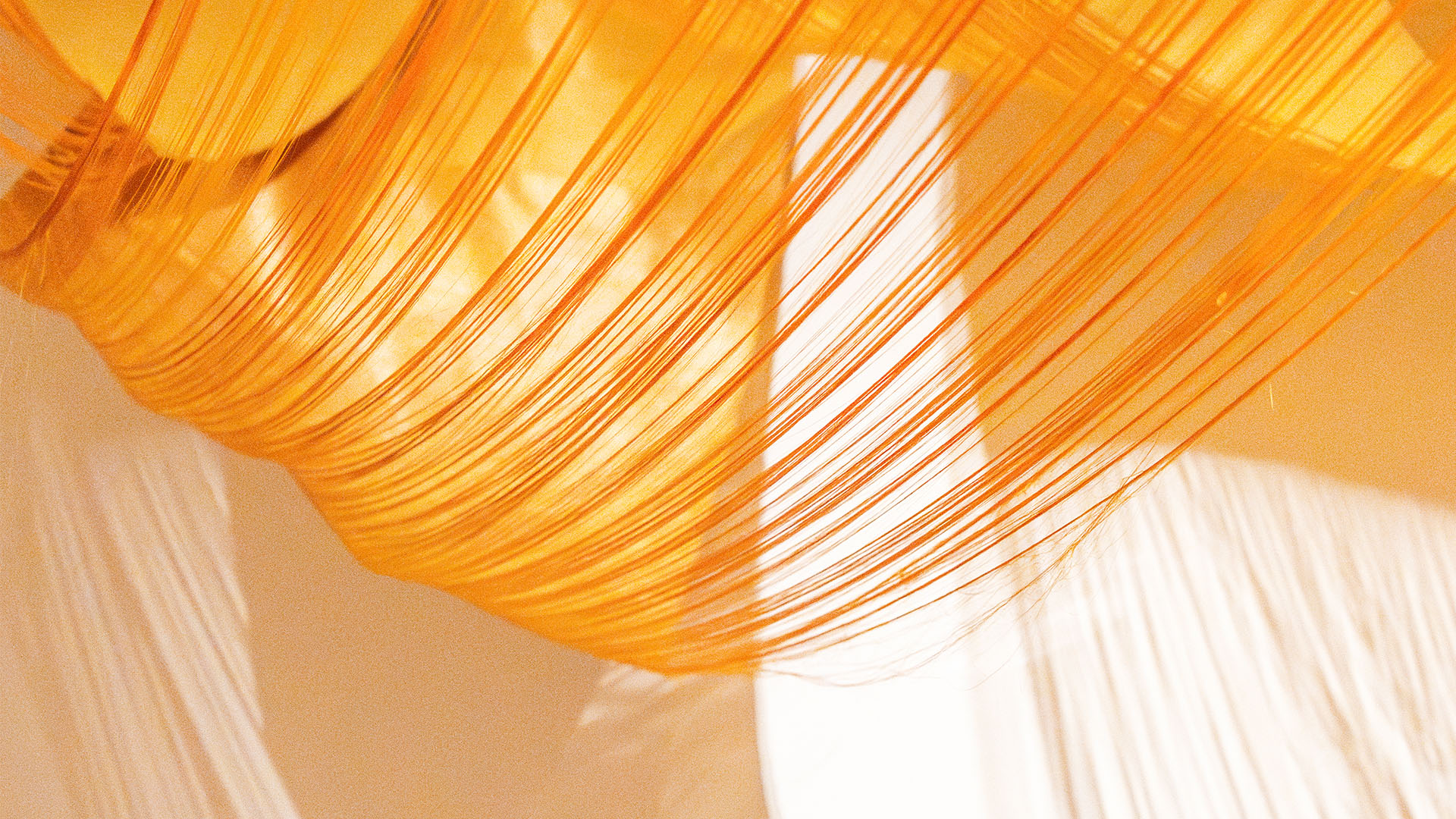
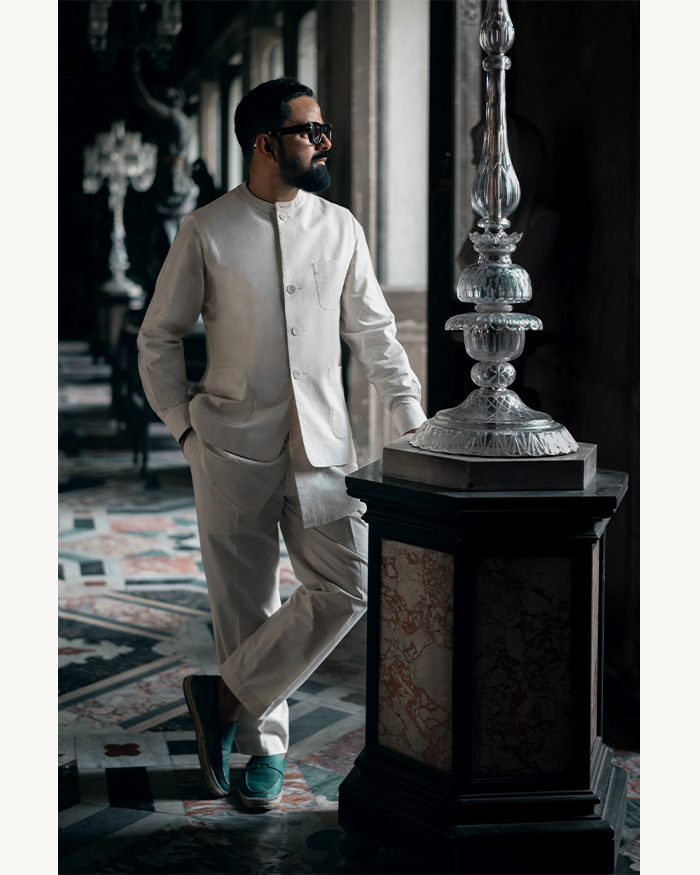
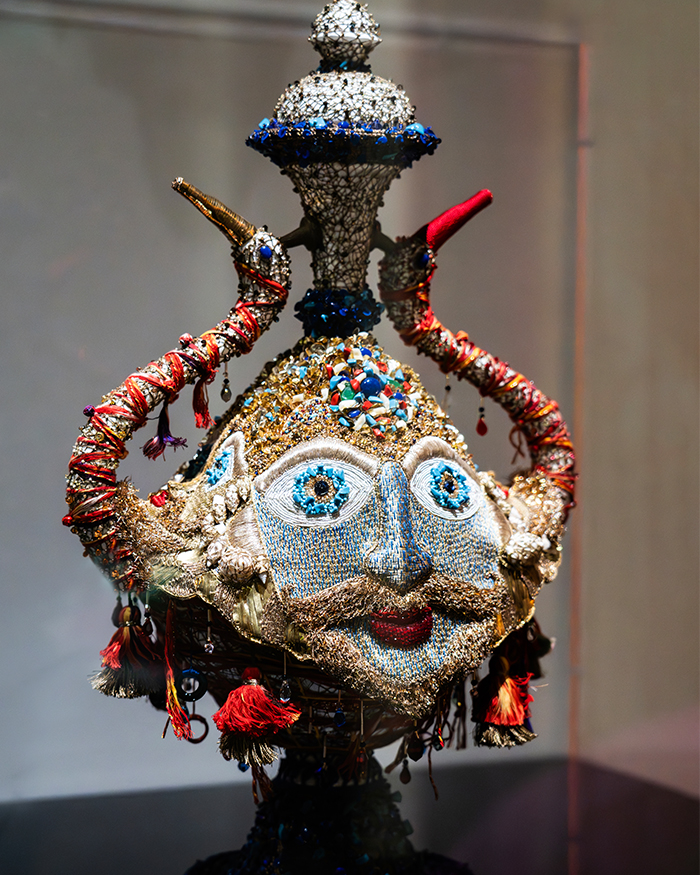
In ‘The Golden Thread’, brocades from India converse with those from Lyon, alongside the revolutionary Jacquard loom, an invention that reshaped textile production worldwide, with a particularly profound impact on the weaving traditions of Varanasi. The section also turns its gaze to contemporary Indian makers, whose experimental practices continue to draw from the brocade legacy. The display spotlights the Yaksha Vase, Kunaal Kyhaan Seolekar’s modern reimagining of Sèvres’ iconic Vase Buire Indienne, a form rooted in design history since the mid-1800s. In 2024, Kunaal was also recognised with an EDIDA Award for his rug collection created in collaboration with Jaipur Rugs.
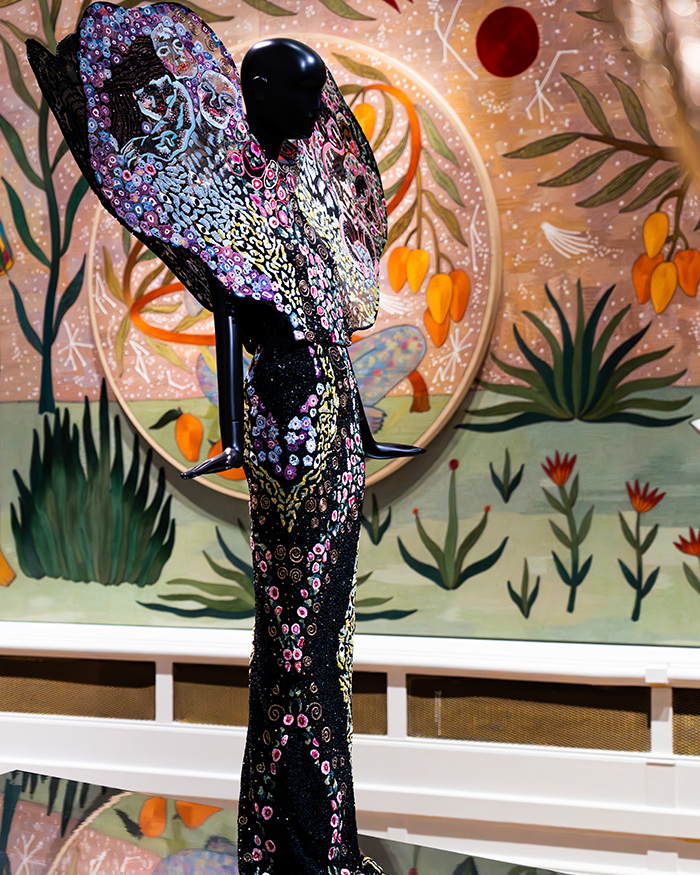
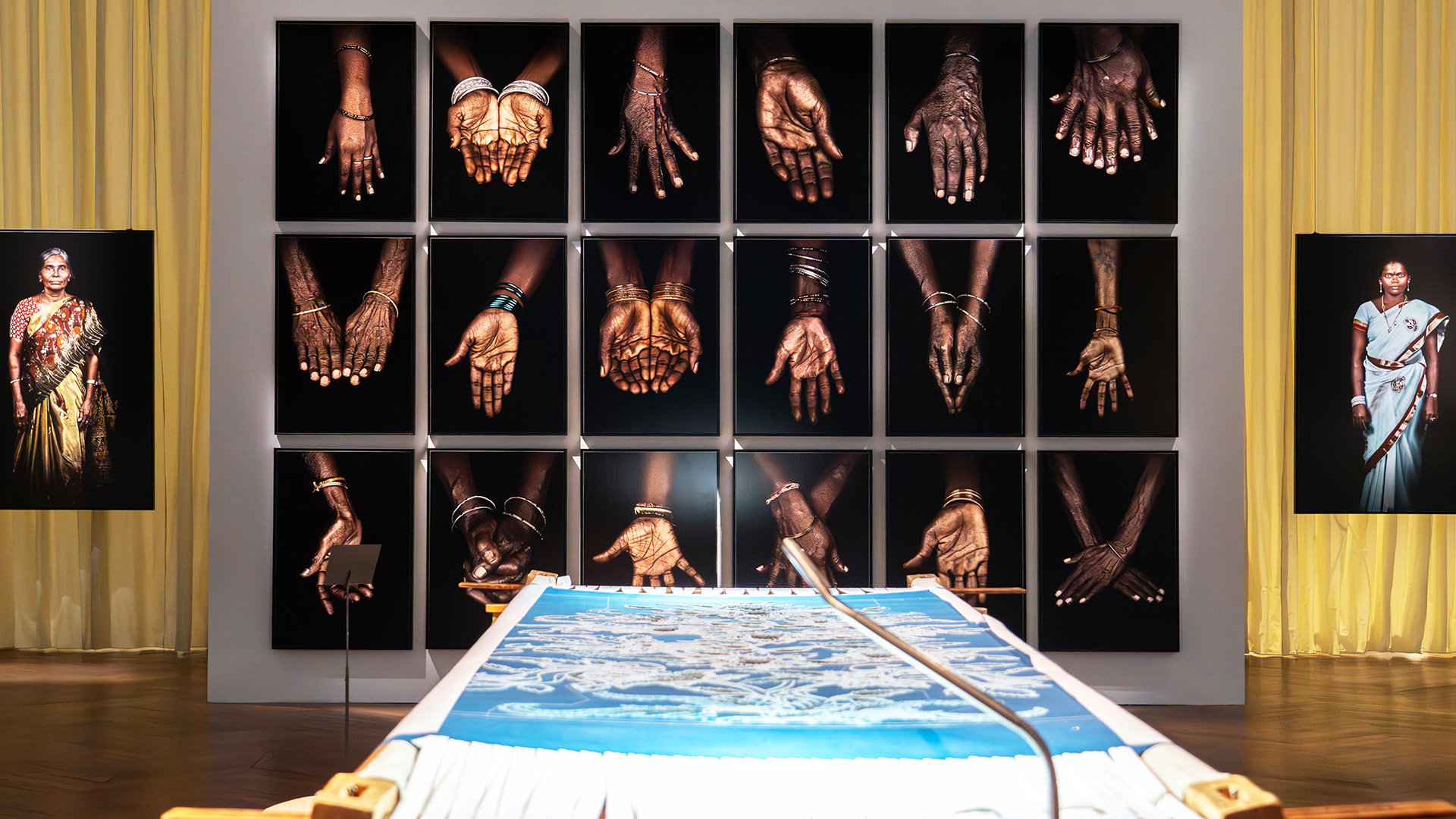
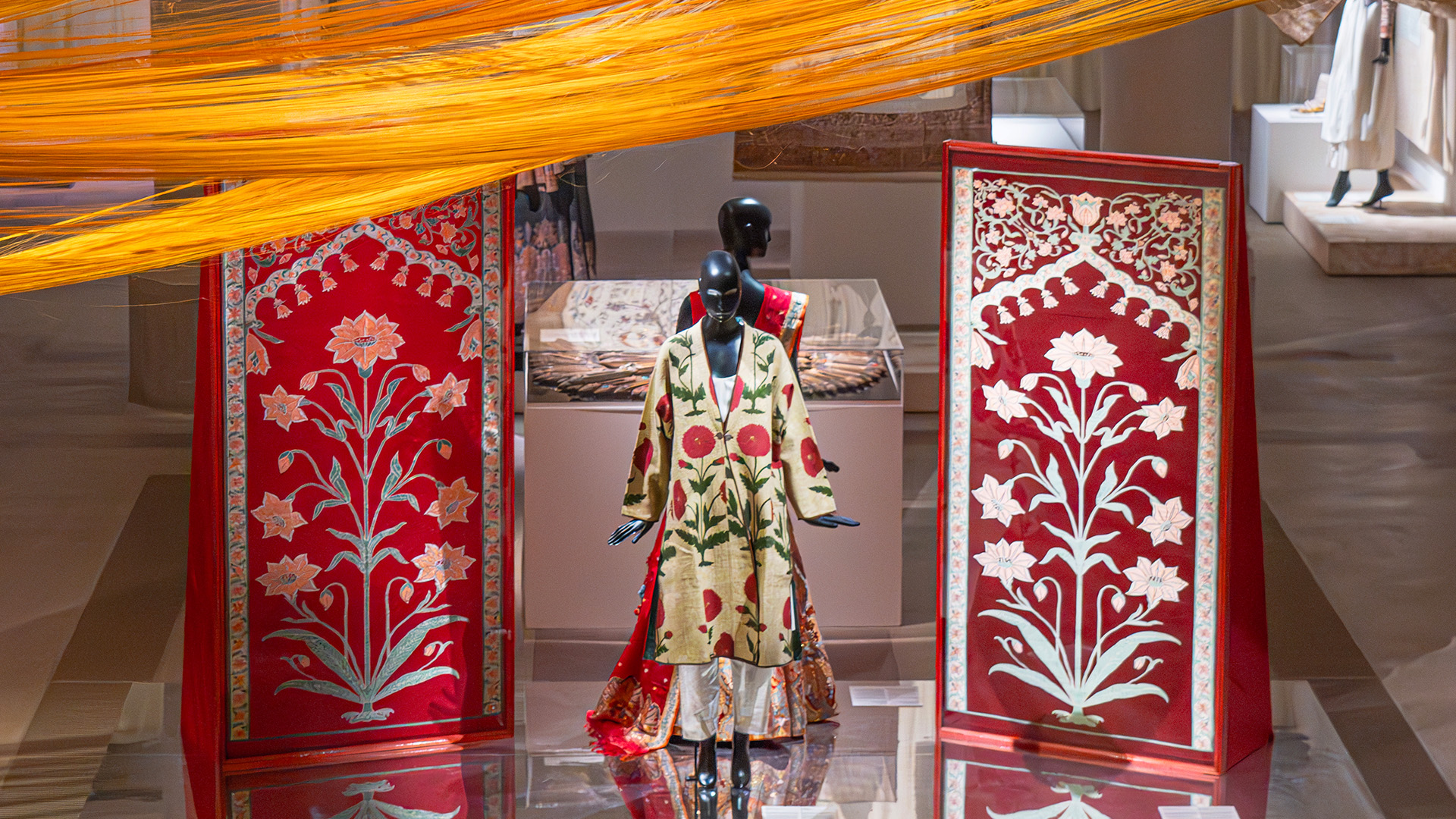
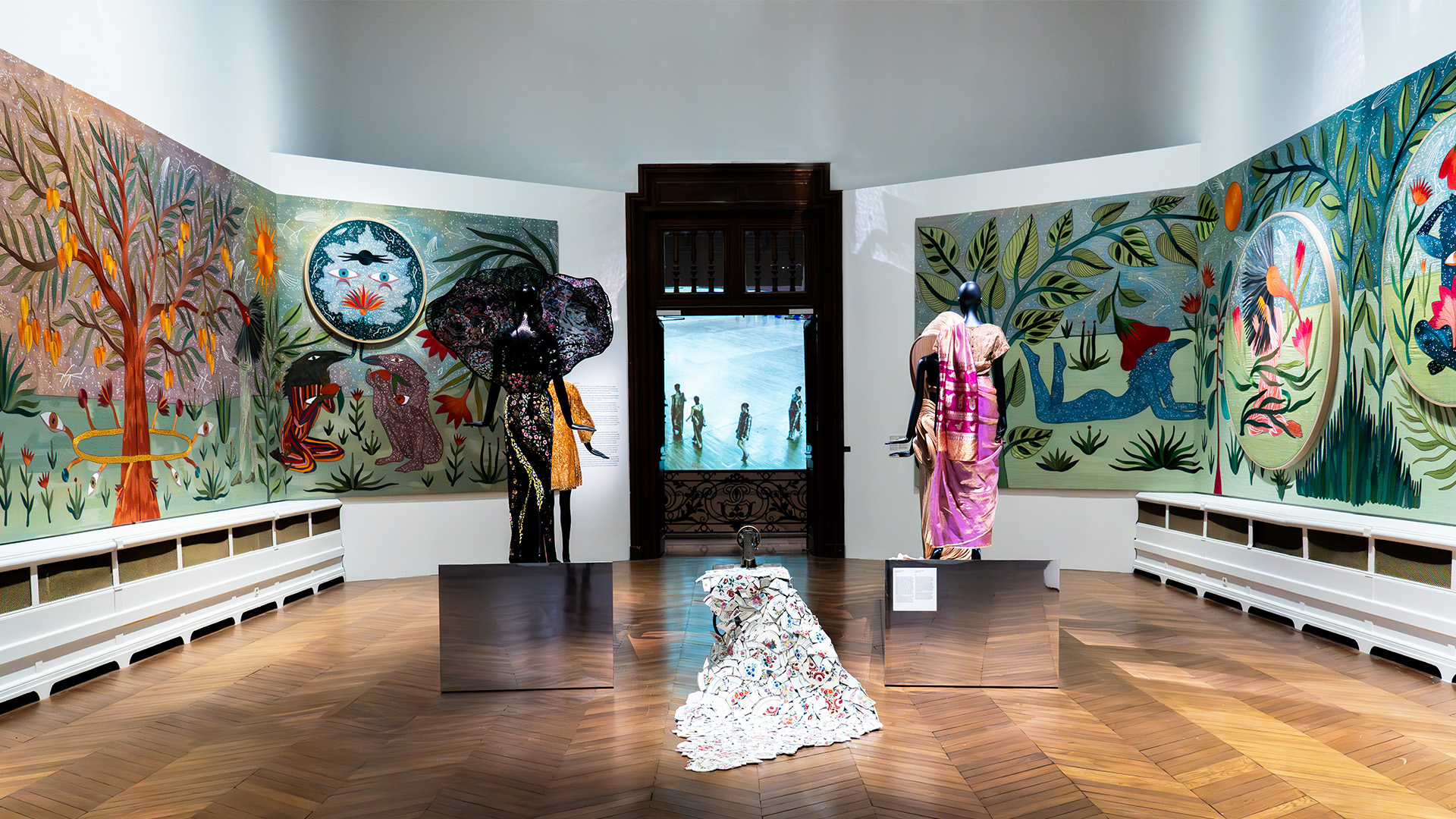
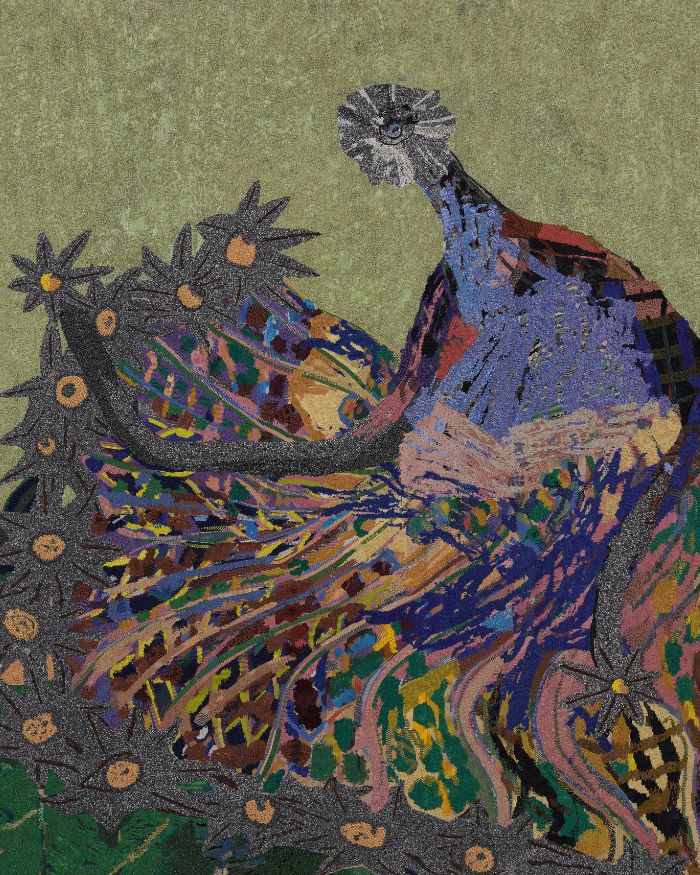
At the base of the staircase, a site-specific textile installation unfurls in a cascade of colour and folds, conjuring the saree, an emblematic garment worn by women across India and South Asia. The intervention is helmed by Raw Mango, the Indian fashion house celebrated for redefining the modern saree while working closely with hundreds of weaving artisans across the country, transforming the Galerie des Gobelins in the process. Indian dress has long been an inexhaustible wellspring for French haute culture. Framing the gallery are monumental panels from The Flowers We Grew, a series of nine embroideries by the Chanakya School of Craft guided by Karishma Swali in collaboration with Mumbai-based artist Rithika Merchant. Drawing from ancestral narratives rooted in Kerala, Rithika’s practice honours a matriarchal lineage, celebrating resilience, pleasure and power of womanhood.

Extending the dialogue set up by the garments in earlier sections, ‘Sculpting the Body’ moves beyond utility to consider textiles as instruments that negotiate intimacy, form and spatial presence. Here, cloth becomes a second skin that is at once protective and expressive through works by an extraordinary cohort of women practitioners, including Mrinalini Mukerjee, Simone Pheulpin, Sheila Hicks, the Chanakya ateliers under the direction of Karishma Swali, and Jeanne Vicerial.
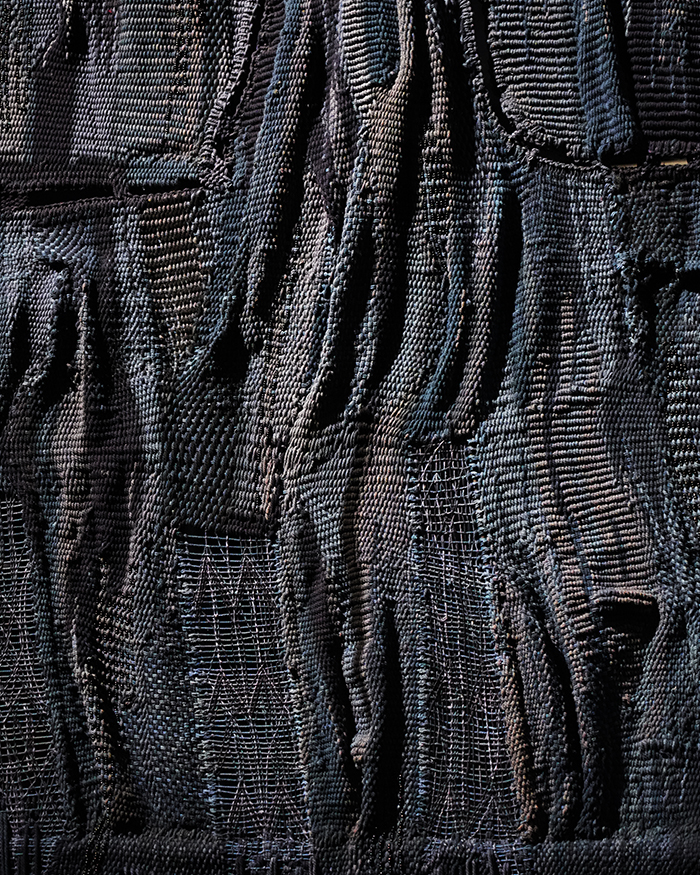
Set within an Indian-inspired salon, the space is enveloped entirely in denim, a fabric that traces its origins to Nimes, transforming the material into a shared cultural signifier. Both homage and memory, the room honours traditions native to each country while acknowledging the layered histories that bind India and France together. Ce qui se trame: Histoires tissées entre l’Inde et la France is in collaboration with Shon Randhawa, founder of the Sutrakala Foundation, le19M and supported by partners including Pierre Frey, Perrine, Raw Mango, the House of Kandadu, Atelier 2M, Chanakya International and the Chanakya Foundation. The exhibition unfolds within a broader cultural ecosystem and is amplified by media partners including ELLE Decoration France and ELLE Decor India.

No results found.