Photography by Vinay Panjwani

Anniversary issue: In the quiet

In Siddhpur, locked Bohra mansions showcase beauty, survival and resistance long after the families have gone, and only edifices remain

BY

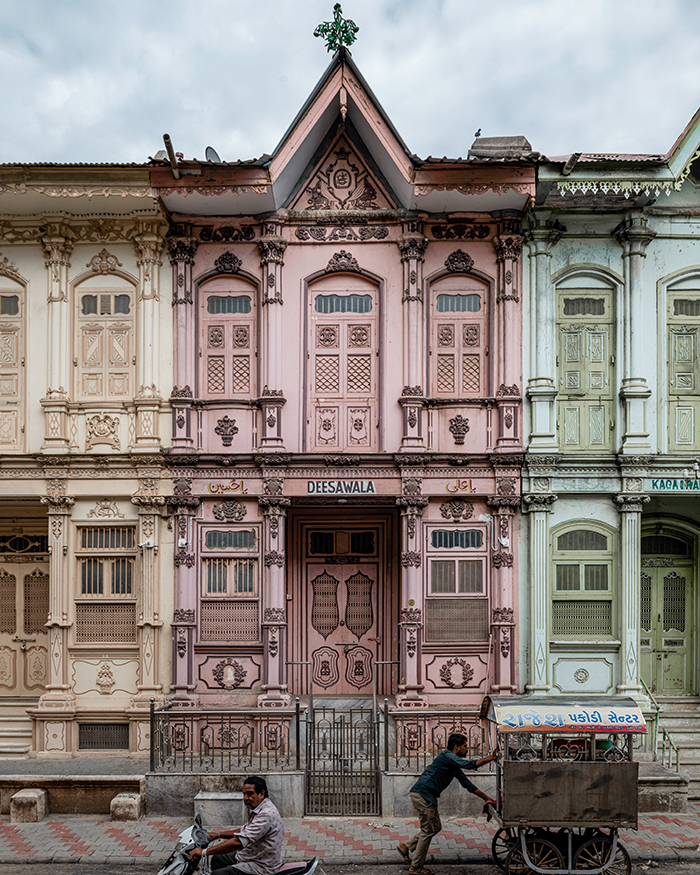
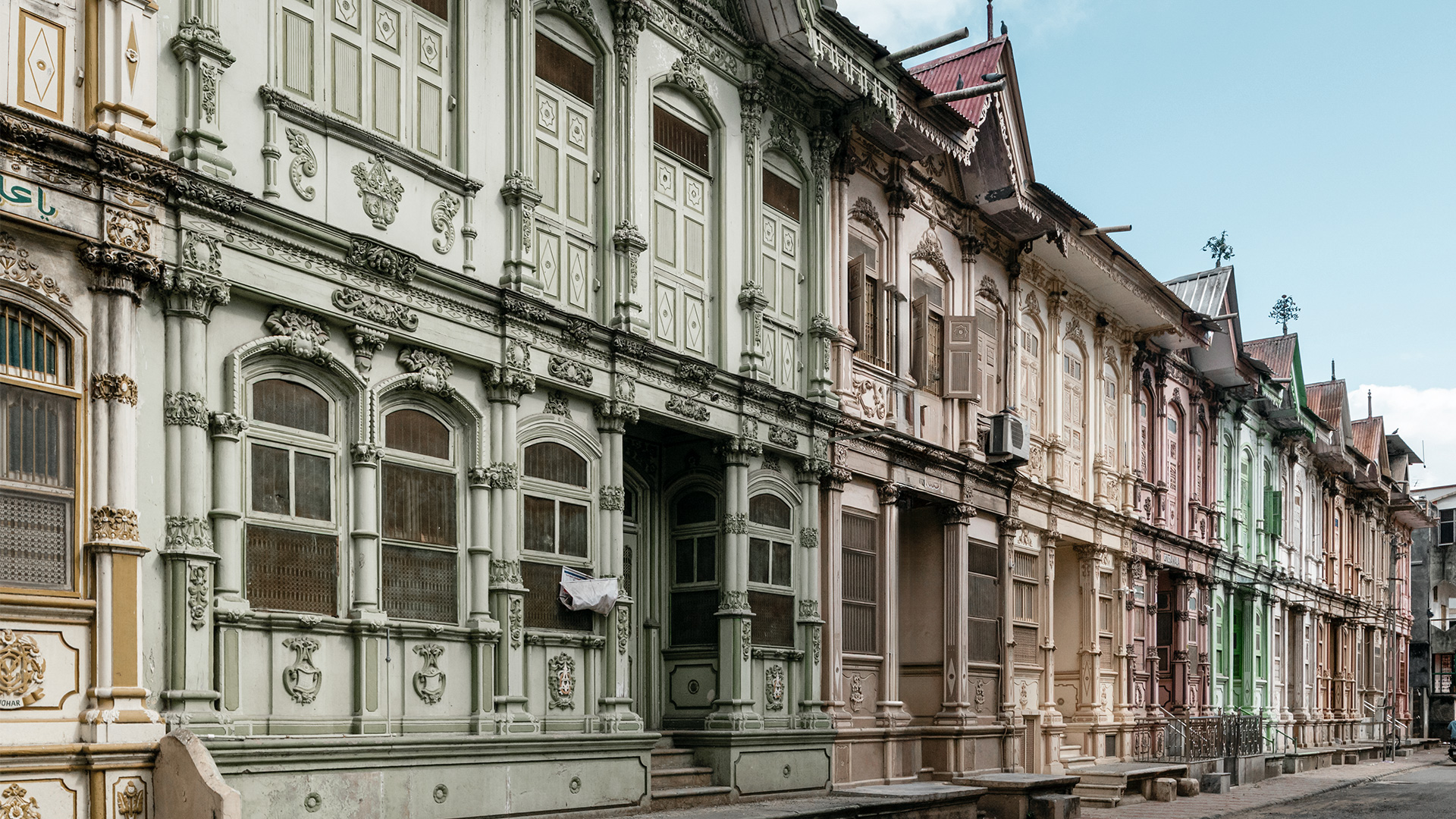
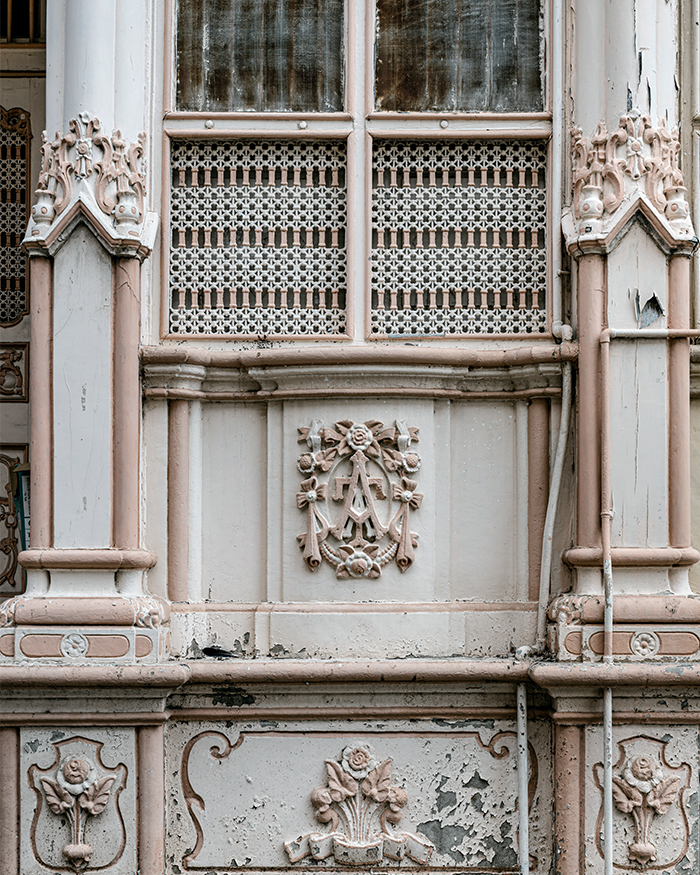
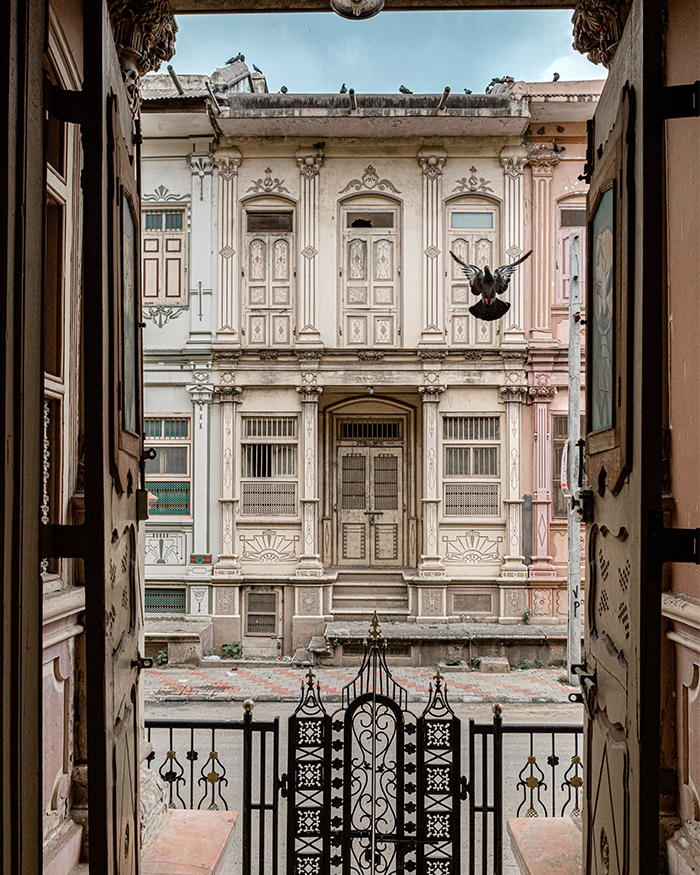
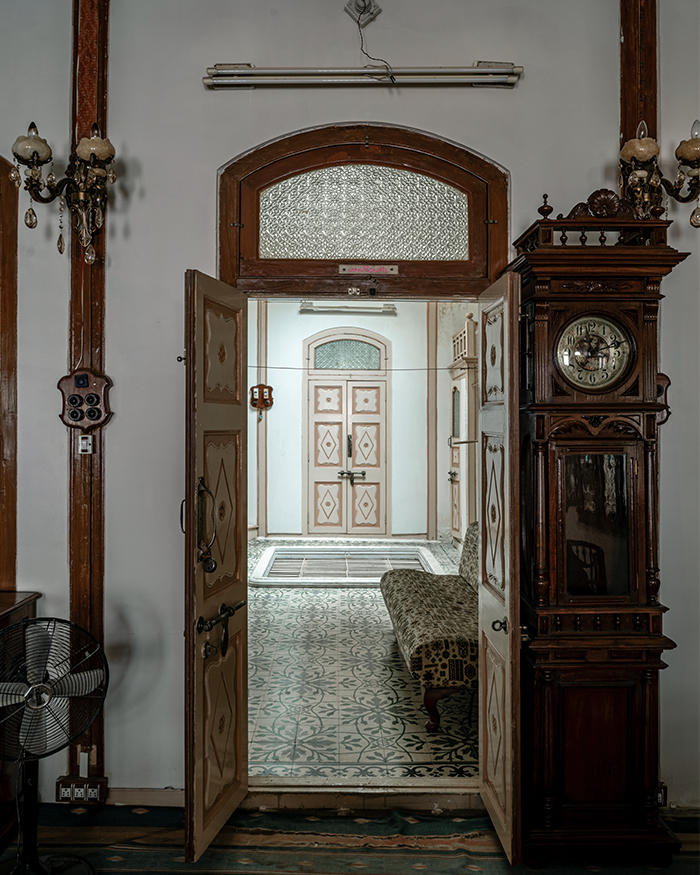
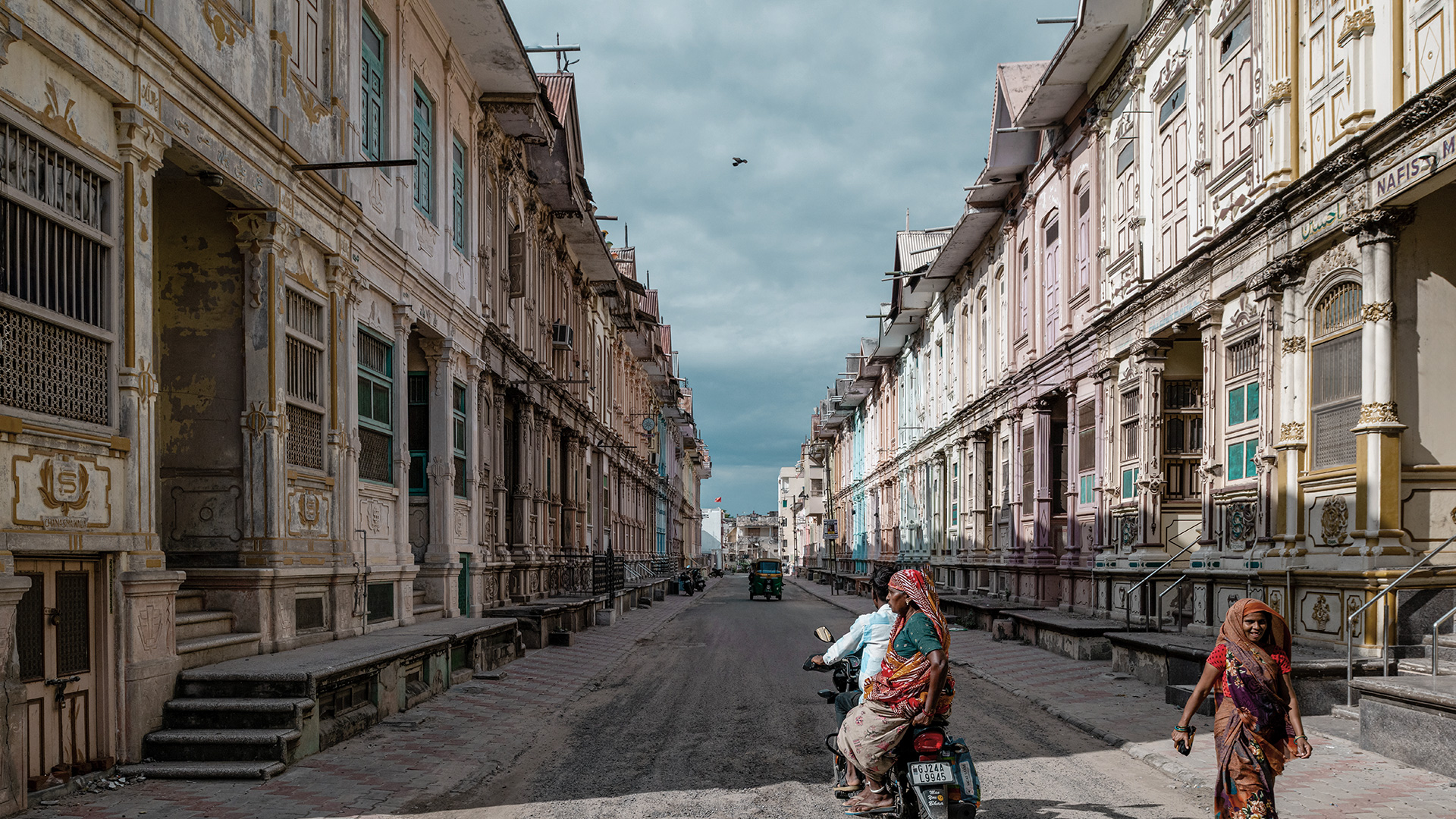
Siddhpur has been photographed endlessly. It has appeared in travel features, coffee table books, photo documentaries and in ELLE DECOR India a decade ago. Nearly every Indian architectural photographer has pointed a lens at its pastel facades. It is visually irresistible, a city with no wrong angles. But that alone is not a reason to examine it again. Siddhpur occupies a rare position in India’s cultural and architectural landscape, metaphoring maximalism shaped by time, migration and layered identity rather than spectacle or restoration. They call it a ghost town, but the long pastel rows do not appear dead; they look paused. At any moment, it feels like a door could open, a family could return, a conversation could pick up midsentence.

The houses may be abandoned, but the town has not quite agreed to disappear yet. Its historical significance predates its pastel Bohra mansions. Known as Sristhal, it rose to prominence in the 10th century CE under the Chaulukya dynasty. The monumental Rudra Mahalaya Temple, completed in 1140 CE, was among Gujarat’s most important temple complexes, built on an ambitious scale with elaborate pillars, sculpted toranas and multiple shrines. Although the temple was later dismantled during periods of conflict, its surviving fragments (now preserved under the Archaeological Survey of India) remain a key reference for medieval architectural innovation and stone engineering. The dual inheritance of monumental built history and rituals positioned Siddhpur as a Western Kashi in the cultural imagination.

"With Parisian facades that seem to dissolve into infinity, the havelis of Siddhpur reflect a hybrid identity born out of migration, aspiration and global exchange"

Photography by Vinay Panjwani

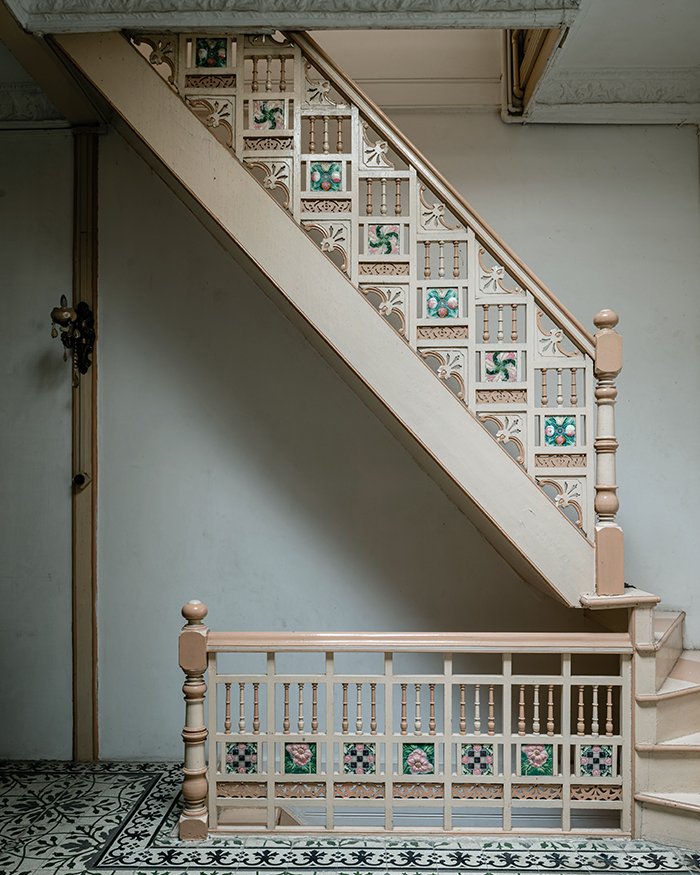
The second defining layer arrived in the late 19th and early 20th centuries, when the Dawoodi Bohra mercantile community financed and constructed an extraordinary concentration of domestic architecture. These Vohrawad mansions, built roughly between 1870 and 1930, reflect the global exchange economies of the Bohra diaspora, integrating European Neo-Classical facades, Art Deco geometry, Baroque detailing, Islamic ornament and Gujarati domestic planning into a singular urban fabric.

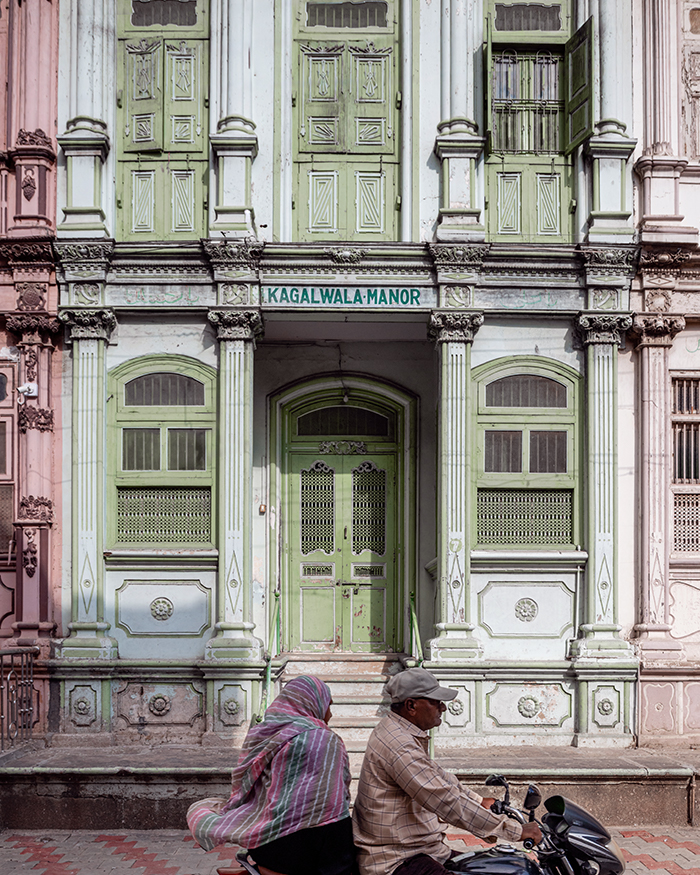
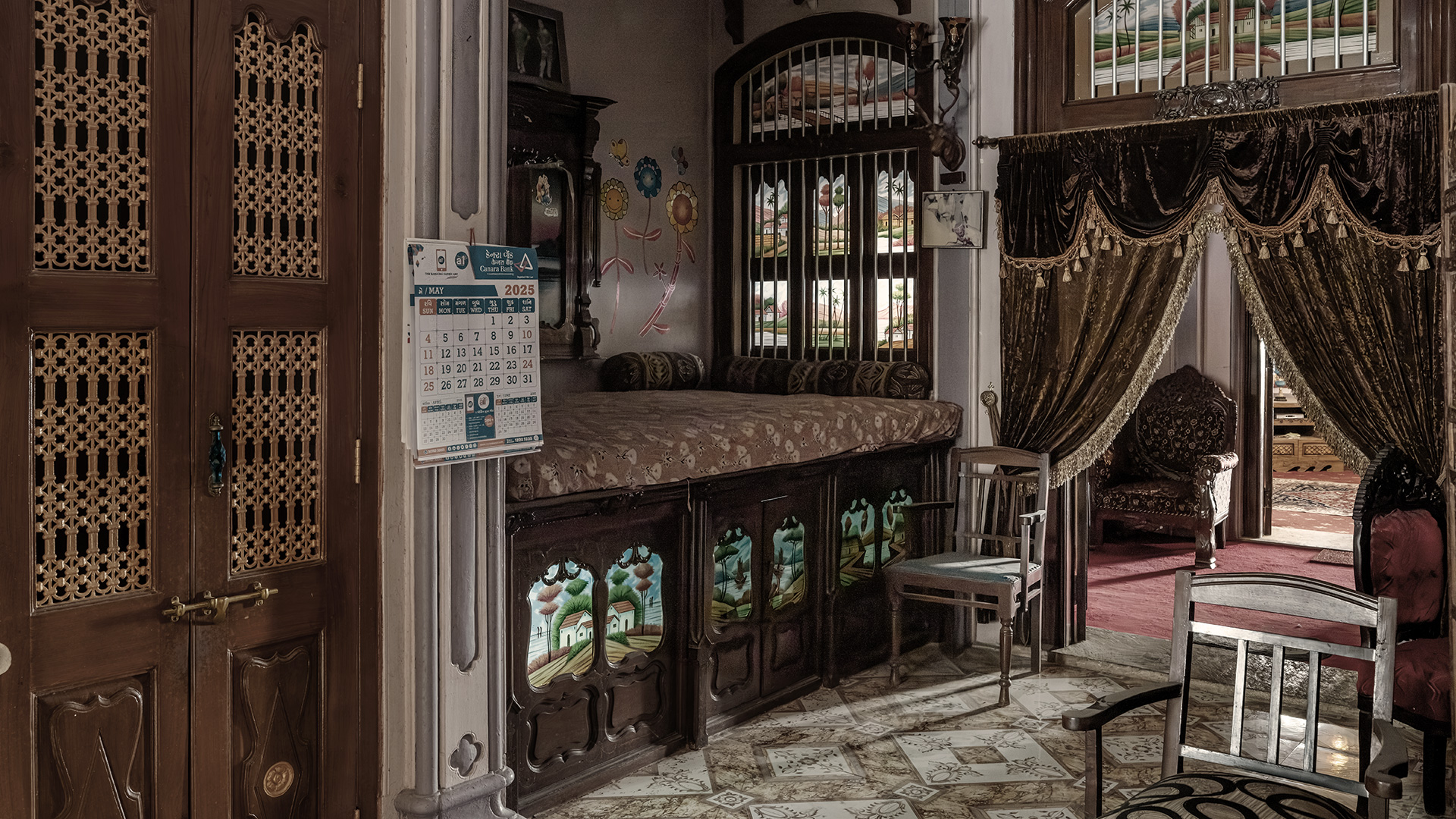
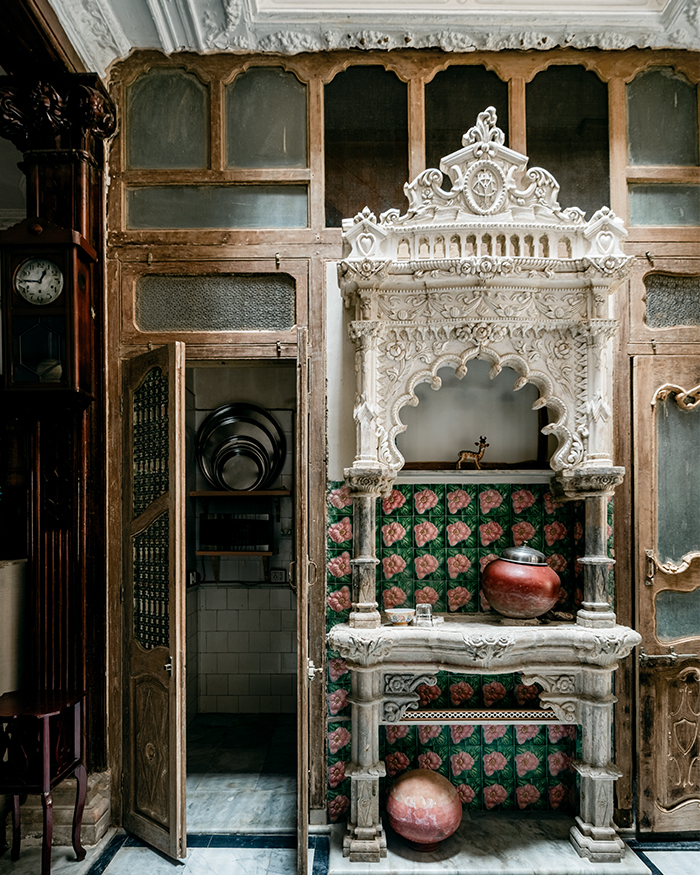
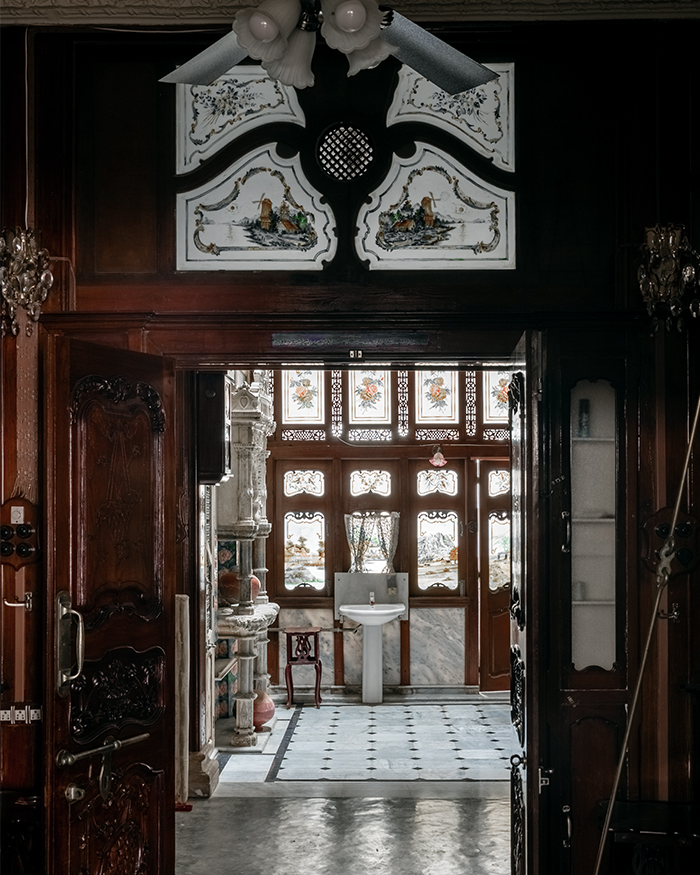
These were homes with kitchens, prayer rooms, deep courtyards, stitched textile traditions and domestic ceremonial spaces structured around daily life. One striking example of intentional domestic design is the pyaayu, an elevated ornate pedestal built solely to hold a water lota. As one resident explained, pointing to the pedestal: “Kimmat paani ki hai.” The value lies in the water it protects, and not necessarily the object that holds the water. Today, most of these houses are padlocked and uninhabited, shaped by migration, changing trade routes and shifting aspirations. Many of the Bohra mansions stand locked, their families long dispersed. The houses have hardly been restored or repurposed, and that makes Siddhpur important. It is one of the few places where we can see domestic maximalism exactly as time has left it. Weathered walls, faded paintwork, broken floors and exposed woodwork show how materials age, craftsmanship survives, and how architecture records migration, a document of social history. It is valuable because it is untouched.

Photography by Vinay Panjwani

Unlike Chettinad or Jaipur, Siddhpur has not been converted into a hospitality economy or spectacle for tourism. Its grandeur exists sans audience or performance, allowing scholars, designers and cultural historians to study maximalism stripped of display. Although parallelly, another part of town still breathes: markets selling brass vessels, caretakers who maintain keys to locked homes, Bohra bakeries, sweet shops and namkeen stores that continue older forms of taste and craft. The town remains essential because it contains an intersection of sacred history, domestic architecture and diasporic imagination. Siddhpur is an irreplaceable record of how India builds meaning across centuries. It is a document of what India once built, what it still remembers, and maybe what it is yet to understand.

Read more: The sentimental hoarder

Photography by Vinay Panjwani
SHARE THIS ARTICLE

You May Also Like

Watch

No results found.

Search
Close this search box.