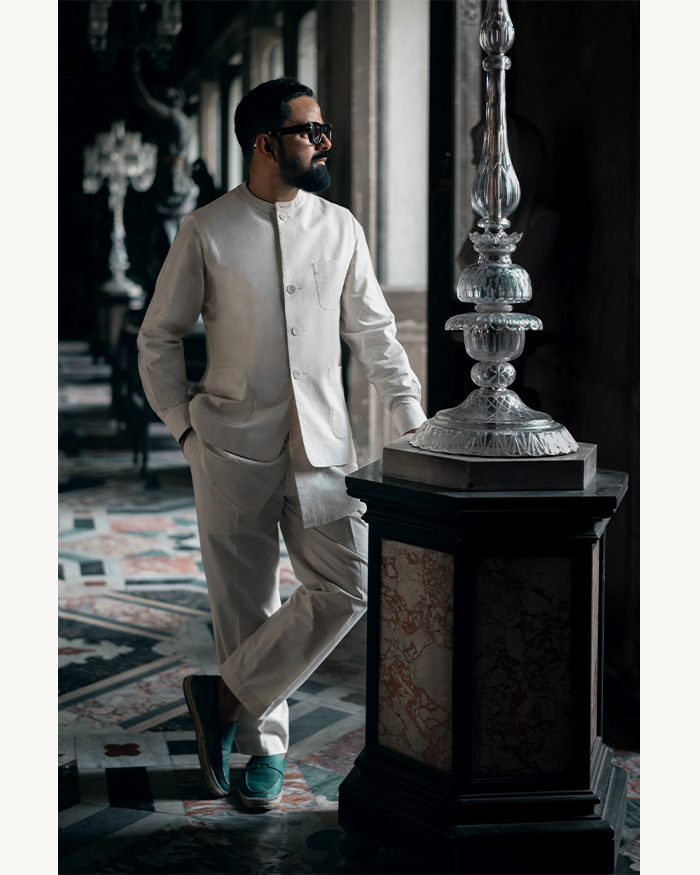

Dr Devi Shetty Interviewed by Namrata Dewanjee Produced by Mrudul Pathak Kundu and Shriti Das
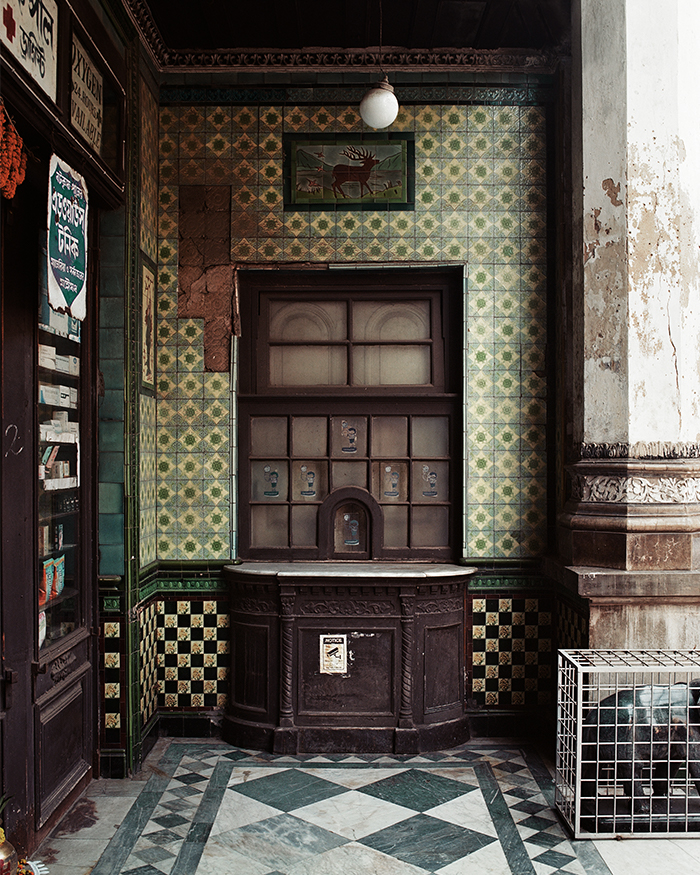
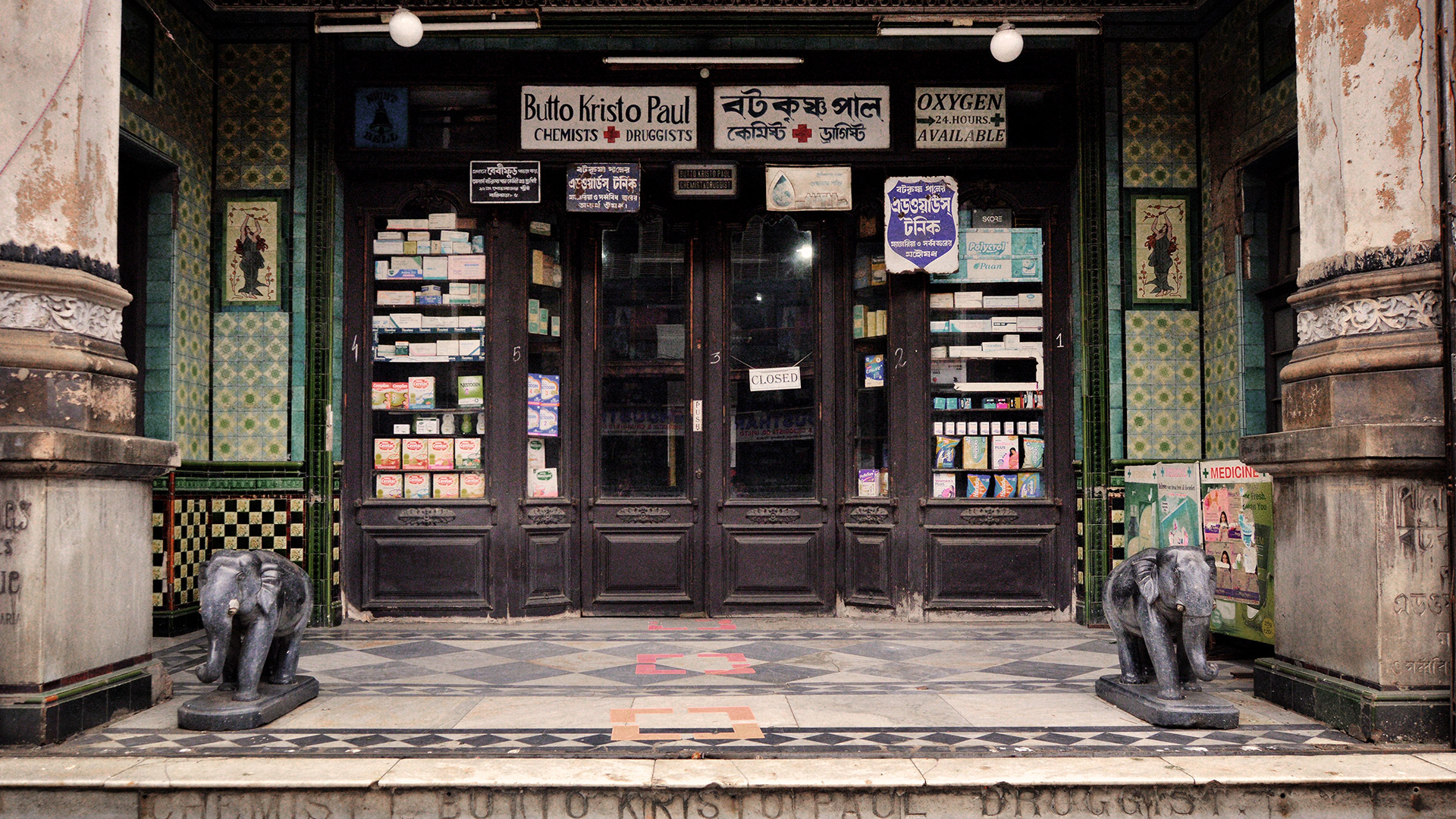
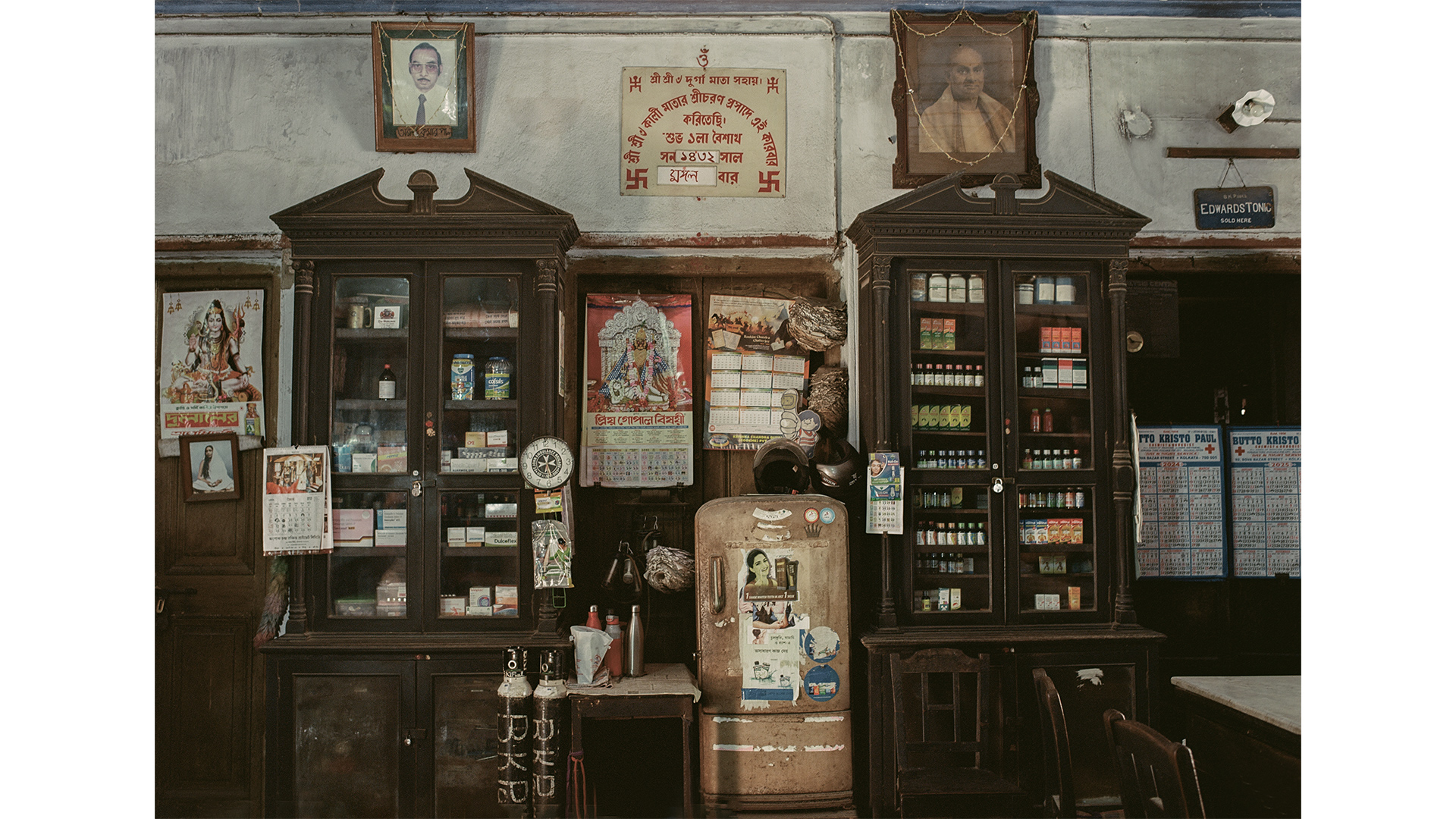
Do we call it a pharmacy, a residence, or a phenomenon of chimerical character? Under the streetlights of Kolkata, which once harboured a halogen glow, there is a crack in the veneer of the expected. A crowd gathers on the grand steps that lead to the palatial quarters. A cloud of tobacco smoke then a green cross blinks into view. Between haphazard feet, it reads “Chemist. Butto Kristo Paul. Druggist.” The name repeats above in wrought iron, curling over a deep verandah. Inside, an elderly woman sits behind the counter, flipping the day’s newspaper at 8 p.m. She is surrounded by artefacts that too seem to have forgotten to check the timestamp. A Lewis Carroll-like tableau spills out from the shelves: tinctures, tonics and stickers. Boroline, contraceptives, Hansaplast advertisements. Sanitary pads and Cerelac. A refrigerator from the 1920s under lock and key. Four calendars from four different years. Oxygen cylinders engraved “BKP” next to a print of Kali Maa. A night bell in the age of 24-hour-delivery apps. A ticking clock that has long since run out of time.
“People don’t come into the pharmacy wanting to verify credentials. They already trust the institution, because the place has existed longer than they have”
— Dr Devi Shetty
“It is a nondescript place, but something stands out. I can’t explain why,” reflects Dr Devi Shetty on his brief encounter with BK Paul’s home and pharmacy. It was in 1989 when the renowned cardiac surgeon, then a young practitioner, left England and arrived in the city. He quickly became a household name. He was Mother Teresa’s personal physician in her last years whose words inspired him to begin the Narayana Hrudayalaya hospital. “In Calcutta, everything works on emotions. Even though I’m a thoroughbred South Indian, I’ve always felt at home in West Bengal,” he muses, “My years here have shaped my life, my family and my career. What stayed with me most is how non-transactional relationships feel, built on trust. As a doctor, I’ve rarely seen patients elsewhere say, ‘I trust you, do what’s best’, without questioning.”
When families rush in with injuries, Bishakha Paul, the same matriarch who sat unperturbed beyond the counter, reaches for a syringe with practised ease and dresses the wound. She learnt the skill years ago to assist her husband, who was nursing an ailment in his later years. She shrugs when asked why she still does it, “Ei parar loker jonne kortei hobe. (I have to do it for the people in this neighbourhood.)” Informal care in the country often goes unacknowledged, but it is crucial in community medicine. Dr Shetty relays, “People don’t come in wanting to verify credentials or qualifications. They already trust the institution, because the place has existed longer than they have. They have heard, across generations, how it served their parents and grandparents. That trust doesn’t appear overnight.”
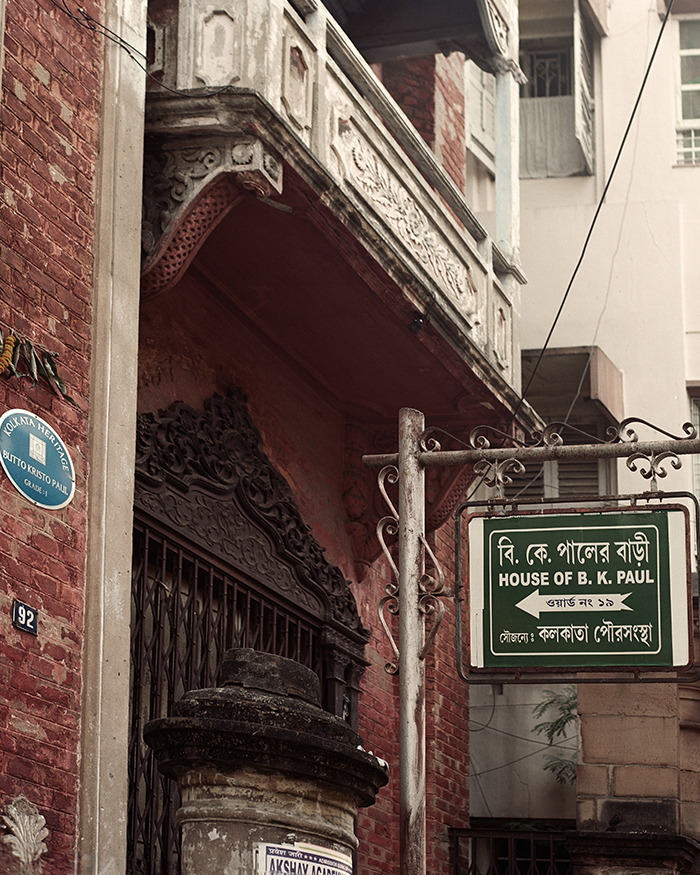
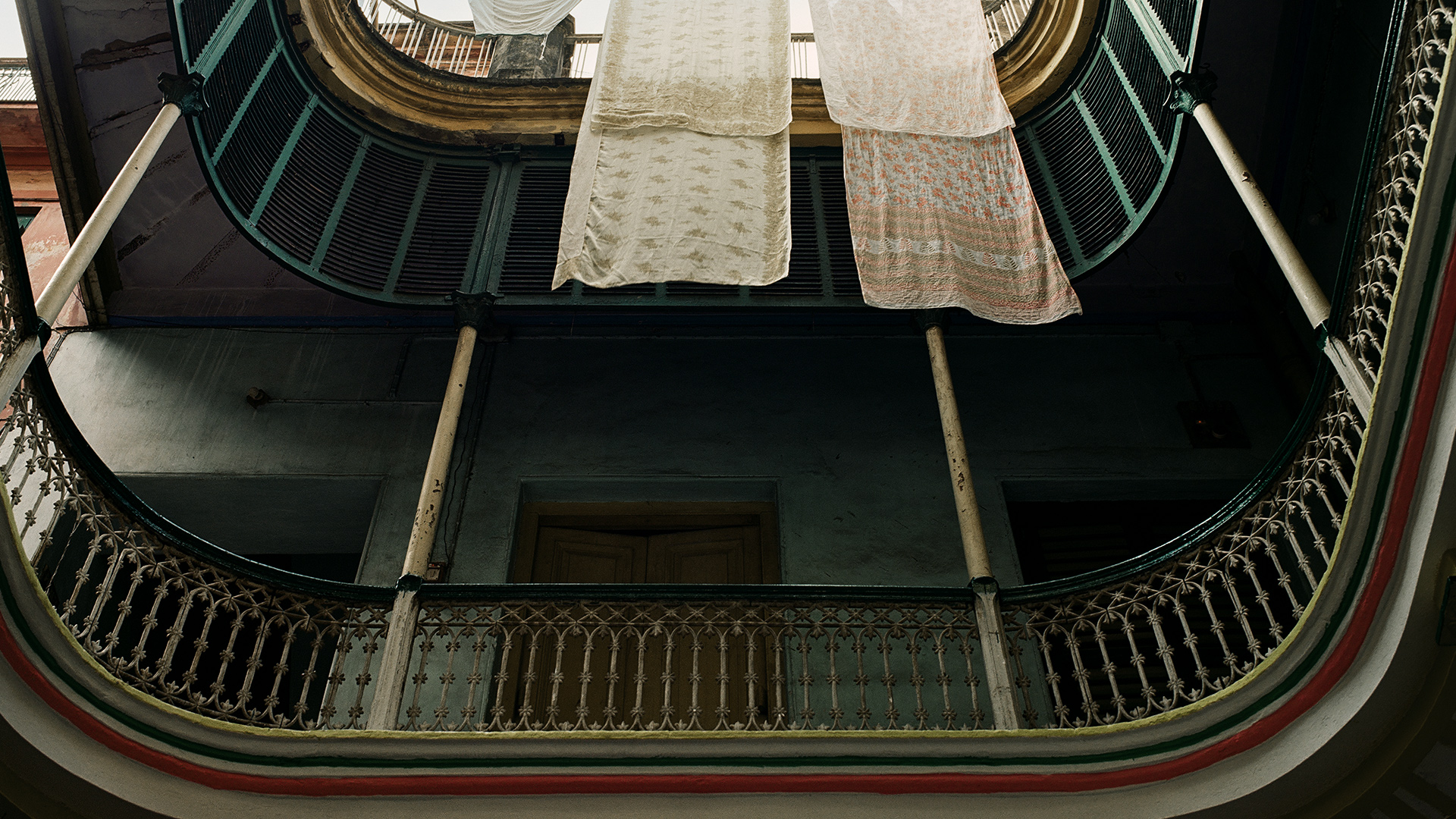
The story of this eccentric pharmacy hides in plain sight, bottled in its famous Edward’s Tonic. Named either after the Prince of Wales or a British engineer, Edward Gower Stanley, the 1850s remedy promised relief from fevers, weakness and malarial malaise. Its success owed much to Butto Kristo Paul, the Indian merchant, who imported allopathic medicines from London and also manufactured his own. By the early 1900s, the tonic travelled across Bengal, Burma and Ceylon, appearing in advertisements, Bengali magazines and even supernatural fiction. All this unfolded in an India where Western medicine was being aggressively installed through colonial institutions primarily to safeguard European soldiers and revenue. In that unequal order, an Indian firm bottling an Englishman’s recipe at prices the neighbourhood could afford became a peculiar negotiation. Especially, as the same chemicals that BK Paul used to make his tinctures which were also inconspicuously supplied by him to anti-British revolutionaries. A few of them were also sheltered, for a time, under this very roof, averting watchful eyes. Beyond the superfluous skin of aesthetic compliance, the ornate facade, the Corinthian columns, the English signboard, there runs an undercurrent of indomitable resistance that complicates the usual picture of the Bengali aristocrat as merely a collaborator or comprador.
Where, in such tangled subversions, did BK Paul’s
loyalties lie? “It is sad that as Indians we remember a few names and imagine they alone won independence,” says Dr Shetty, “Thousands sacrificed their lives and many more fought in ways that demanded immense courage. The founder was among those who supported the movement. That spirit of standing with the community still carries on to this day.”
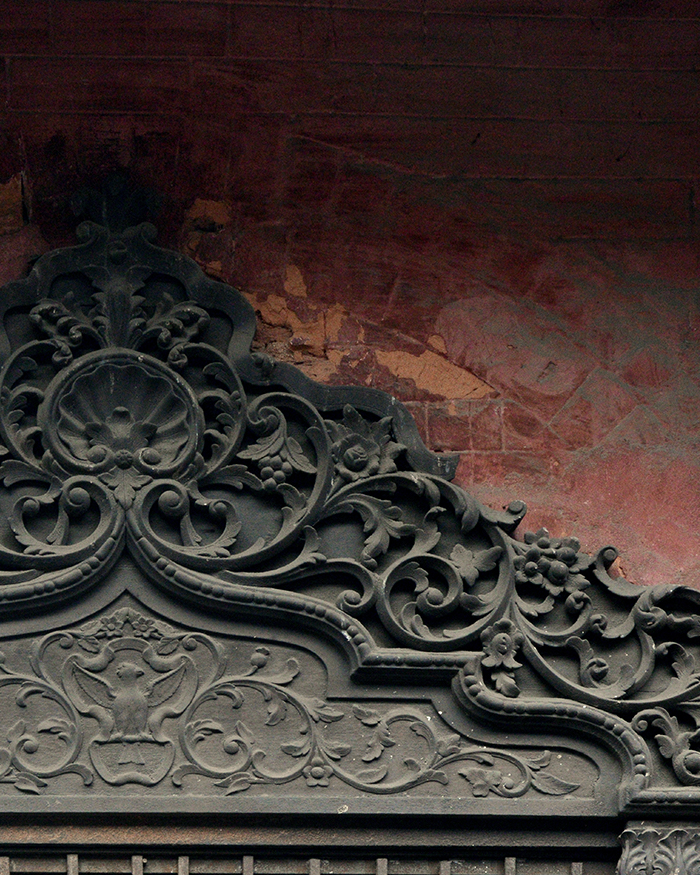
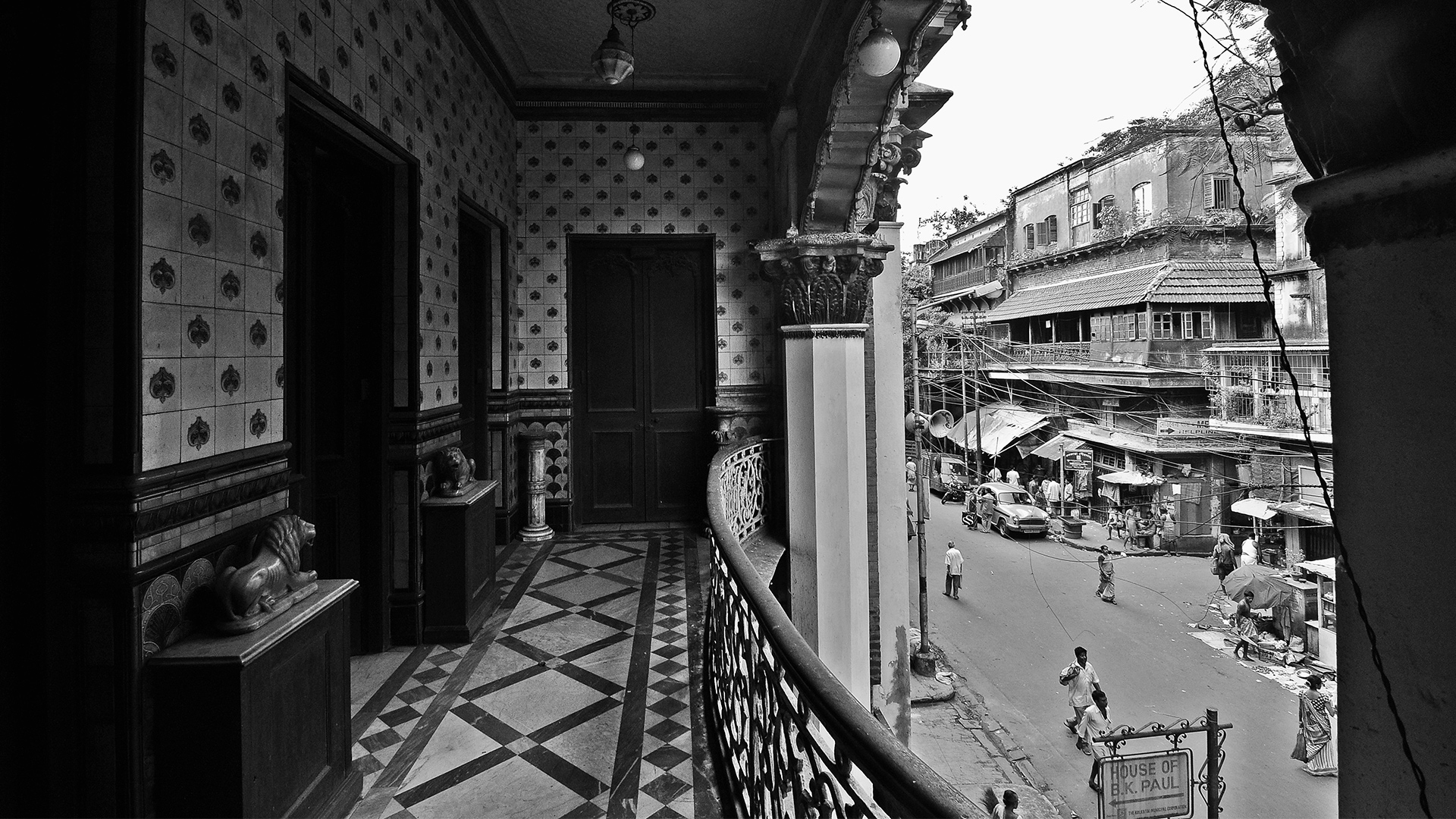
It’s not an uncommon sight that across the pharmacy, in the inner thakur dalan, a puja would be underway. The family’s contributions to medical institutions across the city are well known, yet inside these walls, faith, community and pharmacology confound compartmentalisation. The halflit pharmacy strikes out easy definitions, existing as an interlocutor of multiple identities. What does it say about the world of medicine as we know it today? “A long time ago, a documentary was being made on our hospital. The day the film crew arrived, we were inaugurating the cath lab equipped with the latest instruments. And people were performing a puja to the machine. This is a part of our life. The chief cardiac surgeon has a small idol. Before visiting the patient, the senior doctor offers a prayer. This doesn’t happen anywhere except in India.” Why do we refuse to give up on culture because of science? “You cannot exist then. Your life has no meaning.”
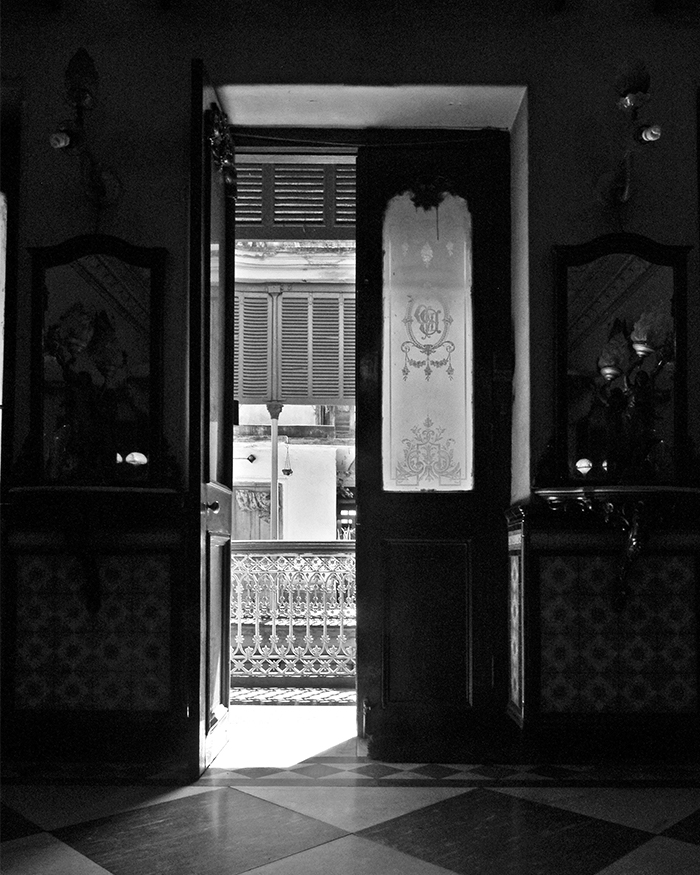
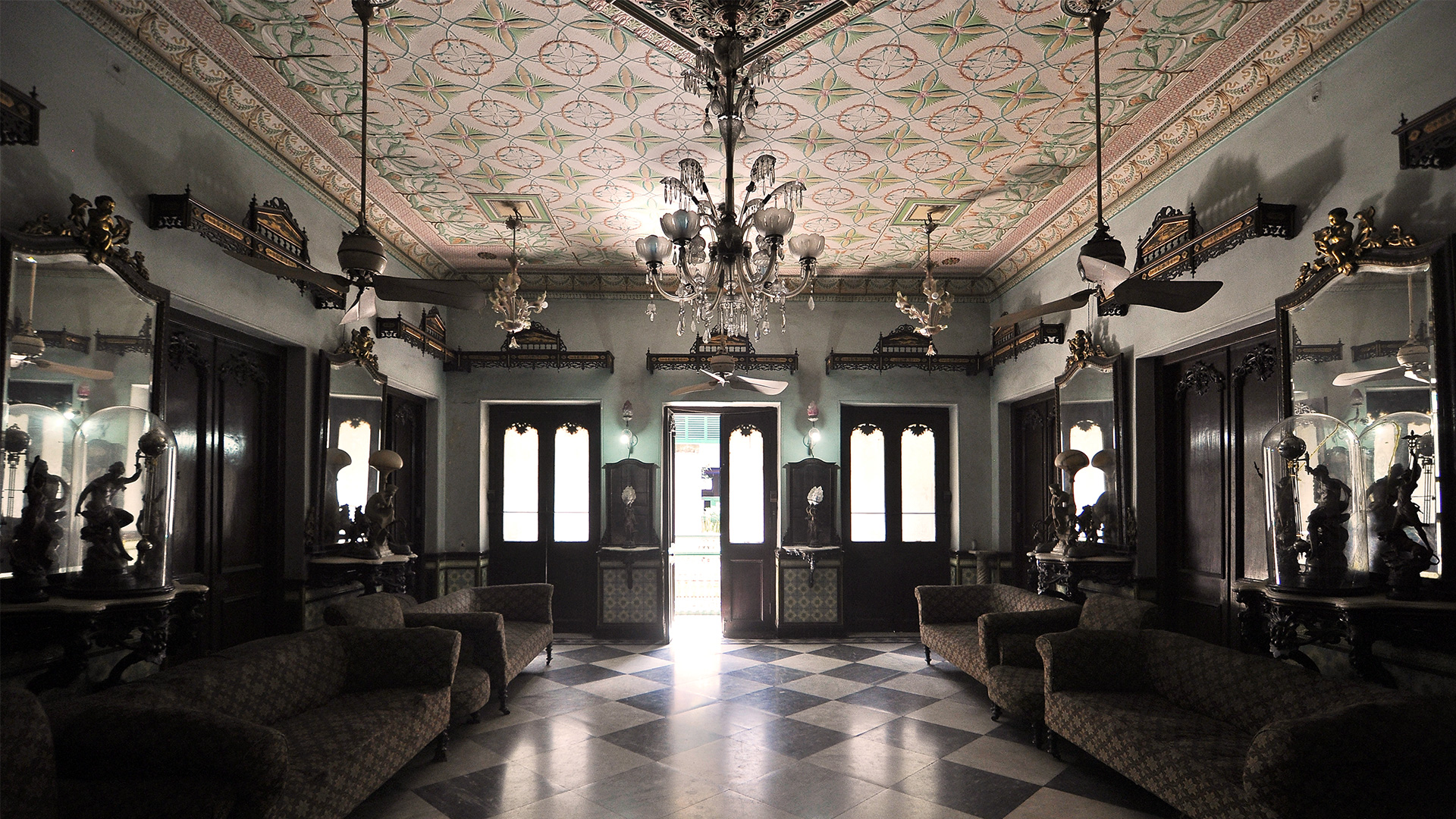
Over the years, other pharmacies have opened, hospitals are easier to reach, and yet, in a world of sterile clinical spaces, the pharmacy still stands as a marker in the neighbourhood. A man wanders in and settles into a chair, simply observing. Another naps in the foyer. A few more drift in and out, some without buying a thing. When asked, Arindam Paul, an advocate and fifthgeneration descendant of BK Paul, laughs and attributes the affair to North Kolkata’s adda culture. Devi Shetty avers, “Healthcare today has made relationships transactional. Earlier, it was personal.” He continues, “Every day, I see hundreds of patients, often children on their mother’s lap who need openheart surgeries. The mother has only one question, what will it cost? Whatever I say becomes the price tag on her child’s life. Find the money and the child lives, don’t and the child dies.
That’s what doctors in developing countries do all day, putting a price on human life. How can we call ourselves a civilised society when we bestow this power on just a few people like us?” Dr Shetty’s solution is to make health insurance accessible and affordable. He speaks of coverage for the overwhelming majority of healthcare needs. The doctor-patient relationship should be negotiated with an understanding of people. India, he says, is a complex jigsaw puzzle jumbled on the floor. But, “We have all the pieces”. Our future depends on assembling them correctly.
Read more: Inside the Marble Palace in Kolkata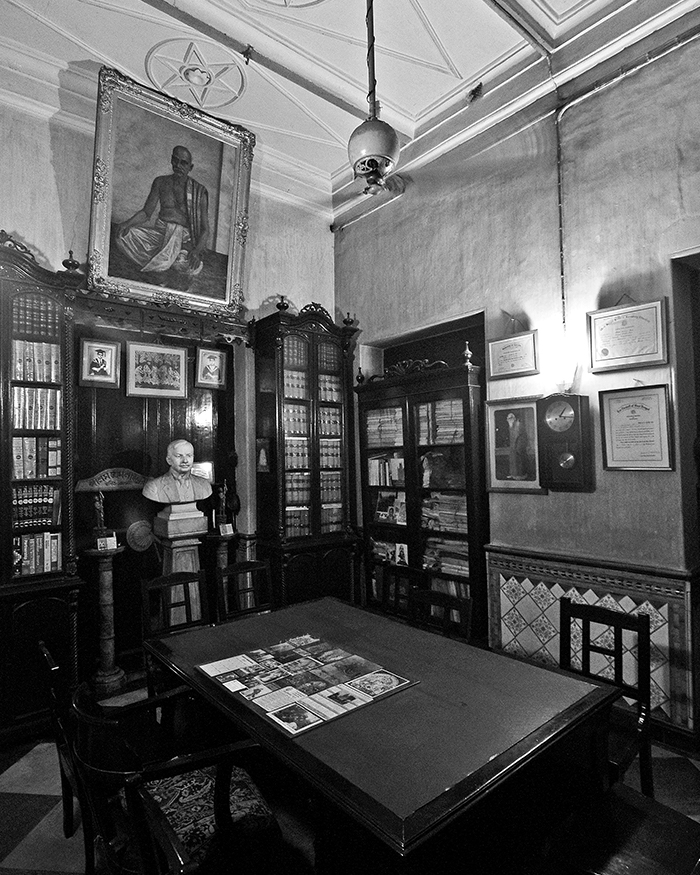

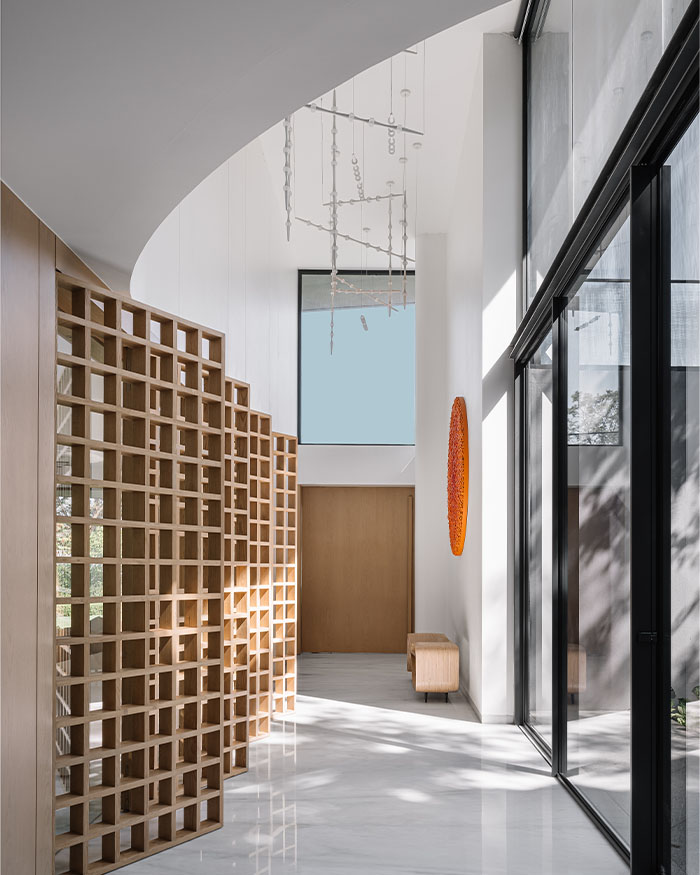
A clean, modernist fusion with a sprinkle of “I desire to escape the city life and immerse in nature.” This wish was fulfilled by two design wizards, Shiv Dada and Mohit Chawla of 23DC Architects for a homeowner in Amritsar who envisioned a home that whispers tranquillity with a minimal touch of Indian heritage. The […]
No results found.