
India belongs to so many people beyond the borders of this oasis-like country. Its spirituality and its monumentality could never be contained, right from its ancient past. This isn’t a note on history, it’s a note on nostalgia of a collective intuition that developed into religions that manifested faiths, that built a materiality that one can feel, one can visit, and one can meditate upon. An infrastructure that isn’t based on a set compendium but a living tradition so ancient that not one book, or one sage, could have possibly built or led it. It was always open, to spread, to be understood, to be adapted and adopted. This is the legacy of India’s maximalist faith, which still lives and breathes beyond its own borders.
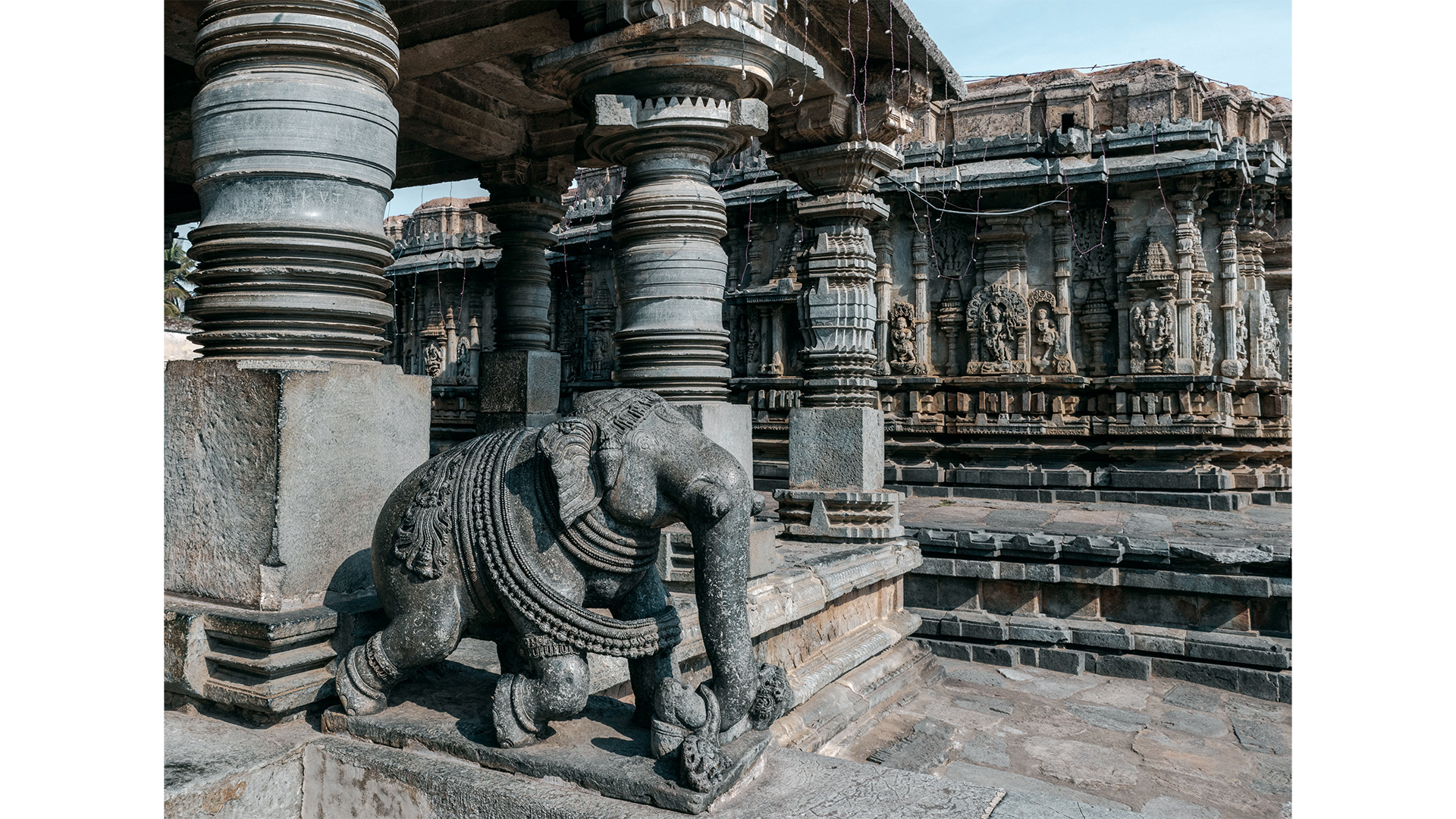
Cambodia, home to the largest Vishnu temple in the world, later became Buddhist and then Hindu again, a pulse only something living could transmutate. The walls of this temple are adorned with the Ramayana, the acceptance of Vaishnavism after 200 years of Shaivism, the Samudramanthan, and countless other adoptions and adaptations of intrinsically Indian systems, yet deeply Khmer (as the Cambodians would call themselves). Built at the same time as the Jagannatha Temple, this monumental structure became the centre of the Hindu universe in Southeast Asia for most of the early 12th century.
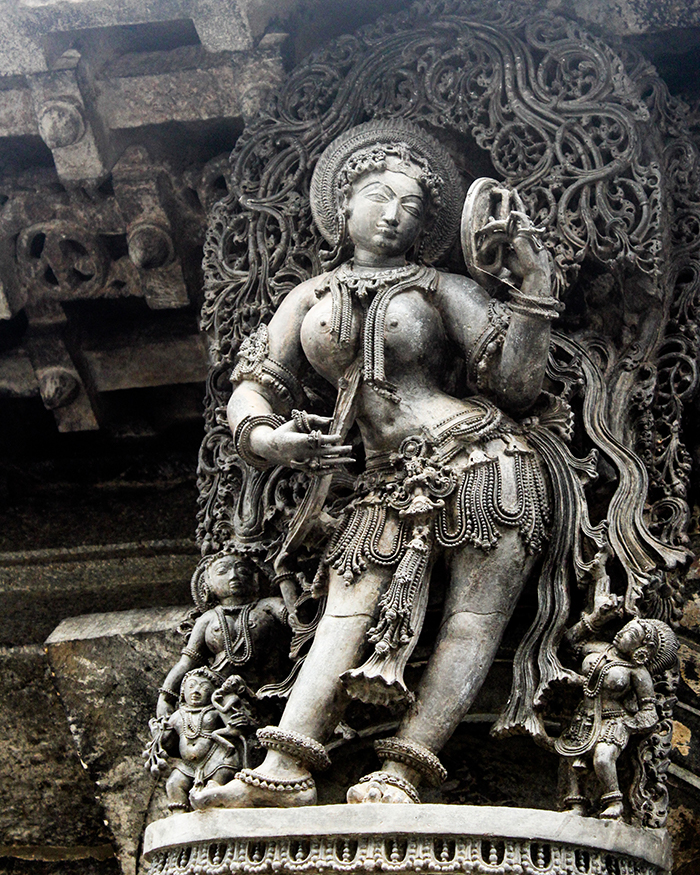
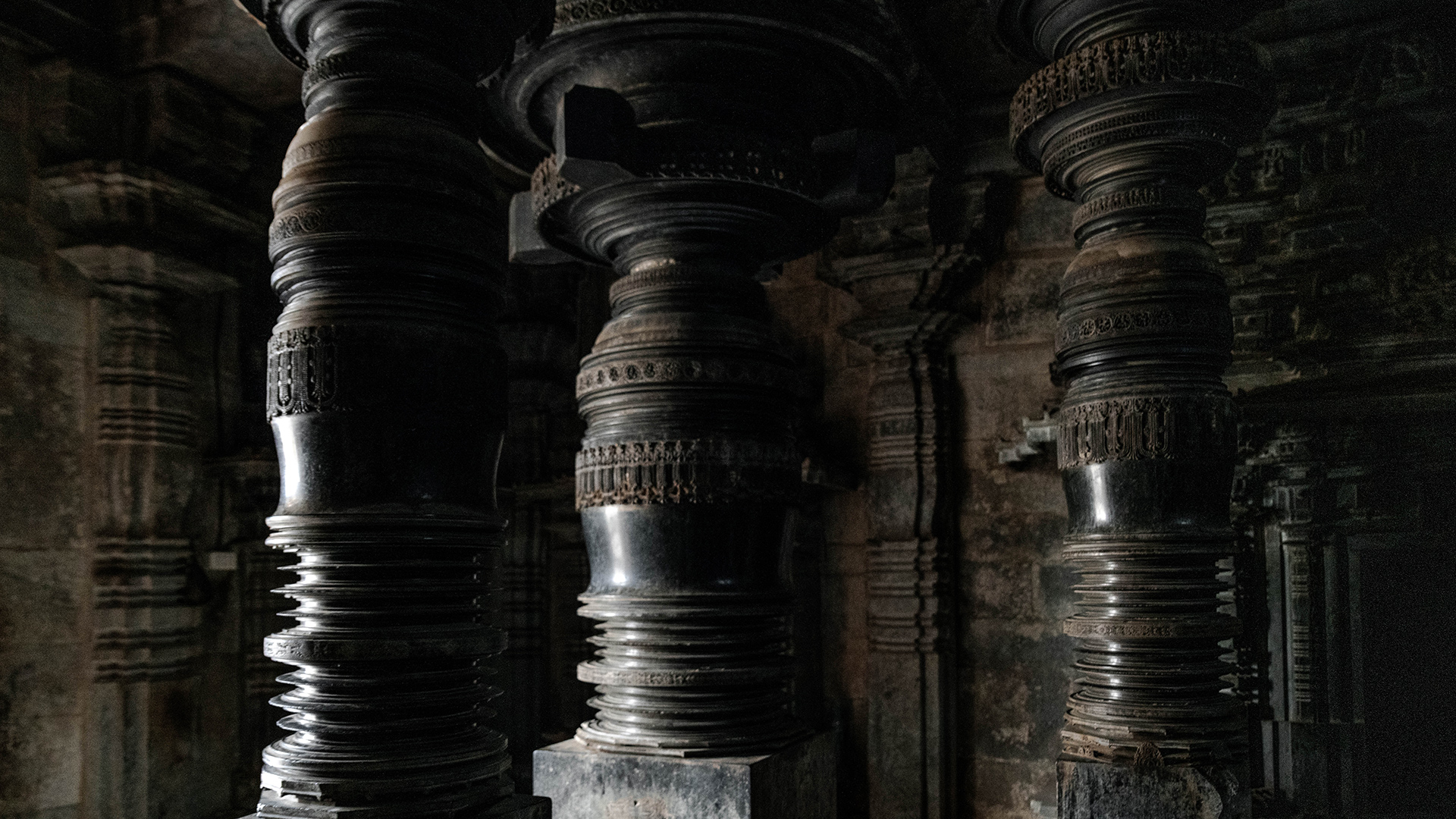
“This development achieved the heights of creative ability in the hands of people who had merely accepted the inspiration of the noblest ideals of the Hindu and Buddhist faiths but worked out their destinies in their own inimitable manner” wrote one of India’s finest art historians and Marg’s Editor in 1973, Mulk Raj Anand. When Rabindranath Tagore toured Southeast Asia in 1927, he said, “Everywhere I could see India, and I could not recognise it again!” These thoughts bring together the large heart and even larger fluid plurality of India, that spread without being forced.
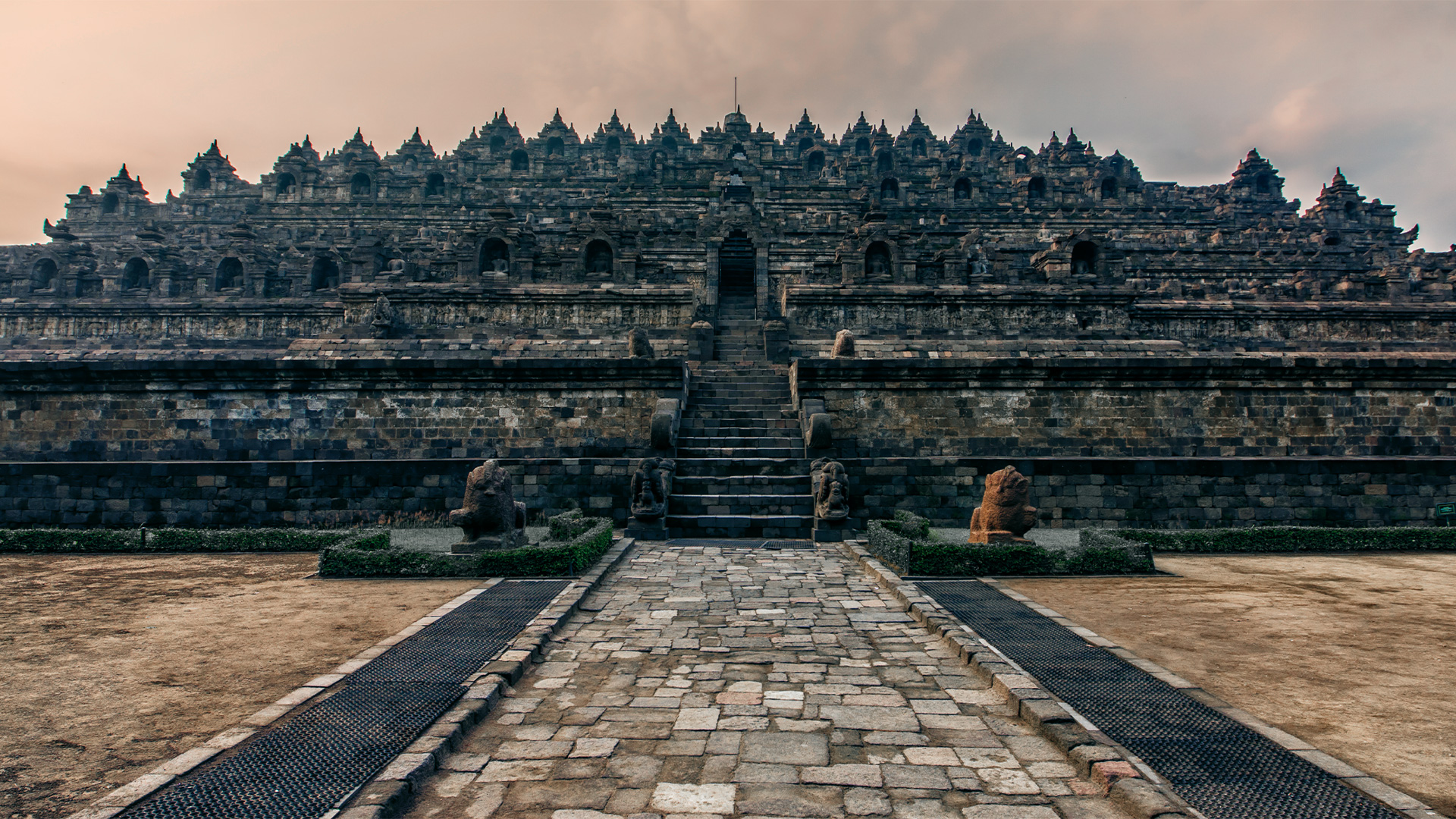
The monumentality was transcontinental in Indonesia stands the largest Buddhist monument, Borobudur singing stories of Pala Bengal and Puri in Odisha, with the style of telling the story of Buddhism in a deep, majestic, and detailed way. It has three levels that take the visitor through layers of transcendental philosophy where, beginning with the Jataka tales leading to the final and the topmost layer of Borobudur; the abstracted portion of the monument that does not tell a story but through the several bells, enshrining the Dhyani Buddhas, spells meditation.
The multiplicity of faith has a butterfly effect on tangible and intangible ways of living, forming a culture we can see till today in food, textiles, ritual, architecture, social habits and family systems of Asia.
To see faith manifest itself outside its mother-land in ways that were and continue to be celebrated tells a fantastic story of the intellectual past of India, one that was devoid of ego to govern and rule through its religion, one of benevolence and industrial might that build a material culture of religion so large that it almost became an ode to the region of origination. From the 8th to the 12th centuries western and eastern India became busy ports exporting deep philosophies and rich tapestries of culture as a blueprint of a larger Asian identity. The multiplicity of faith has a butterfly effect on tangible and intangible ways of living forming a culture we can see till today in food, textiles, ritual, architecture, social habits, and family systems of Asia
But what was happening in India? India was a land of extraordinary developments on two registers both inter-related. Intellectual history and architectural formulations. The soteriology and the mind was beginning to build the complex plural faith systems of India. From a regional pagan past arose the dense and high form of Brahmanism, followed by the developments of Shaivism, Vaishnavism, Sakta faith, Buddhism, Jainism and in the early to late medieval period Sikhism and Sufism. The subcontinent received Zoroastrian, Islamic, and Christian communities who developed identities inseparable from the Indian landscape. The architectural legacy of these movements created the monumental archive we still visit.
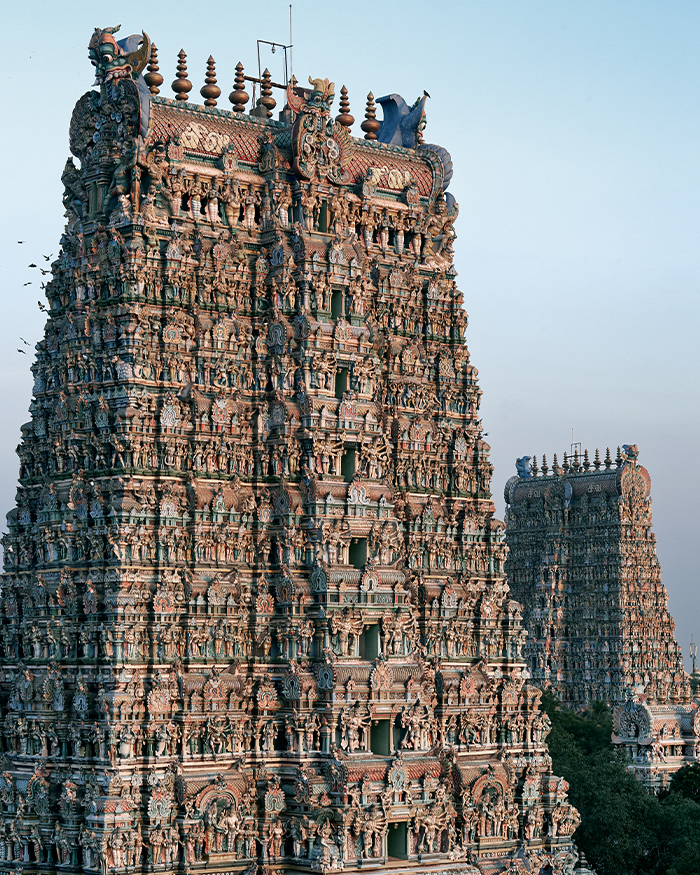
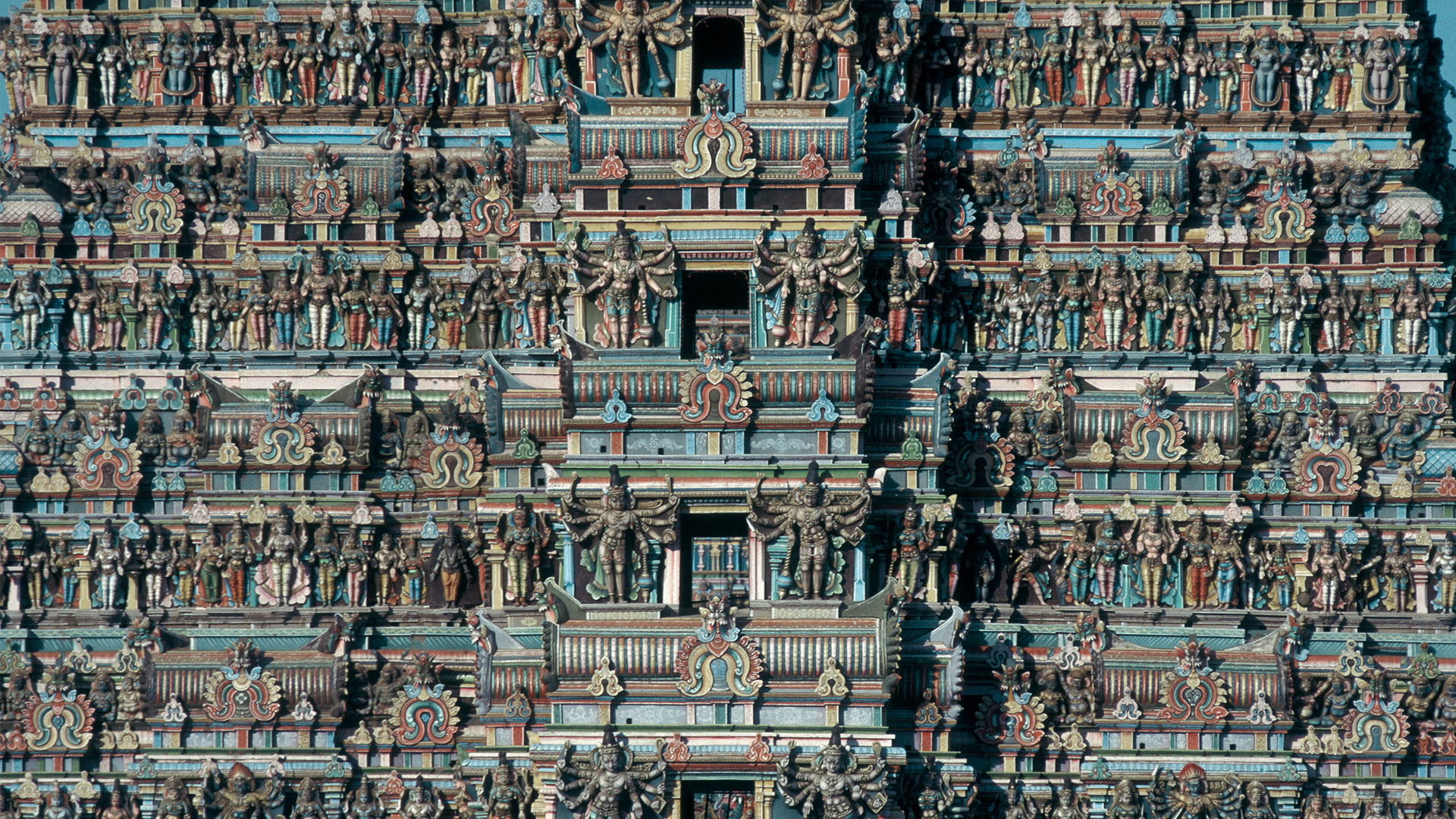
In Tamil Nadu, rises the Meenakshi Temple. A complex dedicated to Meenakshi and Sundaresvara. A city within a city. The gopurams operate as painted encyclopedias of cosmology and myth. The multiplicity of shrines, halls, and sculptural programmes is not ornamental excess but theological architecture: a spatial argument for divine plurality.
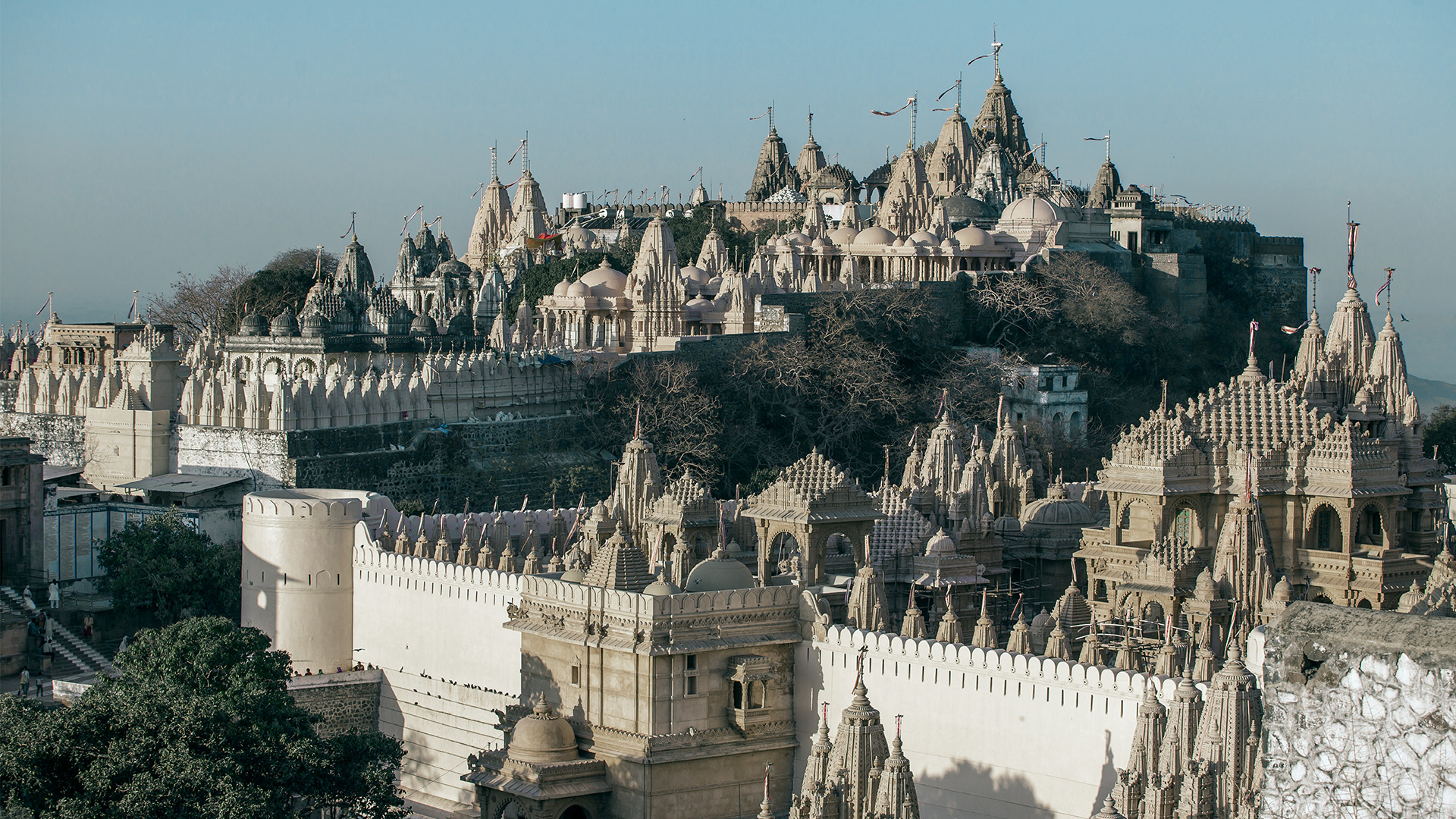
By contrast, the Jain temples on Mount Shatrunjaya in Palitana present another mode of maximalism. Their accumulation through centuries of patronage produces a density not associated with monumental sovereignty but with community merit. The ascent of thousands of steps functions ritually and architecturally, such that the hill itself becomes an index of cumulative devotion.
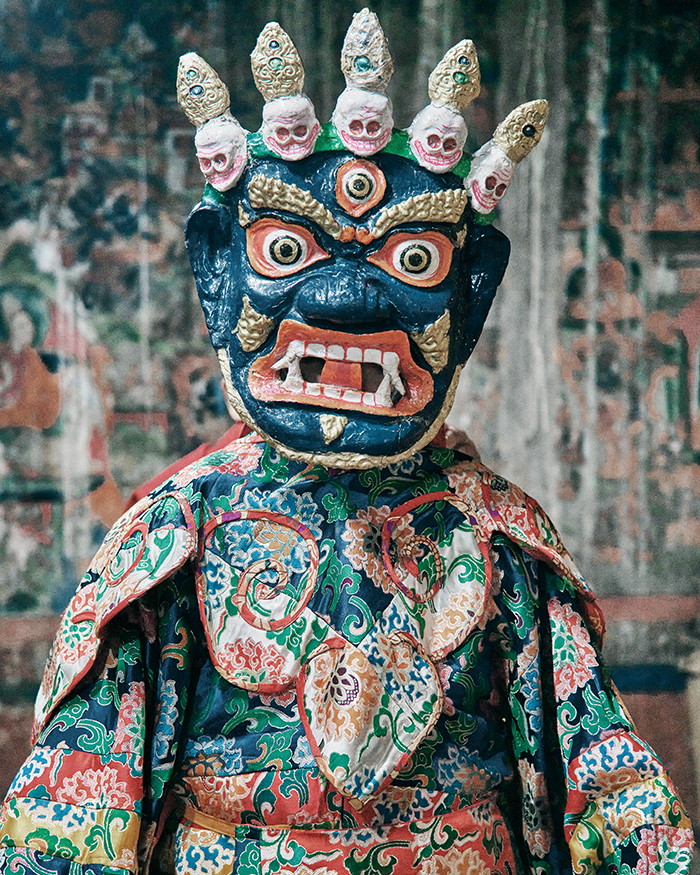
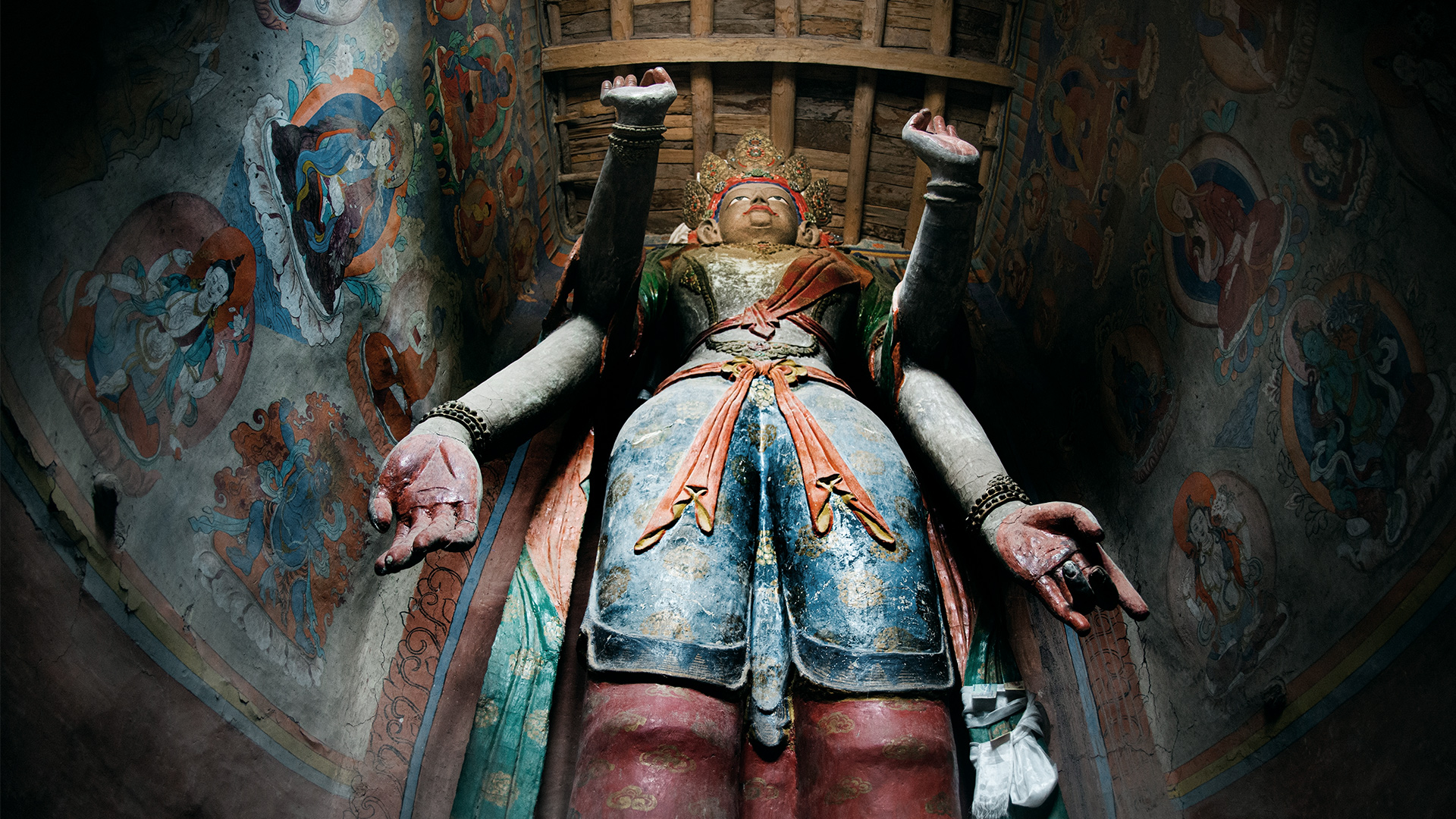
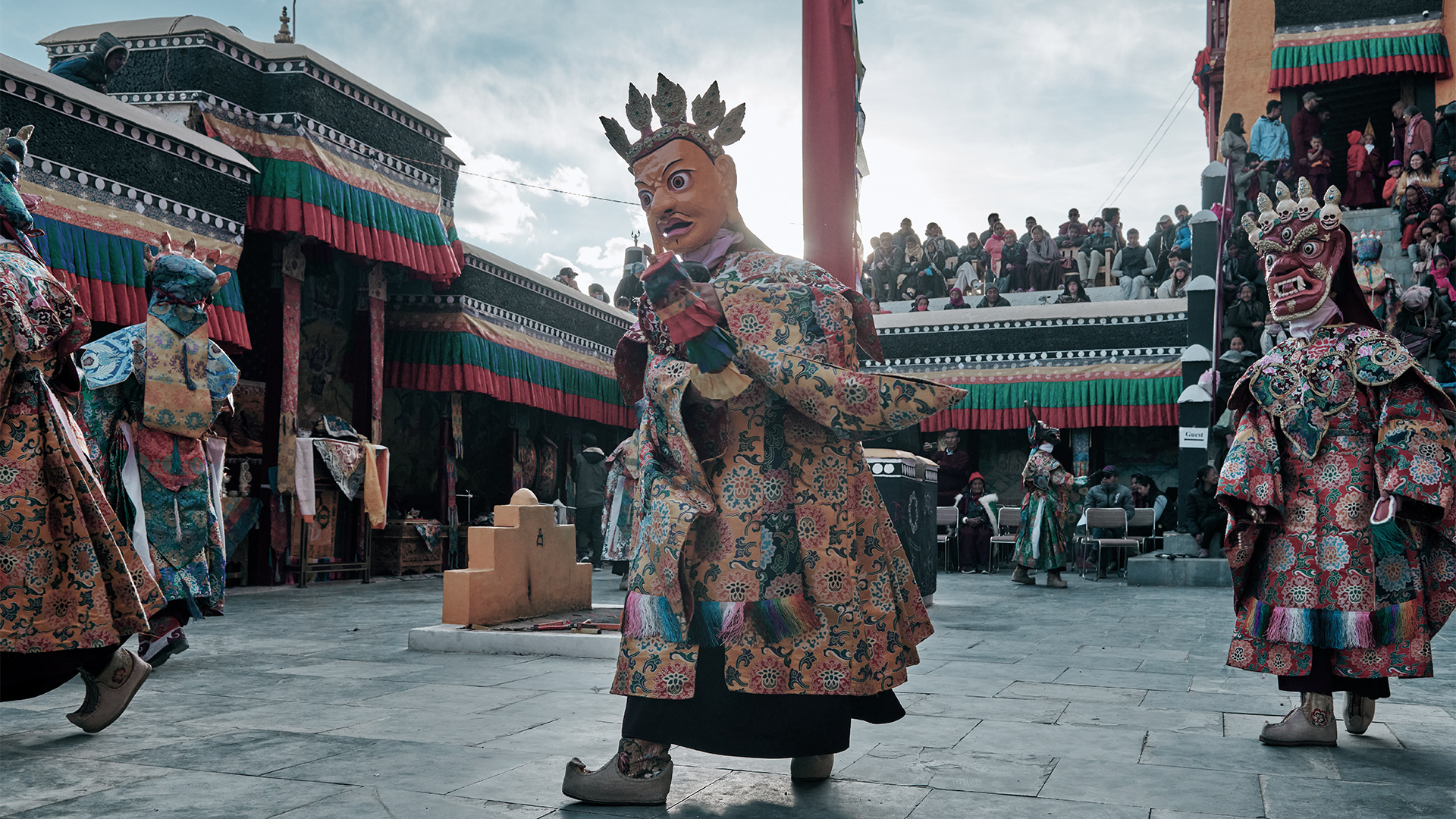
Ajanta lies inside a basalt valley in Maharashtra. A site of caves that hold one of the oldest continuous painting traditions of Asia. Scholars note that stylistic details migrated to Central Asia and Japan. The visual vocabulary of Ajanta travelled to the Horyuji Temple in Nara. The gesture and the line crossed oceans before the modern period imagined globalisation. In Ladakh, Alchi Choskhor preserves a Kashmiri idiom that would otherwise be fragmentary. Hemis, with its much-disputed textual reference to the presence of Jesus, should not be regarded for historical confirmation but rather for the very possibility that such a tradition could arise and be preserved within Himalayan monastic memory. Its existence illustrates once more that the boundaries of religion in these regions remained permeable, not as a matter of eclecticism but because doctrinal identity was conceived as cumulative rather than exclusive. Both monasteries preserve a continuous tradition of libraries that once fuelled the minds of Asia.
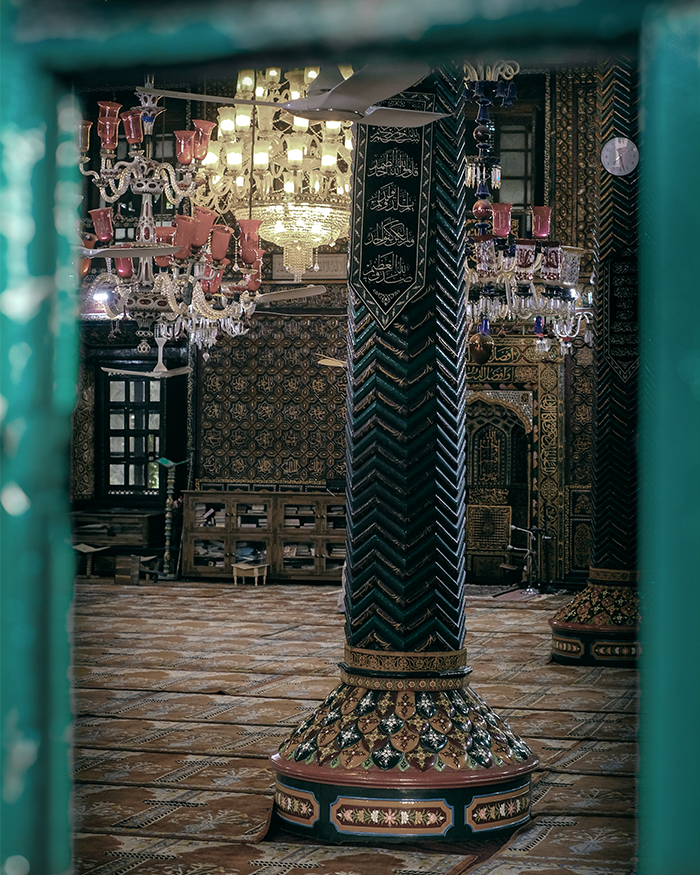
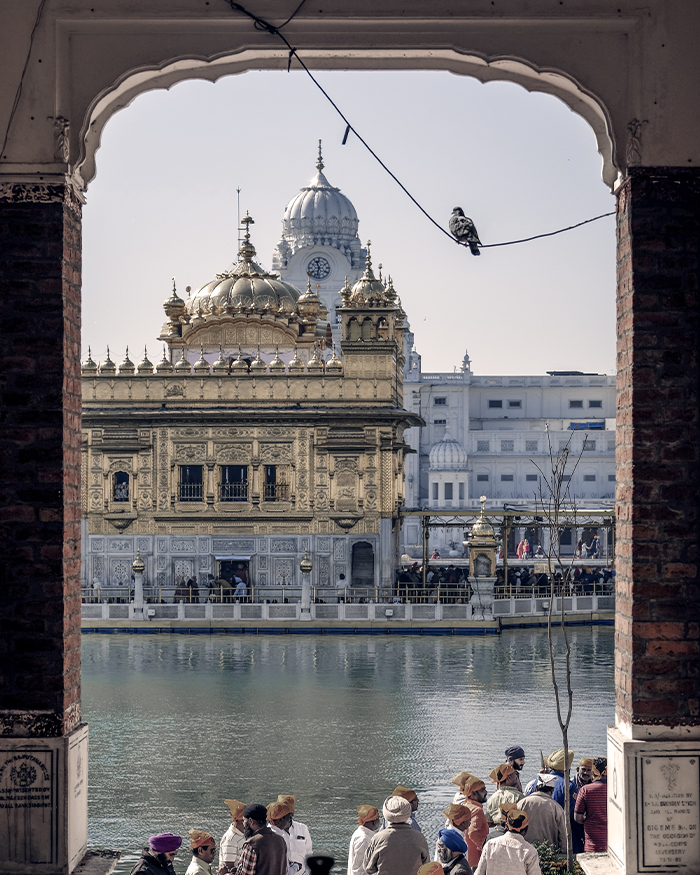
In Kashmir, the Khanqah e Moula reveals how the arrival of Islam produced not a displacement of earlier architectural systems but an absorption of them, evident in timber forms and structural profiles tracing earlier Buddhist precedents of the region. In Amritsar, the Golden Temple offers another trajectory, in which Sikh devotional practice organises space around water, langar, and continuous recitation. The architectural programme establishes a liturgical centre oriented toward service rather than metaphysical hierarchy.
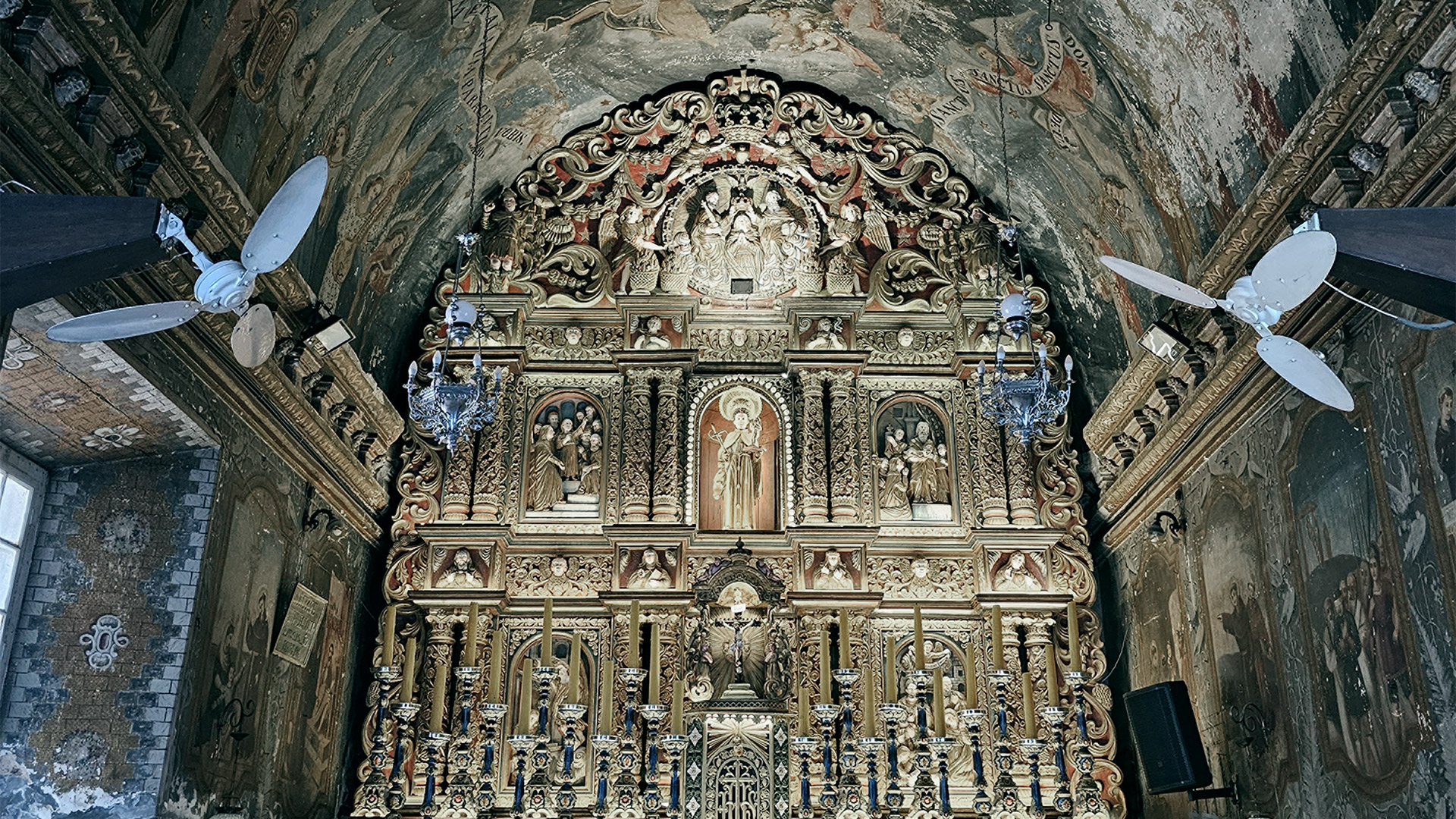
Further south, Saint Anthony’s Forane Church in Ollur presents a Christian articulation situated entirely within regional craft environments. Its density of interior work should not be interpreted as ornamentality but as theological narration through material precision.
Indian religions expanded through intellectual elaboration, ritual accretion, and architectural multiplication rather than through doctrinal conquest. Their maximalism is neither ornamental nor rhetorical. It is structural.
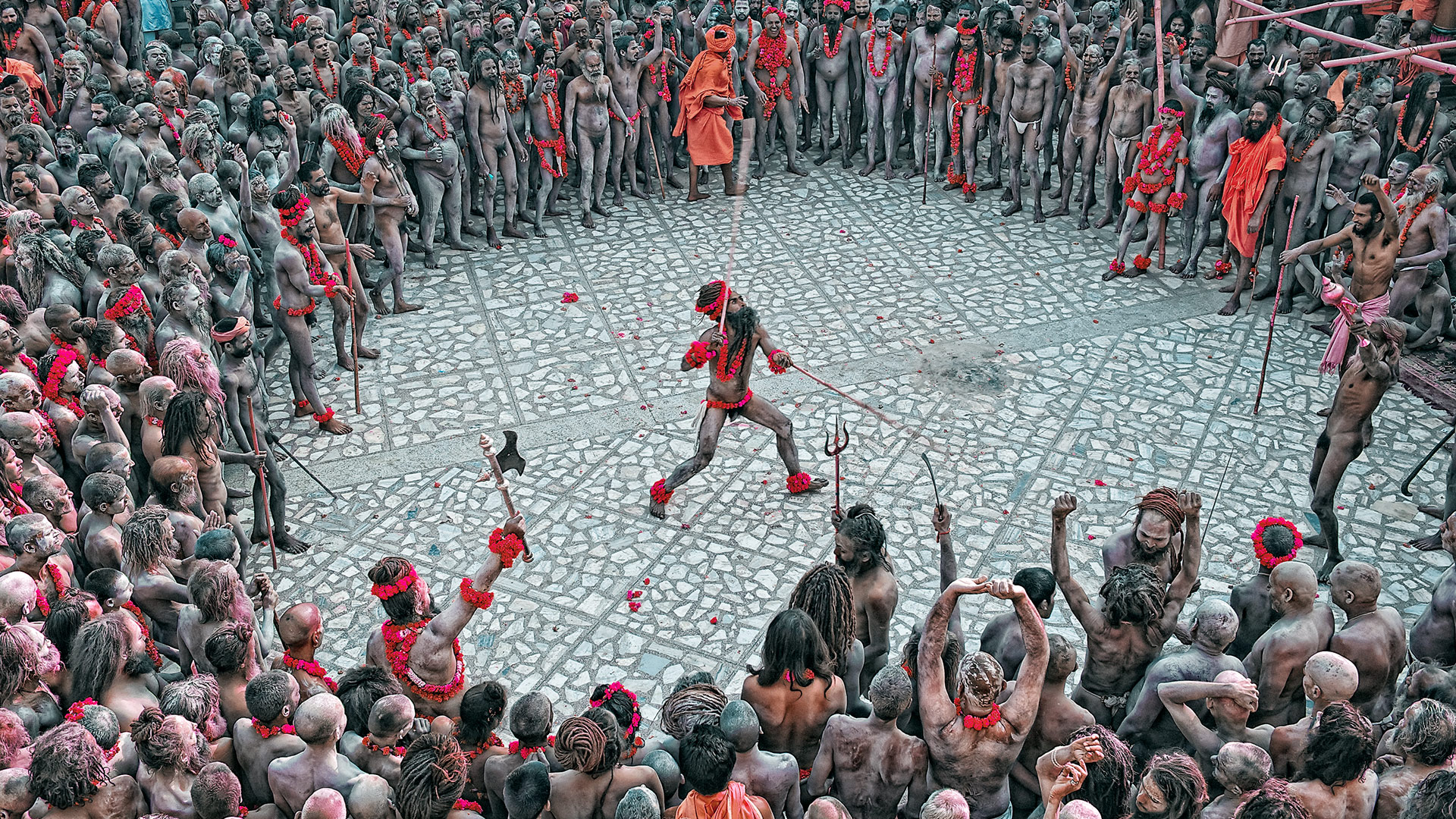
The Kumbh Mela gathers millions on the banks of the Ganga, making it the largest human gathering on Earth. Faith builds infrastructure on a scale difficult for the contemporary world to comprehend.
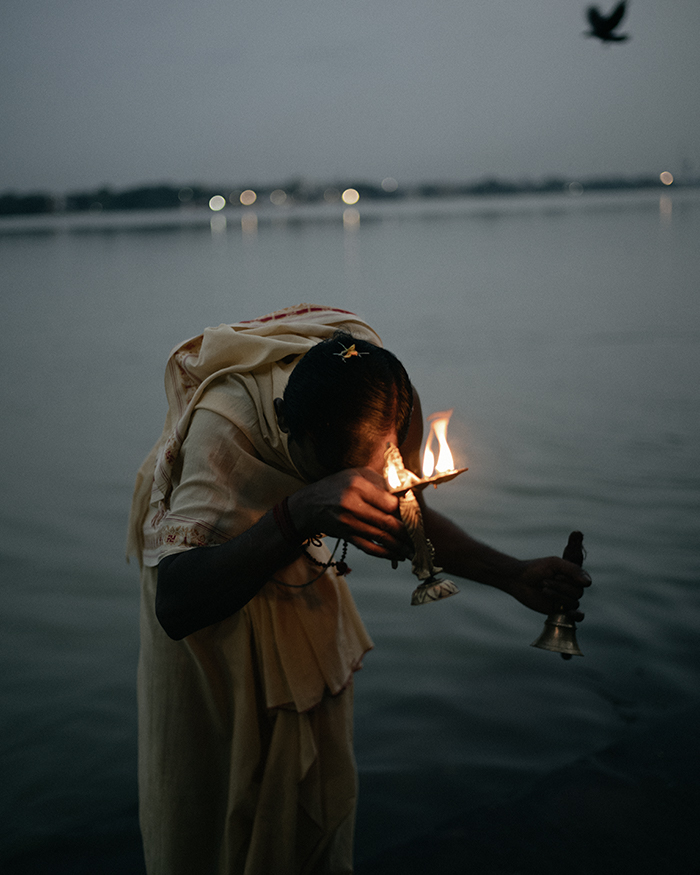
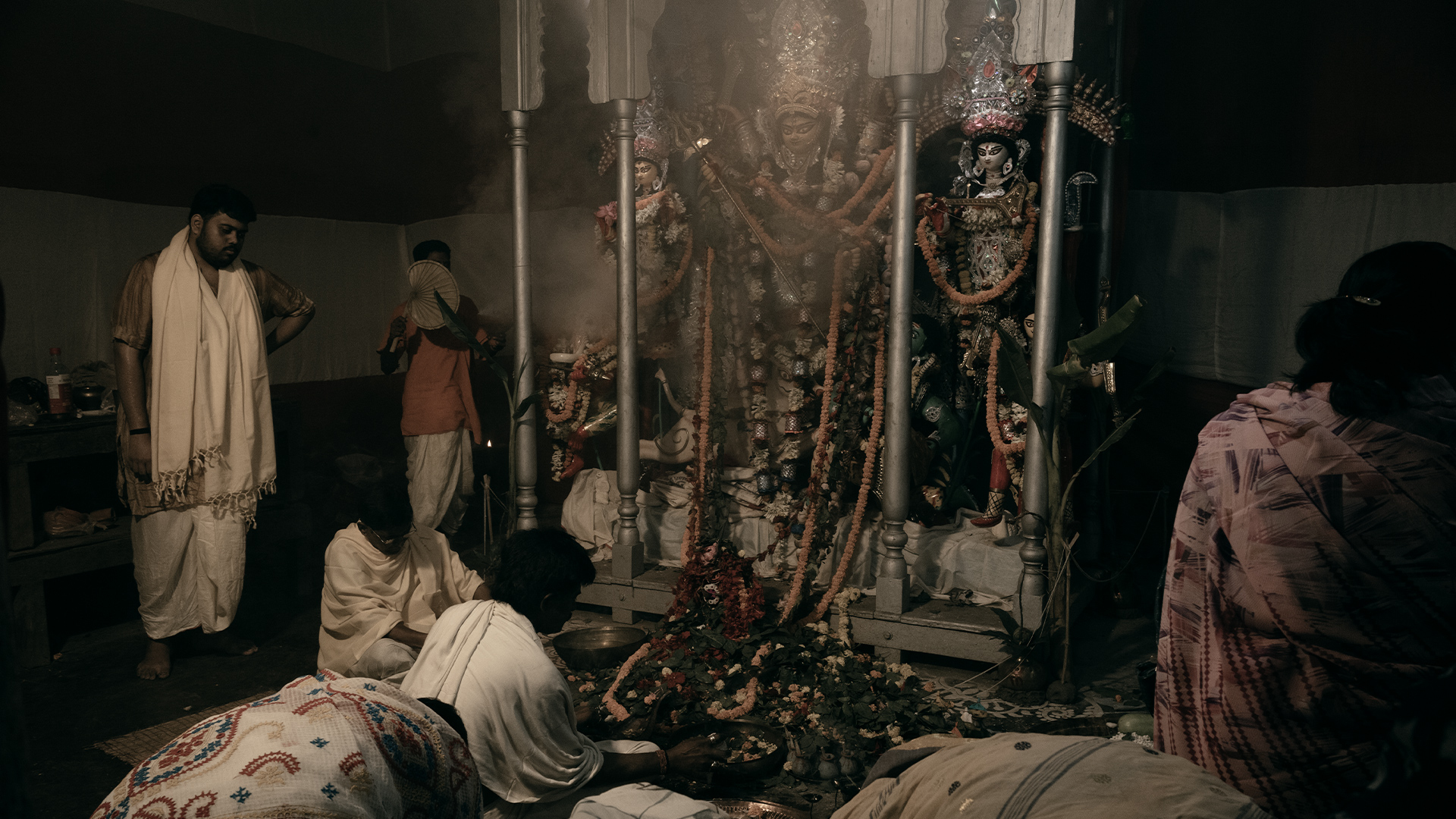
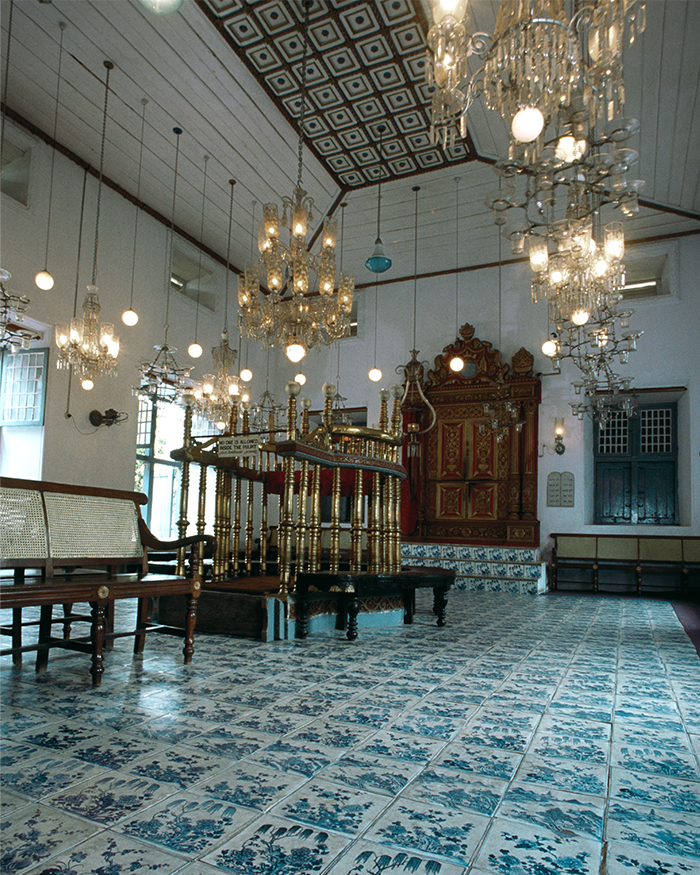
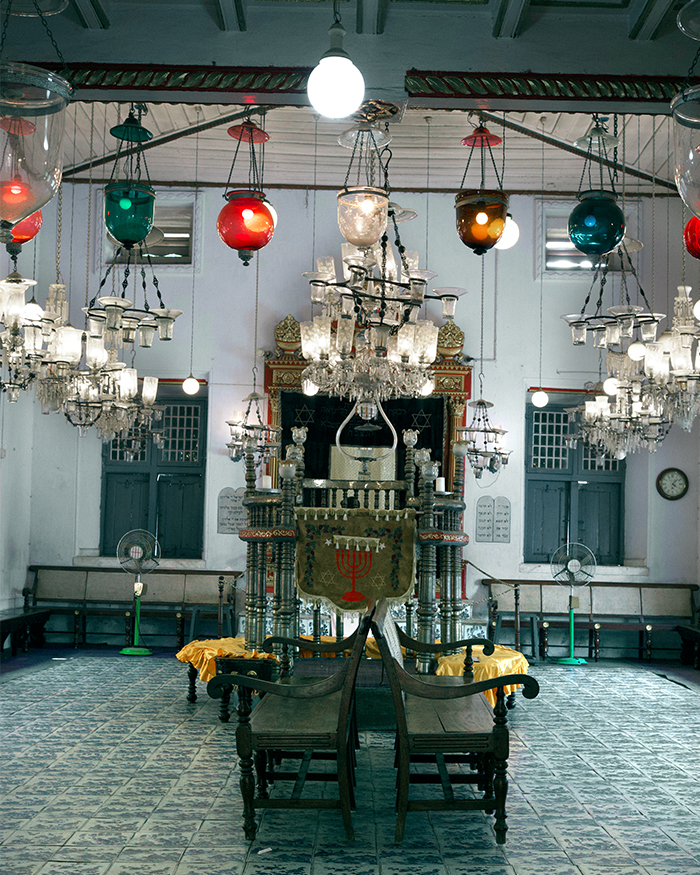
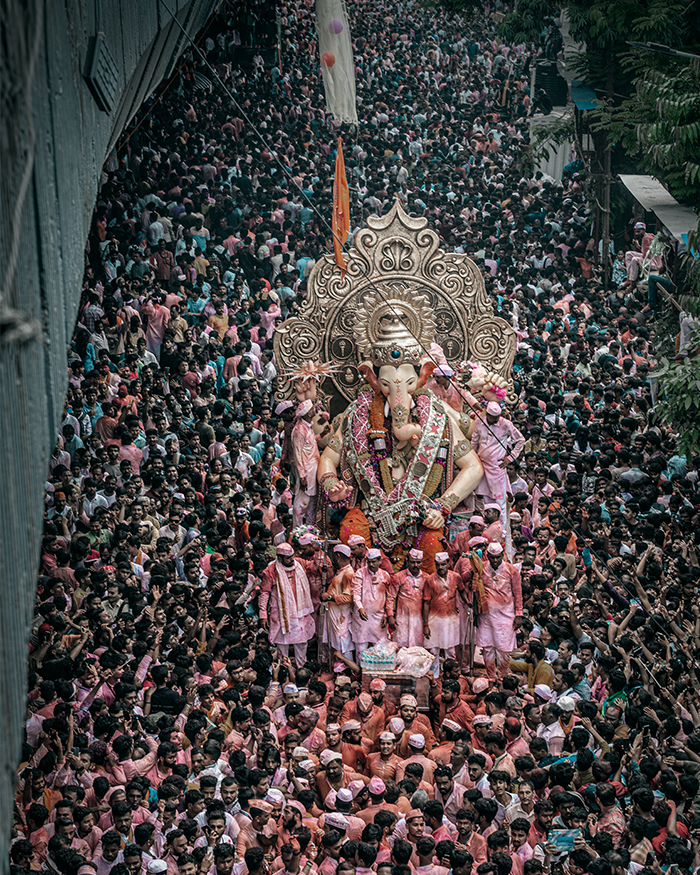
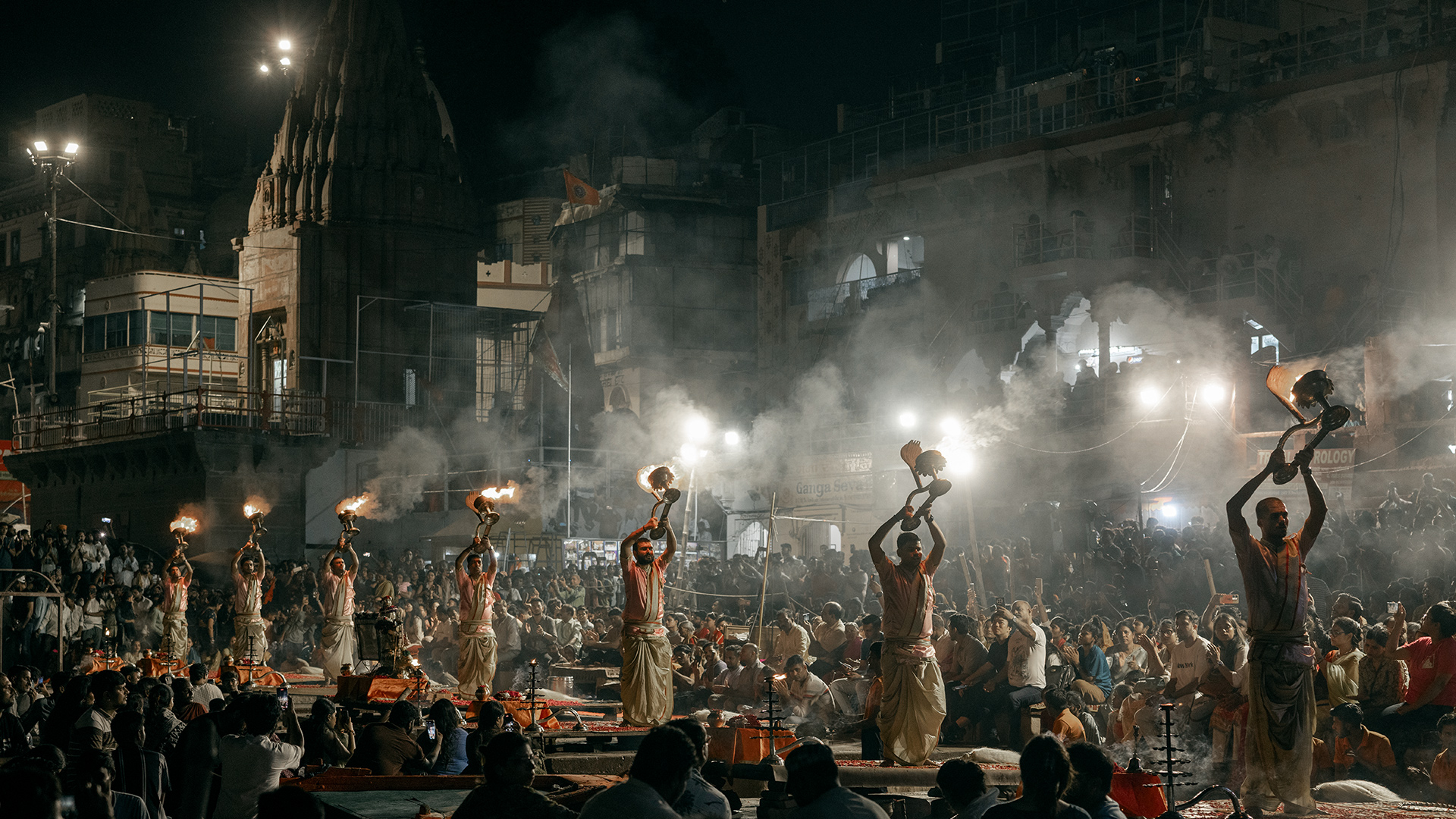
Similarly, the Paradesi Synagogue in Fort Kochi bears witness to maritime networks through which Jewish communities entered the subcontinent long before modern notions of confessional identity. Ritual forms also possess architectural scale. The Ganga aarti in Varanasi transforms the river into a ceremonial theatre each night. The UNESCO-recognised Durga Puja pandals in Bengal continue this tradition of temporary monument making. Contemporary artists now use these structures to comment on society and politics. The temporary replaces the permanent yet the archive remains collective. The Kumbh Mela gathers millions on the banks of the Ganga, making it the largest human gathering on Earth. A temporary city that surpasses modern urban planning each cycle. Faith builds infrastructure on a scale difficult for the contemporary world to comprehend. The architecture of India is not only monumental stone. It is also the intangible material of ritual. The annual, the seasonal, the festive, the collective. India’s built world expands through belief, not only through geography. Across these examples, what becomes evident is an underlying civilisational principle: Indian religions expanded through intellectual elaboration, ritual accretion, and architectural multiplication rather than through doctrinal conquest. Their maximalism is neither ornamental nor rhetorical. It is structural. It is the outcome of a tradition that understood religion not as an isolated belief system but as a continuously elaborated field of practice whose material and intangible expressions belong, by historical necessity, to more than one geography.
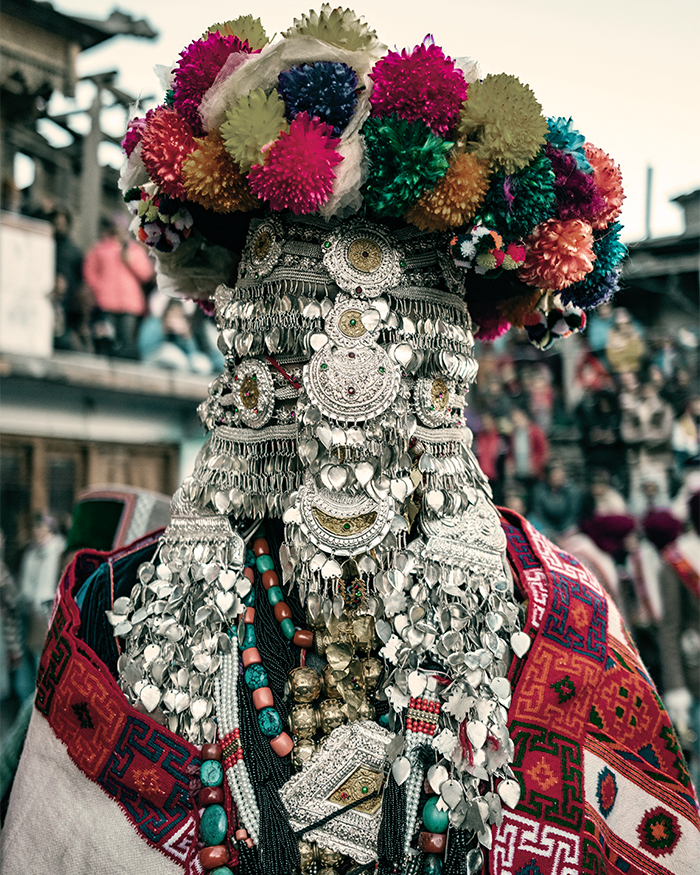
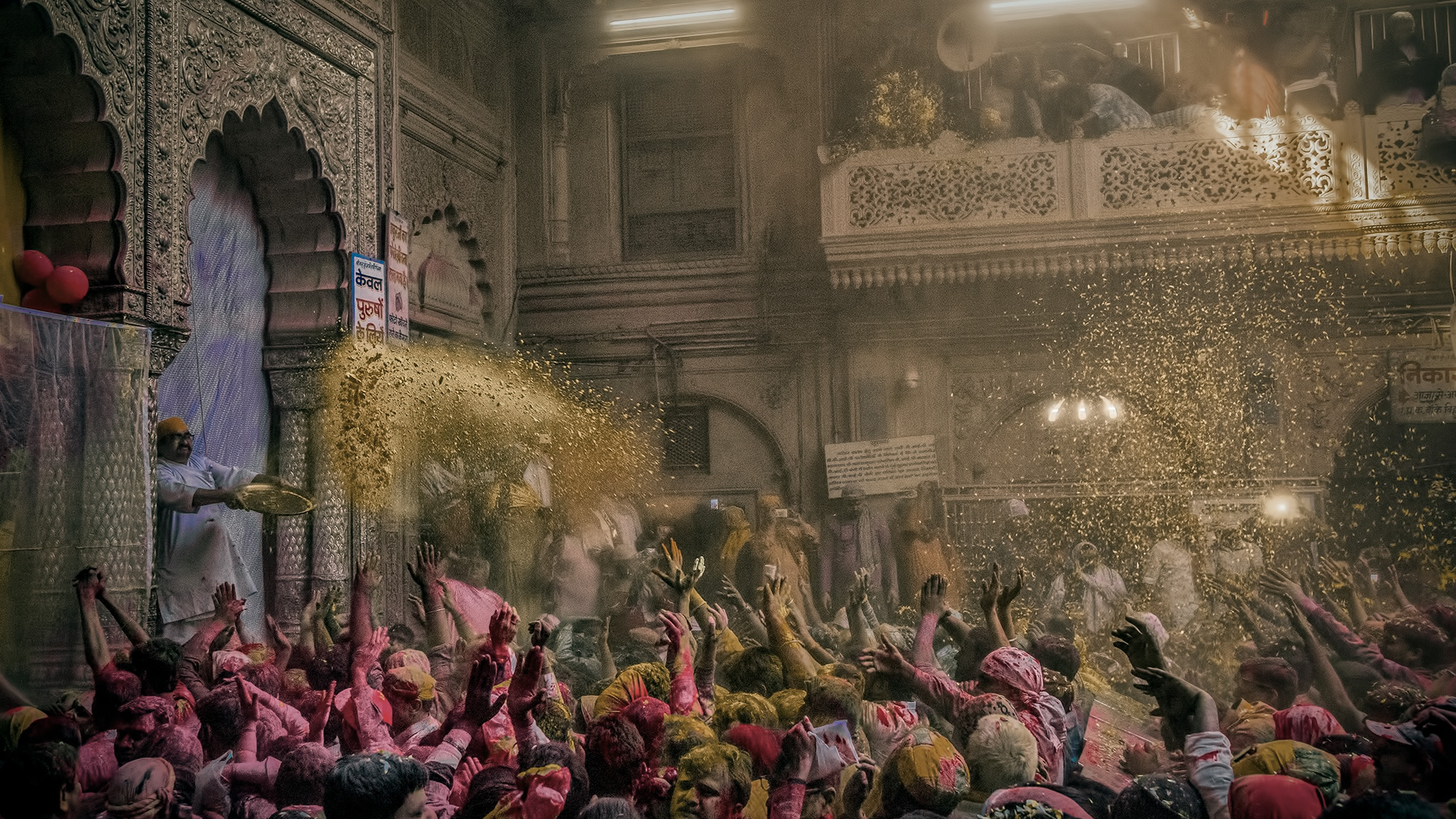
As we move across geographies the plural nature of faith emerges in the form of language, dress, architecture and celebrations. Regionalism holds the key to maximalism. A coherent interconnected language in the form of belief that in a country like India does not pervade even the atheist. One does not need to believe or be religious, we will always remain cultural and one of the most continuous ancient tradition oriented country that still lives its root philosophy even though evolved with time. India is the source country to cultural efflorescence of an Asian identity and in a post-contemporary world to a larger spiritual identity of the world. Namaste.



No results found.