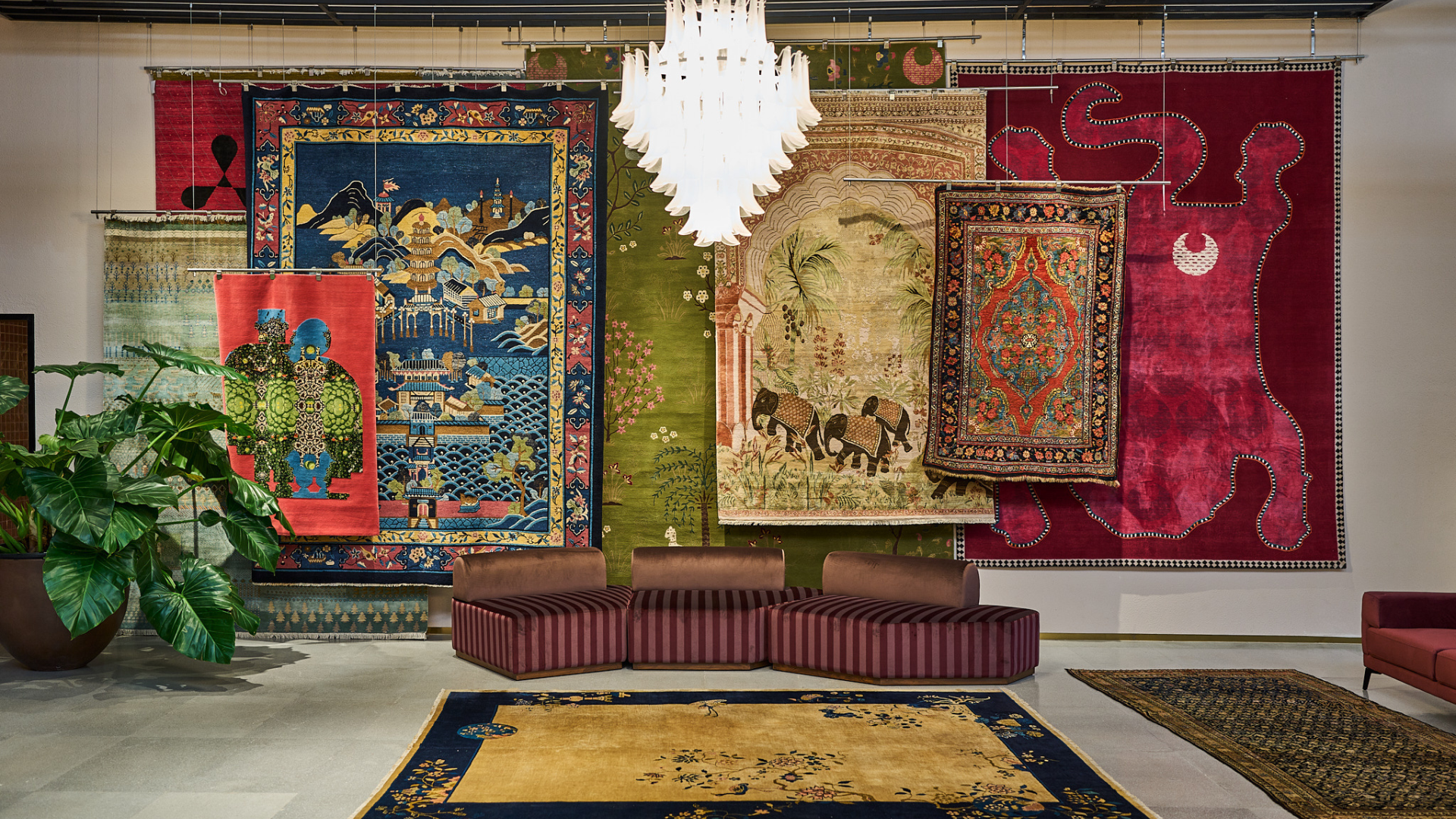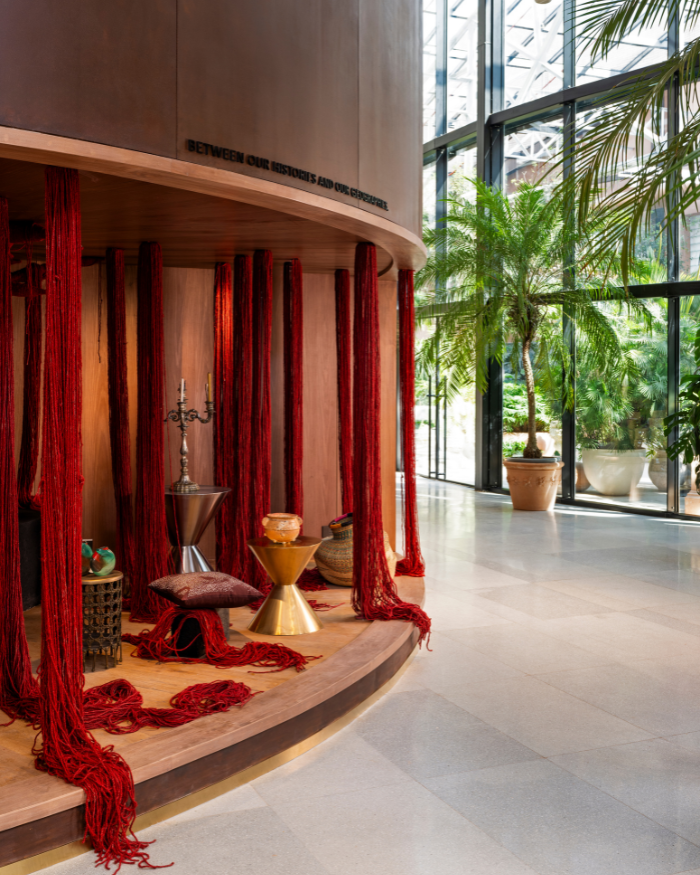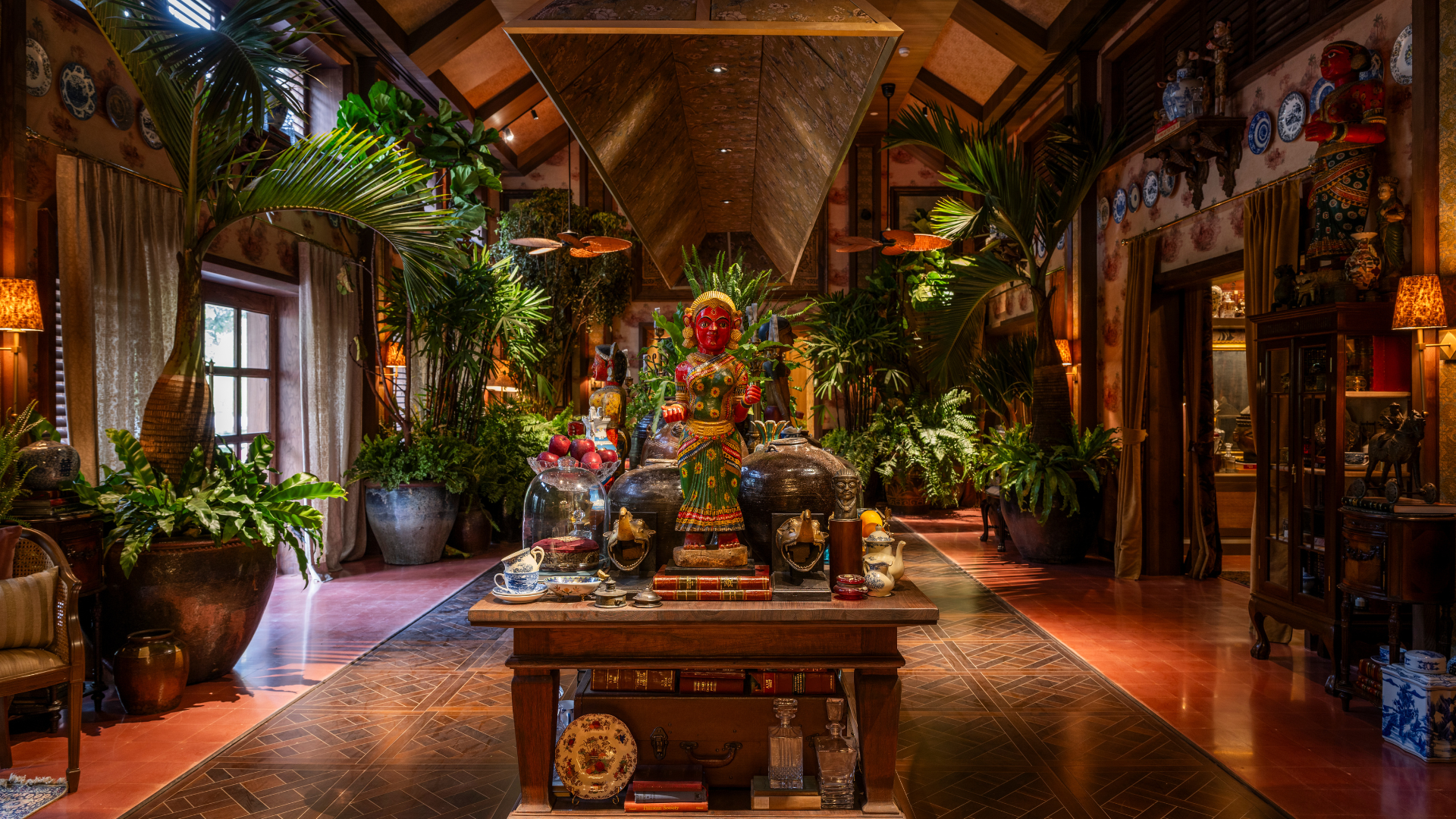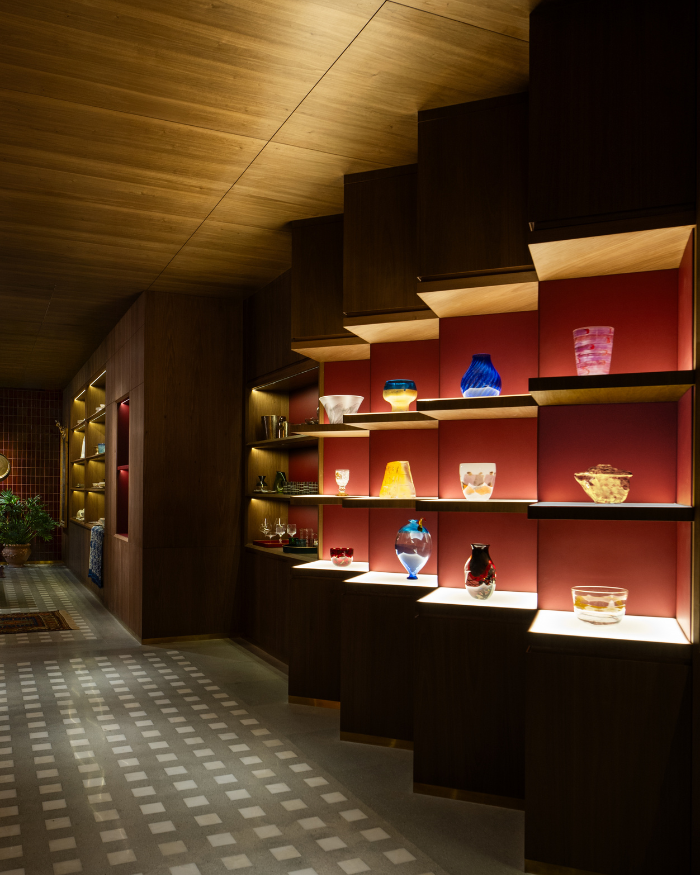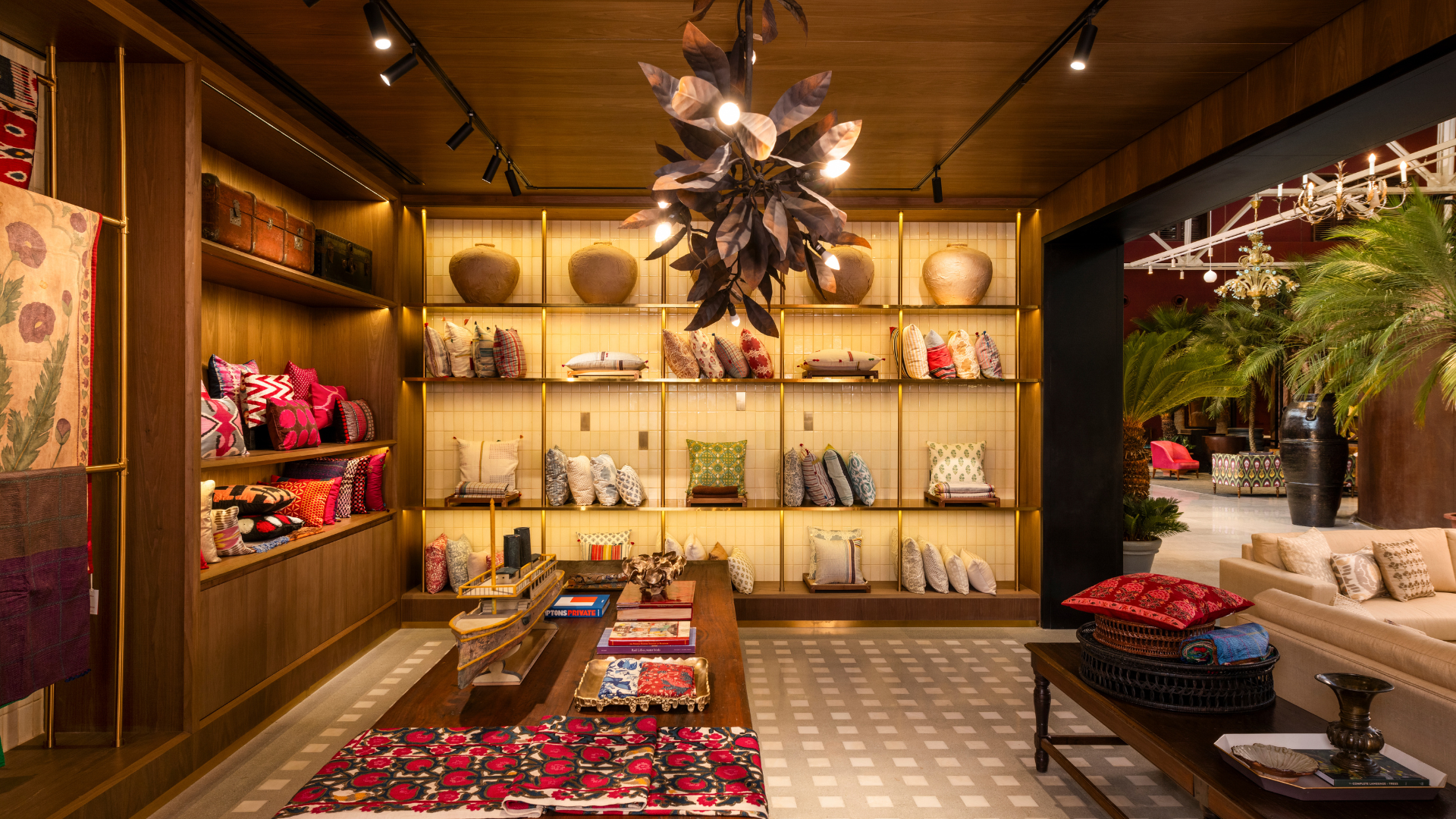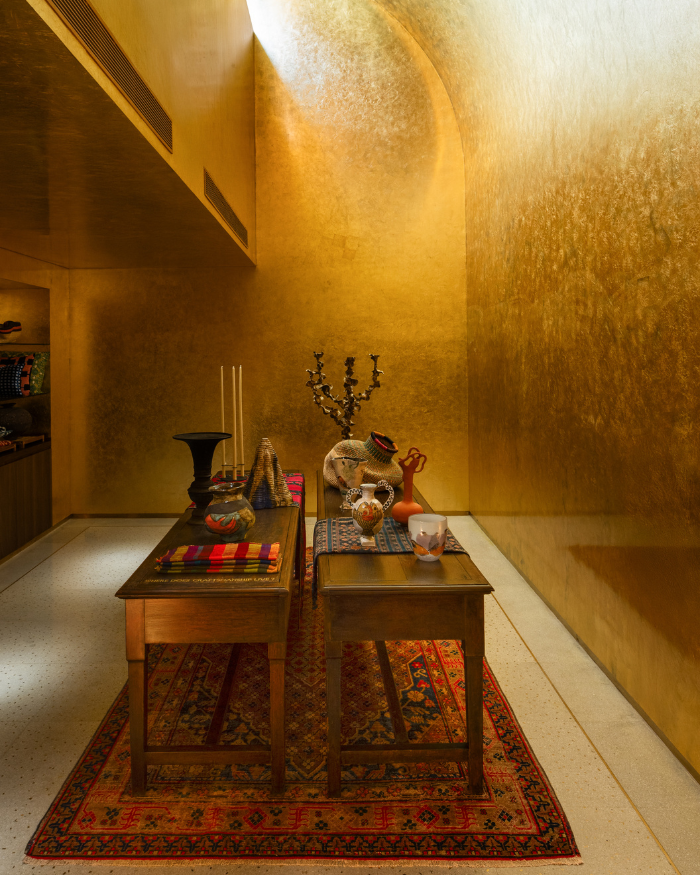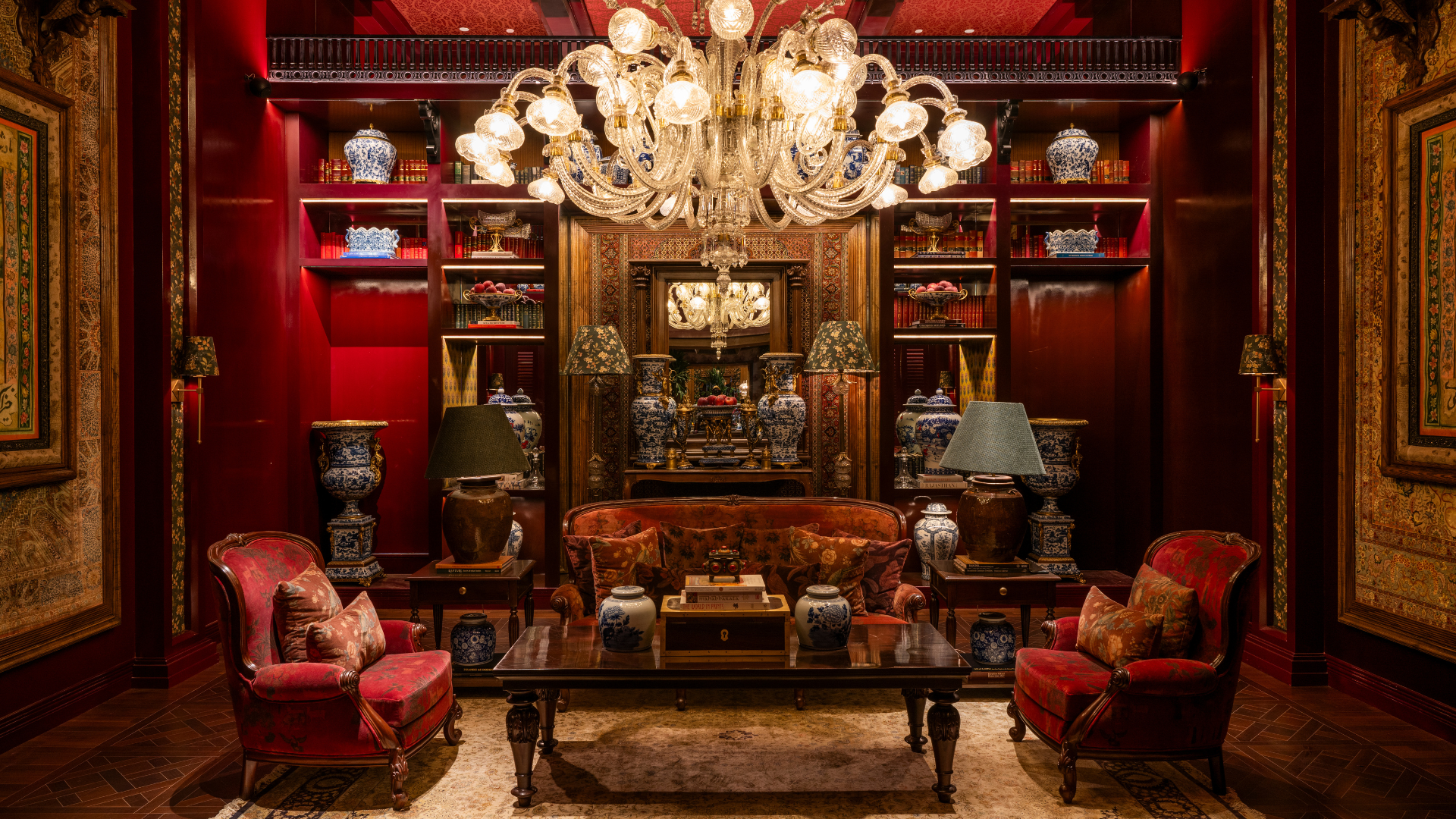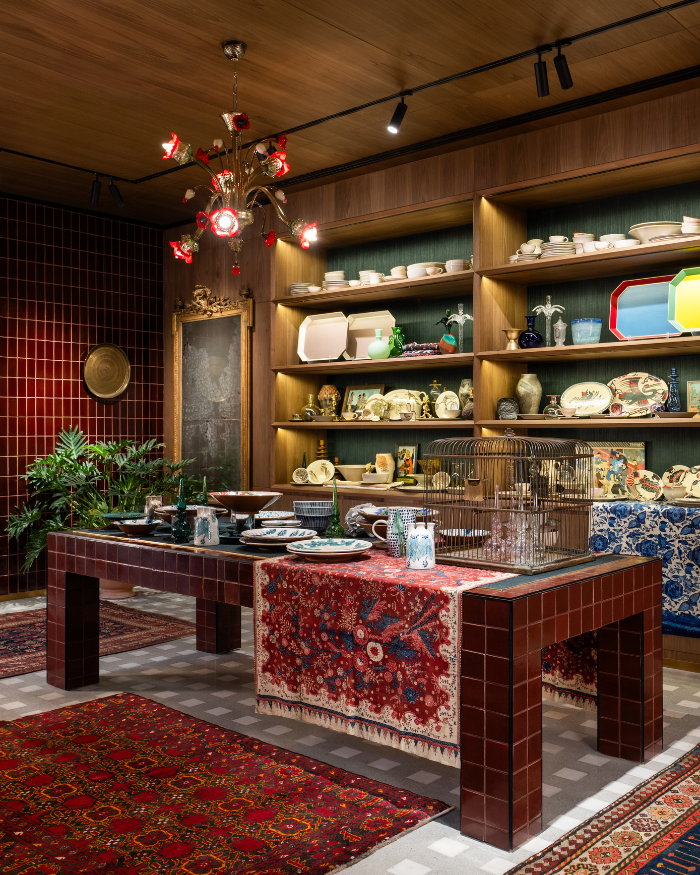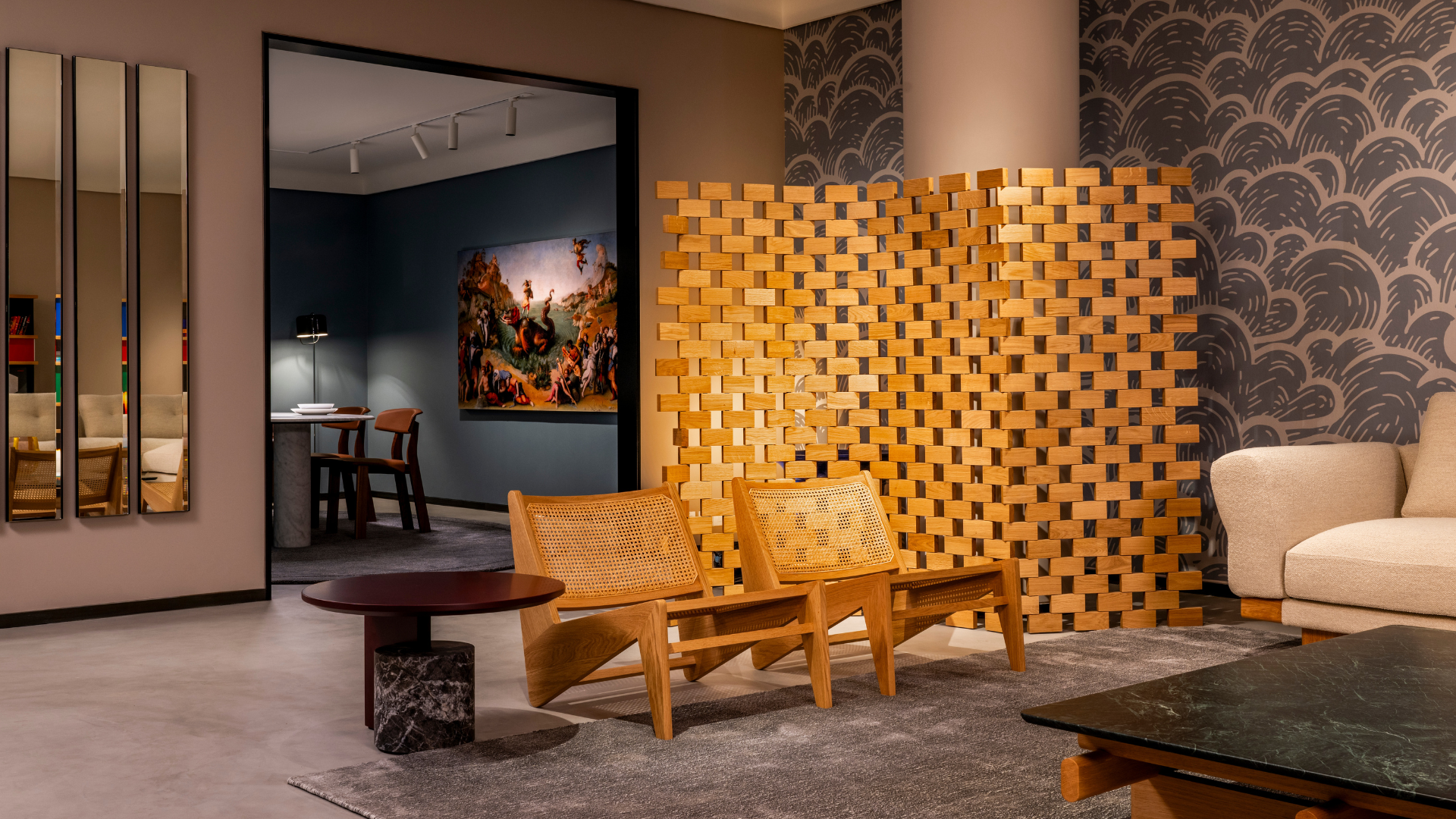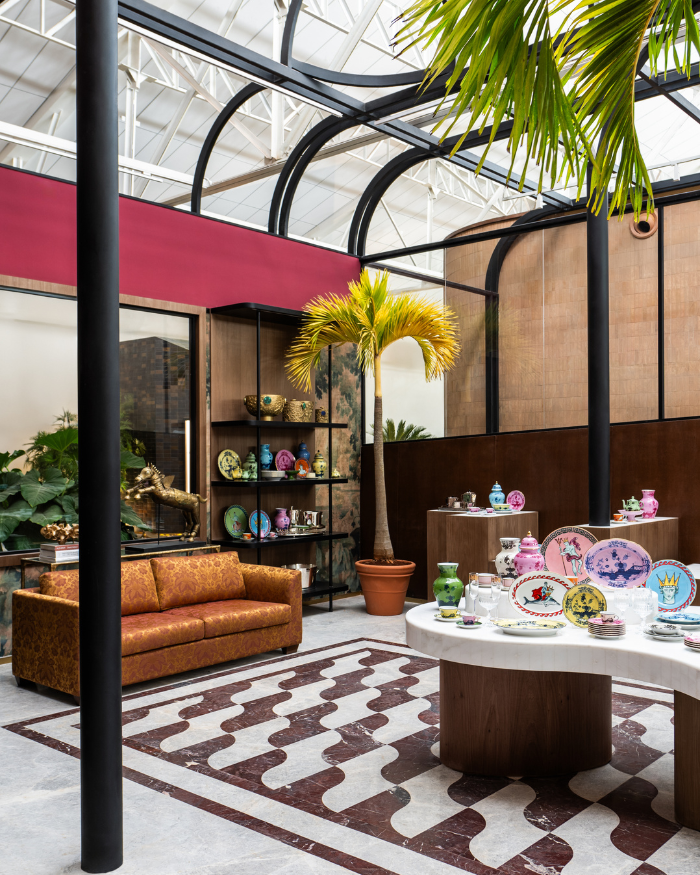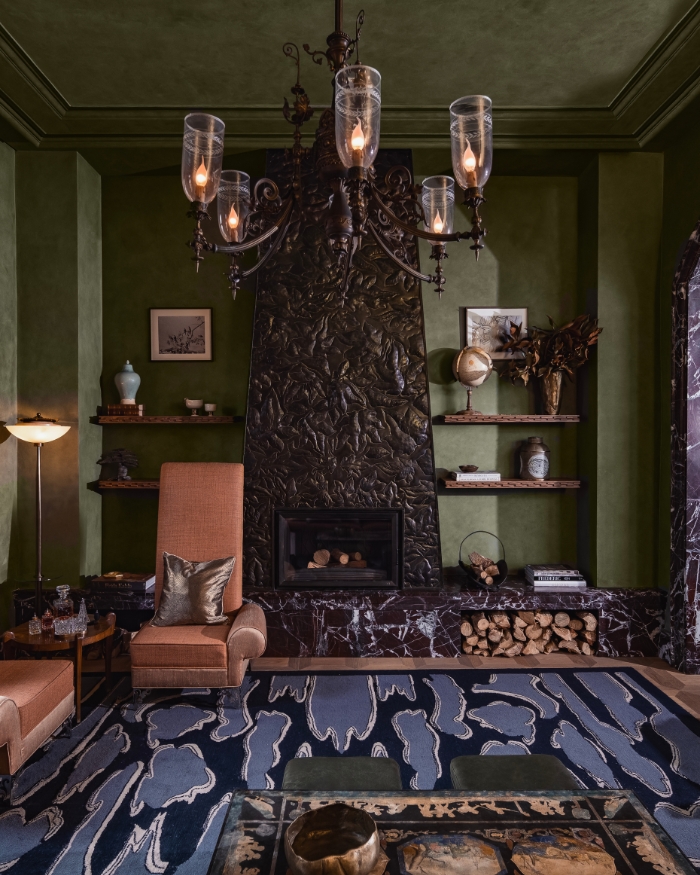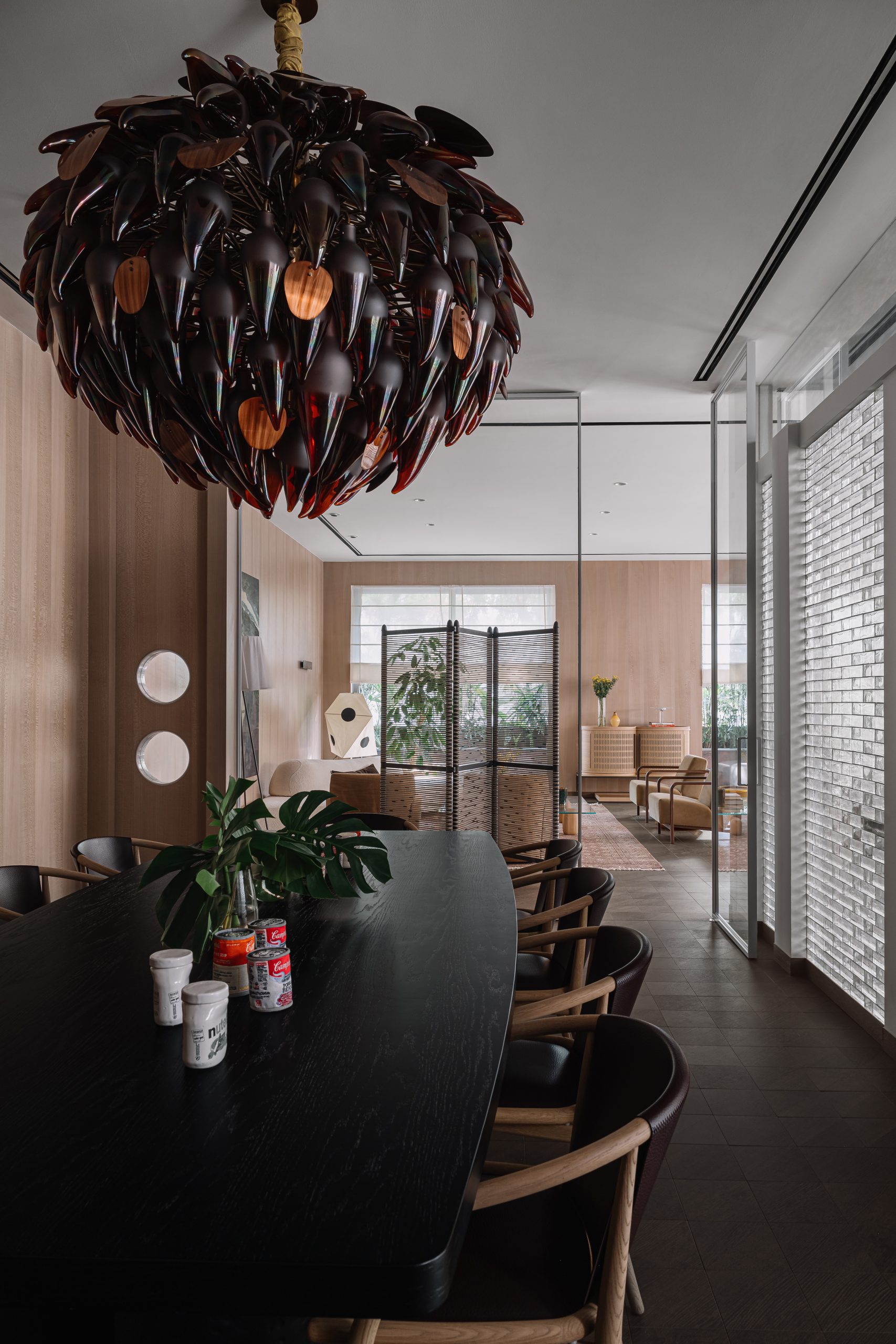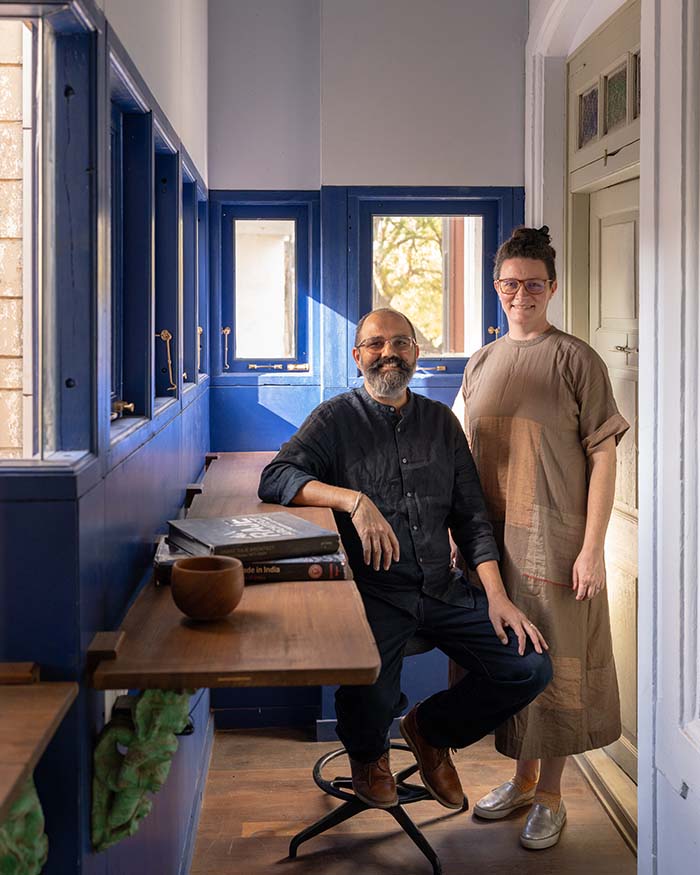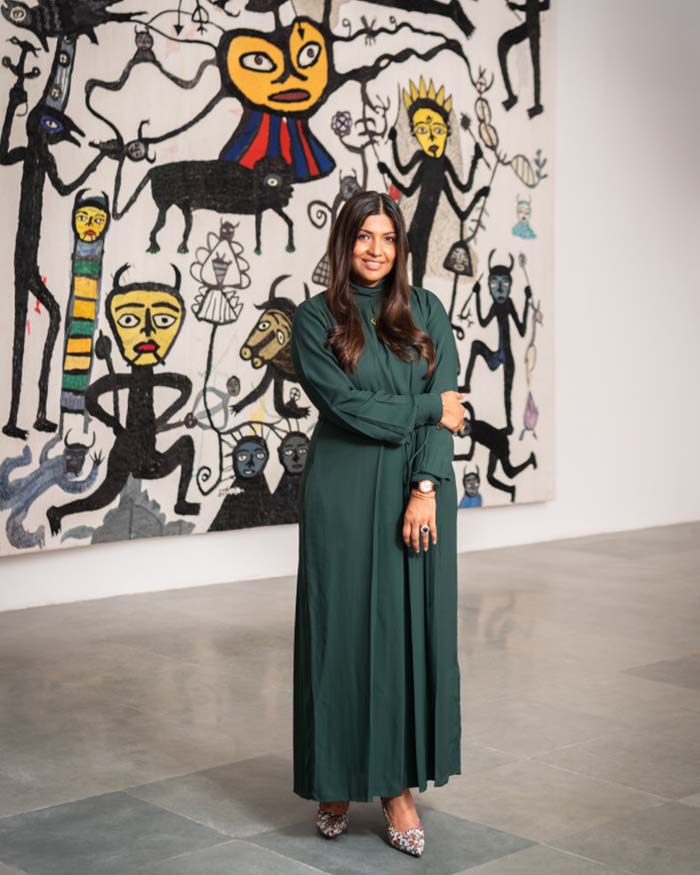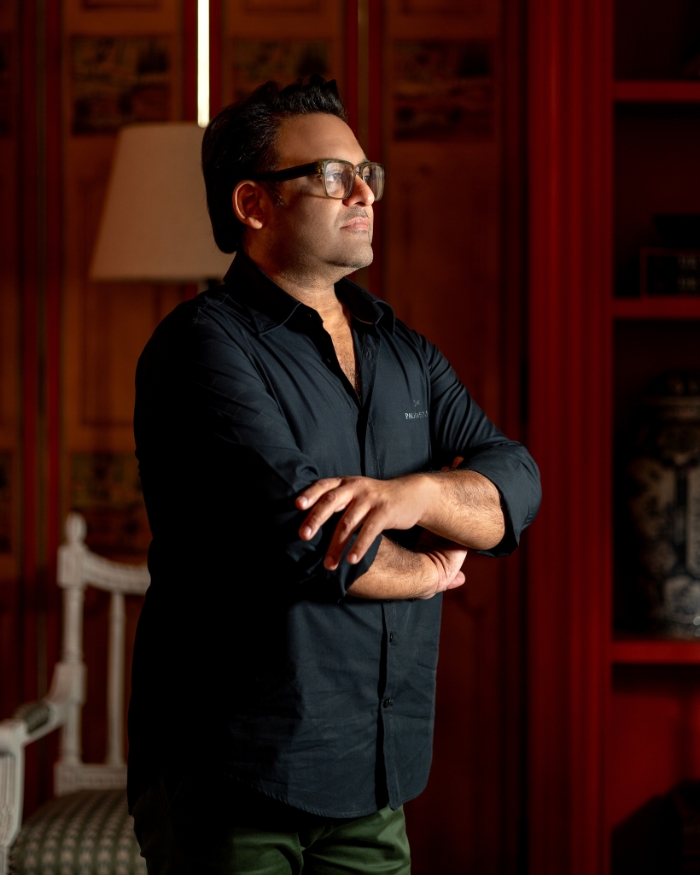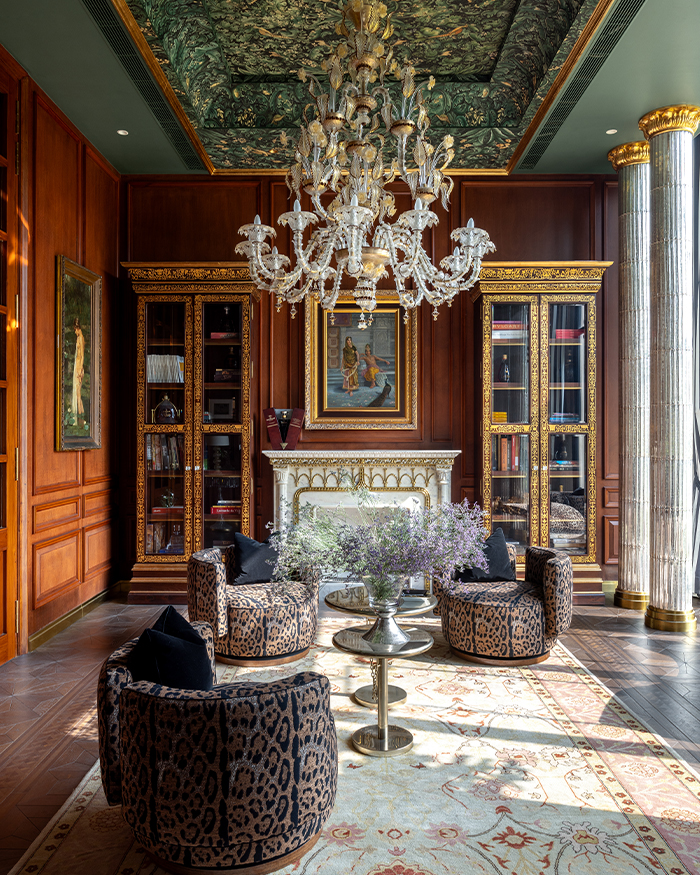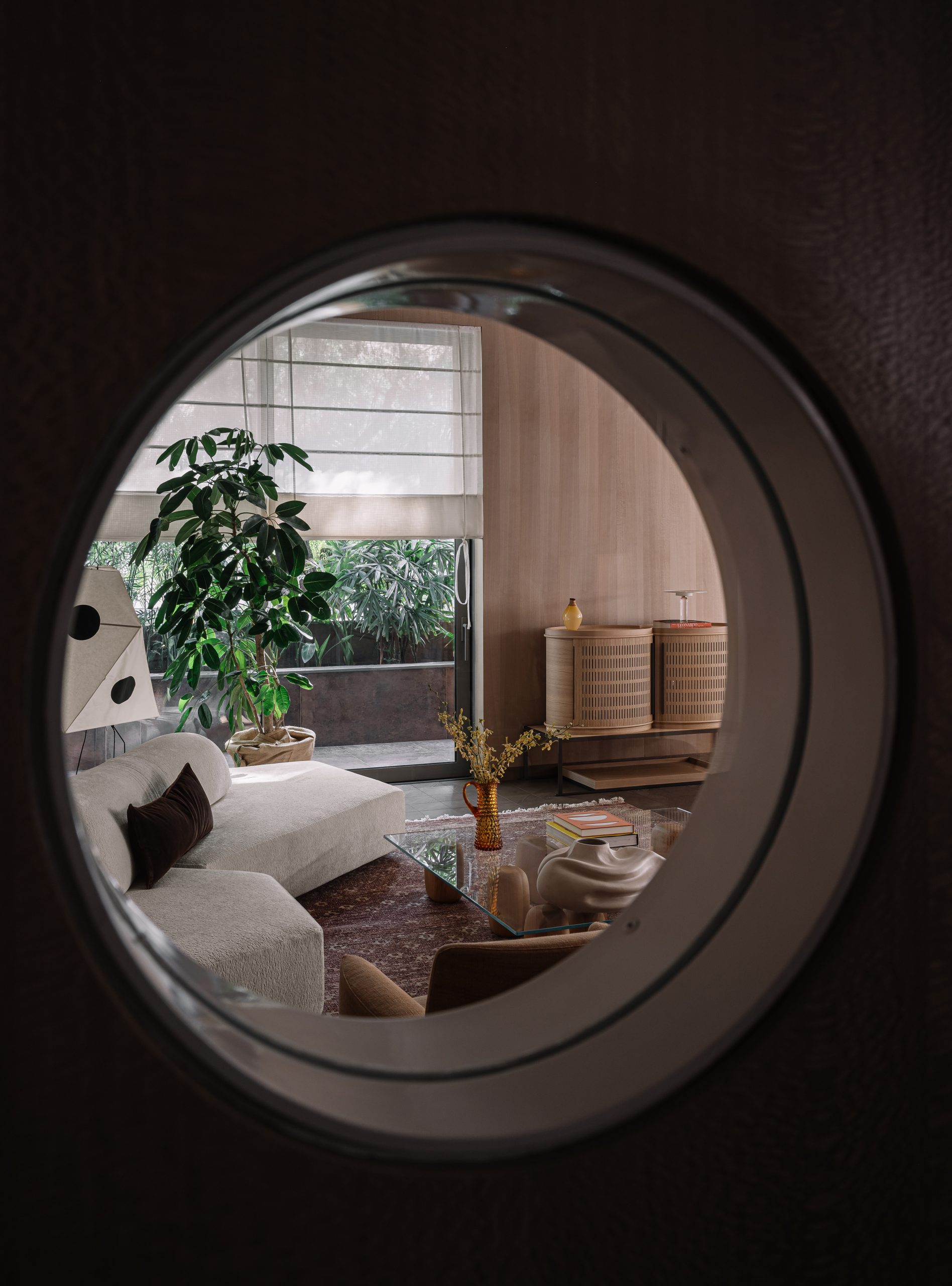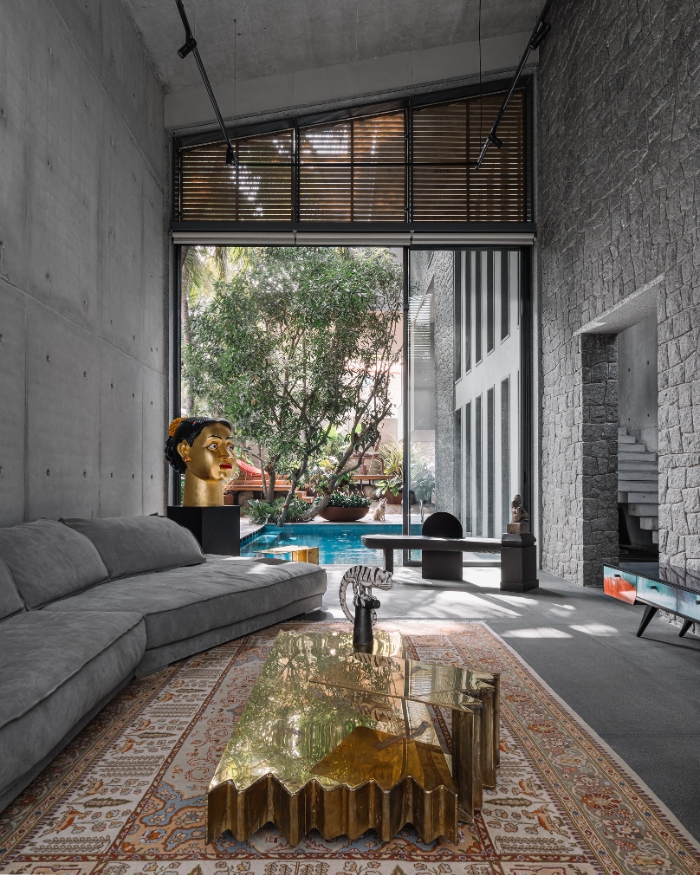
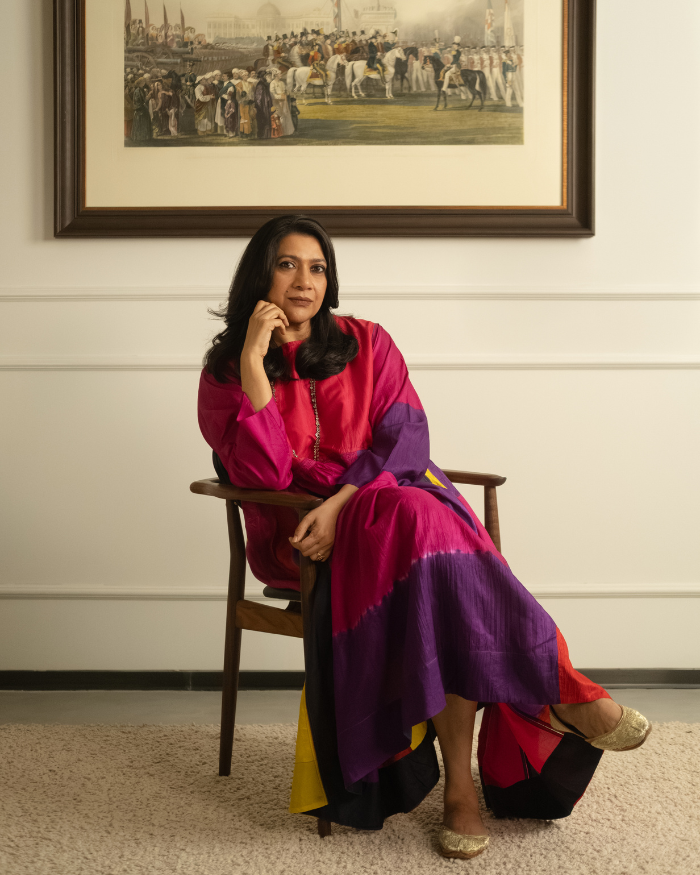
A year since Nilaya Anthology by Asian Paints and this is the only idea of its kind that has materialised in the world so far. In this conversation, Pavitra Rajaram, Creative Director at Asian Paints, ponders over how this space which is located in Mumbai has shaped a slower, more meaningful design culture and continues to stand true to its peculiarity. Scroll to read the full conversation:

At a time when retail is competing with e-commerce, instant gratification, convenience, easy exchanges, Nilaya Anthology’s intervention is radical. So, how do you define this last year? 

We came into the creation of Anthology with a core philosophy – Beauty is in the making – and this past year has taught us that these words define all our worlds. Design, craftsmanship, community, culture, all of it. Every decision we have made; from which maker to platform to how an object is presented, to what soundscape best captures a moment has been governed by the belief that process is where meaning lives. The world around us often feels like it is spinning at an accelerated speed, in a different direction and it takes an anchor as solid as this to maintain our own rhythm. We are not competing with e-commerce. We are not interested in transactions without a relationship. We are not here to prescribe one idea to anybody. What we are interested in is encounters and exchange that stays with you, and I would define this last year as one that was rich with both. 
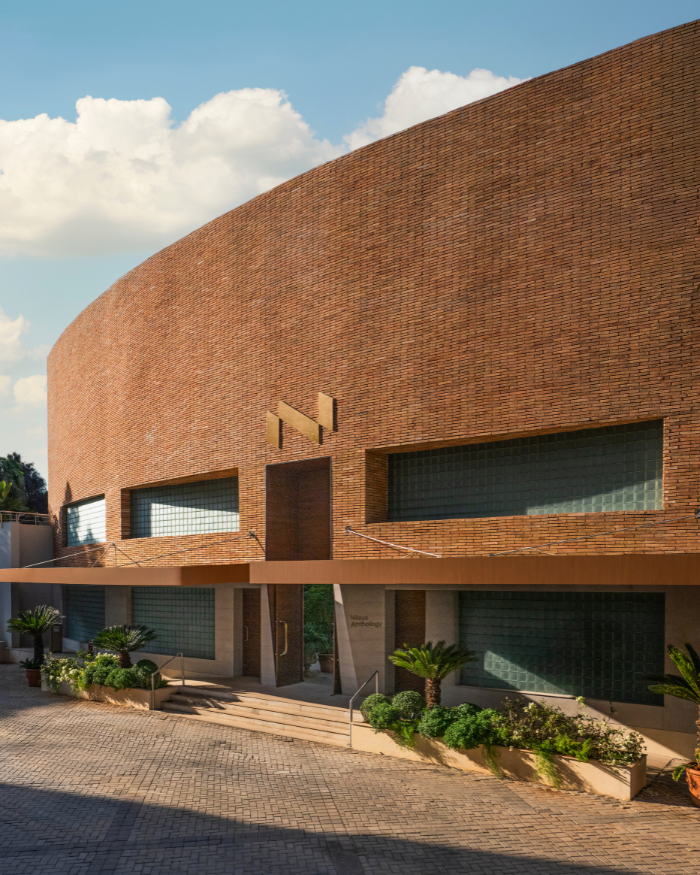
Photography courtesy of Nilaya Anthology

When you said consumption is only one part of the experience, what has the other part actually become over the last year?

Storytelling in the oldest, most embodied sense. The kind that transcends form, and has the power to really travel through both time and space. India has always been a culture of oral tradition, and that has meant the stories we tell shapeshift through those who tell it. In our world, everybody and everything has an opportunity to add to this. The maker with whom an object originates, the object itself and the many cultures it touches, the one who discovers, and the one who chooses. This is an infinite vessel that doesn’t stop with us. If consumption is one part of the experience, creating a world where one begins to see design and culture as a larger continuum through these stories is the other. 

You shaped Anthology. What is Anthology shaping?

A world where it’s possible for Indian and international design to exist on the same level. Not in conversation as equals for the first time, because that conversation has always been happening among makers and thinkers, but perhaps visible as equals for the first time.  Also a culture that speaks to empowering people to discover and articulate their own sensibilities with confidence. We are living through a moment where Indians in particular are rescripting how they see themselves without the filter of a western lens, or nostalgia. Ultimately, what we are shaping, I hope, is a different paradigm for how design is valued, discussed, and experienced in India and internationally. One that is shaped by questions of context and humanity that design inherently holds. 

Photography courtesy of Nilaya Anthology

What has been your takeaway from buying patterns that you have witnessed at Anthology?

People value discovery that feels personal to them far more than they value prestige that feels borrowed. The old luxury model was top-down: a brand tells you what is valuable, you buy it to signal that you understand. That era is behind the kind of person Anthology has been speaking to. What I see here is people who want to co-create their own story. They are not looking for validation. They are looking for resonance. And when something resonates, when a piece connects to something in their own history, or opens a door to a world they did not know they were curious about, the decision is almost immediate. There is less deliberation because it feels more like a part of their own story than it does a purchase. 

What do people value more? Rarity, craftsmanship, story, or popular brands?

All of it, and the answer changes depending on the person. Which is exactly the point. There is no universal standard within luxury anymore, and the people who come to Anthology are hungry to discover things that personally appeal to them rather than things that signal something to someone else. What I will say is that story is the connective tissue. Rarity without story is scarcity. Craftsmanship without story is technique. Even the most iconic name in design doesn’t mean much unless you can clearly identify their intent, their world, the ideas they are interested in, and why it matters in this specific context for this specific person. Articulating or translating that is the curatorial work. It is also deeply human work because ultimately ‘making’ is the story of human hands and human ‘touch.’ 

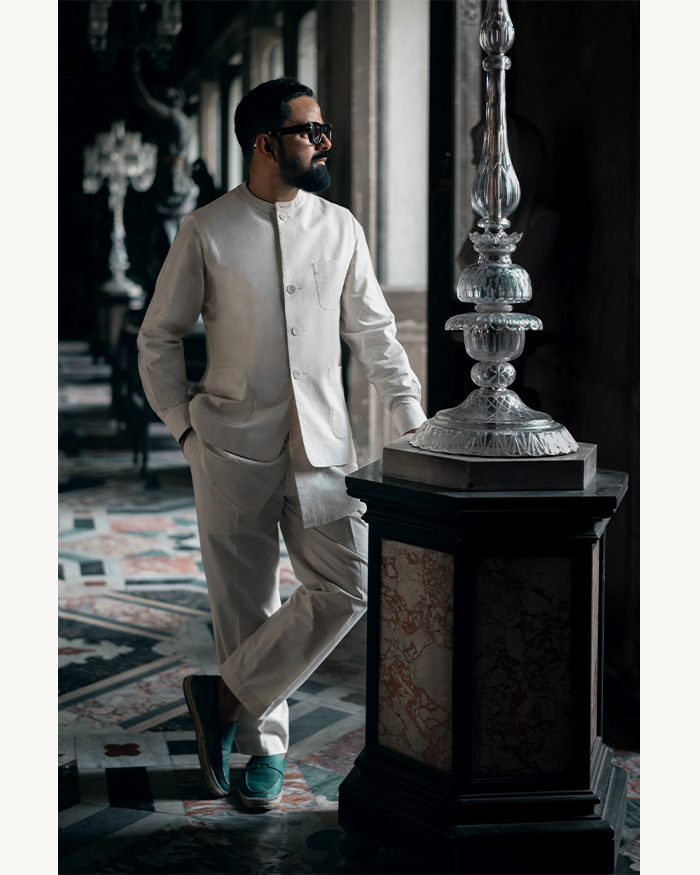
Photography courtesy of Nilaya Anthology

Has naming the maker changed the way people assign value to what they see here?

A name alone is never enough. What changes the way people assign value is understanding what that name signifies across all its complex layers. : the world a maker comes from, the ideas their practice is rooted in, and why that practice matters here and now. When we introduced Jane Yang D’Haene (who was recently shortlisted for the prestigious Loewe craft prize!) or Nina Yashar’s Nilufar gallery to India for the first time, the work was never about simply presenting them. It was to find the threads that connected their thinking to conversations already happening in Indian design culture. When that translation works, people do not just see an object. They see an idea they already believed in, given form by someone they had not yet met.

Anthology was built on the premise that Indian and international design can coexist without hierarchy. In practice, how has that proposition played out over the year?

Beautifully, because for us this is something that has always been true, it just wasn’t being presented this way. This understanding comes from having worked in design and culture long enough to feel the asymmetry firsthand. Indian making has been chronically undervalued, filed under craft, tradition, number of hours, while international design gets credited with authorship, innovation, and intellectual weight. The objects and the makers are equally serious. The vocabulary applied to them has not been. Sanjay Garg spoke to this at his most recent Raw Mango presentation in London and it resonated deeply. This idea that Indian design has always been sophisticated, always been authored, always been modern in the truest sense. We did not need to wait for the world to tell us that. What Anthology tries to do is create a room, literally and conceptually, where that truth is simply self-evident. Our community got this at an intrinsic level from the beginning because the culture was already shifting and we were in the right place and moment to speak to this shift. The work now is to keep creating the conditions for that dialogue to travel in every direction.

Photography courtesy of Nilaya Anthology

Curation, creation and experience:  Which one is the hardest to sustain in real life?

None of them can survive without the other, which is both the challenge and the beauty of what we are trying to do. It is like asking which part of a river is hardest to sustain; the source, the current, or the place where it meets the sea. Remove any one of them and you no longer have a flow. What I have learned is that the relationship between these three things is not fixed. It shifts with the season, the programme, the community, the moment. Sometimes creation leads and curation follows. Sometimes the experience of a single evening reframes everything we thought we understood about what we were building. Making, at its heart, is about caring enough to stay in that dynamic relationship, with material, with context, and with the people you are making for. We try to bring that same quality of care to how we run this space.

What does Anthology say about the difference between appreciating craft and actual commitment to craft?

Commitment is the engagement with a craft over time. That is the key difference. What is not always obvious about Anthology at the surface, is that this world is the result of real relationships nurtured over many decades. Appreciation is only a starting point; ultimately one needs to live with the processes, realities, dreams and desires of makers and maker communities to represent them in any meaningful way, let alone intervene. Often there are entire families behind one object that have held a practice across several generations. So when somebody admires an object for its surface, our hope is to create a bridge between that appreciation and the very human stories that lie within it. 

Photography courtesy of Nilaya Anthology

How do you want to change the conversation about what global means in an Indian design context? Especially now that India (Anthology) is commissioning one-of-a-kind pieces across the world and we’re no longer just manufacturing for the Diors of the world?

I want to change it from a conversation about access to a conversation about authorship. For a long time, global meant aspiring towards something external, buying into worlds that were defined elsewhere, but manufactured here. That equation is shifting. India is now commissioning original work, not just producing it for others. It’s a rerouting of agency in many ways. What global should mean, in an Anthology context, is a genuine exchange between design intelligences that have developed through materials and philosophical traditions that are now in the same room, curious about each other. Both should expand because of these encounters.

 After one year, what does success here mean beyond sales?

The one thing that cannot be measured–meaning. If people leave Anthology a little differently than when they entered it, it is a success. If something shifts in how they see an object, understand a maker’s practice, or consider their own home as a reflection of who they are and who they are becoming, it is a success. If we have contributed, even in a small way, to a deeper and more confident expression of design culture, it is a success. And if anyone begins to value the process of making something as much as the outcome, it is the greatest success of them all.

Photography courtesy of Nilaya Anthology
SHARE THIS ARTICLE

You May Also Like

Watch

No results found.

Search
Close this search box.