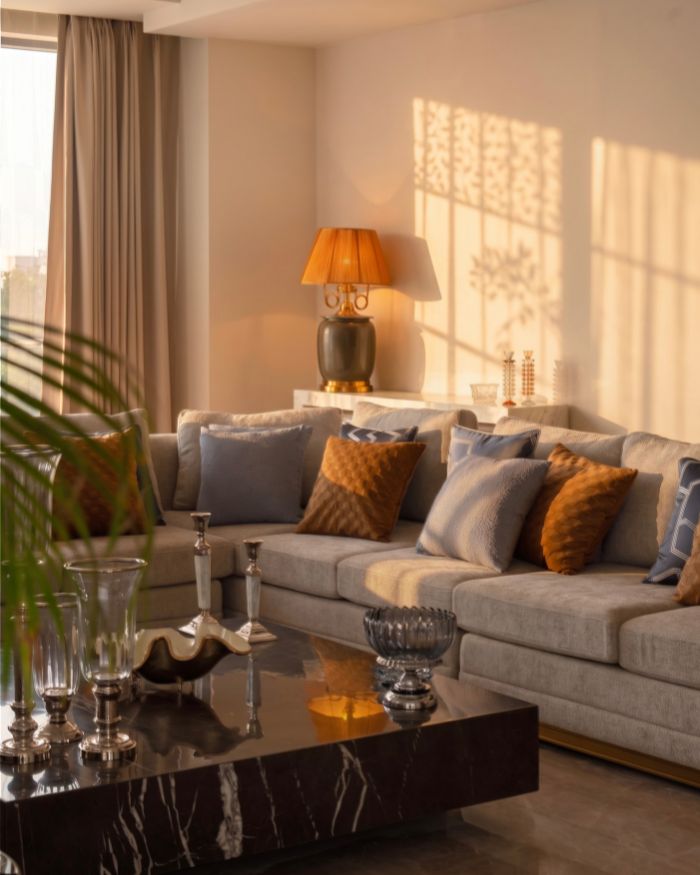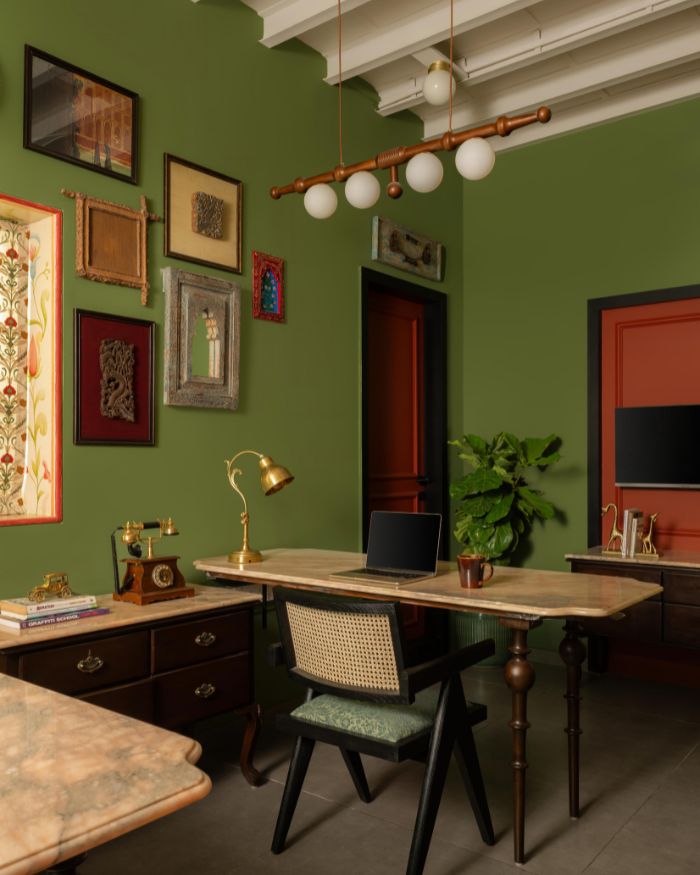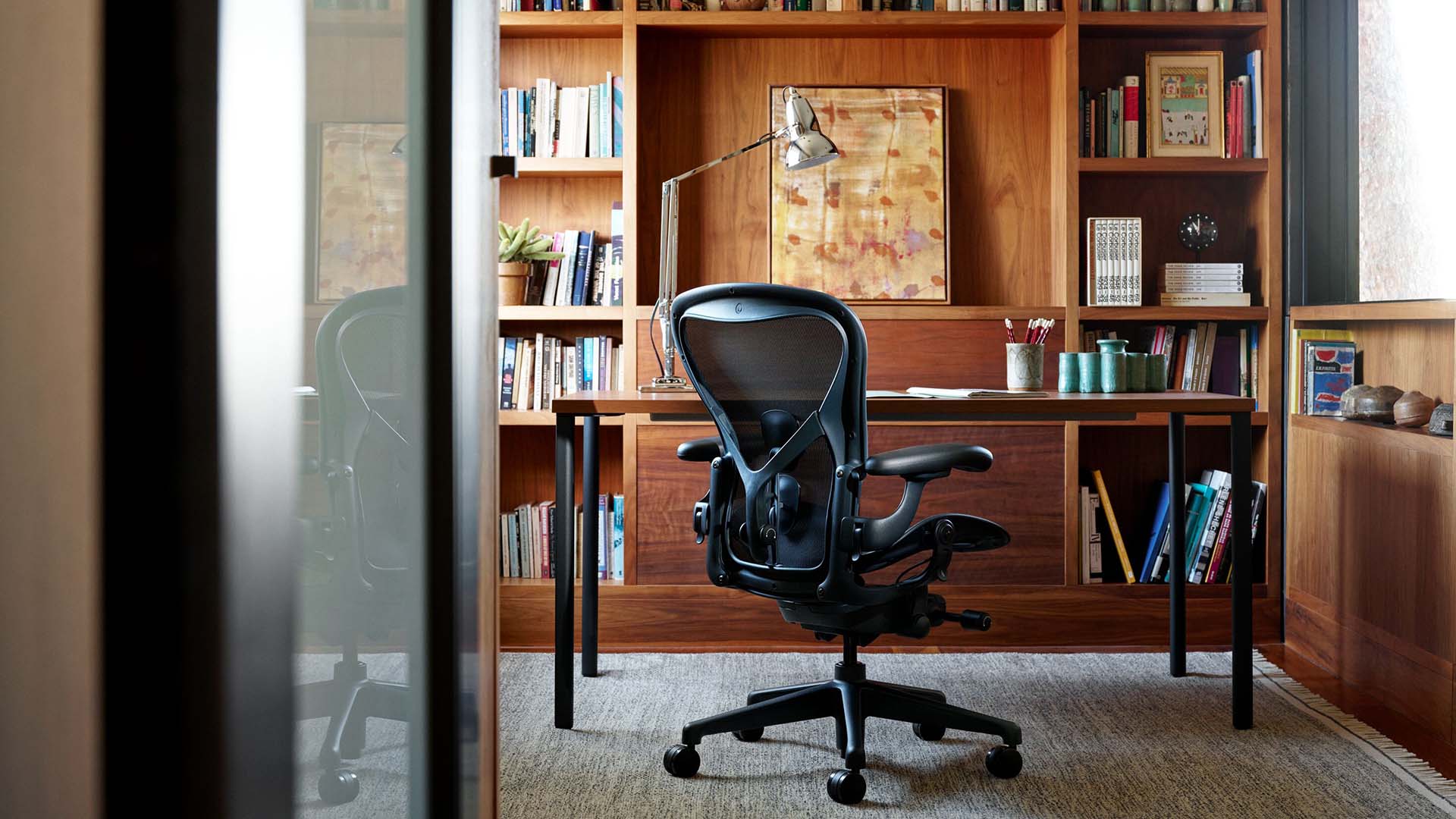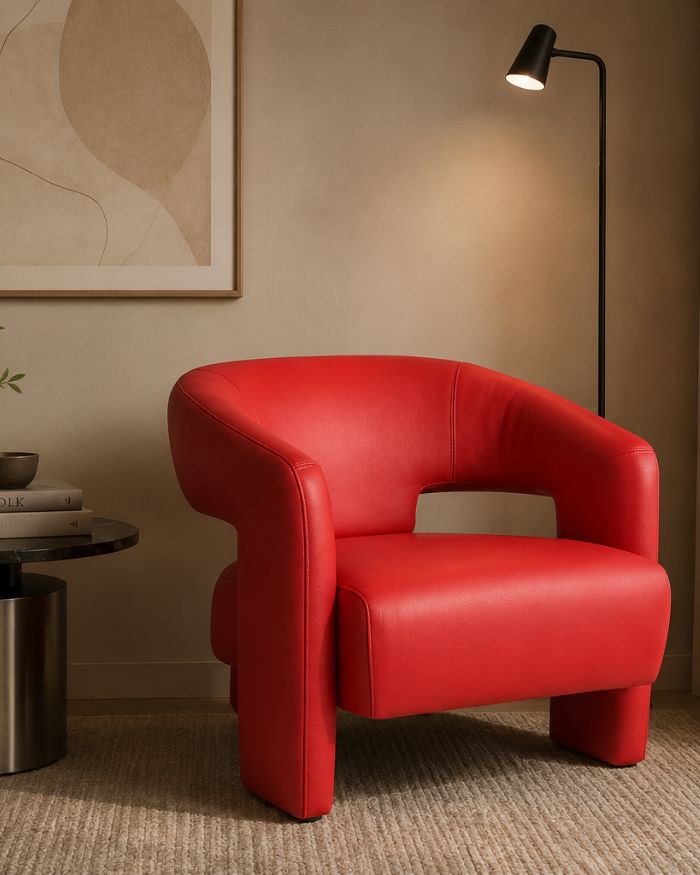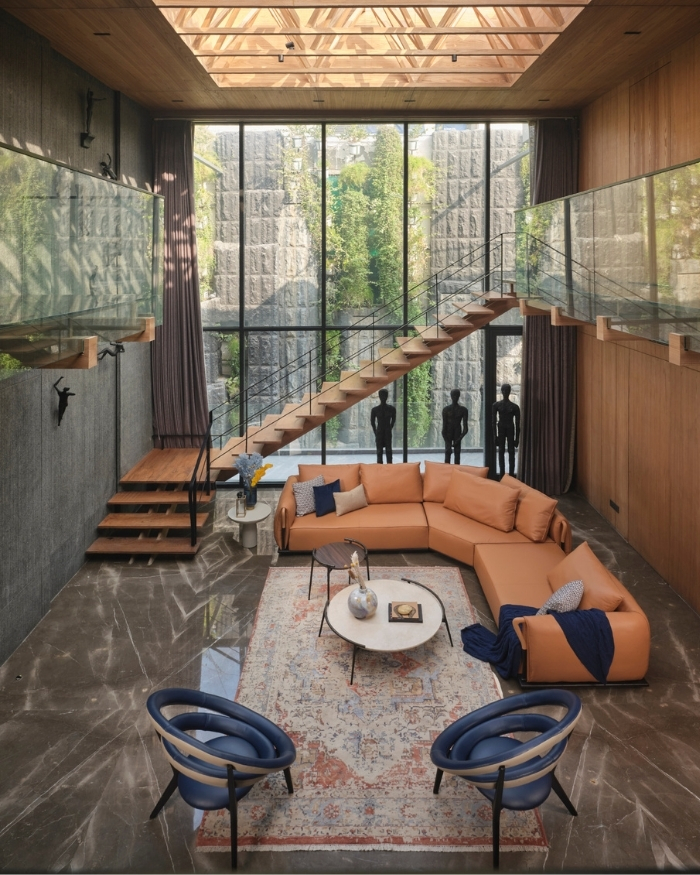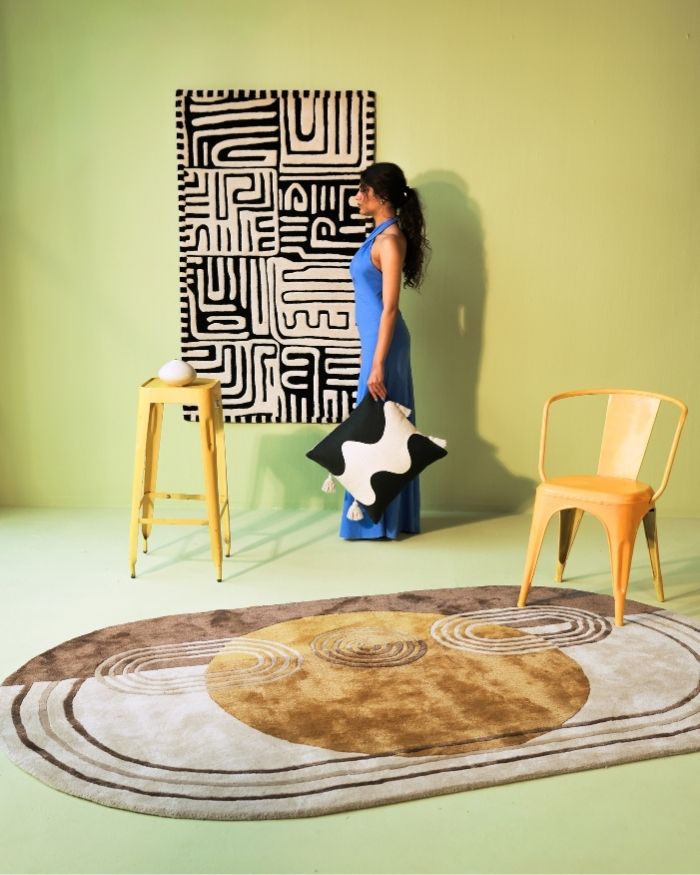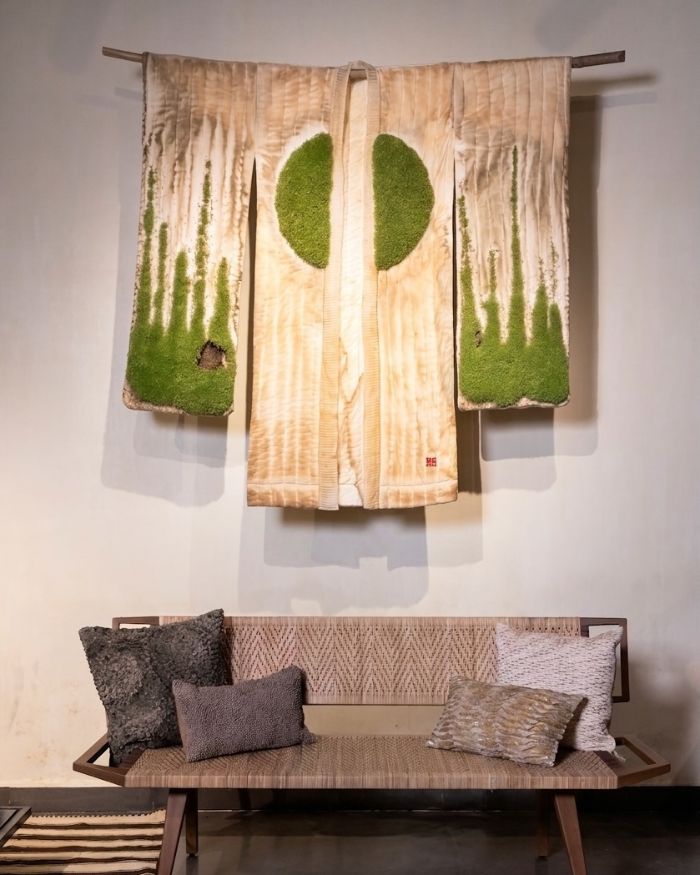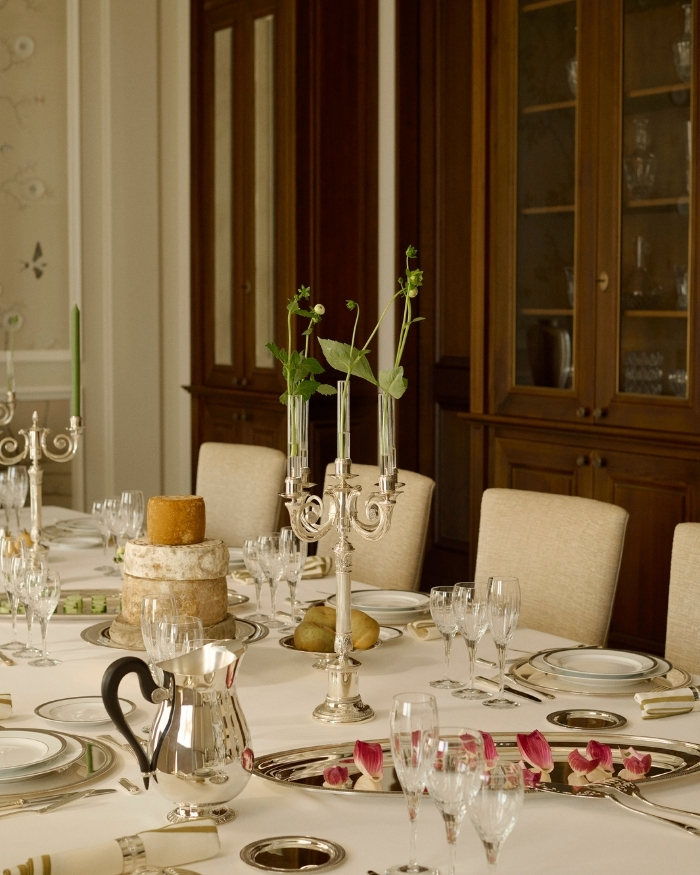
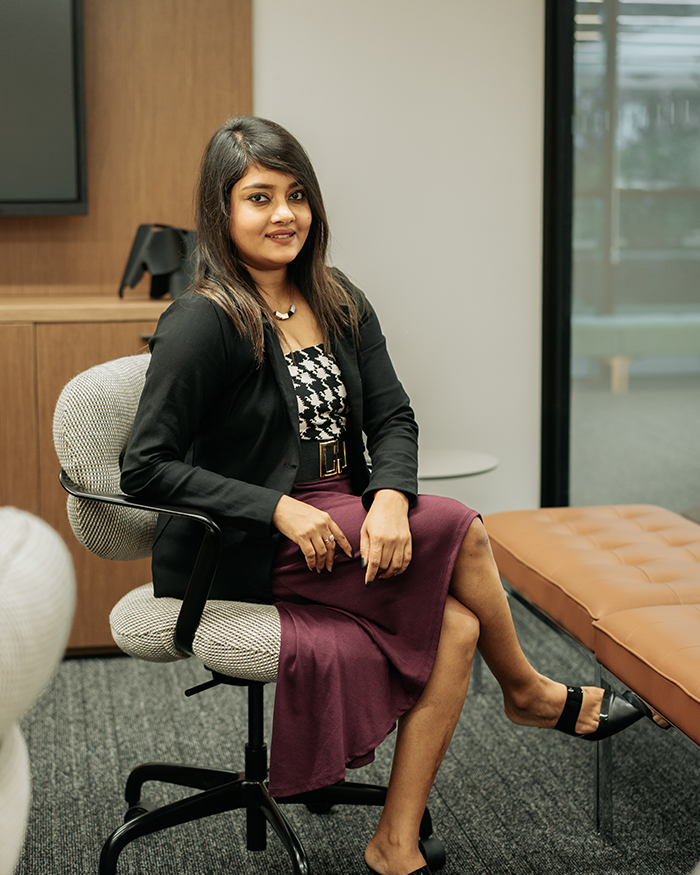
Work, life, and emotion no longer exist in isolation. The spaces we inhabit at home, at work and everywhere in between shape how we think, move and feel. In this evolving landscape, design is not about ornamentation but intention. It is about creating environments that quietly support human experience. For Nupur, Design Director at Gensler, this belief is shaped by lived experience and informed by enduring modernist thinking, ideas championed by designers such as Florence Knoll, who prioritised clarity and human need over decoration. Her path into design is unconventional and quietly revealing. Beginning her career as a physiotherapist, she developed an acute sensitivity to the human body; posture, movement, comfort and strain. This grounding in physical awareness later found its counterpart in spatial design when she studied interior architecture in Boston. Rather than leaving one discipline behind, she merged the two. Nupur believes design must serve real human needs before aesthetic ambition, viewing space as an active participant in wellbeing rather than a passive backdrop.
For Nupur, timelessness is not achieved through visual trends or stylistic signatures, but through purpose. When every element earns its place, responding to how people actually use and feel a space, design remains relevant long after fashions fade. Materials, forms, and textures are chosen not for excess or spectacle, but for how they support both the body and the mind. In this sense, minimalism is not about absence; it is about intention. This philosophy translates into spaces that feel composed rather than imposed. Nupur designs environments holistically, considering how furniture, light, materiality, and circulation work together to create balance. A space must hold multiple emotional states across a day: focus and collaboration, retreat and interaction. Whether it is a workplace, a residence, or a transitional space, the goal is always the same: to allow people to inhabit it intuitively.
Empathy sits at the core of this process. Nupur believes good design begins with listening to how people work, how they rest, how they connect. Trends are secondary to human rhythm. In the Indian context, where community, emotion, and shared experience are deeply ingrained, this approach becomes even more relevant. The most successful spaces, she observes, are those that feel familiar yet purposeful, structured yet warm. For Nupur, the true measure of design lies beyond visual appeal. It is felt in relaxed shoulders, in conversations that unfold naturally, in moments where a space simply feels right. When design responds seamlessly to human needs, it becomes quietly transformative, supporting people without asking to be noticed.
Her journey serves as a reminder that when design centres people, it endures. Not because it resists change, but because it honours what remains constant: the human experience.