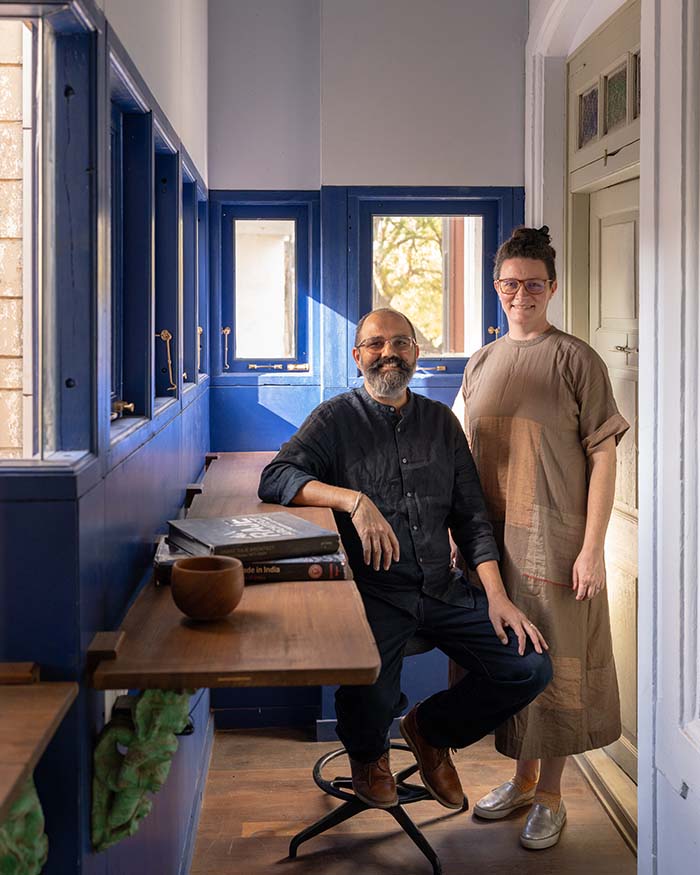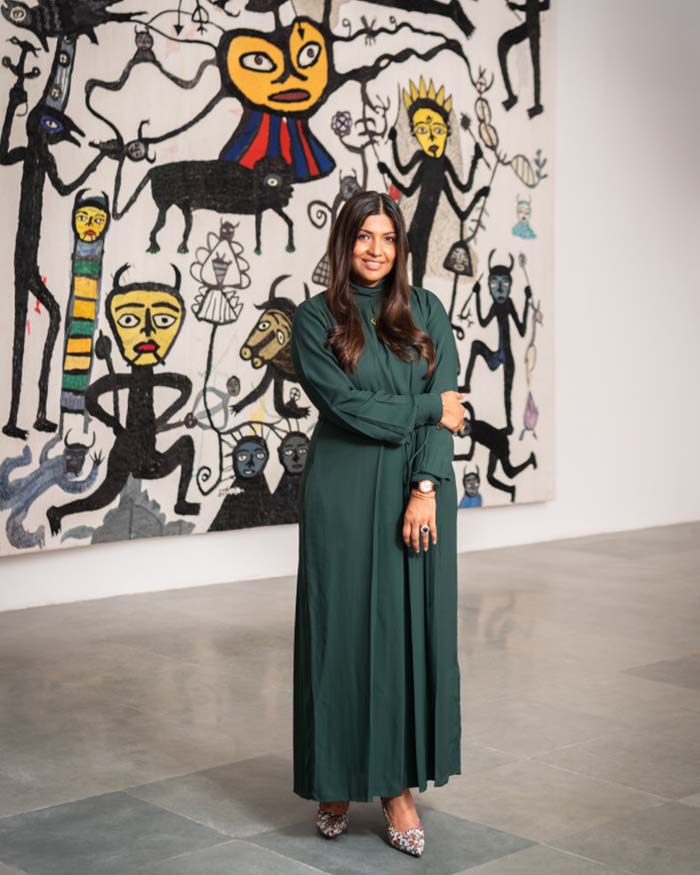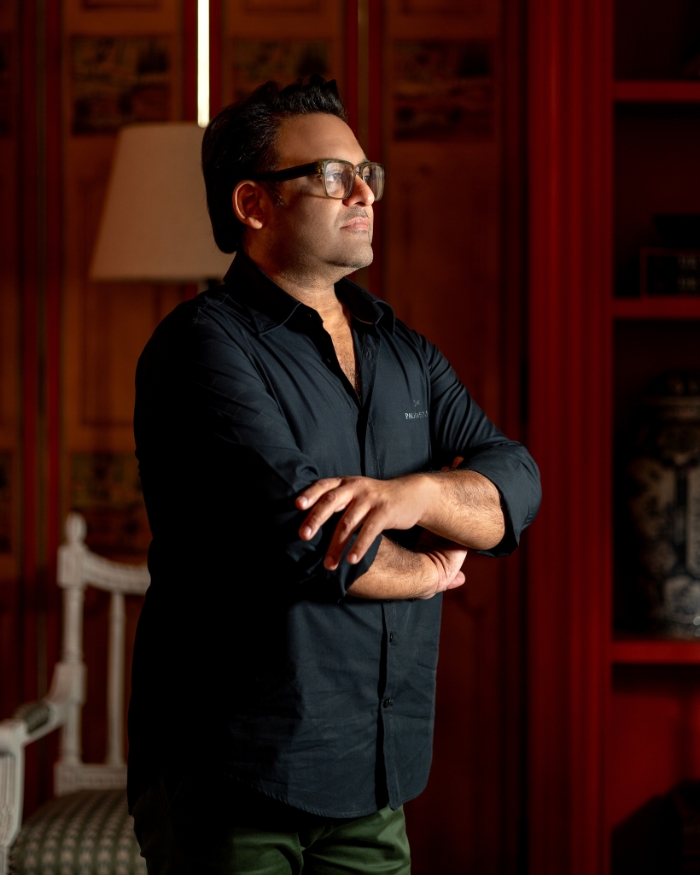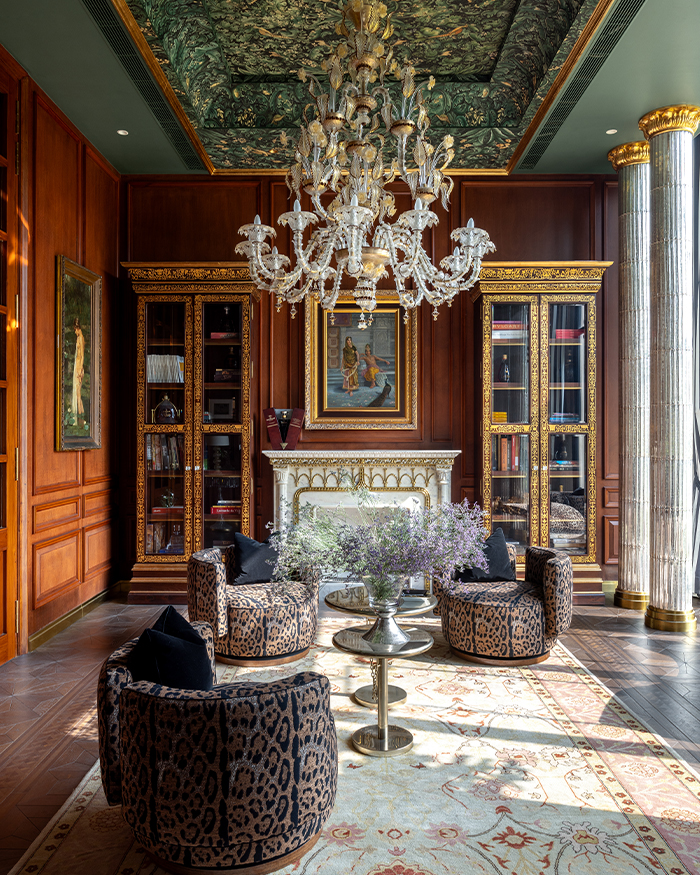
As a designer and an architectural conservationist, I have long been drawn to the layered beauty of India’s crafts — their ability to transform material into meaning and ornament into philosophy. “Art in India,” wrote Ananda Coomaraswamy, “is religion expressed through beauty.” It is from this profound vision that India’s maximalism arises as plenitude, not excess. It is the visible pulse of a civilisation that has always sought fullness rather than restraint.

AL Basham described India as “the wonder that was,” and indeed, its crafts — whether woven, carved, beaten or inlaid — form the grammar of that wonder. From the metaphysical geometry of temples to the translucent fineness of Jamdanis and the lustrous textures of Kanjeevarams and Banarasi brocades, from ritual vessels and temple jewellery to the lyrical stonework of jalis and jharokhas — each reveals a harmony between the sacred and the sensual.

Dr Irawati Karve reminded us that the craftsman “worked not for fame but for dharma,” his or her labour, a meditation on order and devotion and Raja Rao, ever the philosopher, wrote in The Serpent and the Rope that “India is not a country but a metaphysic”, dealing with the very nature of existence, truth and knowledge. Nowhere is this truer than in her crafts, where philosophy takes form through the human hand. We are a maximalist society. More than any other country in the world, we have 240 million craftspeople. Akhtar Riazuddin’s History of Handicrafts: Pakistan-India is widely cited as a thorough and seminal survey of subcontinental crafts. In this work, Riazuddin asserts that the tradition of handicrafts in the subcontinent cannot be seen merely as neutral folklore or marginal cottage industry — instead, it is deeply interwoven with political, religious and cultural currents across eras. She emphasises that Muslim patronage, especially during the Sultanate and Mughal periods, played a pivotal role in elevating crafts — not just in encouraging artisans, but in shaping styles, motifs and establishing institutional support like workshops, guilds and royal commissions. Therefore, to understand the evolution of regional crafts in the subcontinent, one must trace how external influences, local materials and changing socio economic conditions intersected with artisan agency.

“Across the subcontinent, the jali and jharokha are symbols of India’s maximalist imagination”
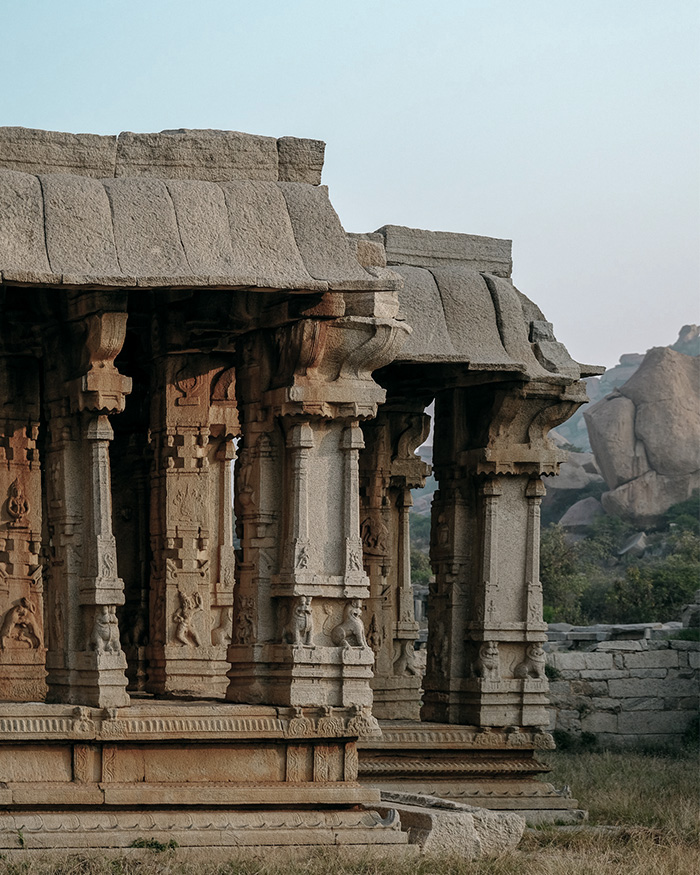
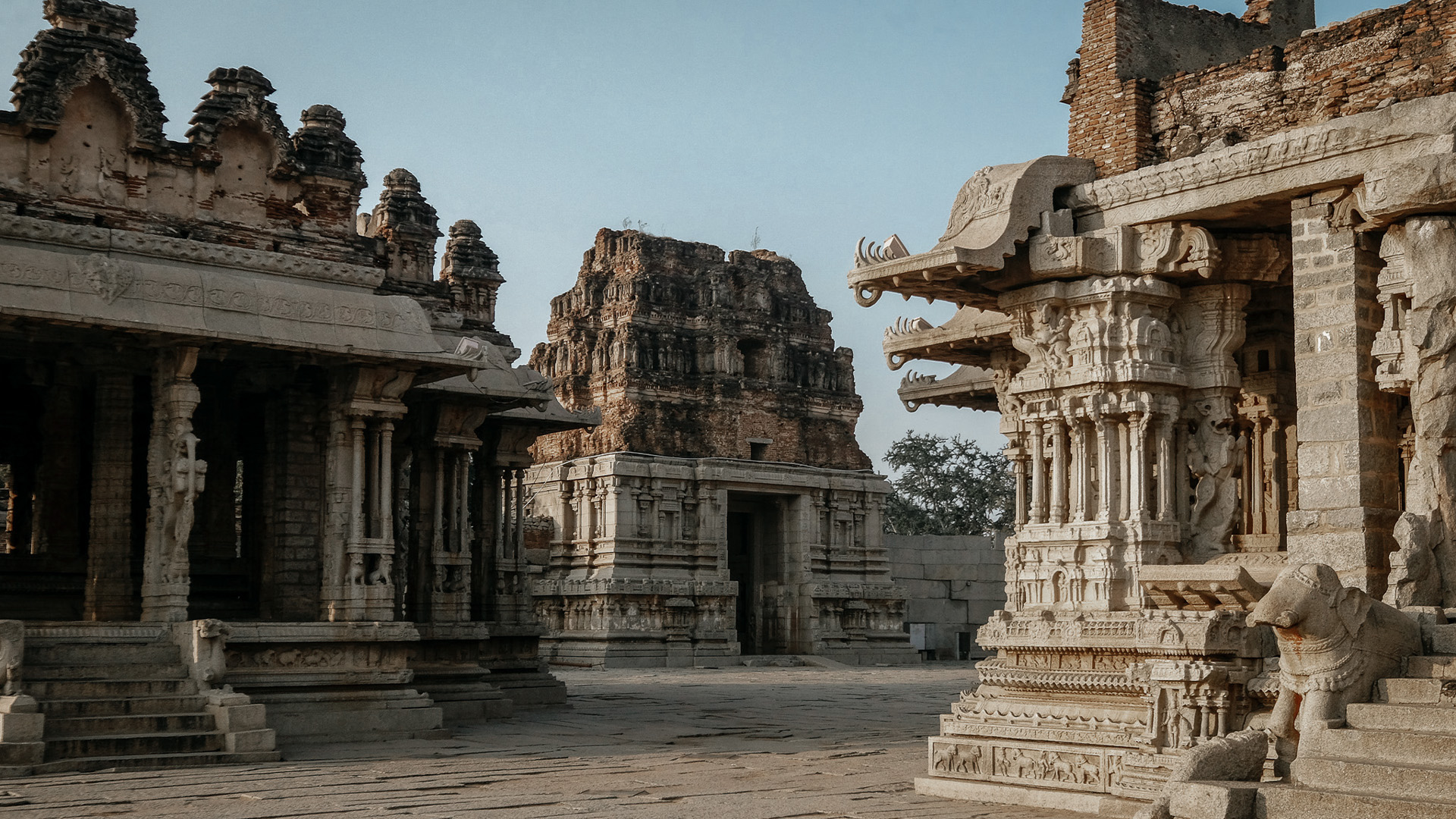
Temple walls at Hampi, Karnataka teem with deities, dancers and celestial narratives; Photography by Himanshu Lakhwani

The essays that follow — on architecture, textiles, vessels, jewellery and stone ornamentation — celebrate this civilisational continuity. For in India, maximalism is inheritance. It is a luminous expression of life’s wholeness, rendered through the discipline of beauty and the poetry of craft which should not be mistaken for indulgence.


INDIAN ARCHITECTURE

A celebration of maximalism

Indian architecture, across millennia, has been a celebration of maximalism through extraordinary synthesis. It is an architecture of plenitude, where form, craft and cosmology converge to express a civilisational confidence in beauty and meaning.

The Kailasa Temple at Ellora, carved from a single rock face, remains the most awe-inspiring expression of this vision — the largest monolithic structure in the world, hewn from the top down. Every inch of its sculpted surface reveals a rhythm of devotion and virtuosity, as if stone itself had been persuaded to breathe. At Hampi, as George Michell observed, “architecture and sculpture are one,” and the granite boulders seem to have become temples themselves — alive with gods, guardians and mythic energy. From these sacred landscapes arose the refinement of Mughal design; Humayun’s Tomb, the prototype of imperial grandeur and its apotheosis, the Taj Mahal. In the words of Dr Ebba Koch, these monuments are “architecture as eternal paradise,” their marble and red sandstone surfaces inlaid with pietra dura that translate poetry into geometry.


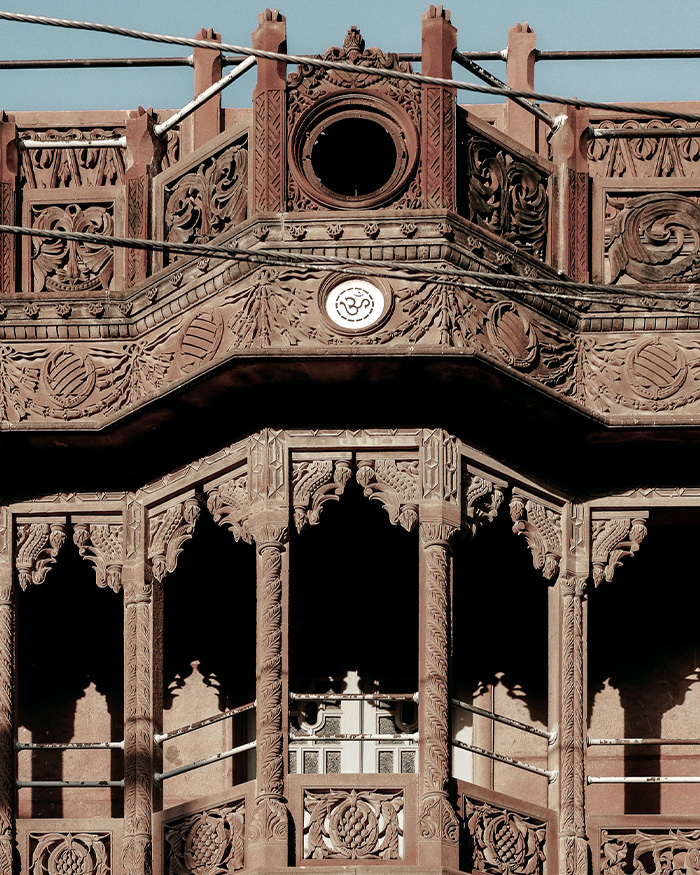
Details of a jharokha in a haveli in Khichan, Rajasthan; Photography by Himanshu Lakhwani
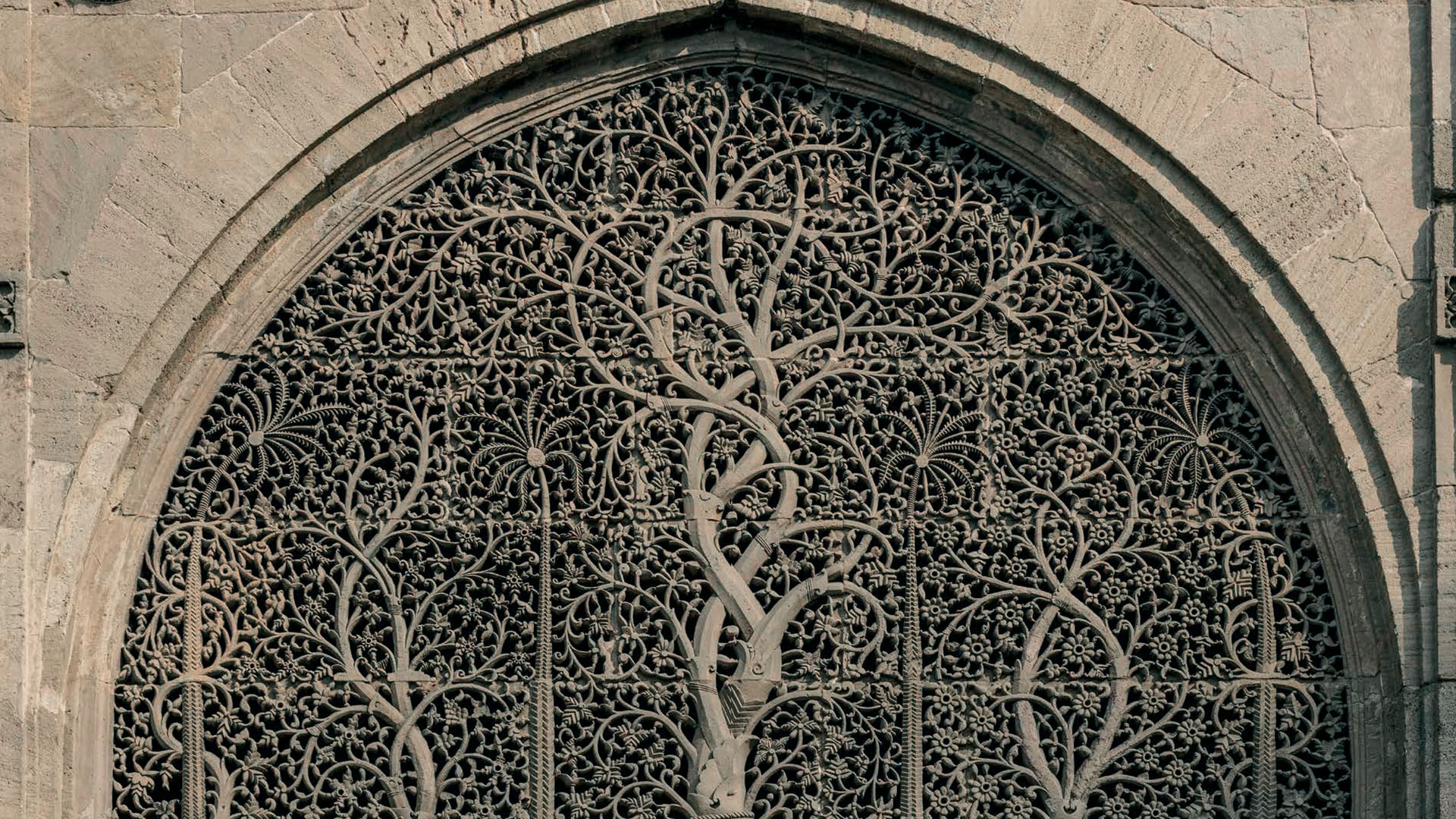
Arched jali with seven trees, Sidi Sayed Mosque, Ahmedabad, Gujarat, 1572–73. From Jali: Lattice of Divine Light in Mughal Architecture (2023). Published by Mapin Publishing, Ahmedabad. Reproduced with permission. Image credit: Abhinav Goswami

Lutyens’ Delhi, as Andreas Volwahsen noted in Imperial Delhi, carried this lineage forward through “a double magnificence” because European classical restraint was animated by Indian craft intricacies.

The hexagonal plan of the capital city was inspired by the Mughal jalis of Humayun’s Tomb; the Rashtrapati Bhavan (new Viceroy’s House), with its central dome and railings recalling Sanchi. Mughal jalis and carved screens were wrought by thousands of Indian craftsmen in stone and wood. In giving India some new sense of architectural construction, adapted to her crafts…“ so that all may know of India’s greatness” was the plan of New Delhi, as envisaged by its architect, Sir Edwin Lutyens. From Bhimbetka and its rock paintings dating back 30,000 years, which are the earliest manifestations of art in India, to Ellora and to New Delhi, India’s architectural maximalism reveals itself as harmony in abundance as geometry, symbolism and craftsmanship converge to express the grandeur of eternal civilisations.

A jharokha projecting from a facade, encapsulating relief, shade and vantage; Photograph by Himanshu Lakhwani
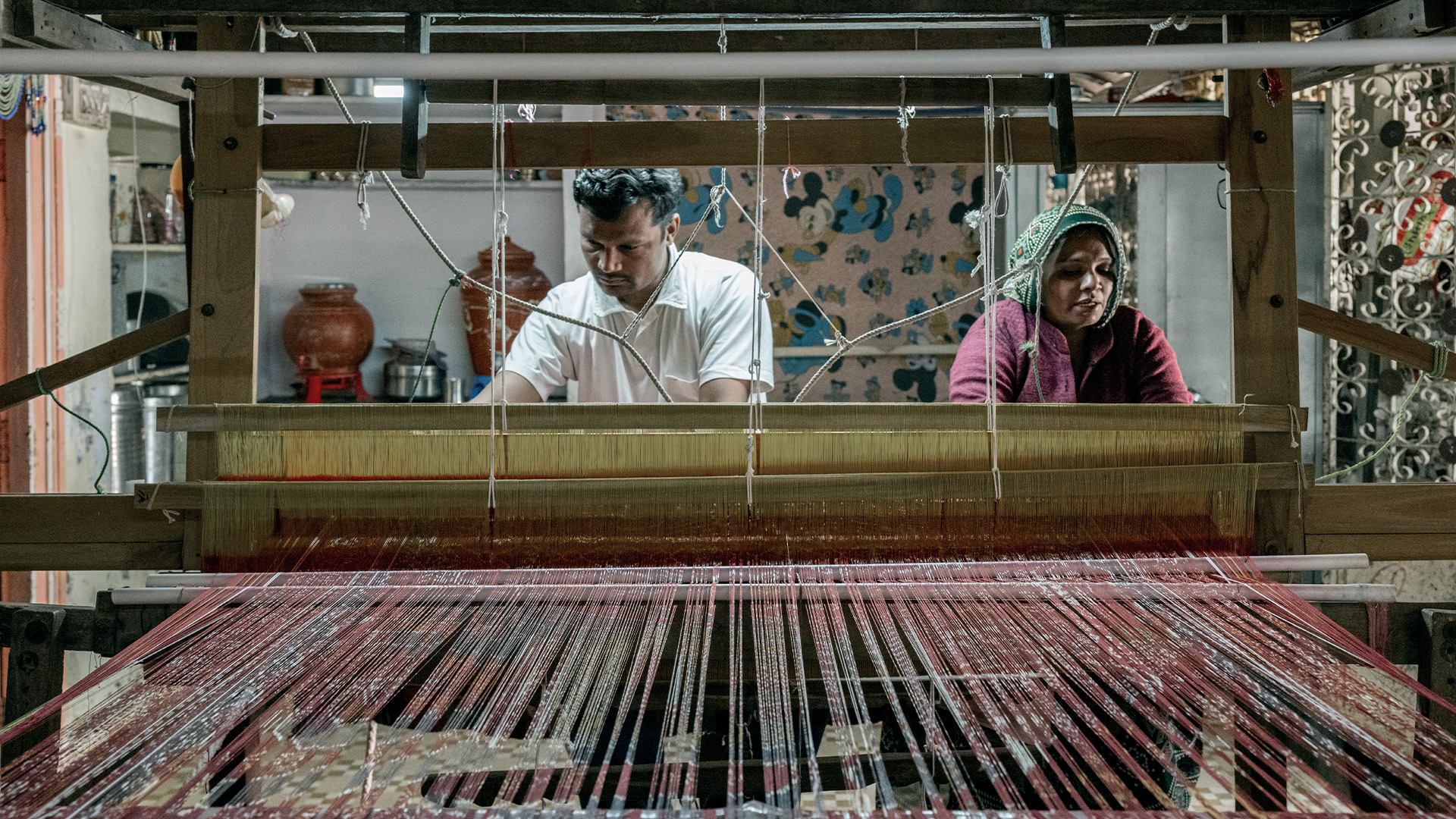
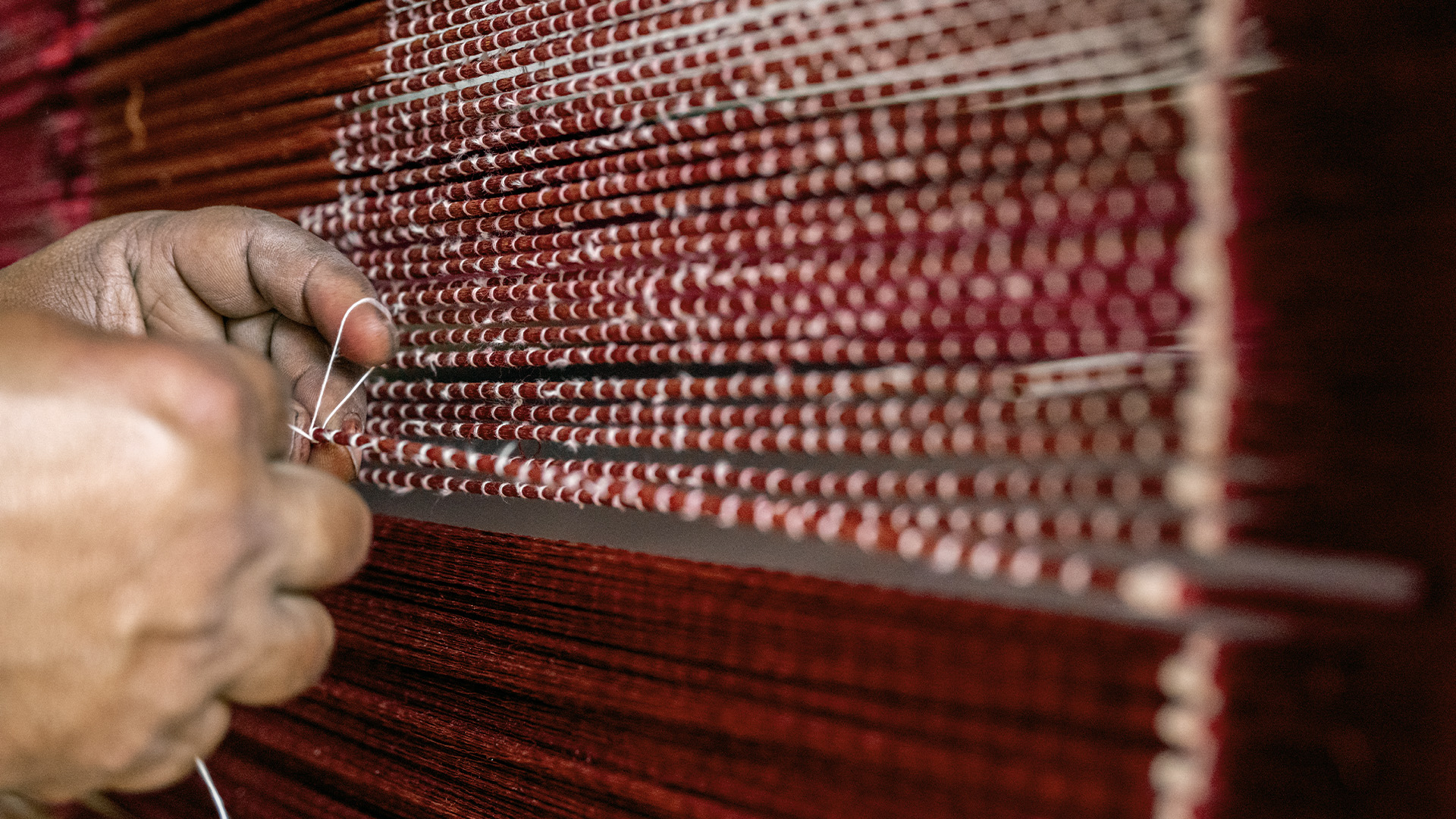
Patola weaving at Shree Nageshvari Patola Art in Gujarat’s Surendranagar; Photography by Vinay Panjwani

ORNAMENTATION IN STONE

Jalis, jharokhas and the maximalist imagination

Across India, stone has long been treated not as inert matter but as a living substance — capable of breath, rhythm and revelation. The country’s ornamentation in stone, from the filigreed jalis of the Mughals to the exuberant jharokhas of Rajasthan and the sculpted corridors of southern temples, embodies the very spirit of Indian maximalism: plenitude rendered through precision.

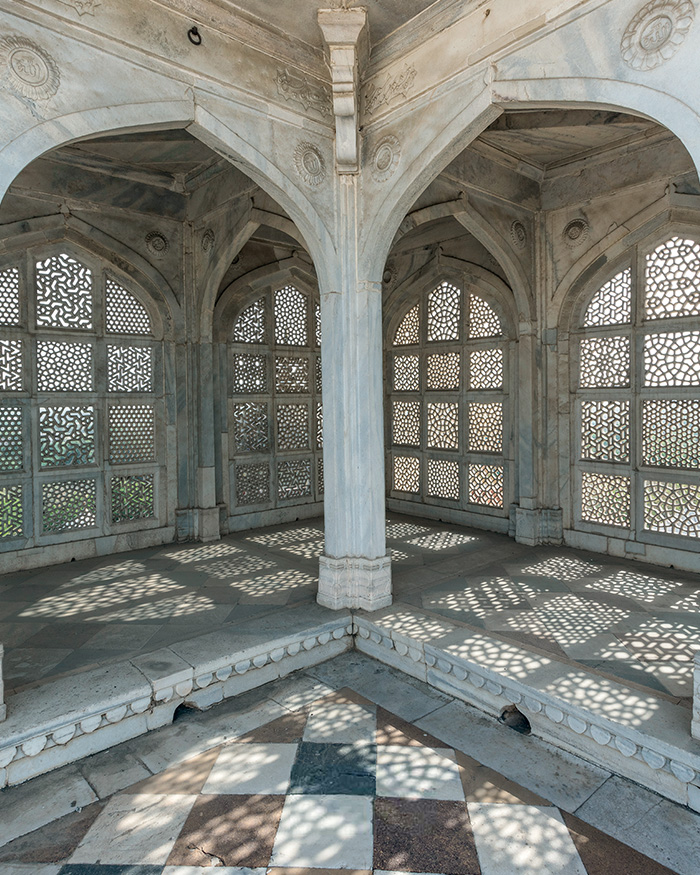
A jali is both screen and light-filter — a play of geometry and grace. In Delhi, Agra and Fatehpur Sikri, the Mughals transformed sandstone into lace, crafting patterns that dissolved solidity into translucence. These perforated lattices softened the sun and turned architecture into poetry. In Gujarat and Rajasthan, jharokhas projected from facades like jeweled balconies — their carved brackets, niches and arabesques blurring the boundary between sculpture and structure.

Far to the south, in Hampi and Halebeedu, in Madurai and Thanjavur, temple walls teem with carved deities, dancers and celestial narratives — every inch a declaration of faith and abundance. As in Khajuraho, these surfaces are alive with motion and sensuality, revealing a culture that sees ornament not as embellishment alone, but as revelation.

The Indian stone craftsman, anonymous yet immortal, transformed architecture into a mantra. Through chisel and intuition, he understood what Ananda Coomaraswamy called “the seeing hand” — the union of mind, spirit and skill. The result is an art where geometry attains divinity. Across the subcontinent, the jali and jharokha stand as symbols of India’s maximalist imagination: an aesthetic that celebrates infinity within the finite, turning stone itself into a luminous script of civilisation.

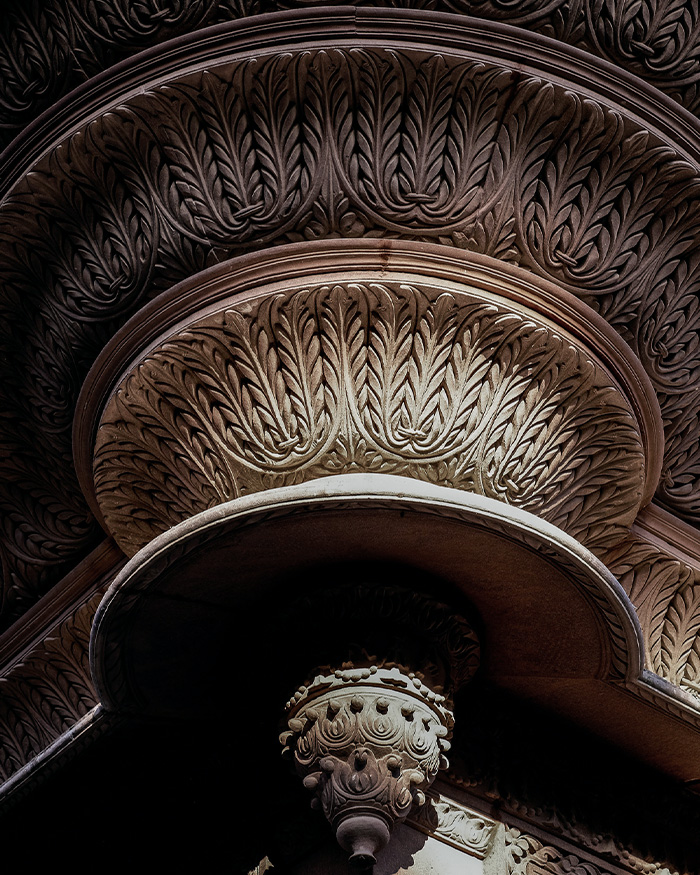
Upper storey at the tomb of Akbar, Sikandra, Agra. From Jali: Lattice of Divine Light in Mughal Architecture (2023). Published by Mapin Publishing, Ahmedabad. Reproduced with permission. Image credit: Abhinav Goswami
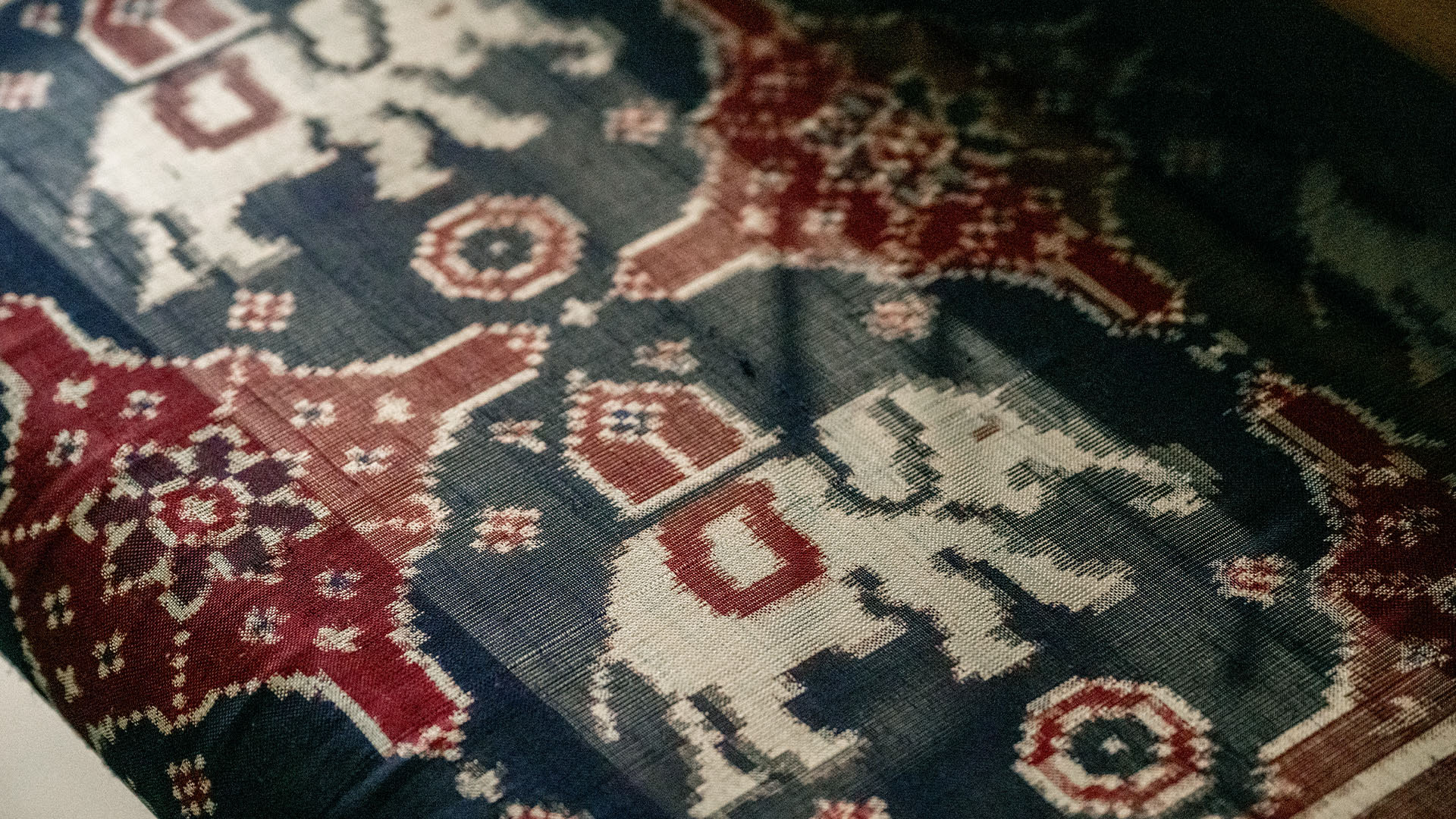
Draped on royalty, deities, or everyday bodies, cloth held more than warmth or beauty. It stored shared histories, geographies, identity and sacred belief systems; Photography by Vinay Panjwani

THE MAXIMALIST POETRY

Of India’s textile history

If architecture is India’s monumental canvas, then textiles are its intimate poetry. Both are born of the same aesthetic conviction — that beauty lies in plenitude, in the patient layering of meaning, technique and form. Through millennia, India’s textiles have expressed a maximalism that is not ornamental excess, but an exuberant harmony of craftsmanship, colour and symbol. From the luminous jamdanis of Bengal, woven with motifs so ethereal that they appear to float upon air, to the resplendent Banarasi brocades and Kanjeevarams of Tamil Nadu, to Paithanis of Maharashtra and the complex patolas of Gujarat — each textile is a philosophy rendered in thread. The warp and weft are not merely material; they are metaphysical. As Ananda Coomaraswamy wrote, “the Indian craftsman never invents — he reveals,” drawing from a cosmic design that already exists. At its heart, India’s textile tradition is a dialogue between the hand and the spirit.

The dyeing vats of Kutch, the ikat looms of Odisha, the block prints of Rajasthan and the fine embroideries of Lucknow and Kashmir — all bear witness to a civilisation that weaves its myths, rituals and aspirations into cloth. The maximalism of these traditions lies in their infinite nuance — in the belief that perfection is found not in uniformity, but in abundance. Whether adorning kings, gods or ordinary householders, textiles became repositories of  collective memory — carriers of geography, gender and devotion. Their shimmering surfaces reveal a moral order of making. India’s woven maximalism is thus an art of generosity: a celebration of the human hand’s ability to transform fibre into meaning and utility into eternal beauty.

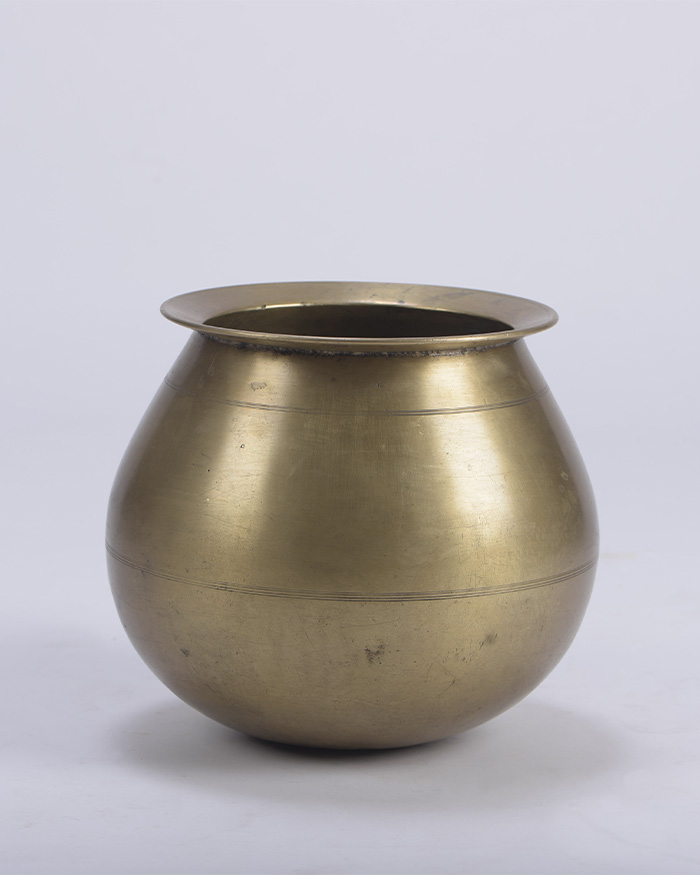
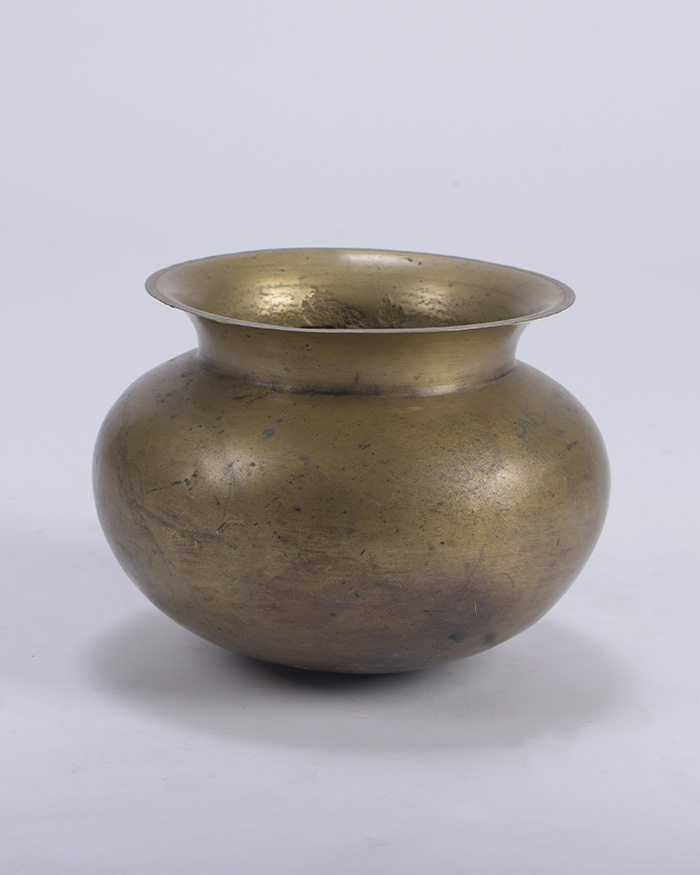
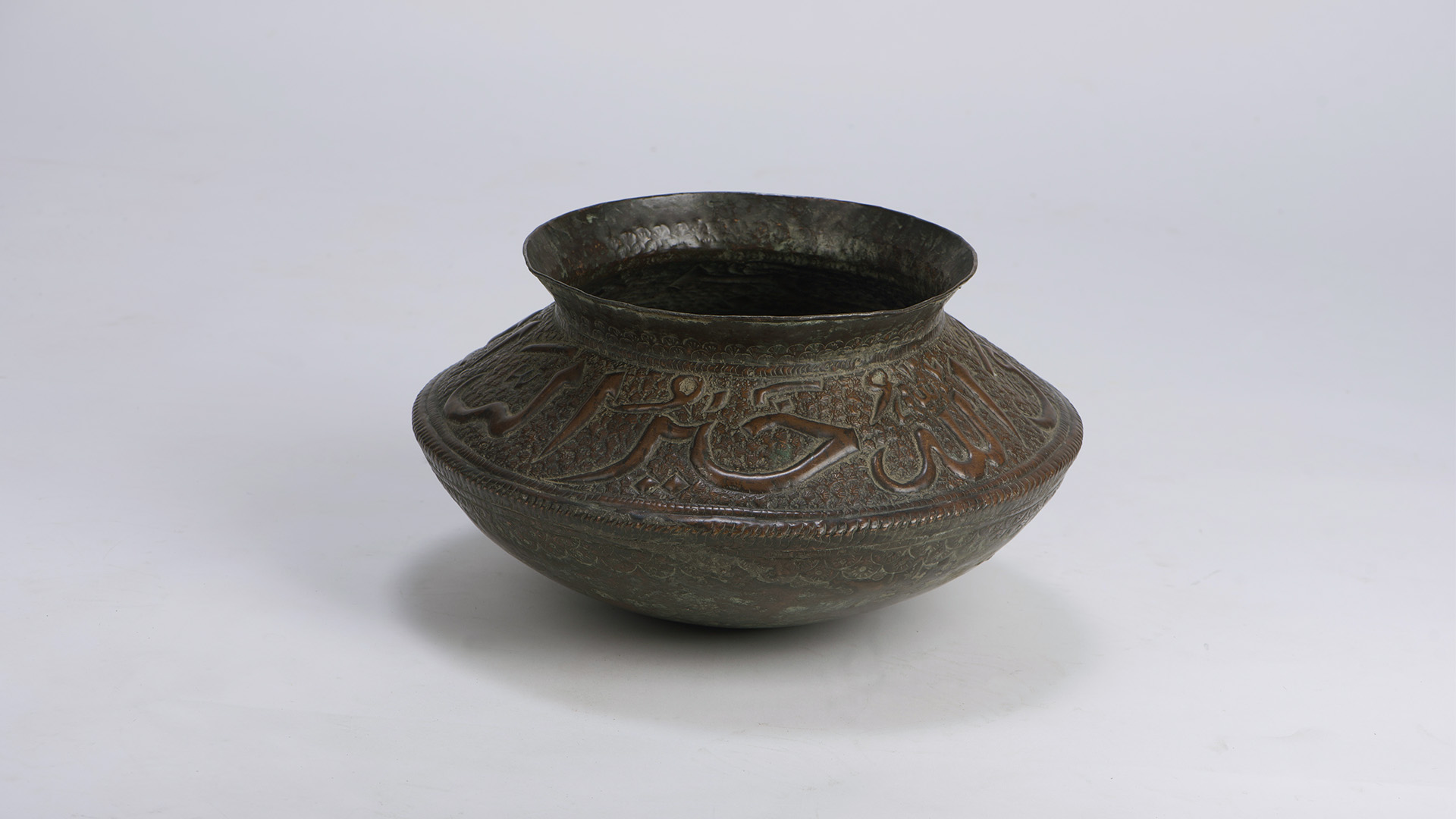
Carrying a maximalism of thought rather than embellishment, Indian vessels find beauty in proportion, material, and the dynamic between form and use; Photograph courtesy of Sunita Kohli
Draped on royalty, deities, or everyday bodies, cloth held more than warmth or beauty. It stored shared histories, geographies, identity and sacred belief systems; Photography by Vinay Panjwani

THE CIVILISATIONAL DESIGN OF

Regional vessels of India

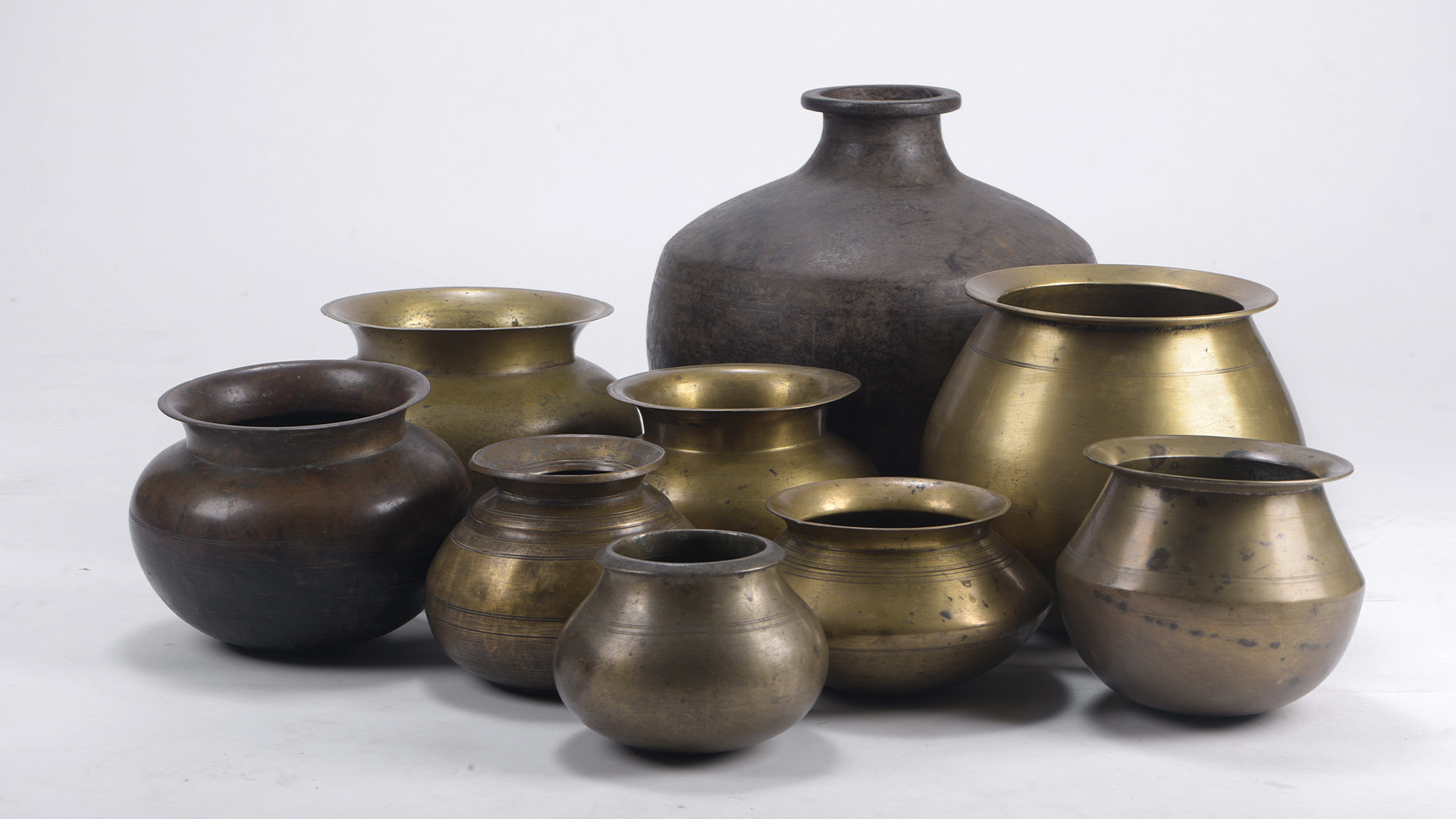
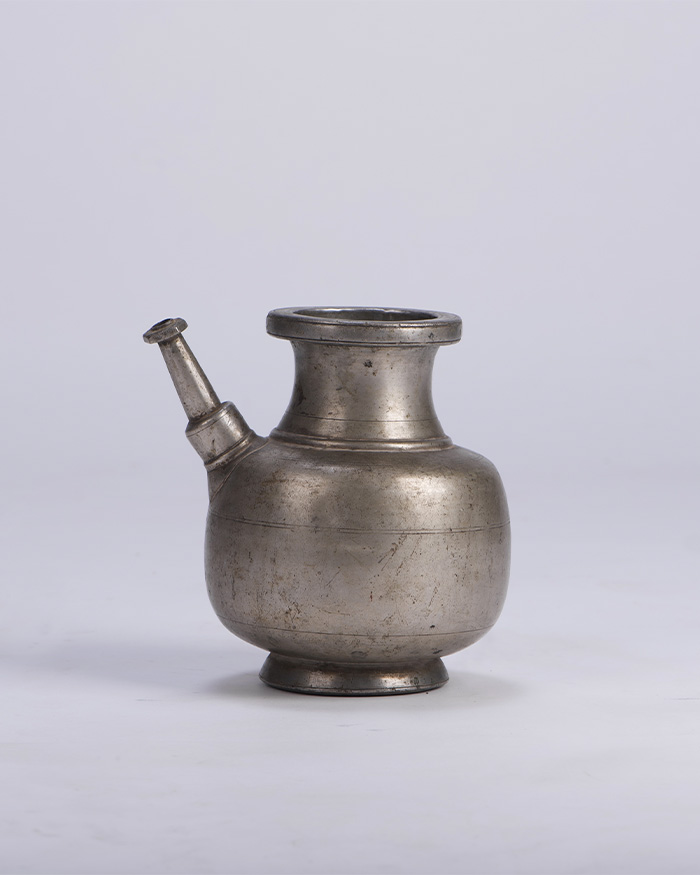
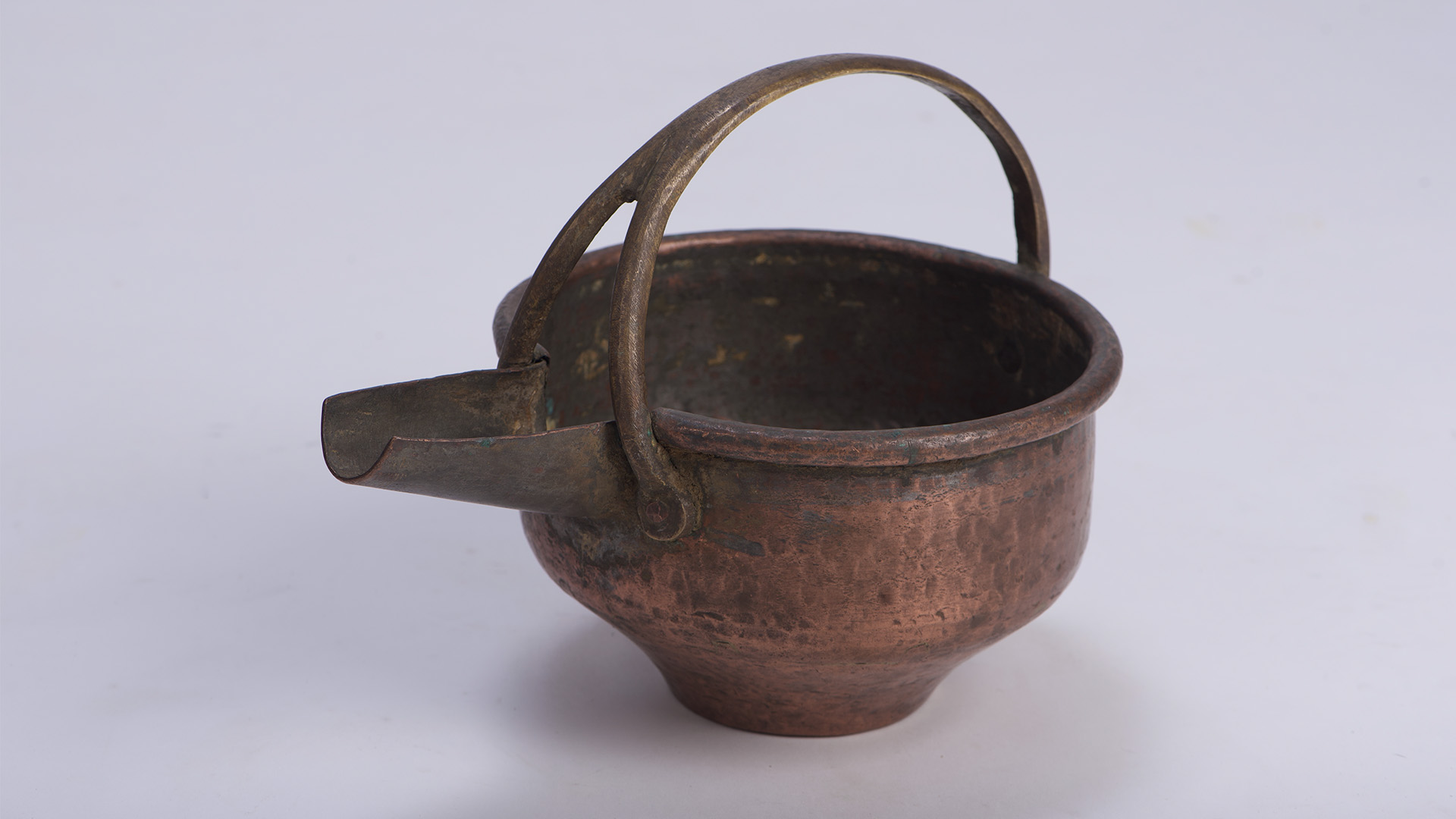
Few objects reveal India’s genius for functional beauty as eloquently as its vessels. From the humblest lota to the grandest degh, they embody a design intelligence refined over centuries — an instinctive maximalism where utility, geometry and symbolism merge. Charles Eames called the lota “perhaps the most perfectly designed object in the world.” Its spherical balance, narrow neck and poised proportions speak of generations of anonymous artisans who shaped perfection not in palaces, but in the palm of their hands.

Across the subcontinent, each region reimagined the vessel as both utensil and icon. The gleaming urlis of Kerala, wide-mouthed and lotus-like, once for cooking payasams now cradle flowers floating in water in courtyards. From Kumbakonam came the exquisite brass kudams — elegant water pots with sensuous curvature, their surfaces polished to mirror the sun.

Carrying a maximalism of thought rather than embellishment, Indian vessels find beauty in proportion, material, and the dynamic between form and use; Photograph courtesy of Sunita Kohli
India’s vessels make a case for beauty with purpose: from the everyday lota to the monumental degh; Photograph courtesy of Sunita Kohli

In Gujarat, massive storage jars were beaten from copper or bell-metal, their flanks etched with motifs of fertility and prosperity. The North fashioned the monumental deghs of Mughal kitchens, vast cauldrons that turned communal feasts into ritual; in the South, the simple idli steamer evolved into an instrument of precision, and also an emblem of domestic innovation.

Indian vessels reveal a maximalism of thought, not embellishment. Their ornament lies in proportion, in the tactile warmth of metal or clay, in the resonance between form and function. They link the sacred and the everyday — vessels for water, food and worship, bearing in their curves the memory of civilisation itself. In their diversity and refinement, they remind us that in India, even the most ordinary object aspires to universality; that beauty, when born from purpose, attains the perfection of the eternal lota.

Carrying a maximalism of thought rather than embellishment, Indian vessels find beauty in proportion, material, and the dynamic between form and use; Photograph courtesy of Sunita Kohli

JEWELLERY IN GOLD AND SILVER

An exuberance of adornment

In India, jewellery has never been mere adornment; it is architecture for the body, a visible language of civilisation. Through millennia, gold and silver have served as both material and metaphor — embodying wealth, sanctity and continuity. The Indian genius for maximalism finds exquisite expression here, in the transformation of precious metals into living art – intimate yet monumental. Gold, described in the Rigvedas as “the seed of Agni,” symbolised purity and immortality. Silver, lunar and fluid, complemented it with grace and restraint. India wears more jewellery per person, than anywhere else in the world, especially in rural areas. There is jewellery for every body part, from tikkas to toe rings. The abundance of silver jewellery fashioned across India, in distinct regional styles and for every part of the body is amazing. This despite it not being produced here but coming from trading with the ancient world, particularly with Rome.

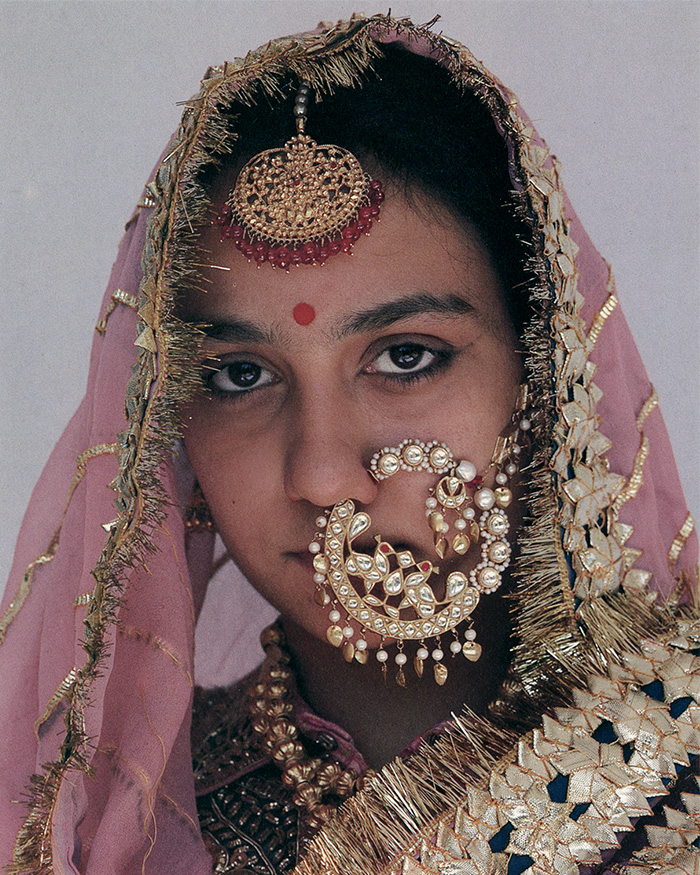
Bridal ornaments, Jammu. From Crafts of Jammu, Kashmir and Ladakh (1990). Published by Mapin Publishing, Ahmedabad. Reproduced with permission. Image credit: Kamal Sahai
Carrying a maximalism of thought rather than embellishment, Indian vessels find beauty in proportion, material, and the dynamic between form and use; Photograph courtesy of Sunita Kohli

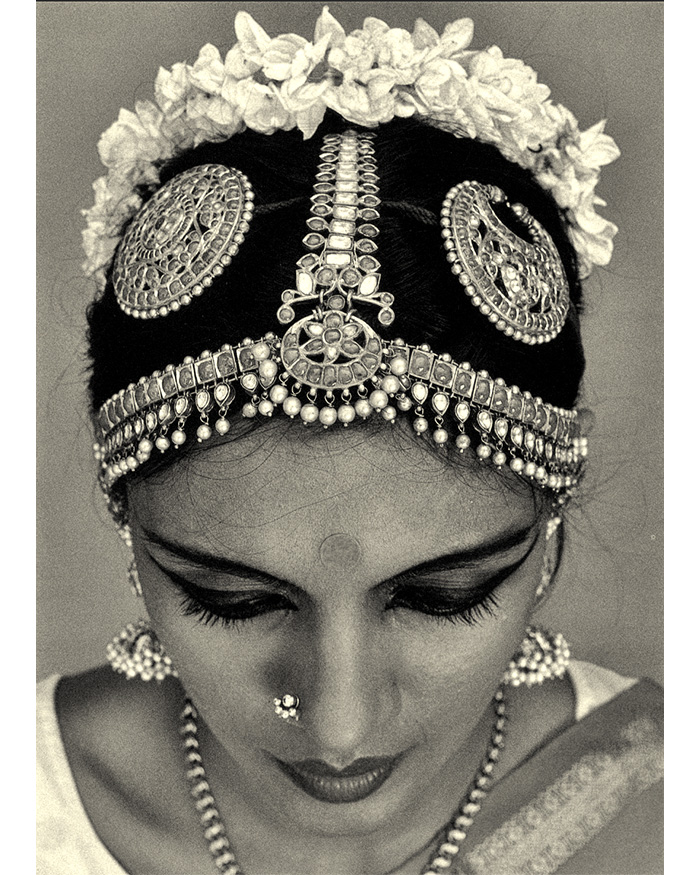
From the repoussé work of Kutch and the granulated filigree of Cuttack to the anklets of Tamil Nadu and the kundan and meenakari splendours of Mughal ateliers, each region evolved its own vocabulary of brilliance. The royal naulakha haar, the tribal torque and the temple jewels created for gods — all partake of a shared reverence for craftsmanship and meaning. Indian jewellery’s maximalism lies not only in its ornament but in its layered purpose. As dowry and inheritance, as protection and piety, as social identity and divine offering, it bridges the material and the metaphysical. Even the smallest bali or mangtikka was designed with an awareness of geometry, weight and cosmic balance. Each ornament is a microcosm of civilisation — its motifs of lotus, peacock, serpent and the sun are distilled philosophy. In the words of Ananda Coomaraswamy, “All true art is symbolic” and Indian jewellery has always symbolised the harmony between luxury and spirituality. It gleams not with excess, but with essence and intent — celebrating, through gold and silver, the eternal Indian belief that beauty is both a virtue and a way of knowing.

Thalaisaamaan are bridal decorations worn on the head. On top of the head on either side are stone-set figures of the sun and the crescent moon, the former a symbol of a brilliant marriage and the latter symbolic of peace and calm. From Arts and Crafts of Tamilnadu (1992). Published by Mapin Publishing, Ahmedabad. Reproduced with permission. Image credit: V.K. Rajamani
SHARE THIS ARTICLE

You May Also Like

Watch

No results found.

Search
Close this search box.